Residence in Polygyros
Interior Design:
Photography:

And what if the home is not merely a protected and secure shelter, a “vessel of life,” as it has been described, but a space that generates a rich spectrum of sensory stimuli?
Design Philosophy
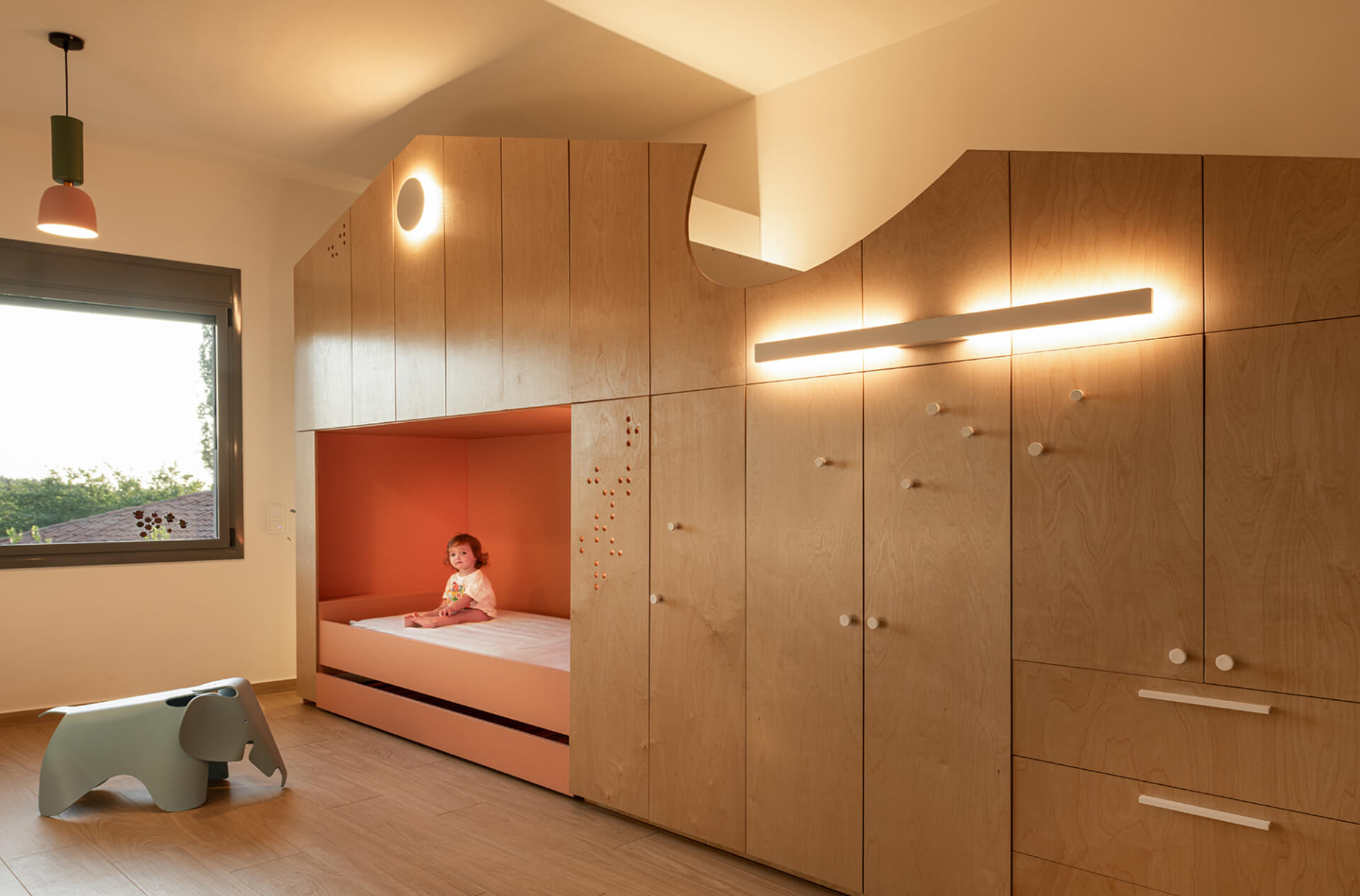
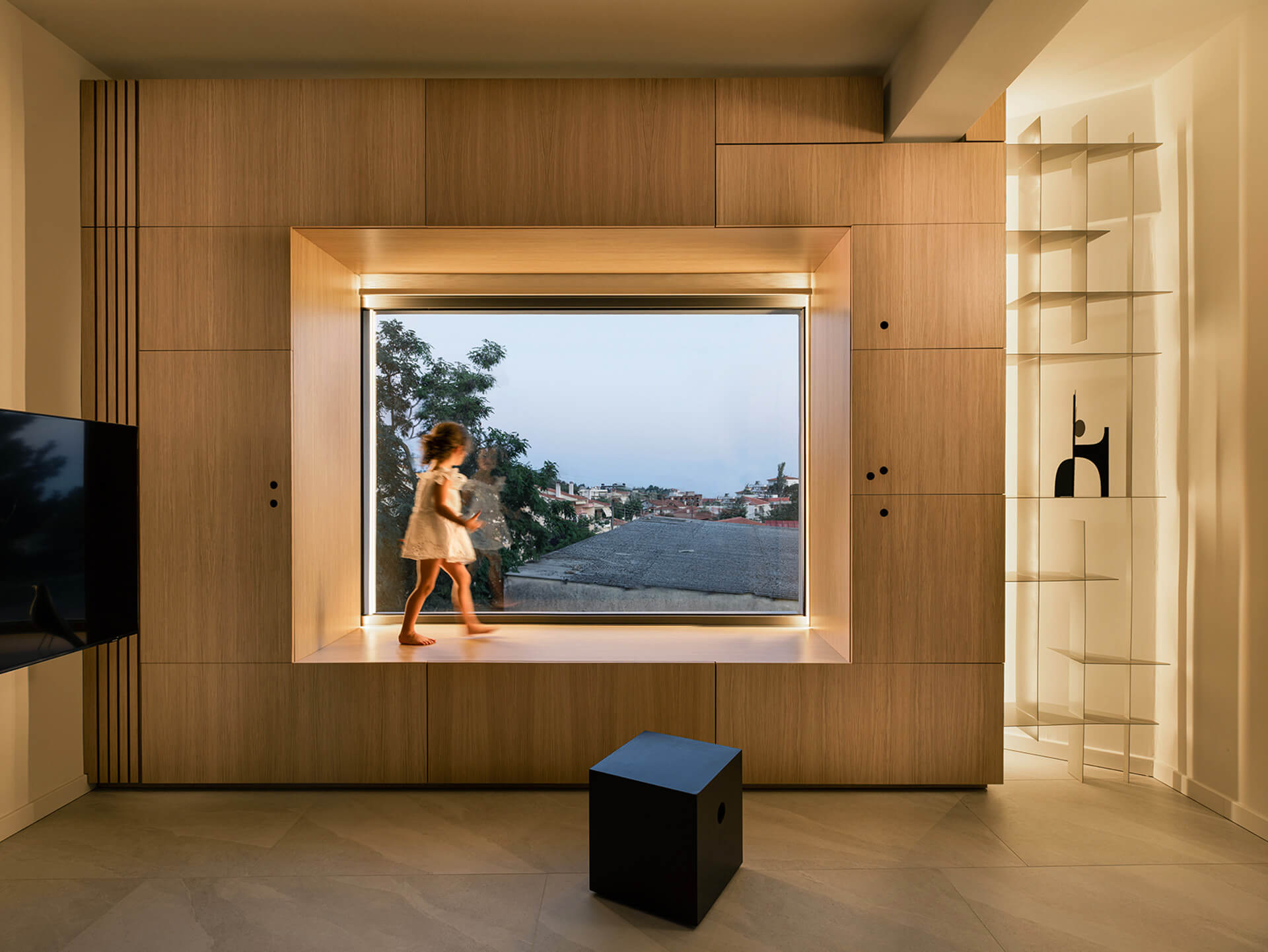
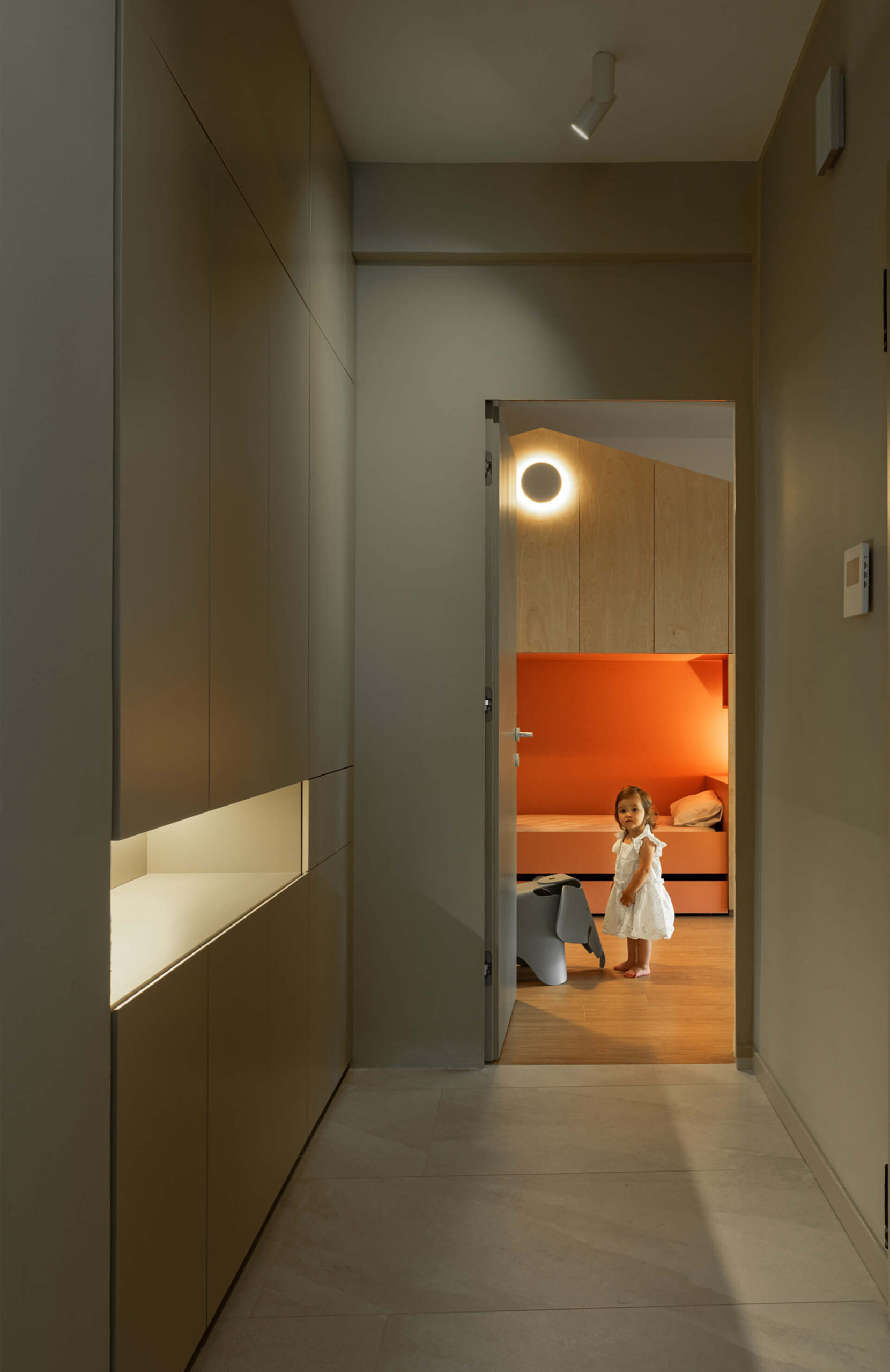
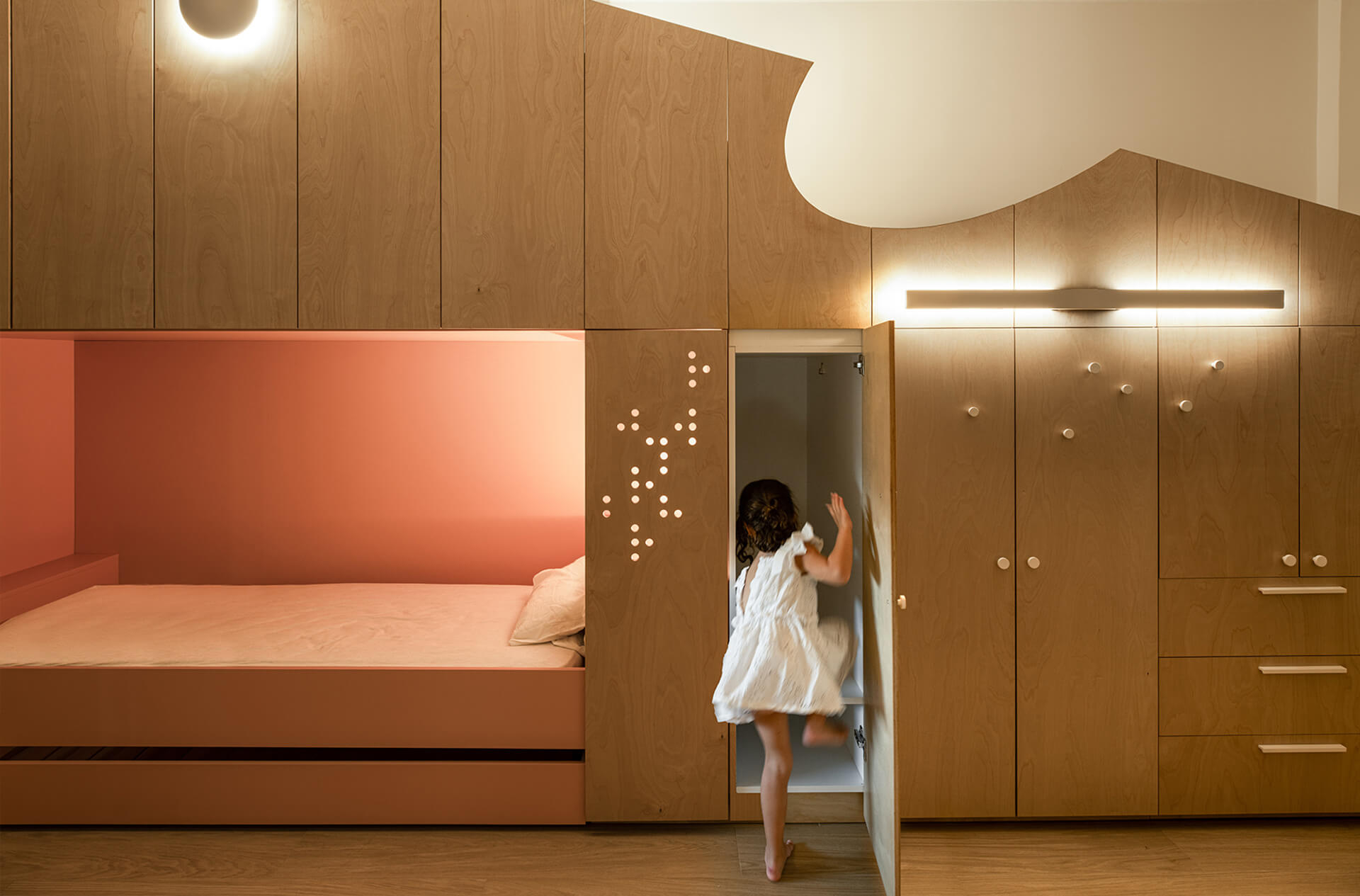
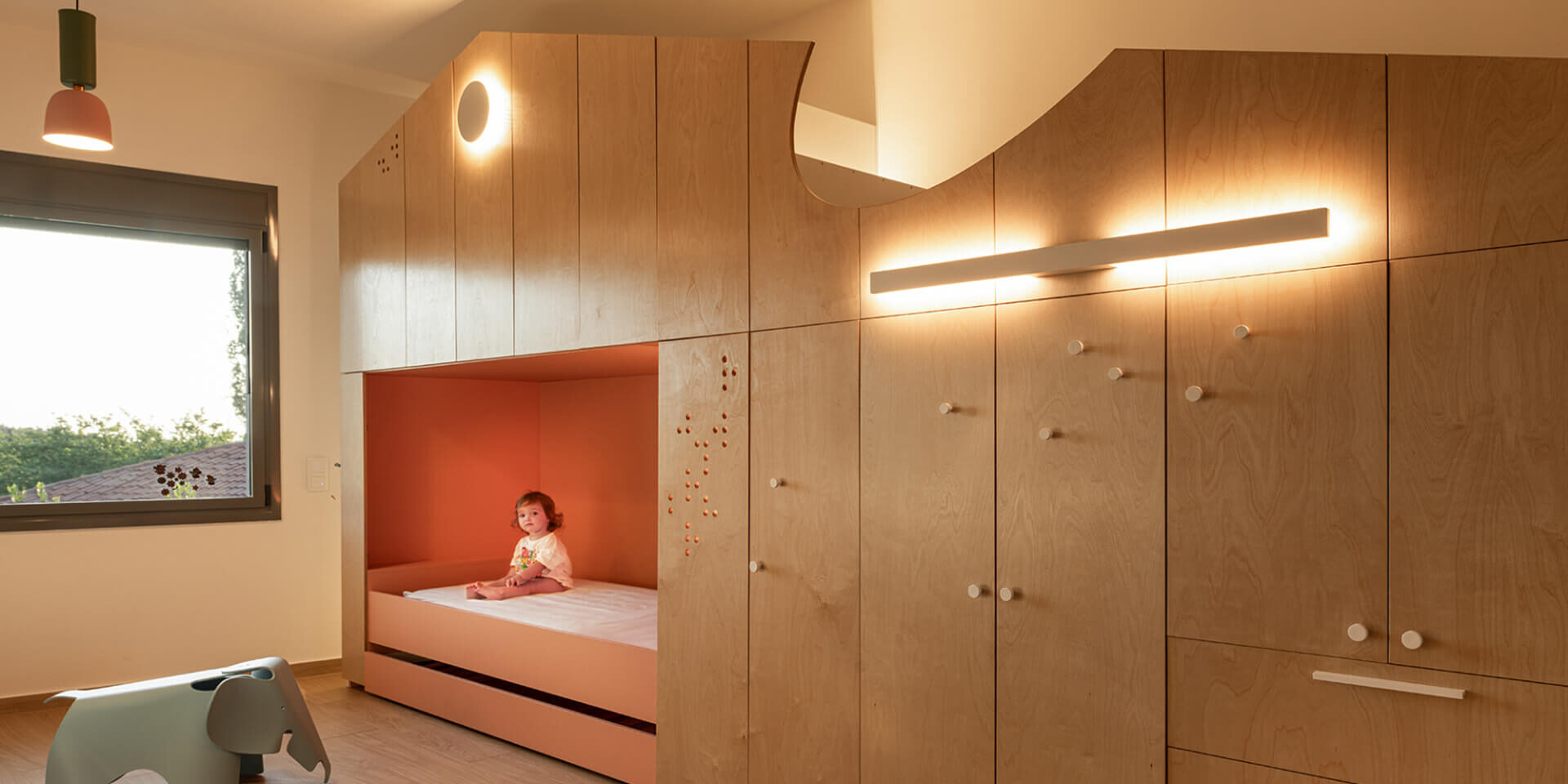
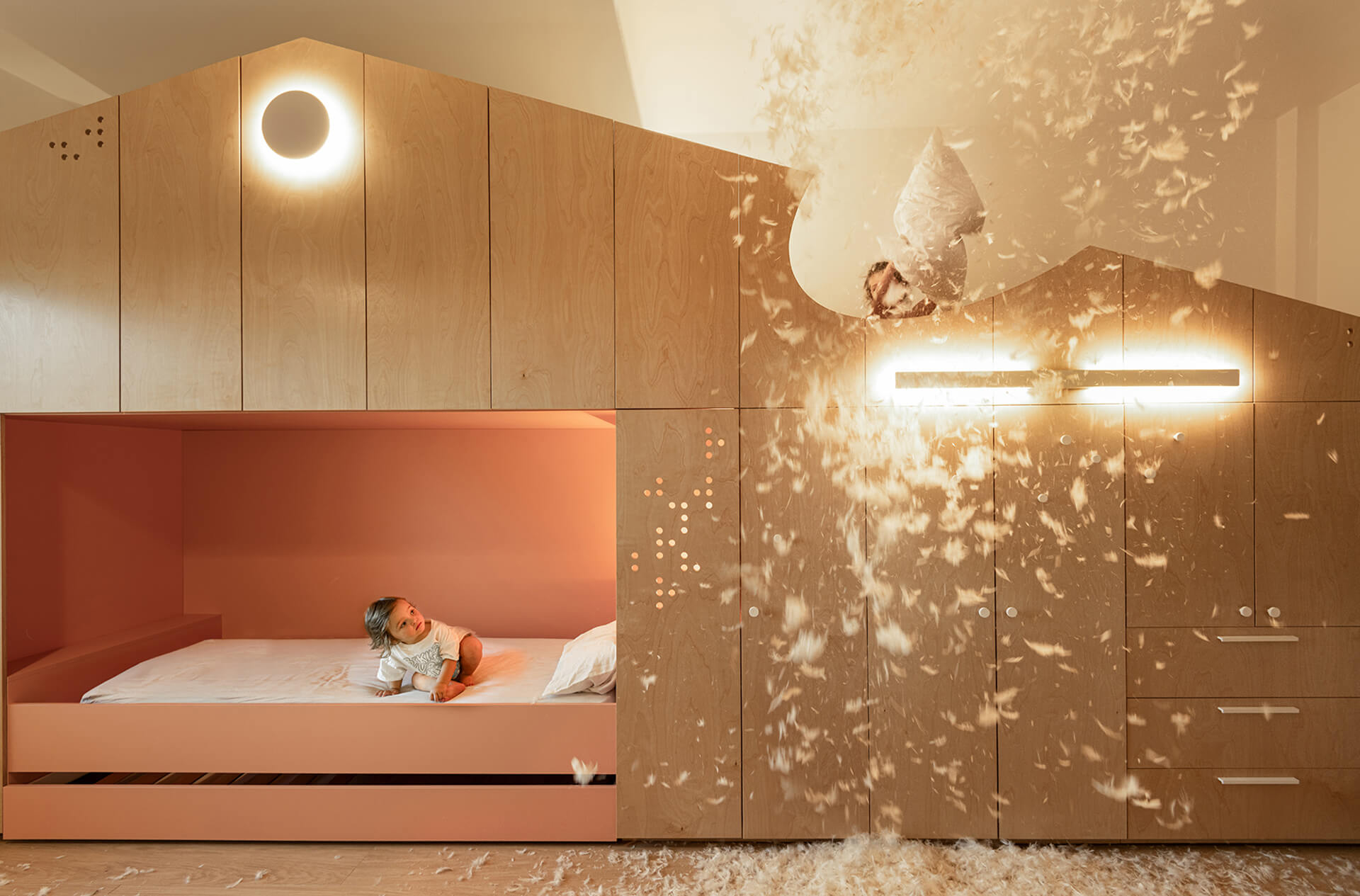
The project is conceived as an everyday living environment that nurtures the user’s experiential relationship with space. The composition aims to heighten sensory awareness and activate the “muscle of initiative,” establishing conditions that encourage participation, play, and spontaneous expression, not only for children, but for all residents. The home is organized as a flexible field of experiences, where movement, perception, and interaction form essential components of daily life.
Materials & Furnishings
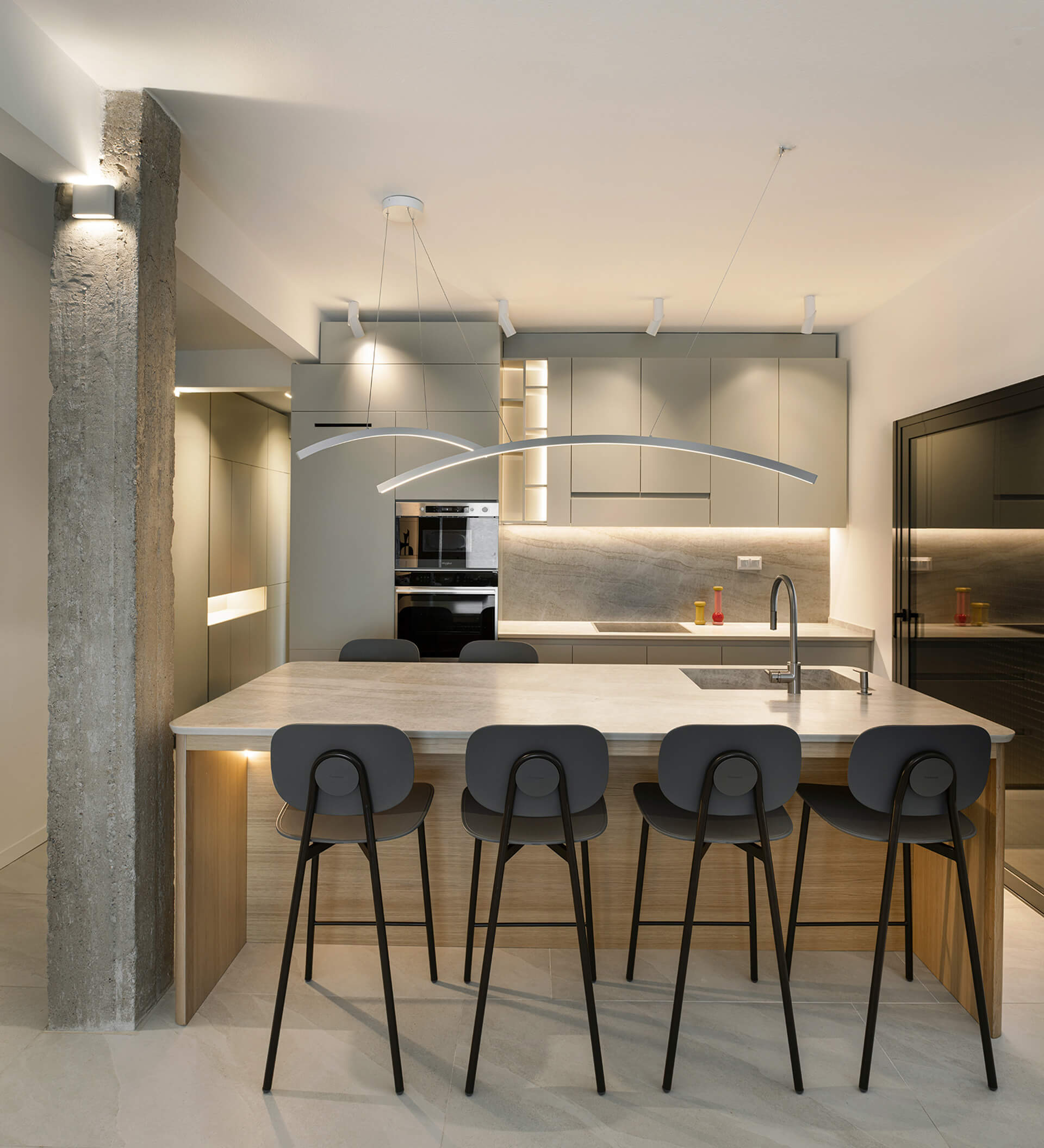
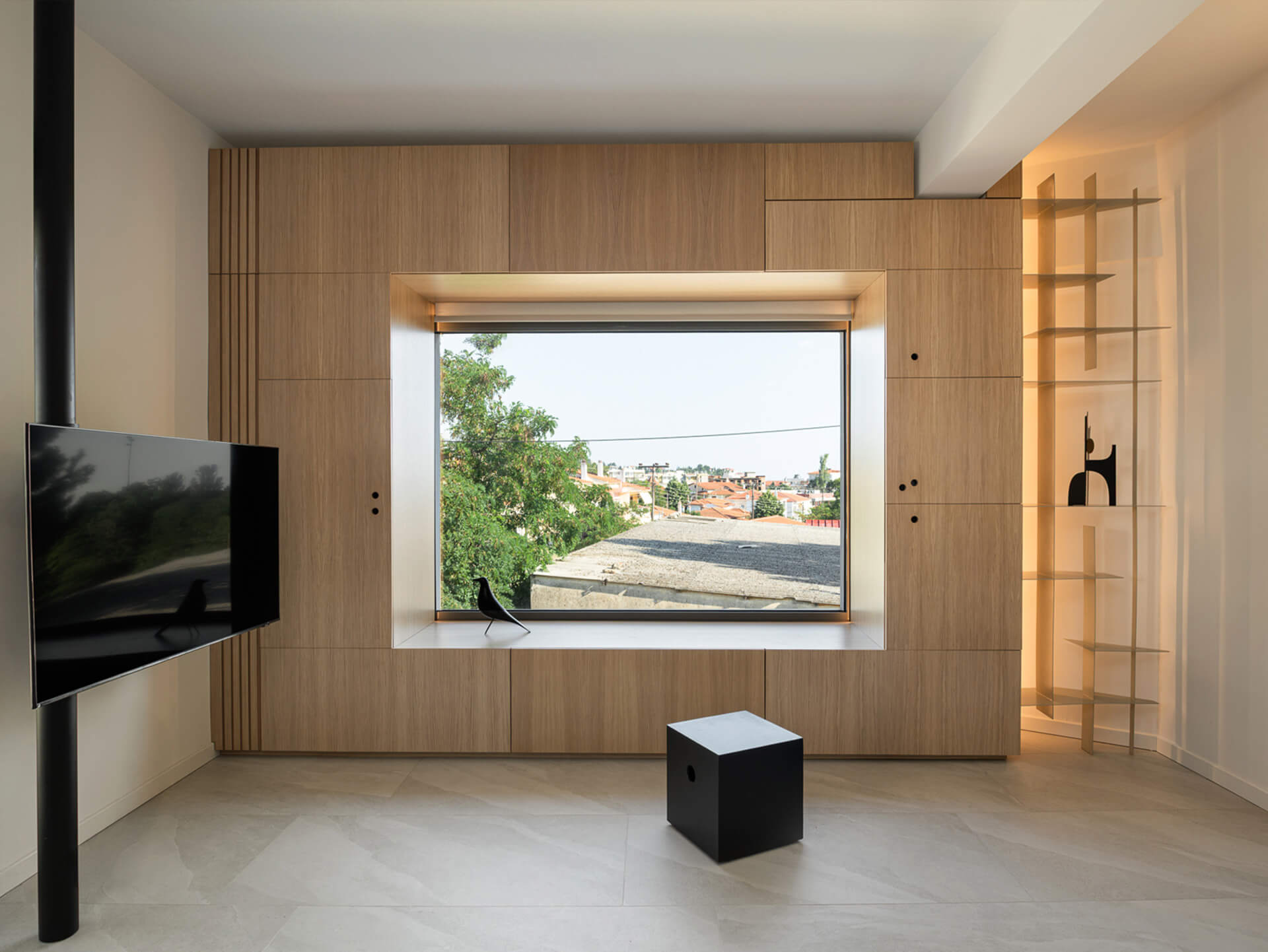
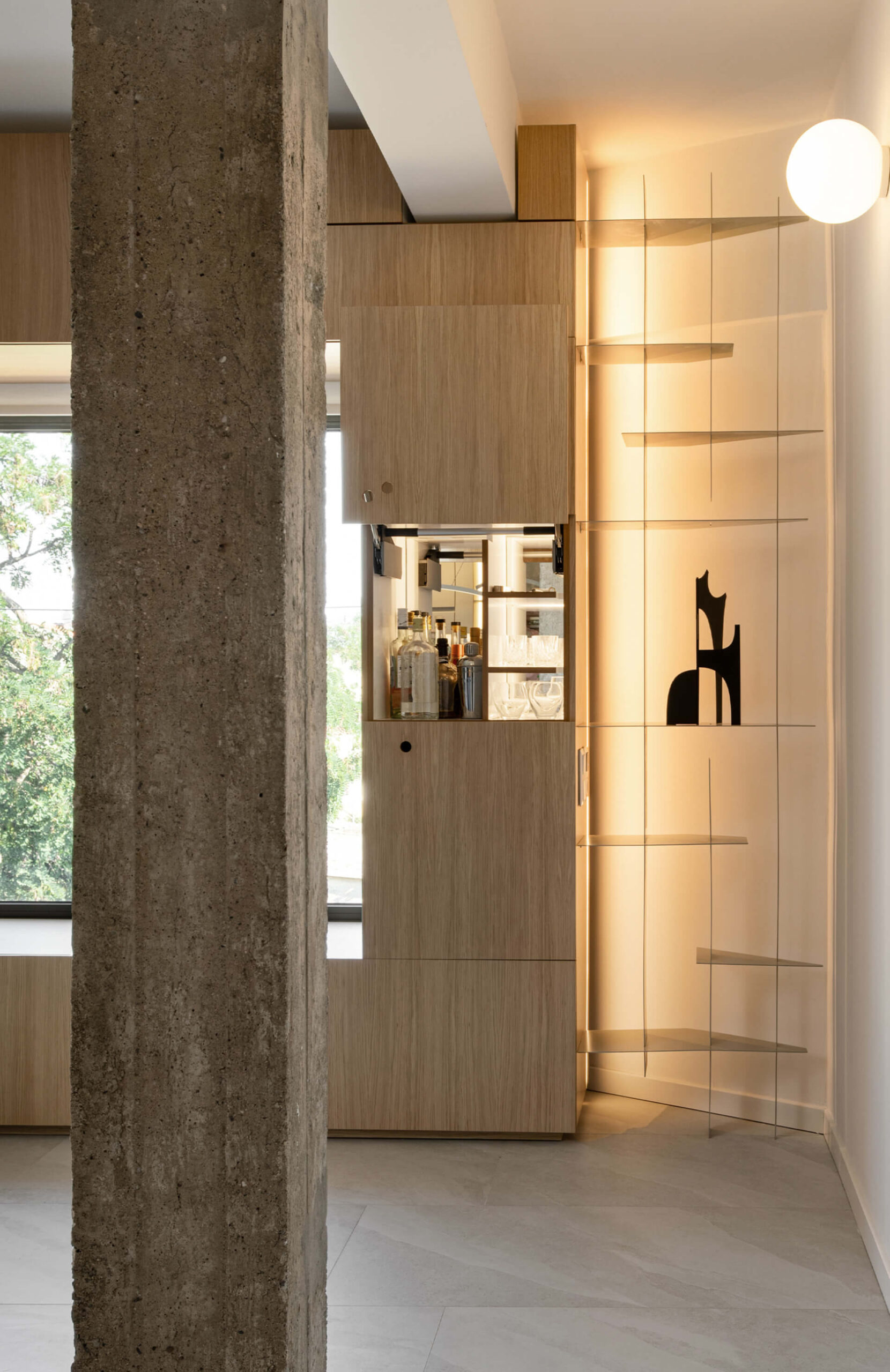
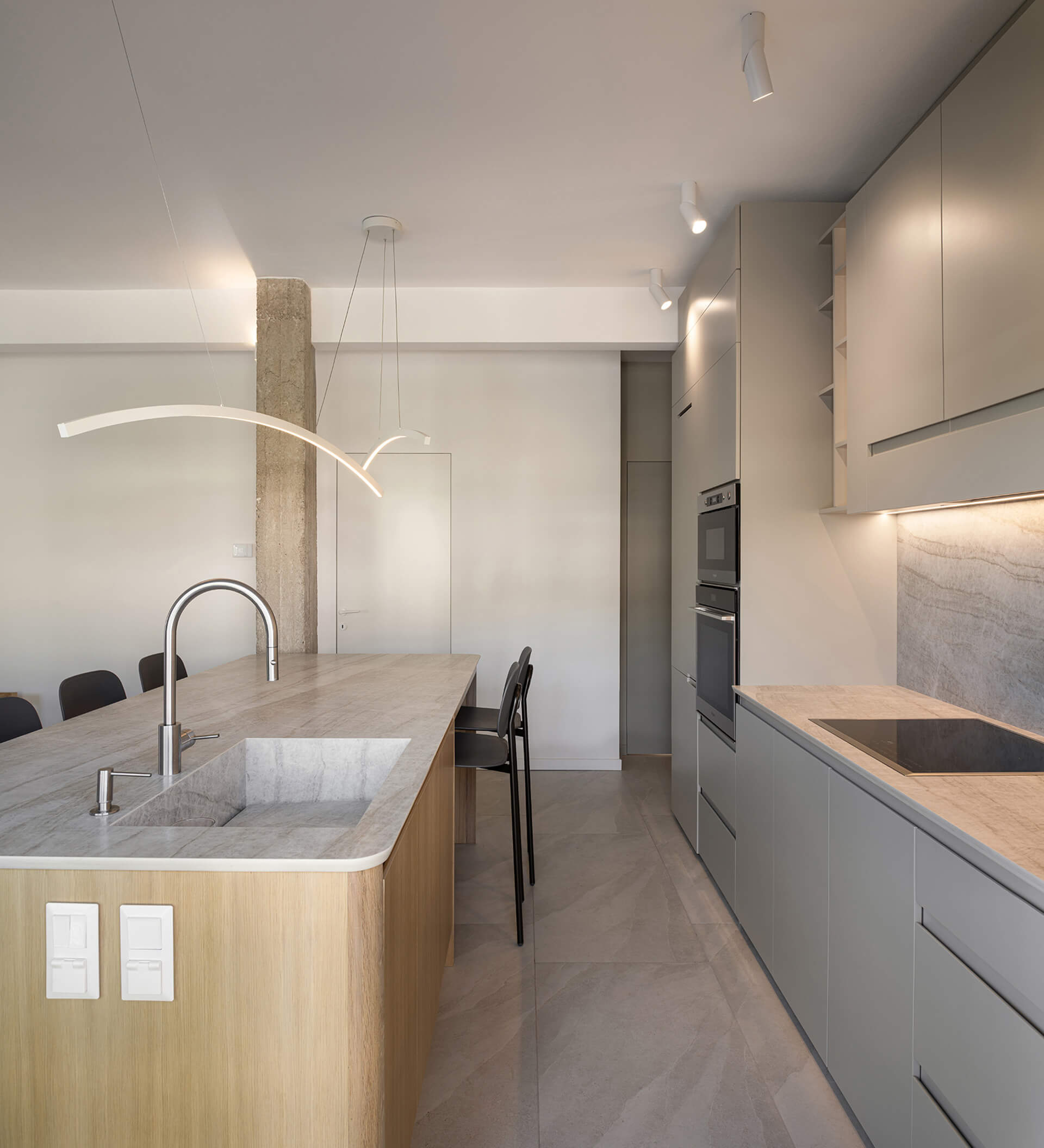
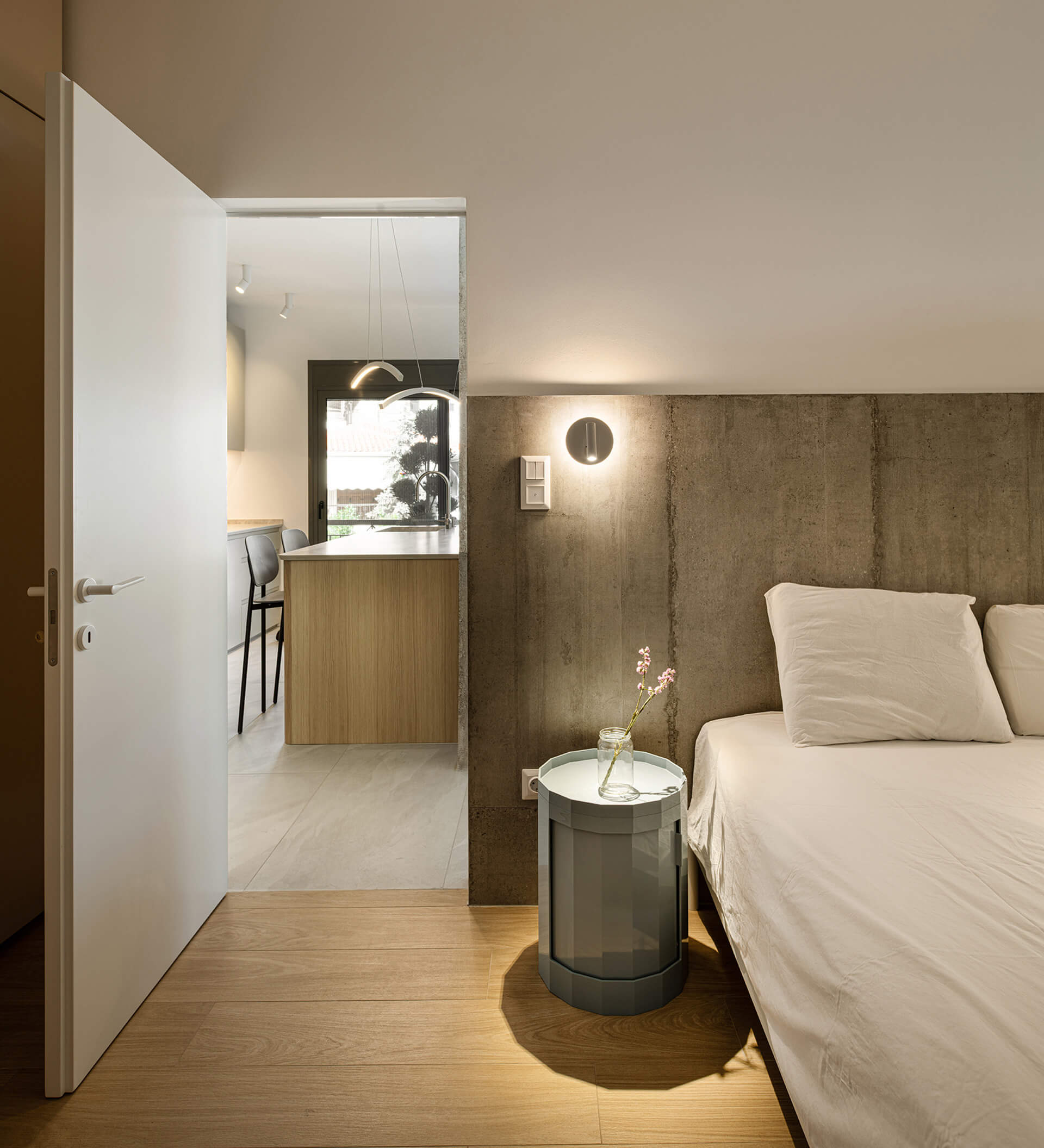
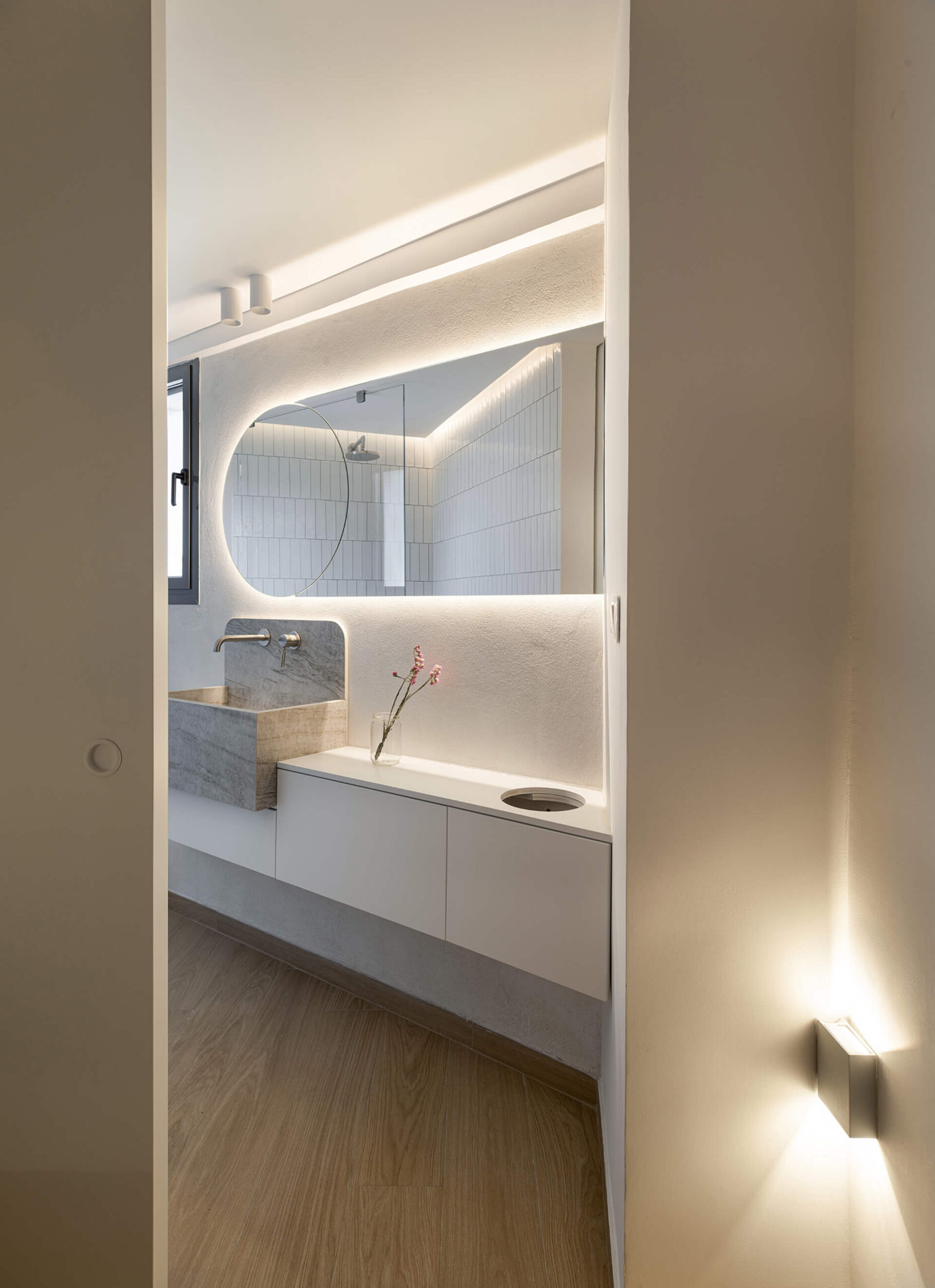
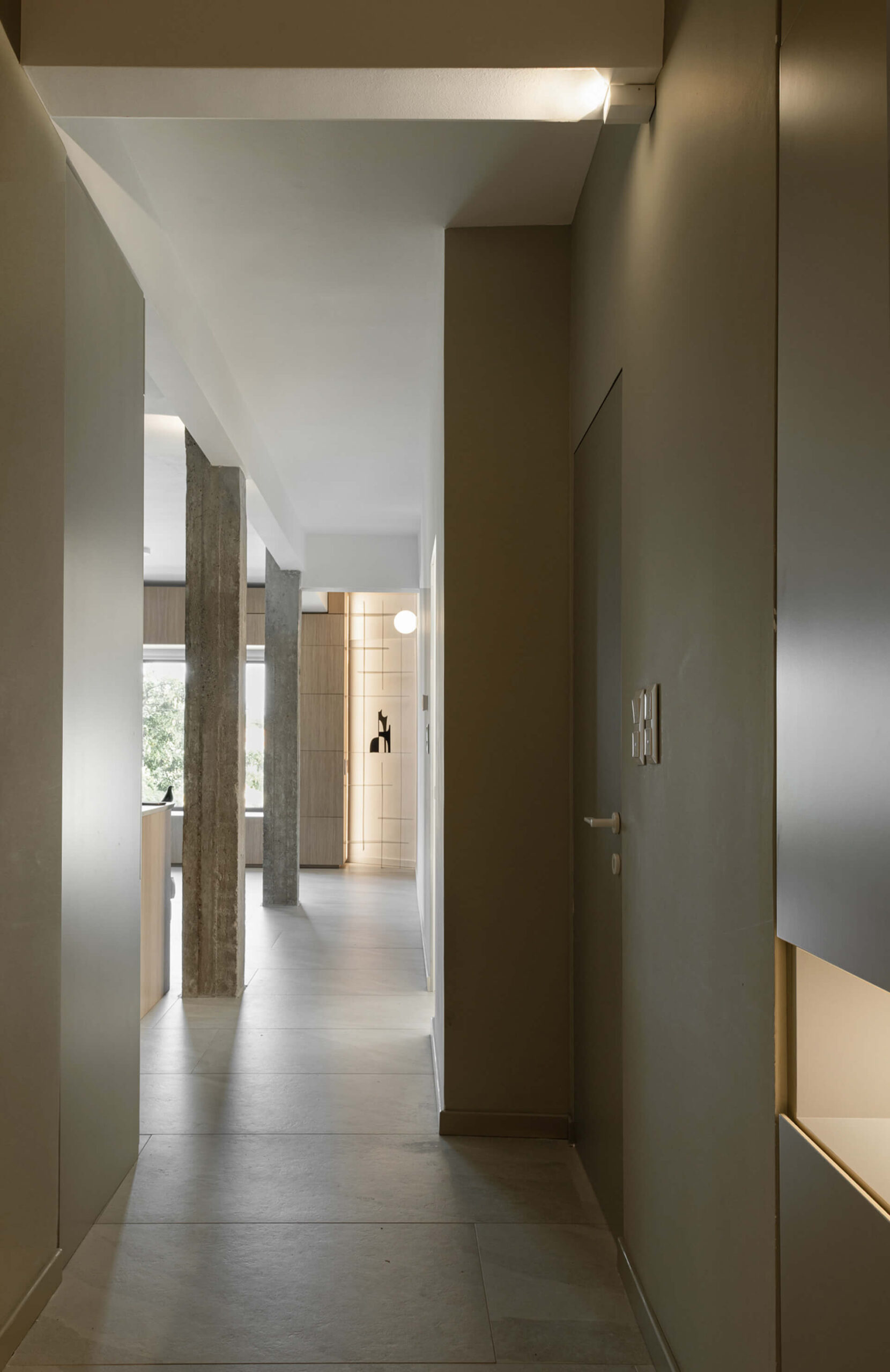
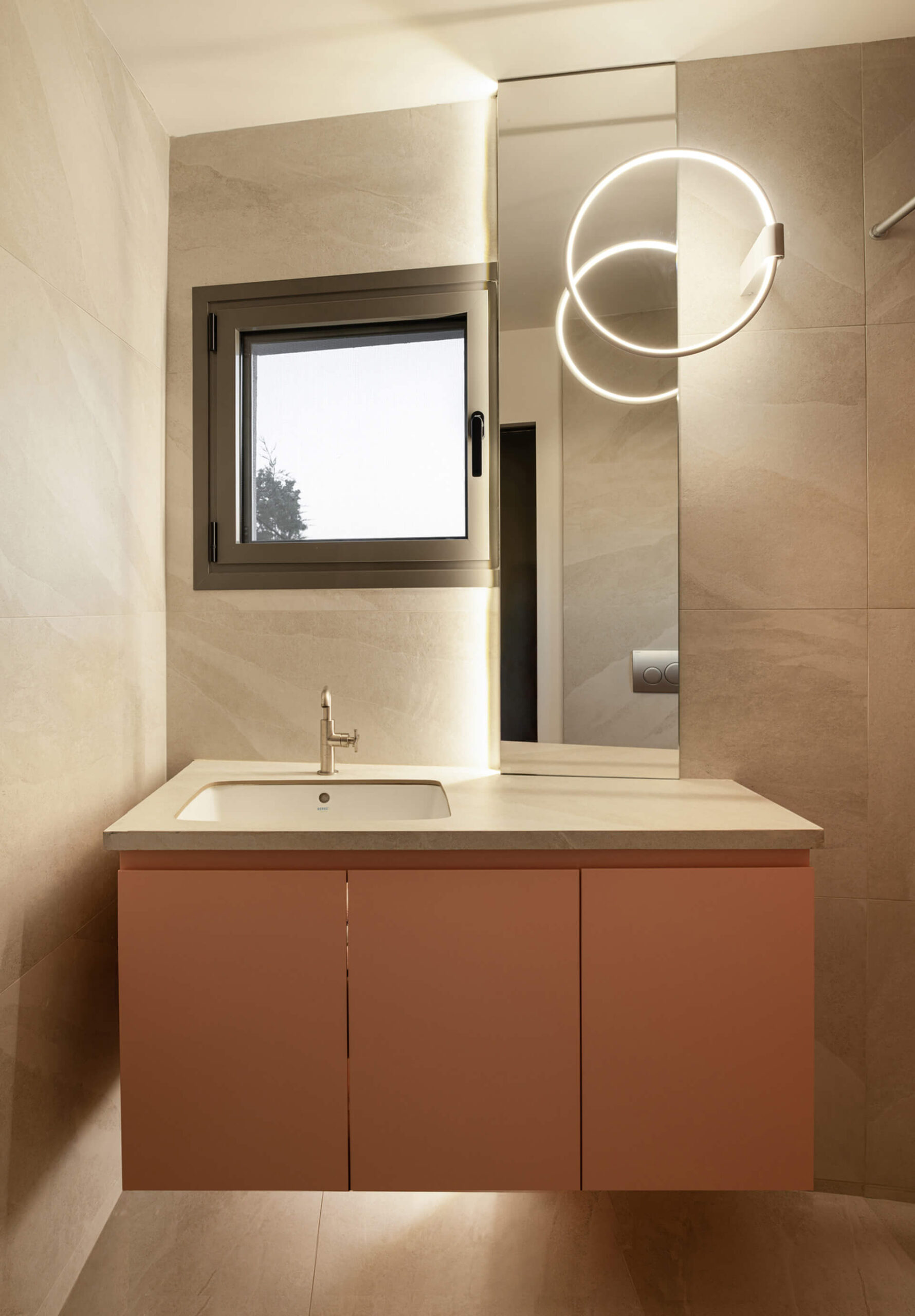
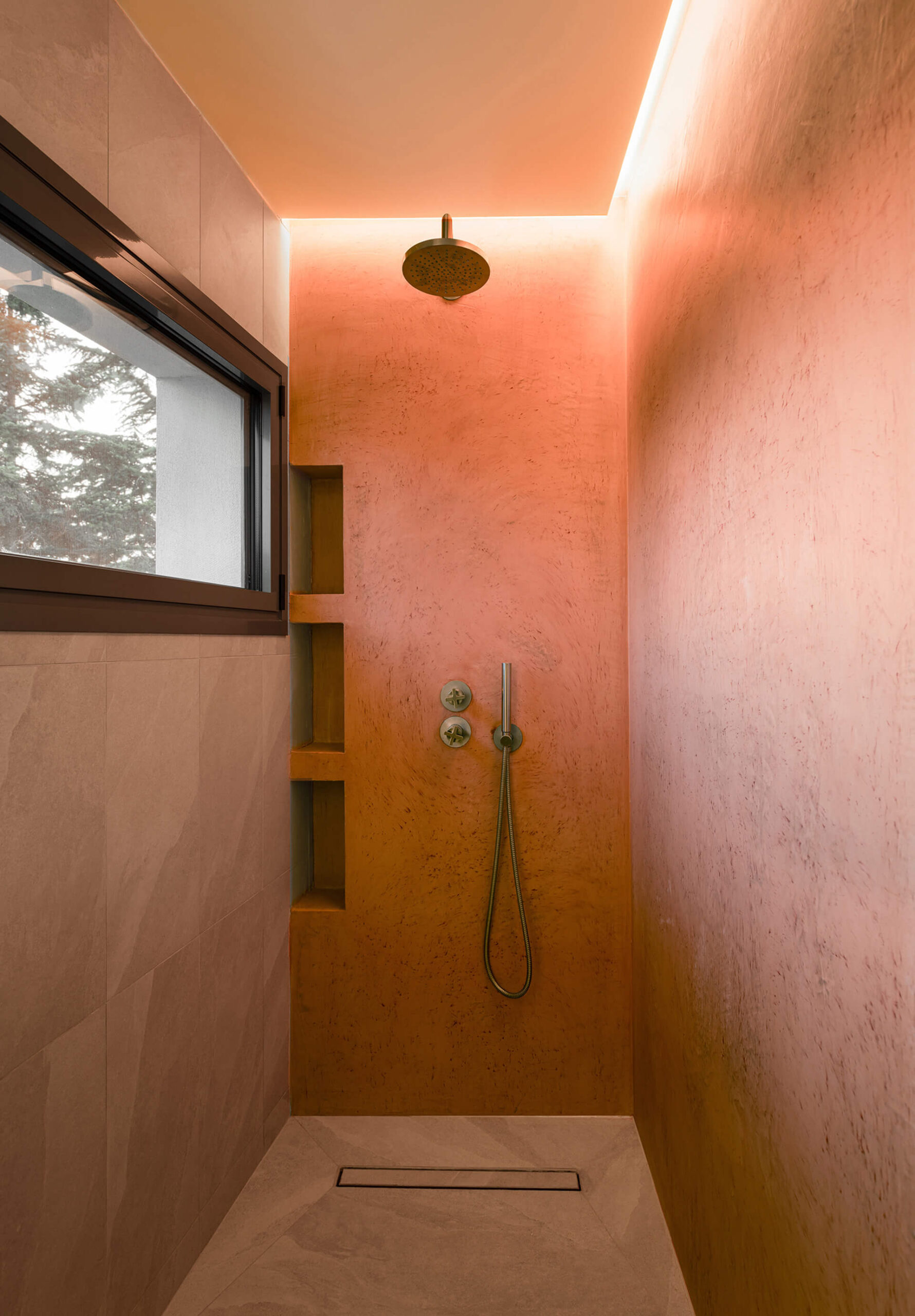
Materiality and furnishing function as active agents of the architectural experience. Clear, legible geometries are selected, with alternating solids and voids reminiscent of spatial sorting games, encouraging exploration and continual discovery. Mirrored surfaces appear unexpectedly, expanding the perceived depth of the space, while glass panels and chalkboard surfaces act as canvases for everyday creative expression. Materials are chosen for their sensory qualities: variations in texture, temperature, and sheen create an environment that invites touch, observation, and interaction.
Lighting Design
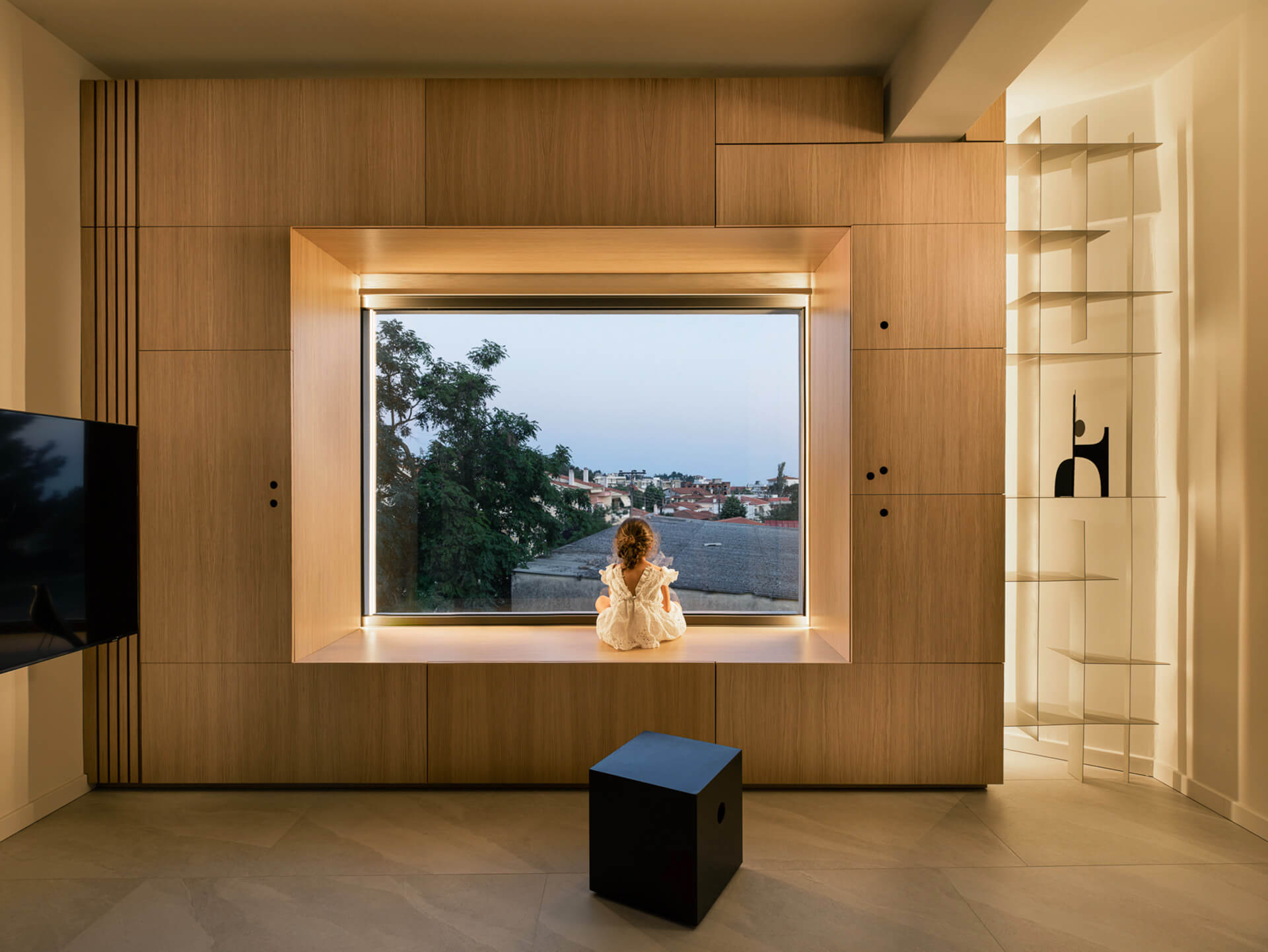
Lighting operates as a fundamental tool for shaping the spatial narrative. Concealed artificial lighting, activated through automation systems, creates scenographic transitions and adapts to the users’ movements and needs. The interplay between light and materials enhances contrasts and surface qualities, generating tactile anticipation and new sensory cues. Large, shifting shadow projections trace the course of natural light throughout the day and the year, forming a poetic interpretation of time within the space. Thus, the home becomes not only a framework for contemporary living but also a stage for unique, lived experiences, especially for the youngest members of the household.