Ateno Architecture Studio
Interview:
Vangelis Bekiaridis
ek Issue:
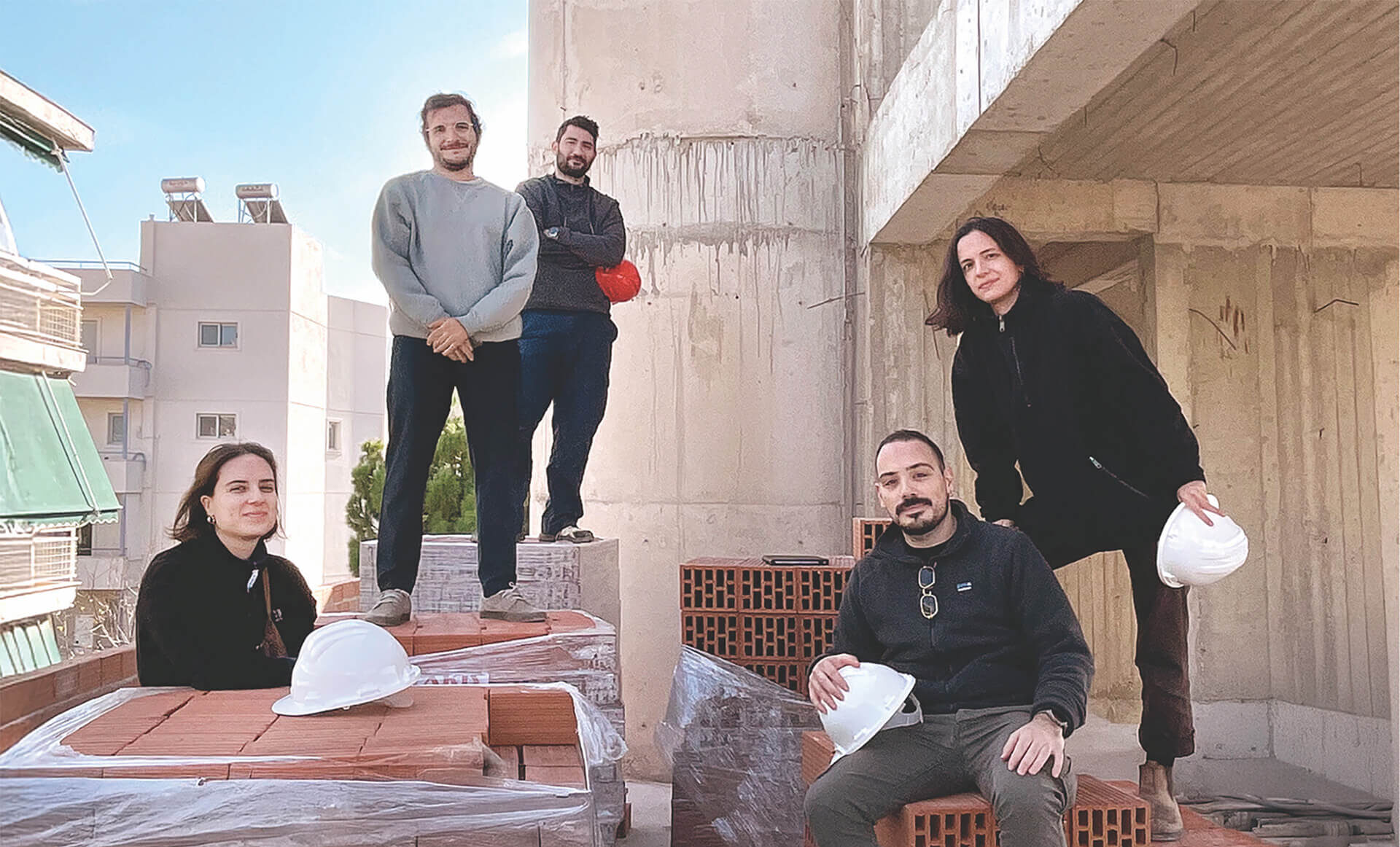
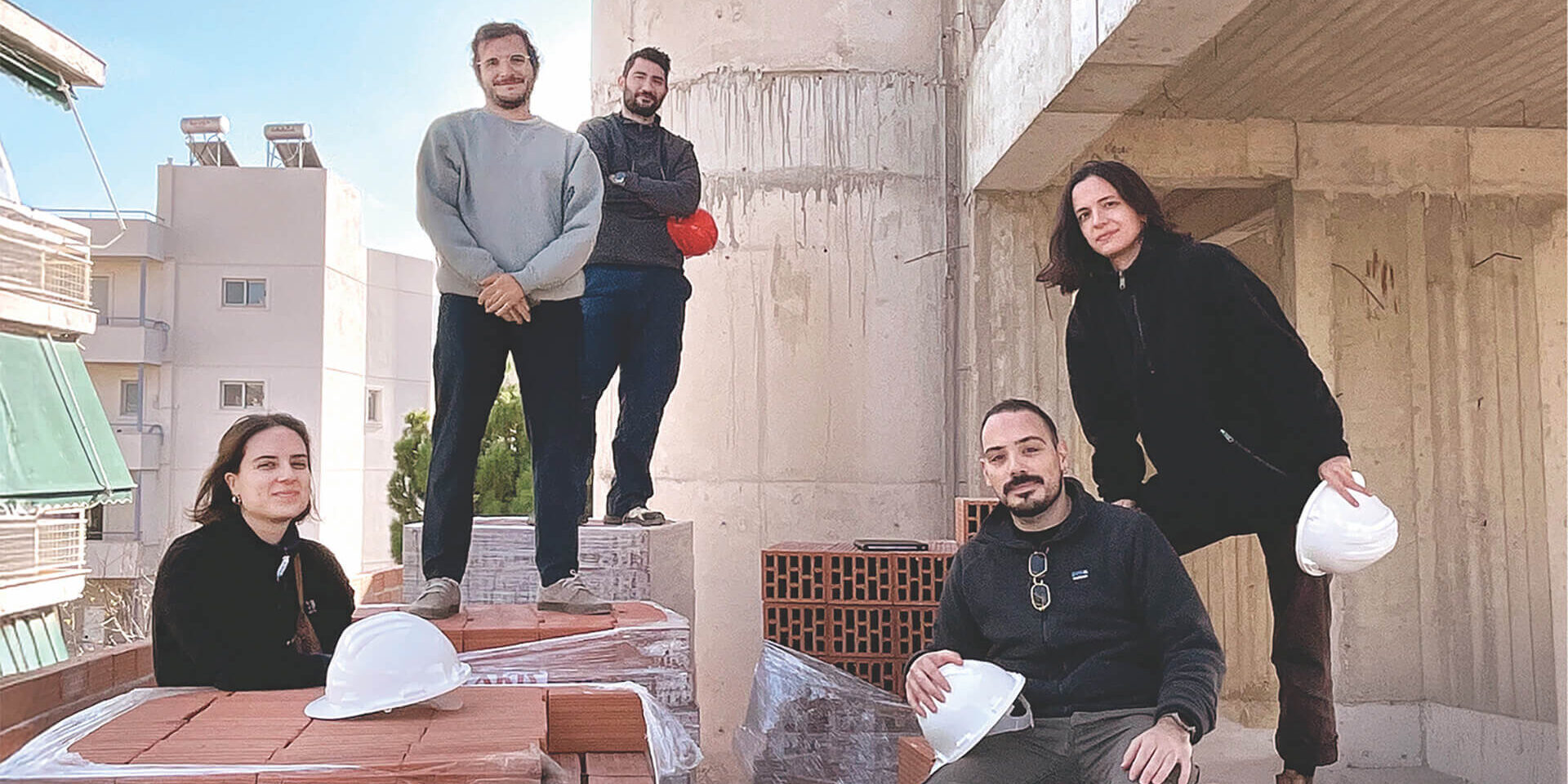
Ateno Architecture Studio was founded in Athens in 2018 by architects Giorgos Fiorentinos and Ilias Theodorakis. Its initial ambition was to create a collaborative platform centered on architectural composition—one that would encourage dialogue and experimentation around form and the spatial relationships of the built environment. Over time, the team broadened its scope, undertaking a wide range of private and public commissions. Envisioned as an entity that integrates research, design and construction into a unified creative process, the practice continues to evolve, looking to the future with optimism.
ek: One of your first projects involved the renovation of a damaged restaurant in Mati, Attica, conceived through a narrative approach in which memory played a central role. Have you addressed subsequent renovations in a similar way? What is the primary challenge when changing the use of a space?
ATENO: Intervening in an existing building is a process of reading and reinterpretation. Every structure carries a narrative embedded in its form, layout and traces of use. These elements suggest ways of inhabiting; they carry memories and stories that often shape the framework of our work.
The greatest challenge in a change of use lies in the fact that we are sometimes required to intervene in this narrative in an almost violent manner. Through our work, we strive to preserve living fragments of history while simultaneously creating a fresh substratum capable of accommodating the stories of future occupants.
The balance between old and new, the decision to preserve or radically transform a space’s character, the safeguarding of craft traditions that may have faded, alongside the integration of new materials and technologies, constitute for us an ongoing and creative exercise.
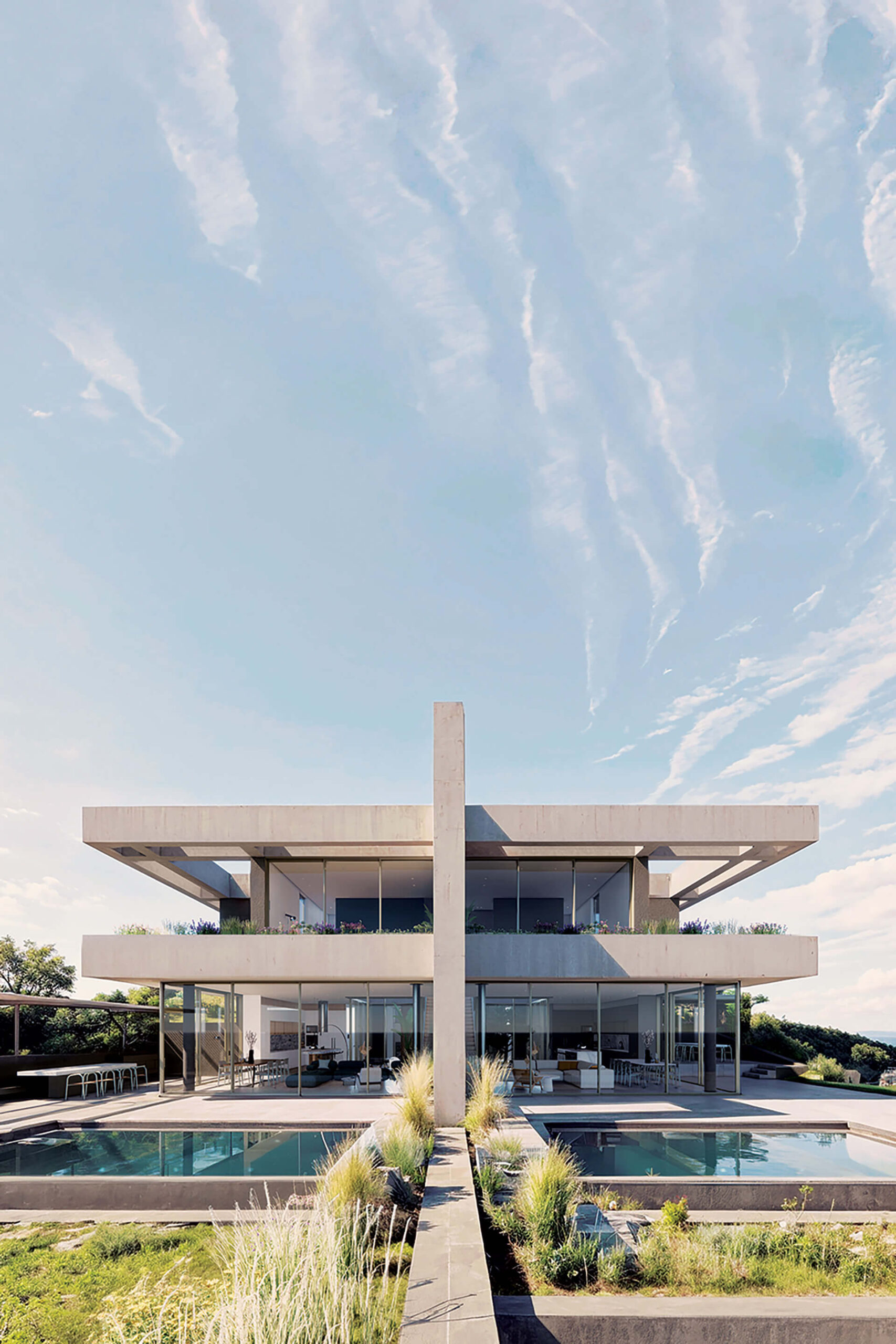
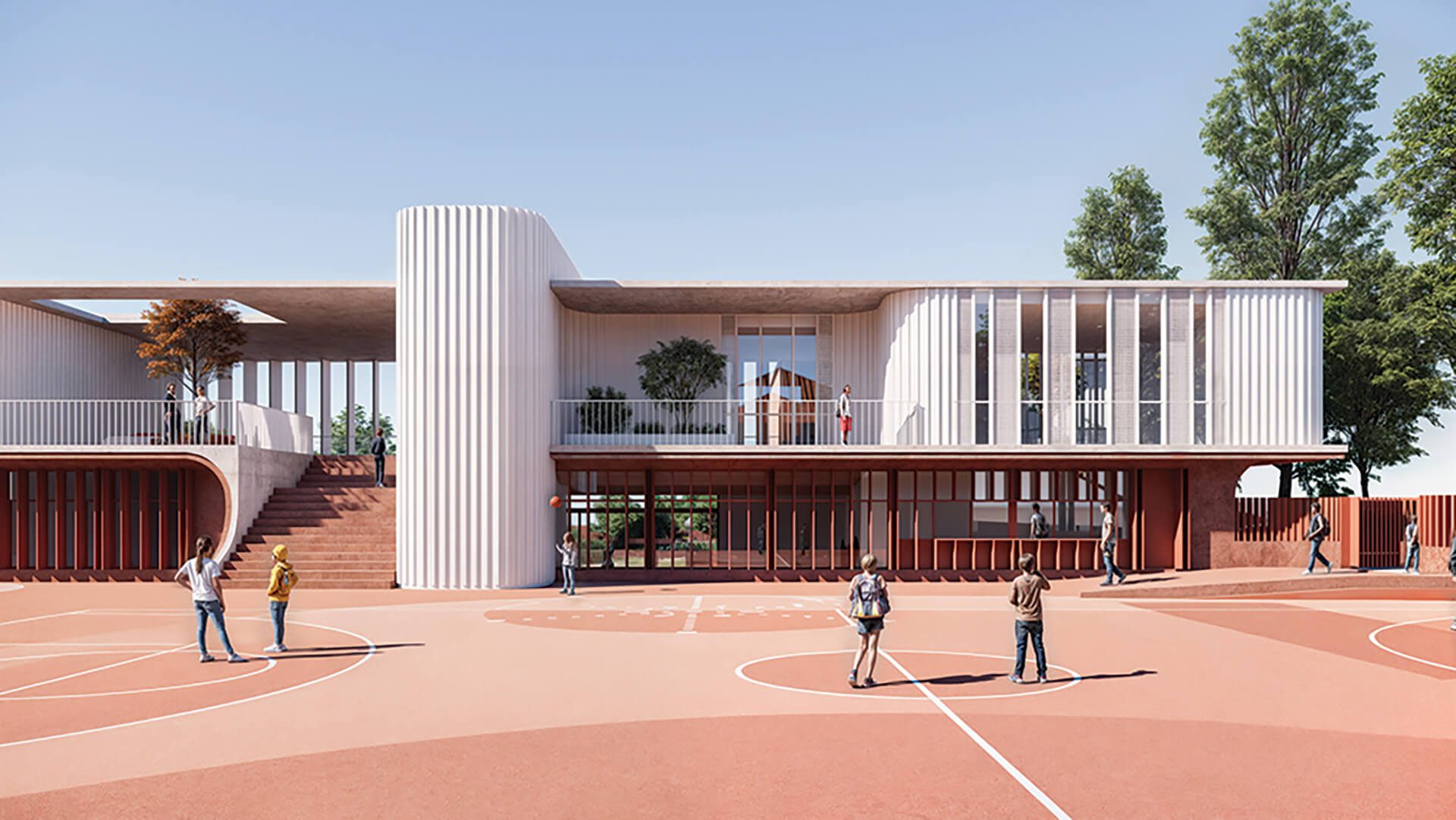
ek: Among your unrealized projects, the proposals for the Eleneio Public Kindergarten and the Arts Building of Athens College stand out. Although formally distinct, was there a shared approach between the two? In your view, how does architecture contribute to supporting a contemporary educational experience?
ATENO: We regard architectural competitions as opportunities for experimentation, extroversion and collaboration. Indeed, our office was founded on the occasion of a competition for Public Utility Facilities in Thessaloniki. The projects you mention were developed in collaboration with colleagues and friends—Dimitris Zampopoulos, Nestor Skantzouris (Arts Building) and Studio Spacecraft (Eleneio).
Each design endeavor was shaped by multiple parameters – the site, the life scenario, and the collective references of each design team – with a shared aspiration to create timeless learning environments that move and inspire. We believe architecture can enhance the educational experience both functionally and experientially. Proportions, geometries, visual perspectives, the interplay of light and shadow, colors and textures encountered in school environments as children form our first perception of the world; they become embedded in memory and return, consciously or not, throughout our lives.
ek: As your practice continues to grow, are there particular building types or categories of projects you hope to explore further?
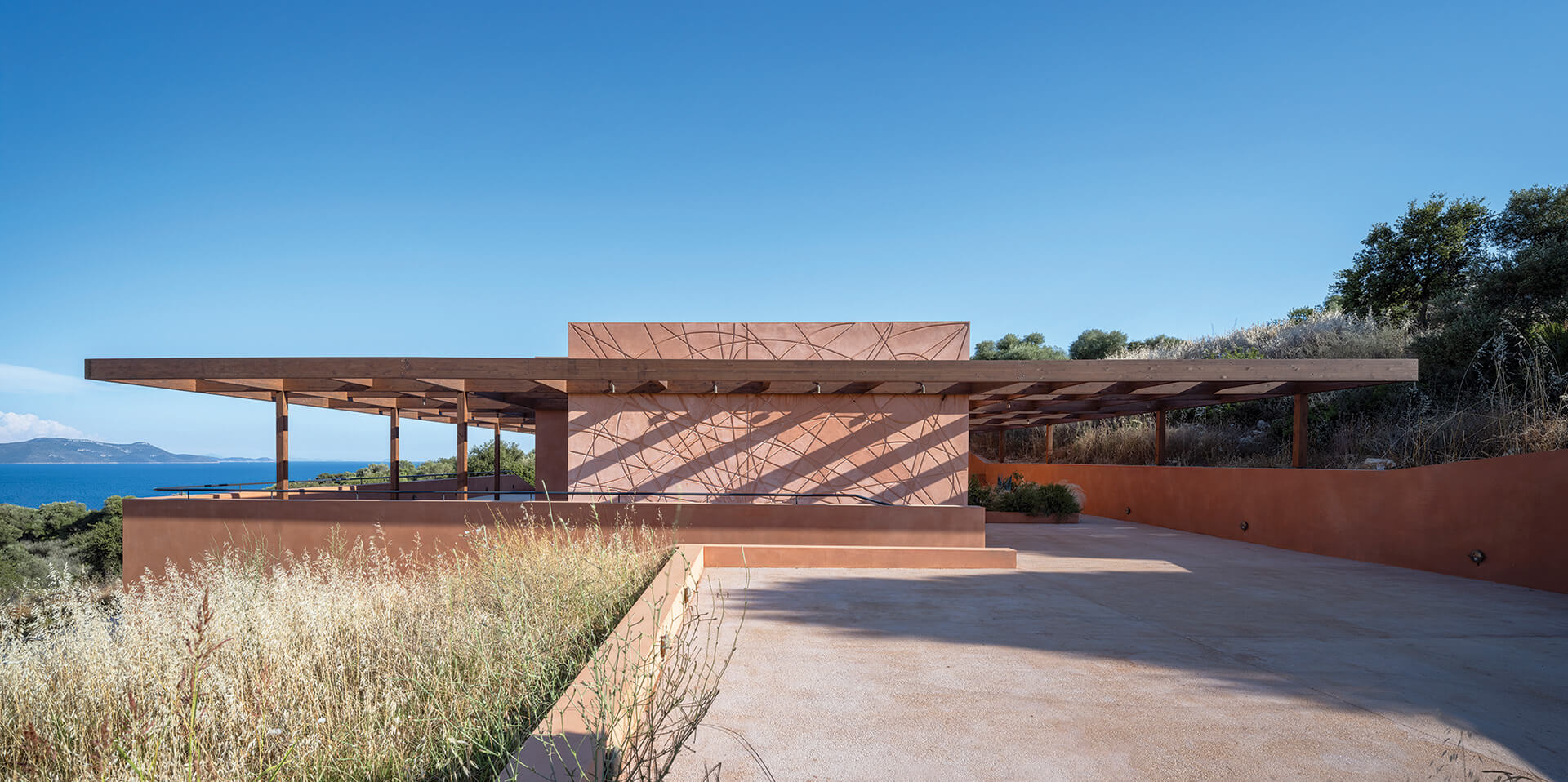
ATENO: Undoubtedly, like the majority of architectural practices in Greece, we are primarily engaged in projects related to tourism, commerce and housing, within both new constructions and existing shells. Throughout our trajectory so far, we approach every commission with equal interest. Regardless of scale or typology, the distinct challenges accompanying each project stimulate us, expand our knowledge and strengthen the team’s creativity.
Ideally, we would like to engage with as many project categories as possible in the future, without focusing exclusively on a specific typology. At the same time, we observe a gap between private and public infrastructure – from sidewalks to hospitals, schools and administrative buildings. We recognize the urgent need for high-quality works of collective interest and would welcome the opportunity to contribute meaningfully to that direction.