Travelmar Kaohsiung by Float Design Studio
Architecture:
Photography:

A Retail Interior Conceived as a Journey
Located in Kaohsiung, Taiwan, Travelmar Kaohsiung by FLOAT DESIGN STUDIO transforms a multi-brand luggage store into a layered spatial narrative, where travel, craft and local memory converge. The flagship space is dedicated primarily to Globe-Trotter, the historic British luggage brand founded in 1897, whose handmade cases are known for their distinctive combination of strength and lightness.
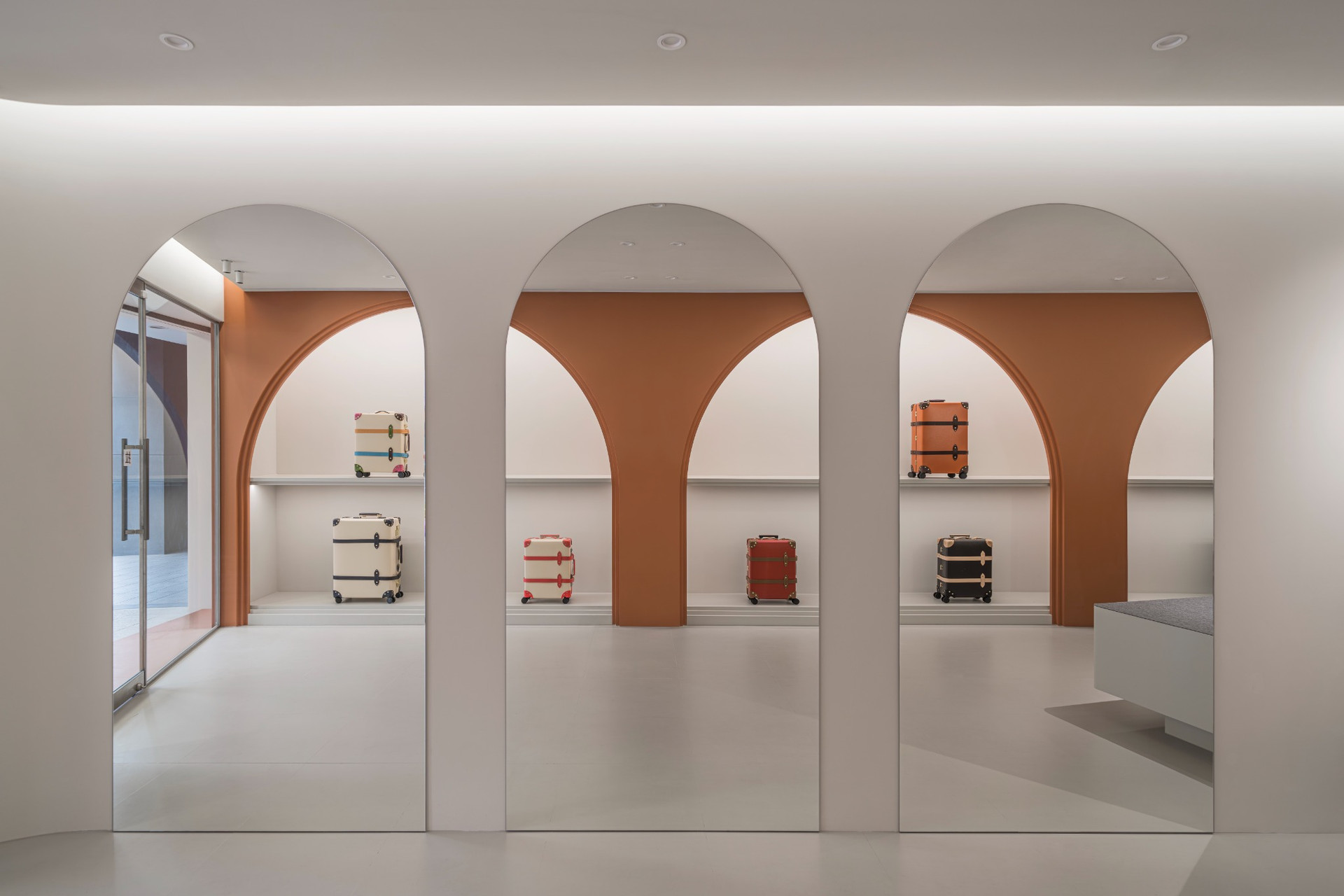
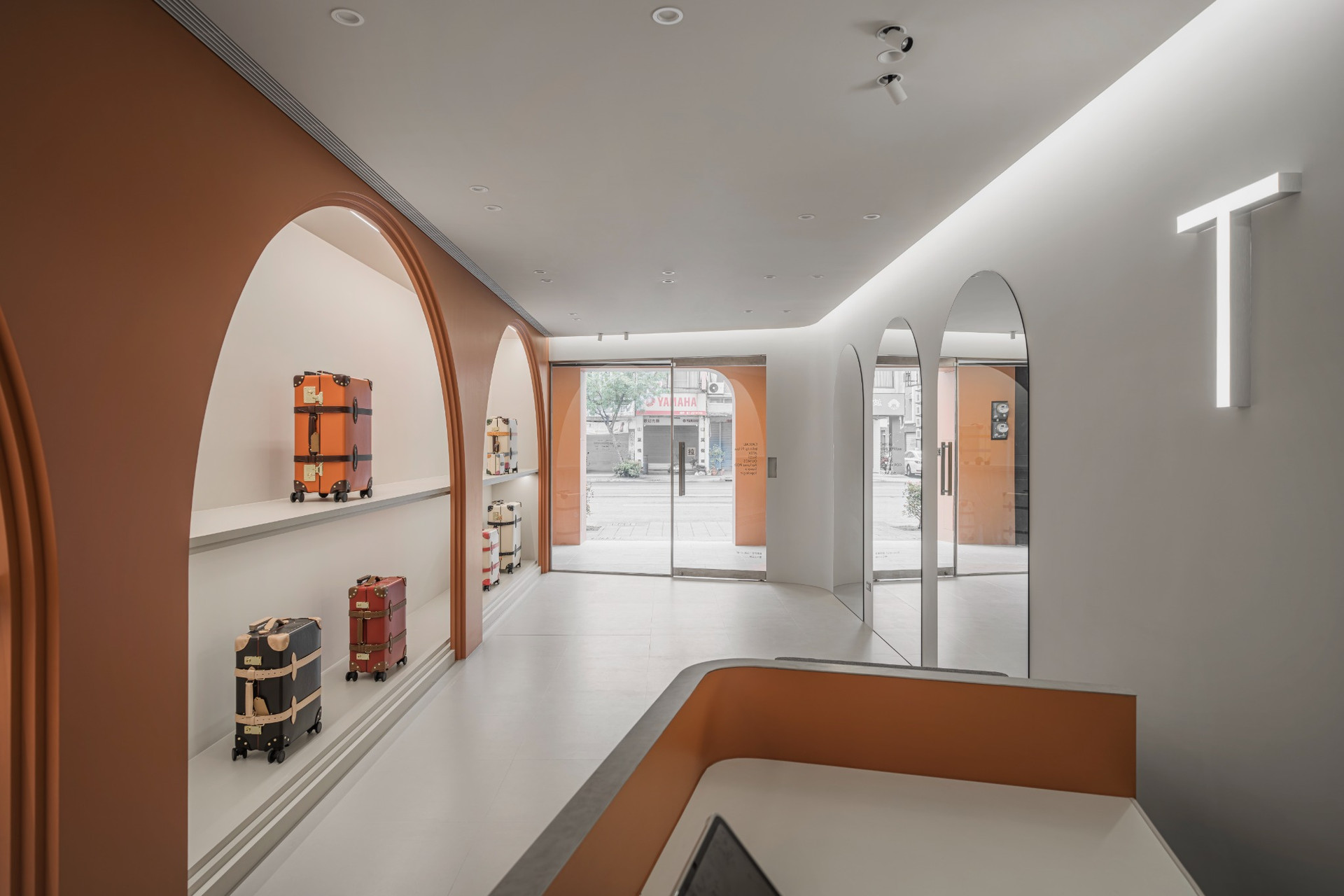
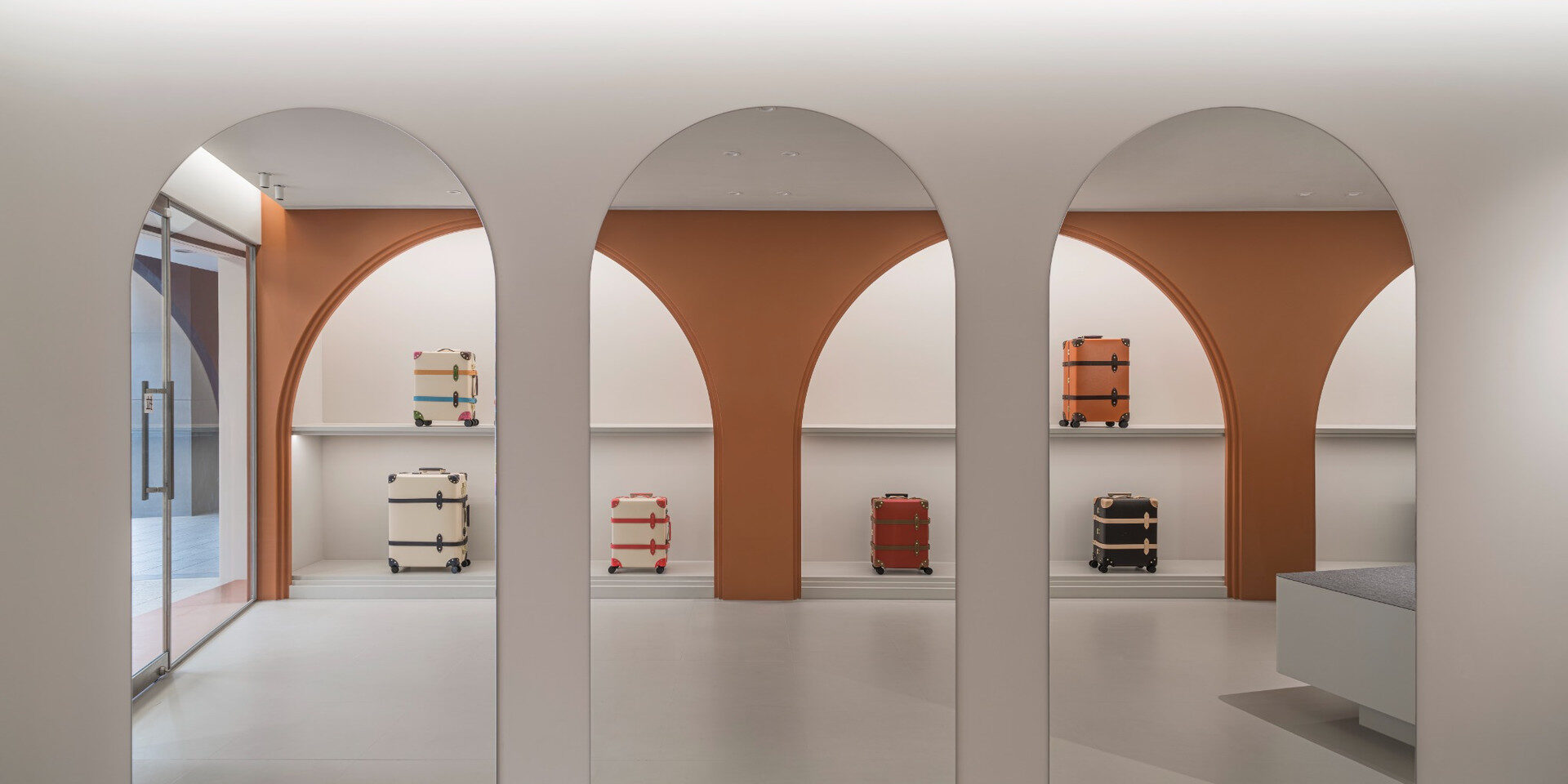
The design draws from Globe-Trotter’s visual language — curves, quarter-circles and arches — and reinterprets it through the urban and material context of Kaohsiung. Rather than creating a neutral retail environment, the project establishes a dialogue between brand identity and place. The result is a store that operates not only as a commercial interior, but as a spatial metaphor for departure, movement and return.
Globe-Trotter, Kaohsiung and the Language of the Arch
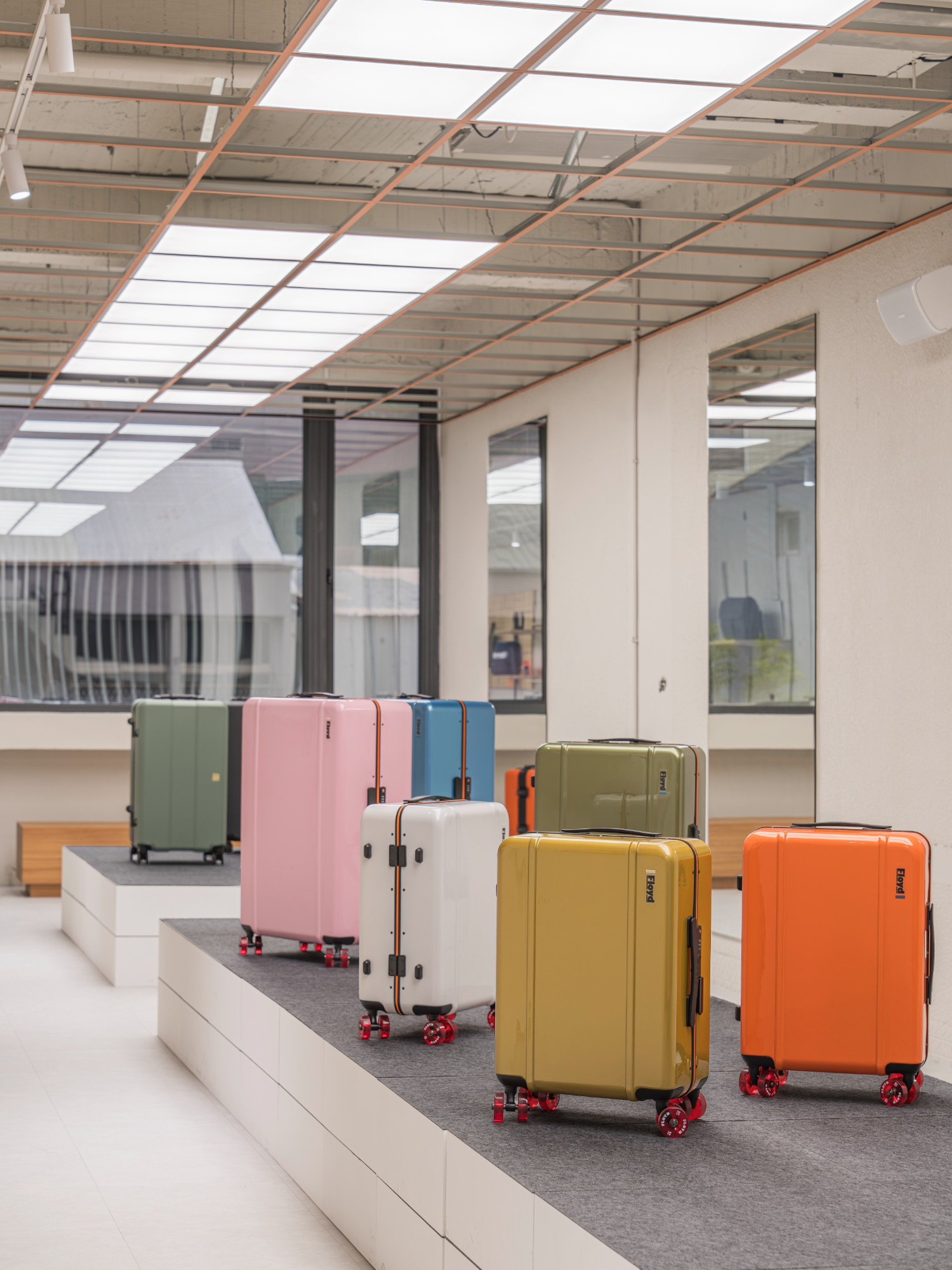
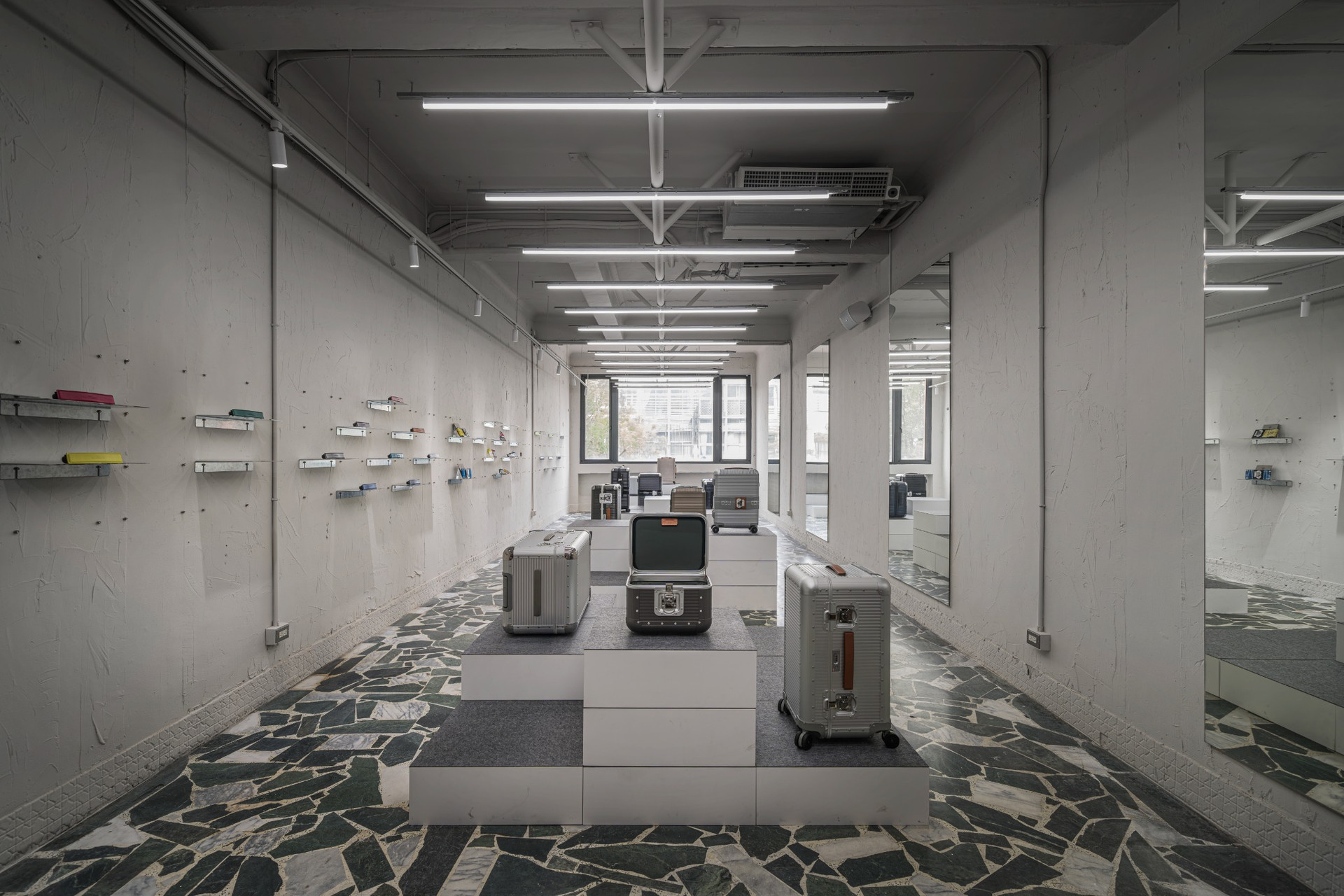
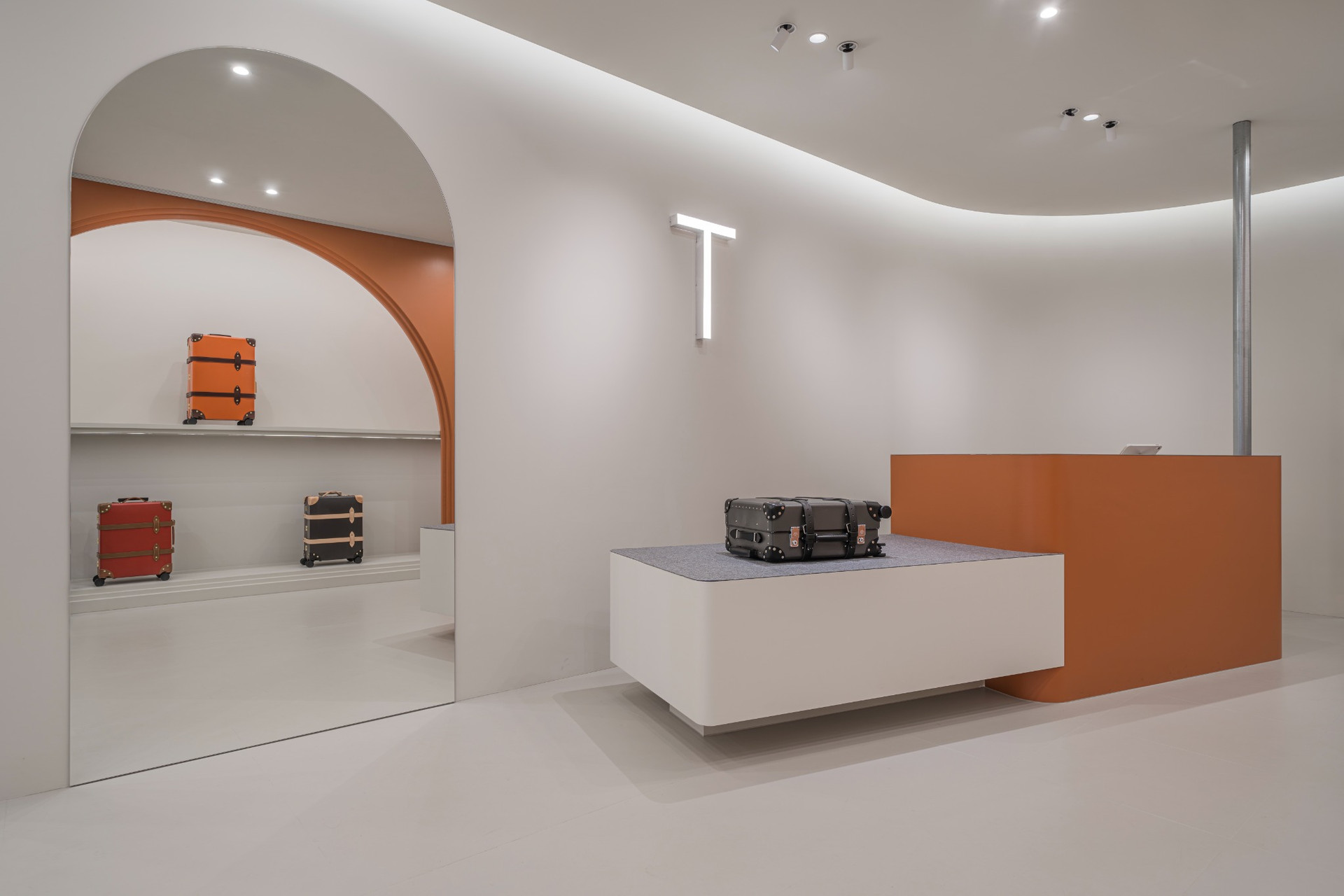
Kaohsiung’s history as a port city plays a central role in the concept. The image of ships arriving in the city is translated into a spatial system inspired by its gridlike urban fabric. This modular logic informs the display platforms, which can be joined, staggered or stacked according to different retail needs.
At the same time, the warm red-brick palette refers to the city’s material heritage, including its historical production of red brick and the brick-arched structures of the nearby British Consulate at Takao. The arch becomes a shared reference between brand and city: a form associated with Globe-Trotter’s rounded luggage details, but also with the architectural memory of Kaohsiung.
A Street-Front Façade with Red Brick Hues
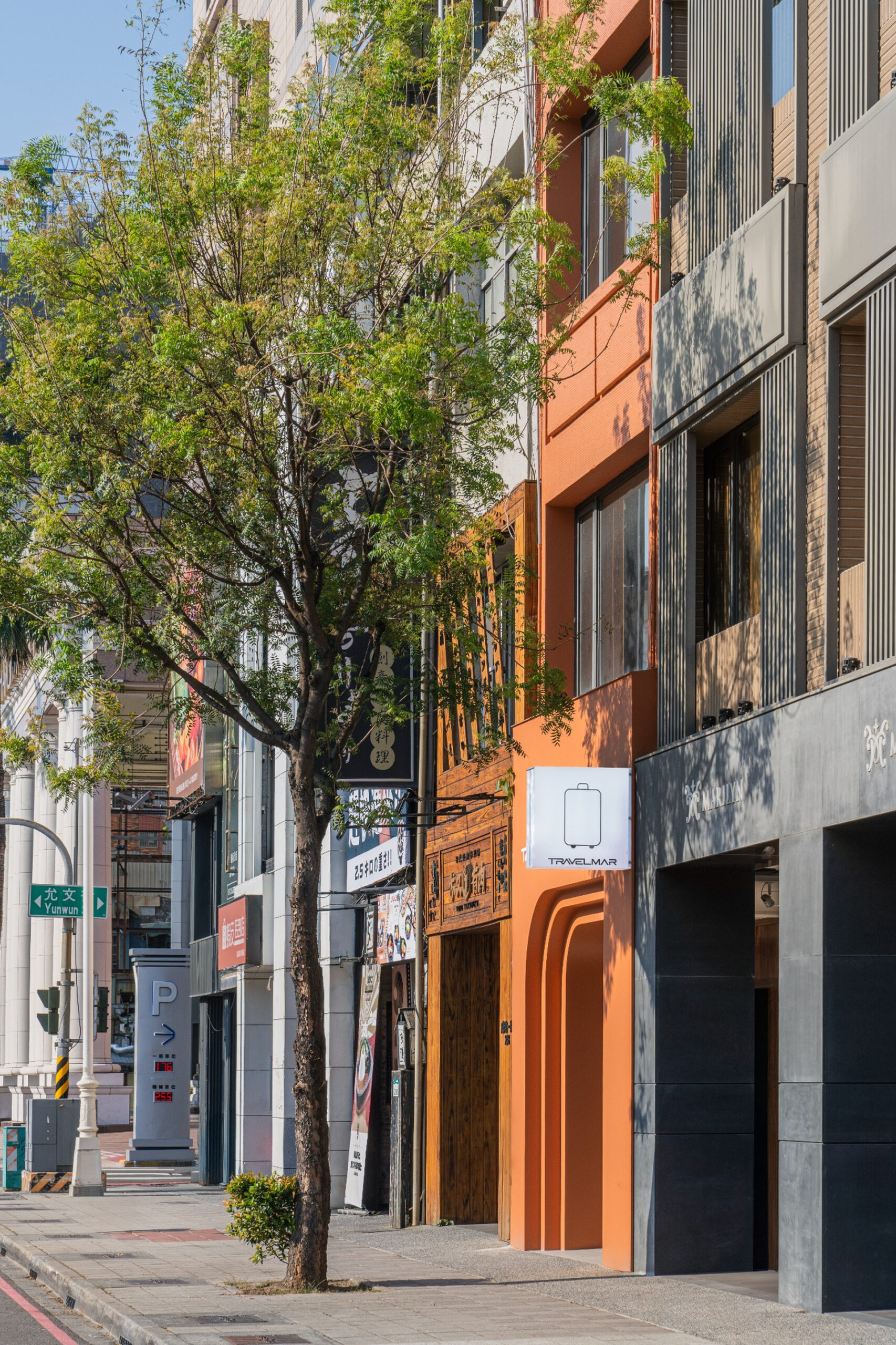
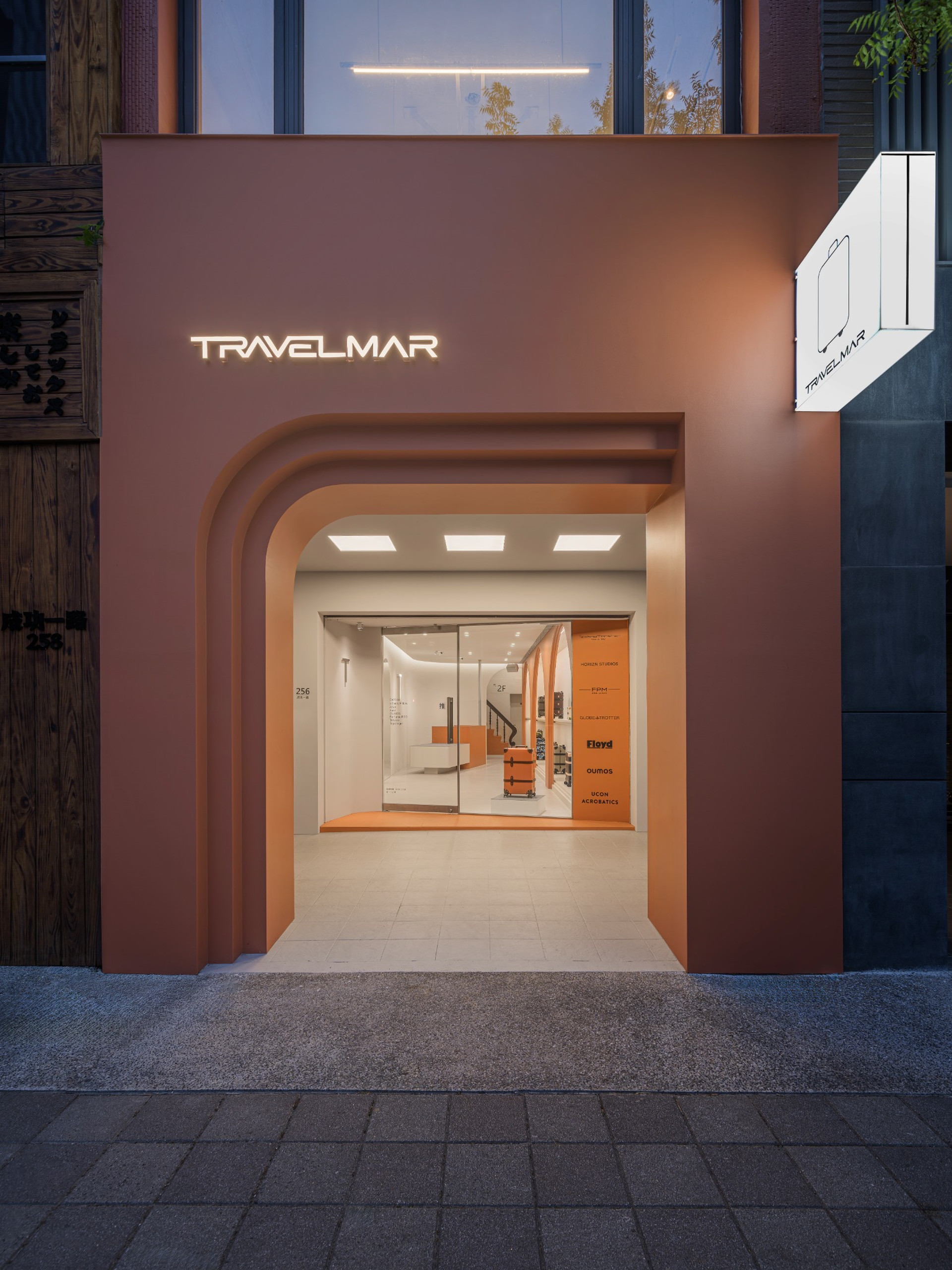
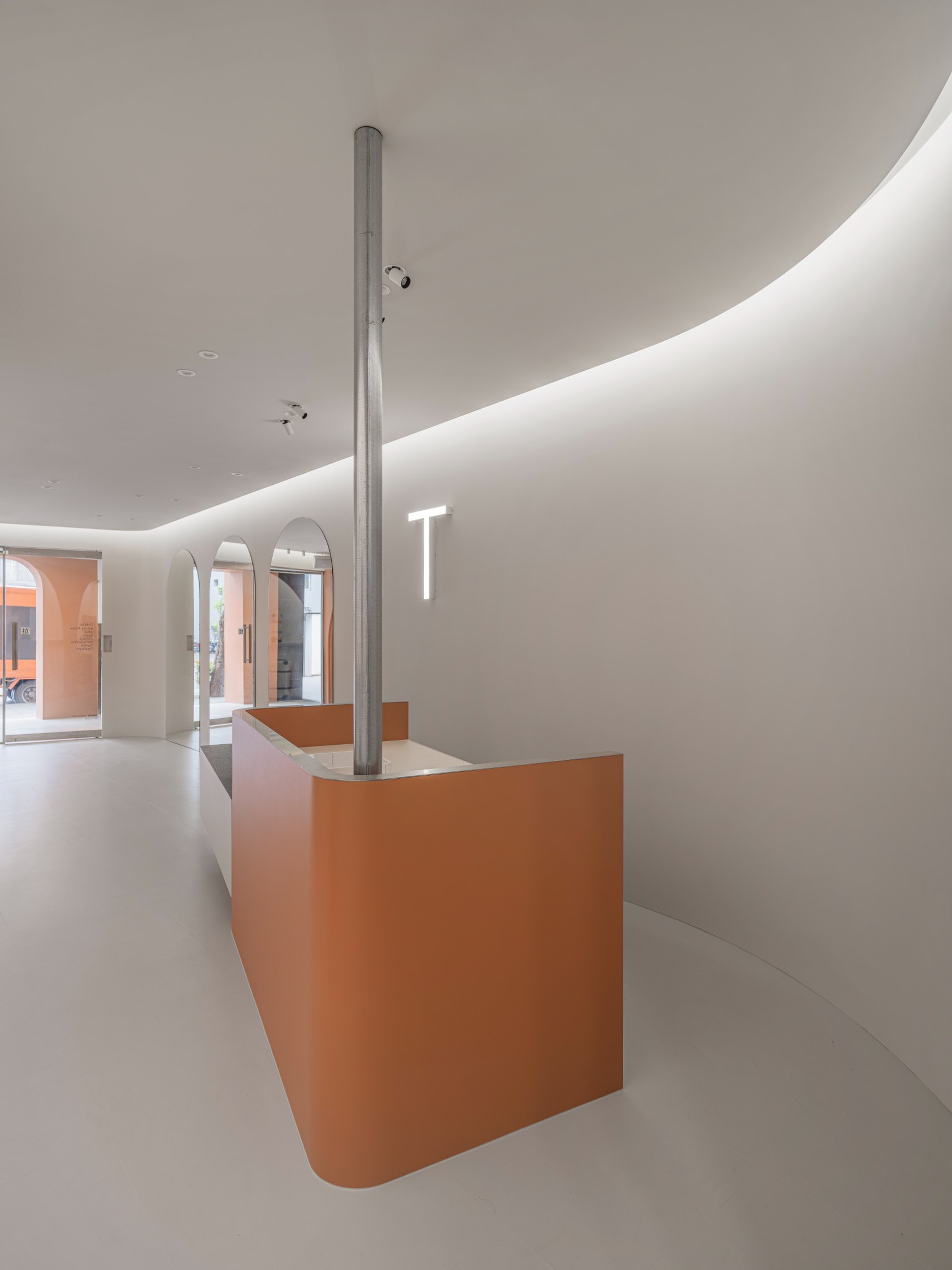
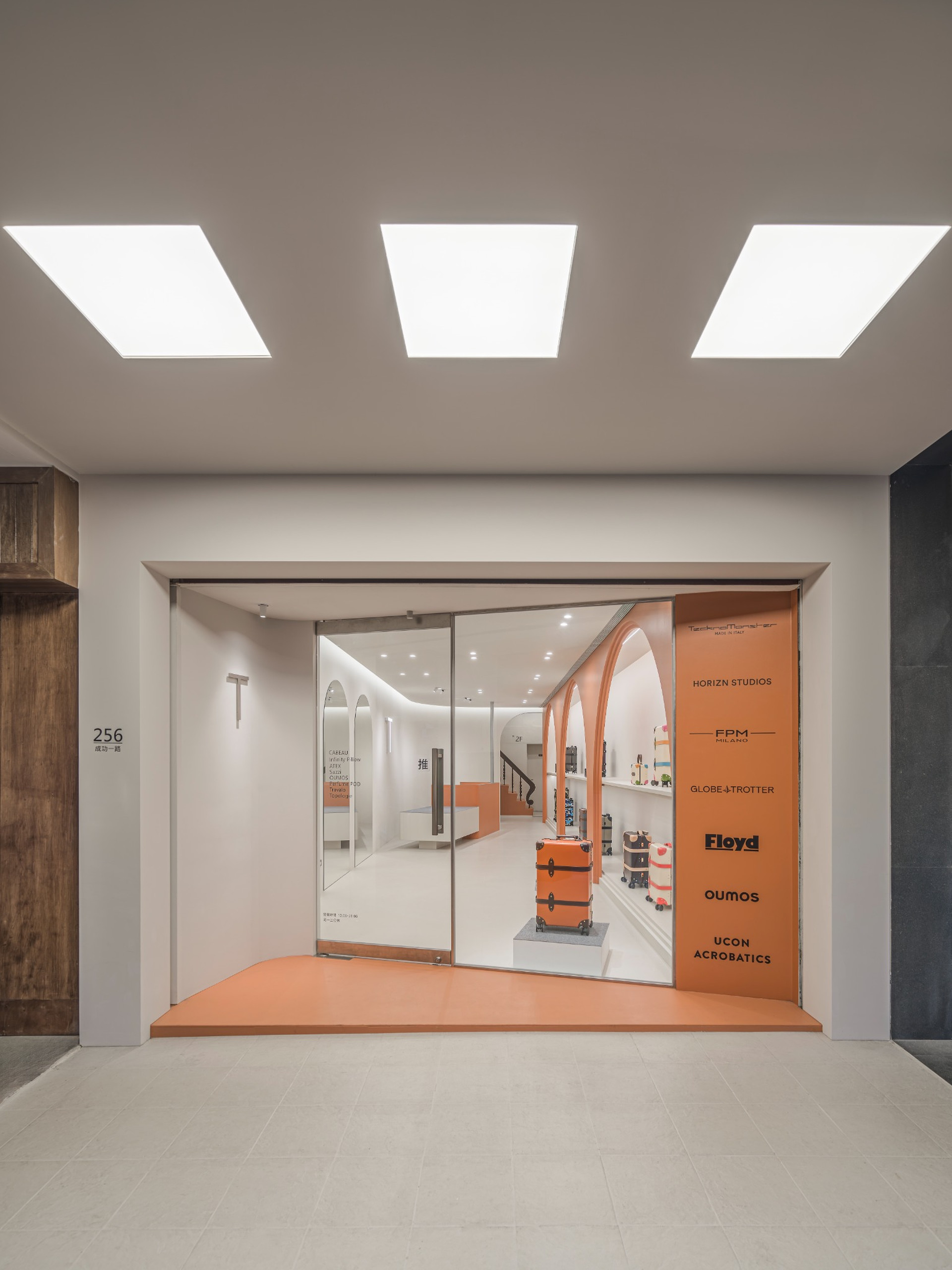
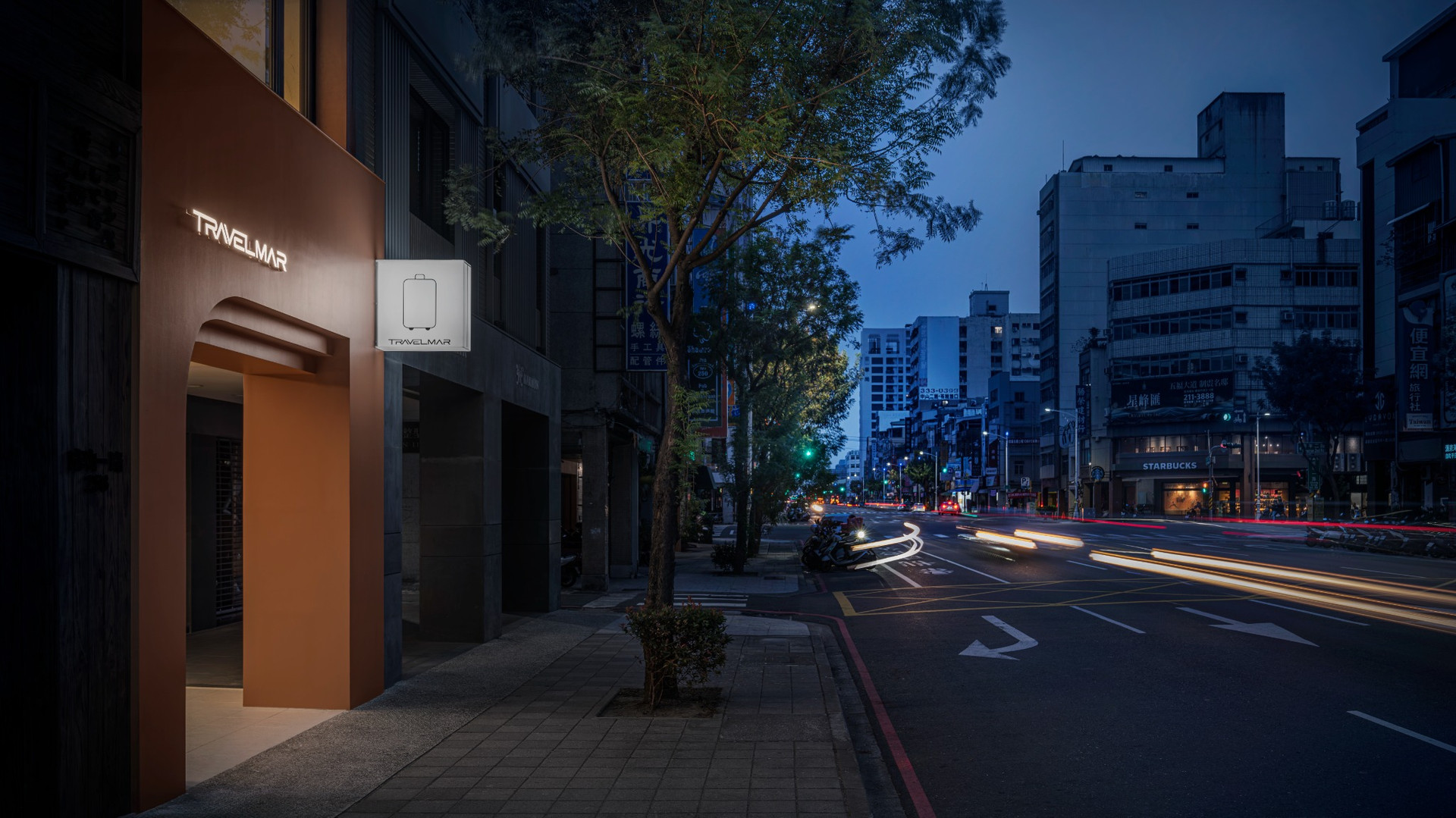
The façade extends this narrative into the street. As a street-front store, Travelmar uses its exterior as a first gesture of invitation. The storefront is slightly recessed to form a soft diagonal corner, allowing passersby to perceive the depth of the interior while moving through the surrounding arcade.
Red brick tones, curved forms and arched elements distinguish the store from its urban context, while the floor pattern and color gradient draw the eye inward, toward the angled counter and the staircase beyond. From exterior to interior, the curved geometry establishes a sense of continuity, turning the threshold into the beginning of a spatial journey.
Modular Retail Displays Across Three Levels
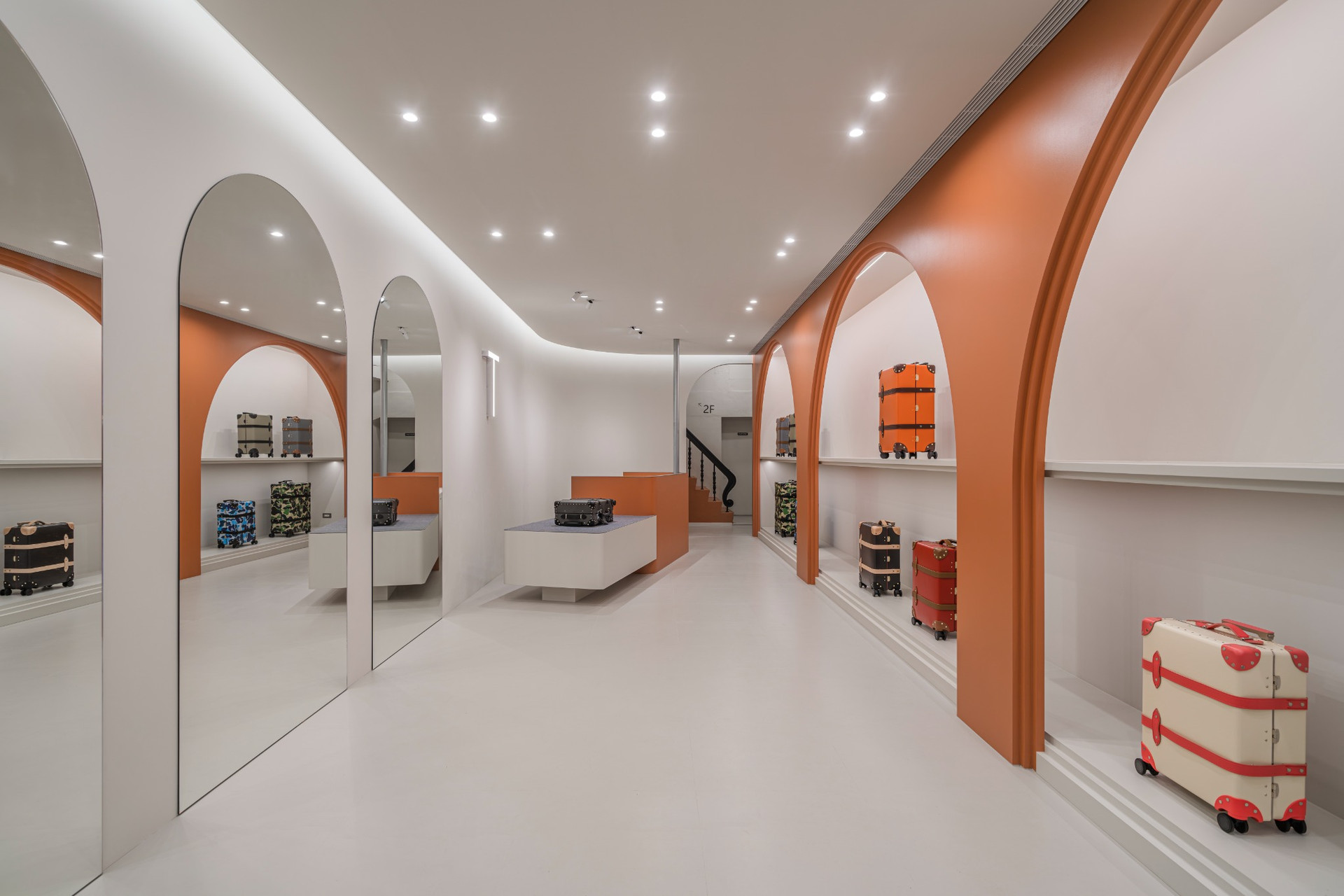
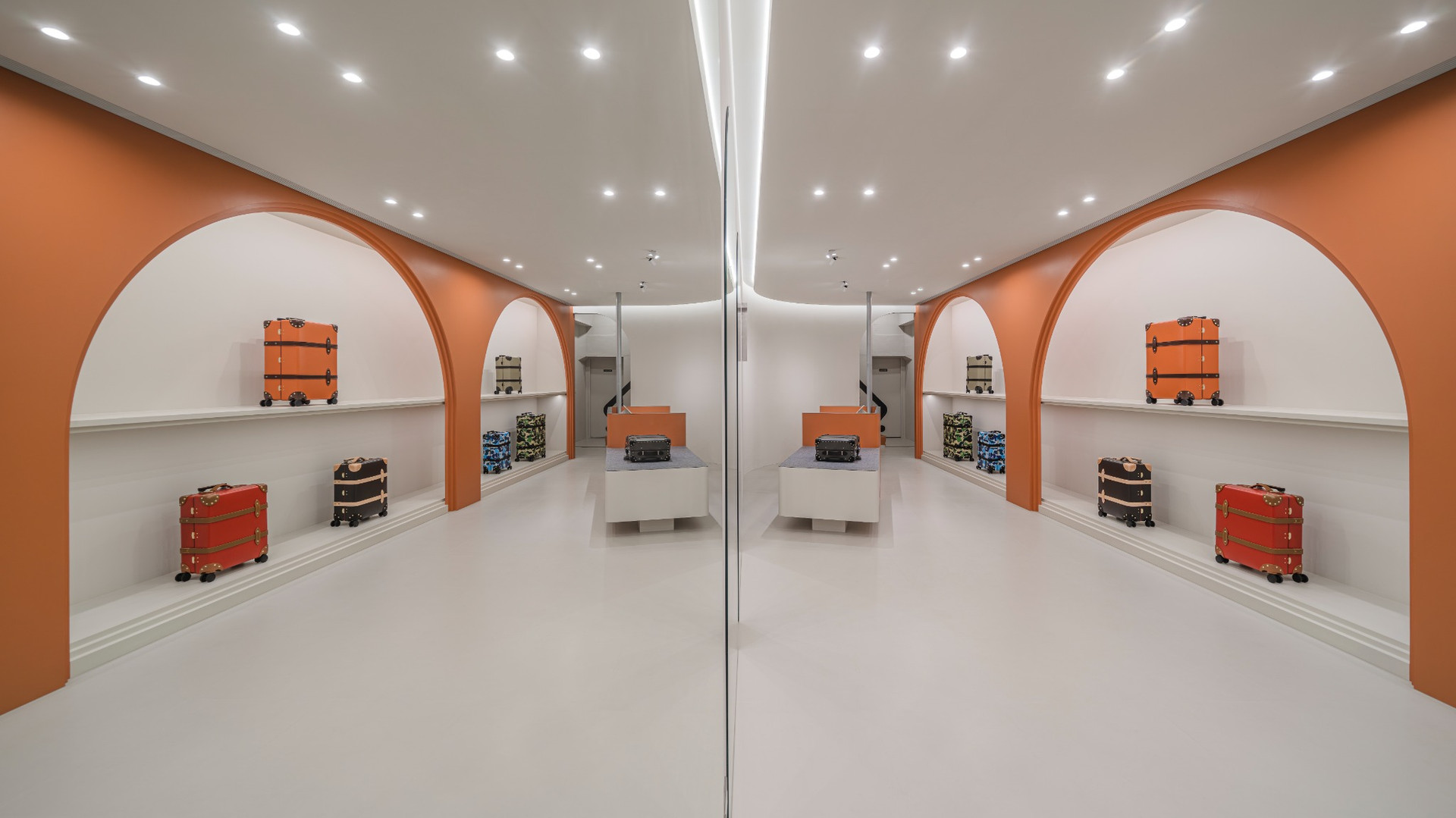
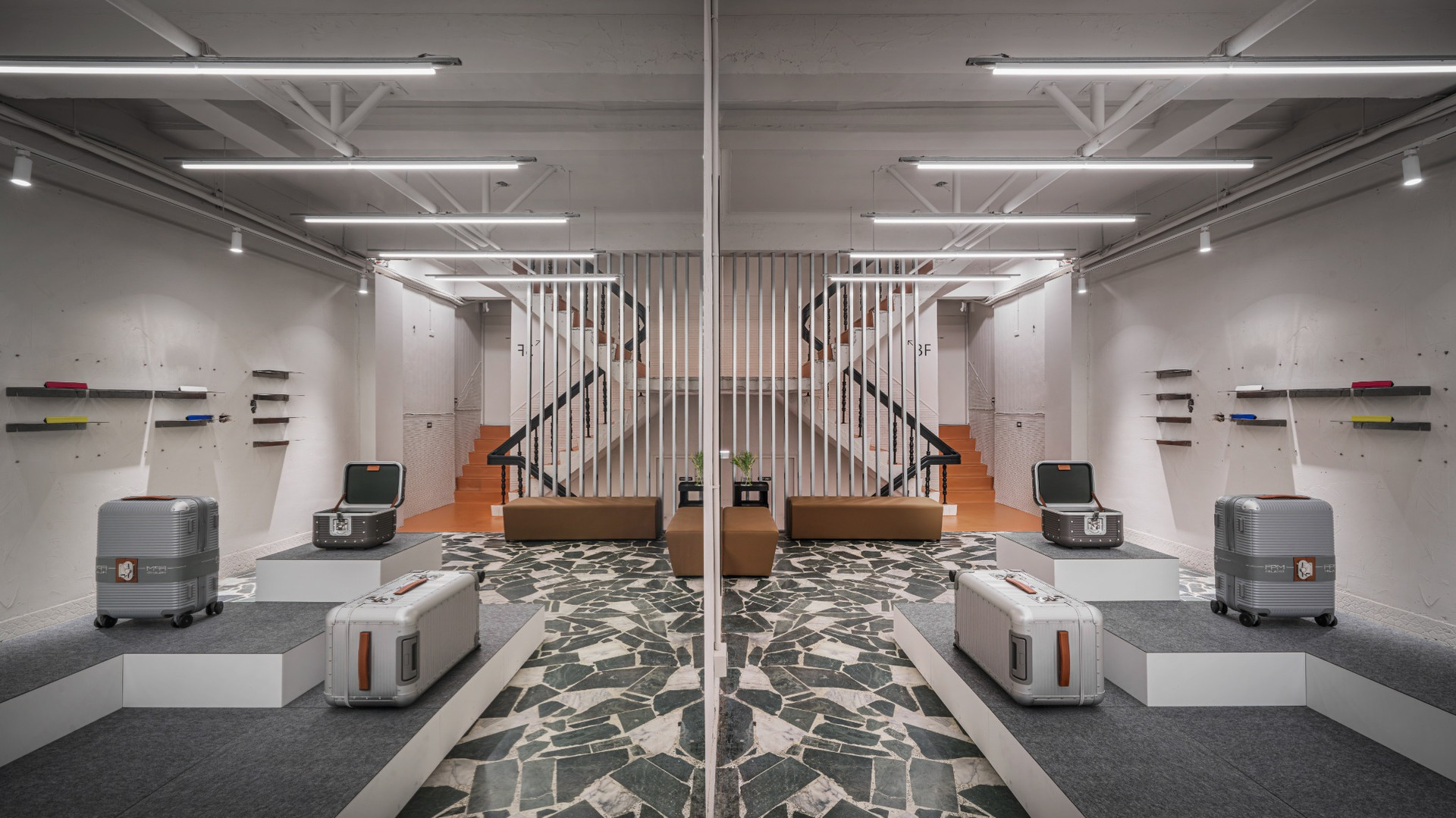
Inside, the ground floor is dedicated to Globe-Trotter and uses arcs and arches to reinforce the brand’s flagship presence. The second and third floors are conceived with greater flexibility, offering adaptable platforms for other brands.
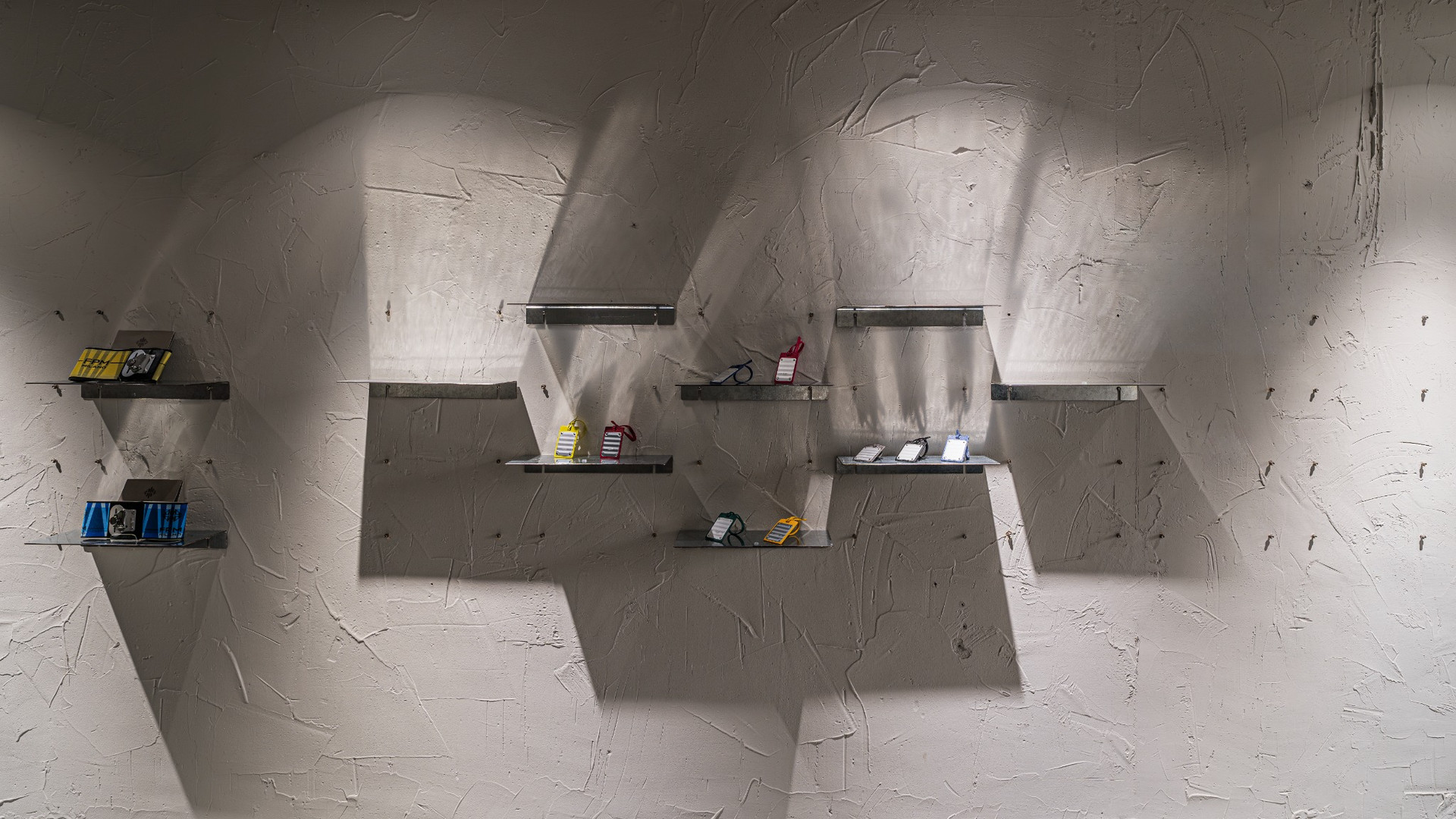
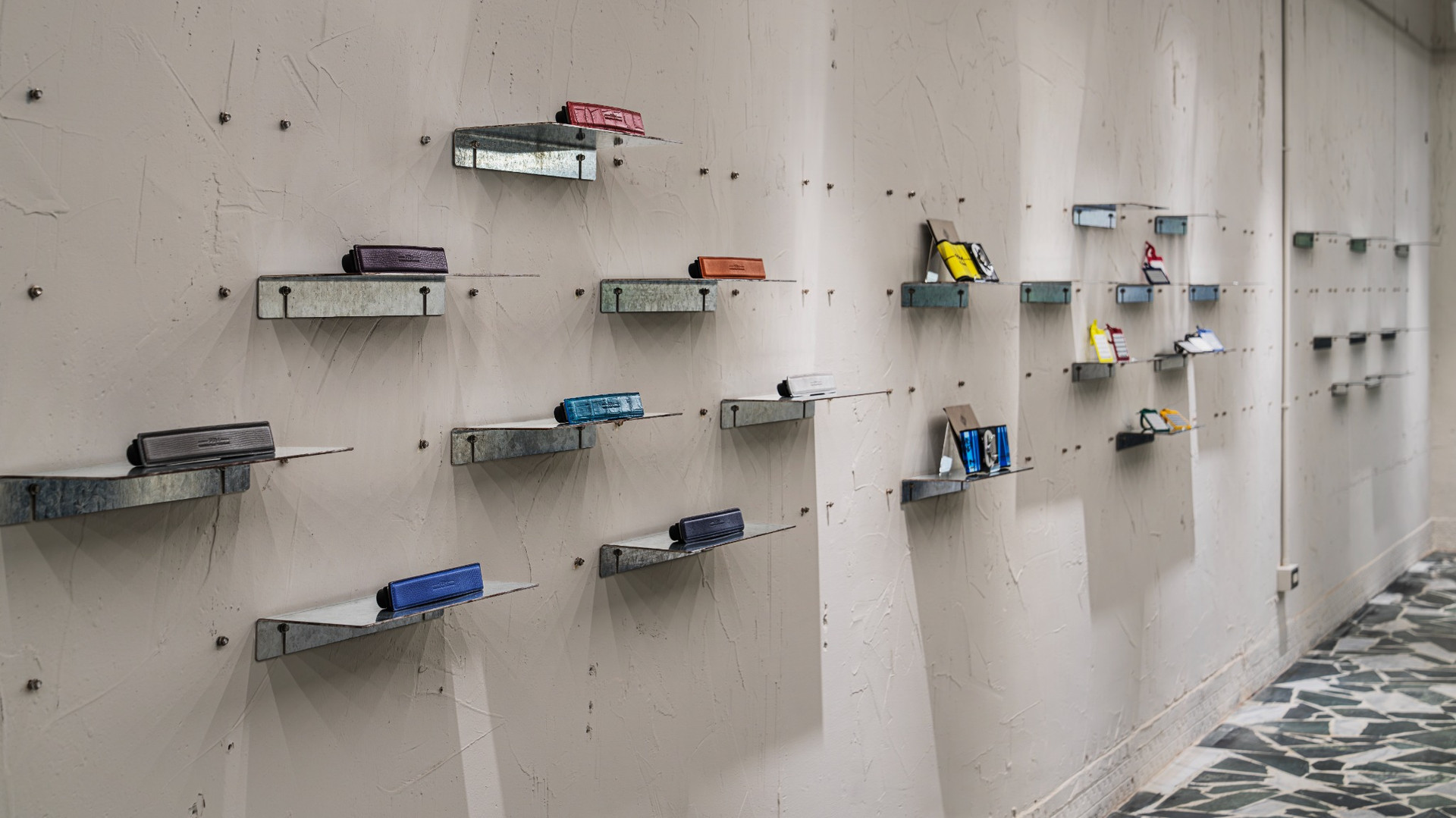
Lightweight partitions, galvanized panels and reclaimed components introduce a rawer material character, while natural wood elements create a tactile dialogue with the displayed products. The result is a retail environment that can shift according to different collections, without losing the coherence of the overall spatial language.
Light, Circulation and Urban Layering
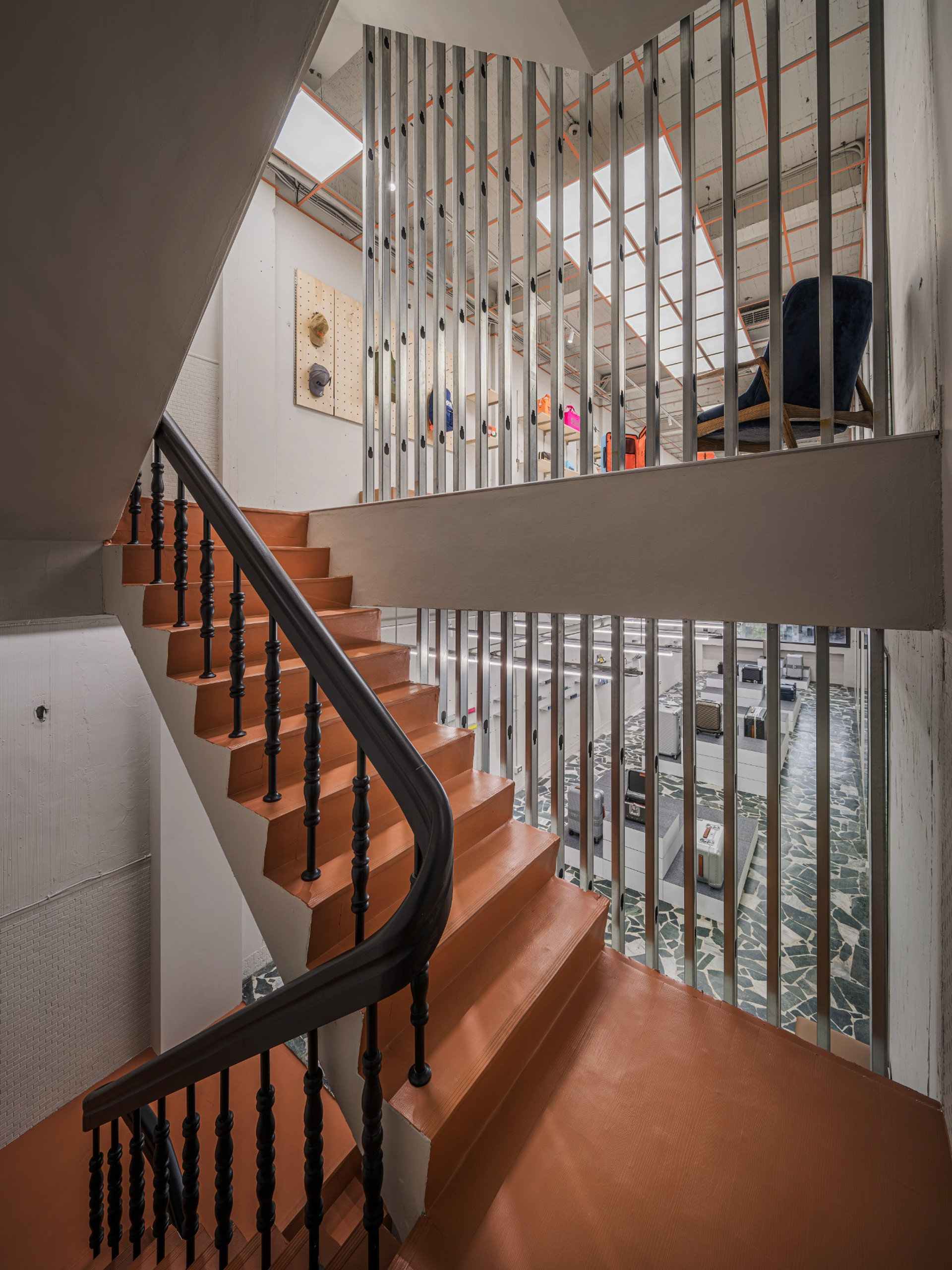
A key challenge of the long, narrow plan was the limited daylight at the rear of the store. To address this, partitions were removed and the stairwell was opened, allowing natural light from the third floor to filter downward through the interior.
Ceiling fixtures follow a grid-like arrangement, echoing the structure of the city while providing a steady rhythm of illumination across the different levels. This light-guided circulation helps visitors move through the store intuitively, as if following a runway or urban route.
A Layered Interior Landscape Inspired by Kaohsiung
The project’s spatial composition is built through layering. Platforms, shelving and display elements stack, shift and interlock, creating an interior landscape that recalls the vertical density of Kaohsiung.
Adjustable modules allow the store to accommodate changing collections, while staggered arrangements break the rigidity of linear display. Visitors move through the space as if through a compact urban field, where changes in height, direction and material produce a continuous sense of discovery.
A Cultural Port for Contemporary Travel
Travelmar Kaohsiung is ultimately conceived as a cultural port: a place where international craftsmanship meets the memory of the city. Through its red-brick hues, arches, modular displays and light-guided circulation, the store frames retail as an experience of movement.
Each suitcase becomes the beginning of a story; each step through the space suggests both departure and return. In this sense, the project transforms the luggage store into an architectural narrative about travel, memory and place.