Mold Architects
Interview:
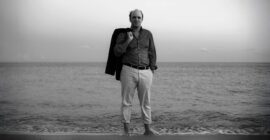
Stavros Martinos
ek Issue:

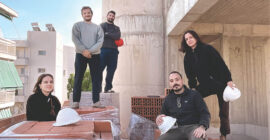
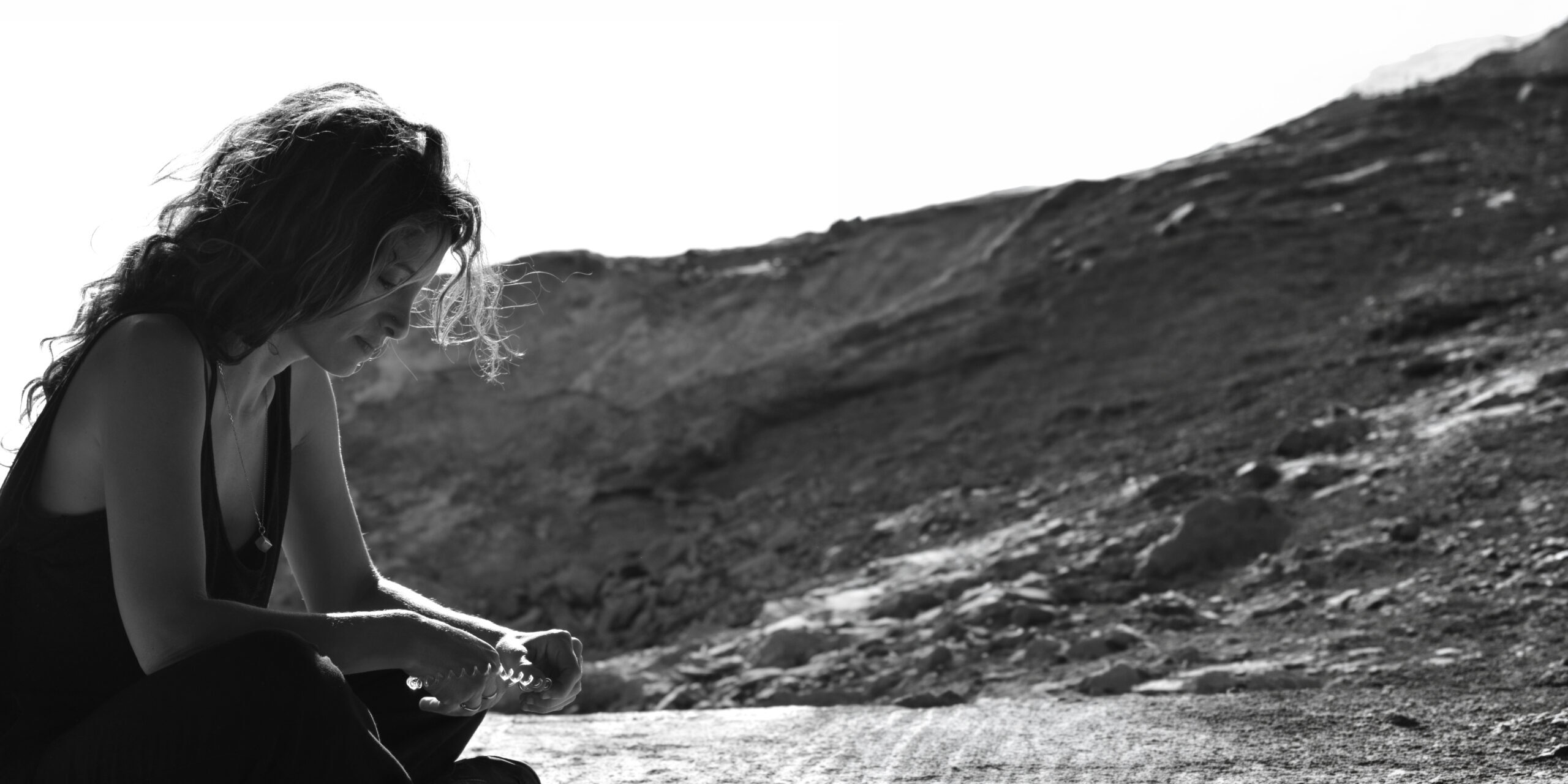
Mold Architects was founded in 2011 by Iliana Kerestetzi, an architect who studied in Athens and New York. Based in Athens and Serifos, the award-winning practice works across the full spectrum of design, extending beyond the architecture of buildings. Regardless of scale or programme, its projects maintain the same investigative approach, seeking clear and precisely targeted responses.
S.M.: You belong to a generation of architectural practices that emerged during the financial crisis, maintaining a base in Serifos alongside a second office in Athens. How did you navigate this condition, and how did you use it to your advantage almost a decade later?
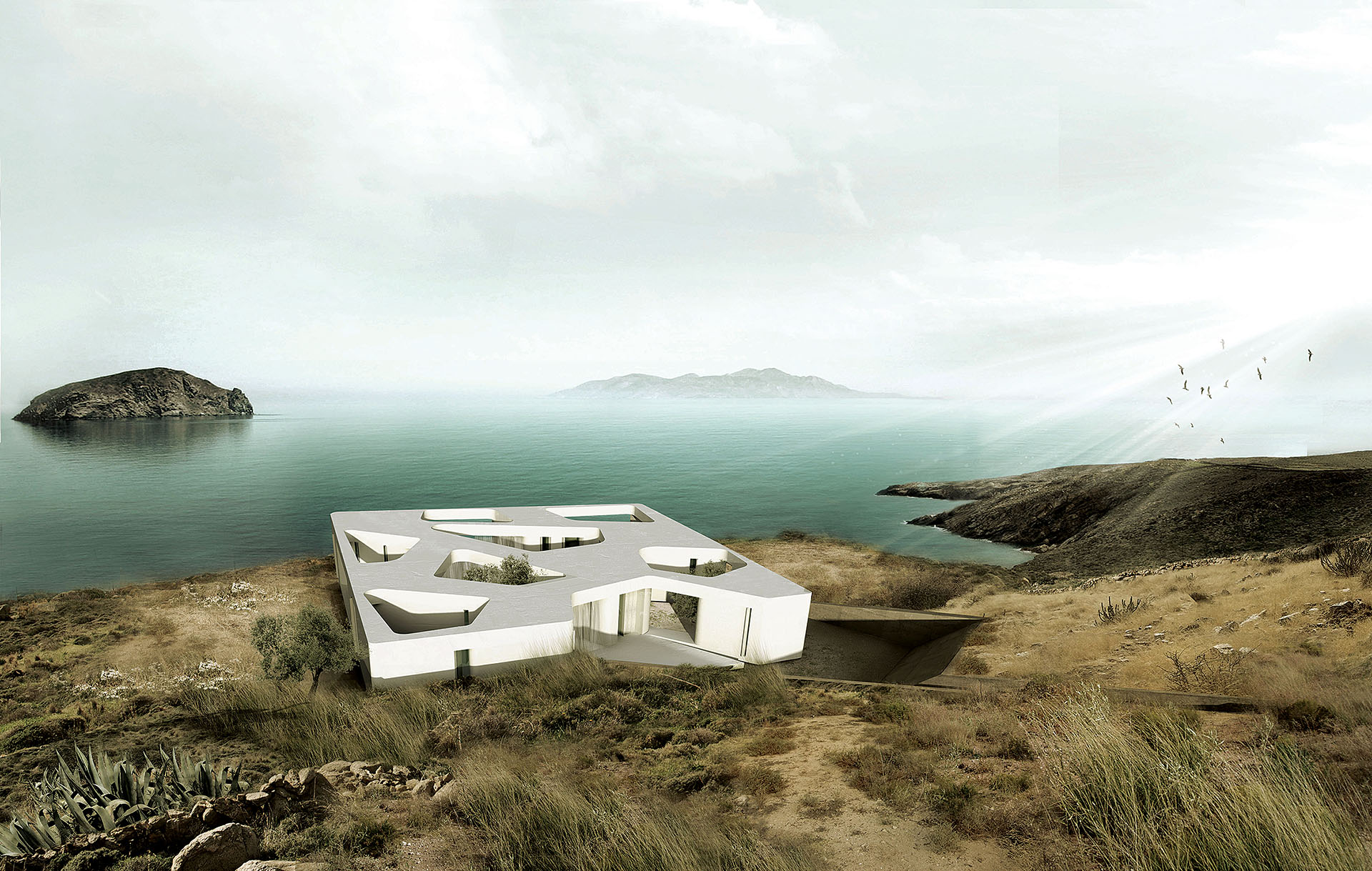
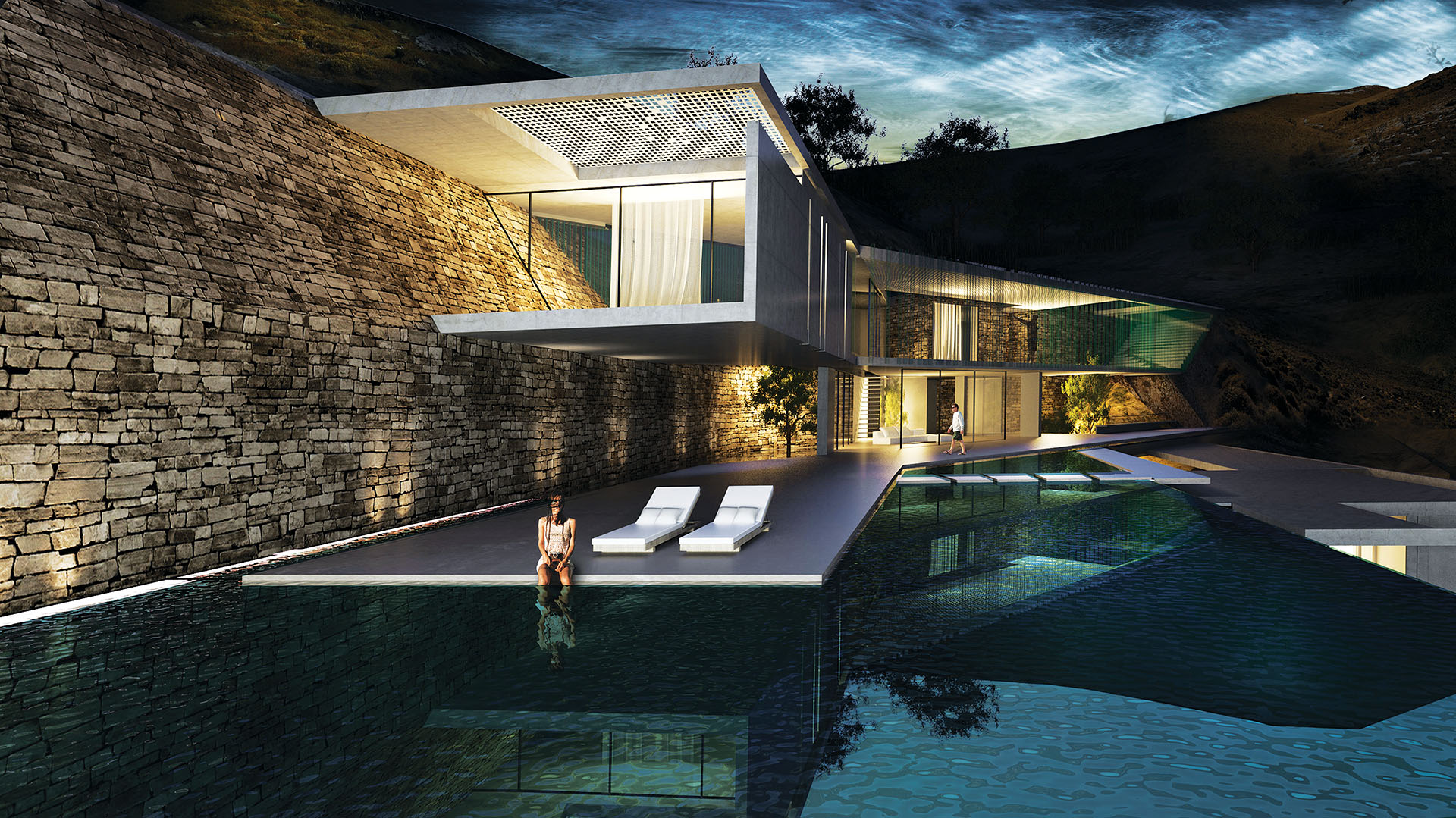
I.K.: In 2013, I had the good fortune to build my first project, a vacation home in Serifos. During the years that followed, the proposals we received mainly concerned designs intended for off-plan property sales.
That model ultimately failed to bear fruit, and most of those projects were never built. Nevertheless, during a very difficult period, we were able to practise architecture, evolve and delve more deeply into the subject of our work. We developed a clear direction and a conscious approach to selecting projects at a time when, in reality, there was no luxury of choice.
With patience and optimism, we overcame that obstacle. Much later, we are preparing to see many more of our projects realized.
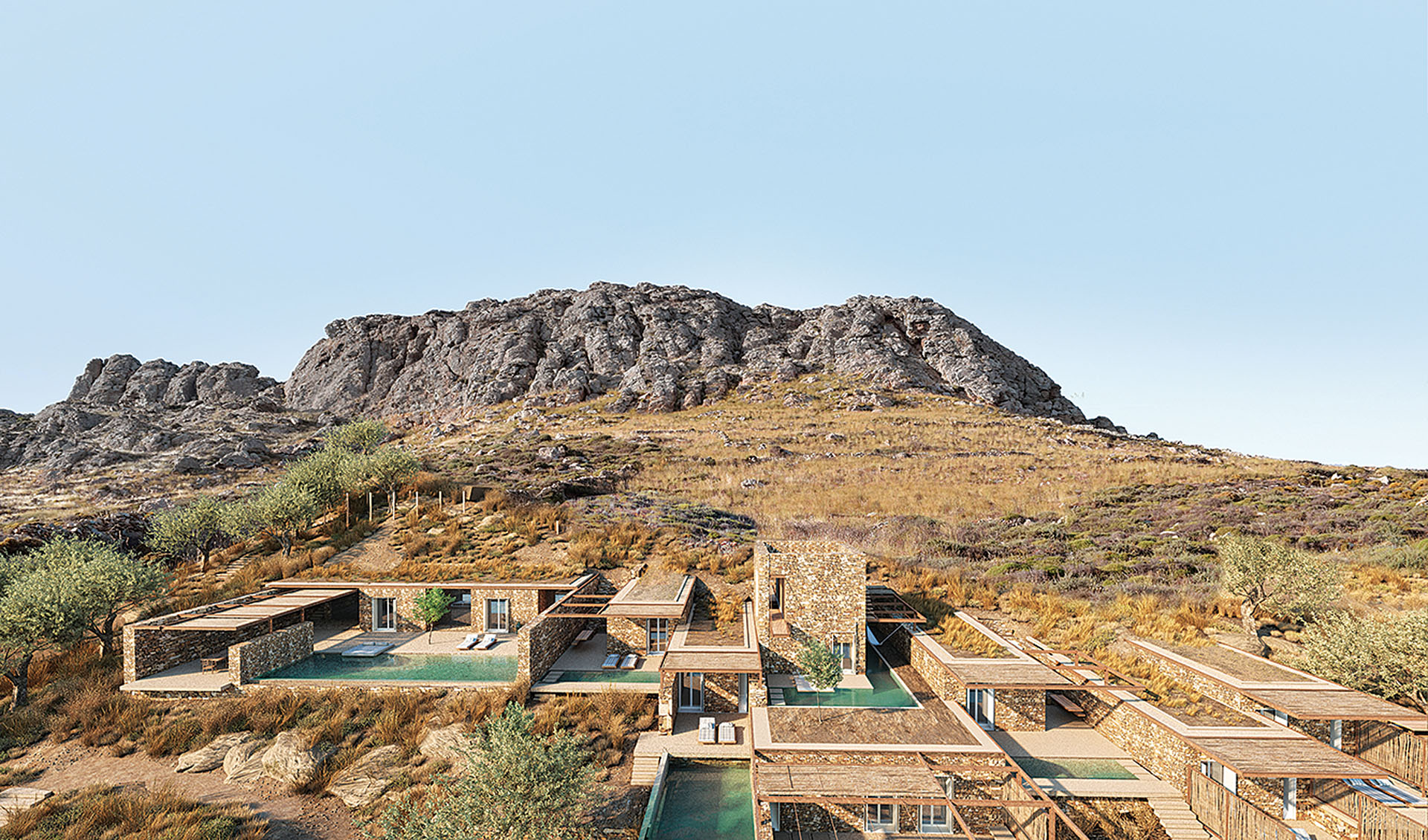
S.M.: Designing vacation housing requires architects to reconcile demands for “authenticity” and belonging to a particular “place” with residents’ desire for amenities associated with a different way of life. How do you maintain this balance in your projects?
I.K.: I understand the quotation marks around the word “authenticity,” and I assume you are referring to an architecture that tends to reproduce “traditional” structures, materials and construction techniques. It does so to approach the idea of the old, the pure and the traditional, which is, of course, an established tourism product.
The task, however, is clearly more difficult than uncritical reproduction. We belong to the present, with everything that entails—with increasingly complex needs, but also with constantly evolving tools and means—and we are not nostalgic for the past.
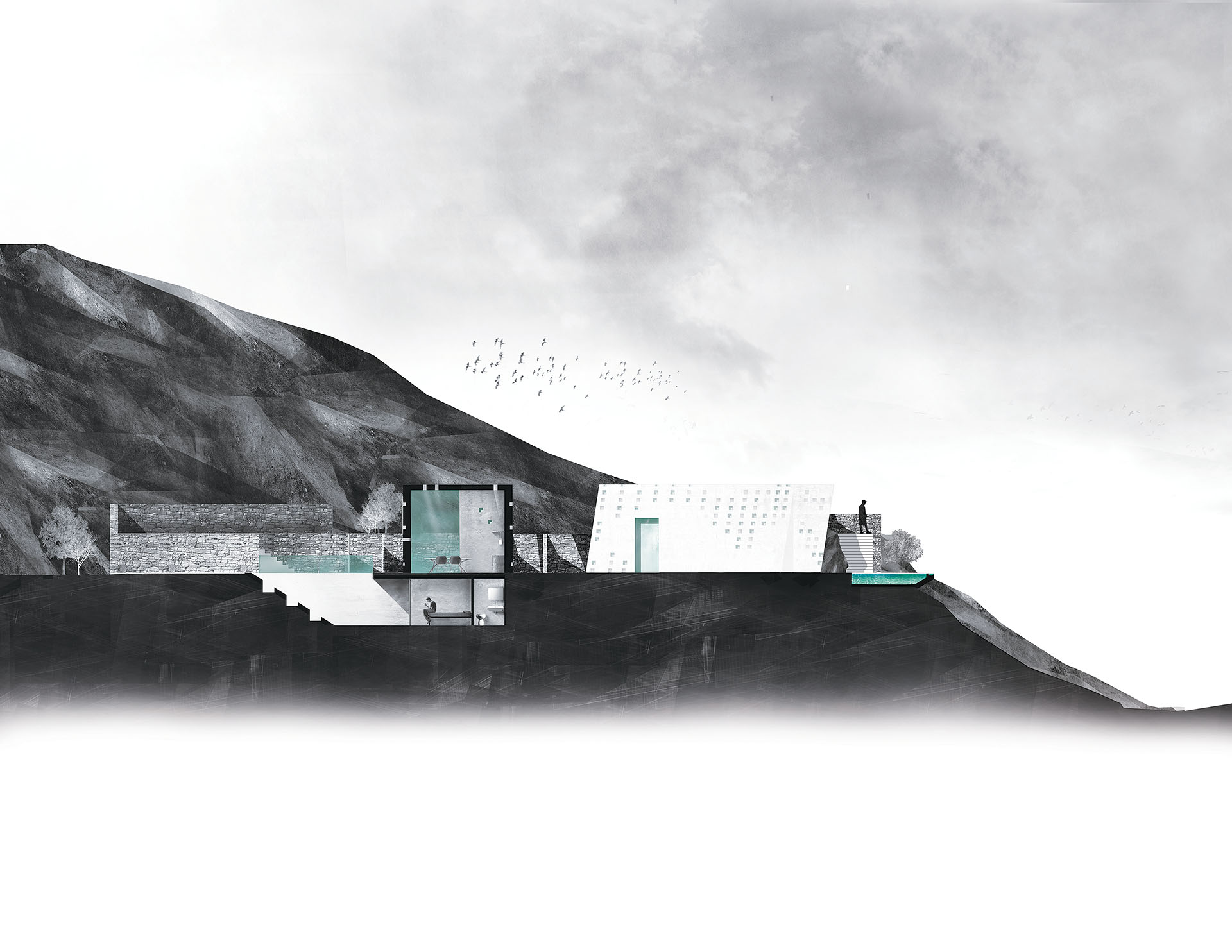
Yet we also belong to the place. Whether considered through its geomorphology or its history, the place is the starting point of our thinking, the subject of our analysis and the reservoir from which we draw our ideas. These are simple and clear ideas, with reason and substance, capable of weaving the thread that connects us with the place, its past, its present and its future.
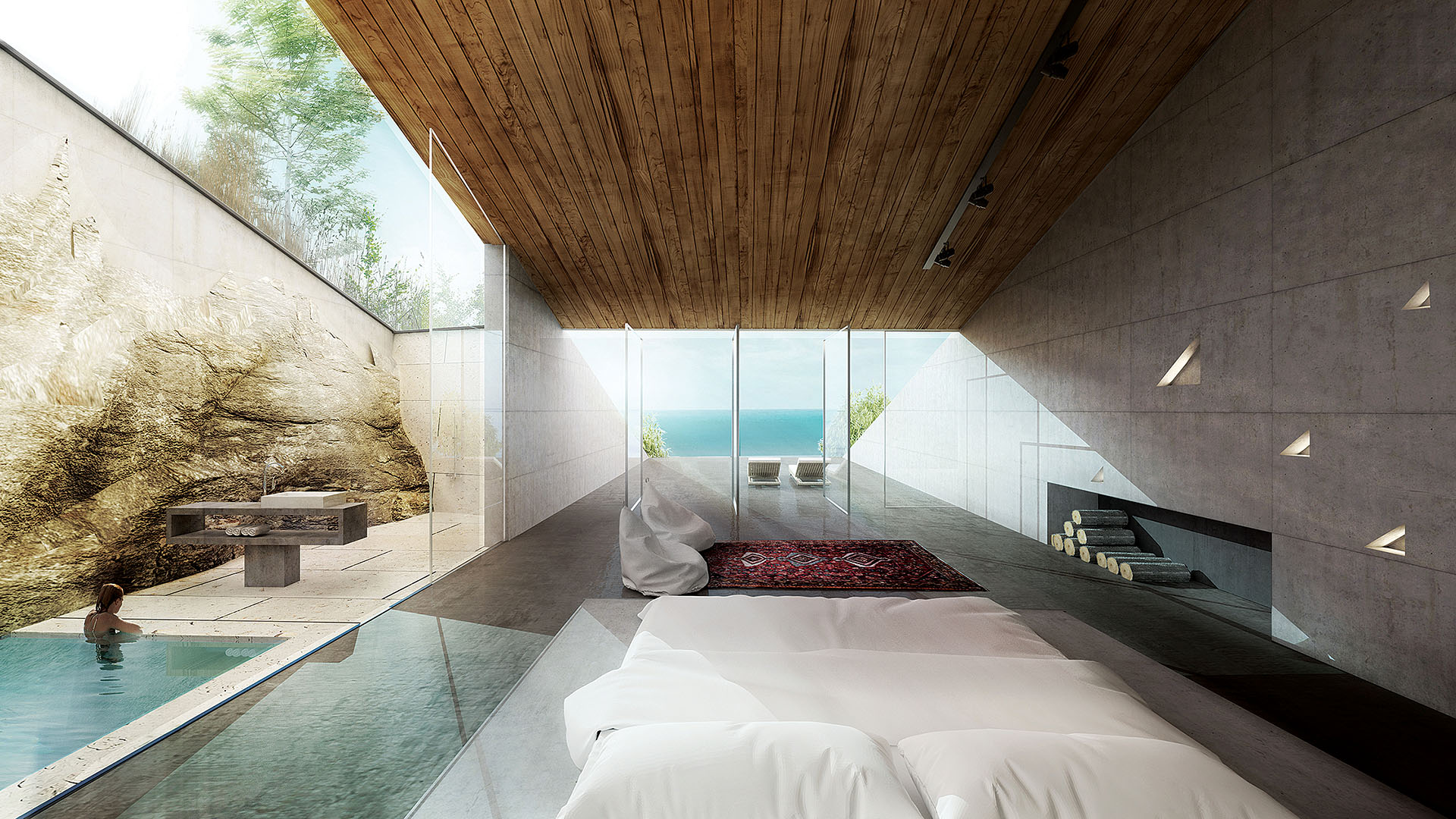
S.M.: Having worked on many small-scale projects, how did you approach the transition to large hotel developments? What can be retained, and what is lost from your architectural approach when the scale changes?
I.K.: Our approach to architecture is certainly not affected by the size of a project, although the requirements may differ.
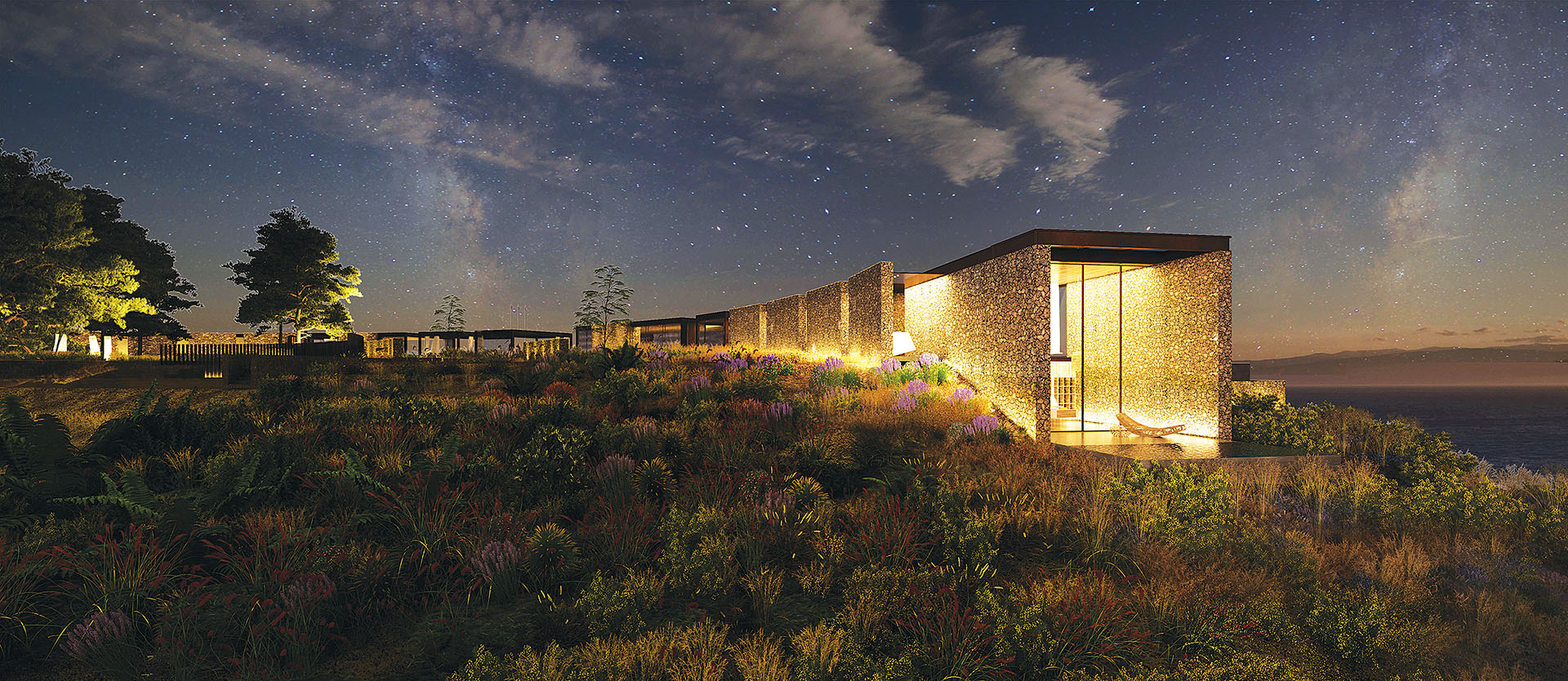
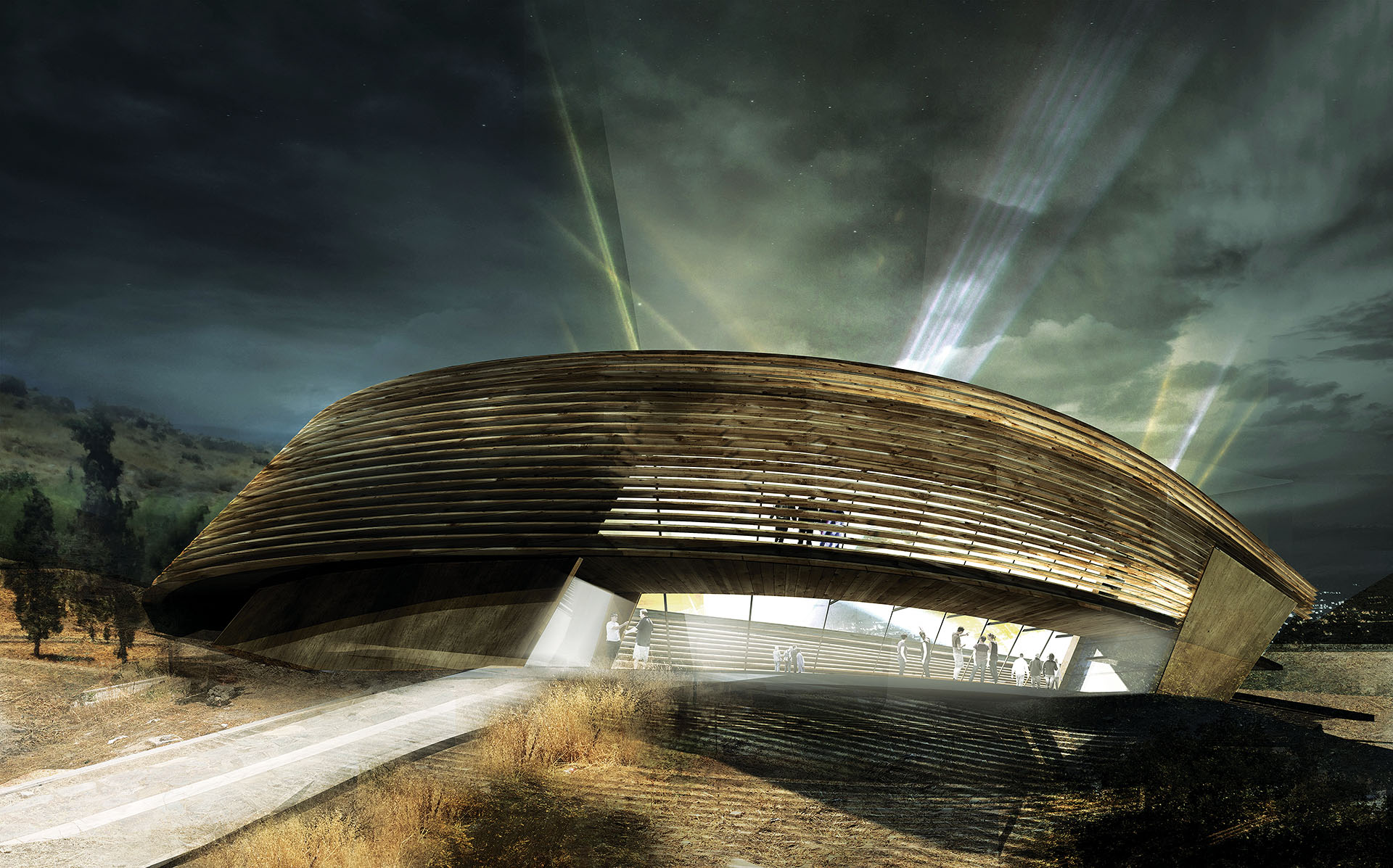
One issue that we clearly do not encounter in a residence is the accommodation of extensive back-of-house infrastructure without disturbing the immediacy of the relationship between the user and the landscape that we seek to establish. It is a machine in constant motion that must operate silently while providing every necessary service.
Another challenge is finding ways to introduce the idea of the small into a larger scale. This may be achieved by minimizing the building footprint. Alternatively, the design can prevent the building’s total volume from being perceived from any of its individual parts.
Once uninterrupted visual contact is removed, the scale immediately diminishes. The architecture consequently becomes more approachable and humane.
Read the full interview in ek issue 247 | May 2020.