Untapped Potential
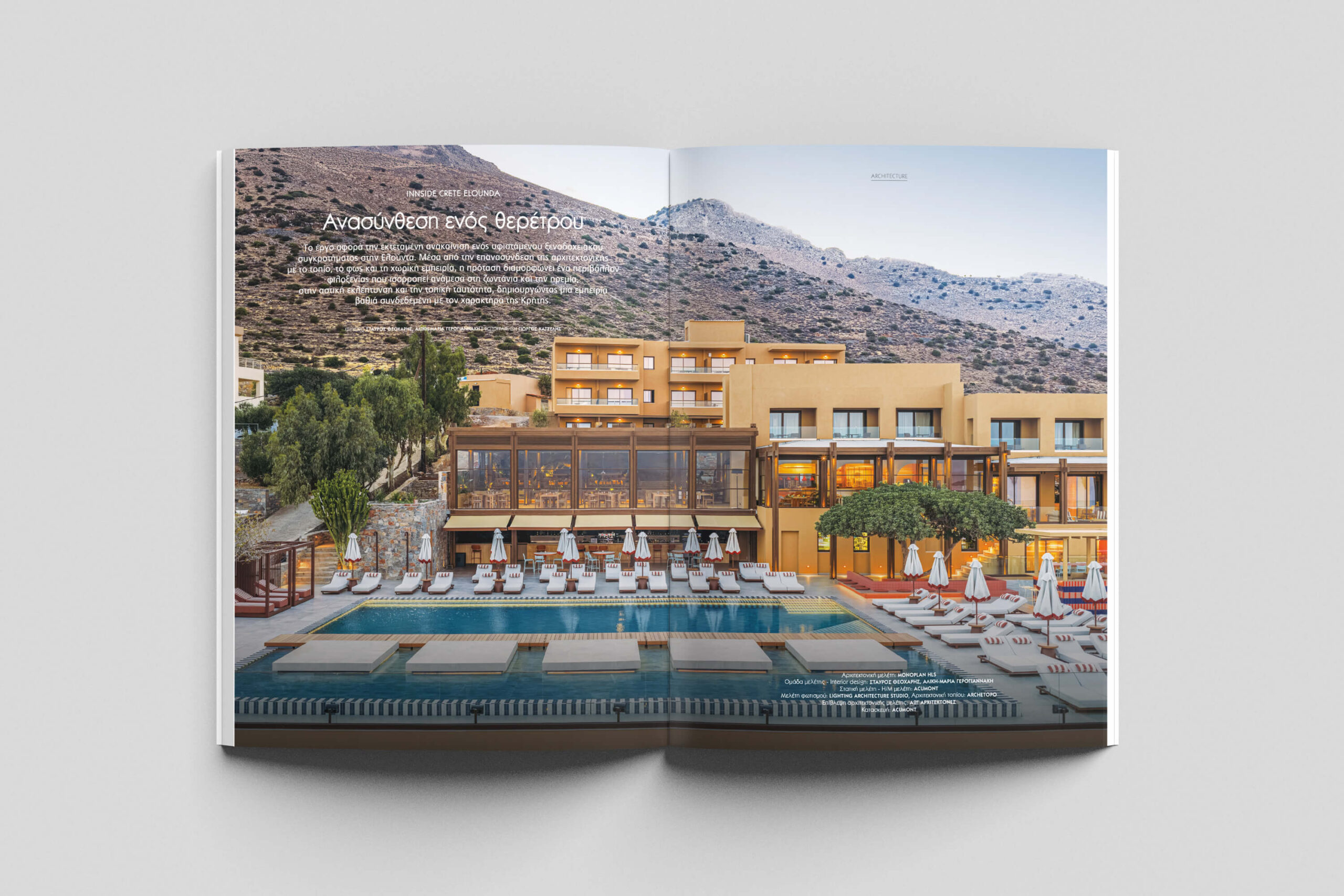
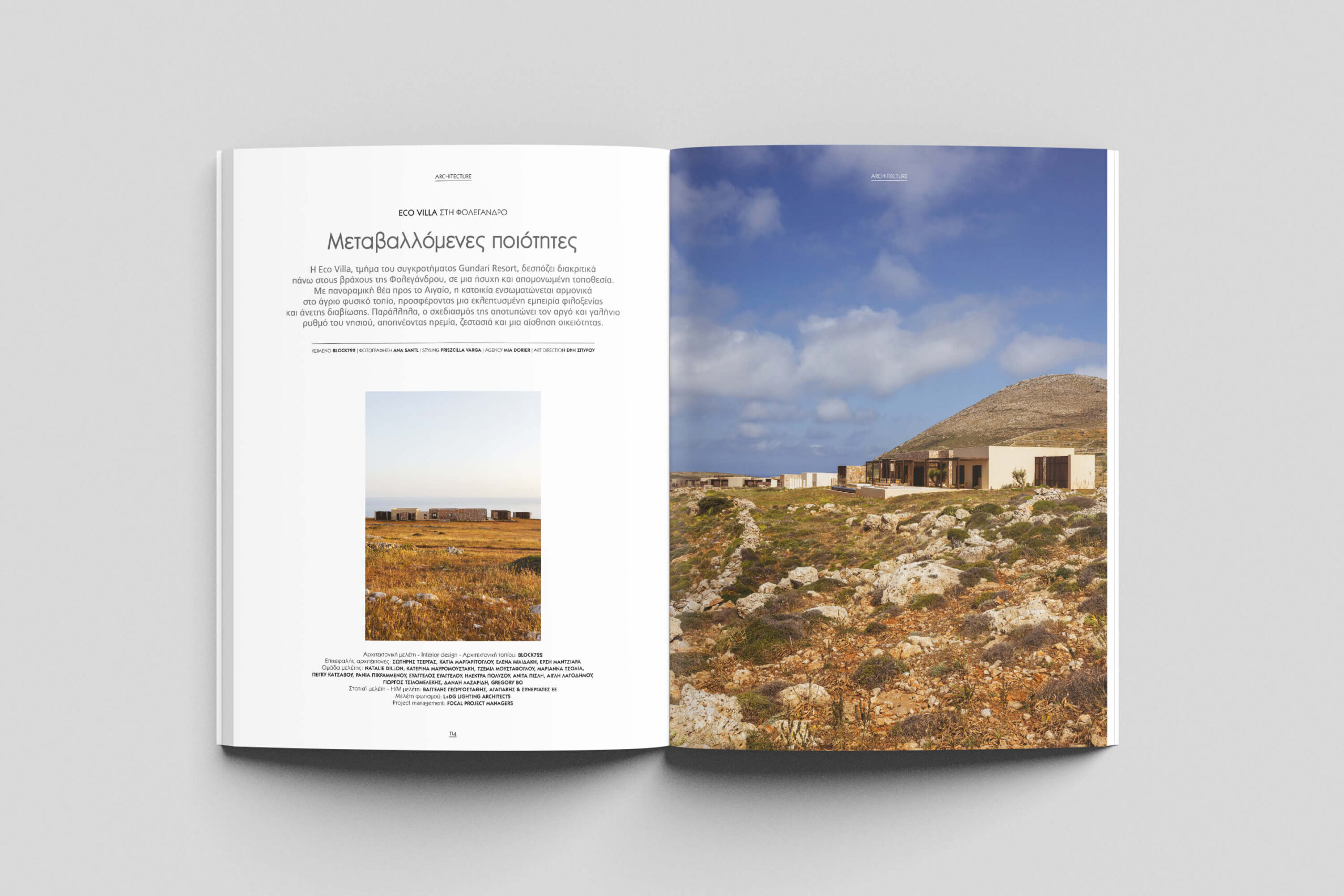
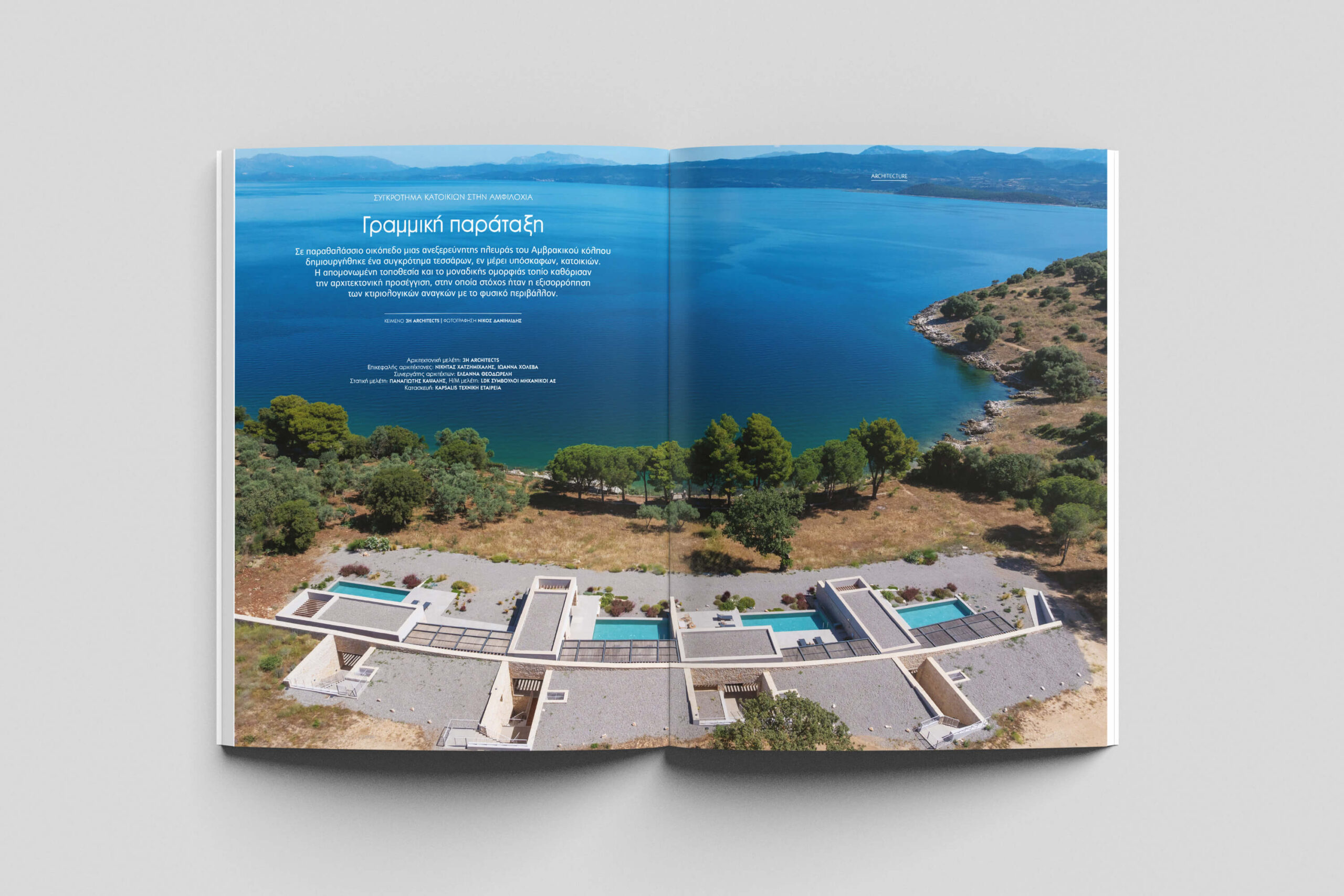
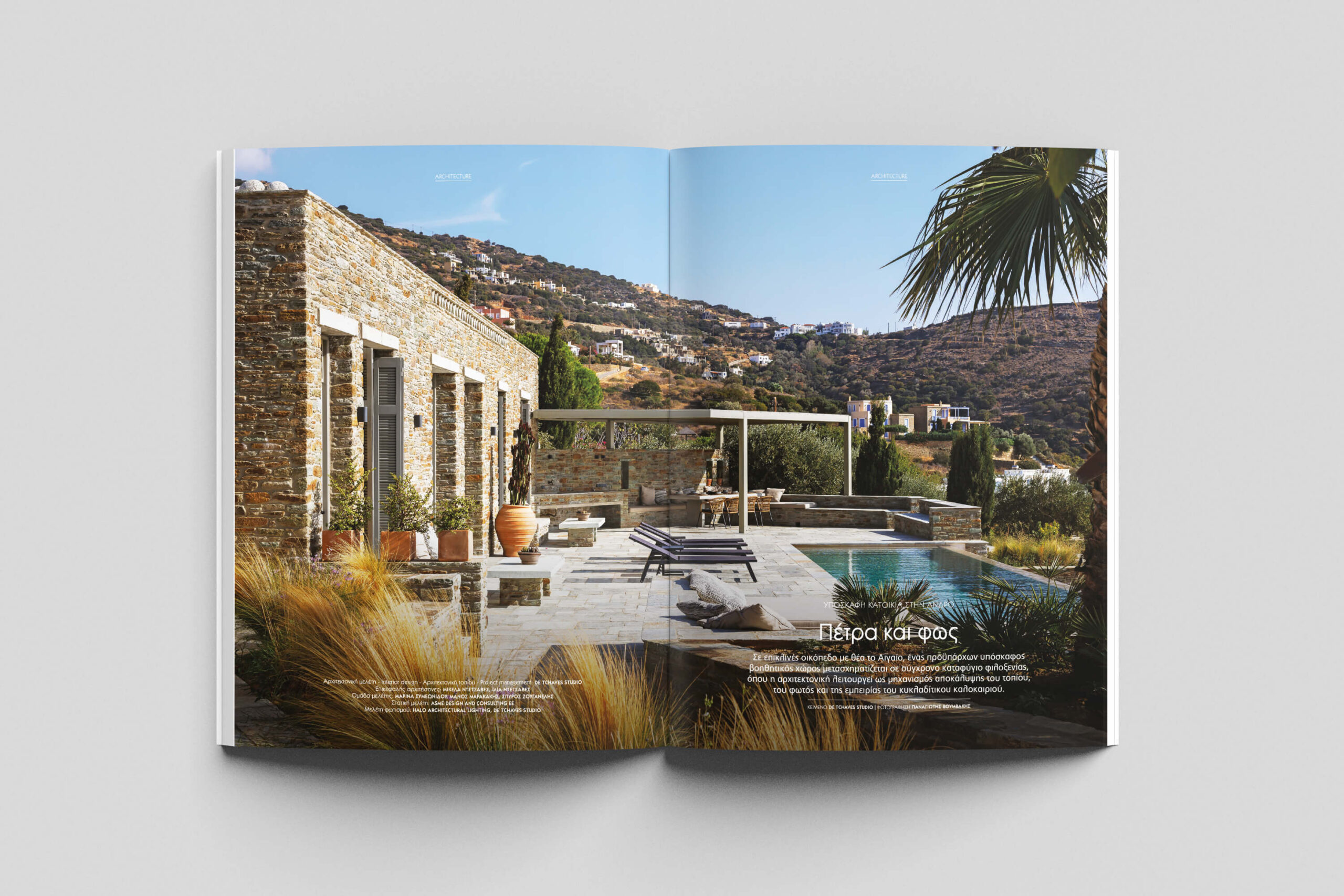
The recent Material Matters vol. 7 architecture event brought together keynote speakers Massimiliano Fuksas and Doriana Mandrelli Fuksas of Studio Fuksas, as well as nine architectural practices from Greece and Cyprus. The presentations demonstrated the strength of contemporary Greek architecture, not only in design terms but also in its technical execution, attention to detail and confident use of new materials and construction methods.
Yet the event also raised a familiar question: why is this wealth of talent and expertise so rarely harnessed by the public sector? Significantly, none of the projects presented by the Greek practices was a public commission. Studio Fuksas, by contrast, included several major civic projects in its presentation, among them the Nuovo Centro Congressi, or “La Nuvola,” in Rome and Terminal 3 at Shenzhen Bao’an International Airport in China. Both were awarded through international architectural competitions and financed largely with public funds.
These buildings were technically demanding and, particularly in the case of La Nuvola, attracted criticism over their cost. Nevertheless, they were completed without the design being diluted beyond recognition or the quality of construction being seriously compromised. They have since become prominent landmarks in their respective cities. Similar examples can be found in the work of leading architectural practices across the world, for which ambitious public commissions form an essential part of their portfolios.
In Greece, distinguished examples of contemporary public architecture remain rare. Successive governments have failed to recognise its wider value or to establish the institutional frameworks and procurement procedures needed to support it. As a result, competition-winning designs often remain unbuilt for years. When they are eventually realised, they may be subjected to substantial revisions that weaken or even erase the defining ideas of the original proposal.
This need not remain the case. Greece has both a new generation of highly capable architects and established practices with the experience to deliver complex projects. They should be given the opportunity to shape the public realm as decisively as they already shape private development. The first step is for public authorities to recognise that high-quality contemporary architecture is not an aesthetic luxury, but a form of long-term civic investment. That recognition must then be translated into coherent policies, credible competitions and procurement processes capable of protecting architectural quality from design stage through to completion.
Ariadni Vozani