You are here:

12,00 €

Add to Wishlist!
Add to Wishlist!

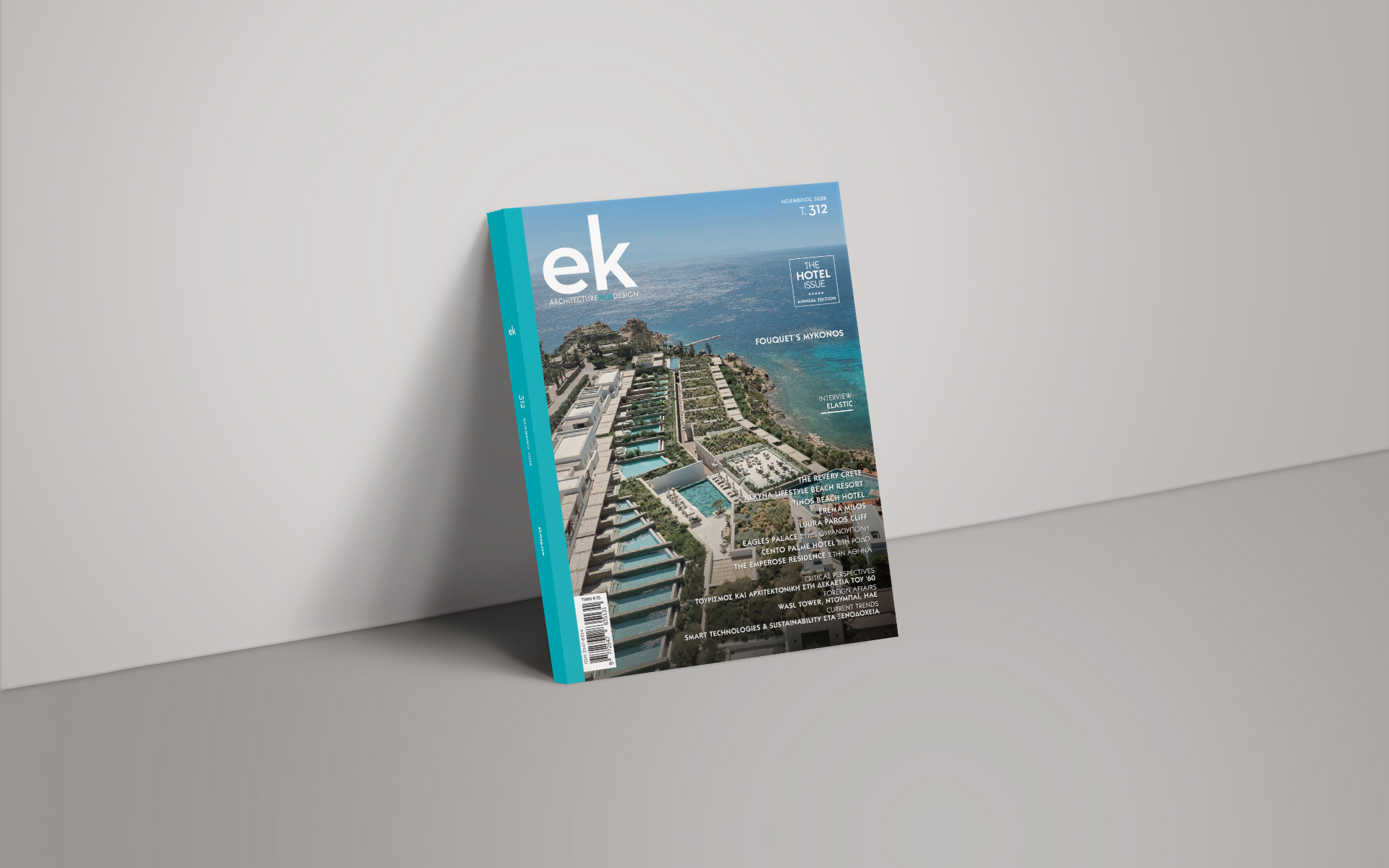
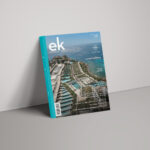
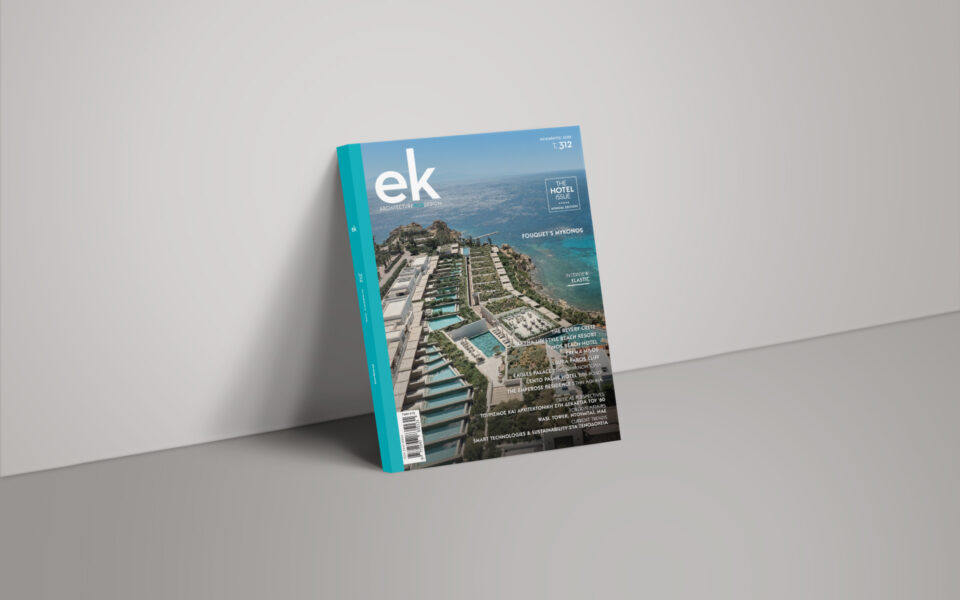
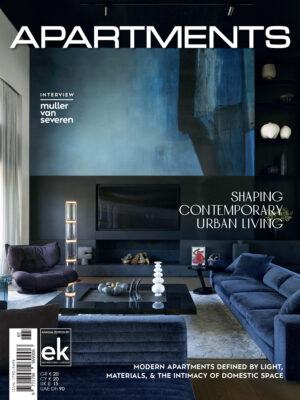
ek magazine 312 | November Issue 2026

The Hotel Issue

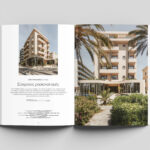
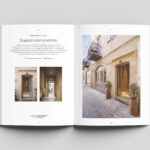
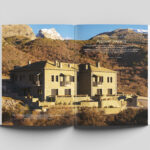
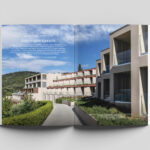
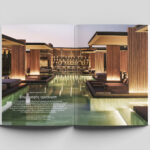
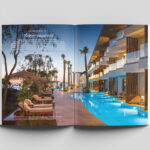
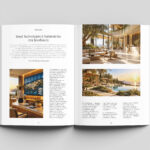
ek magazine 312 (November 2026) is ek’s annual issue dedicated to hotel architecture and the design of hospitality spaces.

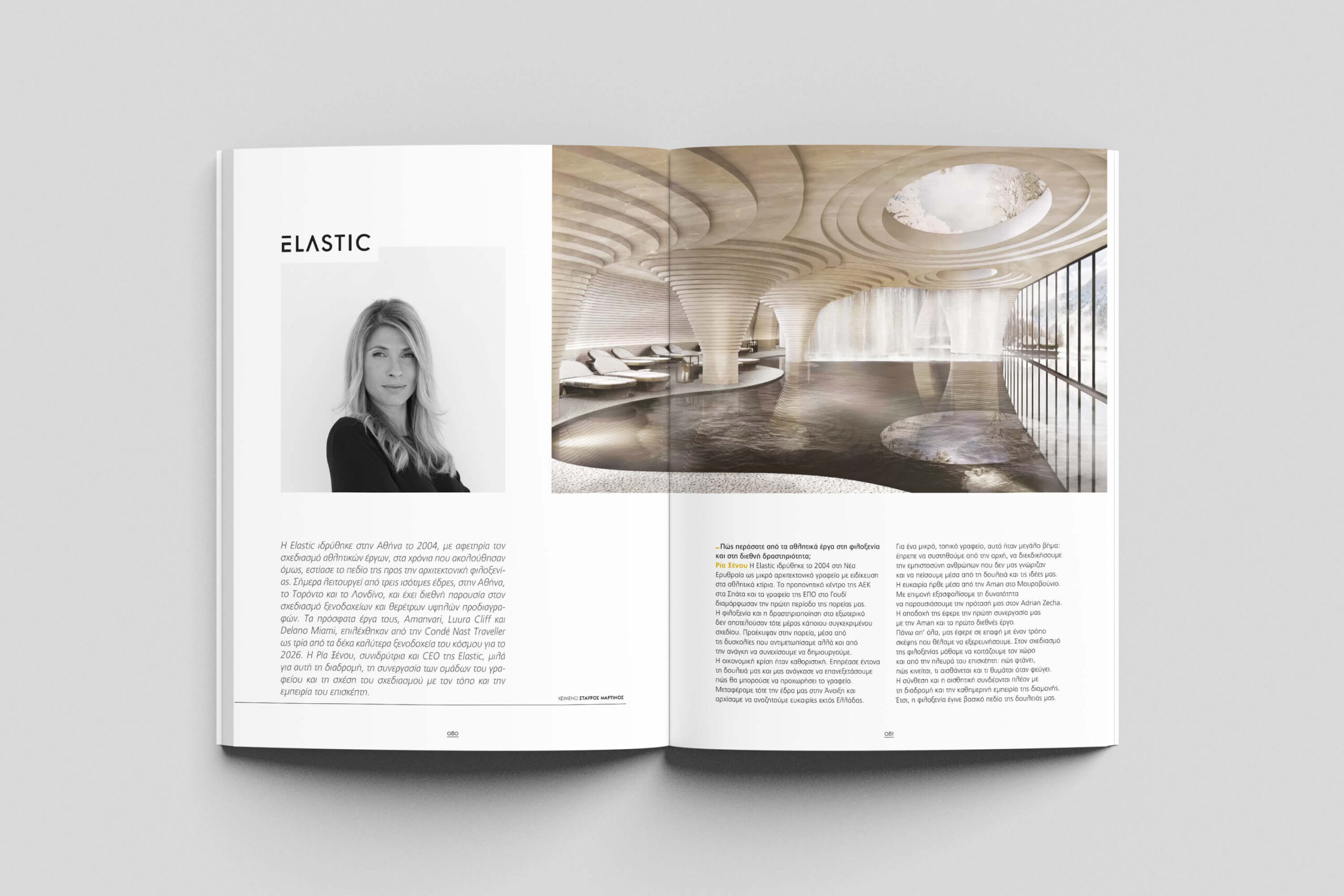
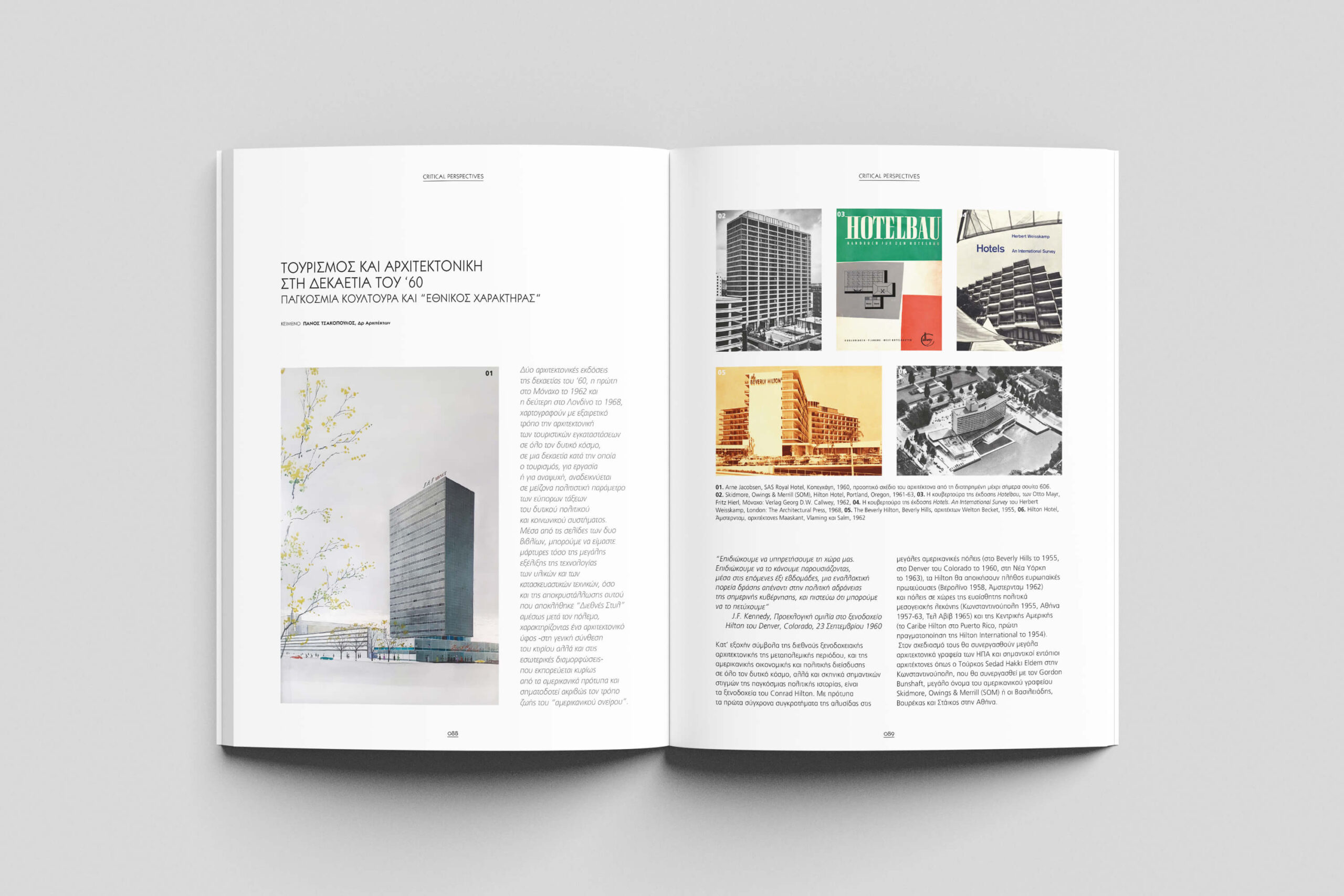
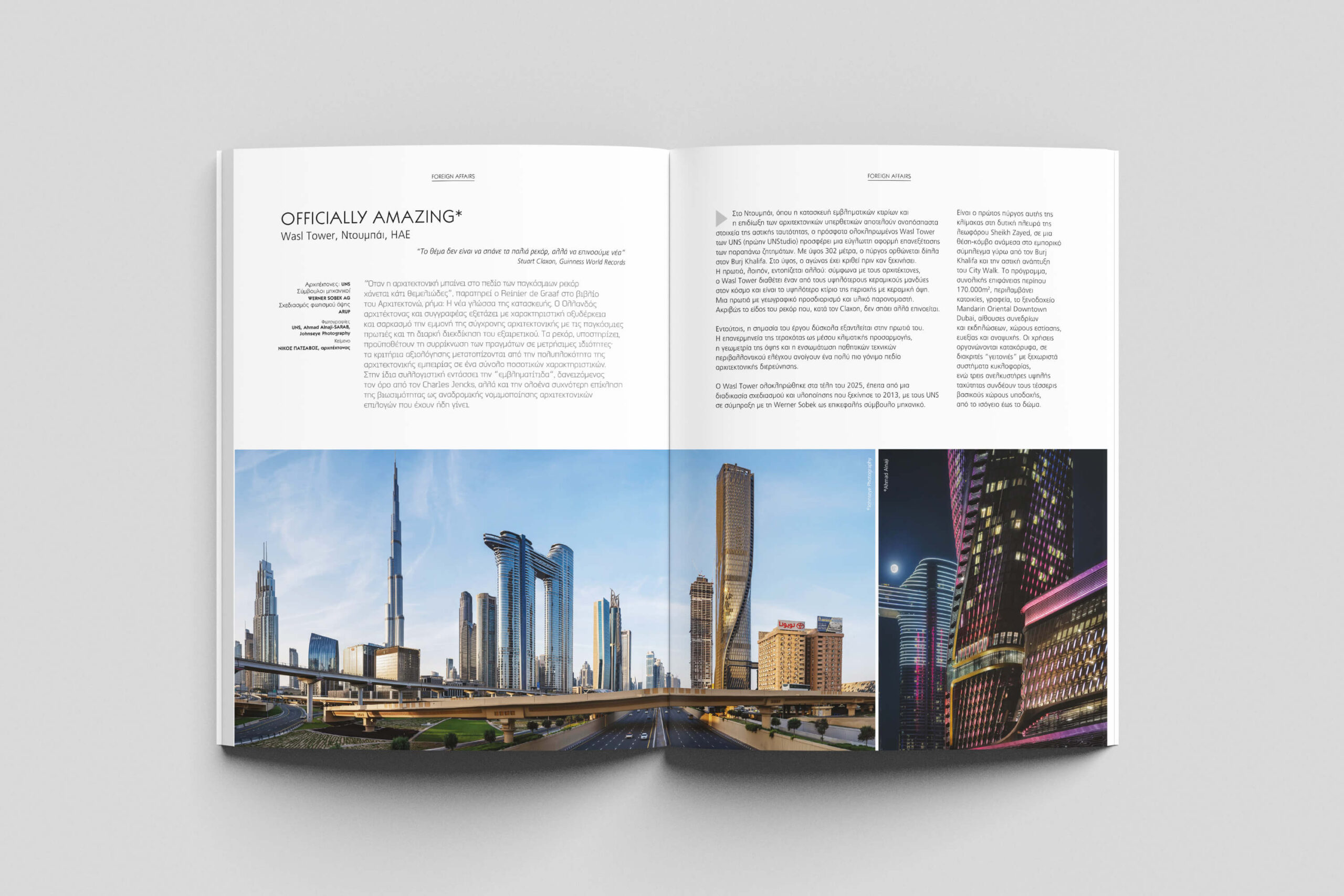
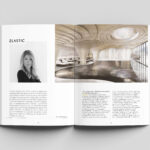
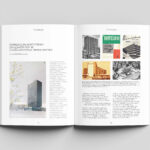
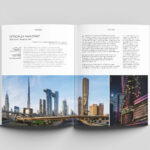
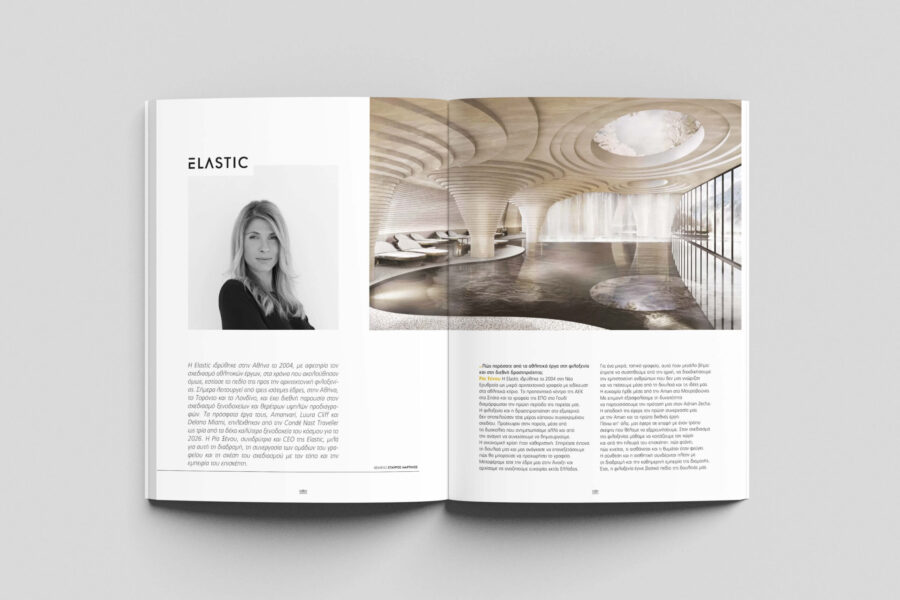
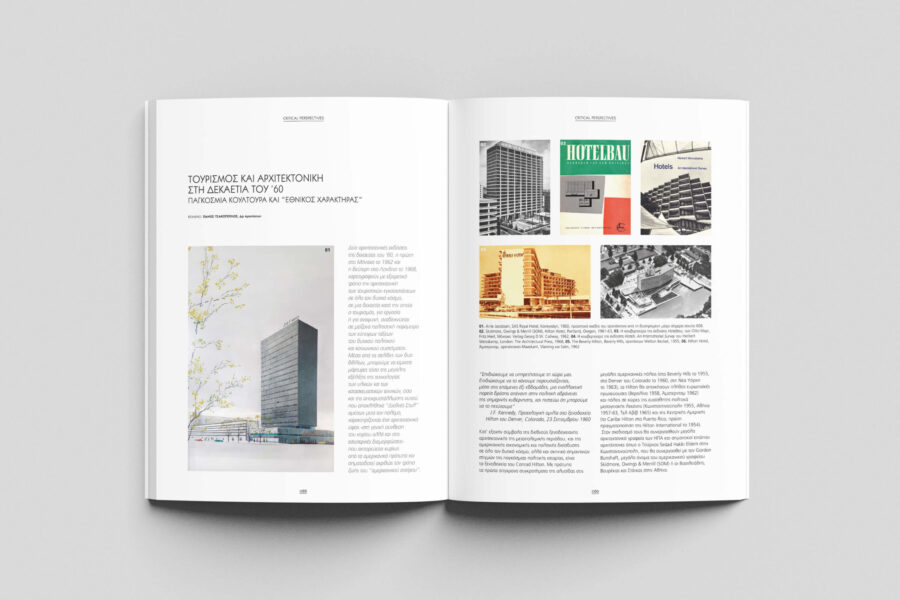
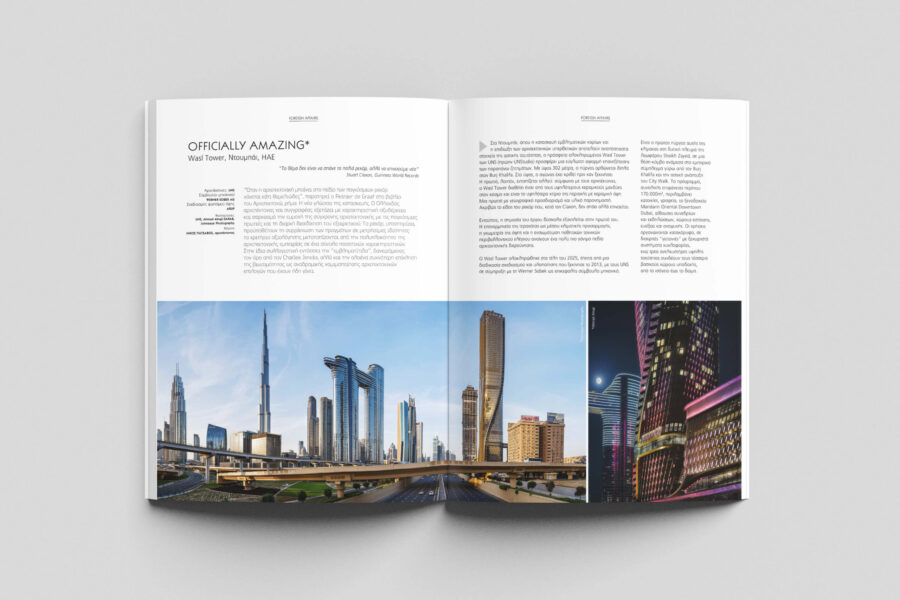
Ria Xenou, co-founder of Elastic, discusses the practice’s international trajectory and the relationship between design, place and the visitor experience. In Critical Perspectives, Panos Tsakopoulos examines how tourism architecture in the 1960s sought to reconcile global culture with “national character”. In Foreign Affairs, Nikos Patsavos presents the Wasl Tower by UNS in Dubai, exploring the relationship between architectural spectacle and environmental design, while Current Trends focuses on smart technologies and sustainable hotel operations.

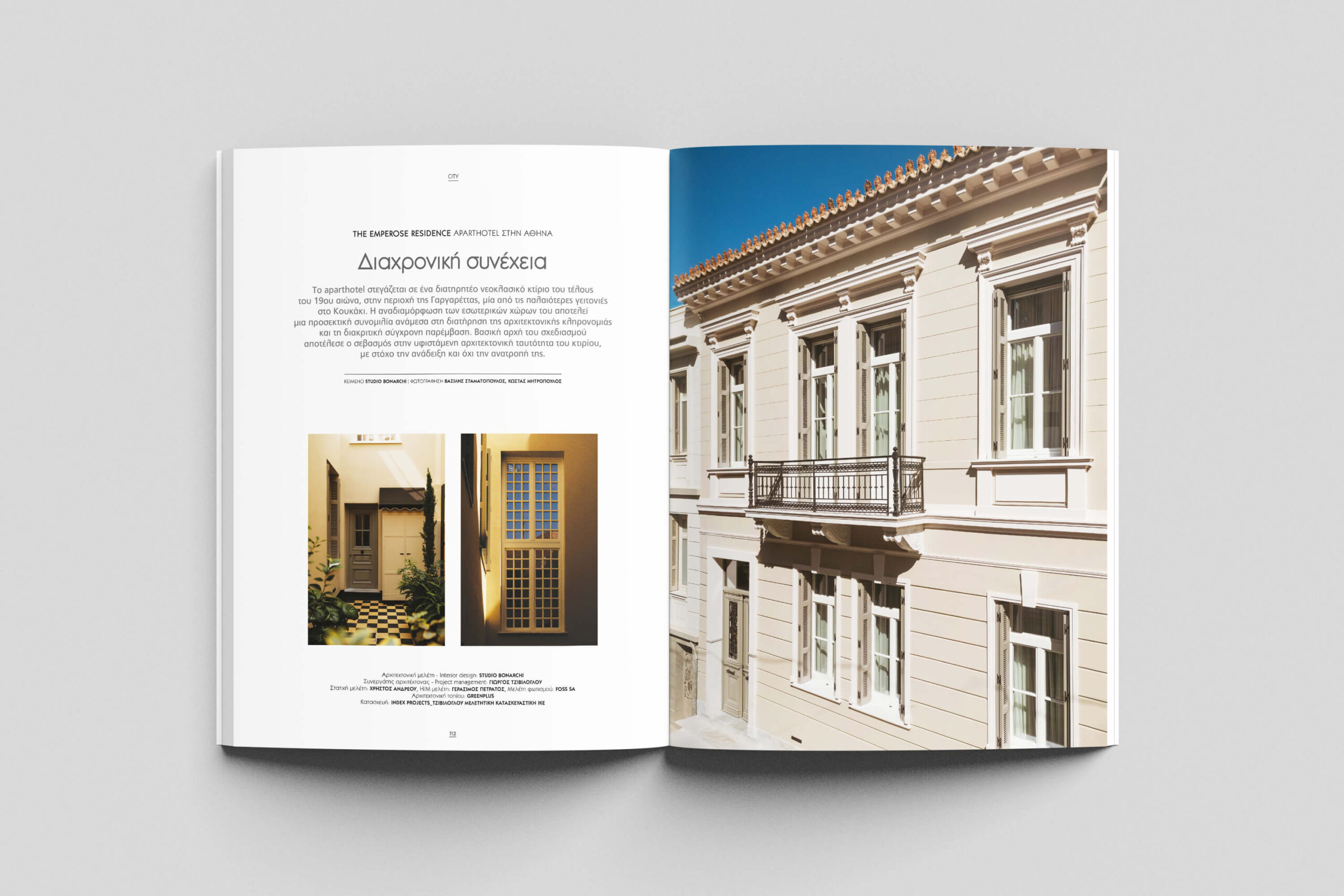
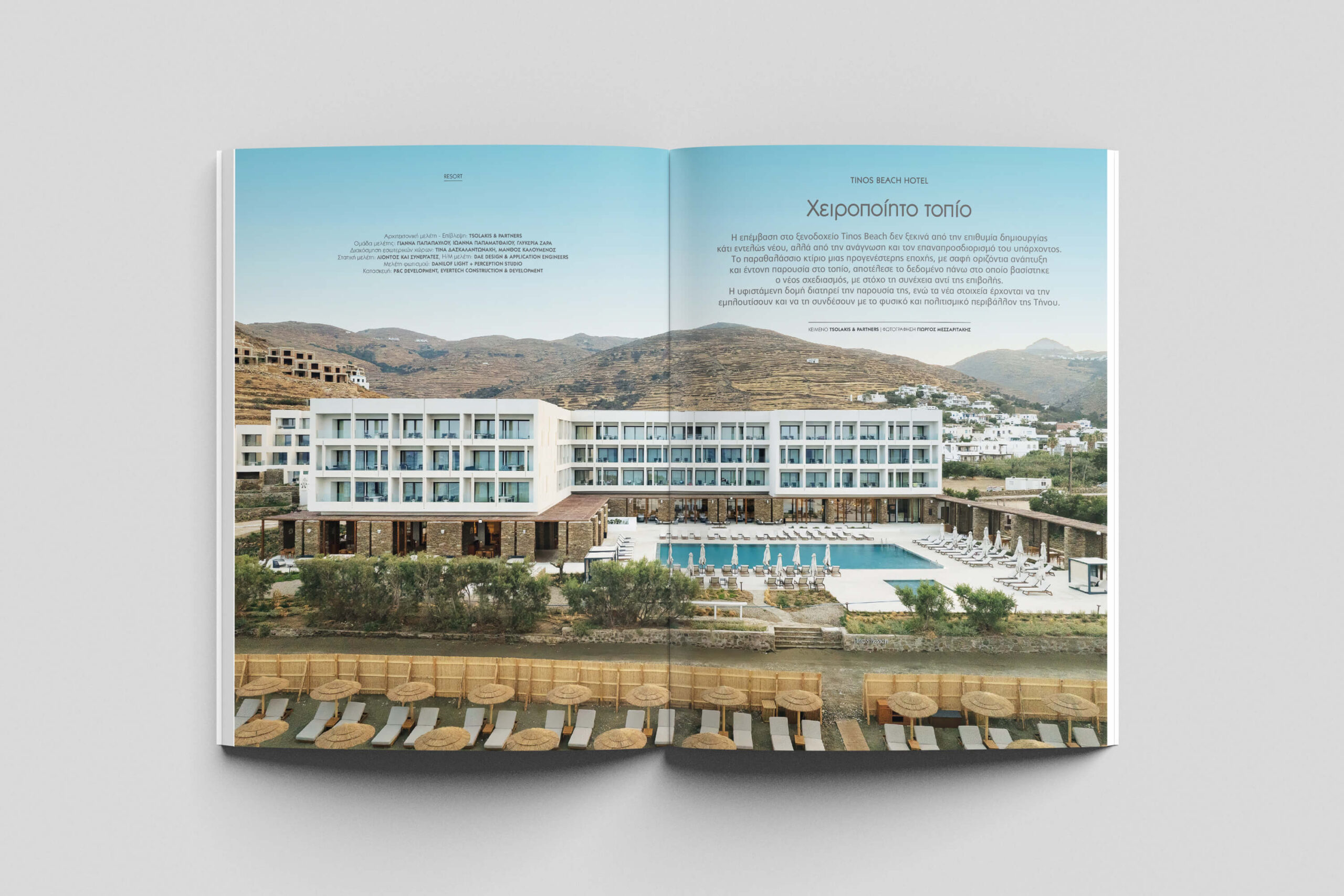
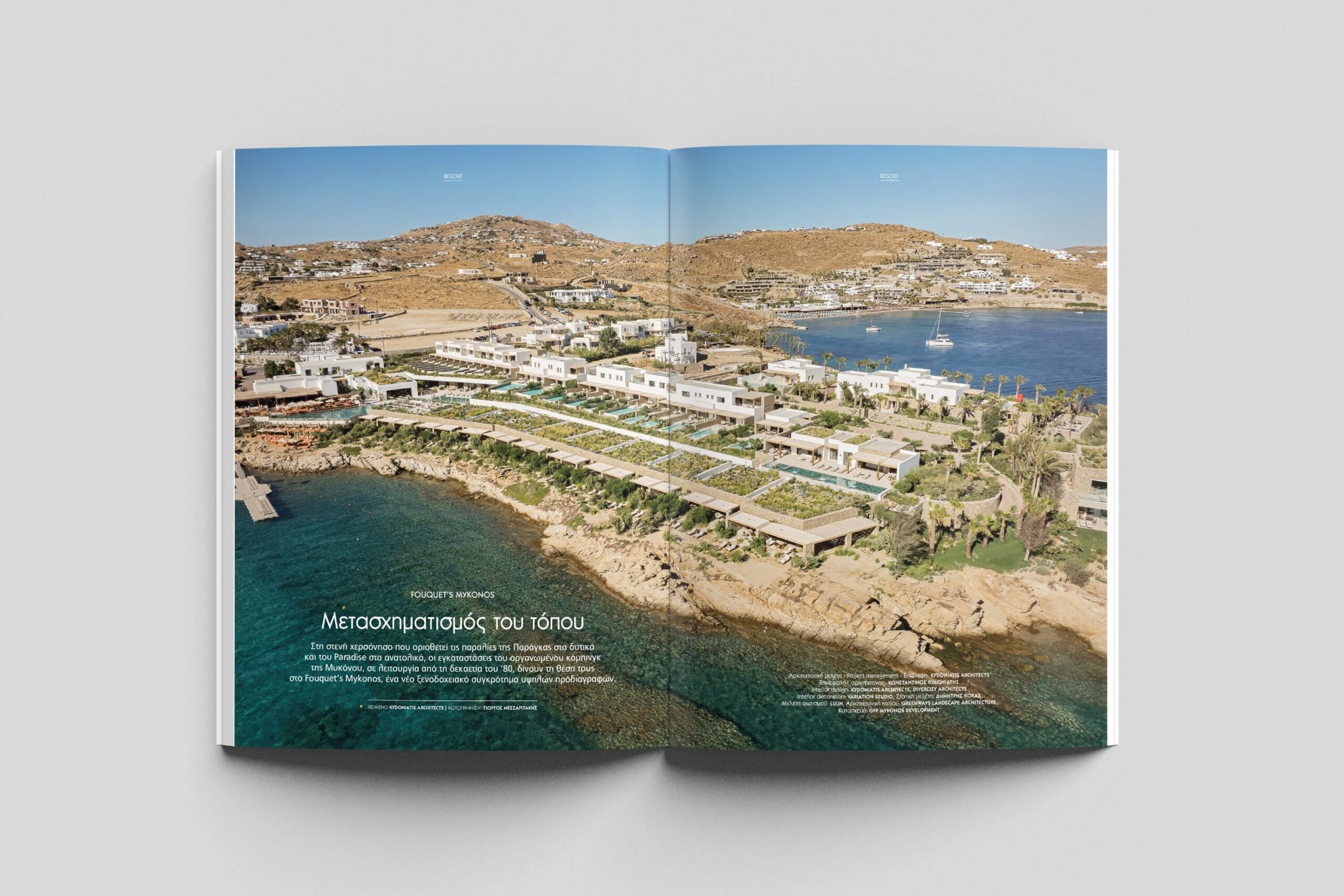
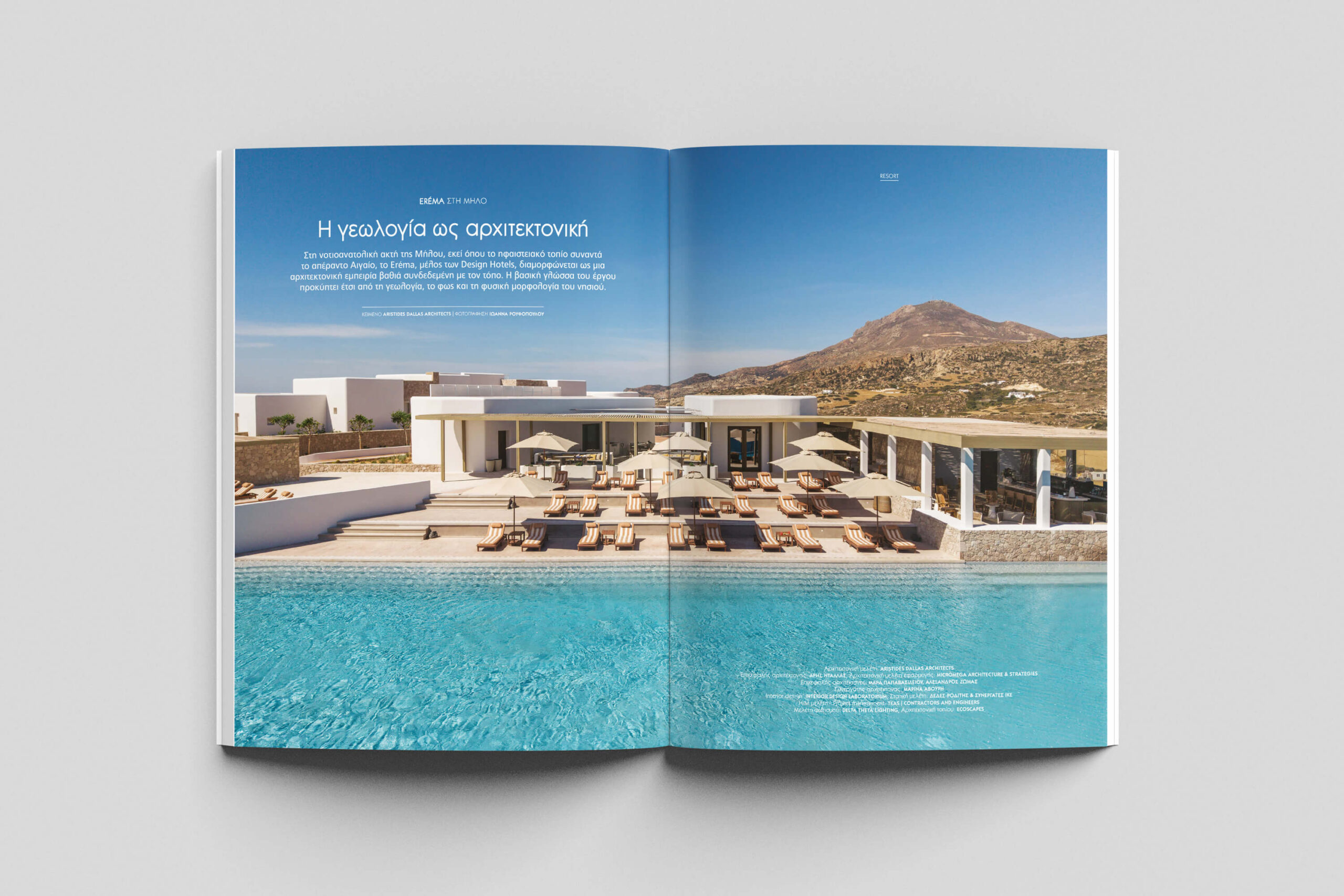
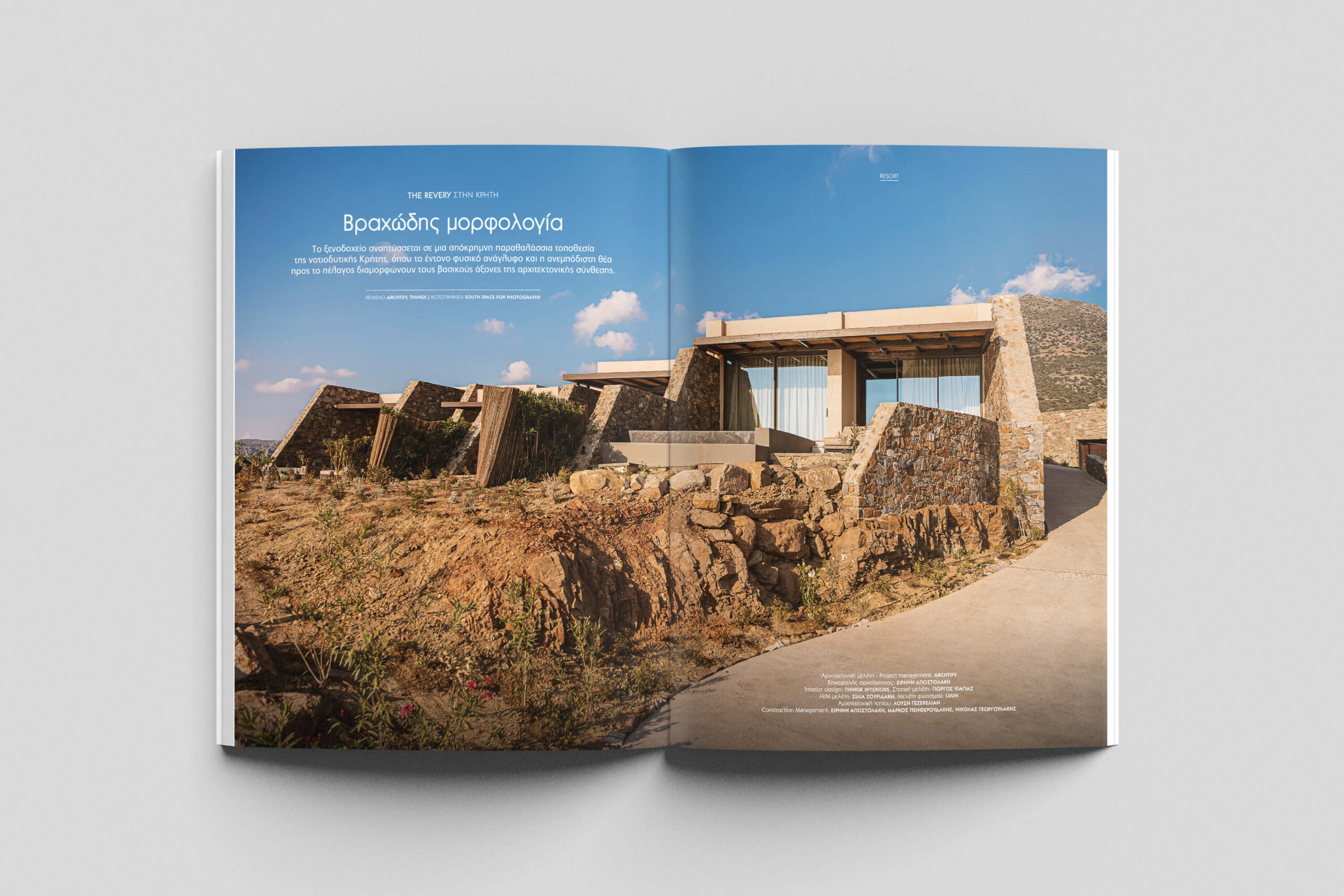
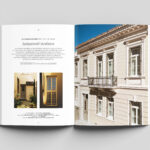
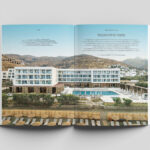
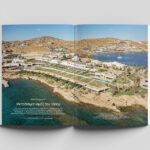
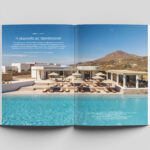
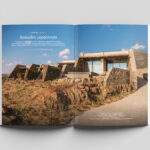
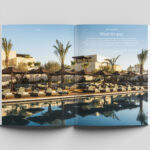
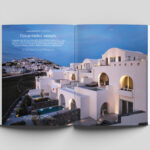
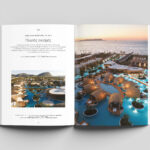
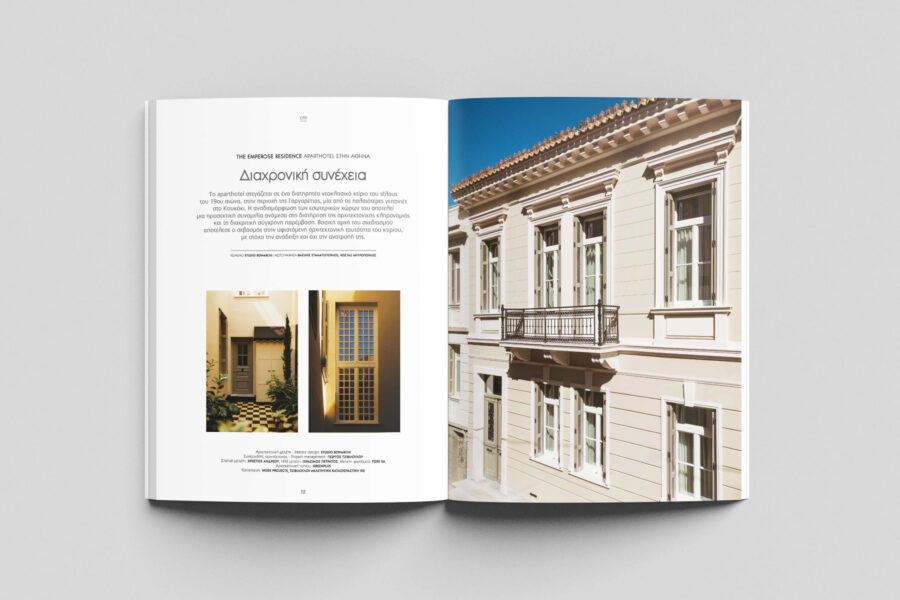
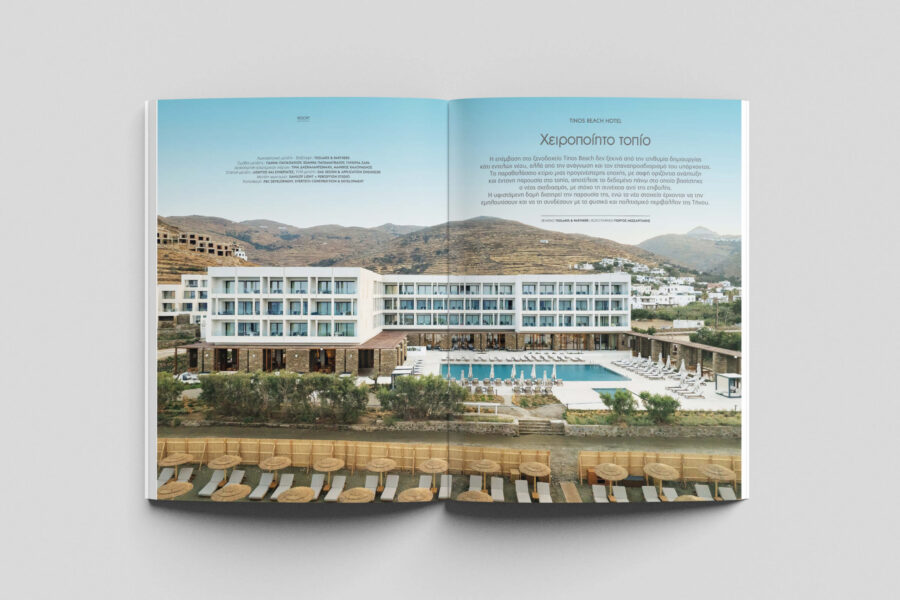
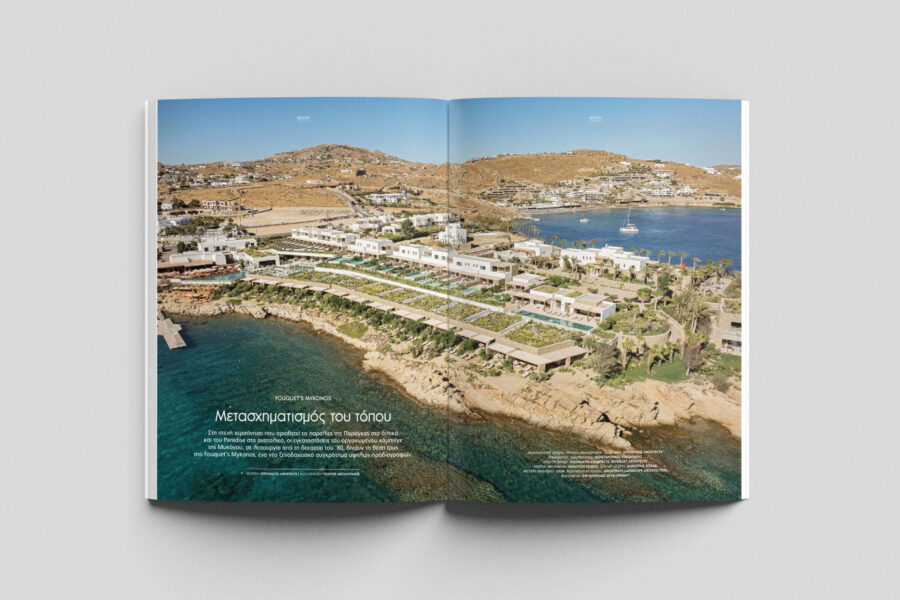
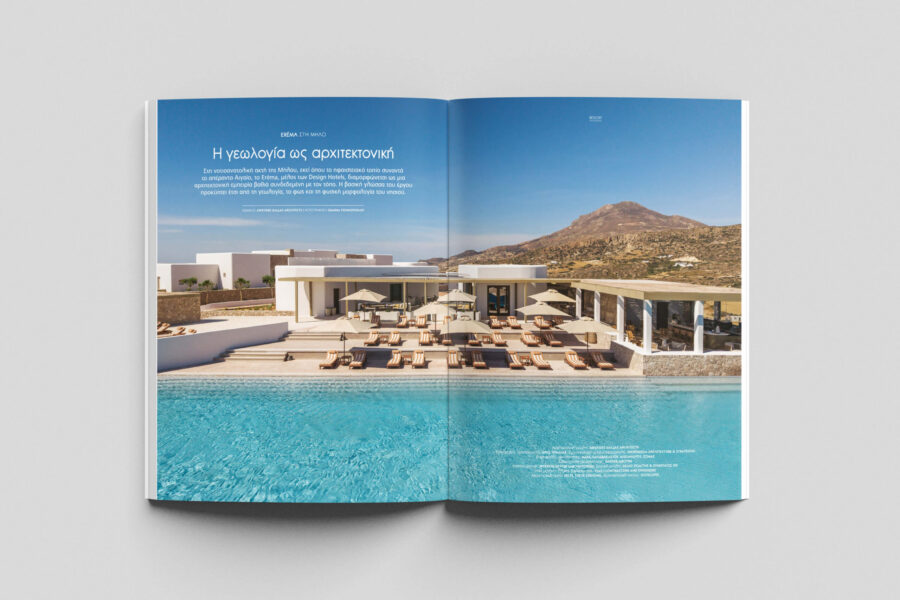
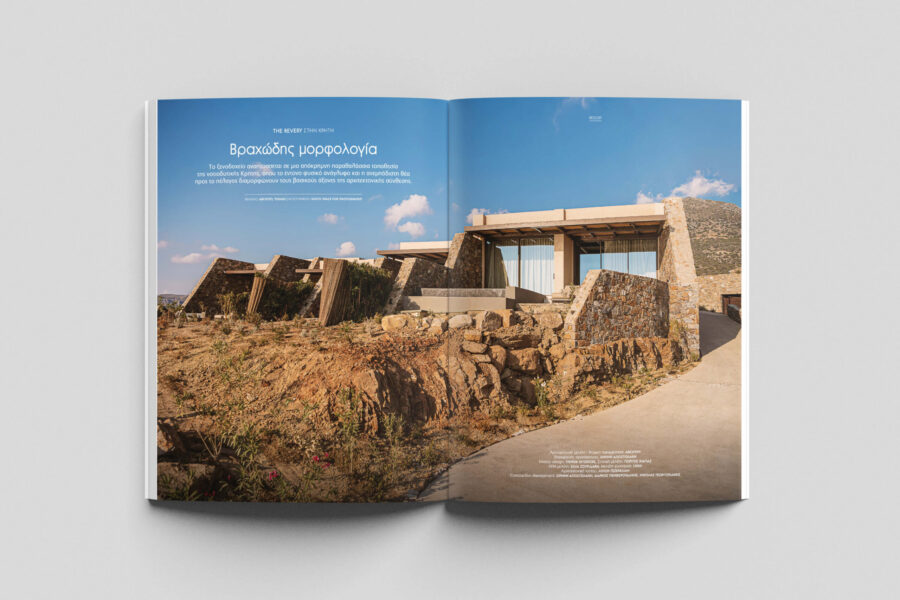
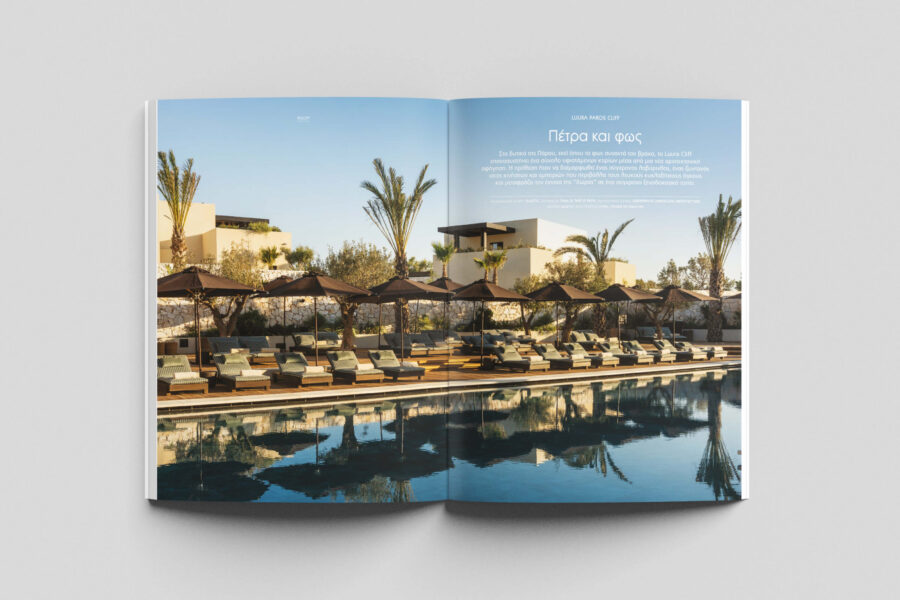
Among the featured projects are Fouquet’s Mykonos, Eréma Milos, The Revery in Crete, Luura Paros Cliff and Tinos Beach Hotel, as well as The Emperose Residence in Athens.


EDITORIAL
Editor: Ariadni Vozani
  • The Architecture of Hospitality
INTERVIEW 
Editor: Stavros Martinos
  • Elastic
CRITICAL PERSPECTIVES
Editor: Panos Tsakopoulos
  • Tourism and Architecture in the 1960s
FOREIGN AFFAIRS
Editor: Nikos Patsavos
  • Wasl Tower, Dubai, UAE
CITY
  • The Emperose Residence, Athens | Studio Bonarchi
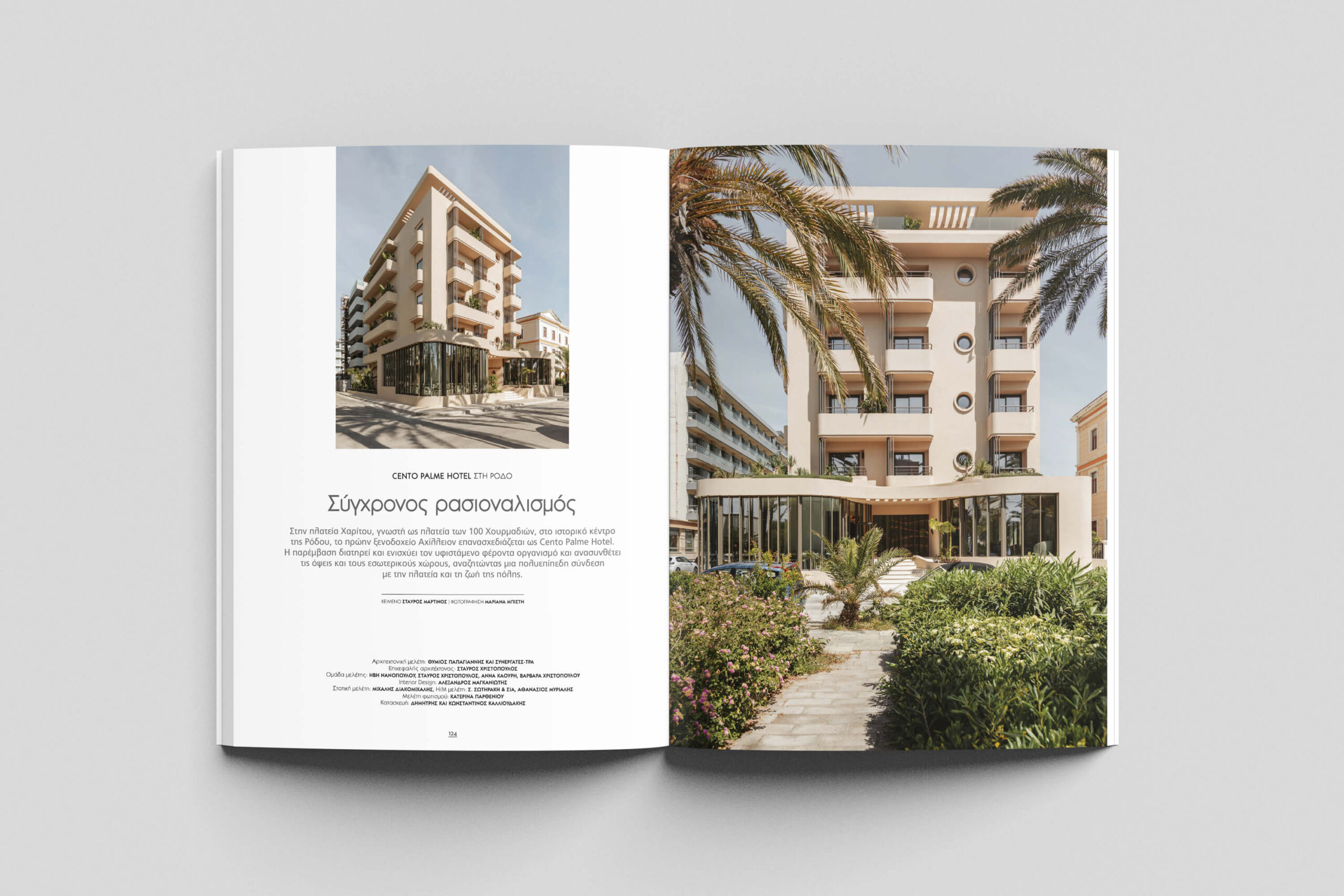
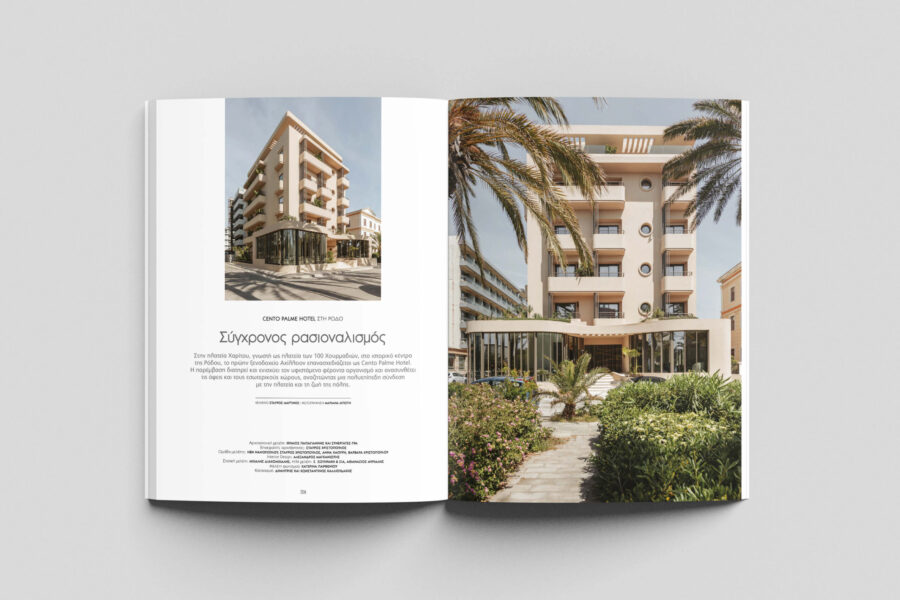
  • Cento Palme Hotel, Rhodes | Thymio Papayannis & Associates
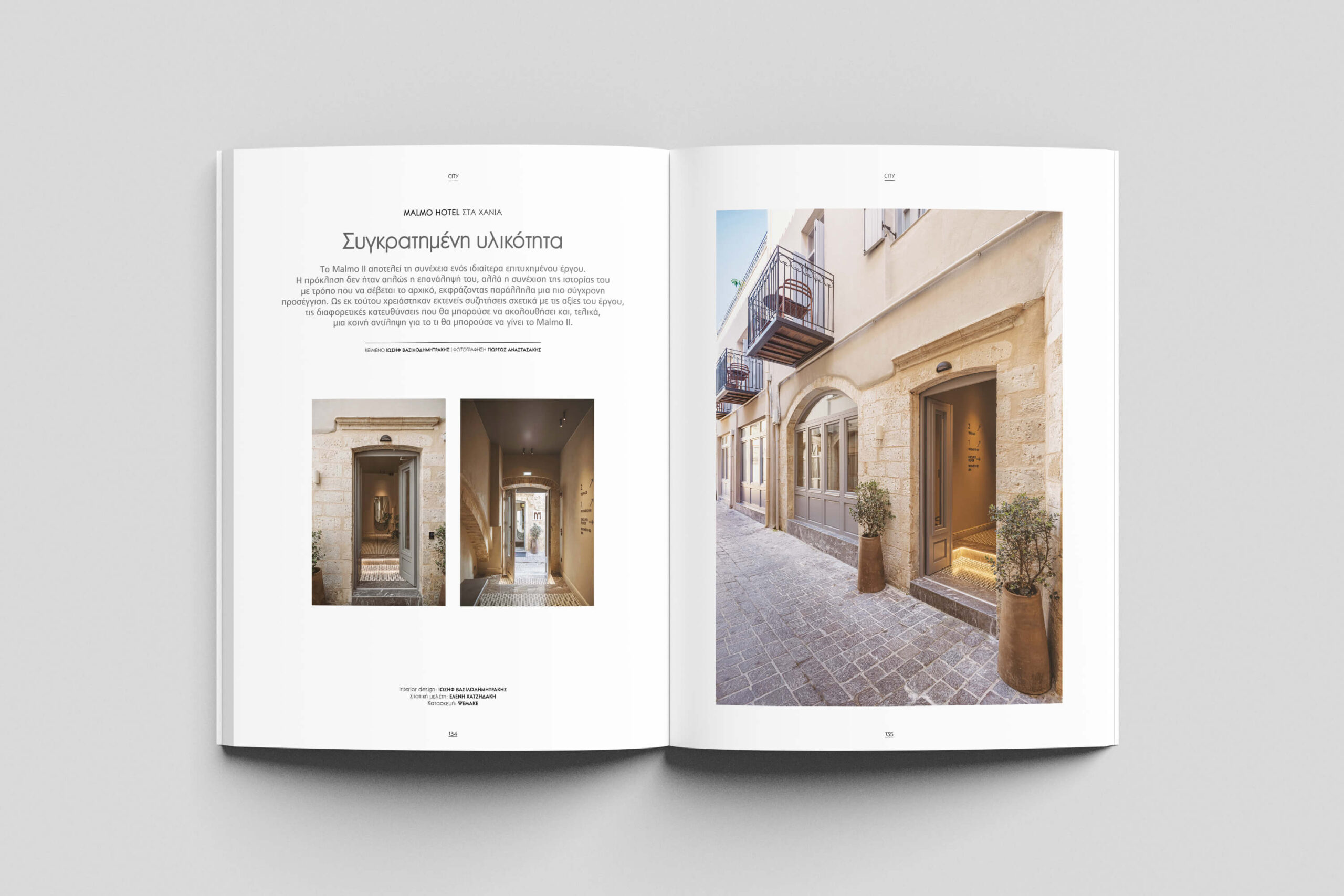
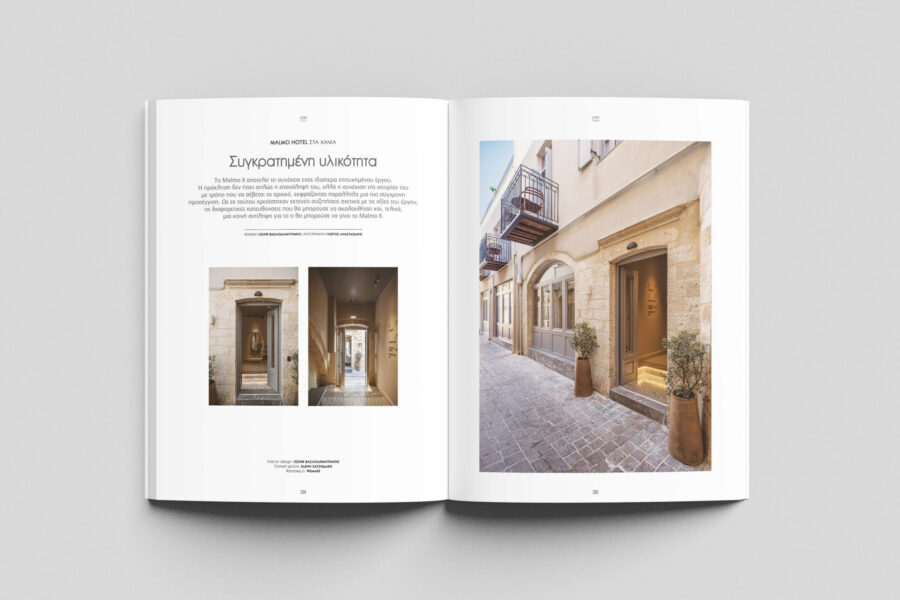
  • Malmo Hotel, Chania | IOS_V
RESORT
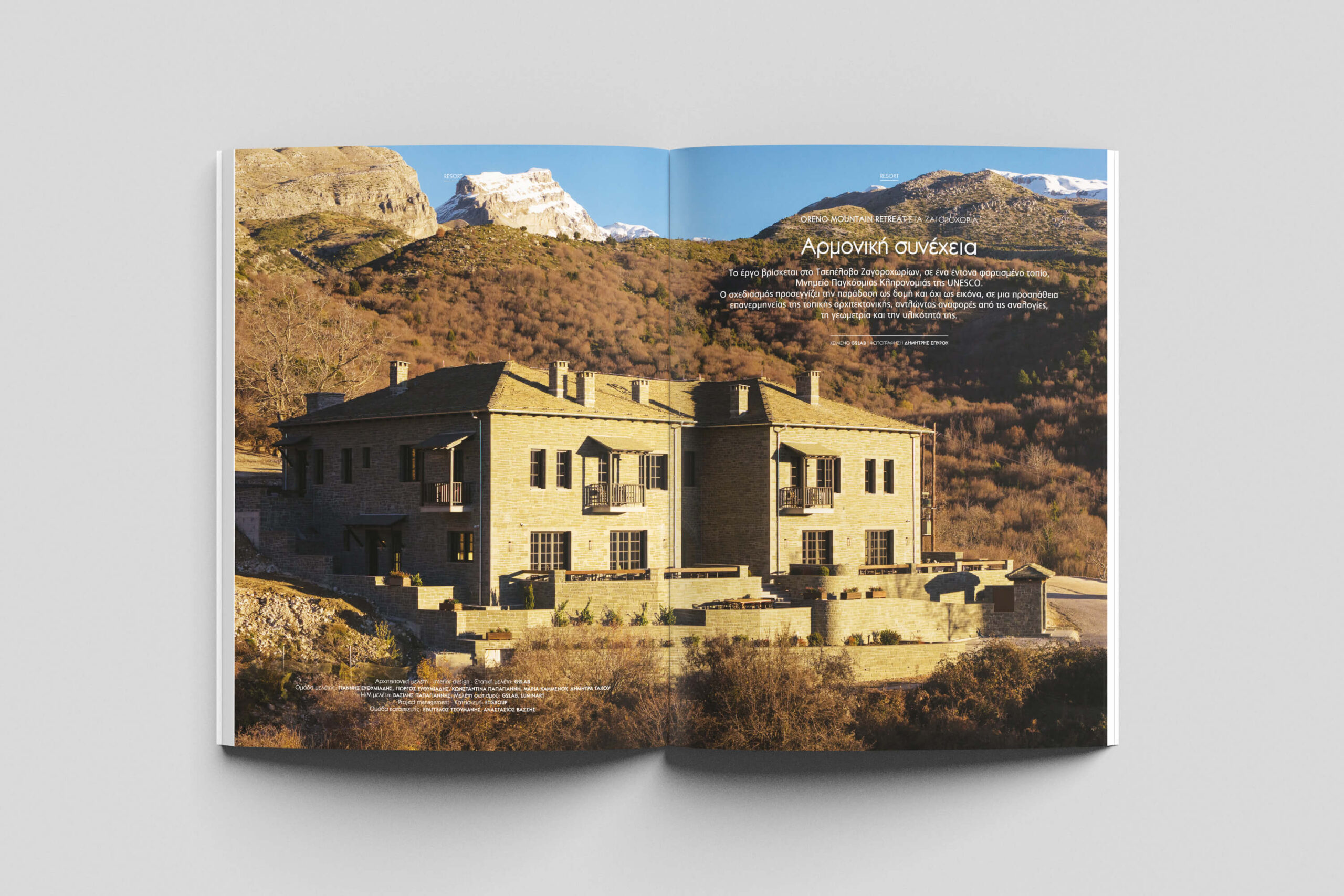
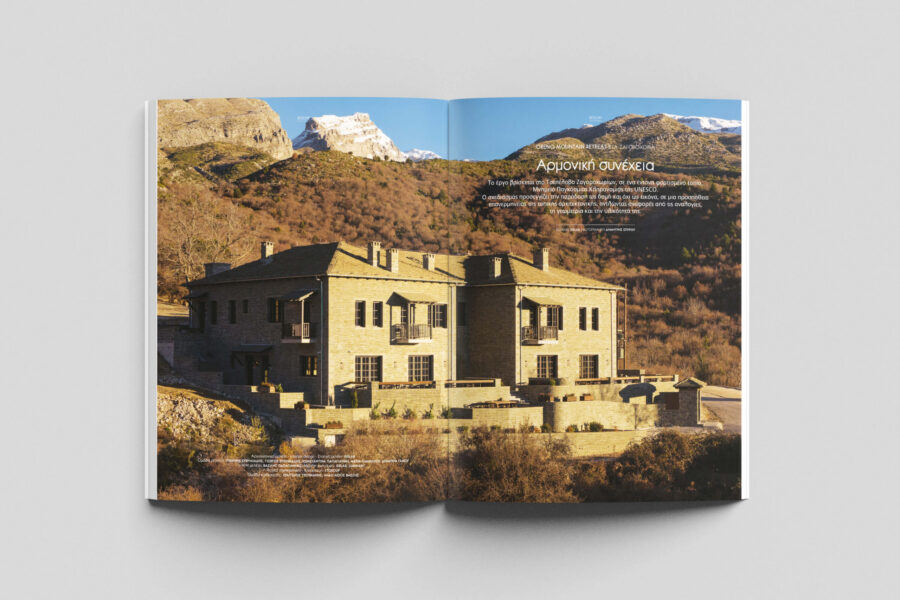
  • Oreno Mountain Retreat, Tsepelovo | G2LAB
  • Eagles Palace, Ouranoupoli | Divercity Architects
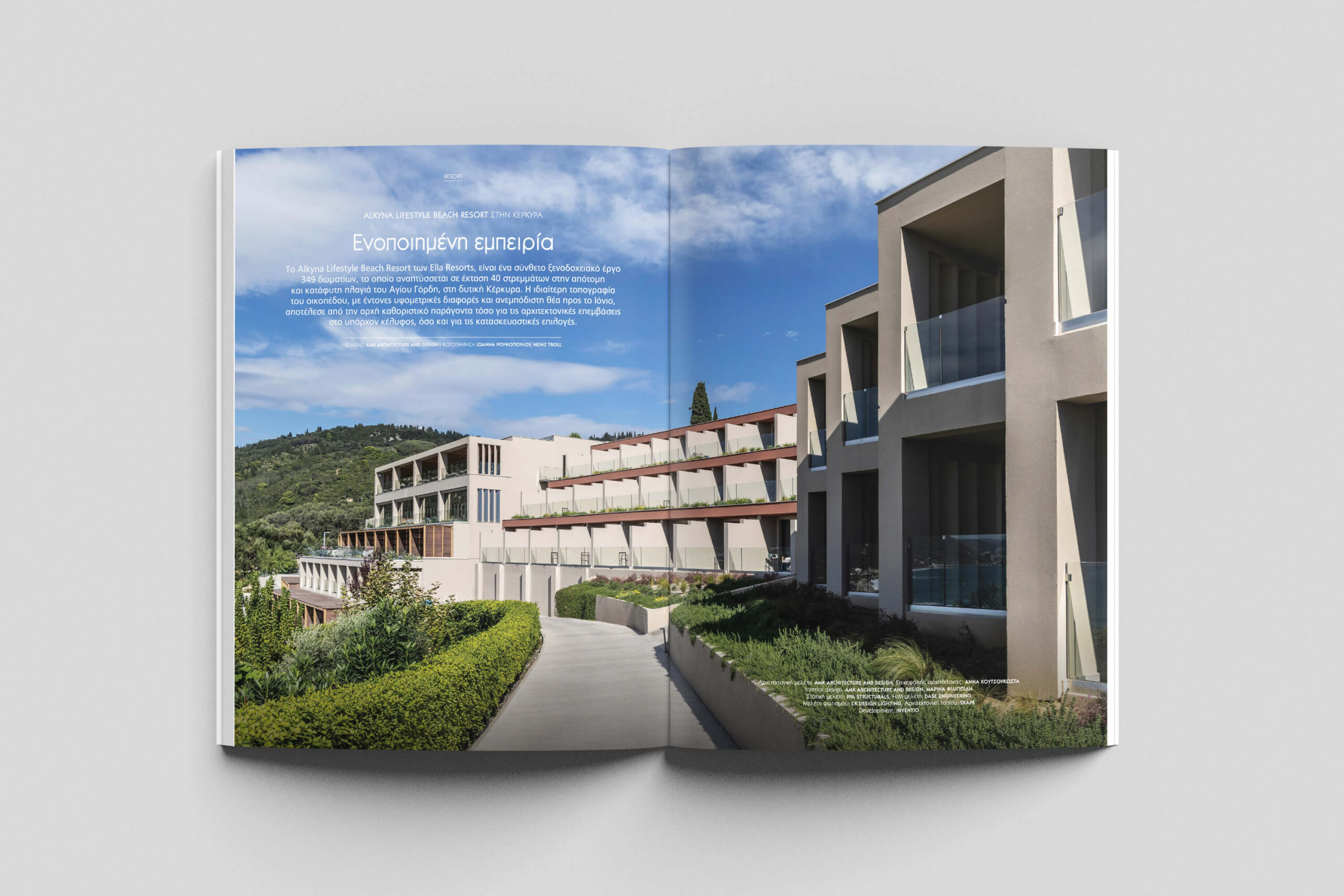
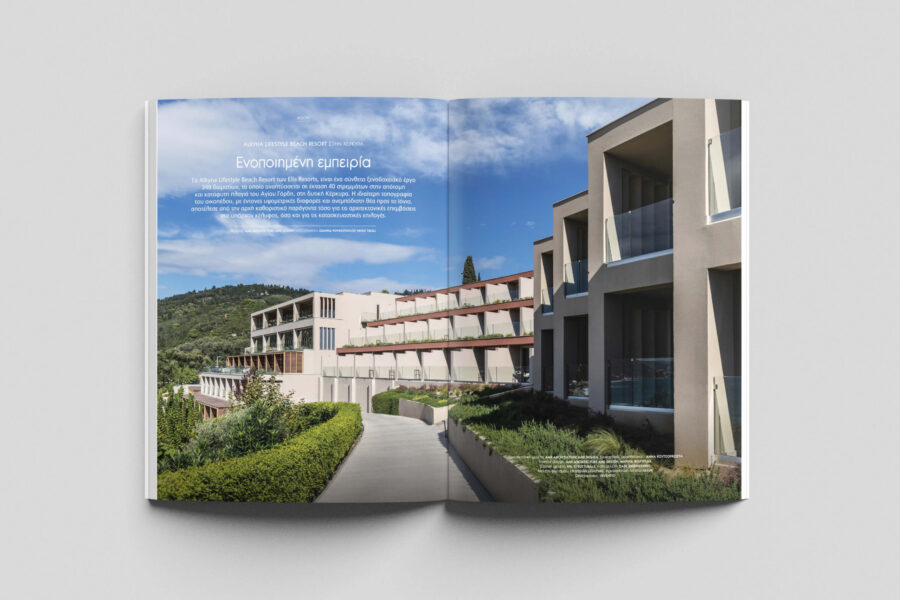
  • Alkyna Lifestyle Beach Resort, Corfu | AMK Architecture and Design
  • Tinos Beach Hotel | Tsolakis + Partners
  • Fouquet’s Mykonos | Kydoniatis Architects
  • Eréma, Milos | Aristides Dallas Architects
  • The Revery, Crete | Archtify
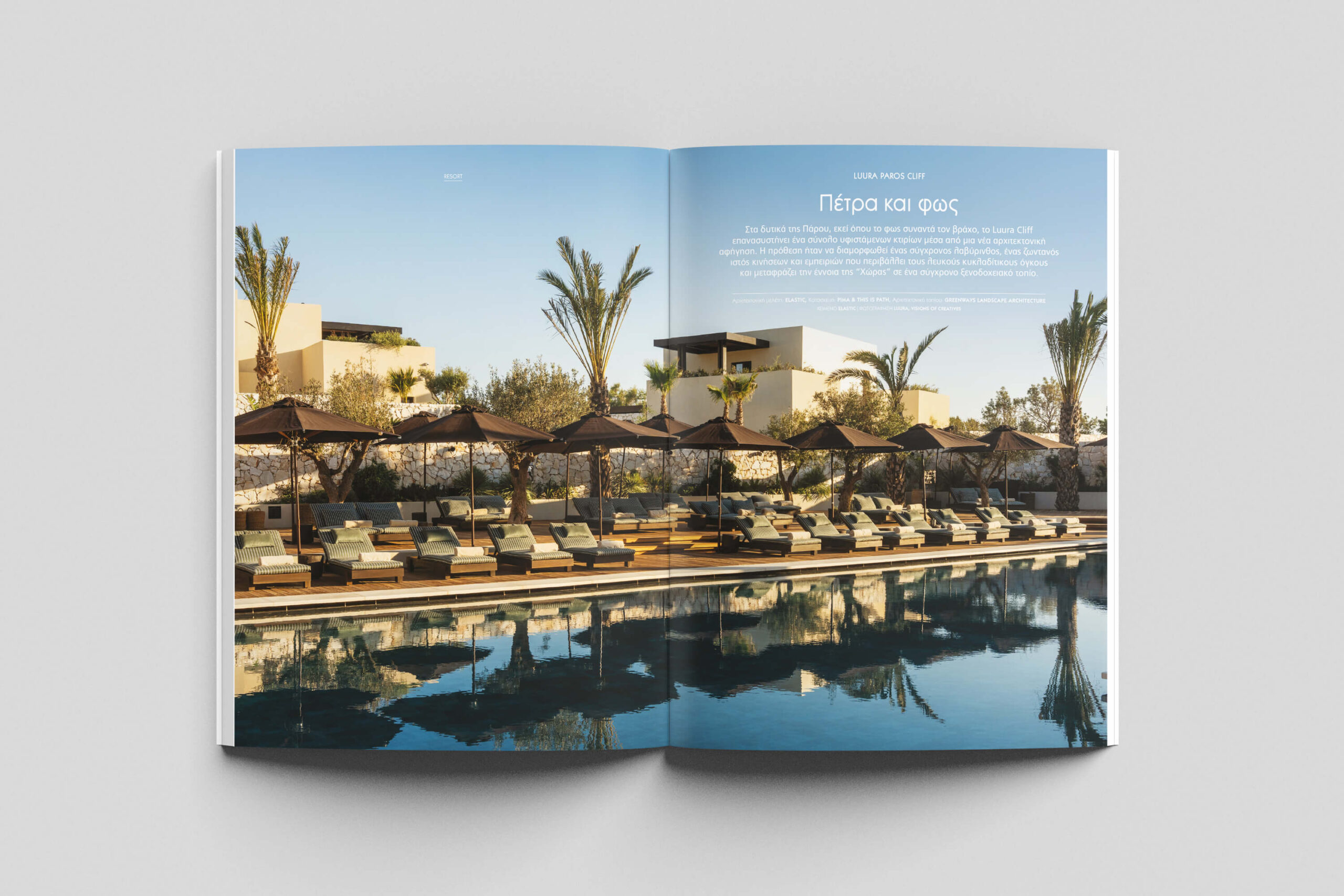
  • Luura Paros Cliff | Elastic
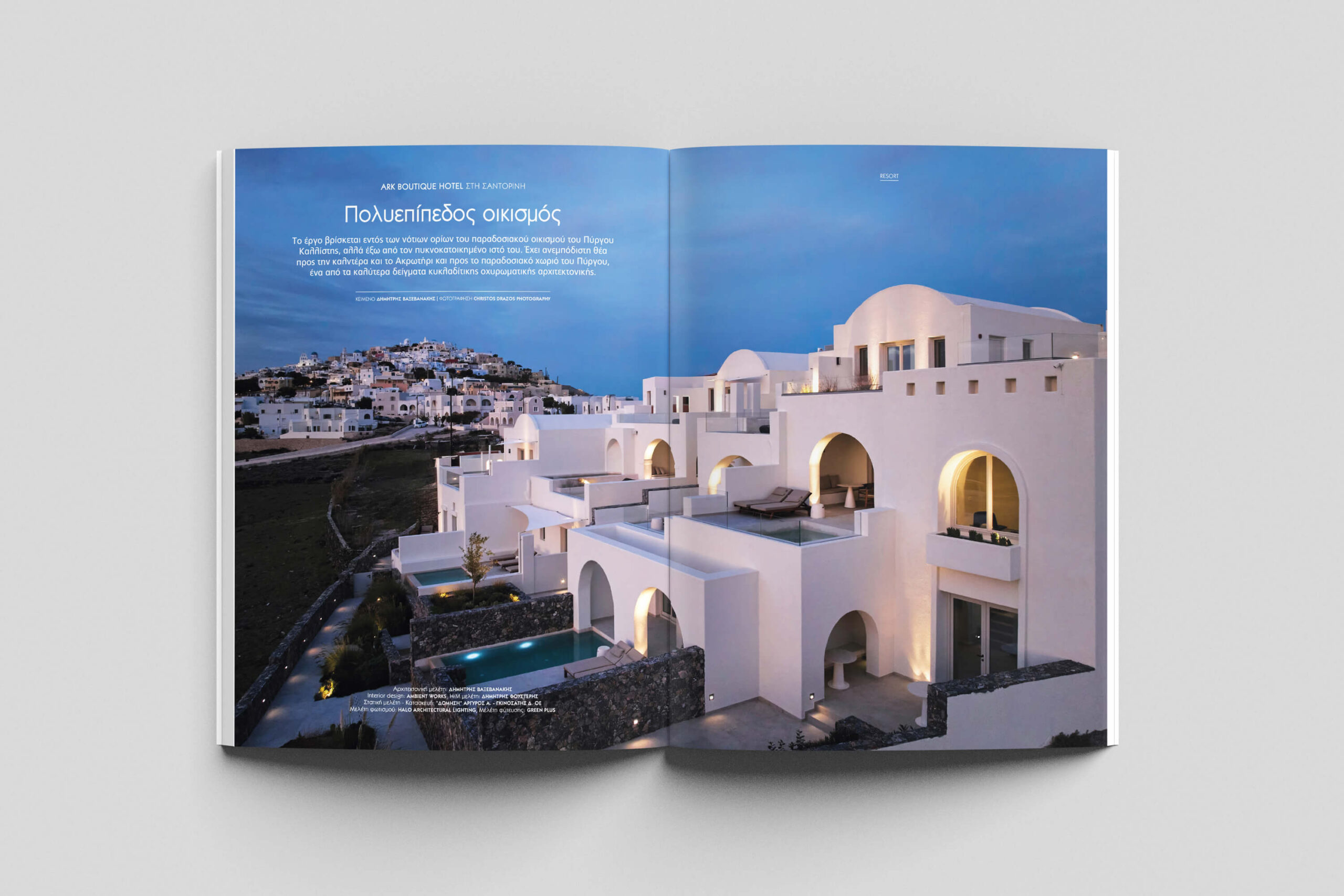
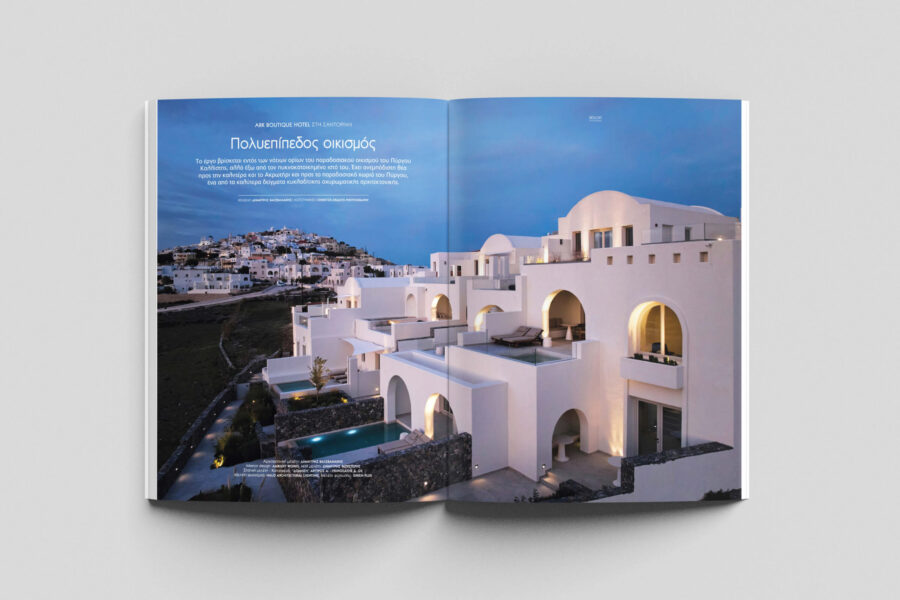
  • ARK Boutique Hotel, Santorini | Dimitris Vaxevanakis
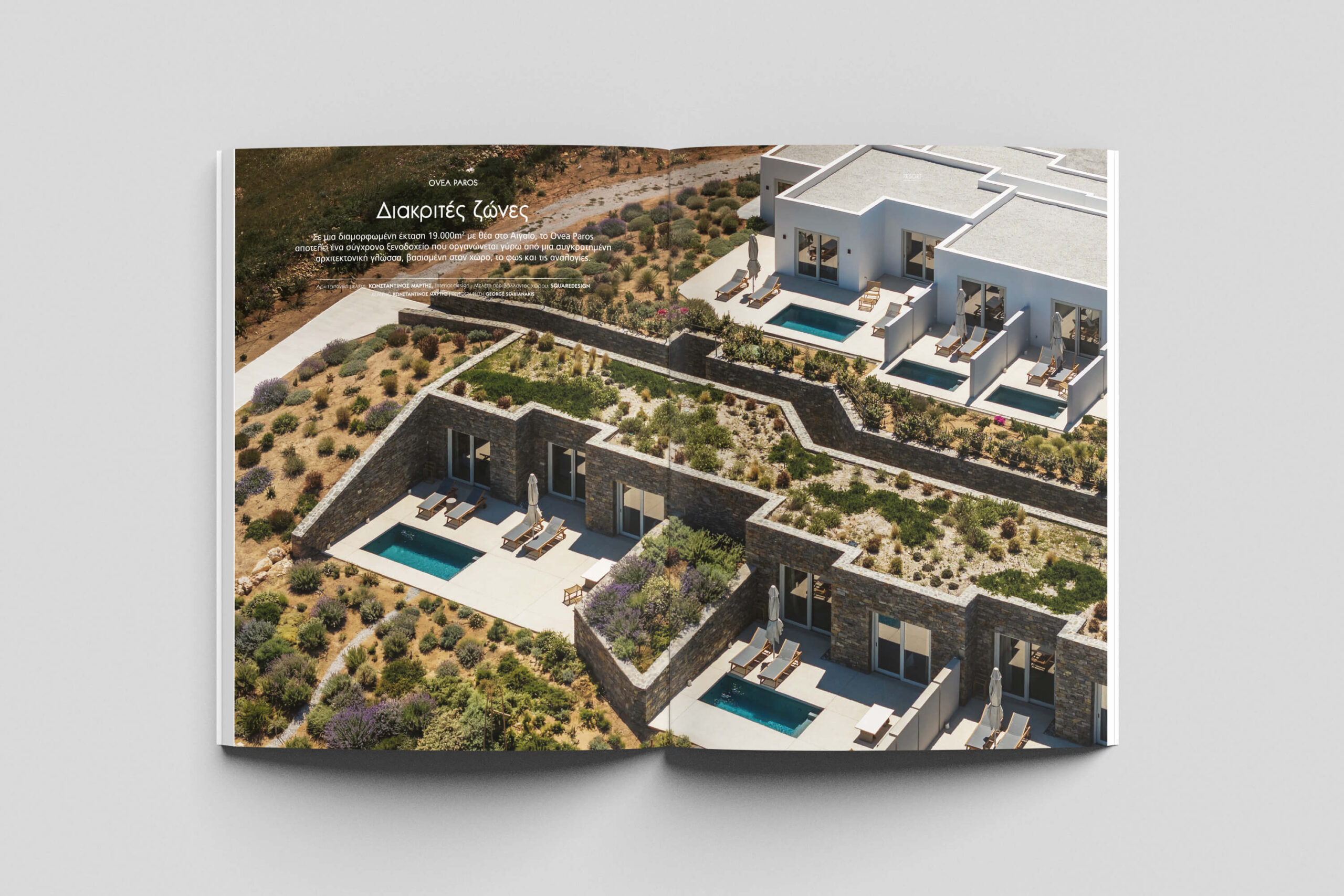
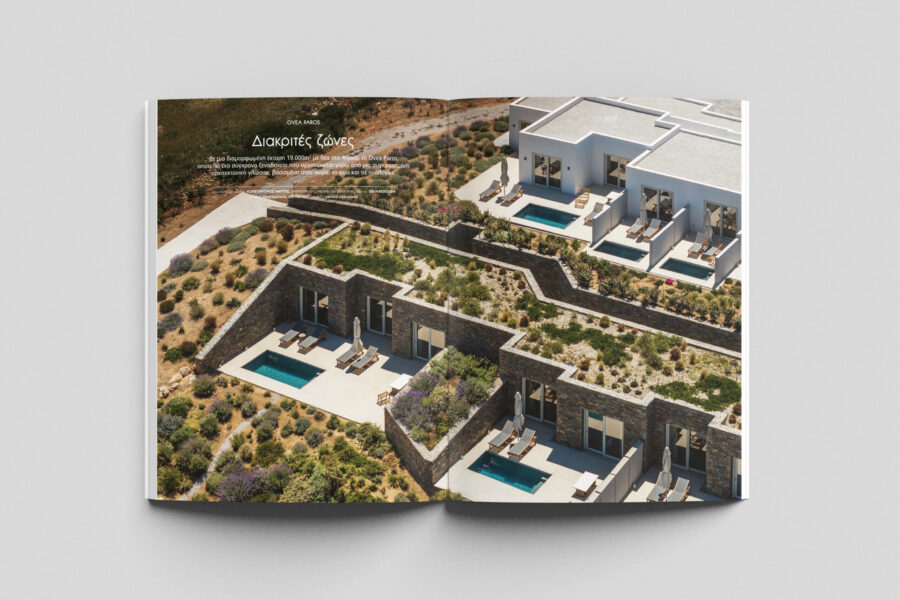
  • Ovea Paros | Konstantinos Martis
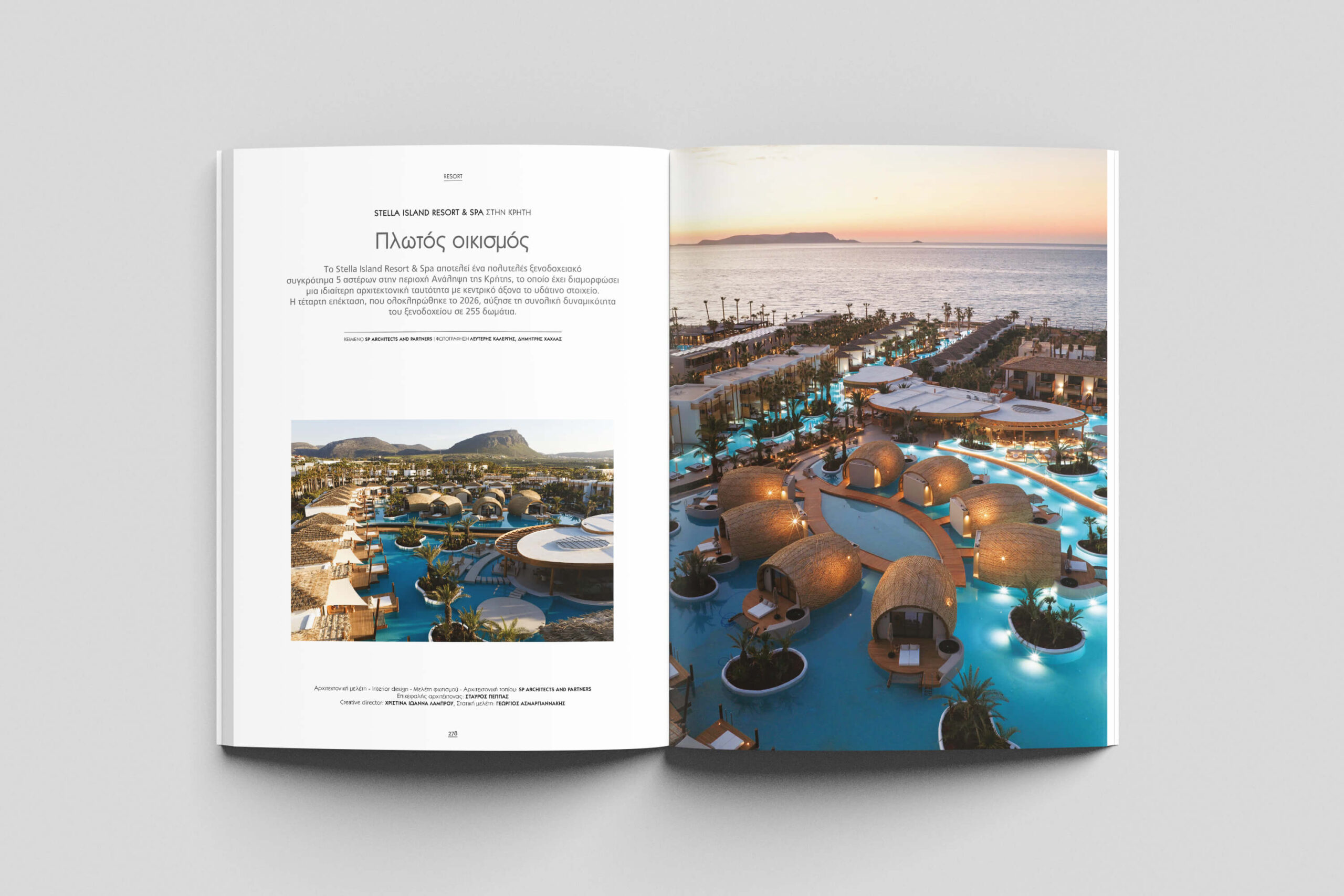
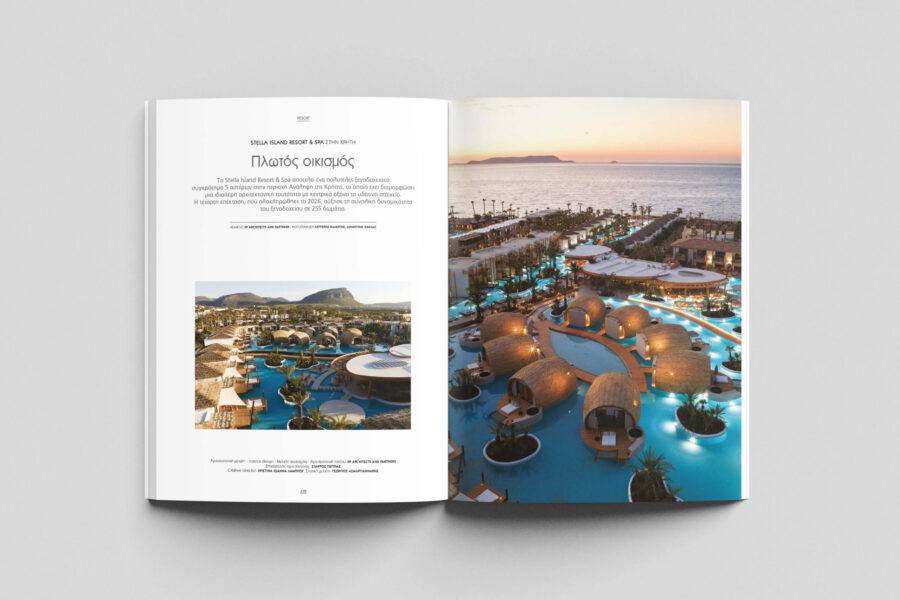
  • Stella Island Resort & Spa, Crete | SP Architects and Partners
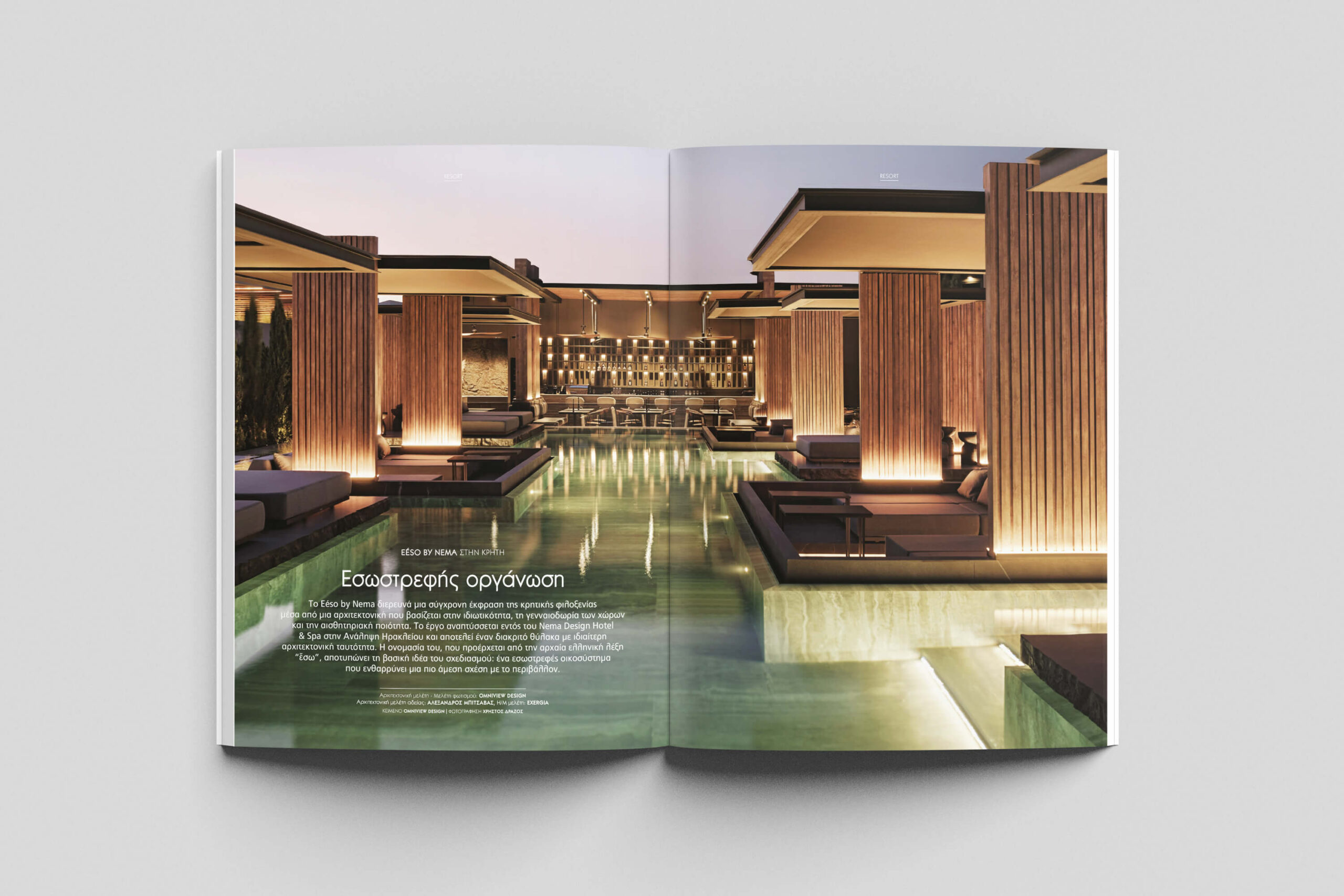
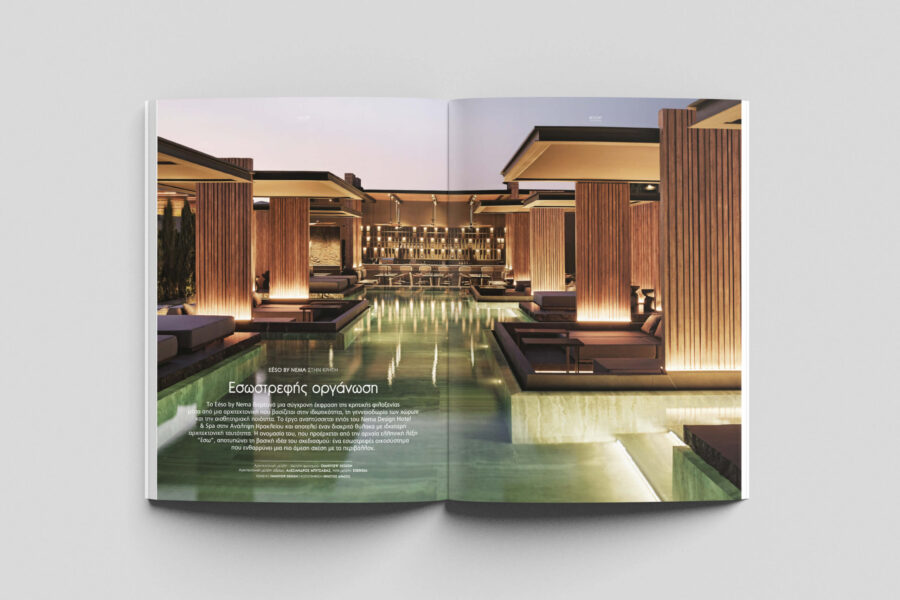
  • Eéso by Nema, Crete | Omniview Design
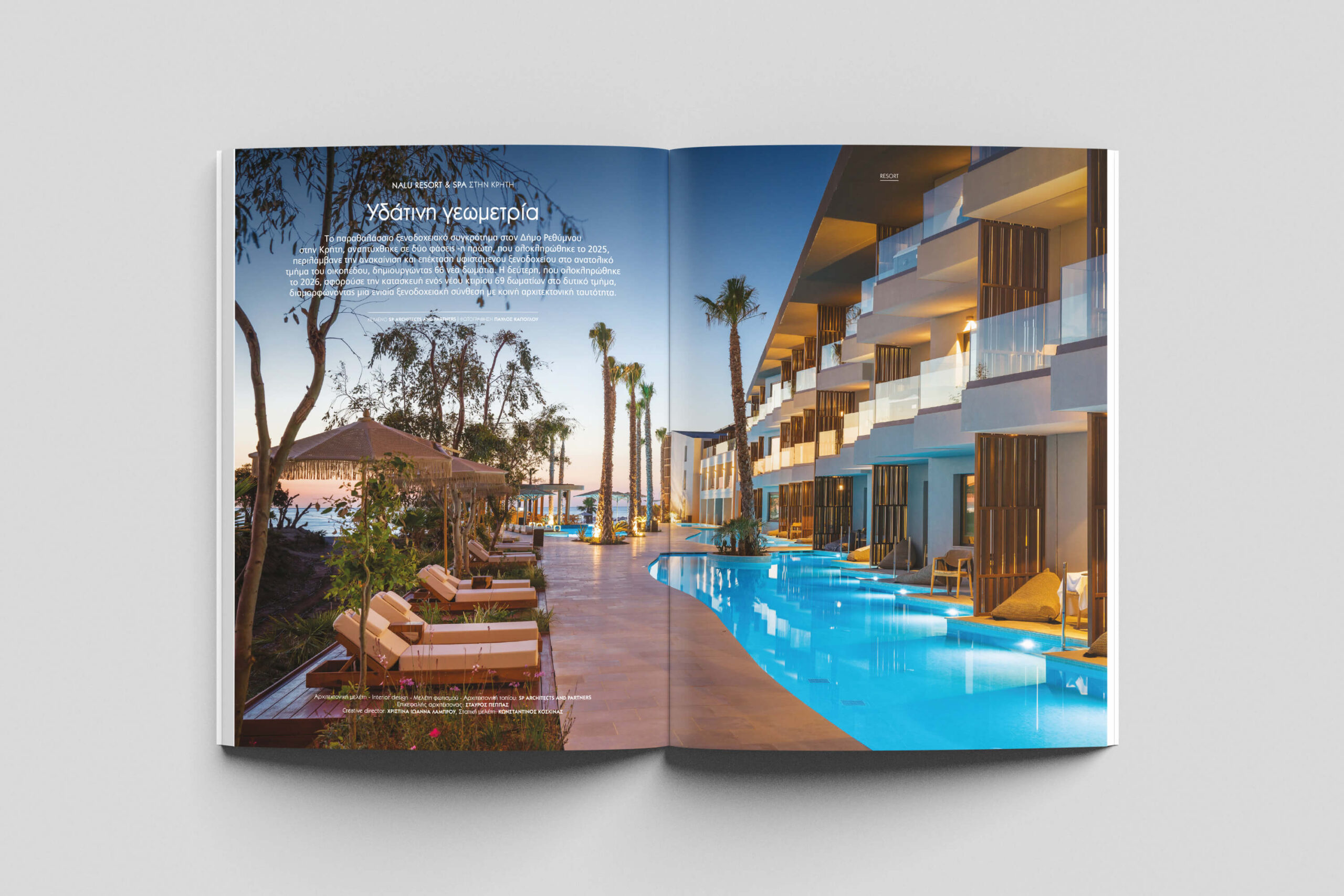
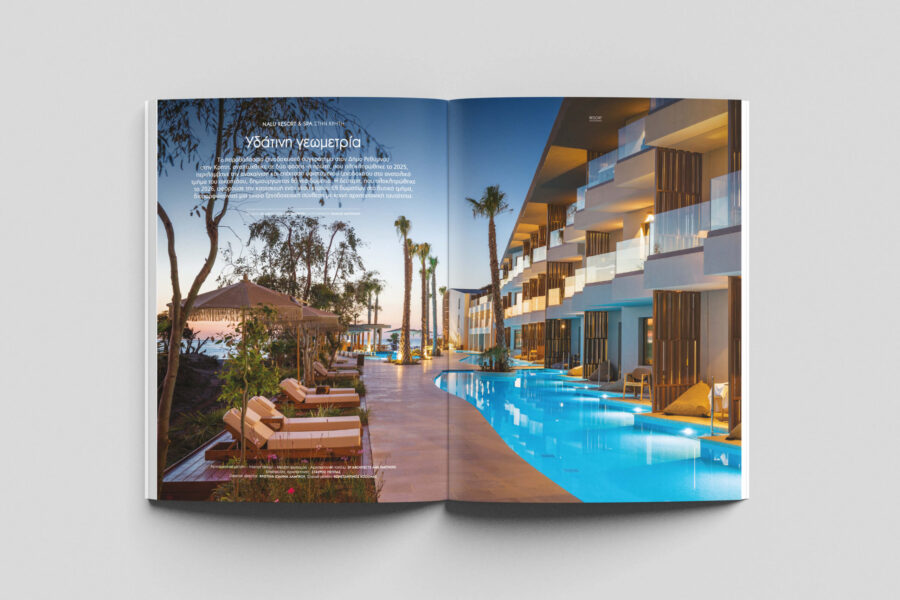
  • Nalu Resort & Spa, Crete | SP Architects and Partners
CURRENT TRENDS 
Editor: Nikos Papanikolaou
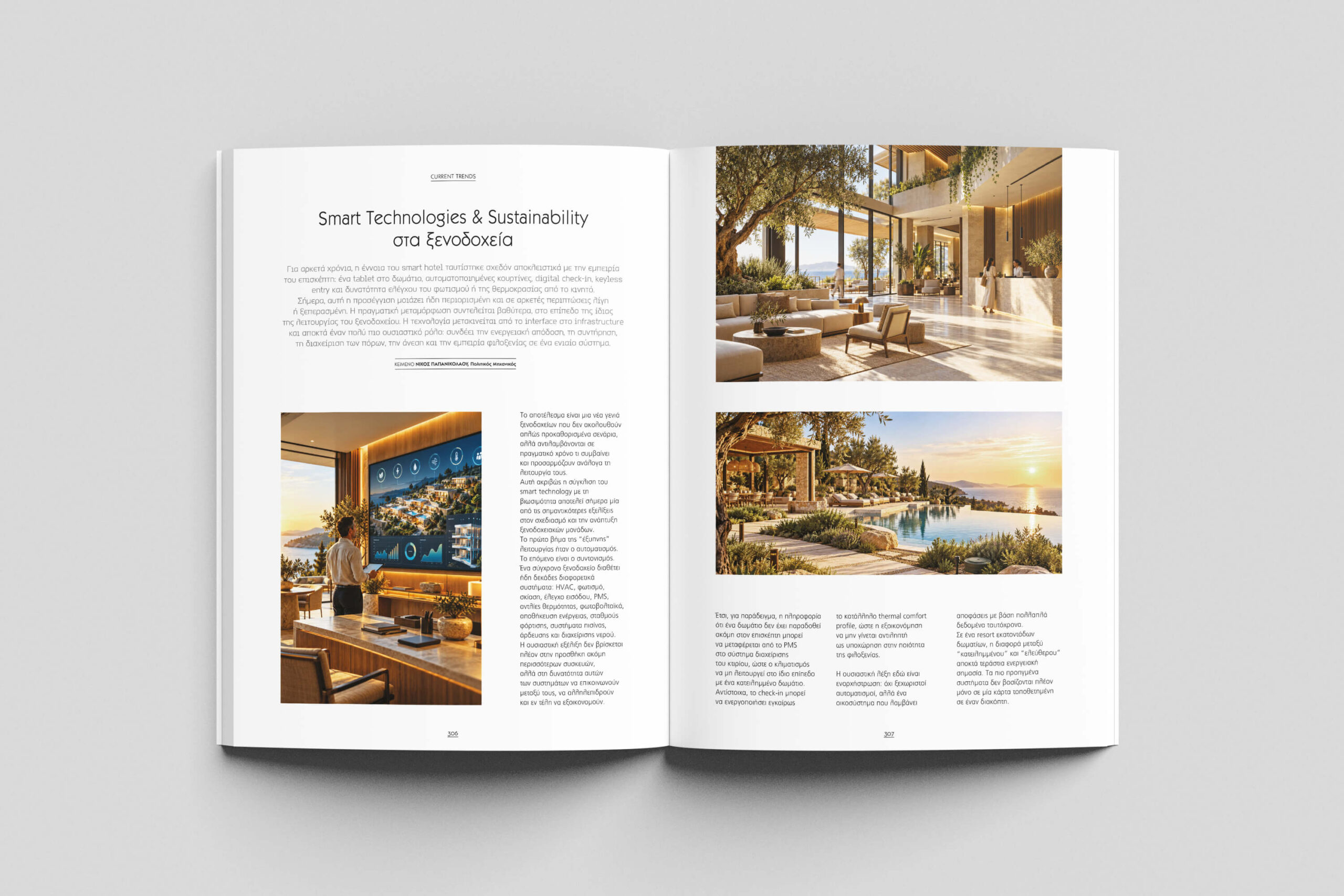
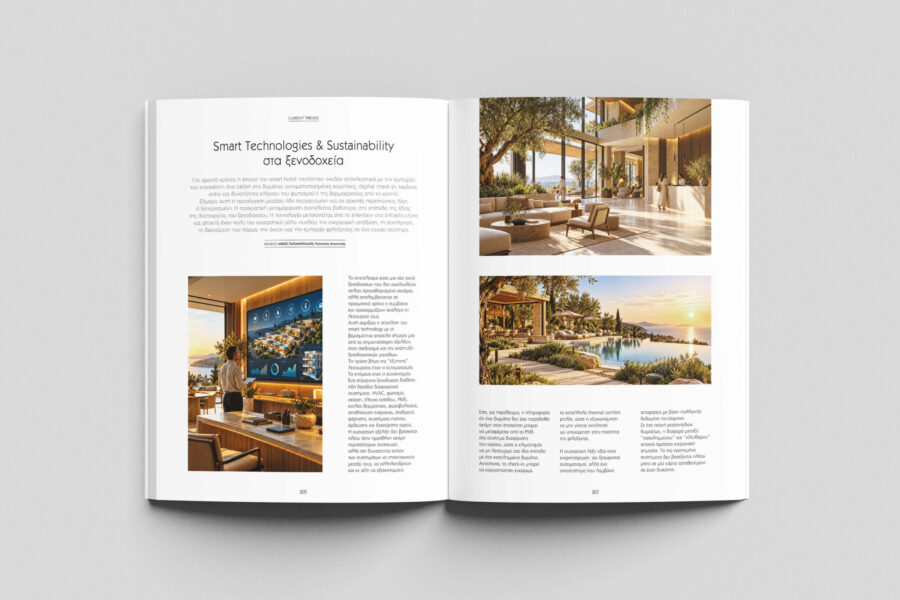
  • Smart Technologies & Sustainability in the Hospitality Industry
The Architecture of Hospitality

This issue brings together a selection of recently completed hospitality projects of varying scales and levels of complexity, continuing ek’s longstanding engagement with tourism architecture and its contribution to the wider discussion surrounding it.
The quality of the experience offered by hospitality environments depends on a number of factors that are not always visible to the guest. This was one of the key points to emerge from the discussion organised by ek publications, entitled From Design to Delivery: How Does Design Actually Translate into a Built Hospitality Project?, held as part of Spain is in Athens at the Benaki Museum last June. The conversation brought attention to aspects of hotel design that are fundamental to a project’s success but often remain outside the focus of conventional architectural coverage. The careful organisation of back-of-house spaces, for instance, together with the efficient movement of staff between them, can ultimately have a greater impact on guest comfort than luxurious finishes or the refinement of an individual architectural detail.
The day-to-day operation of a contemporary high-end hotel depends to a considerable extent on creating the conditions in which staff can perform their work efficiently, systematically and with dignity. Architecture has an important role to play in supporting this often-overlooked dimension of hospitality. At the same time, a common thread running through the projects featured in this issue is the way in which each develops its architectural identity in response to its particular setting and landscape.
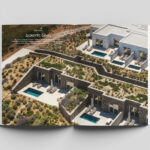
From the steep terrain of the Ionian islands to the volcanic landscapes of the Cyclades and the traditional settlements of mainland Greece, hospitality design emerges through different readings of its natural and cultural context, often drawing on locally sourced materials. Several of the projects deliberately avoid the presence of a single, imposing building mass. Instead, individual volumes follow the contours of the land, defining courtyards, small squares, and open-air routes that evoke the spatial structure of a settlement.
In recent years, a growing number of hospitality projects have also involved the transformation and upgrading of existing buildings to meet contemporary standards, or the addition of new structures to established properties. Across these different approaches, the projects presented here share a consistently high level of architectural and construction quality.
Together, they reaffirm tourism architecture as one of the most dynamic fields of contemporary architectural practice in Greece.

Ariadni Vozani

Weight 1,266 kg
Format

Digital, Print, Print & Digital

You may also like…

Annual & Special Editions

All editions →