
You are here:

20,00 

Add to Wishlist!
Add to Wishlist!

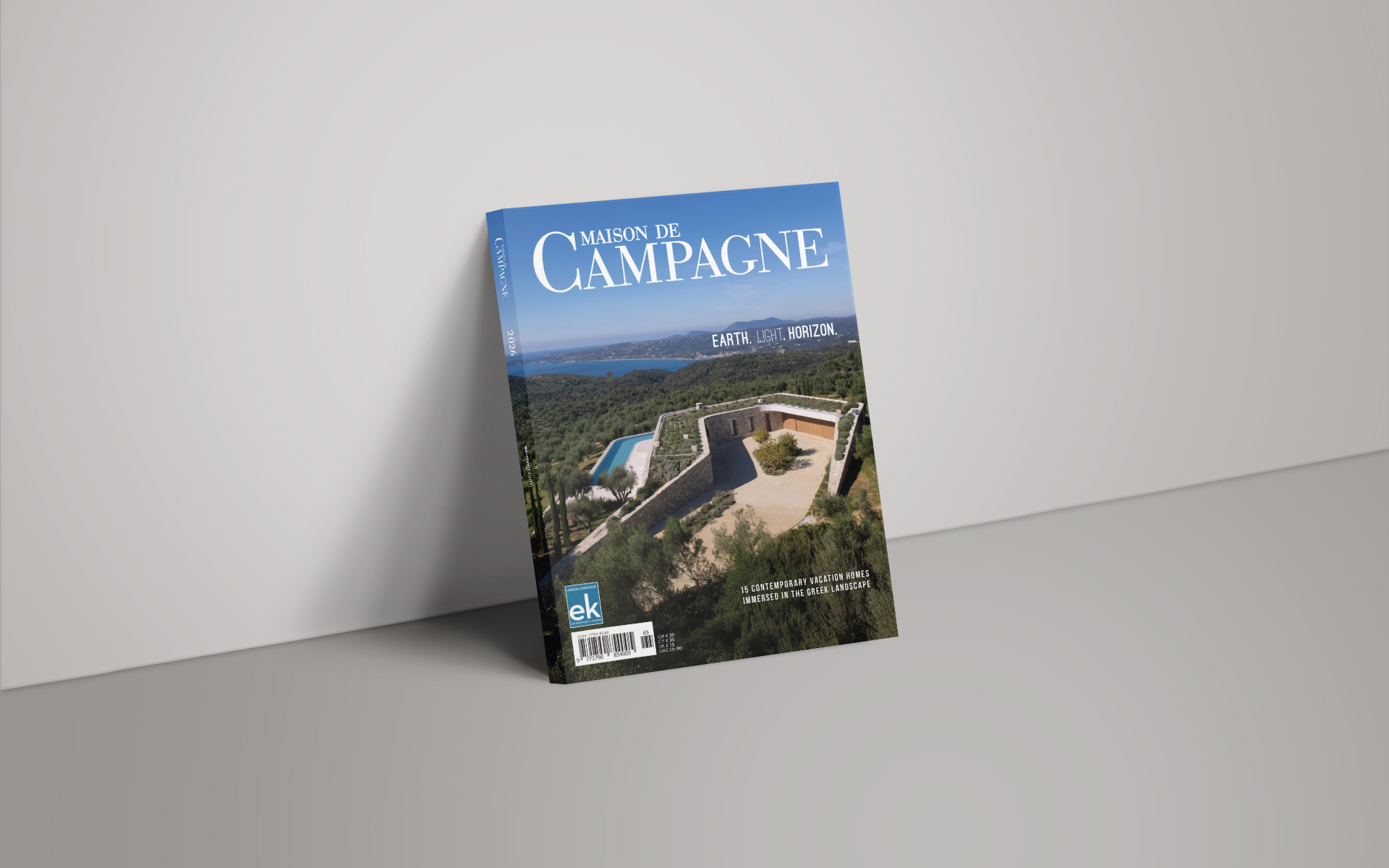
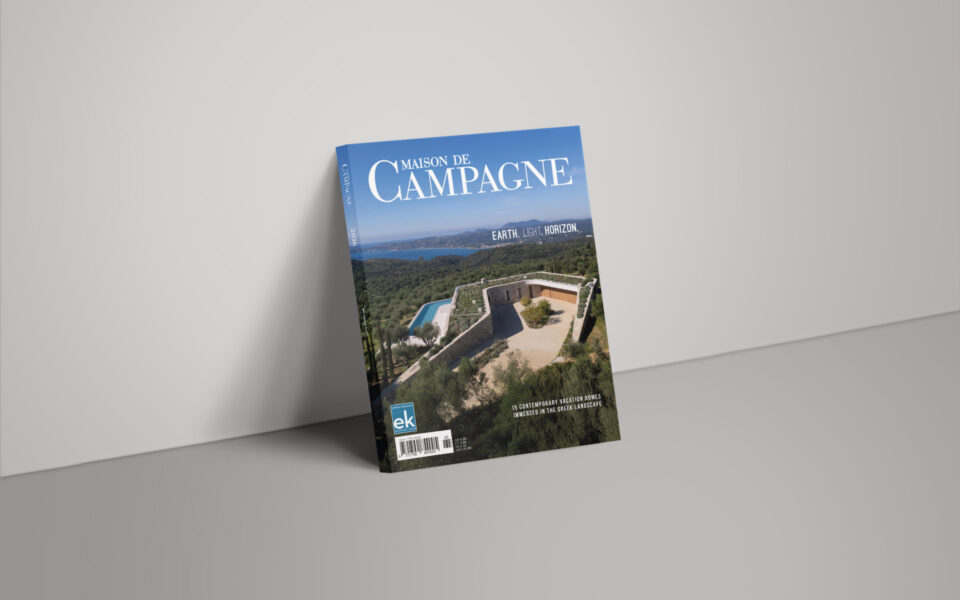
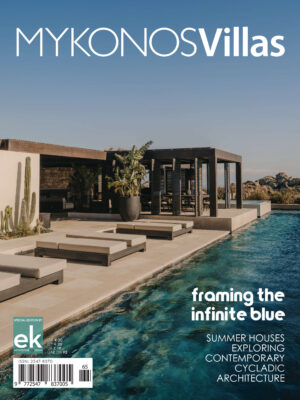
Maison de Campagne 2026

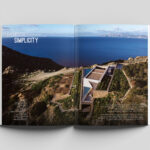
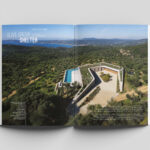
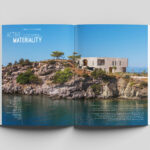
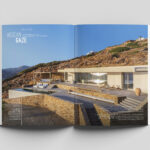
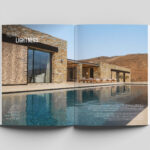
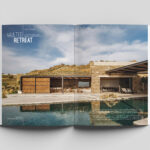
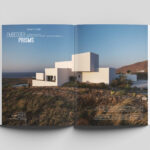
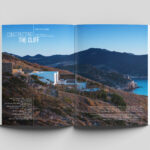
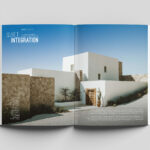
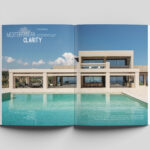
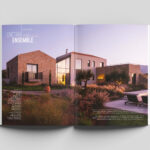
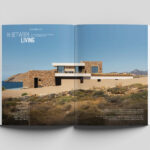
The 21st edition of Maison de Campagne presents 15 carefully selected, recently completed vacation homes in Greece.
Contemporary countryside architecture is increasingly shaped by a careful reading of place. Rather than imposing a predefined architectural language, today’s holiday residences respond to the qualities of each site -its topography, climate, vegetation, views, and existing traces-transforming local conditions into the primary design resource. In doing so, they reveal an architecture that is both restrained and expressive, grounded in context while confidently contemporary.
In this edition, the featured projects are located across the Aegean and Crete, as well as the Peloponnese. Despite their diverse settings and architectural approaches, they share a common ambition: to frame a meaningful way of inhabiting the landscape through thoughtful design, material sensitivity, and a strong sense of place.
Maison de Campagne 2026 is available at press distribution points, shopping centers, airports, and selected bookstores in the following countries: Greece, Cyprus, Australia, Germany, Italy, Korea, Spain, the United Arab Emirates (Dubai, Abu Dhabi), Qatar, the United Kingdom, and the USA.
Maison de Campagne is an annual edition of ek magazine.
Cover:
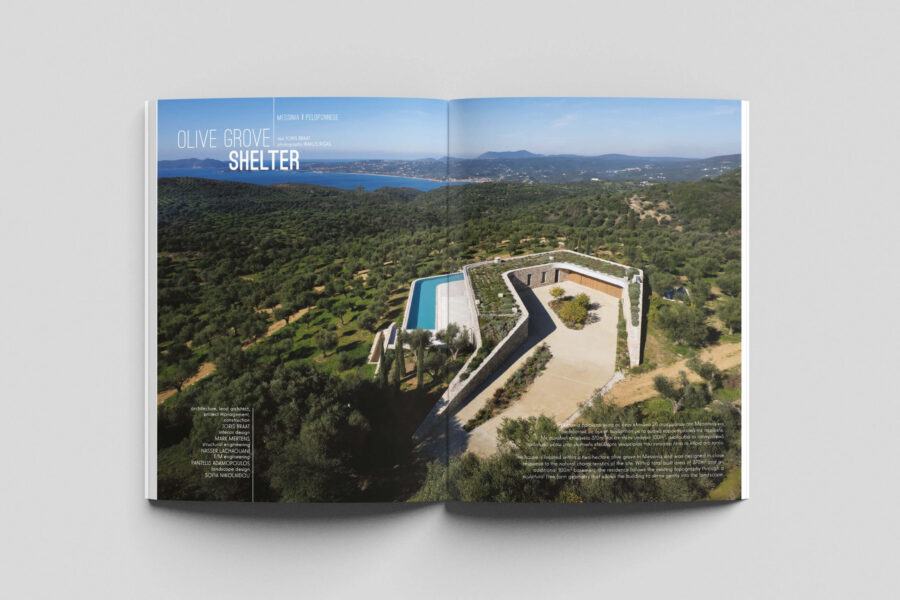
– Joris Braat, residence in Messinia
Contents:
– Comment: Dimitris Potiropoulos, Potiropoulos+Partners
Residences:
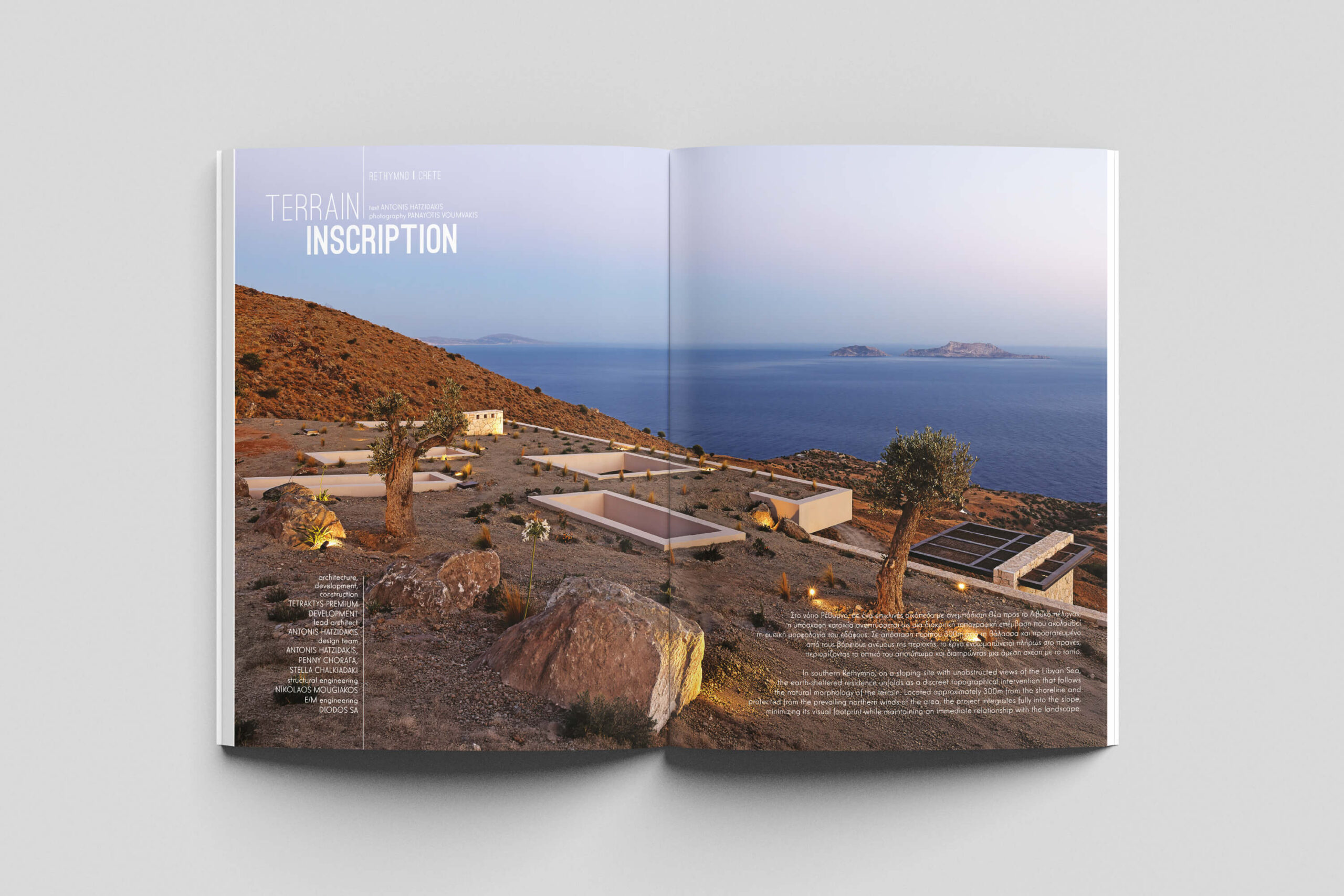
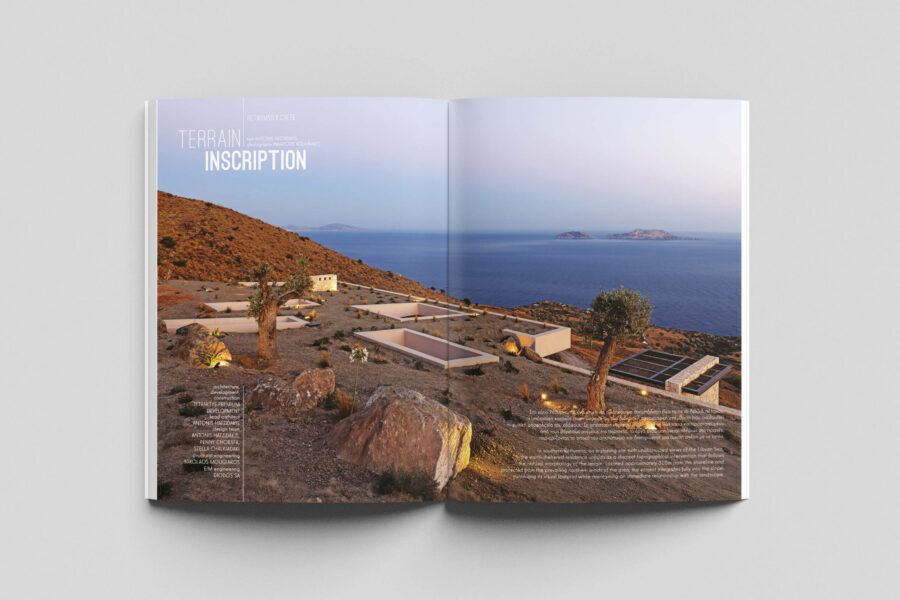
Tetraktys Premium Development | Rethymno, Crete
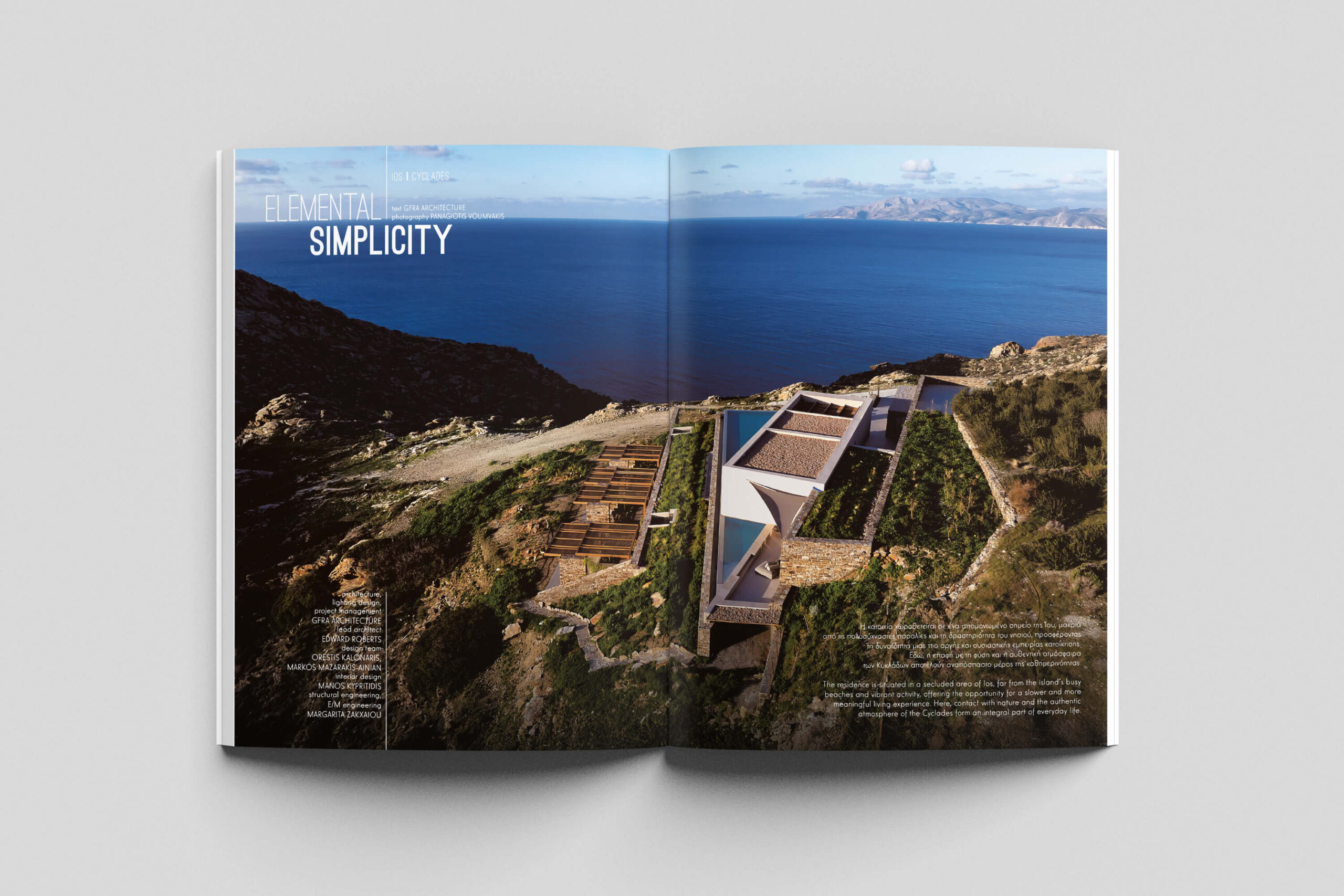
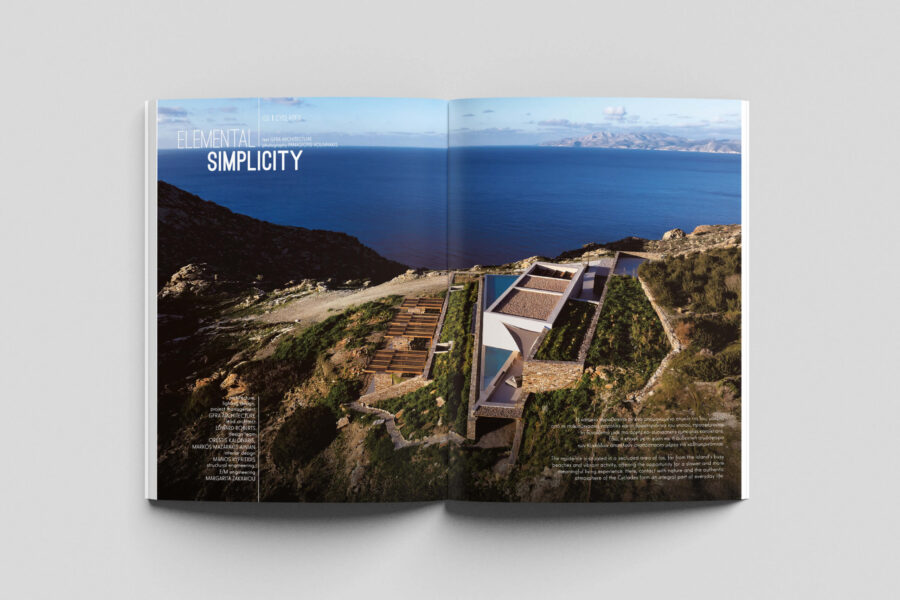
GFRA Architecture | Ios, Cyclades
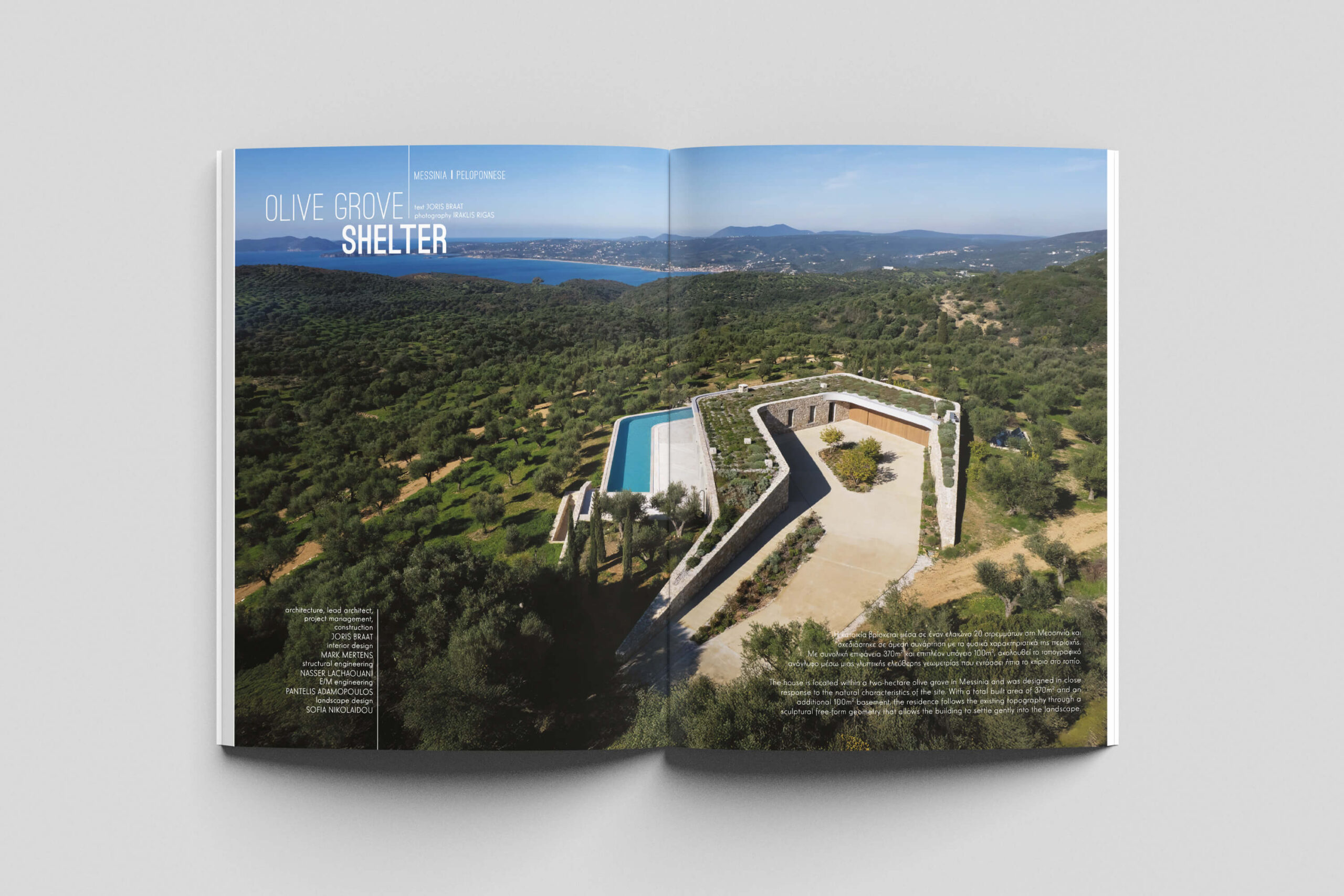
– Joris Braat | Messinia, Peloponnese
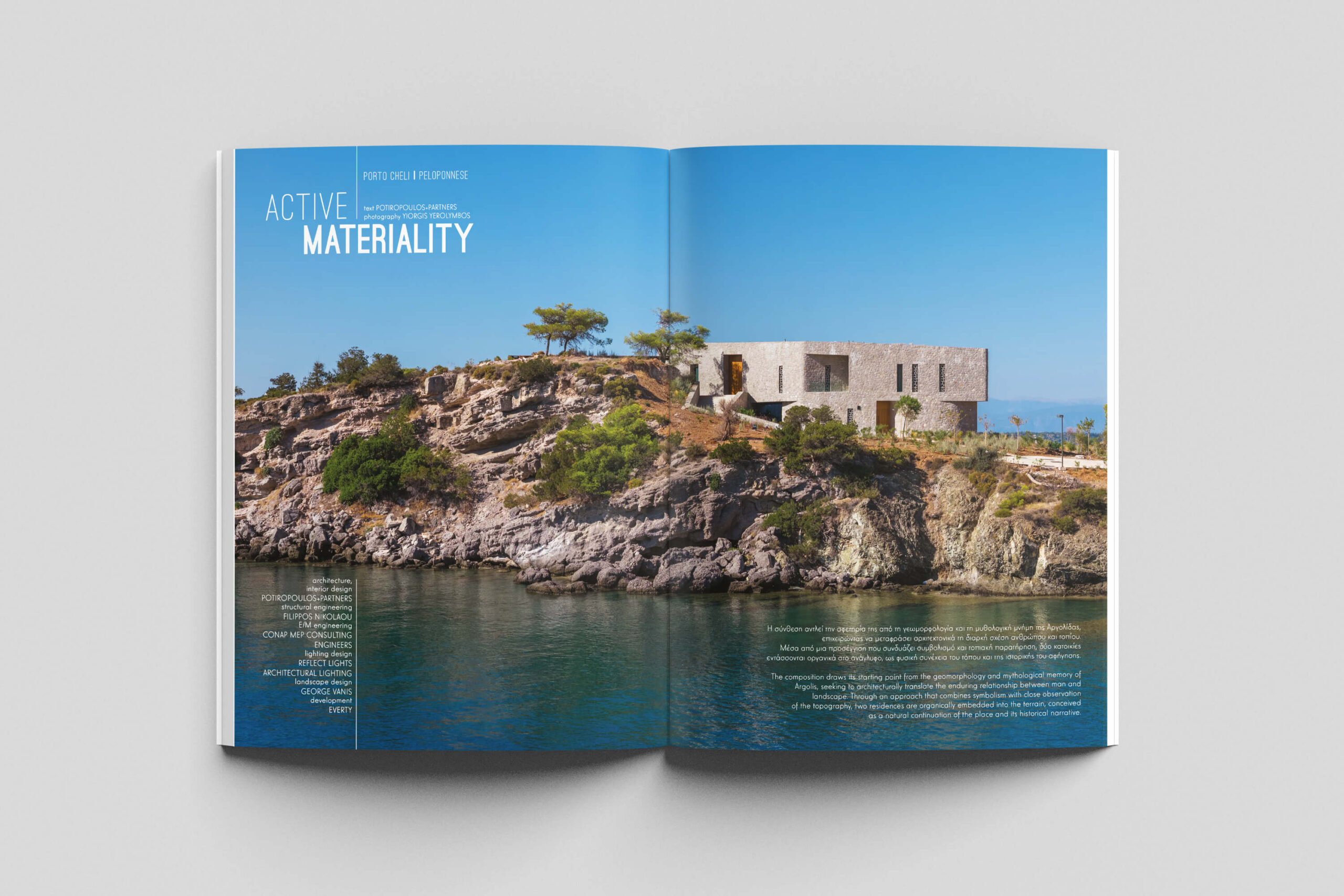
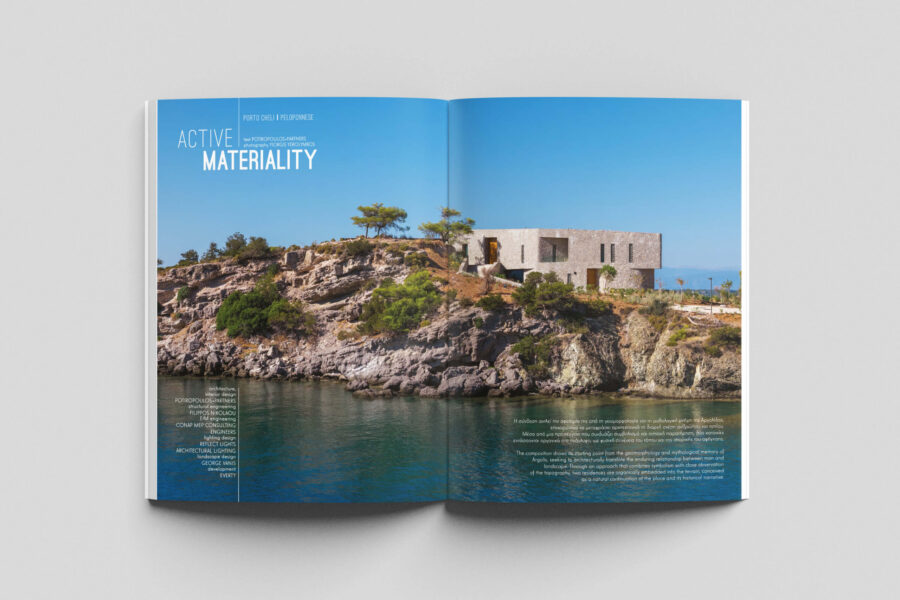
Potiropoulos+Partners | Porto Cheli, Peloponnese
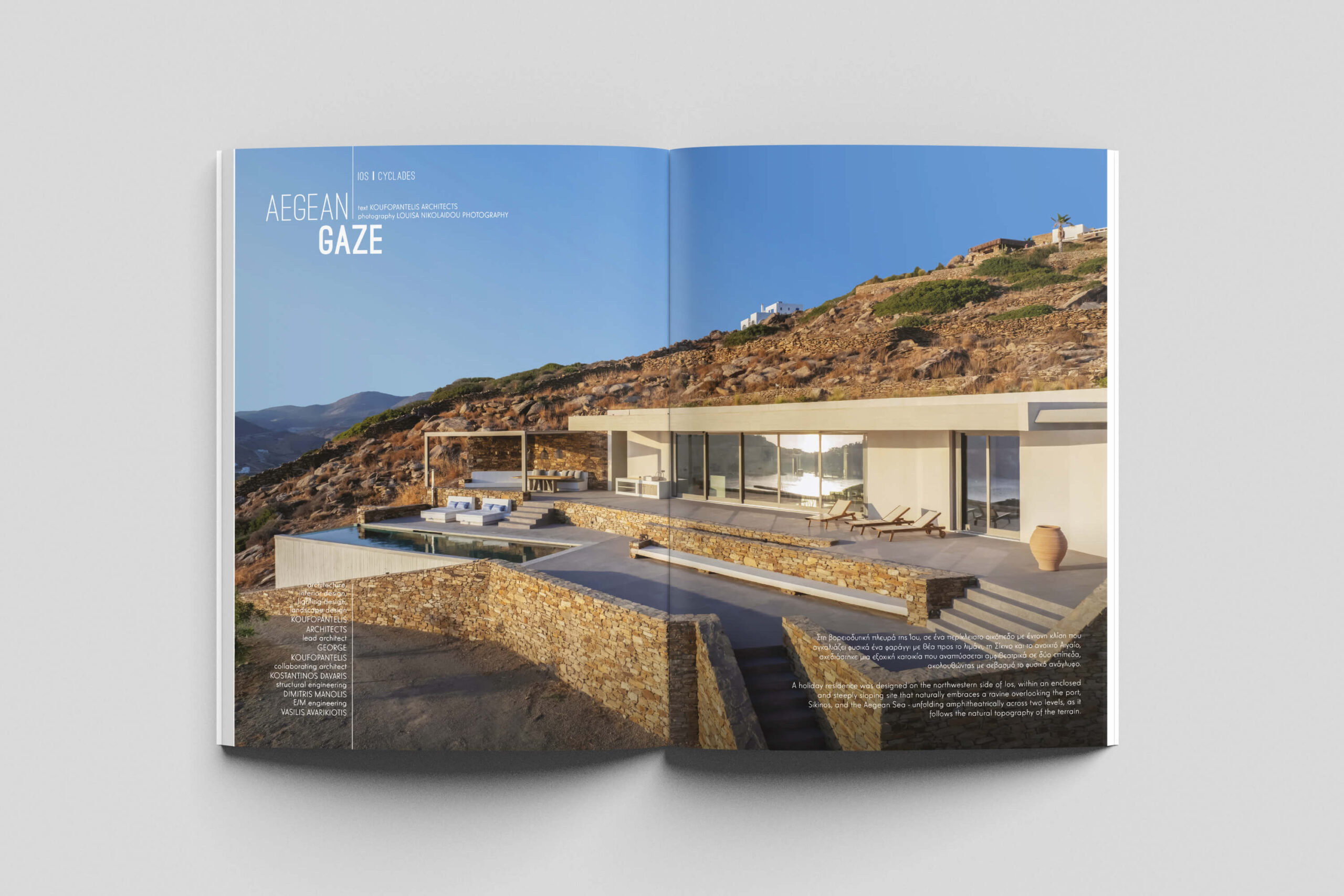
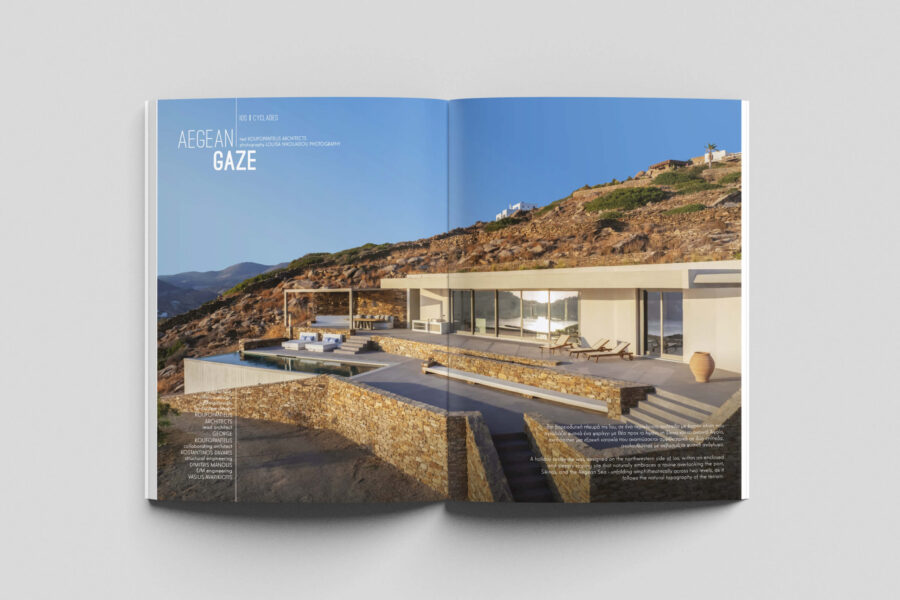
Koufopantelis Architects | Ios, Cyclades
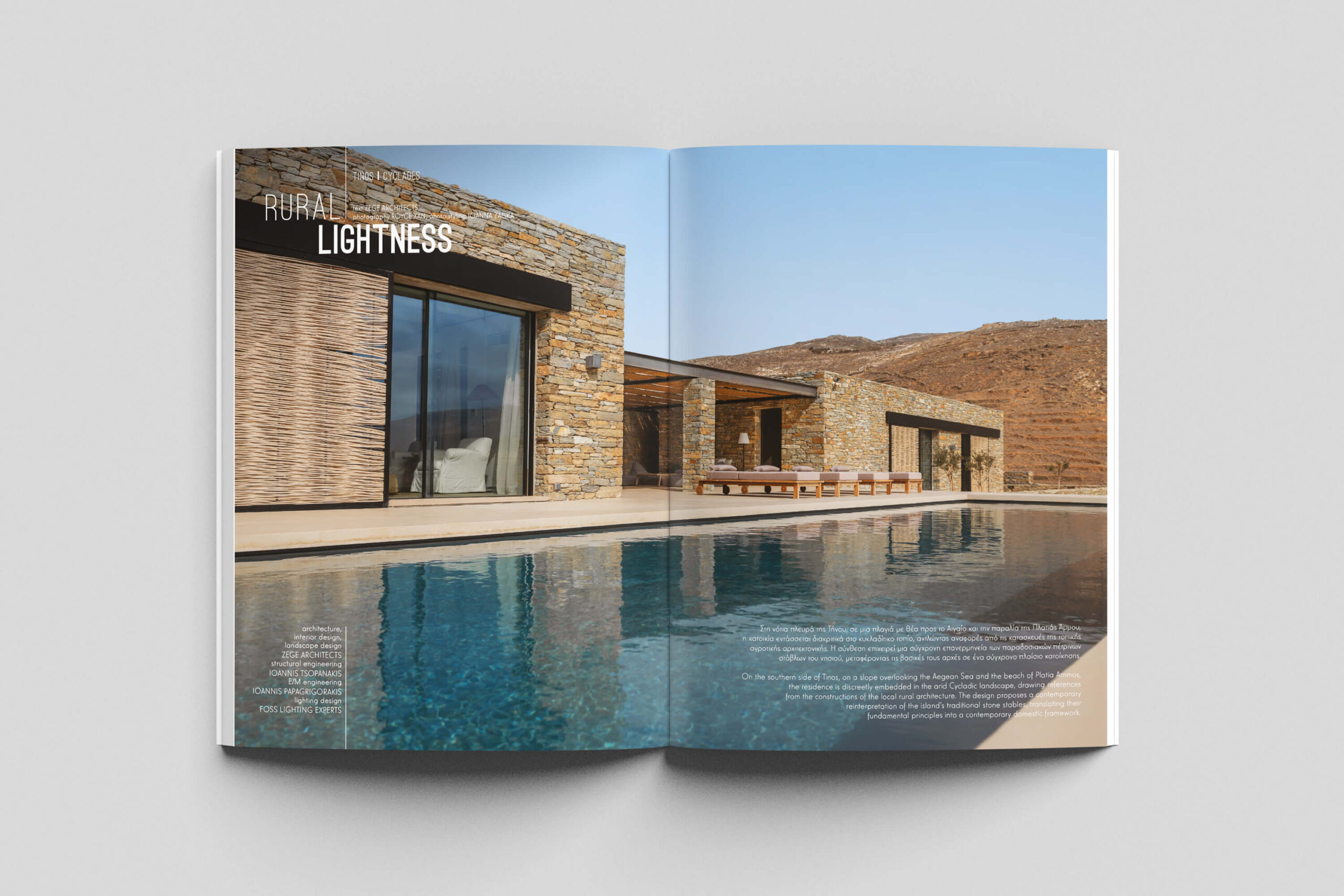
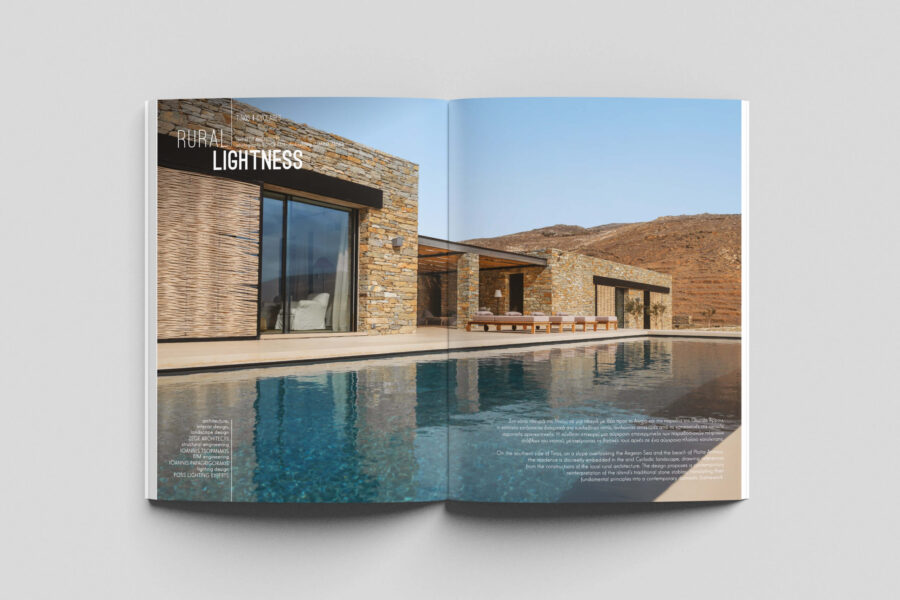
Zege Architects | Tinos, Cyclades
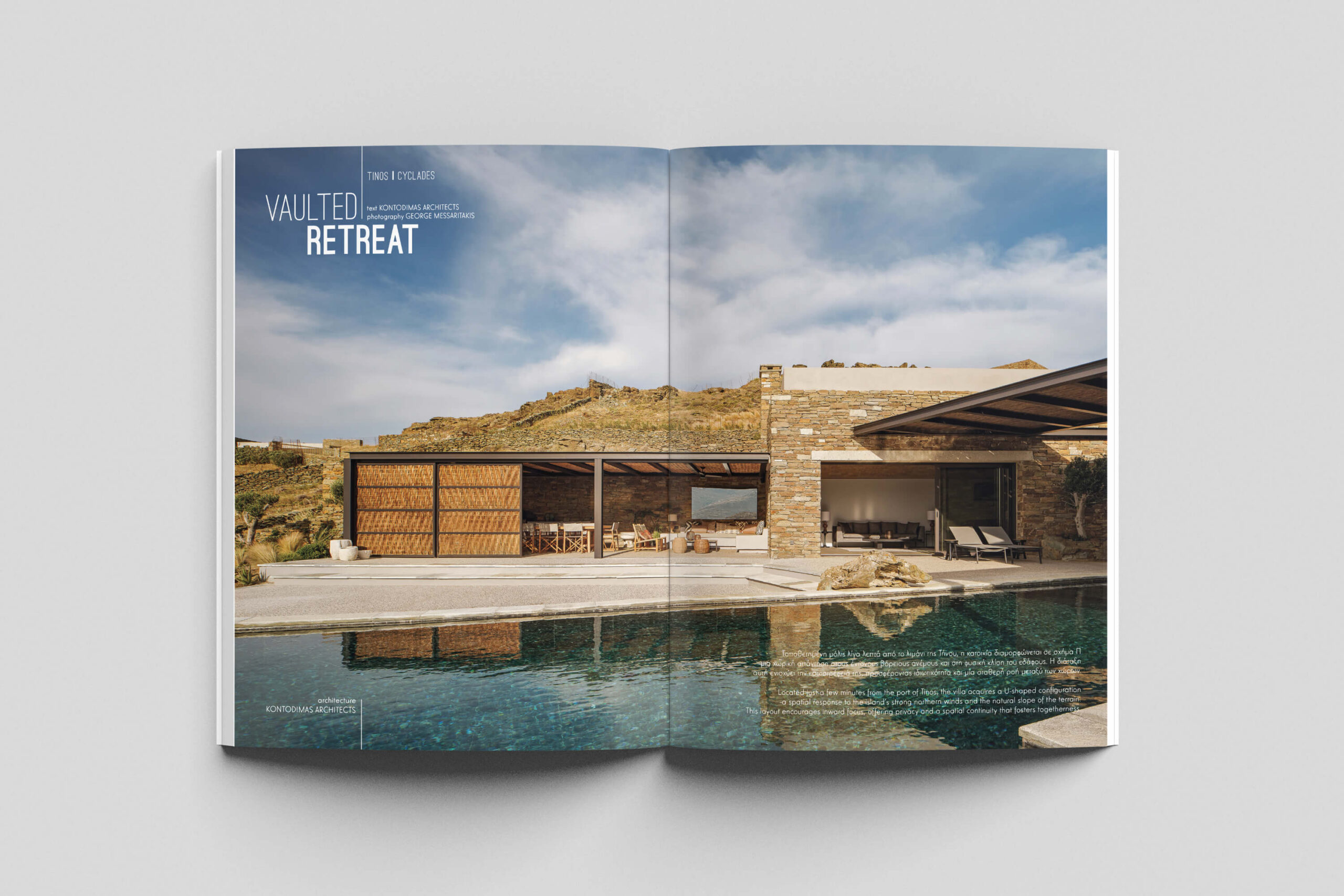
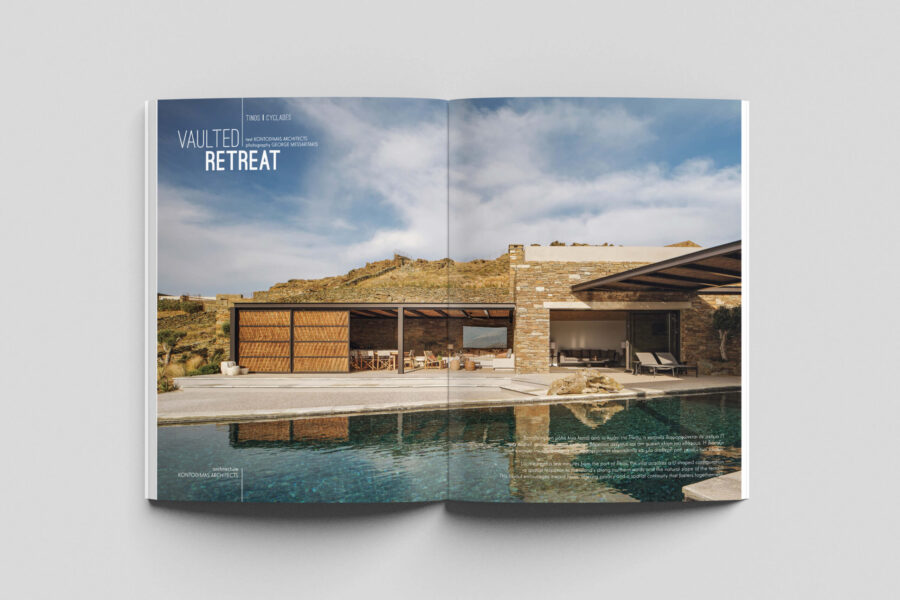
Kontodimas Architects | Tinos, Cyclades
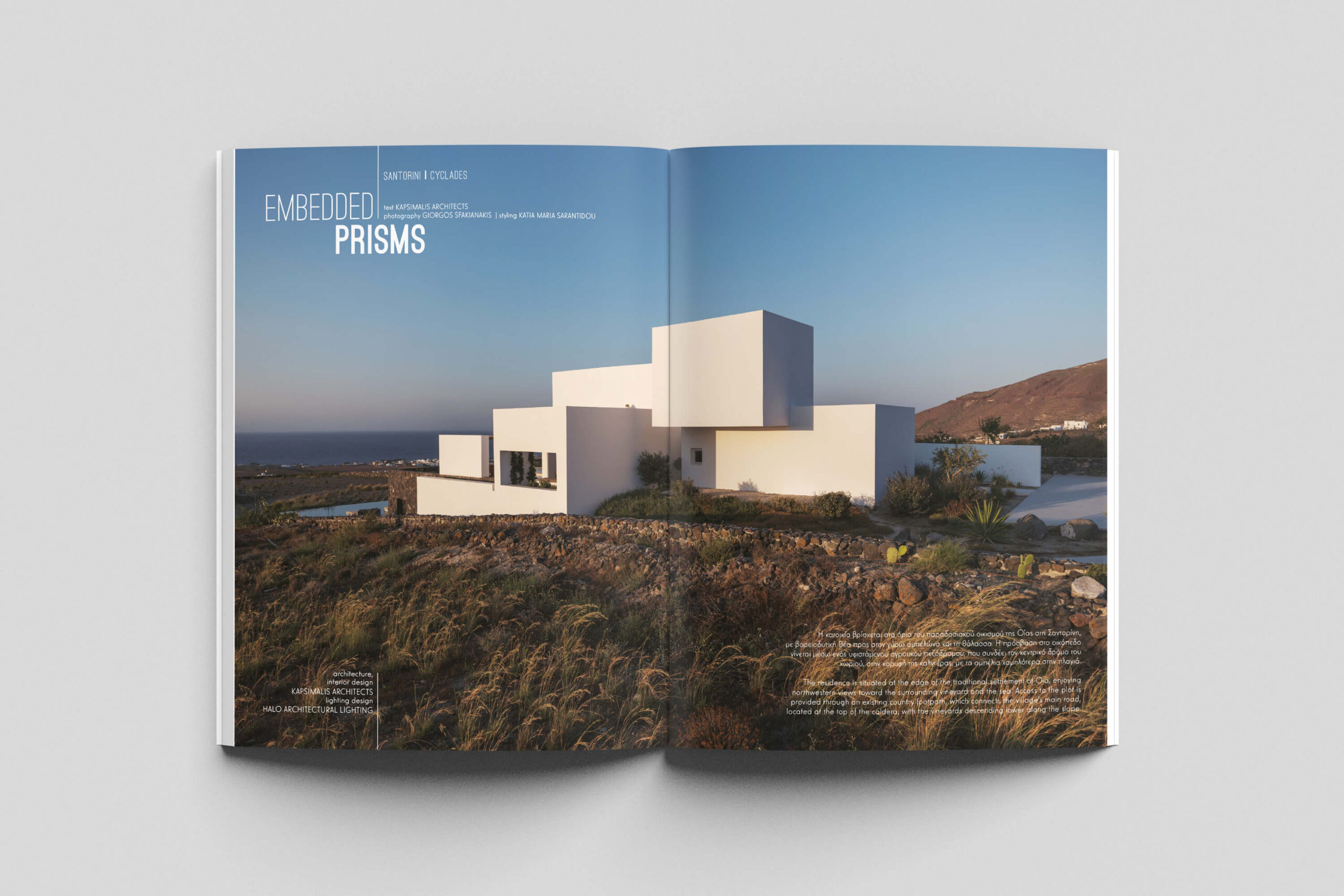
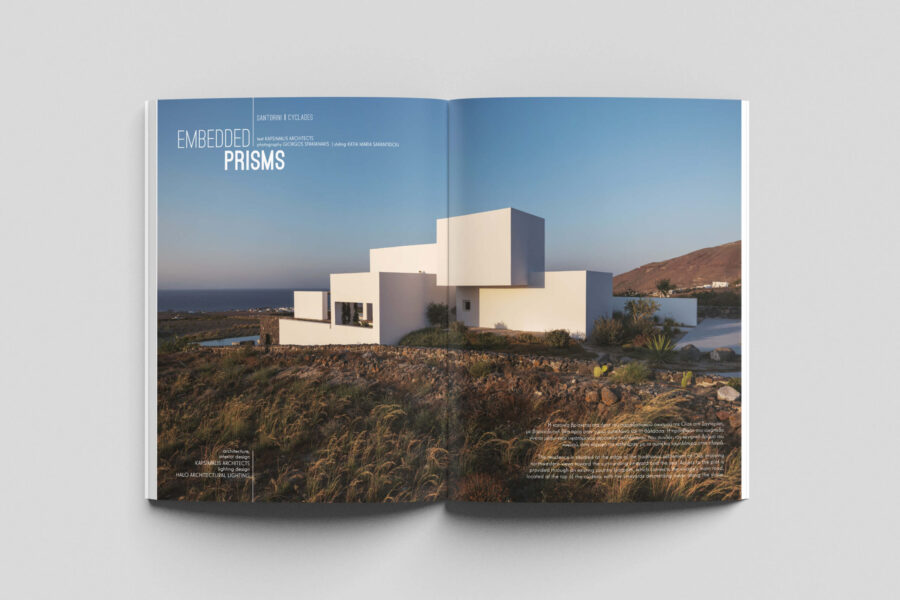
Kapsimalis Architects | Santorini, Cyclades
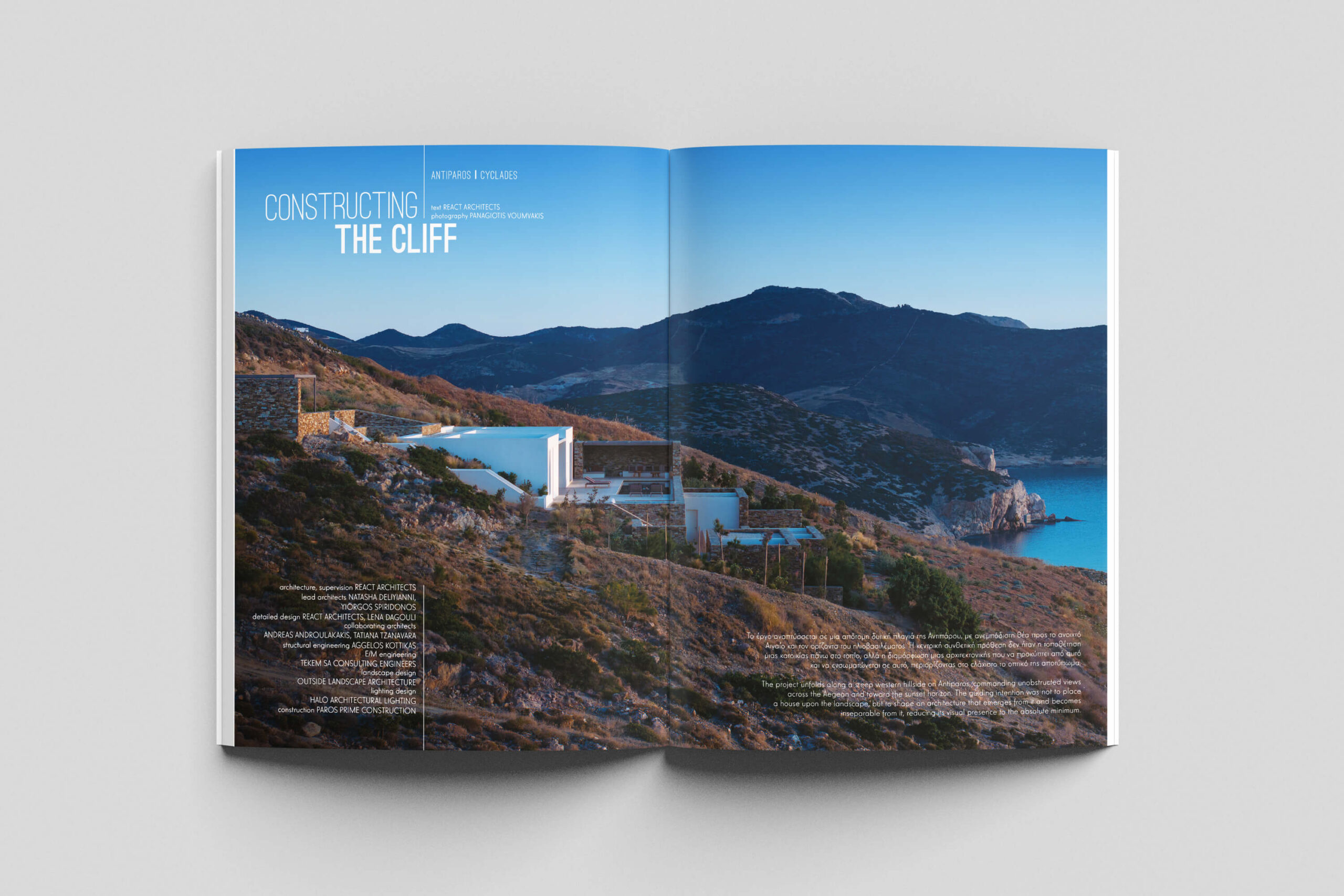
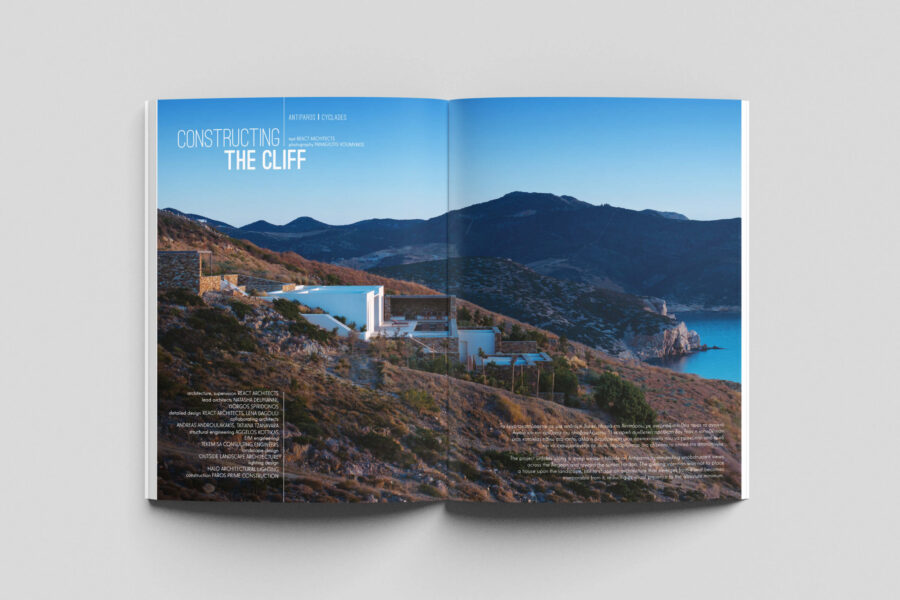
React Architects | Antiparos, Cyclades
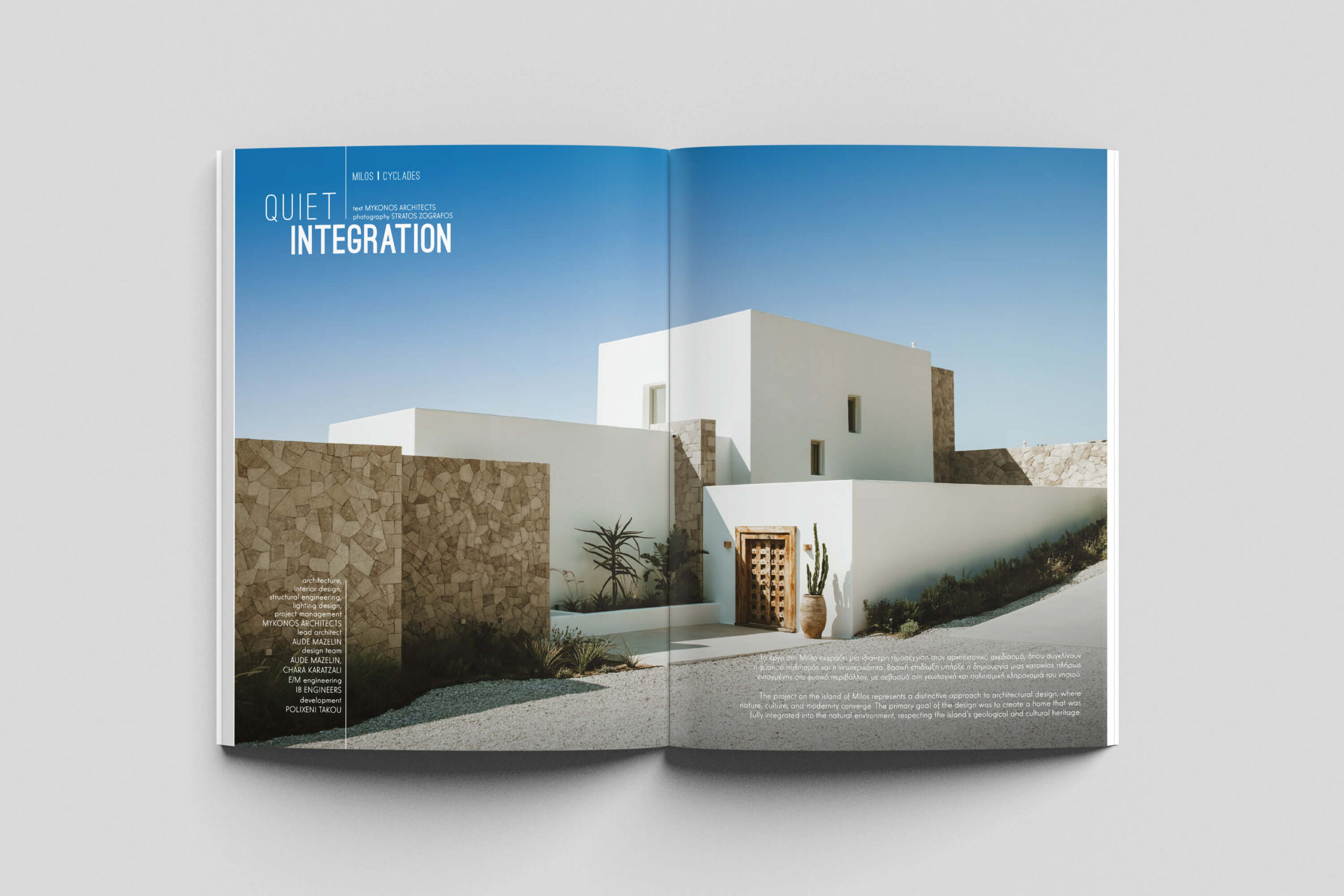
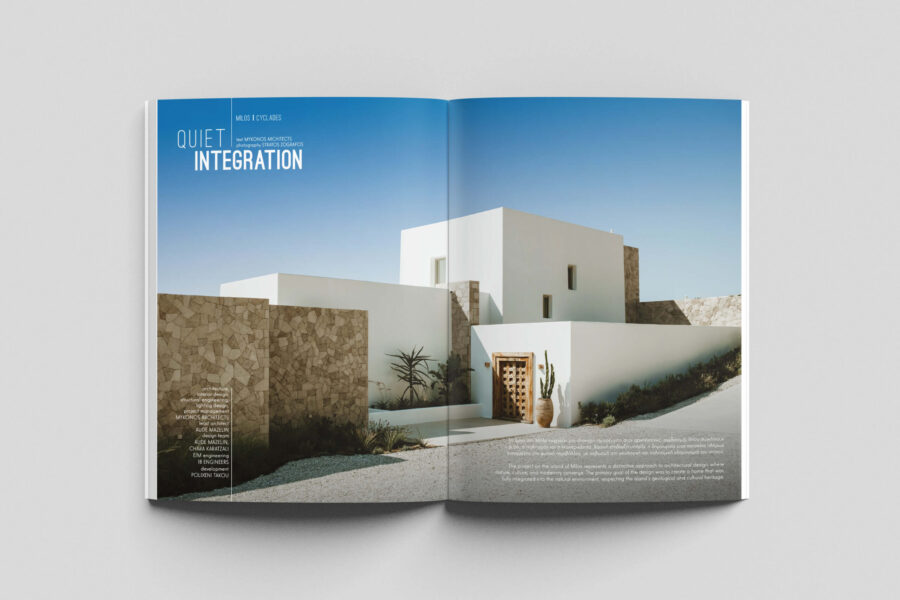
Mykonos Architects | Milos, Cyclades
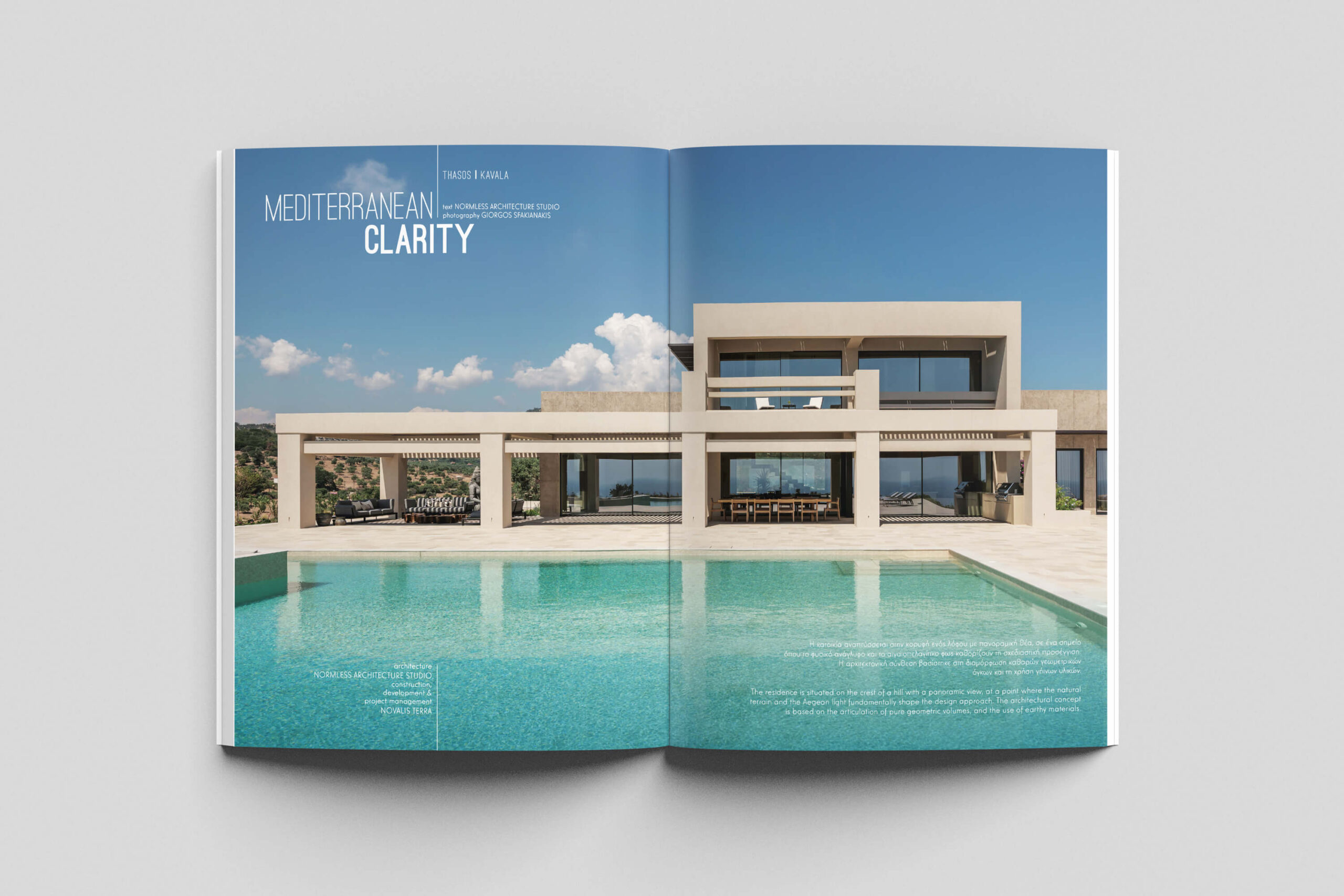
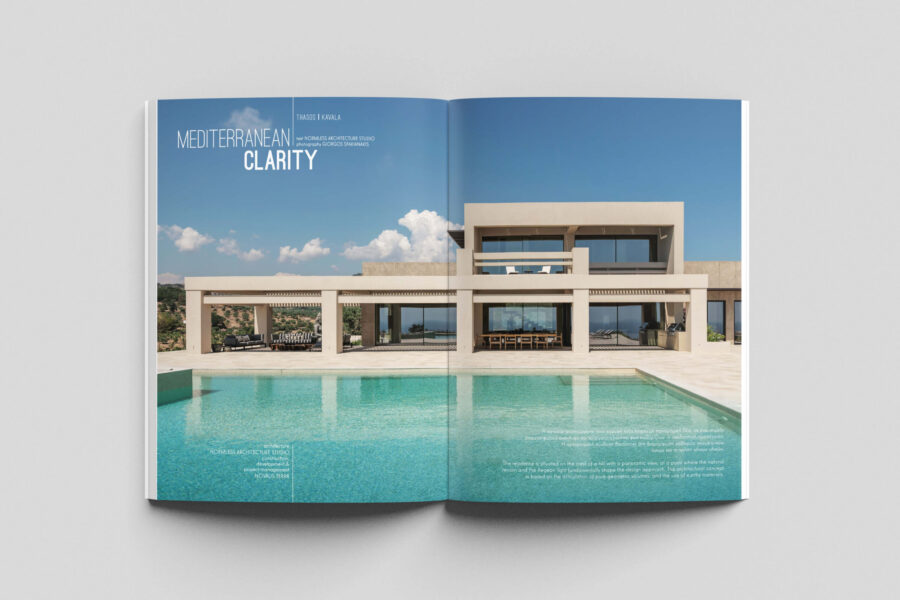
Normless Architecture Studio | Thasos, Kavala
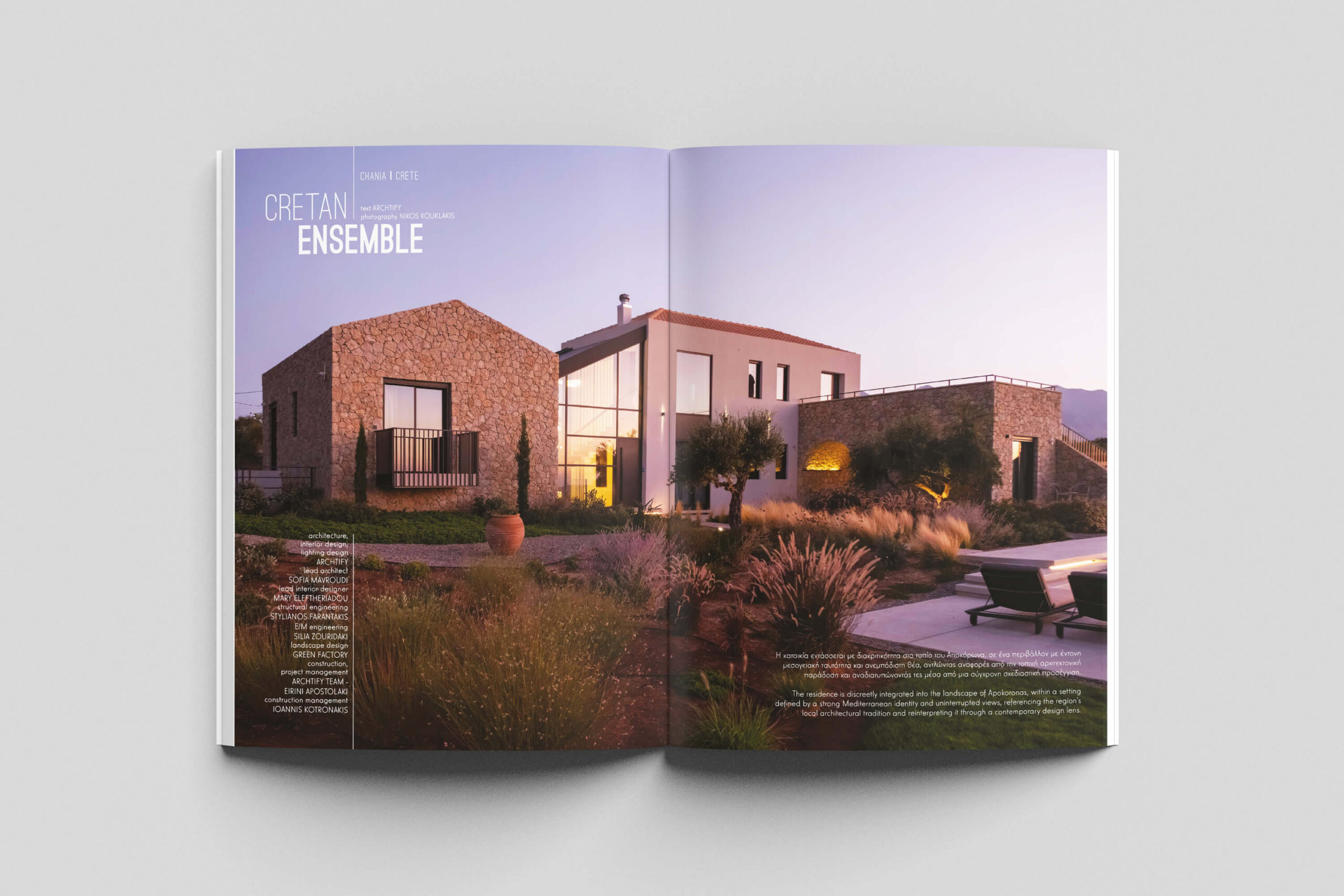
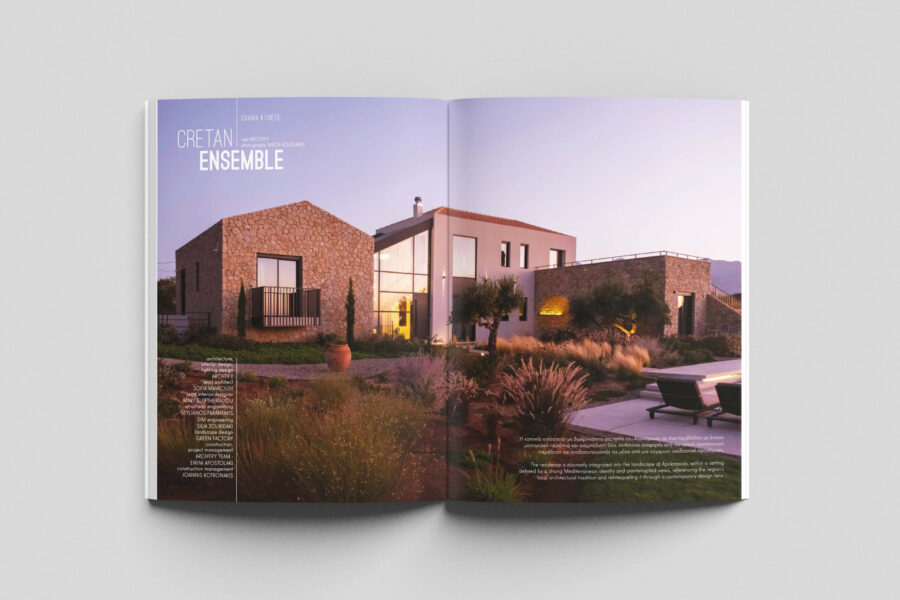
Archtify | Chania, Crete
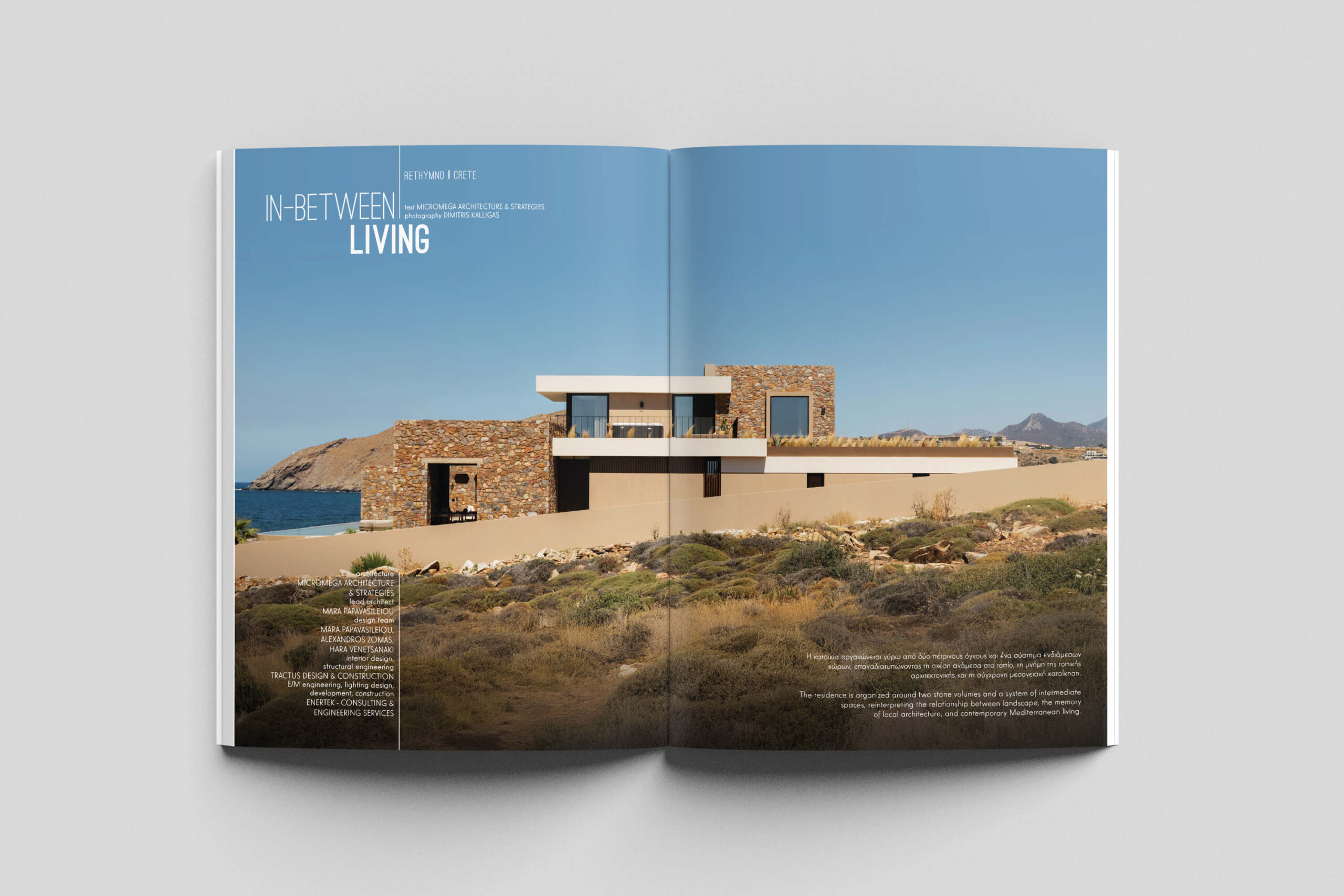
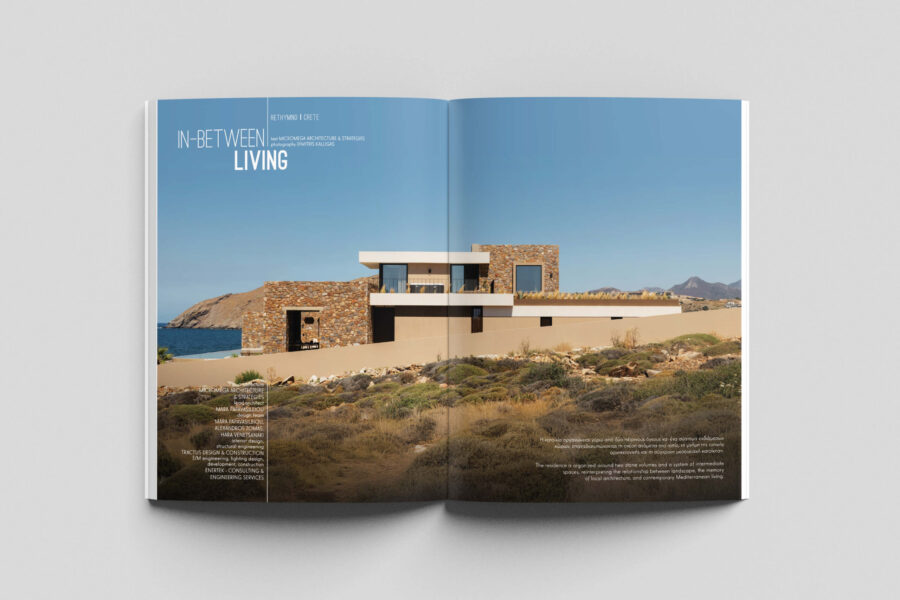
Micromega Architecture & Strategies | Rethymno, Crete
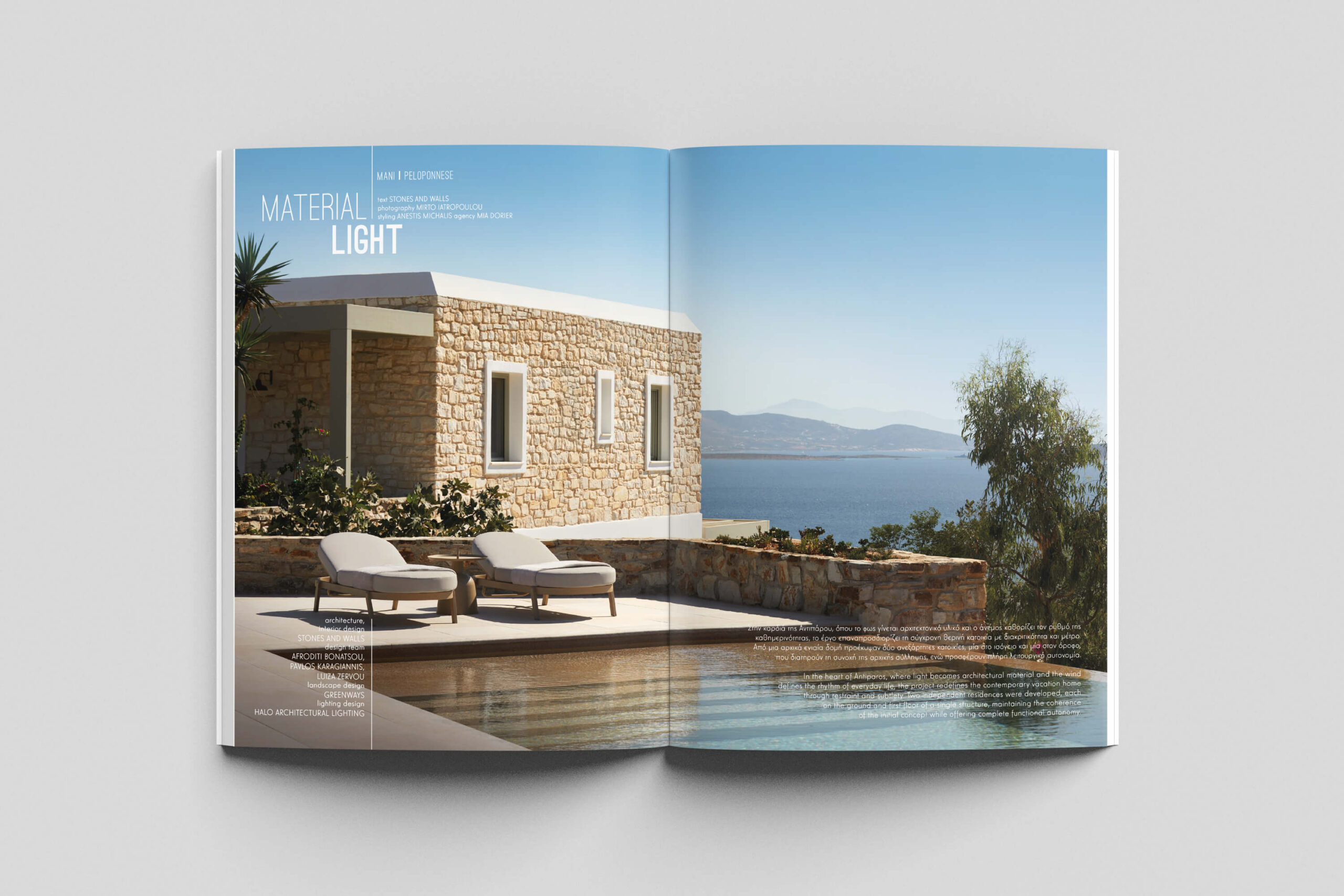
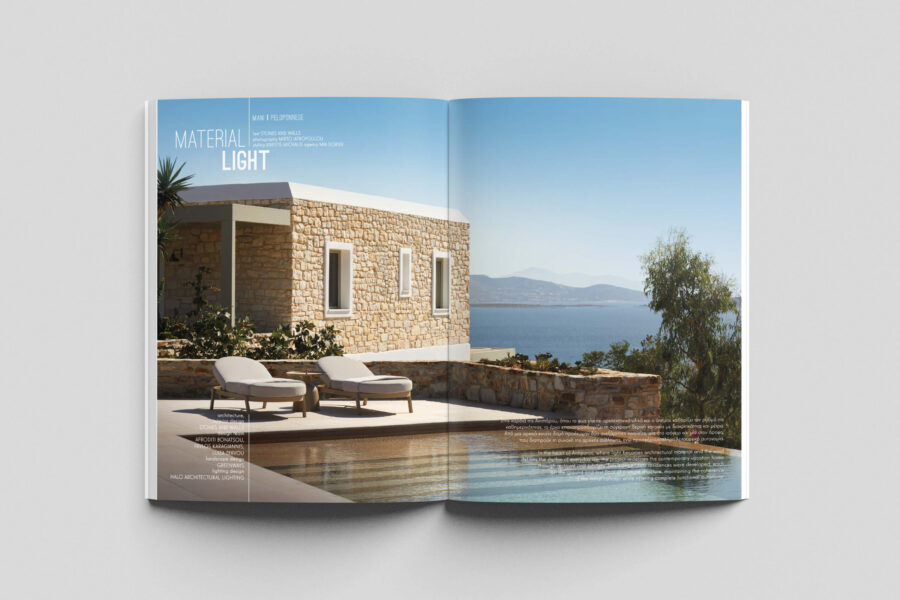
Stones & Walls | Mani, Peloponnese
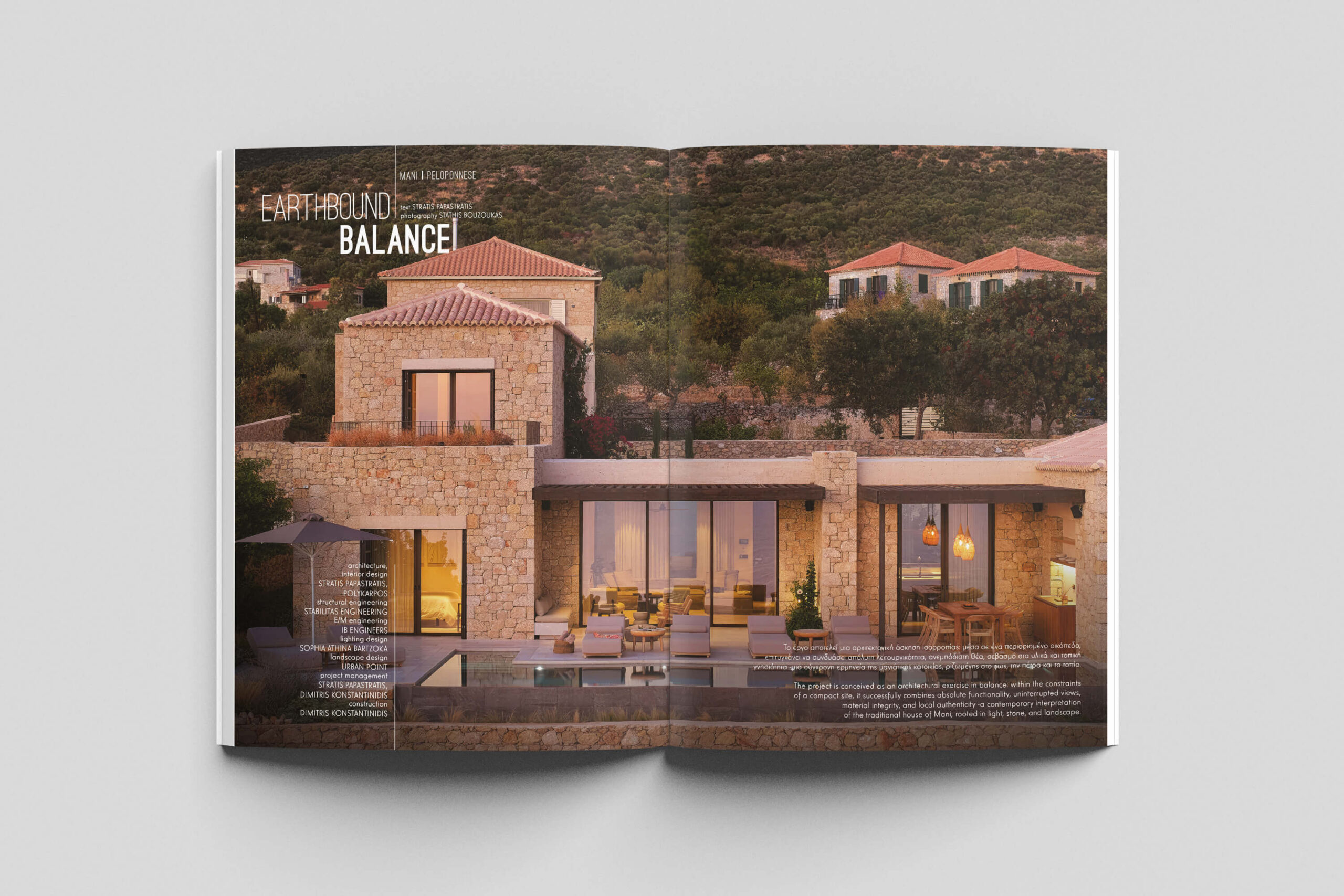
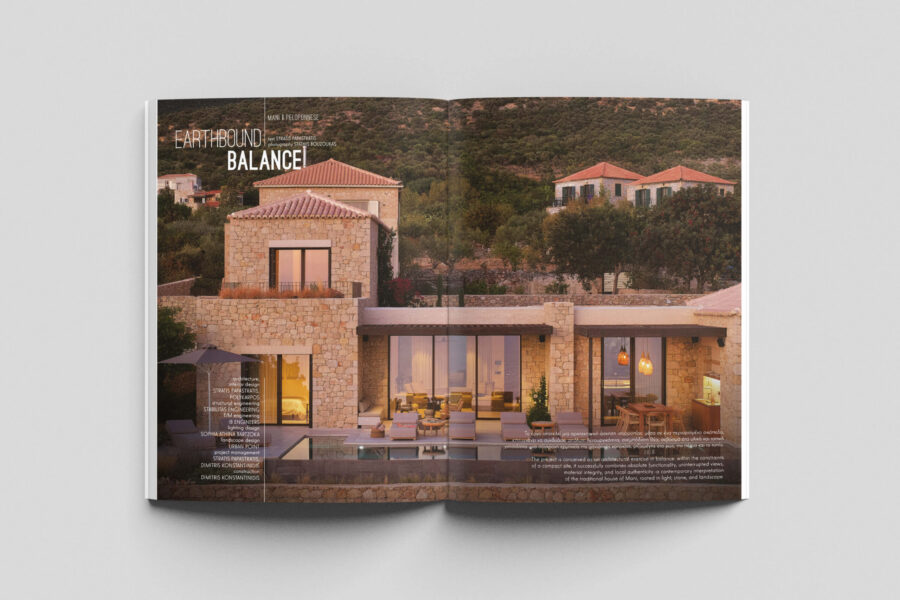
Stratis Papastratis, Polykarpos | Mani, Peloponnese
On countryside architecture

From the courtyard of the Mediterranean house to the monastic cell, and from the rural settlement to the contemporary country retreat, countryside architecture has always embodied a distinct mode of relationship between human beings and nature. Dwelling in nature reflects an enduring existential need: the desire to reposition oneself within the primordial order of the world, to reconnect with the earth, light, wind, shadow, and ultimately with time itself. Today, as everyday life unfolds at an ever-accelerating pace and the lived experience of space is increasingly displaced by its digital representation, this need becomes even more pressing.

Every place possesses an unseen geography, shaped by topography, prevailing winds, shifting patterns of light, and the memory of human presence. Architecture enters this reality not as an instrument of imposition, nor as an aestheticized landscape intended for representation. Its primary task is to interpret it, acknowledging that the place precedes the building and that every new intervention inevitably alters the fragile balance between the natural and the built, between what already exists and the new layer introduced.

Viewed through this lens, countryside architecture -as the topological expression of a broader environmental and existential condition- acts as a mechanism of mediation, making the natural element an inseparable part of the overall experience. Nature is integrated as a primary constituent of the design process, while the notion of dwelling extends beyond the boundaries of enclosed space and diffuses into the landscape. For this reason, its essence may ultimately reside not in the building itself, but in the intermediate spaces formed between nature and construction: the courtyard, the threshold, the gallery, the shadow cast by a wall -those transitional spatial typologies where interior and exterior cease to operate as strictly separate realms and instead establish a unified field of habitation.

Countryside architecture sets boundaries and simultaneously transcends them. Final forms are not imposed but emerge through a network of internal relationships and dynamics. This process allows for the formation of living environments that come closer to the idea of an “inhabited landscape” than to that of isolated residential units. The countryside house is therefore not merely an expression of the desire to escape the city, but the search for a place of reflection and release, where one may restore a more meaningful connection with the primordial dimensions of life -and, ultimately, with oneself.

Dimitris Potiropoulos

Architect, Potiropoulos+Partners

Weight 1,08 kg
Format

Print Edition

ek magazine
ek magazine