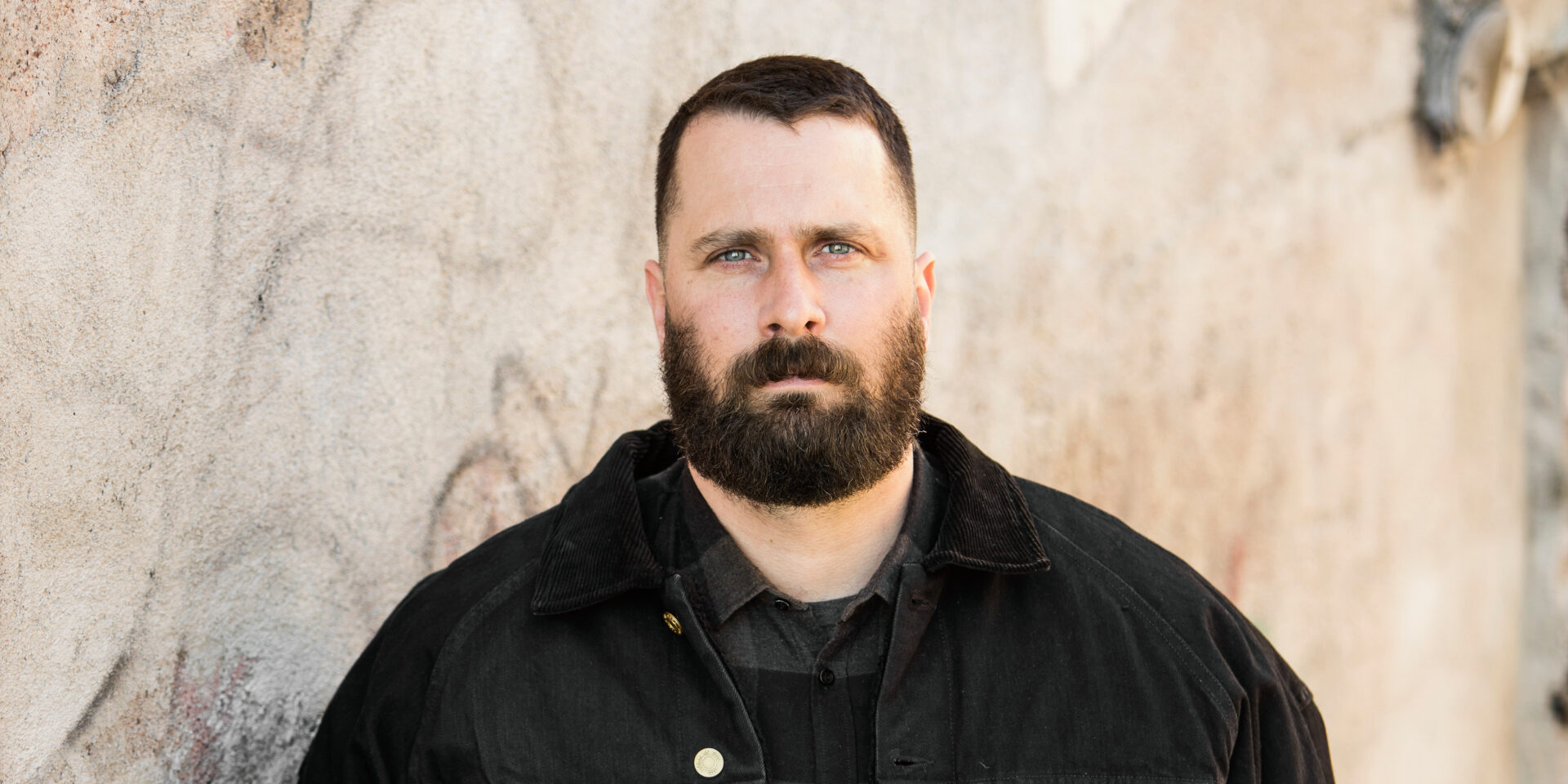
Philippe Malouin talks about growing up making things, moving to Europe, working with established brands and the experiments that feed his industrial design.
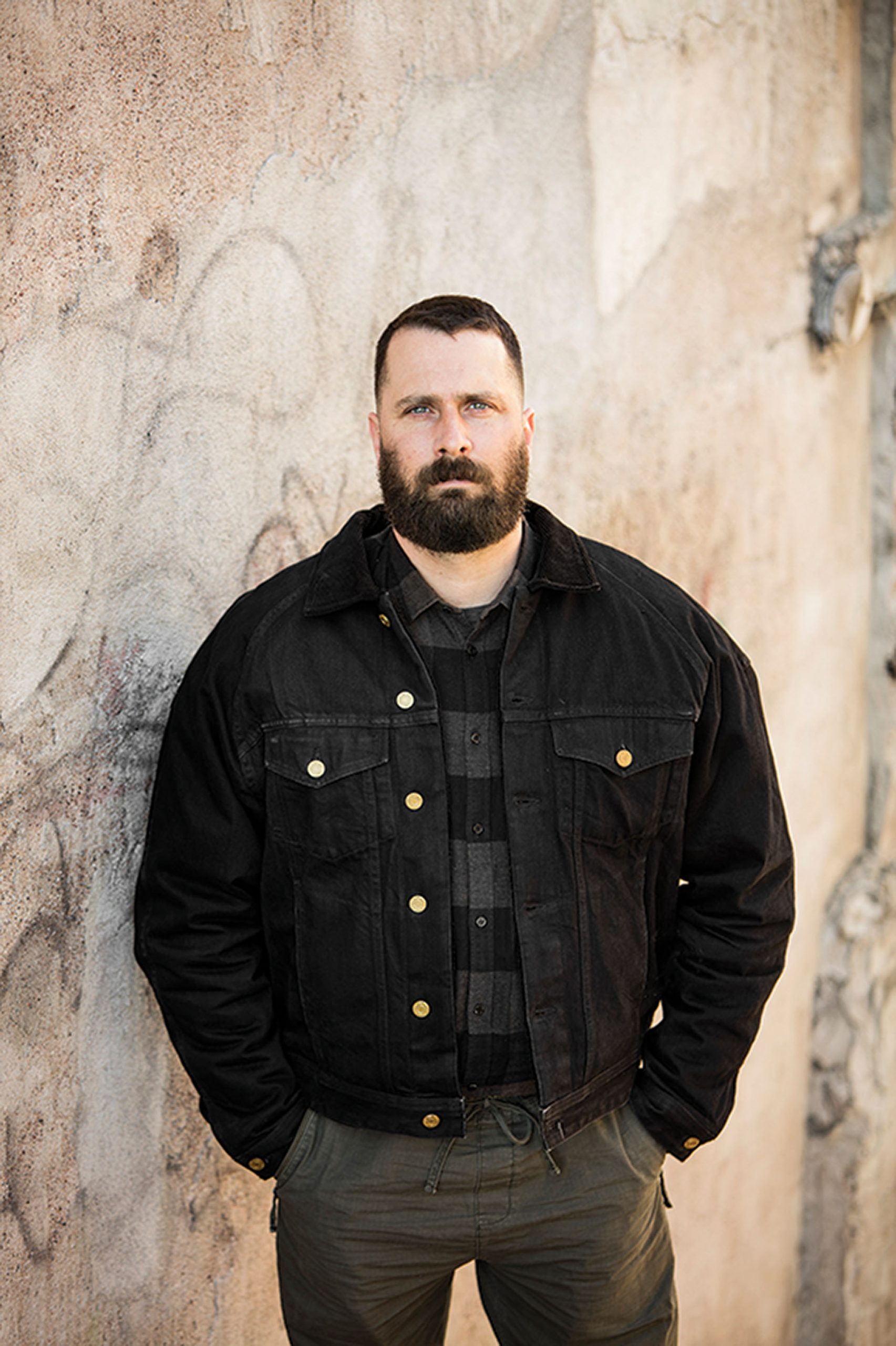
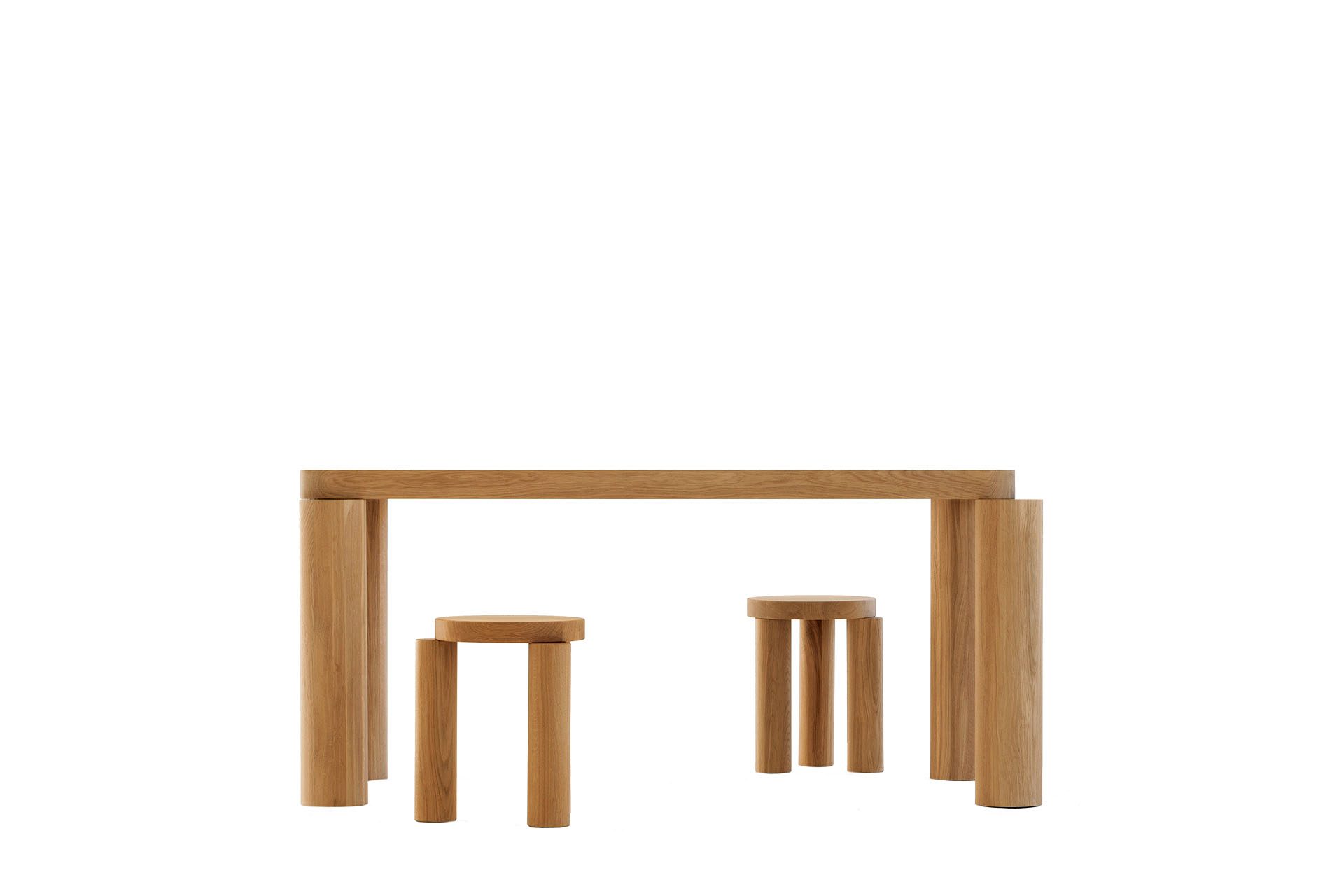
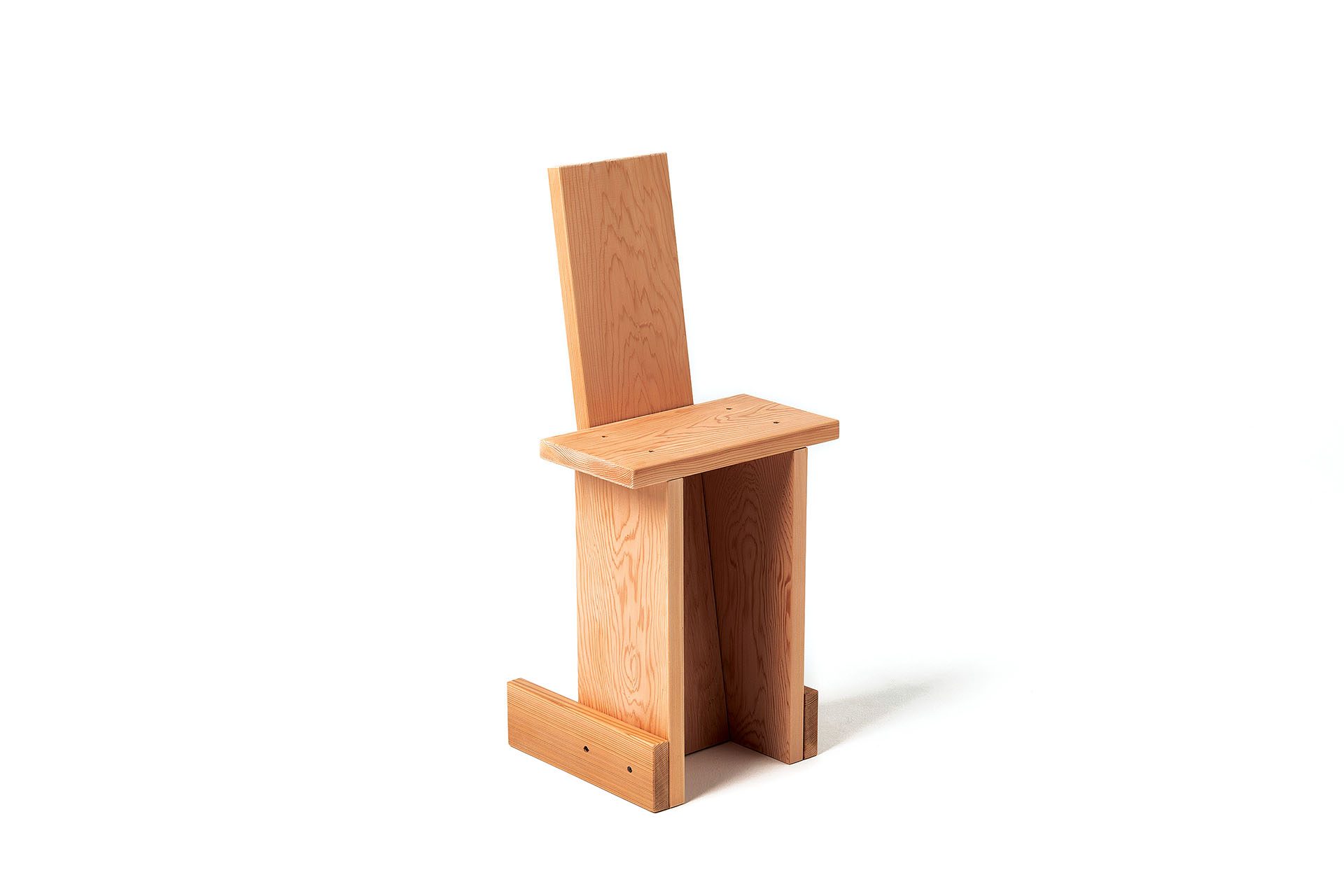
The British-Canadian designer Philippe Malouin works across industrial design, experimental furniture and collectible objects. Having studied in Montreal, Paris and Eindhoven, he established his own studio in London after working with Tom Dixon. His practice explores the relationship between material experimentation and industrial manufacturing, often transferring discoveries made through manual fabrication into products intended for mass production.
What drew you into design? What did you think it was about when you started, and what is your current perception of it?
PM: I always made things from a very early age. We had a house with a workshop in the basement and I always made toys, skateboard ramps, etc.
As I grew older, it never really appeared to me as a “proper” career until I spent time in Europe travelling, before I did design school. I met photographers, graphic designers and furniture designers. It seemed to just make sense to me at the time to go and study industrial design.
When I started working in the business, I never thought I would be able to make a living from it, as it is such a competitive field. It is so hard to carve a place for yourself. Now my current perception of it is how lucky I am to be doing what I love for a living. It amazes me every day.
How did moving to Europe make an impact on your work as a designer?
PM: Moving to Europe had the biggest impact on my work as a designer. It shaped my career as well as the experiences I made. I originally studied at the University of Montreal’s industrial design program. I knew that if I had straight As for two years, I would get a bursary from the government to go and study one semester in Europe.
I ended up going to ENSCI in Paris for a semester and, when the semester was over, I managed to get an internship in Amsterdam. From then on, I applied to Design Academy Eindhoven. I got in, and I never looked back. I have been here ever since.
The fact is that it seems to be more of a possibility to have a design studio in Europe than it is in Canada. It had the biggest impact, from the school I went to to the people I met after graduating that got me where I am today.
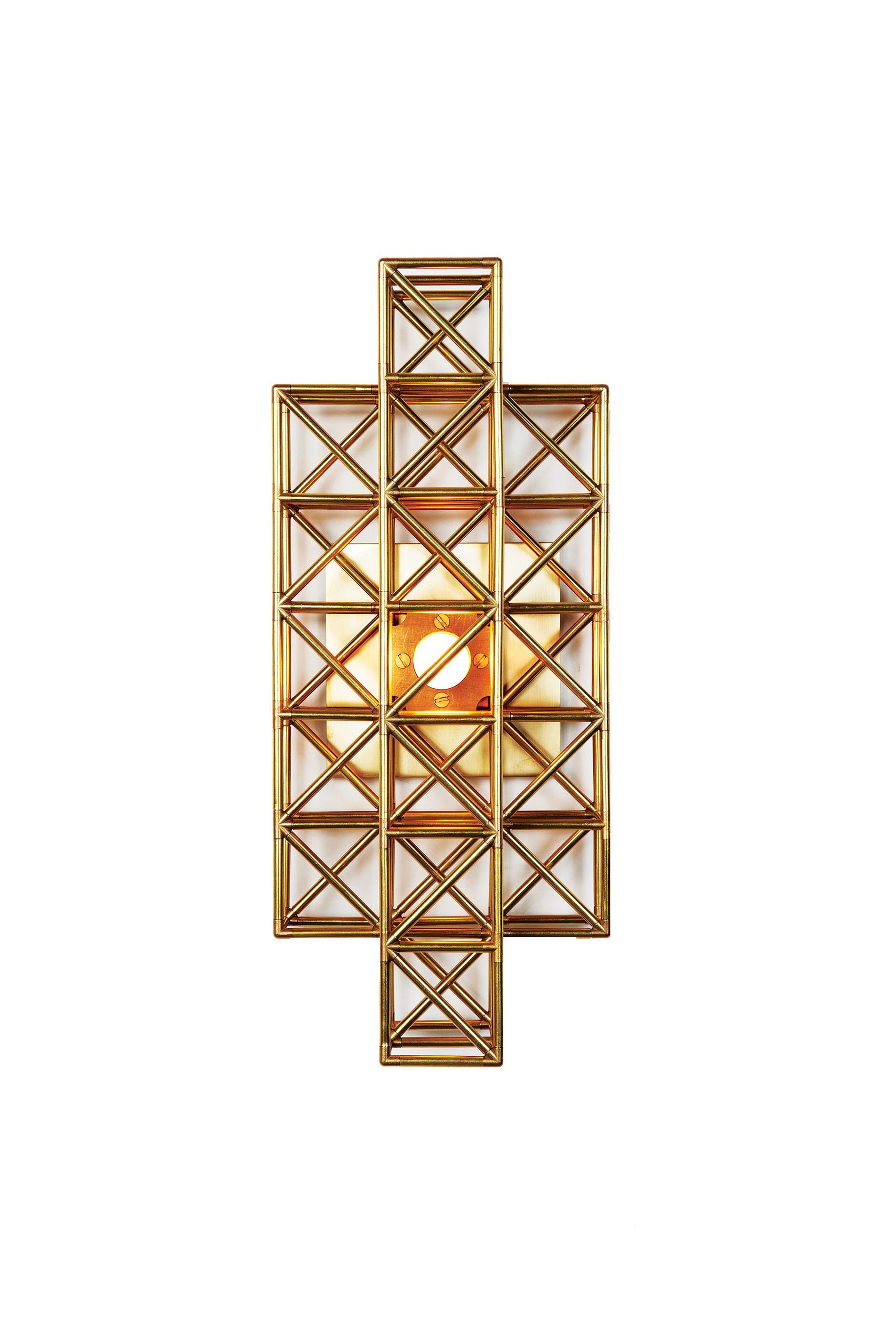
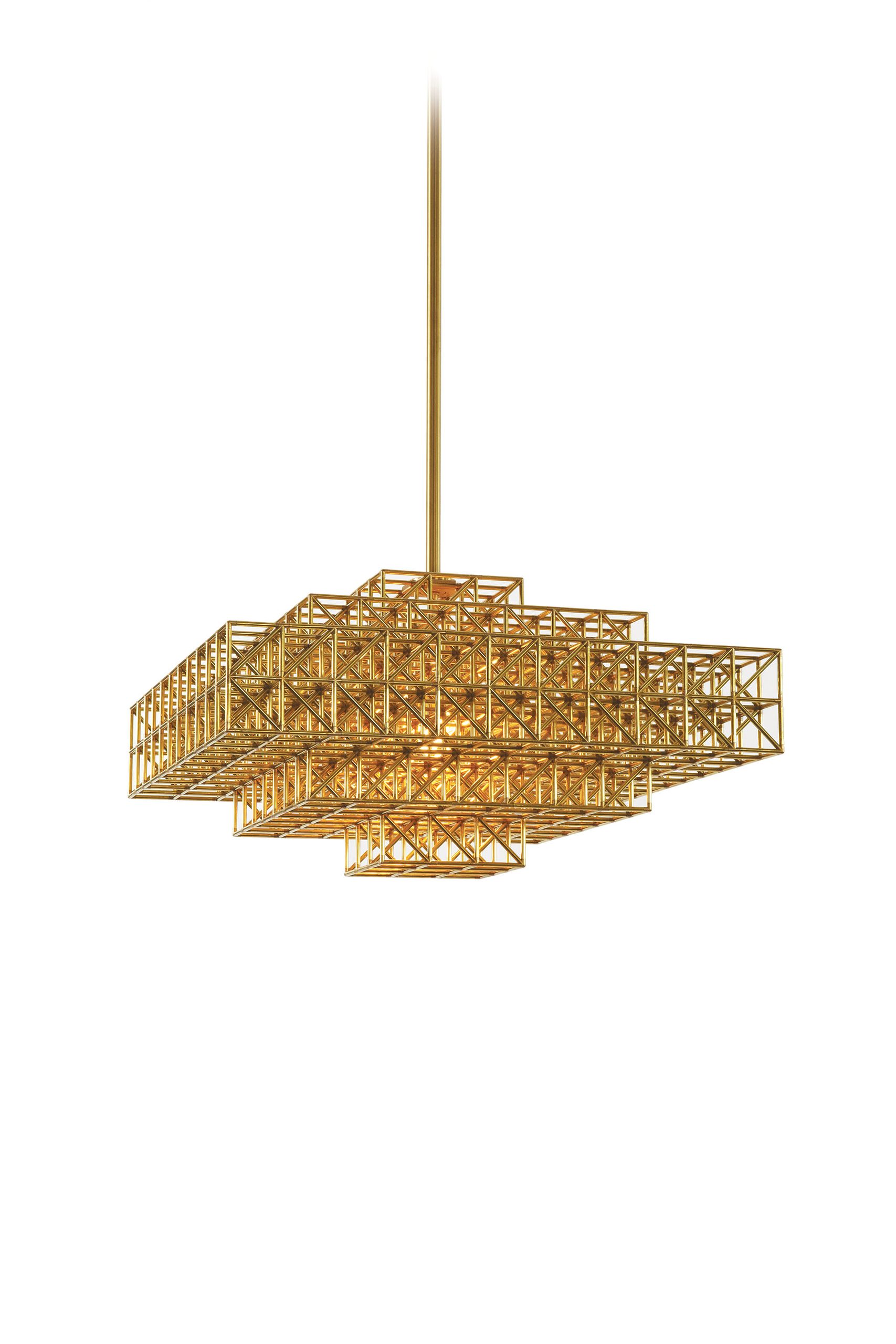
Would you consider the turning point in your practice to be when you started to get commissioned by established brands, or would such a thing be irrelevant? How did it come about, eventually?
PM: Absolutely. It is definitely the turning point, when I finally was given a chance by established brands to be able to express myself the way I always intended to in industrial design.
It takes a really long time to be trusted by a company to invest money in a project. Once you have the capacity of having the industry produce your work to a high-quality level, the perceived value of your work changes, and therefore it was pivotal for me.
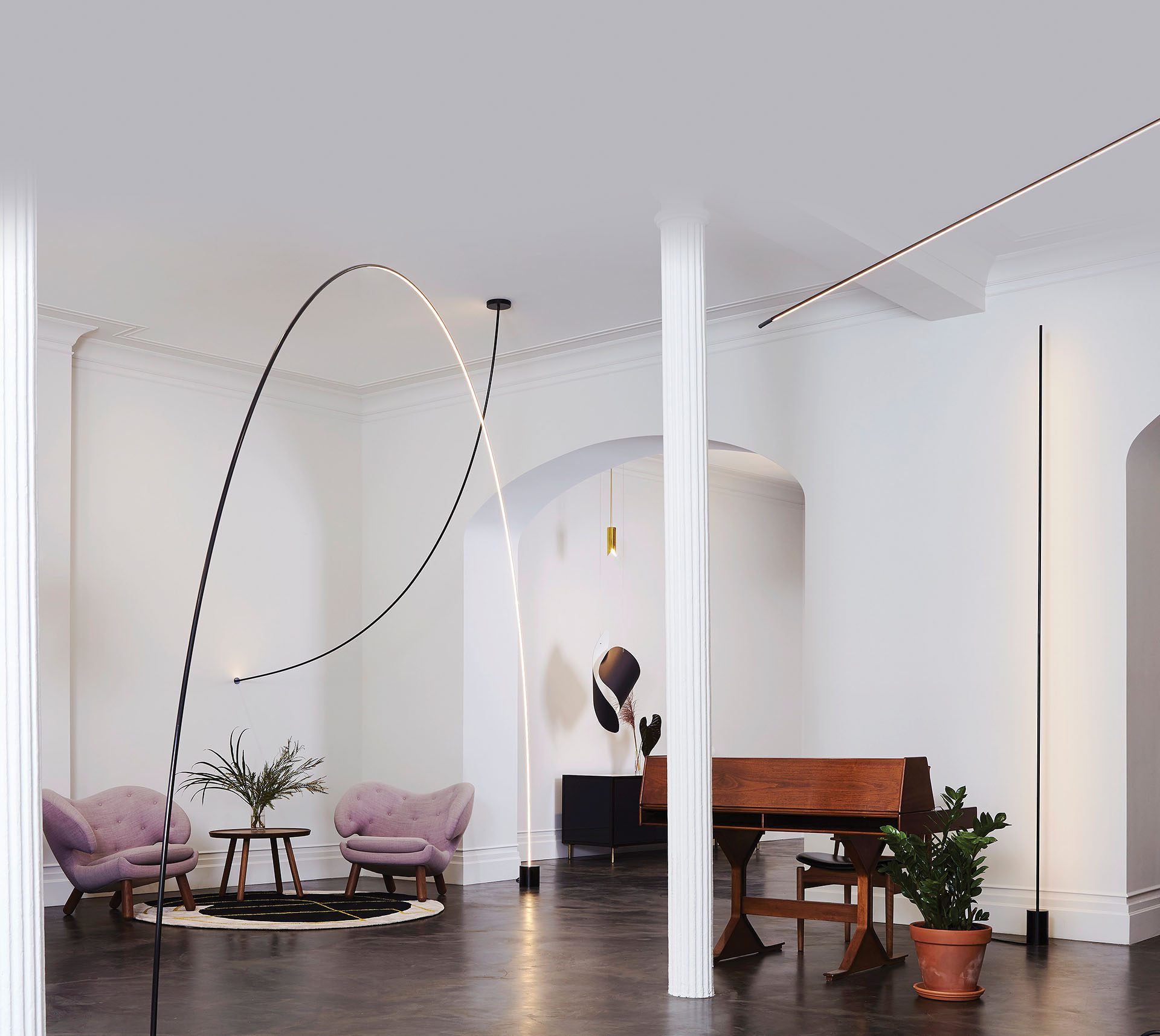
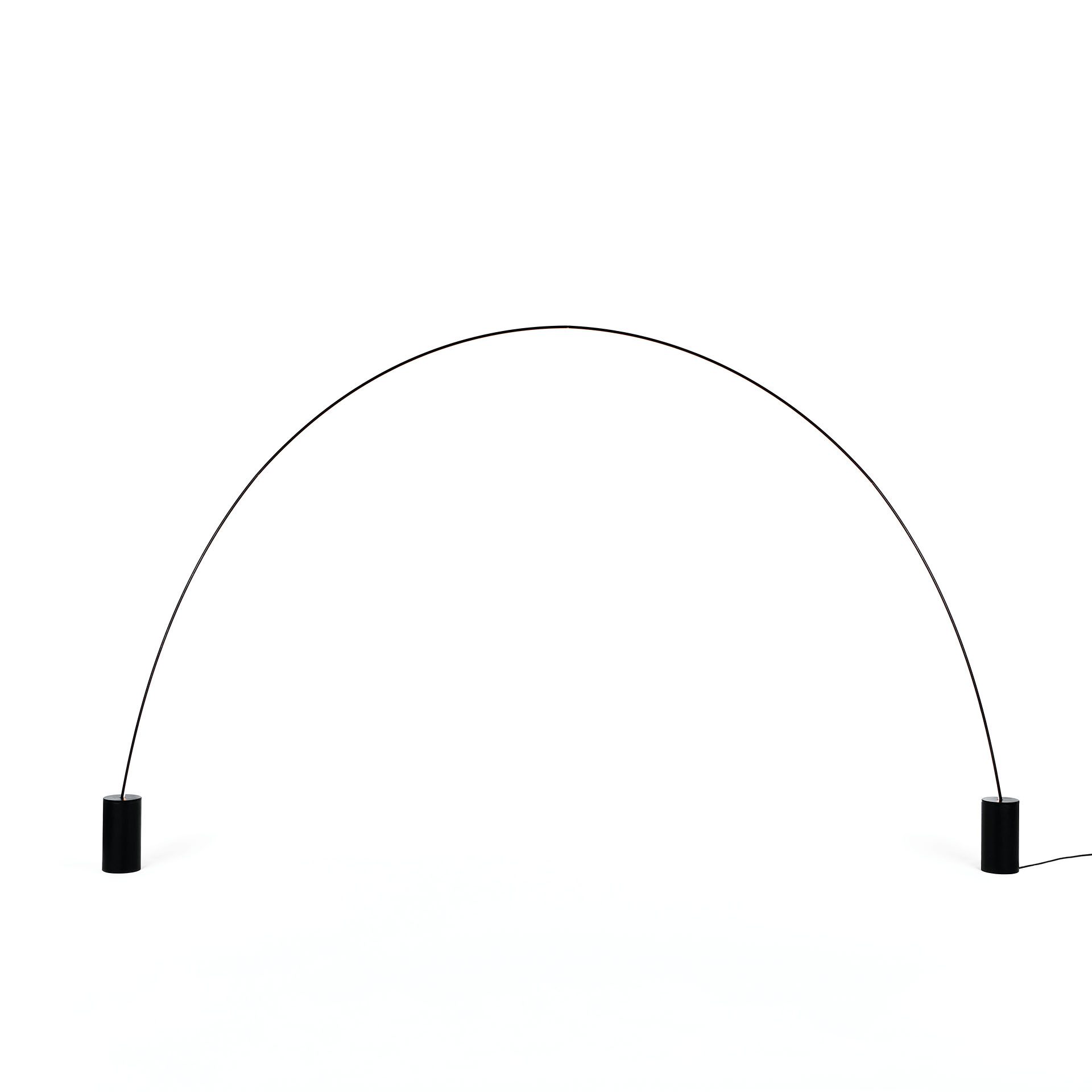
How do you maintain the balance between creative experimentation and presumed corporate pressure to deliver? What is “professionalism” in the way that you work?
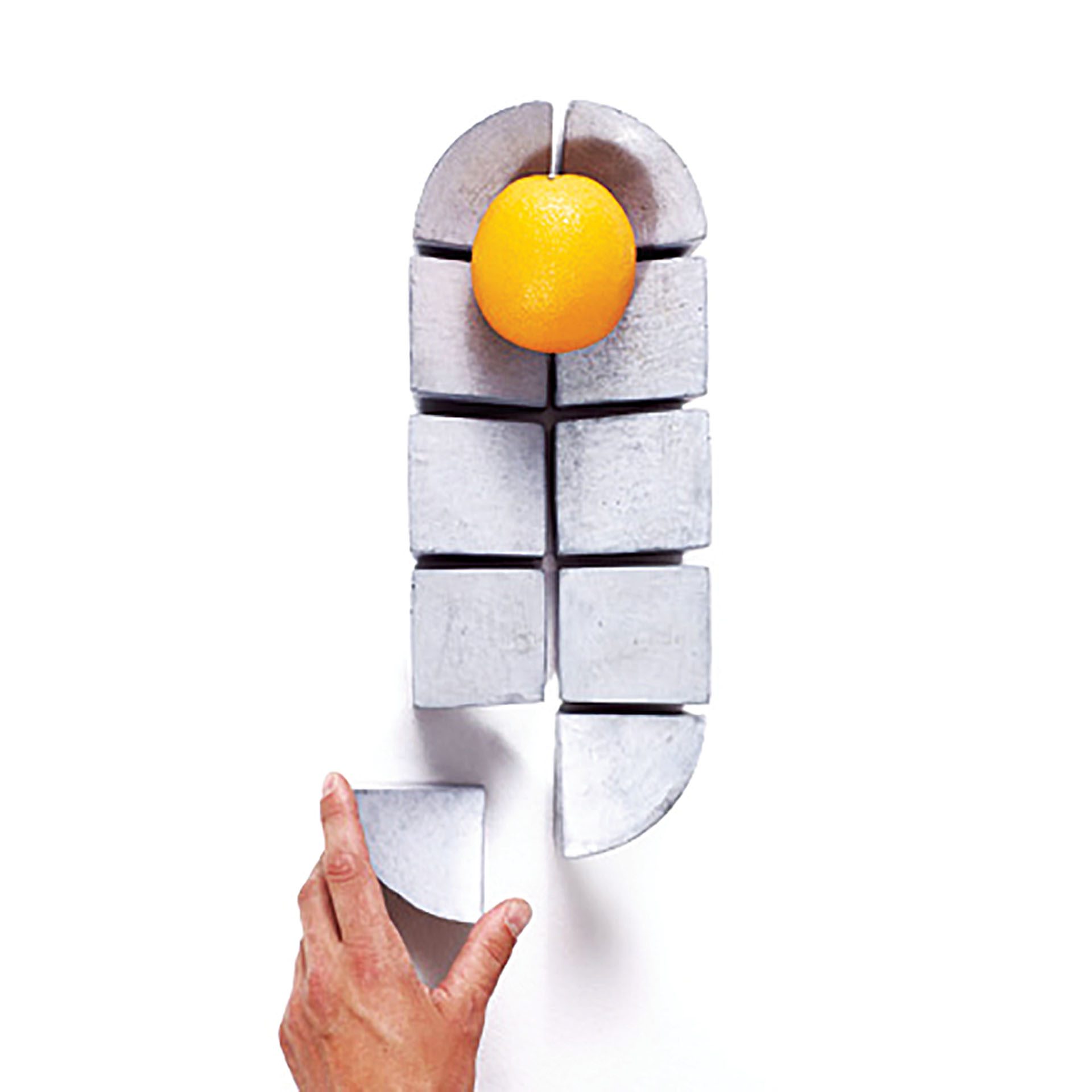
PM: I am lucky enough to work between the art world and industrial design. When I create a project for a gallery, it allows me to focus my time on experimentation and creating, without necessarily thinking of industrial manufacturing.
This allows me to make discoveries that I would not make sitting in front of my computer, whether it be a material discovery, or finding a new shape, or an application. This discovery can then be transposed in the mass-produced world with a new idea.
I am very lucky to have both these worlds in constant dialogue.
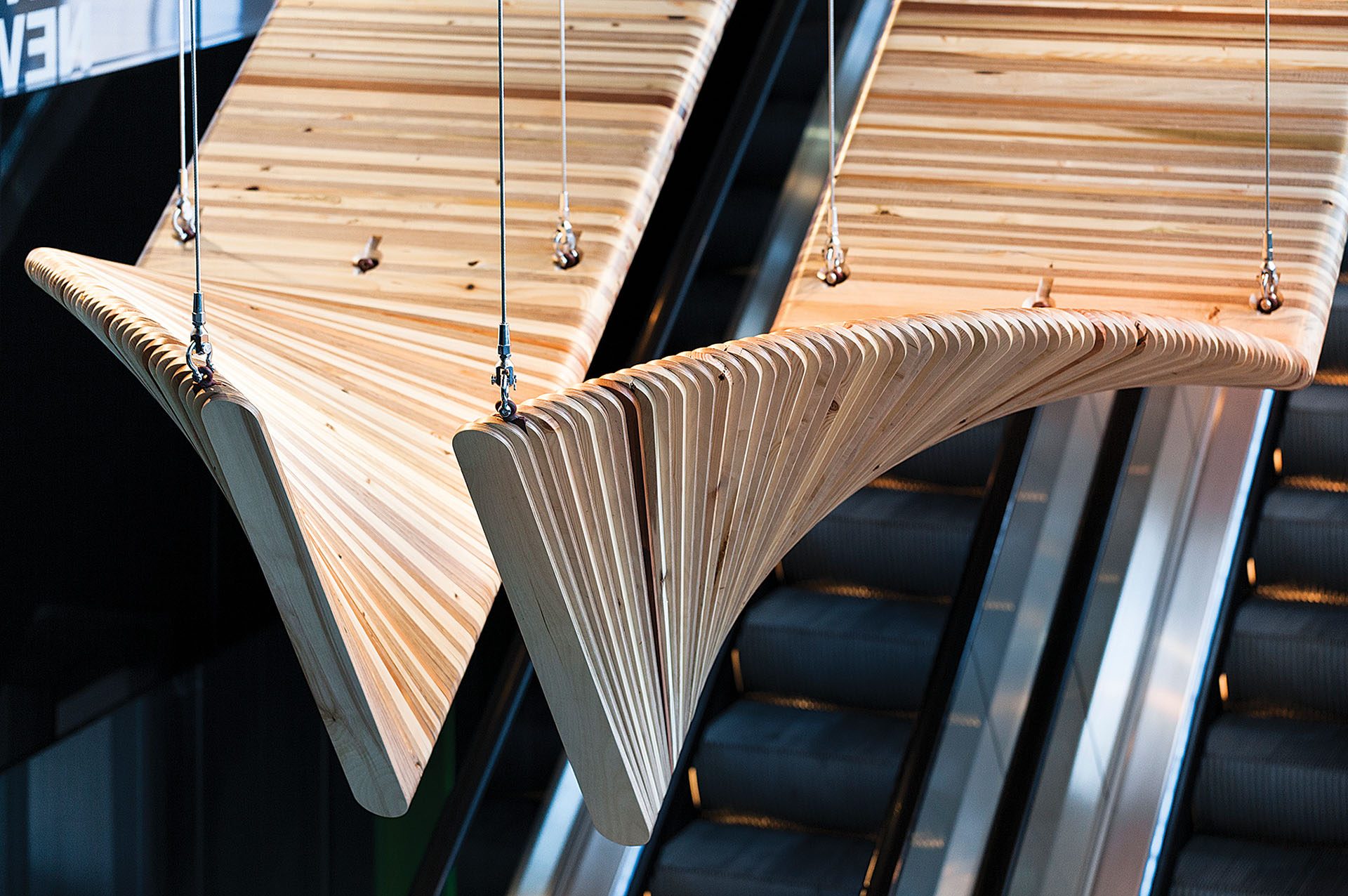
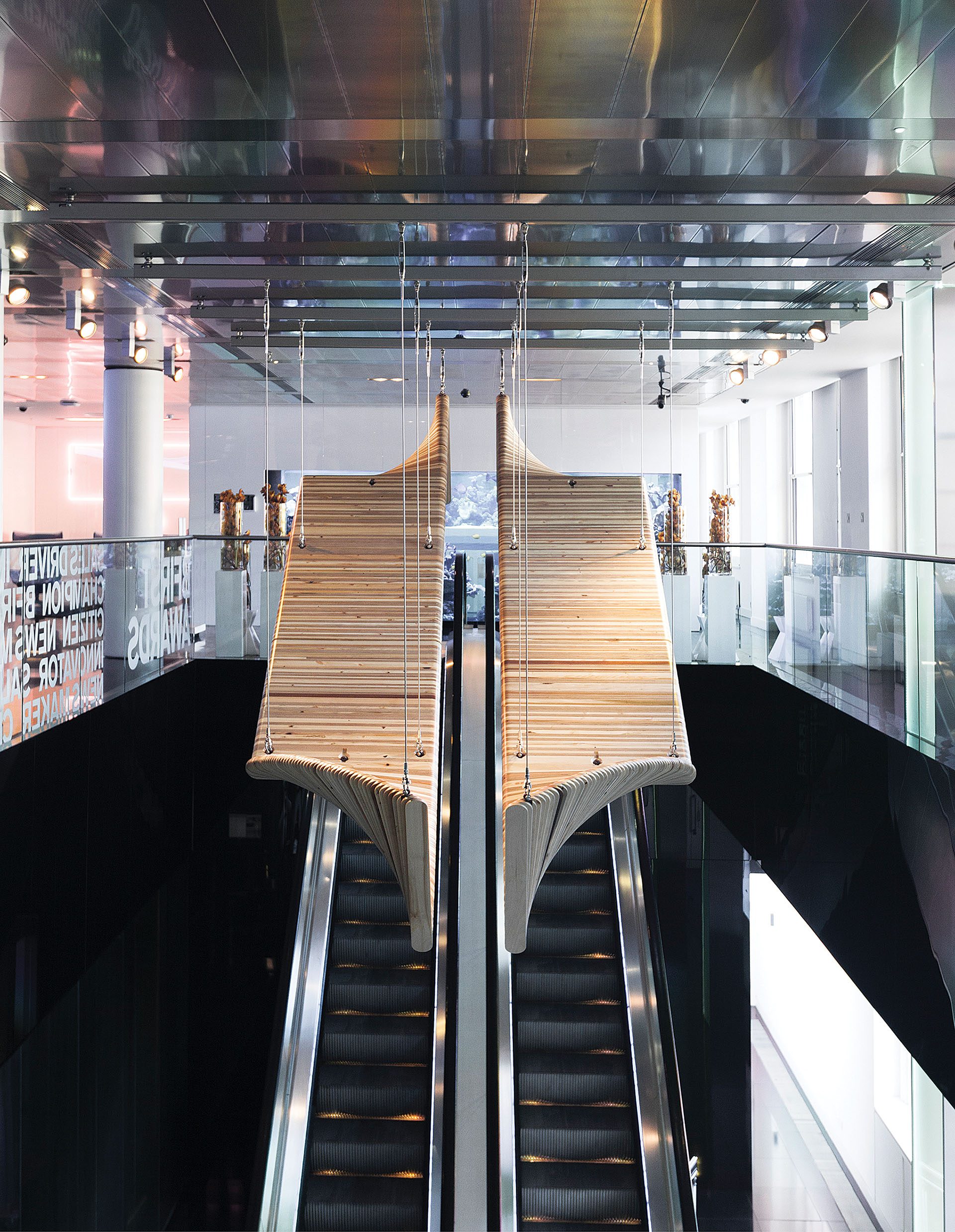
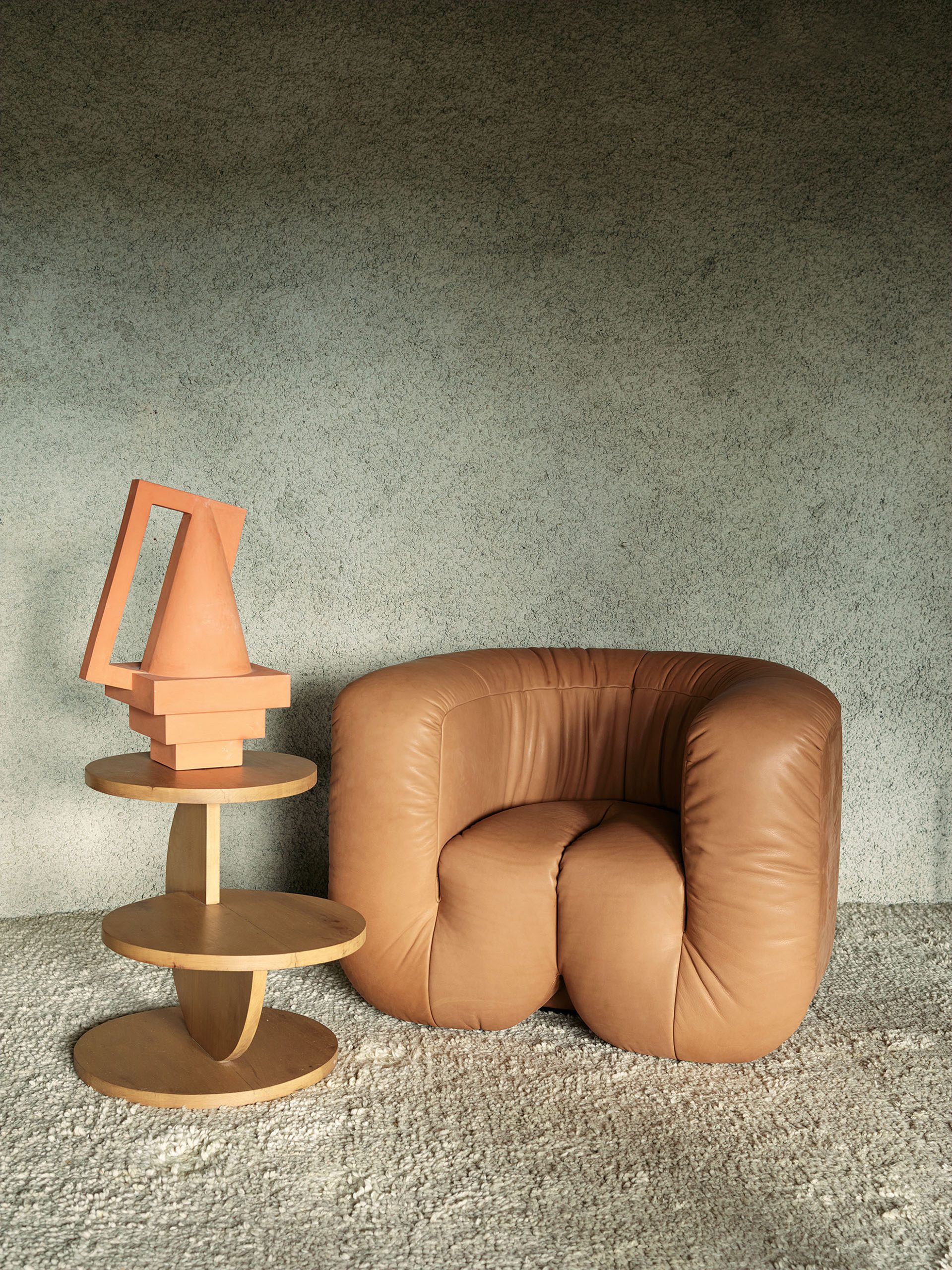
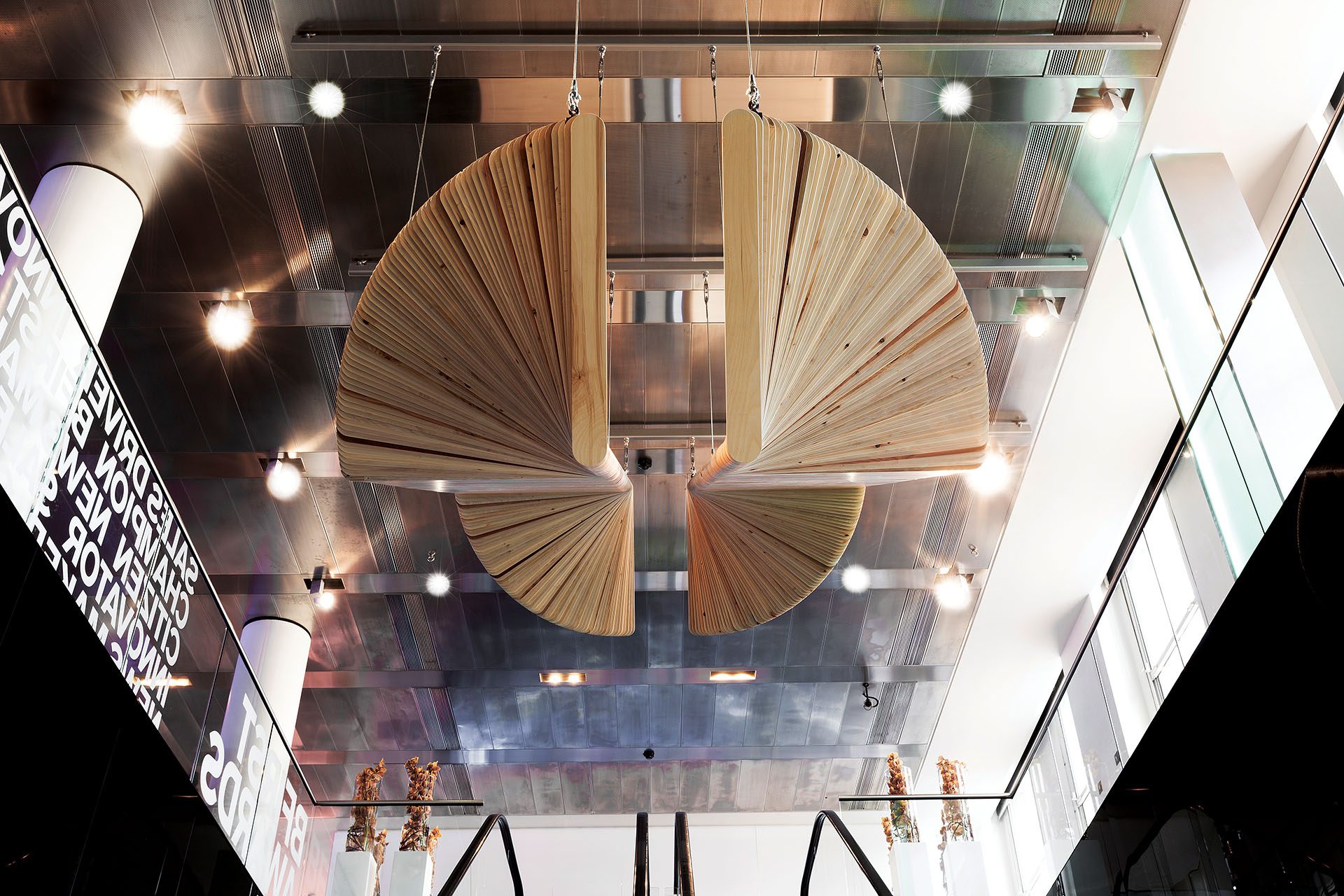
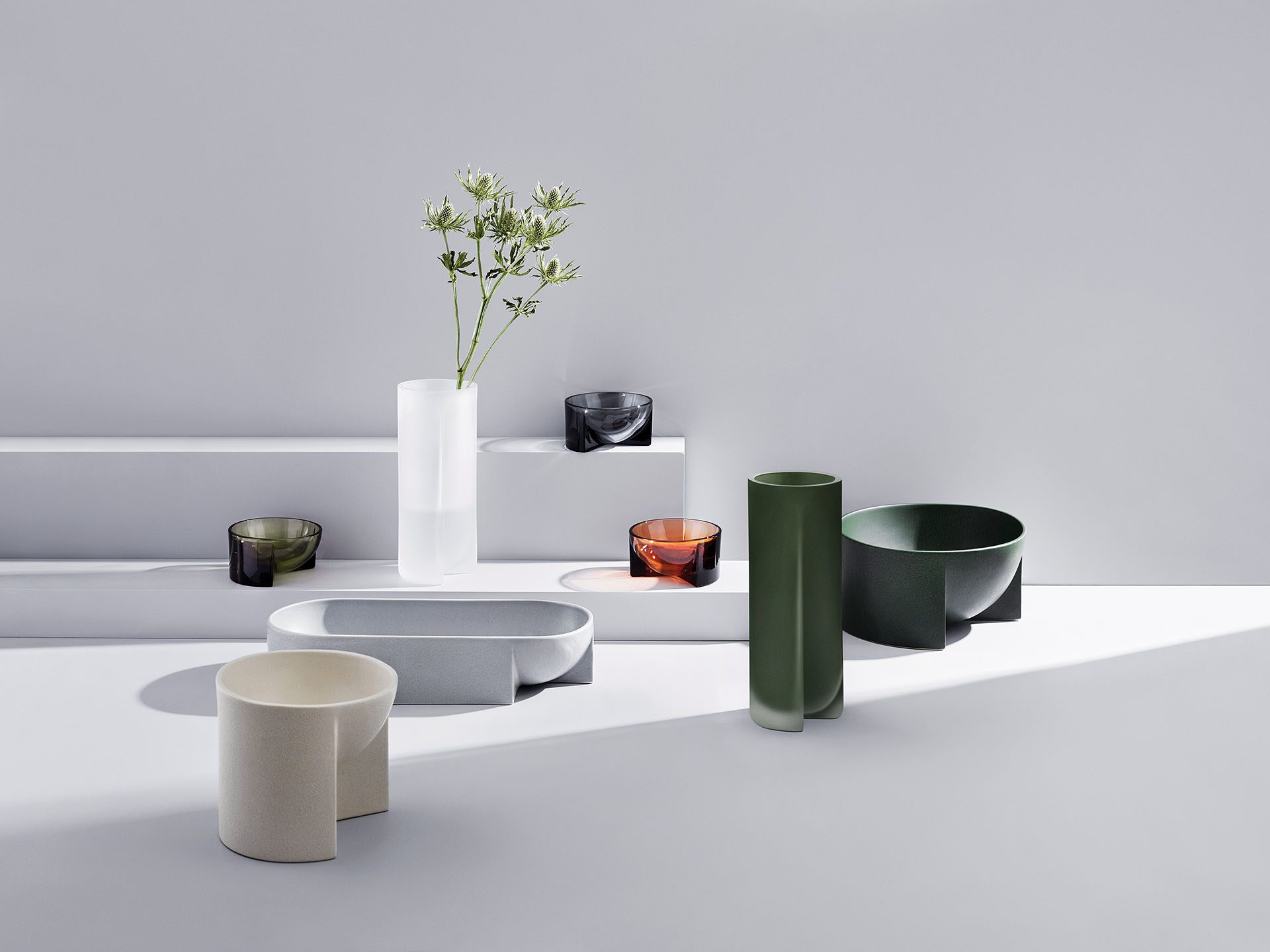
In your Kuru vases for Iittala, you switched from milled MDF prototypes to pressed glass and ceramic, incorporating the manufacturer’s know-how and signature material into the form. How do you decide upon a form or a material to work with, if the one is allegedly independent from the other?
PM: As I answered in the previous question, the forms were elaborated for a private client who was interested in my MDF works. The language for these shapes was formulated using the works I had been developing.
The language was later used to create the glass and ceramic shapes for Iittala.
Do you still feel the need to work on collectible design or on edition pieces? How do you understand the difference between designing pieces for industrial production and producing them yourself?
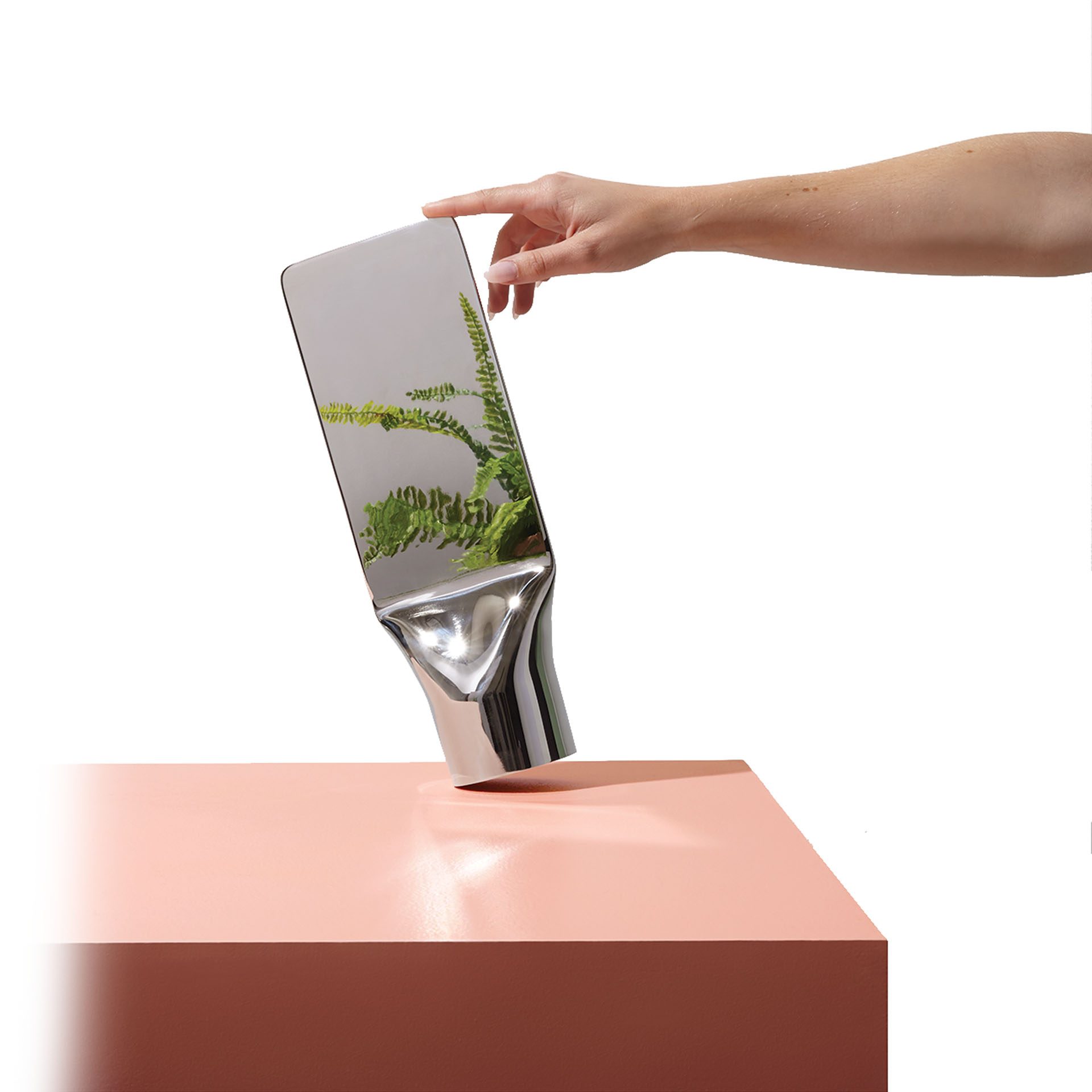
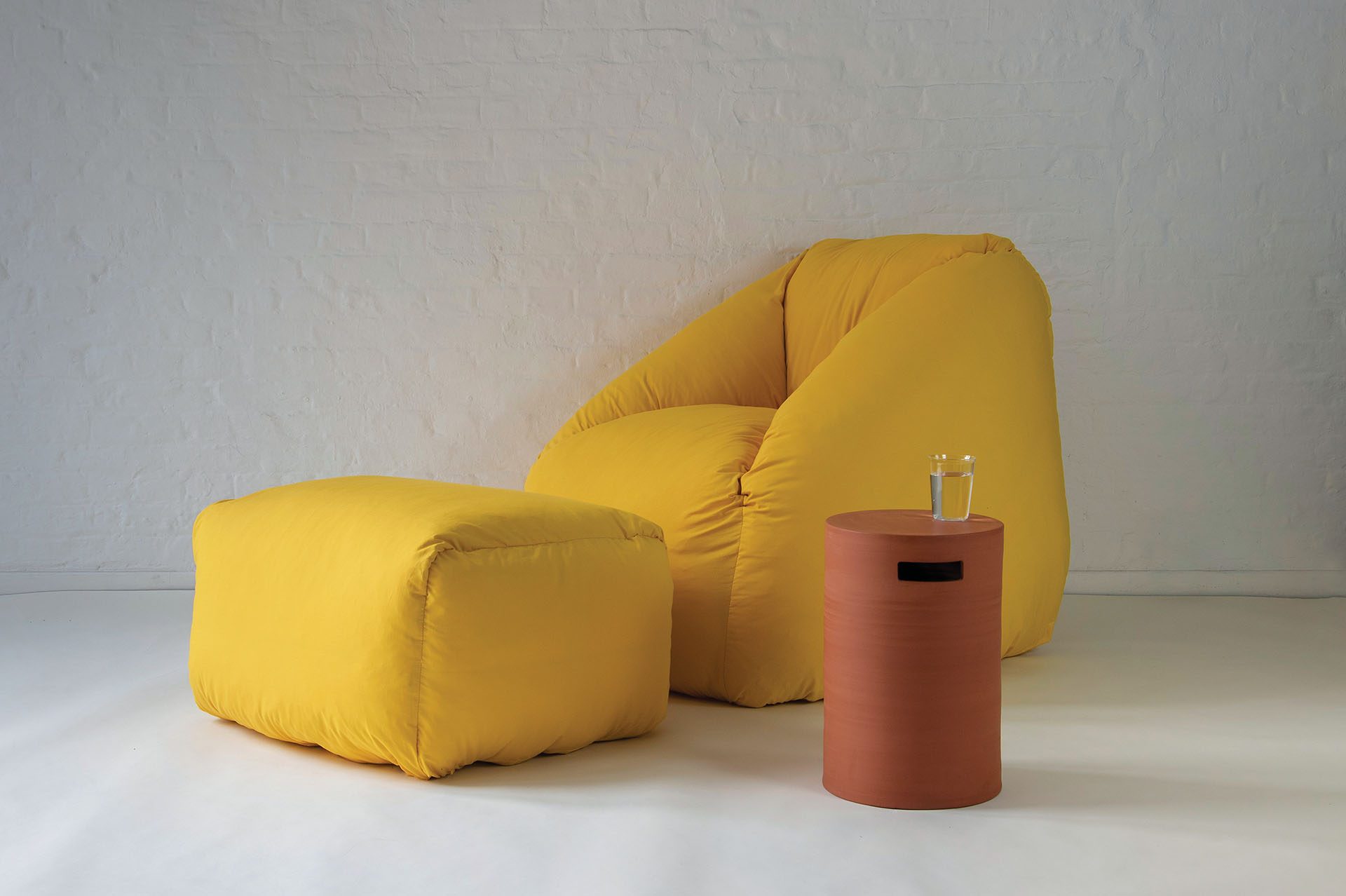
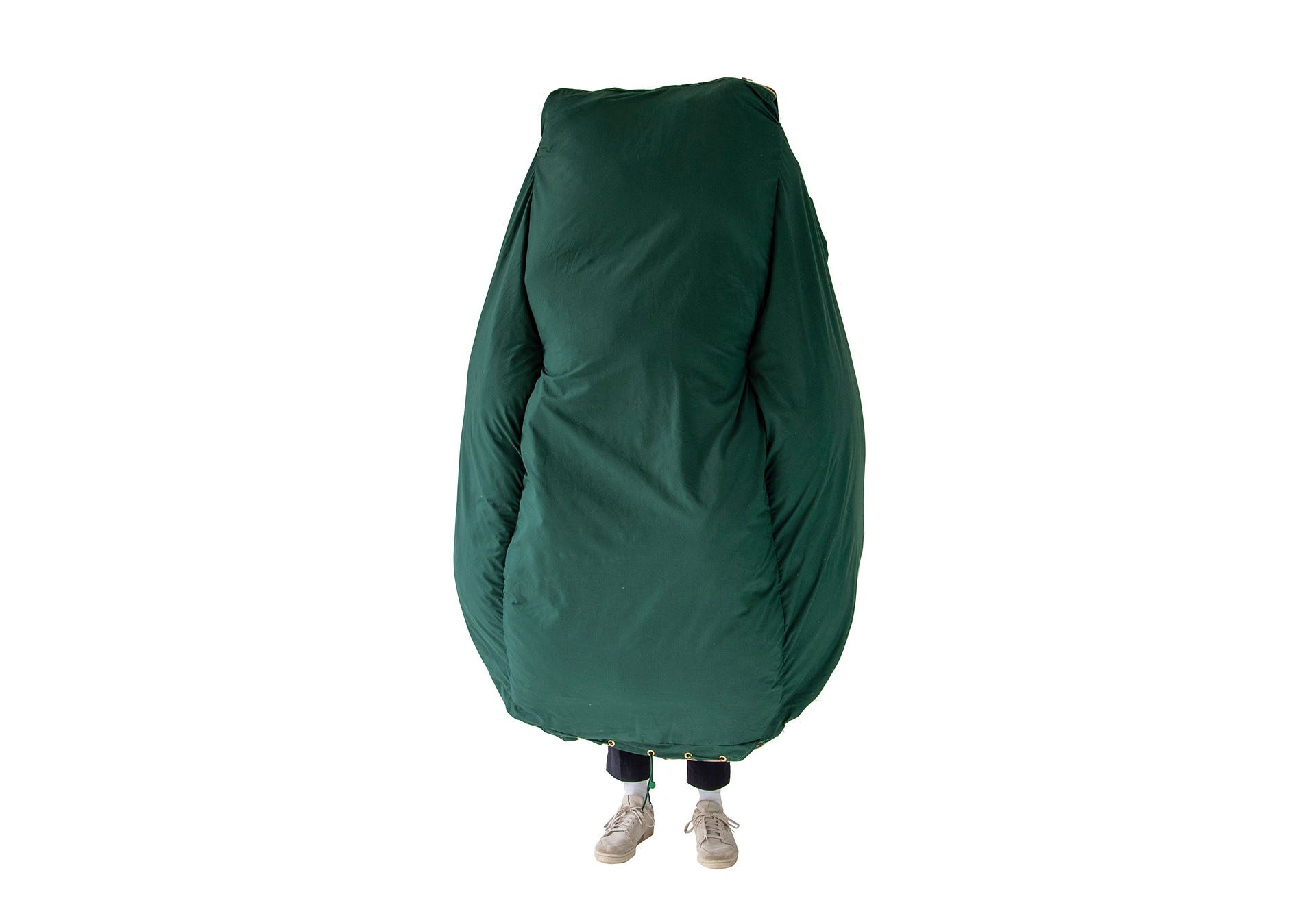
PM: I don’t see it as a “need”; I just feel that collectible design allows me to do a lot of experimentation, and it also allows me to come across new ideas that are unusual and interesting for industrial design.
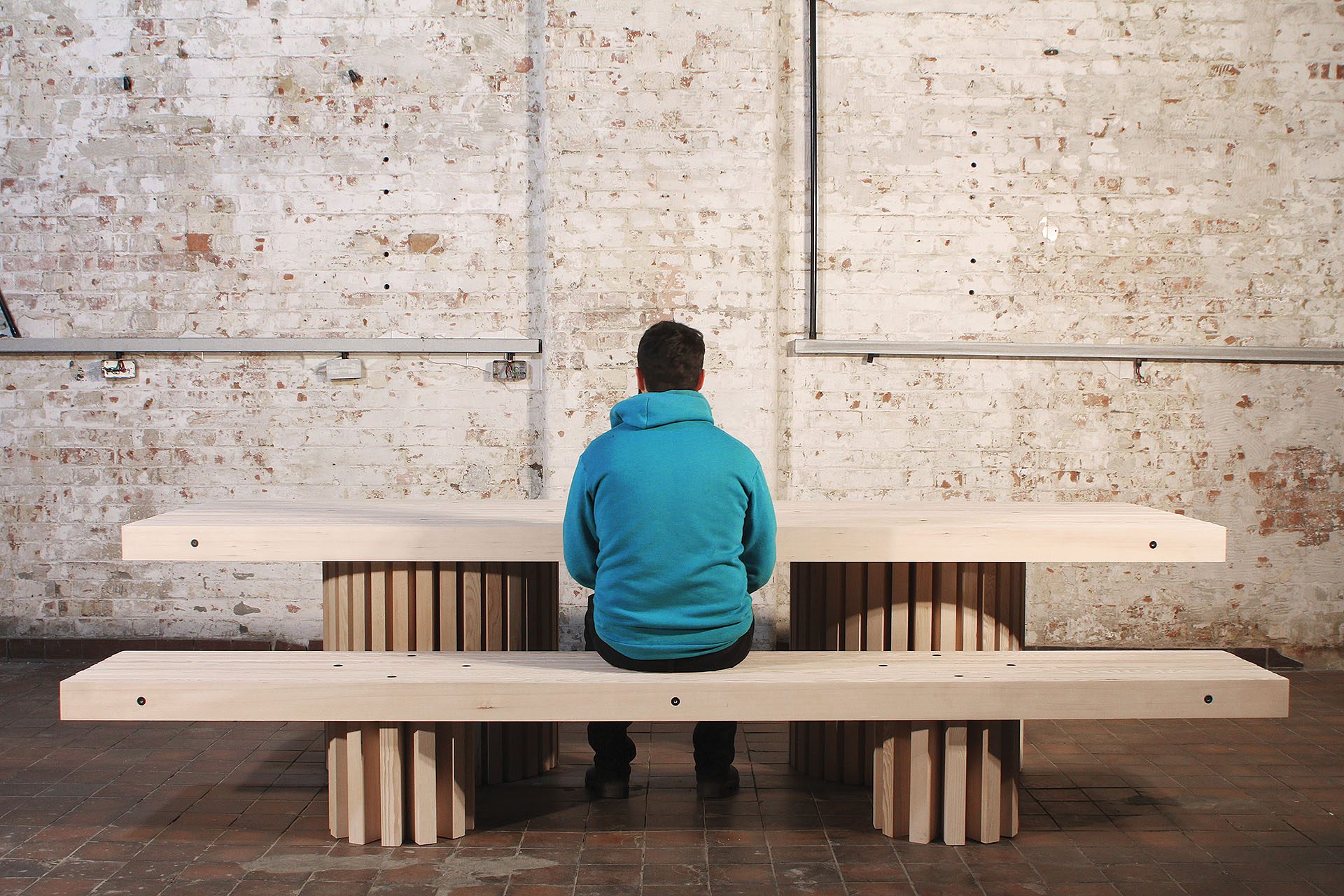
The interview was first published in print in Apartments 2022, the annual international edition of ek Architectural Publications.
https://ek-mag.com/wp-content/uploads/2026/11/Philippe_Malouin-web.jpg
https://ek-mag.com/wp-content/uploads/2026/11/B09C3433-R-web.jpg
https://ek-mag.com/wp-content/uploads/2026/11/Cafe-Chair-by-Philippe-Malouin-for-Ishinomaki-Laboratory-X-SCP-1-web.jpg
https://ek-mag.com/wp-content/uploads/2026/11/Gridlock-Sconce_for_Roll_and_Hill-web.jpg
https://ek-mag.com/wp-content/uploads/2026/11/RH_Gridlock_1912_Brass_32041-web.jpg
https://ek-mag.com/wp-content/uploads/2026/11/RH-Showroom-08-18_POLE_082-web.jpg
https://ek-mag.com/wp-content/uploads/2026/11/RH_FLOORtoFLOOR_024-CR02-web.jpg
https://ek-mag.com/wp-content/uploads/2026/11/NP-Philippe-Malouin-20-web.jpg
https://ek-mag.com/wp-content/uploads/2026/11/NP-Philippe-Malouin-7-web.jpg
https://ek-mag.com/wp-content/uploads/2026/11/200828_DeSede_0232_HR_V2-web.jpg
https://ek-mag.com/wp-content/uploads/2026/11/NP-Philippe-Malouin-9-web.jpg
https://ek-mag.com/wp-content/uploads/2026/11/Iittala_2020_Product_images_05_new_02-web.jpg
https://ek-mag.com/wp-content/uploads/2026/11/1to4bowl-web.jpg
https://ek-mag.com/wp-content/uploads/2026/11/PRESS_MIRROR_01_SQUARE-web.jpg
https://ek-mag.com/wp-content/uploads/2026/11/Puffer-armchair-by-Philippe-Malouin-final6-web.jpg
https://ek-mag.com/wp-content/uploads/2026/11/Puffer-second-cover-2-web.jpg
https://ek-mag.com/wp-content/uploads/2026/11/slat_table_1_photocredit_eva_feldkamp-web.jpg
Related Posts