Dermatology Clinic in Thessaloniki
Interior Design:
Photography:

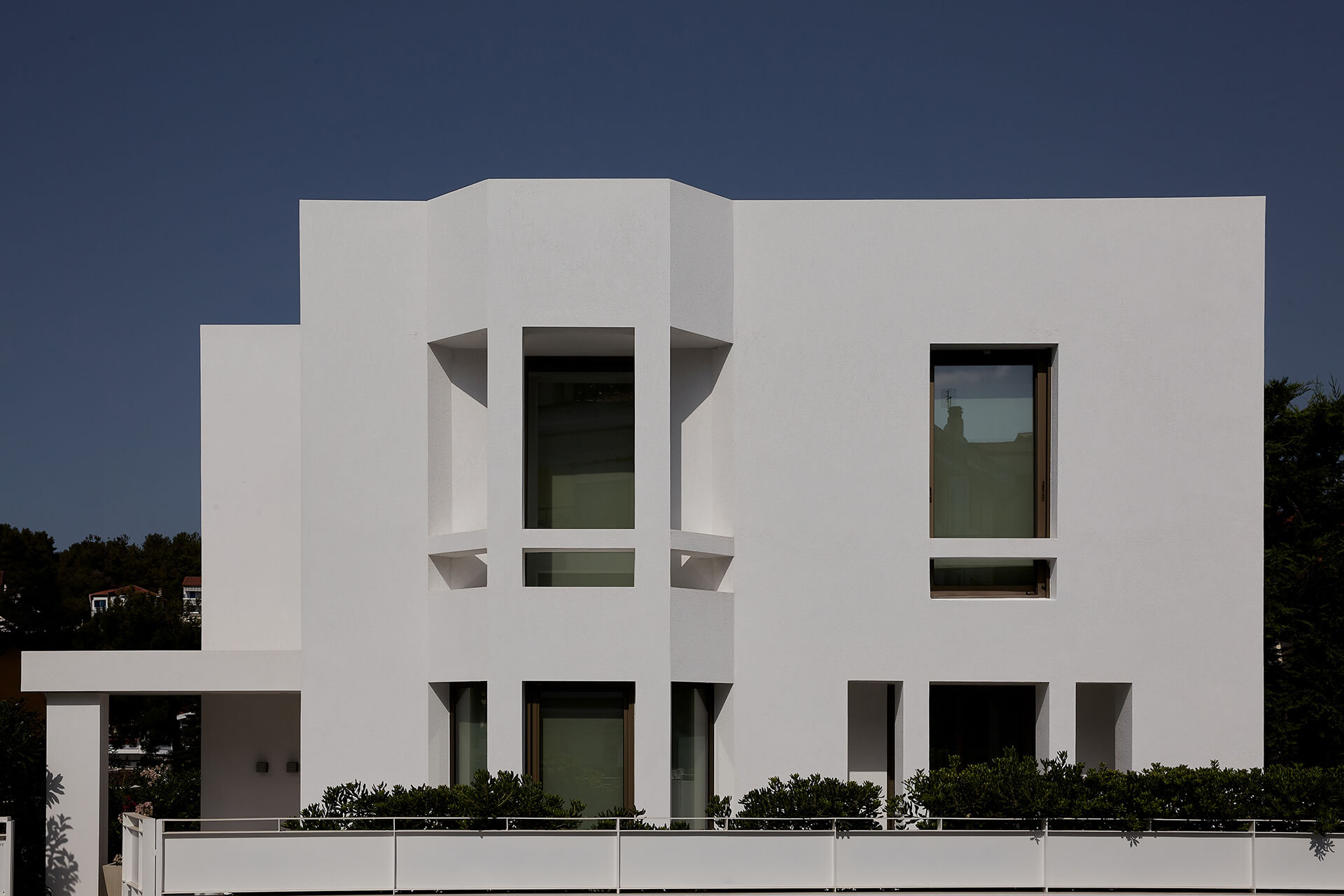
The aim of the project was the complete conversion of a residence originally designed in the early 1980s by architect N. Valsamakis. Located in Panorama, Thessaloniki, the building now accommodates the Siskou Derma Clinic, a contemporary dermatology center that seeks to redefine the typology of the medical space in Greece, creating an environment of refined familiarity, far removed from the conventions of the typical medical office.
Design Philosophy
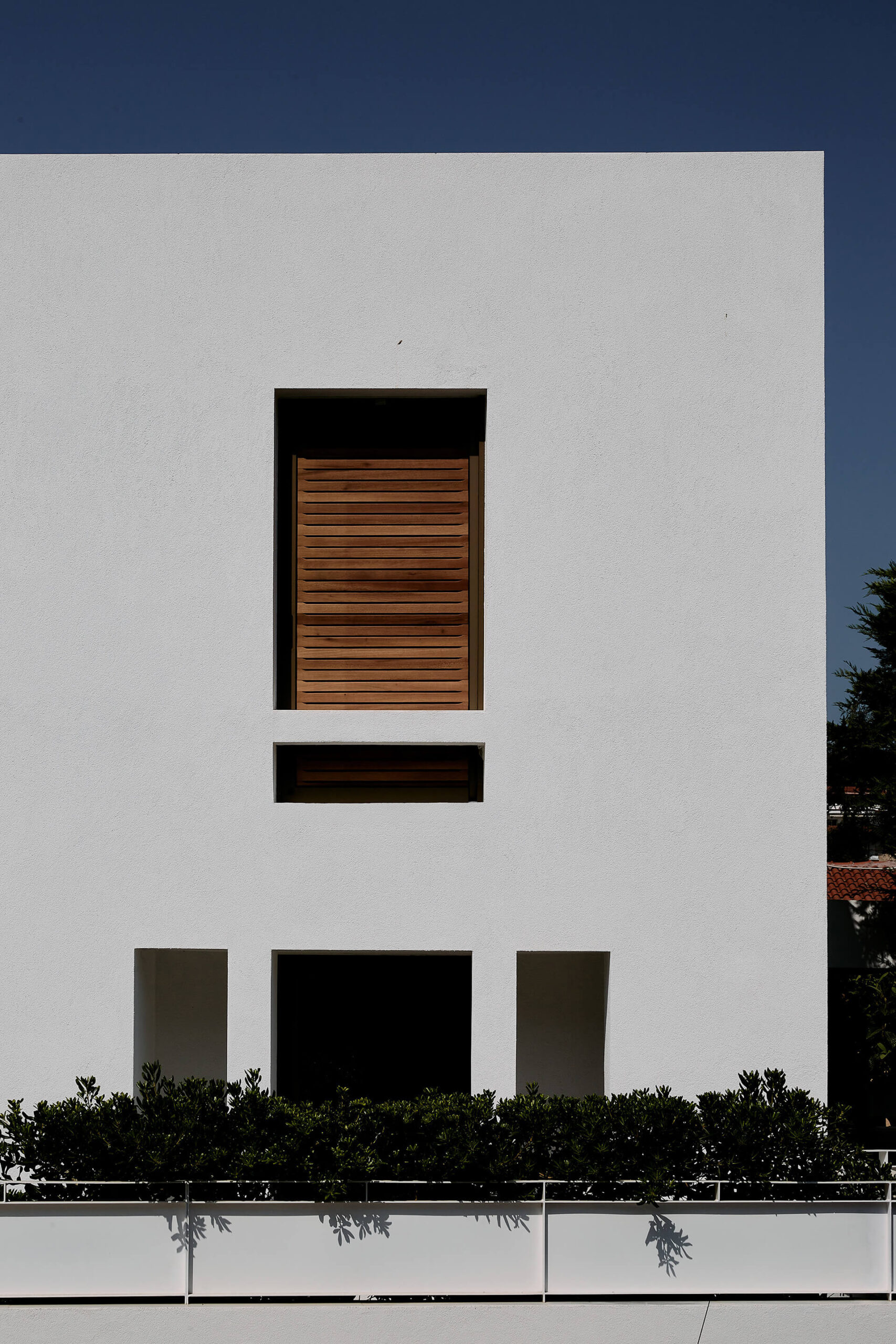
The original residence is a characteristic example of the modern movement in the city, defined by clear geometric compositions, balanced volumes and a striking white plaster finish that emphasizes the plasticity of its form. The intervention sought to preserve the architectural identity of the initial design while introducing new elements that ensure functional upgrading and spatial coherence.
The design strategy focused on reinterpreting the experience of a medical environment, drawing references from contemporary European clinic architecture. Through subtle interventions and a careful management of materials and proportions, the project achieves a balance between respecting the existing building and accommodating a new functional program.
Spatial Organization & Materials
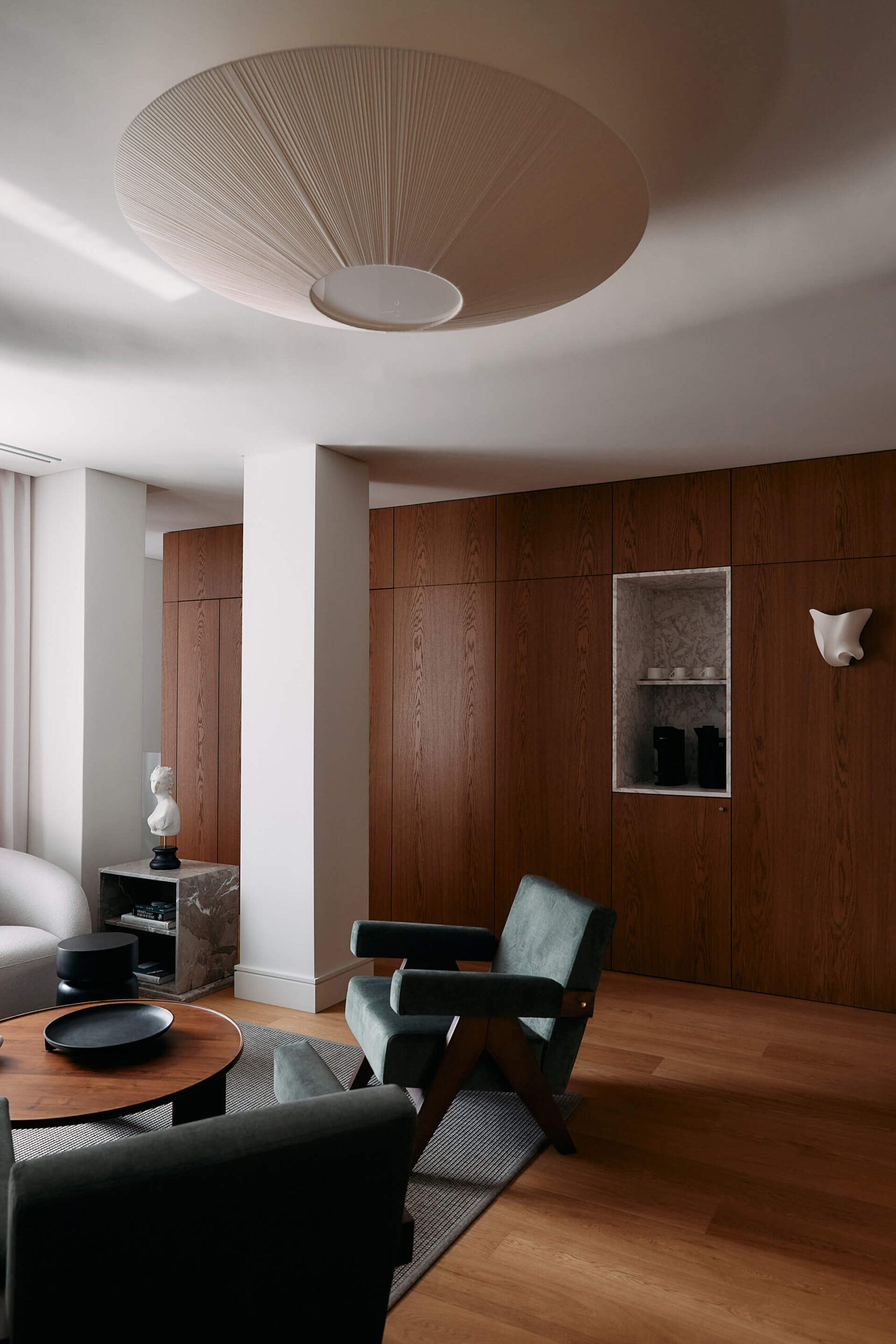
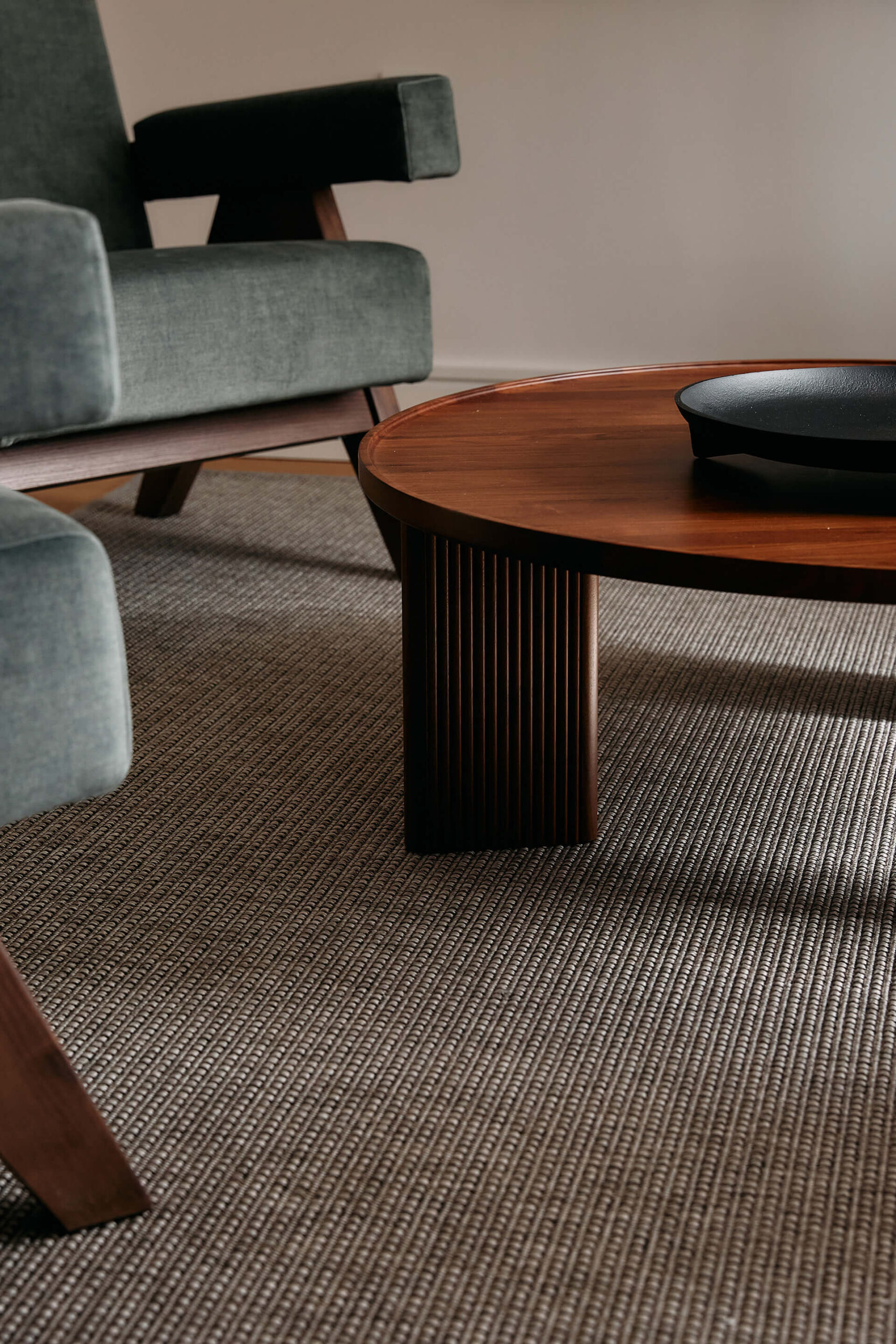
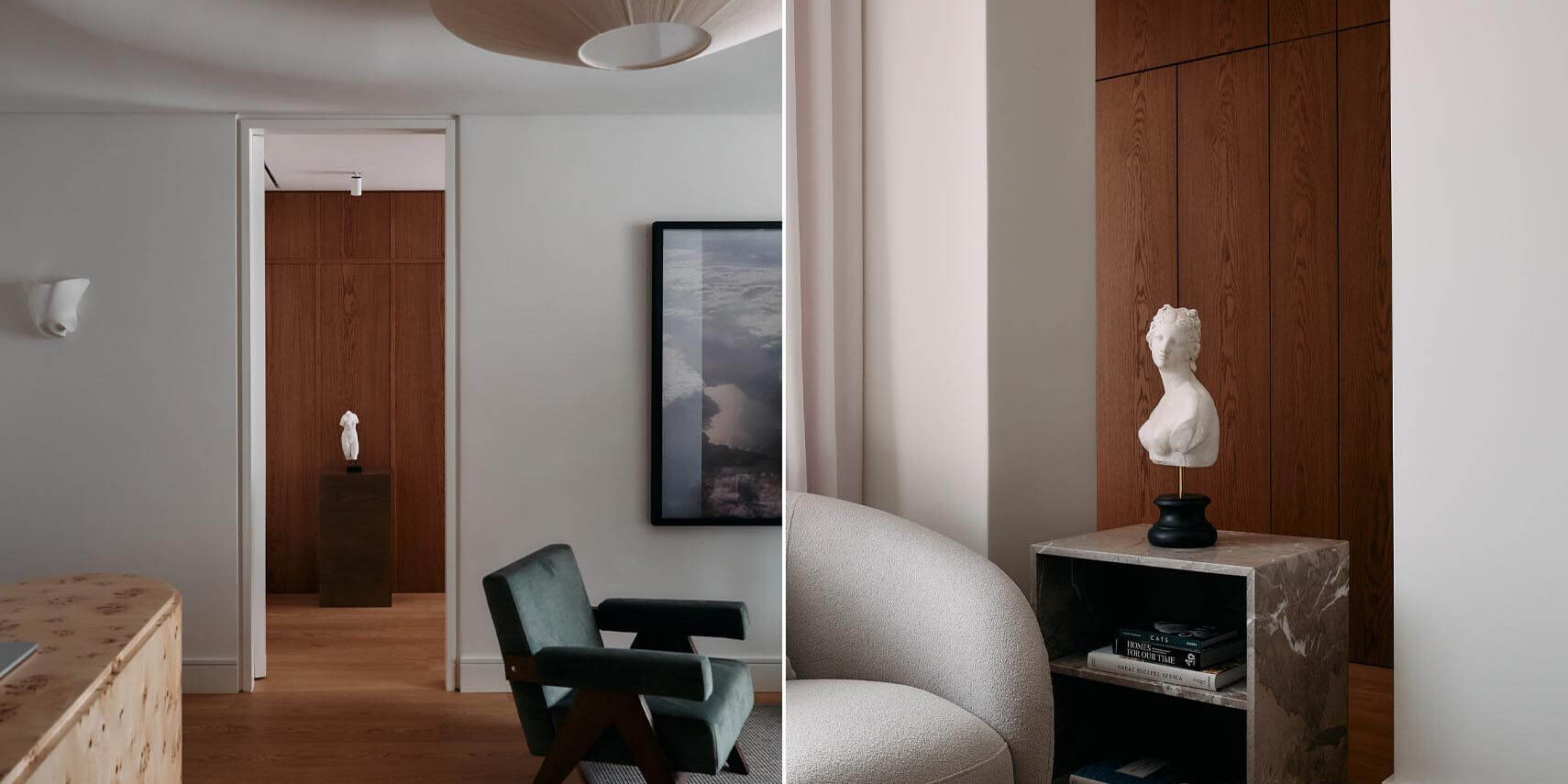
The interior environment is organized around the idea of domestic comfort, creating spaces that convey calmness and trust to visitors. The spatial atmosphere draws inspiration from refined modernism and the aesthetics of mid-century design, with materials and objects acting as key carriers of the overall ambiance.
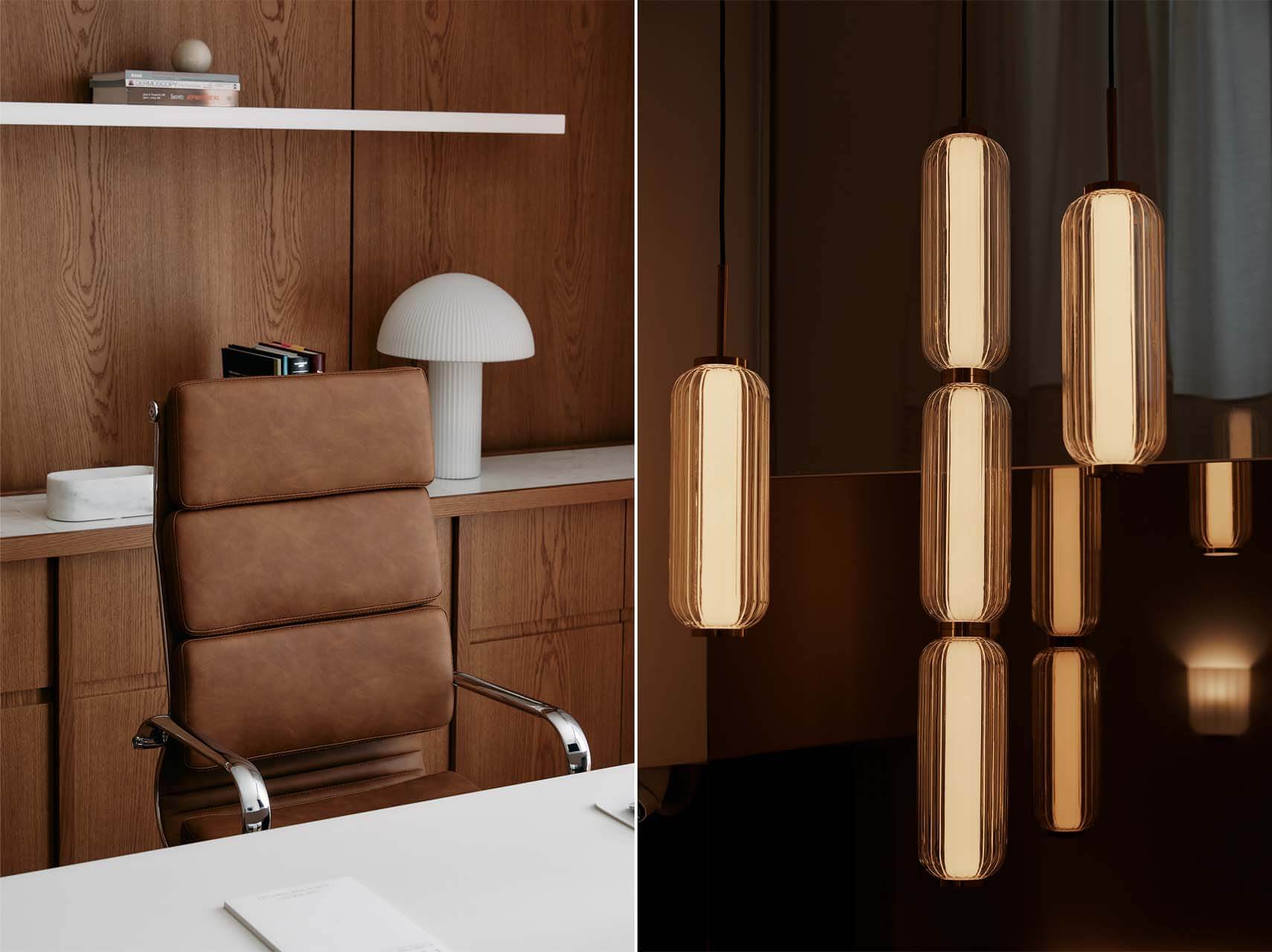
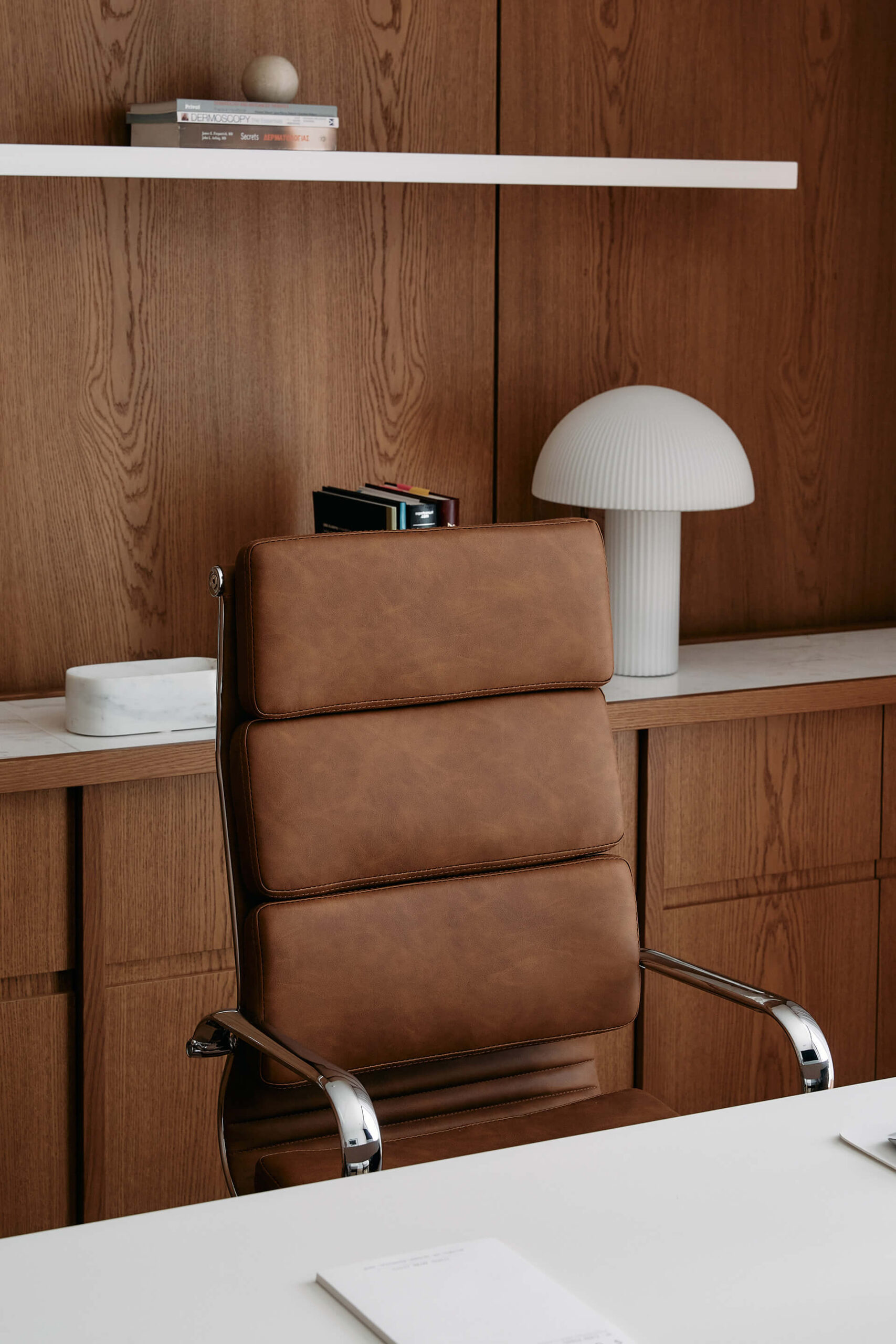
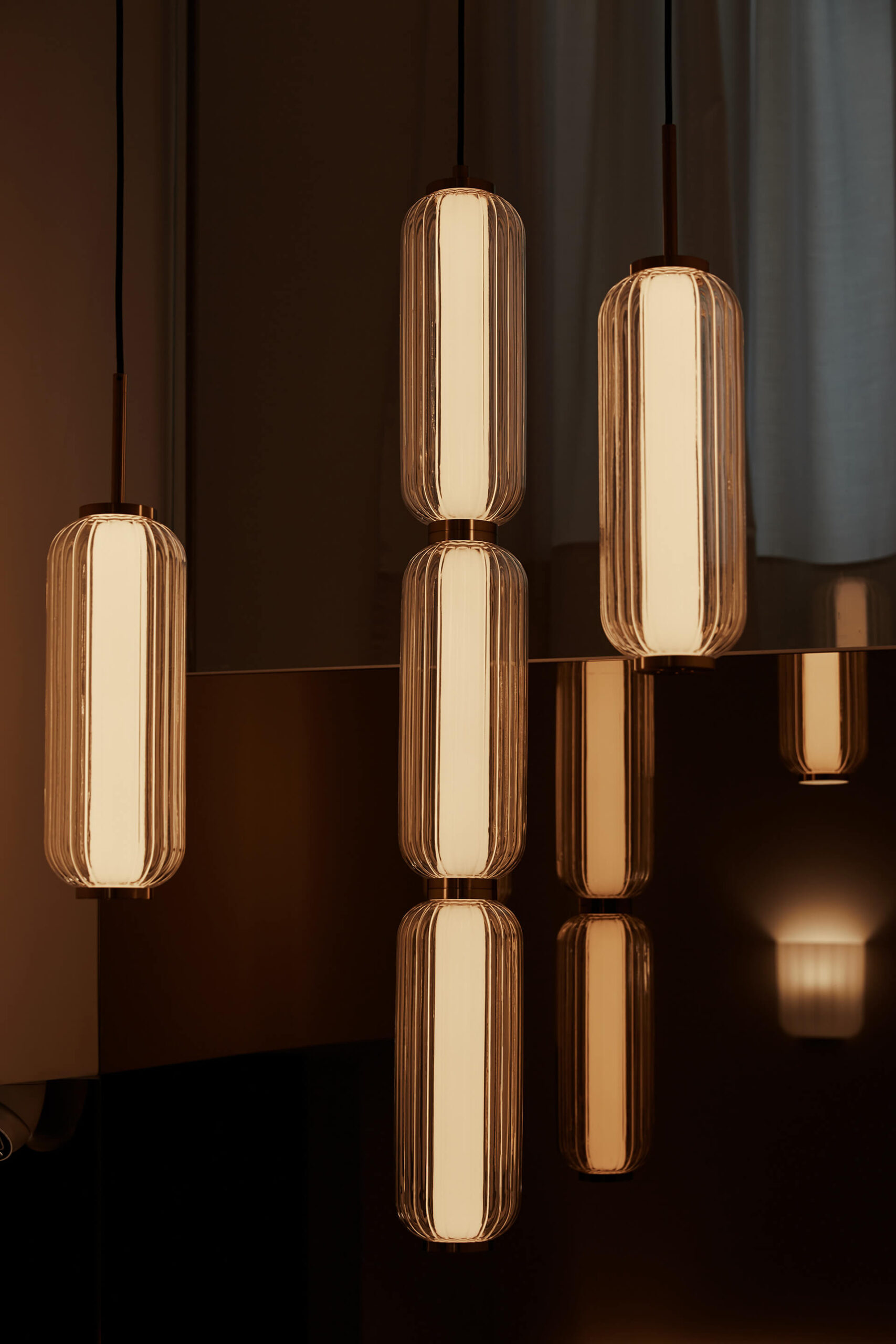
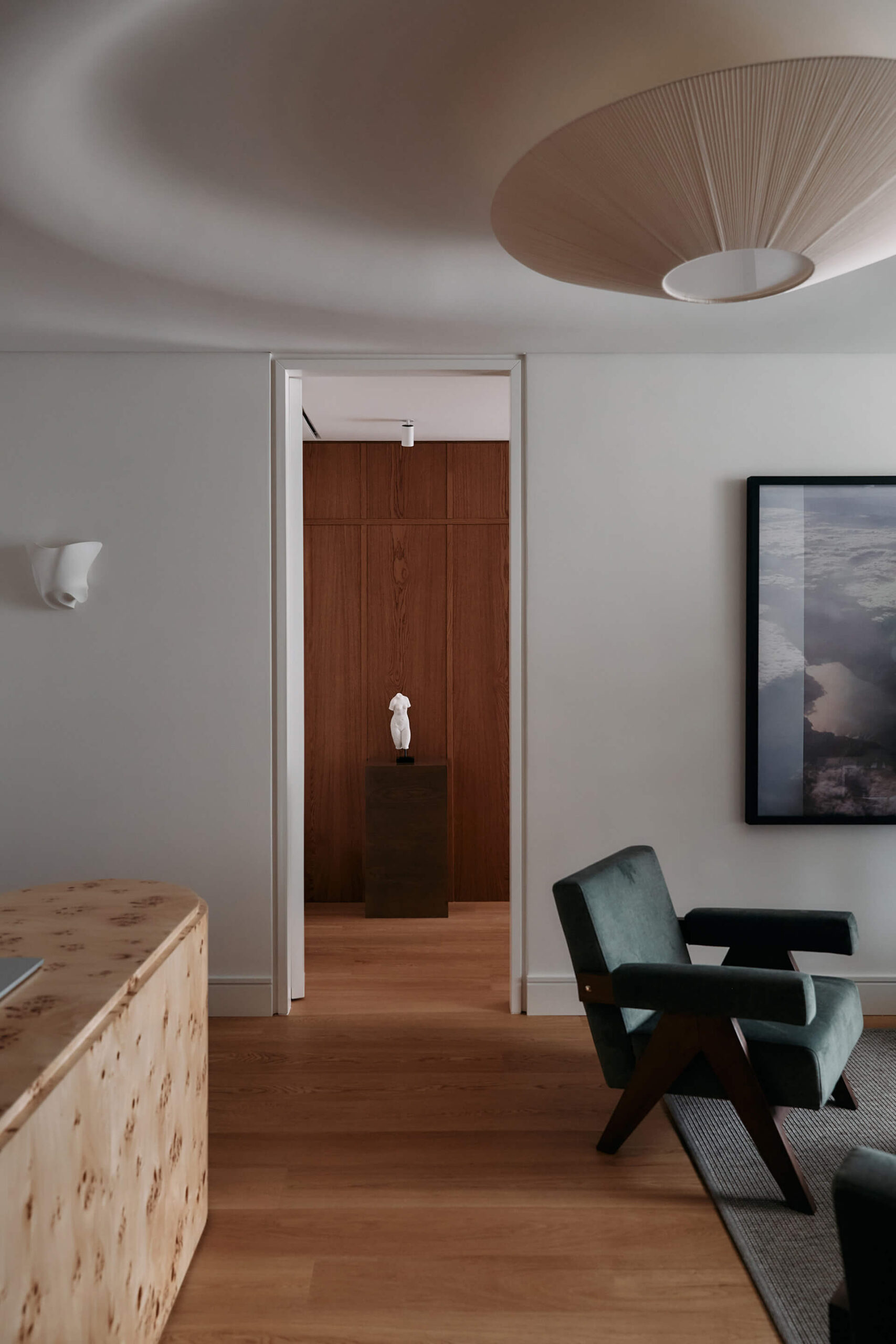
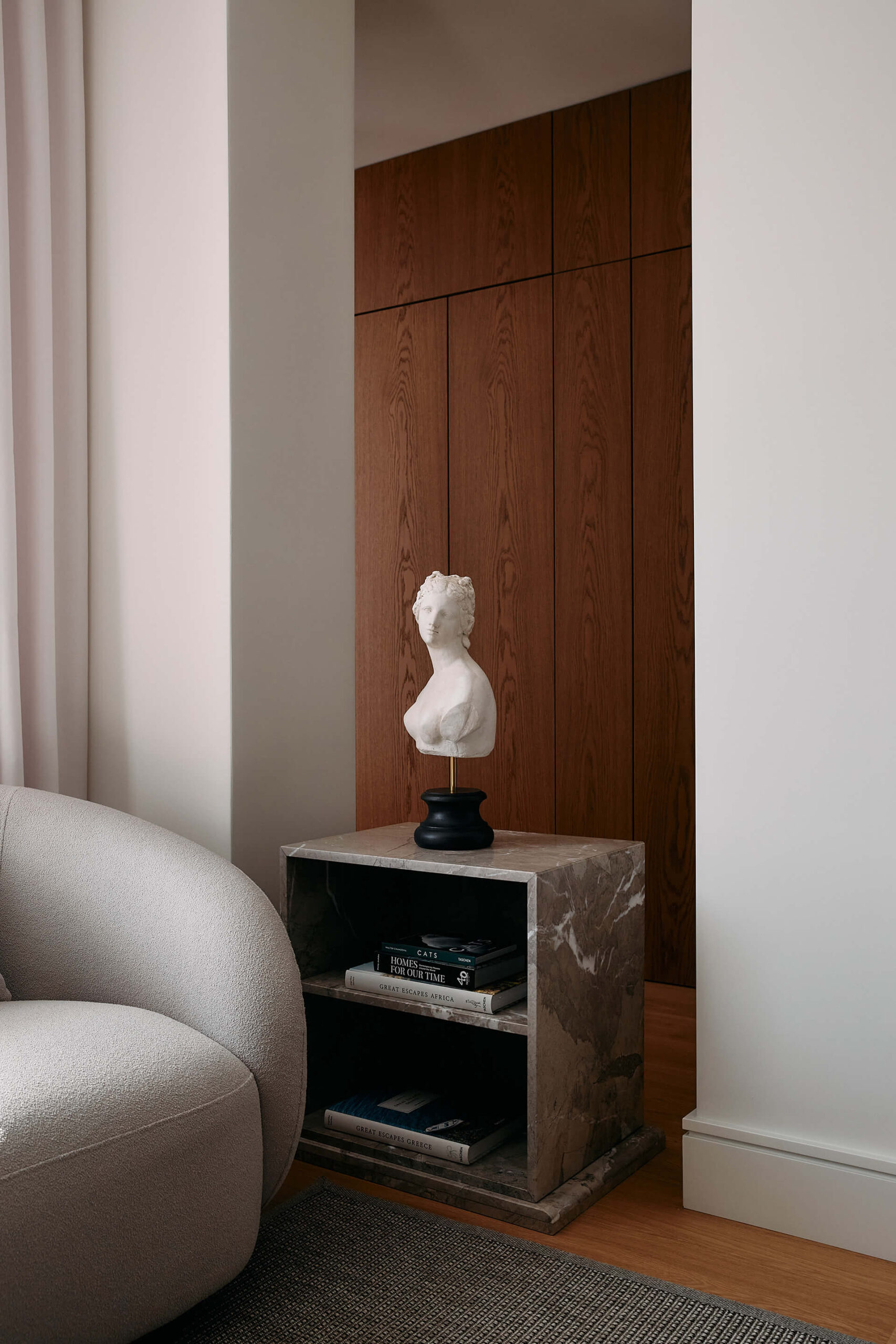
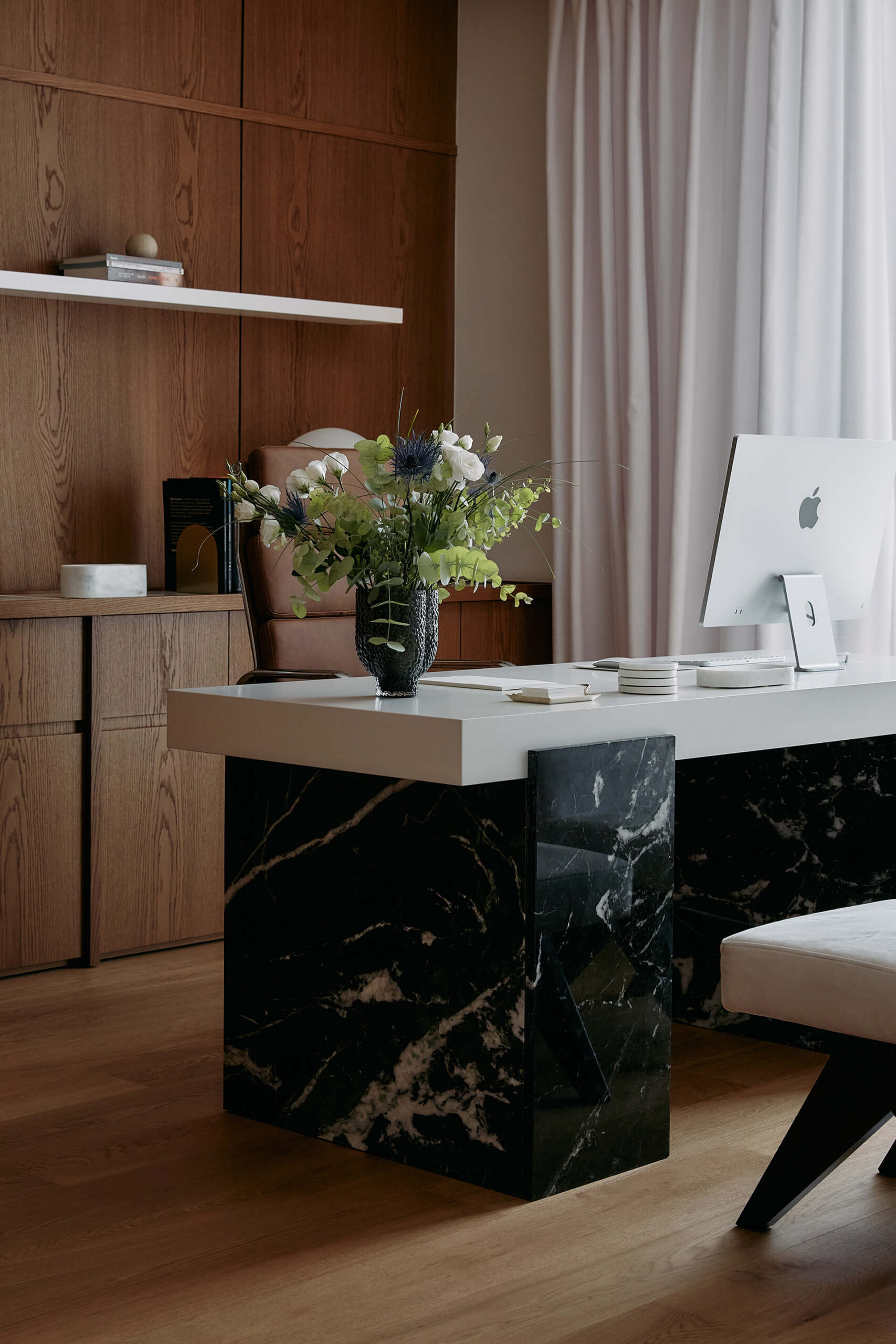
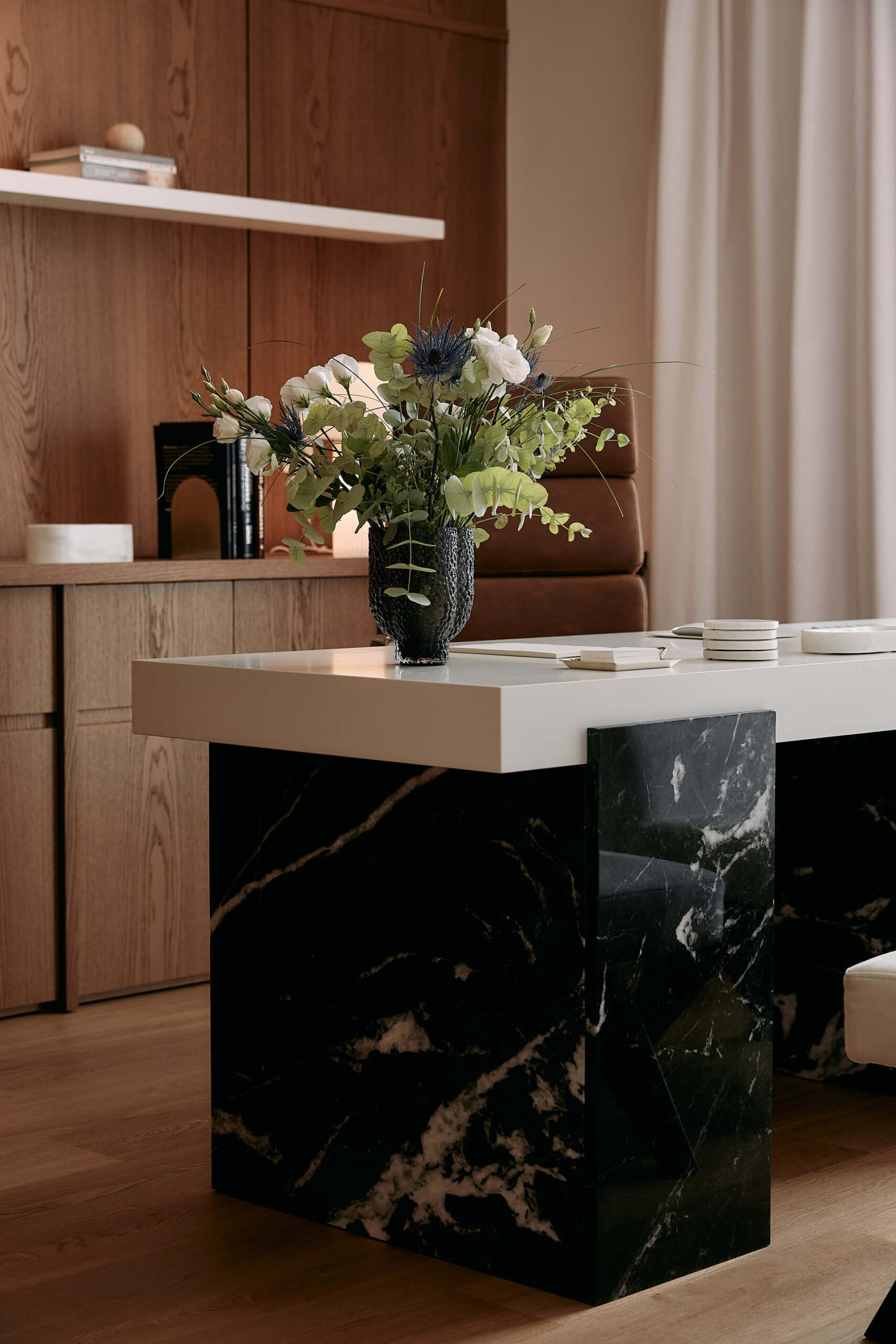
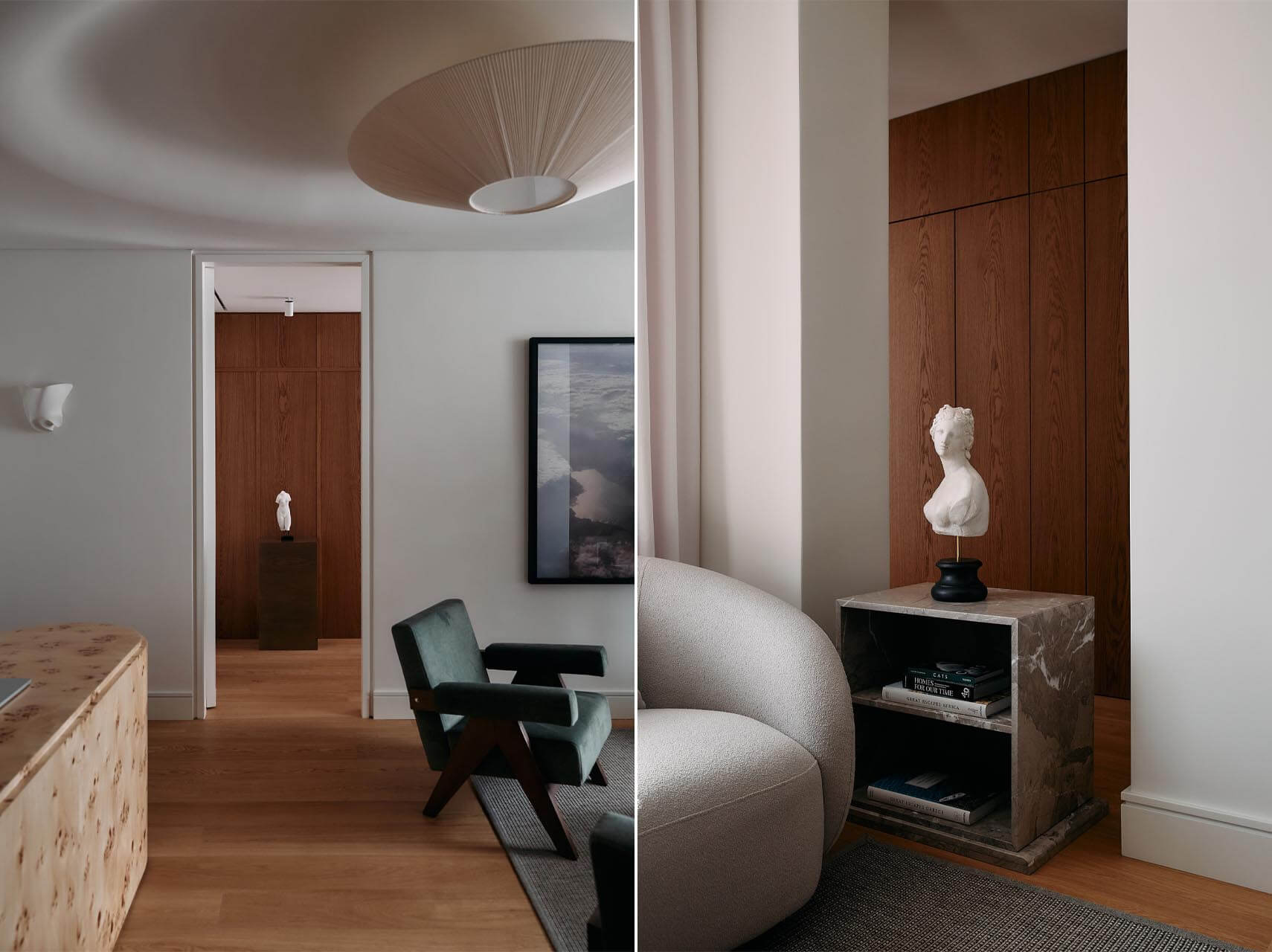
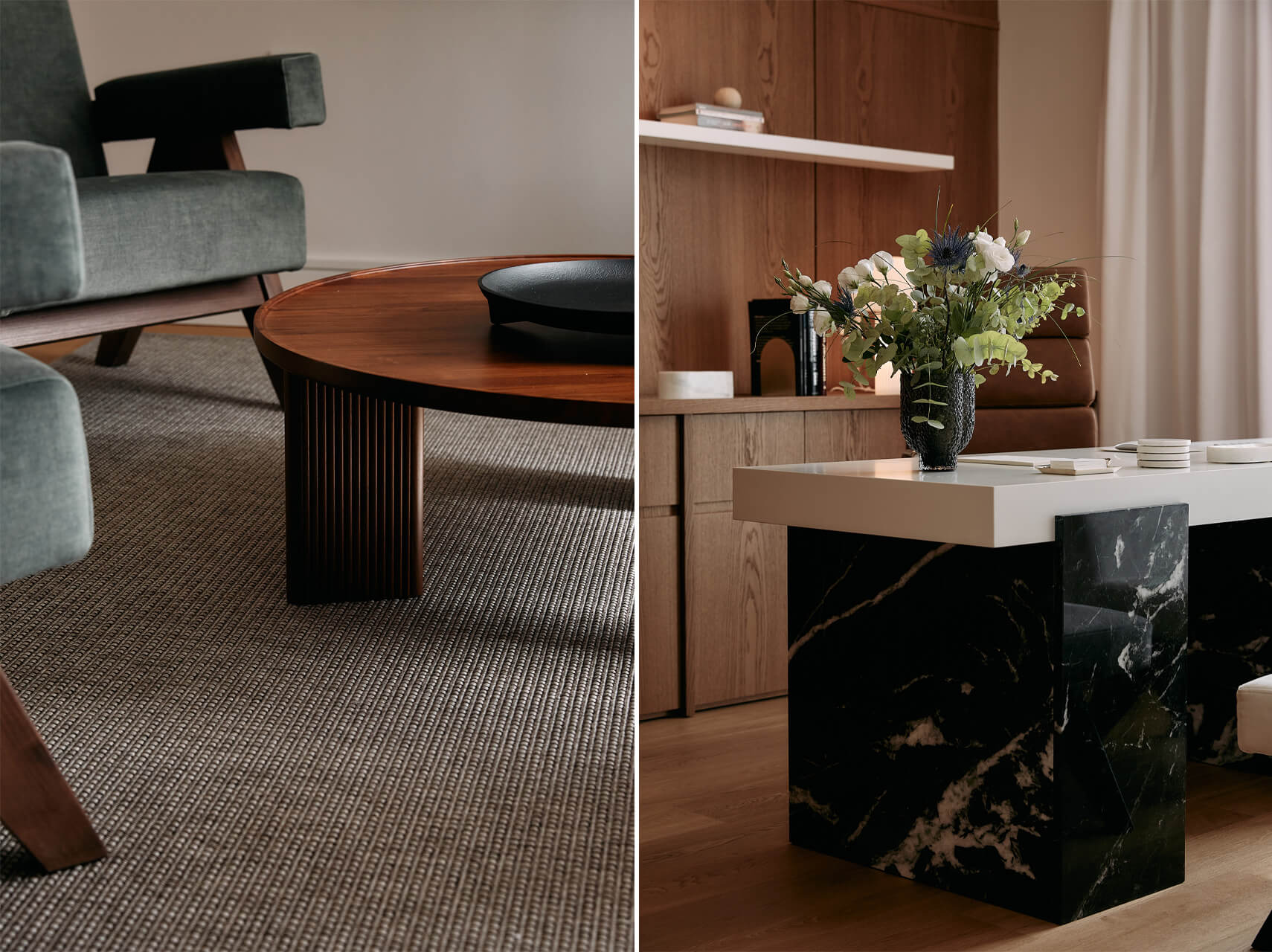
Oak wall paneling, velvet armchairs and carefully selected lighting fixtures compose a palette of materials and textures that expresses understated luxury. The composition remains strictly minimal, allowing the materials to stand out through their texture and natural presence without unnecessary formal gestures. Each object is carefully placed within the space, contributing to a coherent spatial experience defined by clean lines and balanced aesthetics.
Lighting Design
The scenography of the interior unfolds through subtle shifts of light, textures and visual focal points that guide the visitor’s movement through the space. Lighting operates as a primary tool for shaping the atmosphere.
The lighting design enhances the sense of privacy and comfort while simultaneously highlighting architectural surfaces and interior details. Through discreet lighting interventions, a balance is achieved between functionality and spatial experience.
The final spatial composition is complemented by selected artworks that are integrated into the architectural narrative of the project.