Forestone Cabin by IaaC in the Pyrenees
Photography:

An Ecological Shelter in the Pyrenees
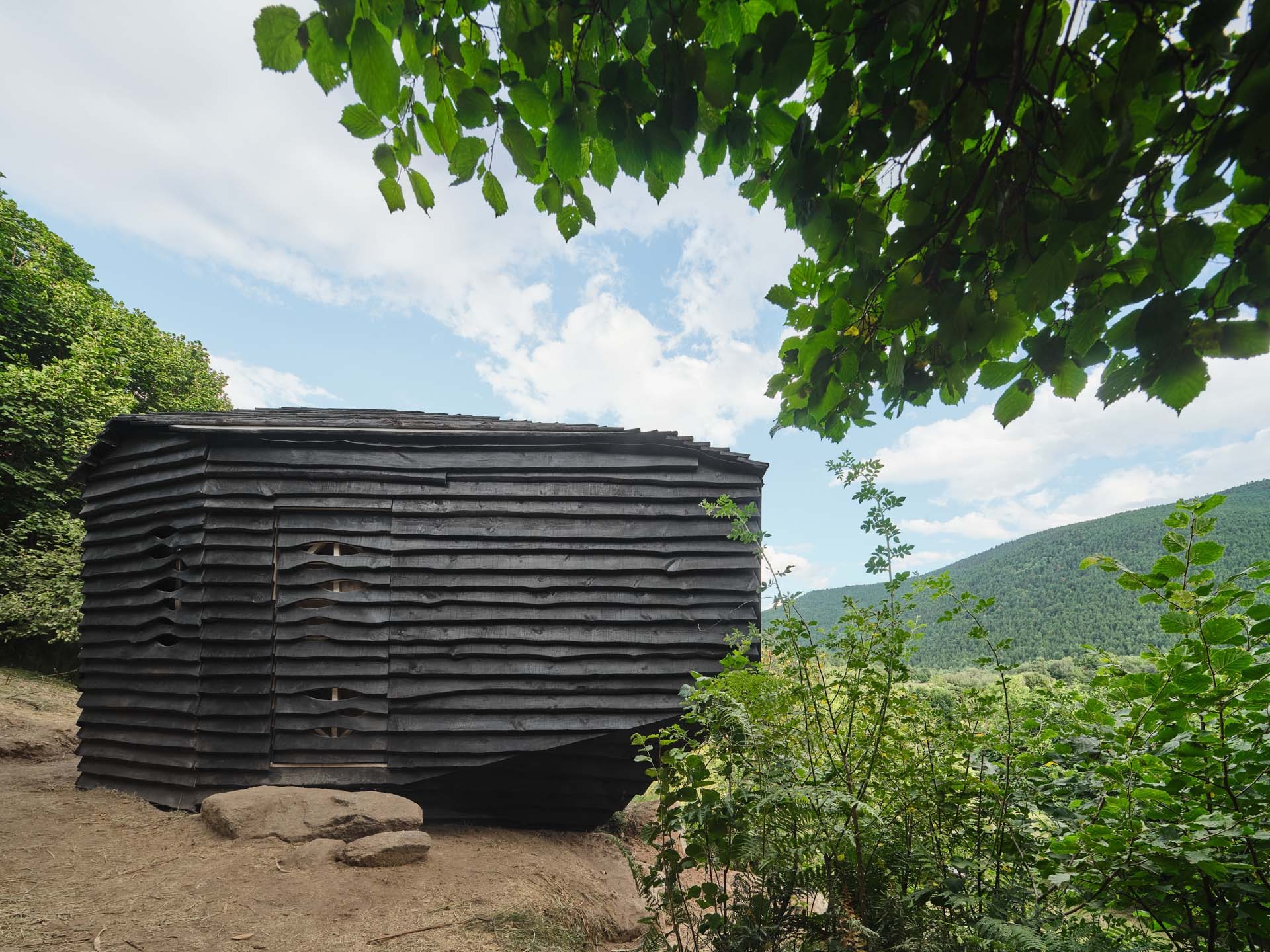
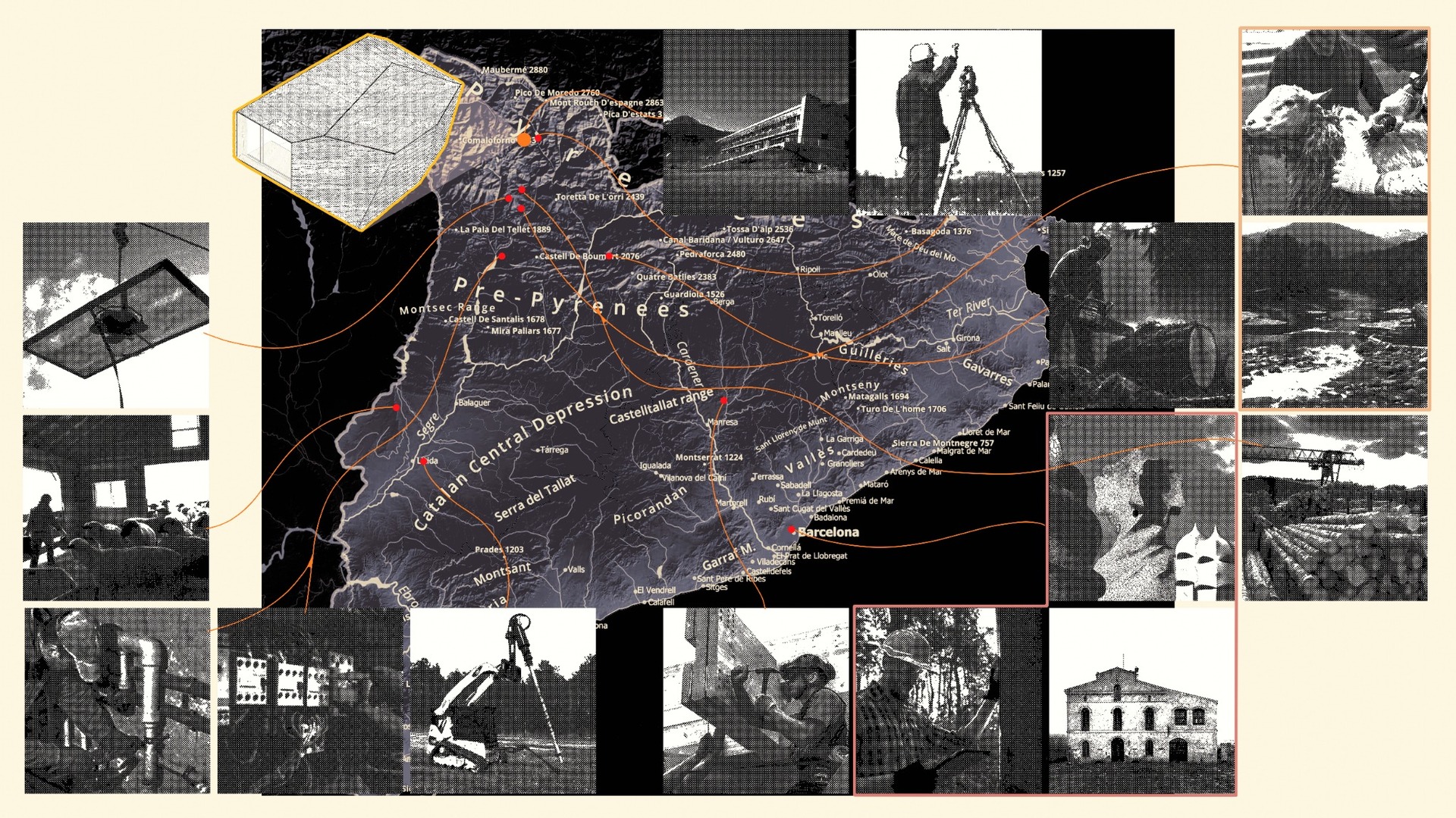
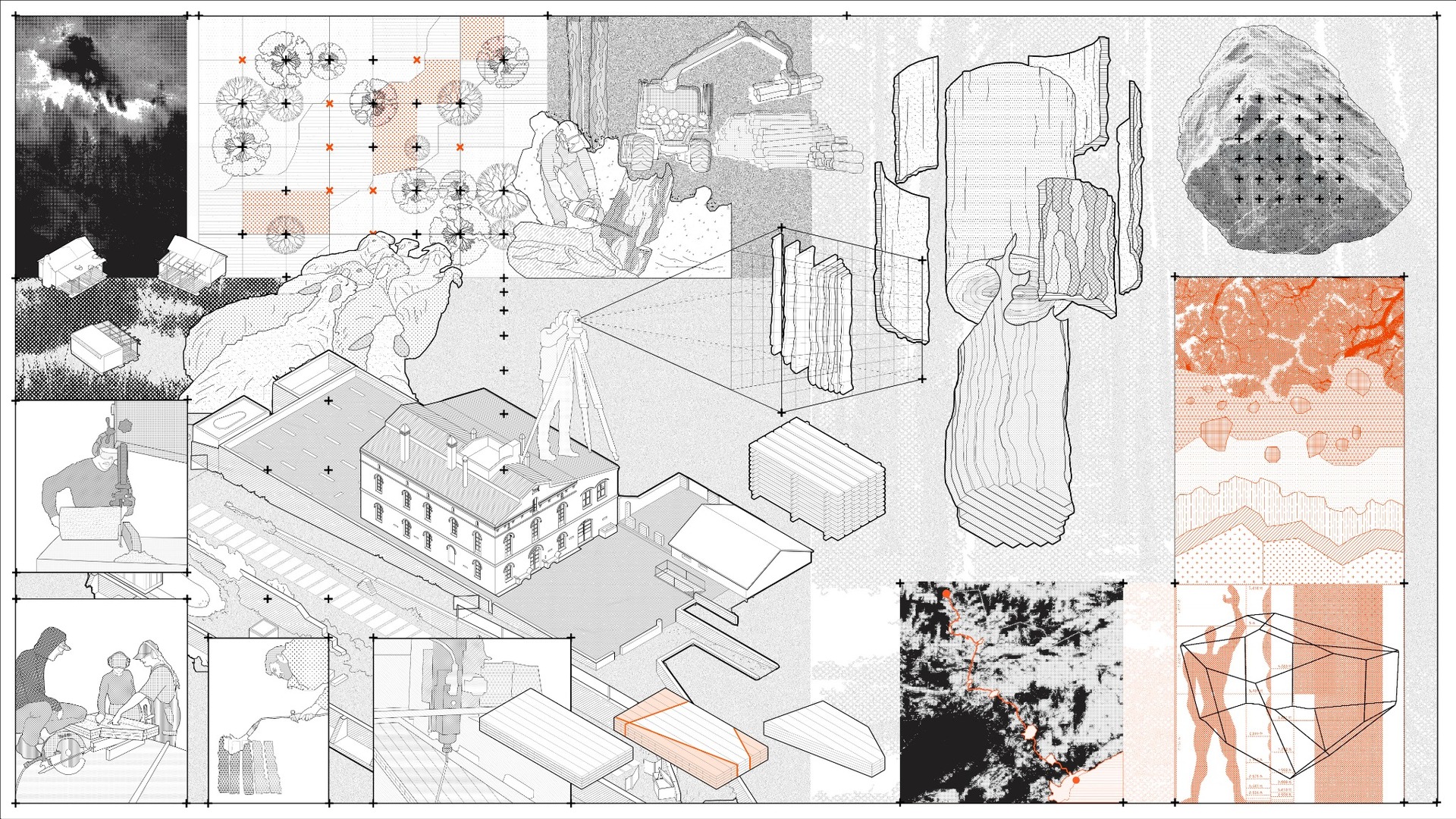
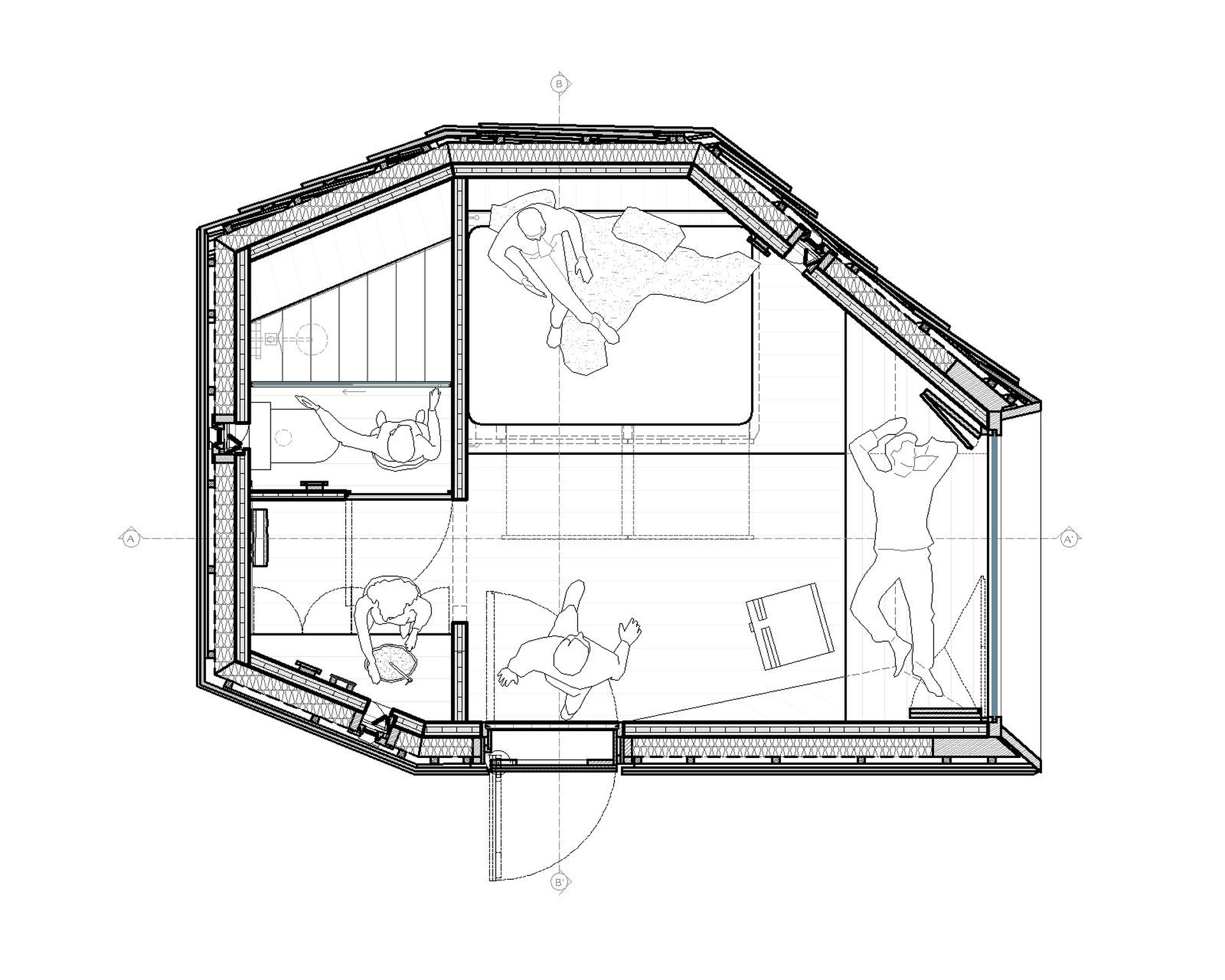
Forestone Cabin by the Institute for Advanced Architecture of Catalonia (IAAC) is a 20 sq.m. experimental wooden dwelling located at MónNatura Pirineu, in the Pyrenees. Designed and built by the 2025 cohort of IAAC’s Master in Ecological Architecture and Advanced Construction, the cabin forms part of the Bio for Piri initiative, which promotes regenerative forestry and the sustainable use of local timber from Pyrenean forests.
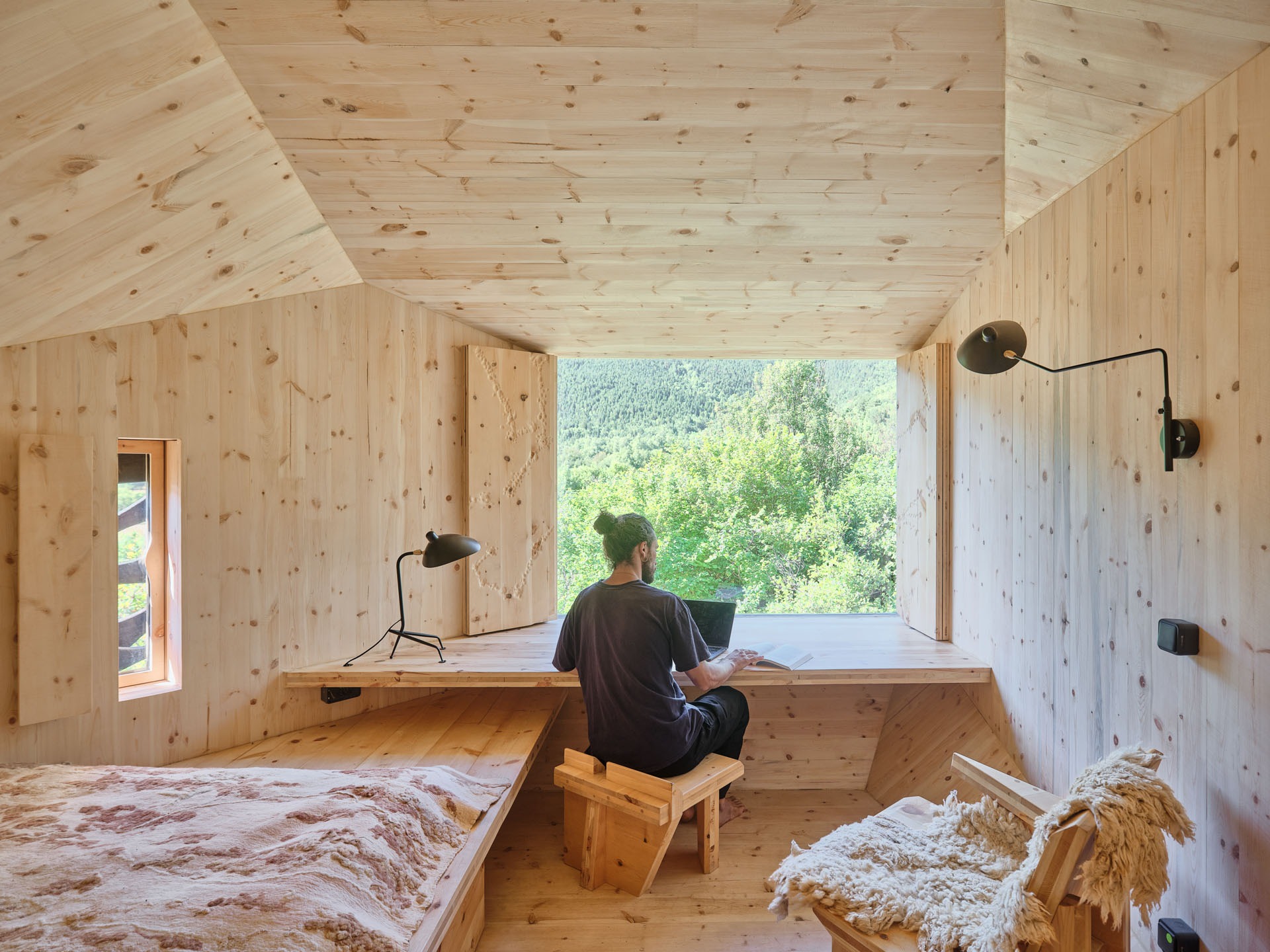
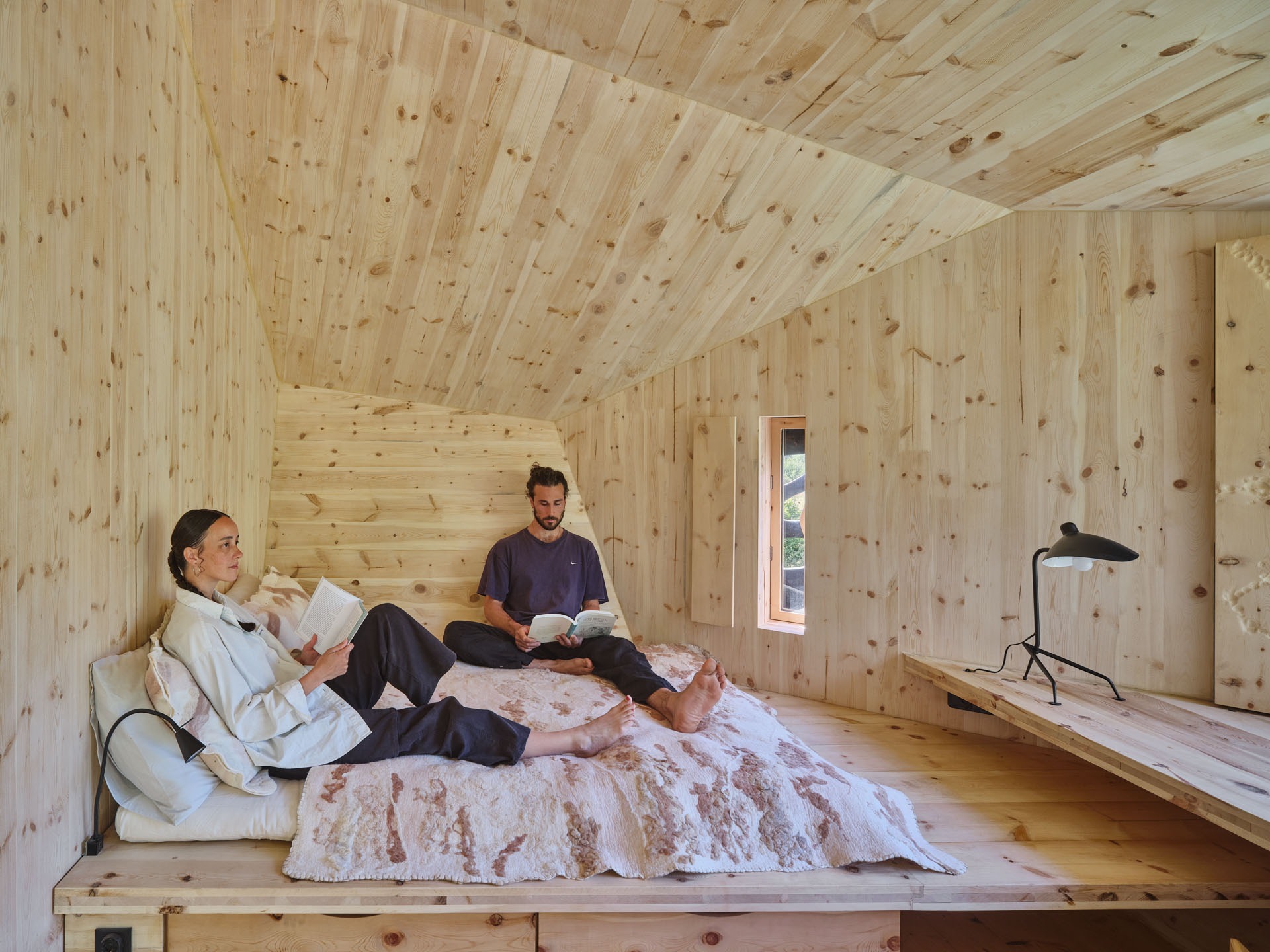
Led by Fundació Catalunya La Pedrera and funded by the Biodiversity Foundation with European Next Generation funds, the initiative focuses on forest management, local material cycles and the development of architecture as an ecological tool. Within this framework, Forestone operates as a student-built prototype, a research project and a small inhabitable structure for two people, including a sleeping area, workspace and bathroom.
A Resting Rock in the Landscape
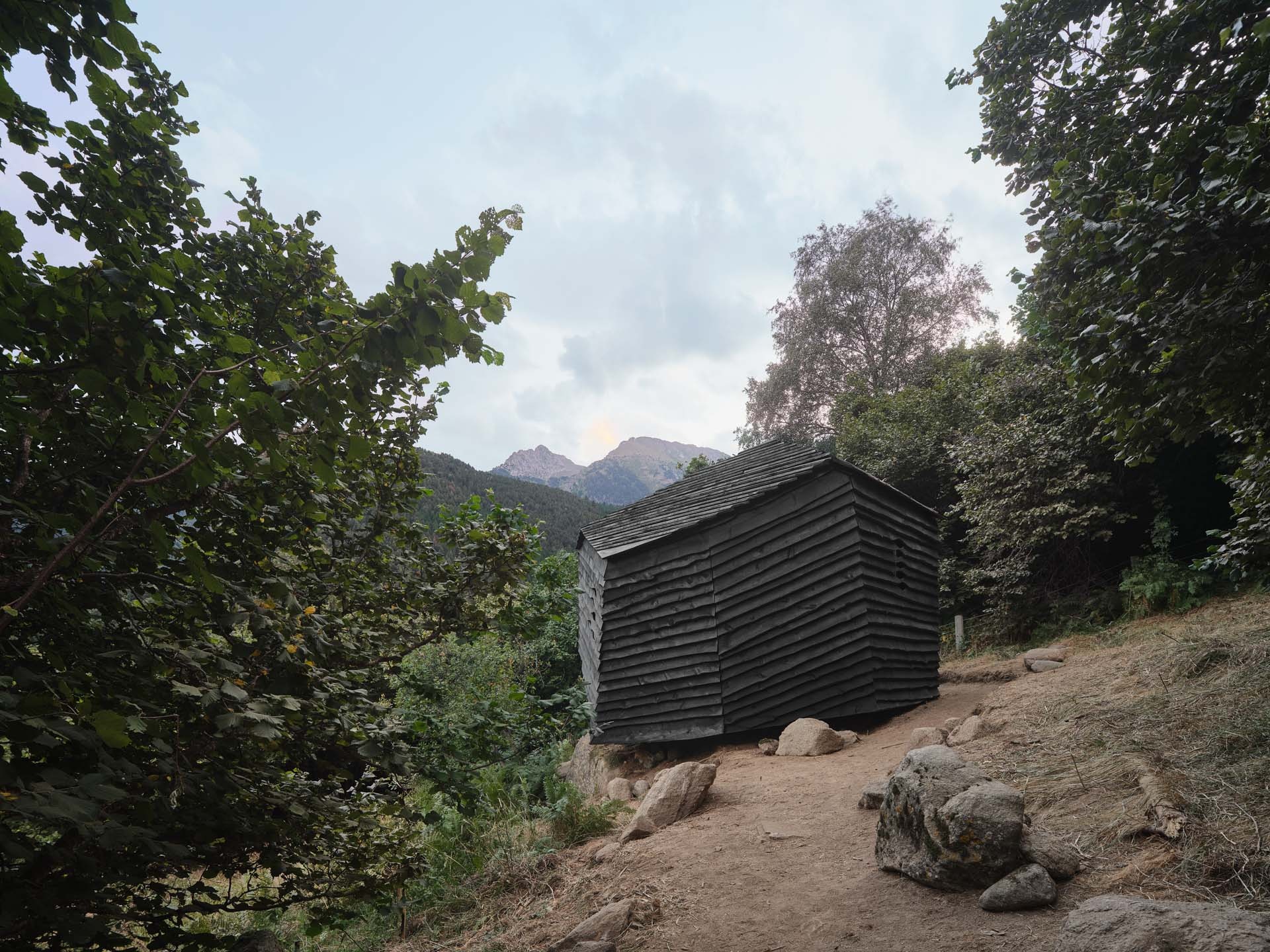
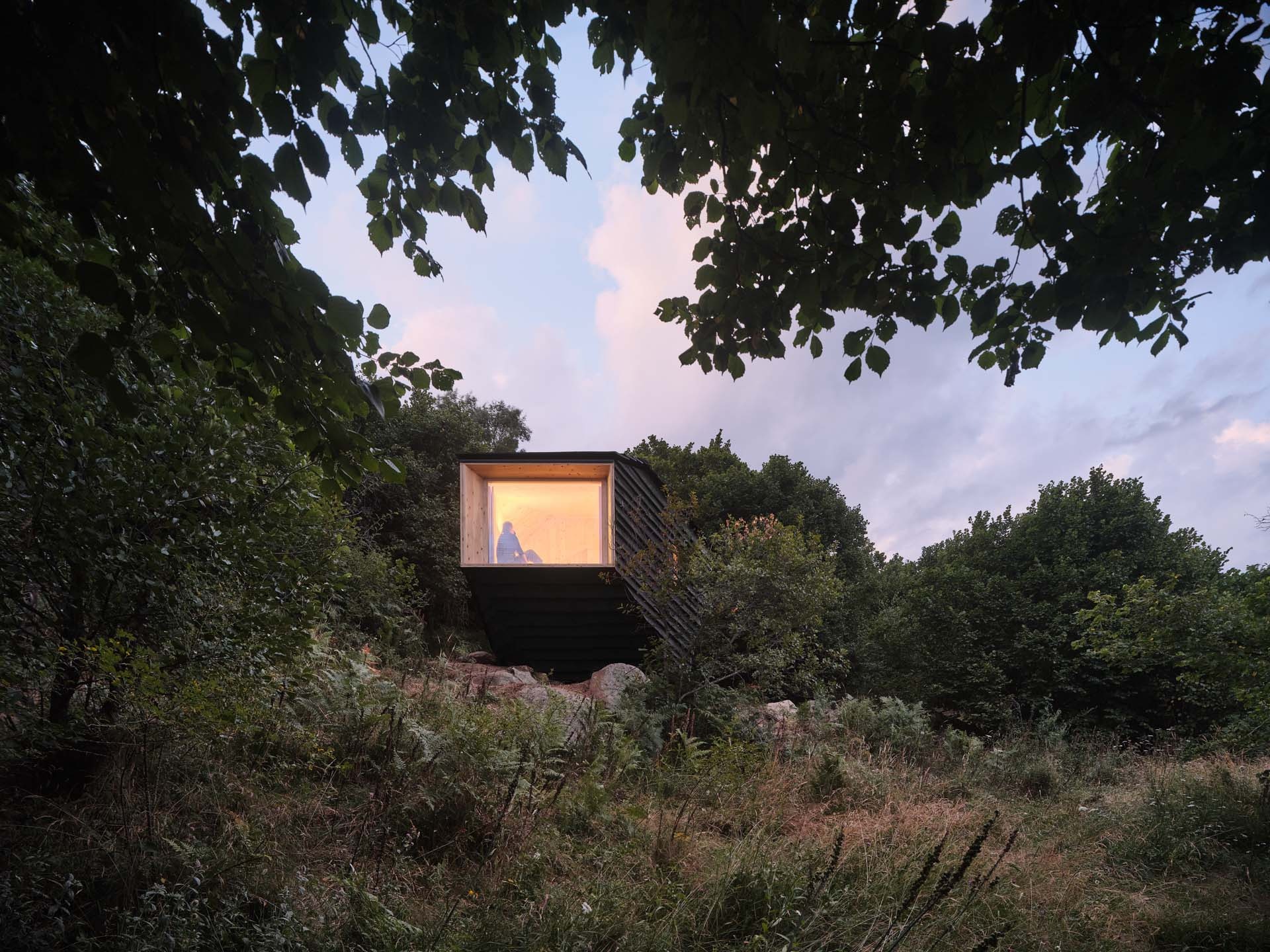
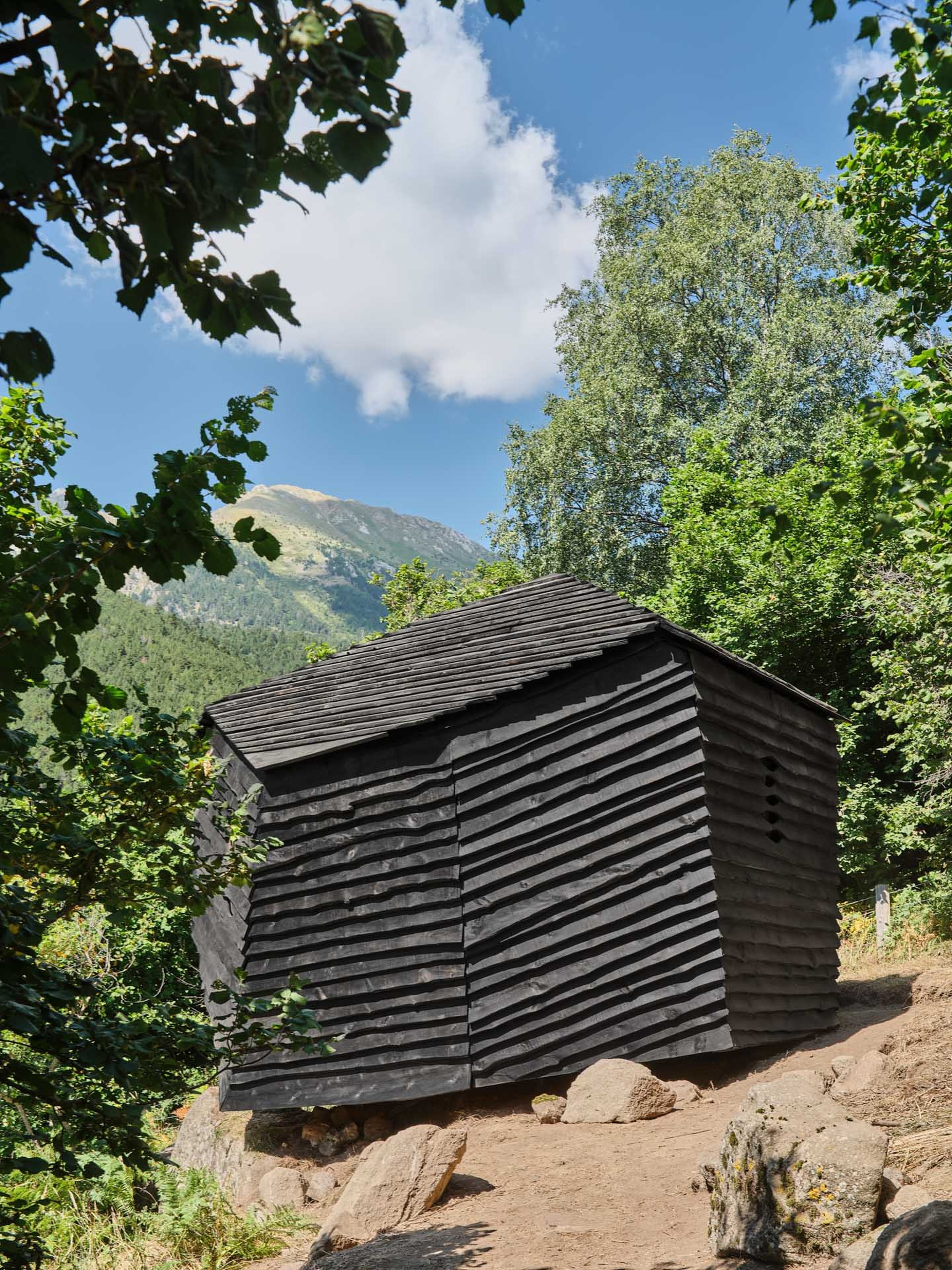
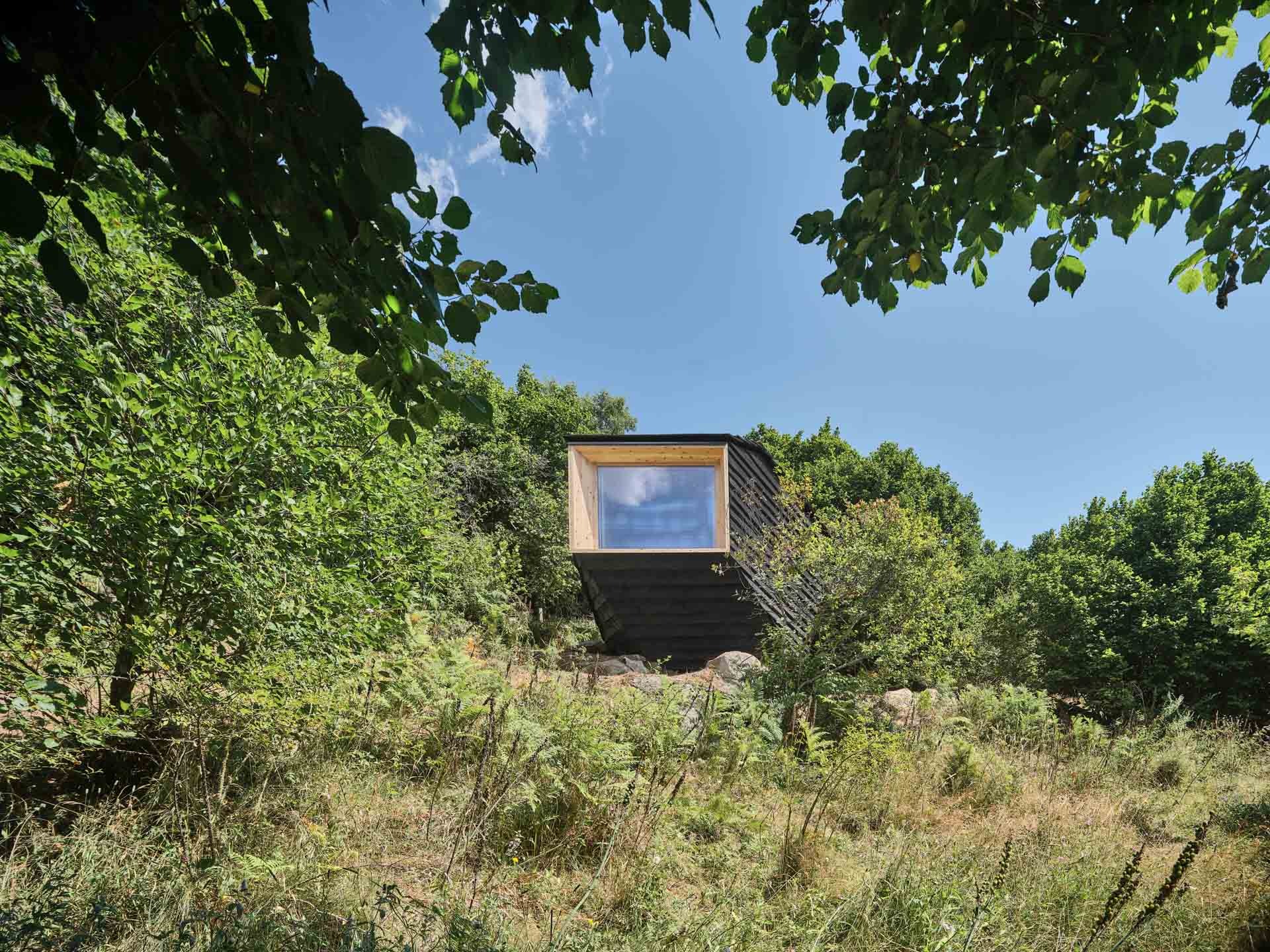
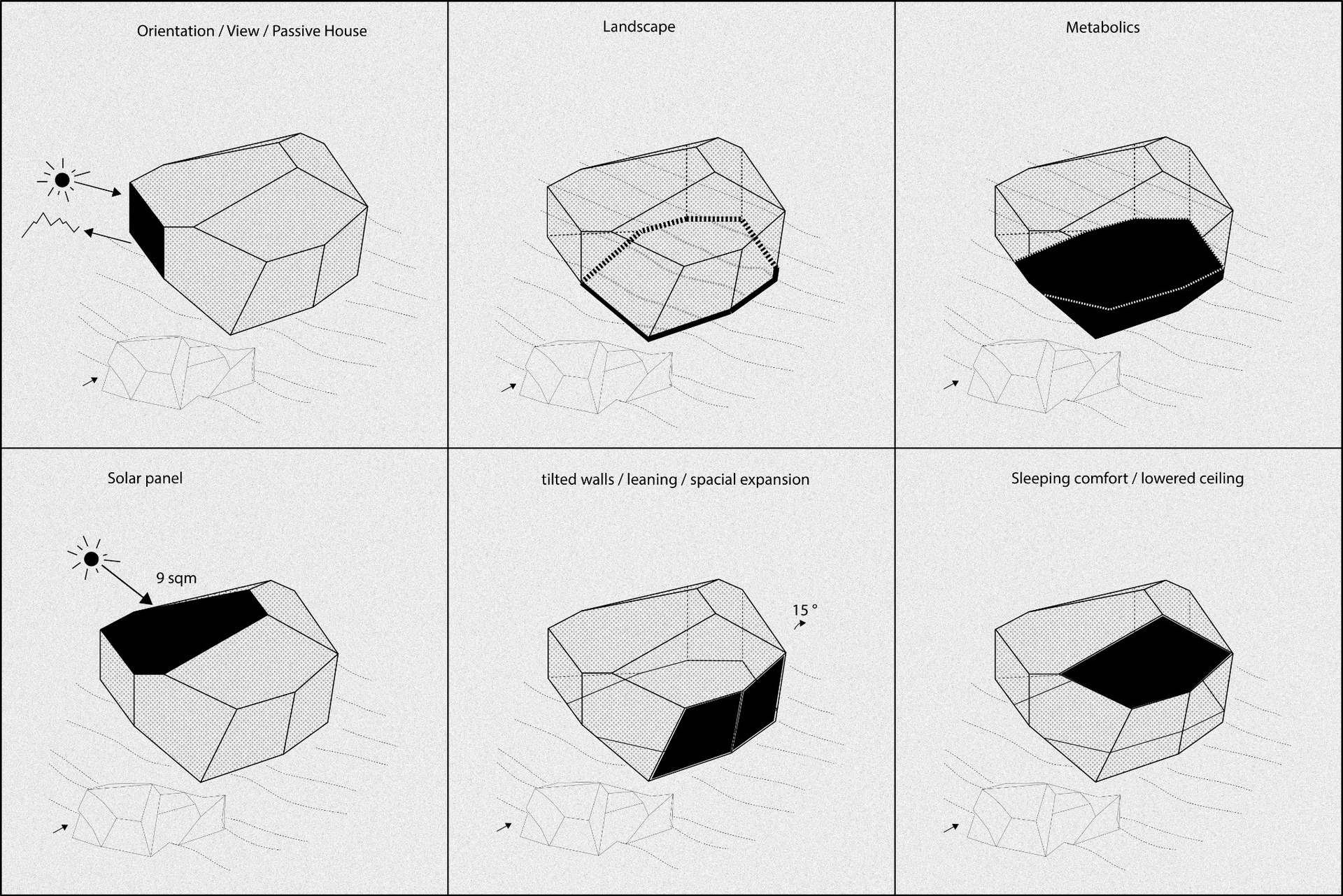
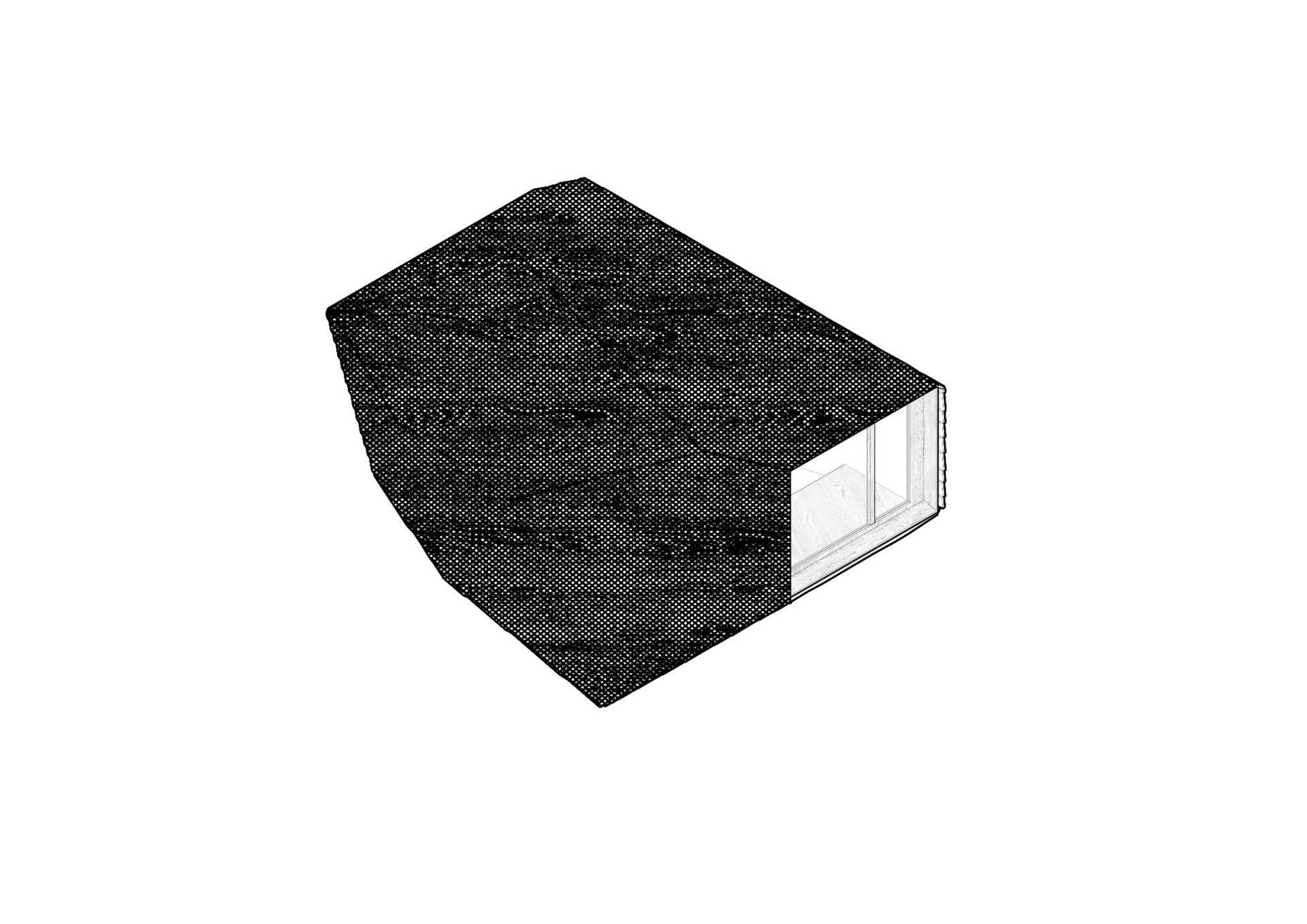
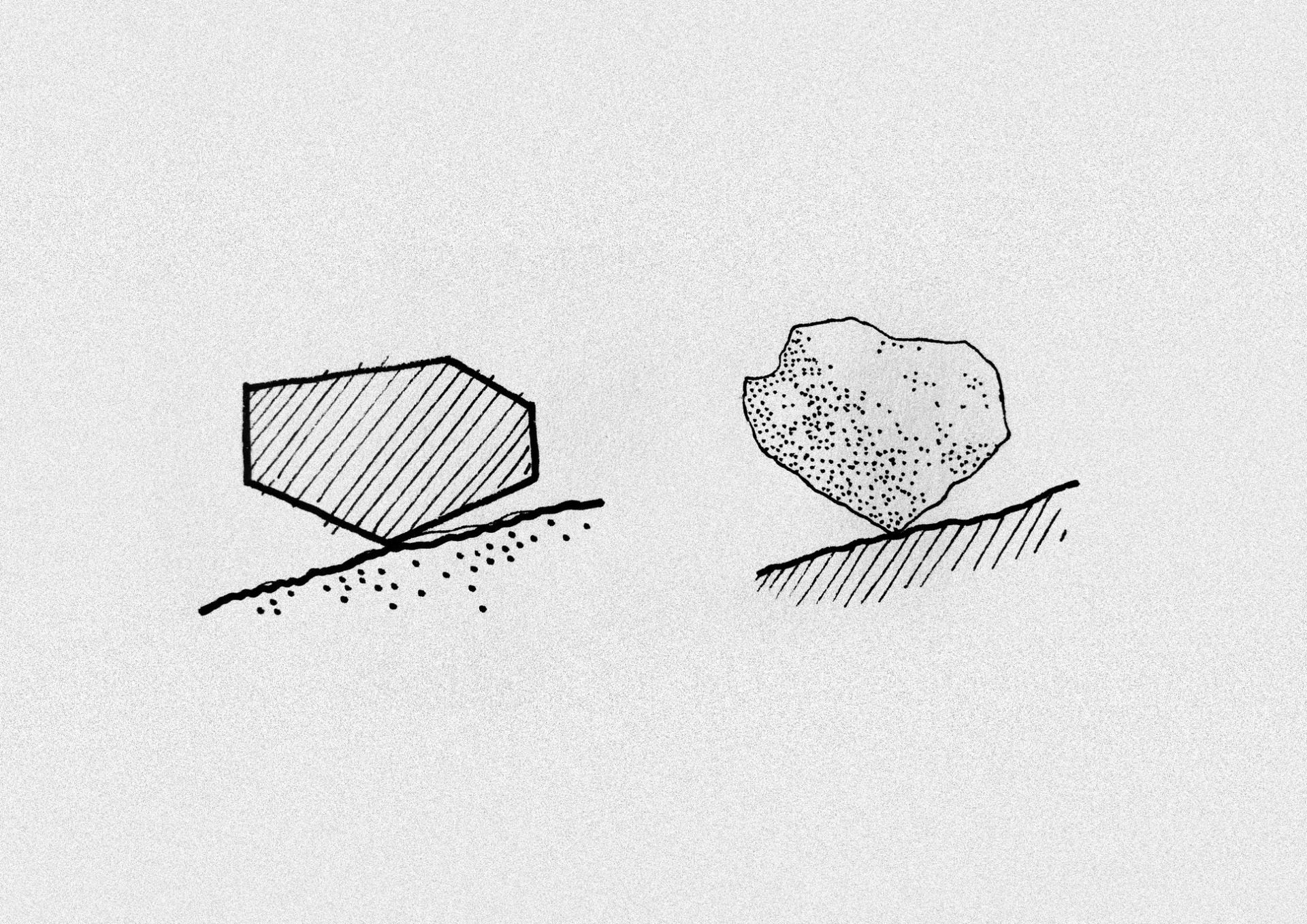
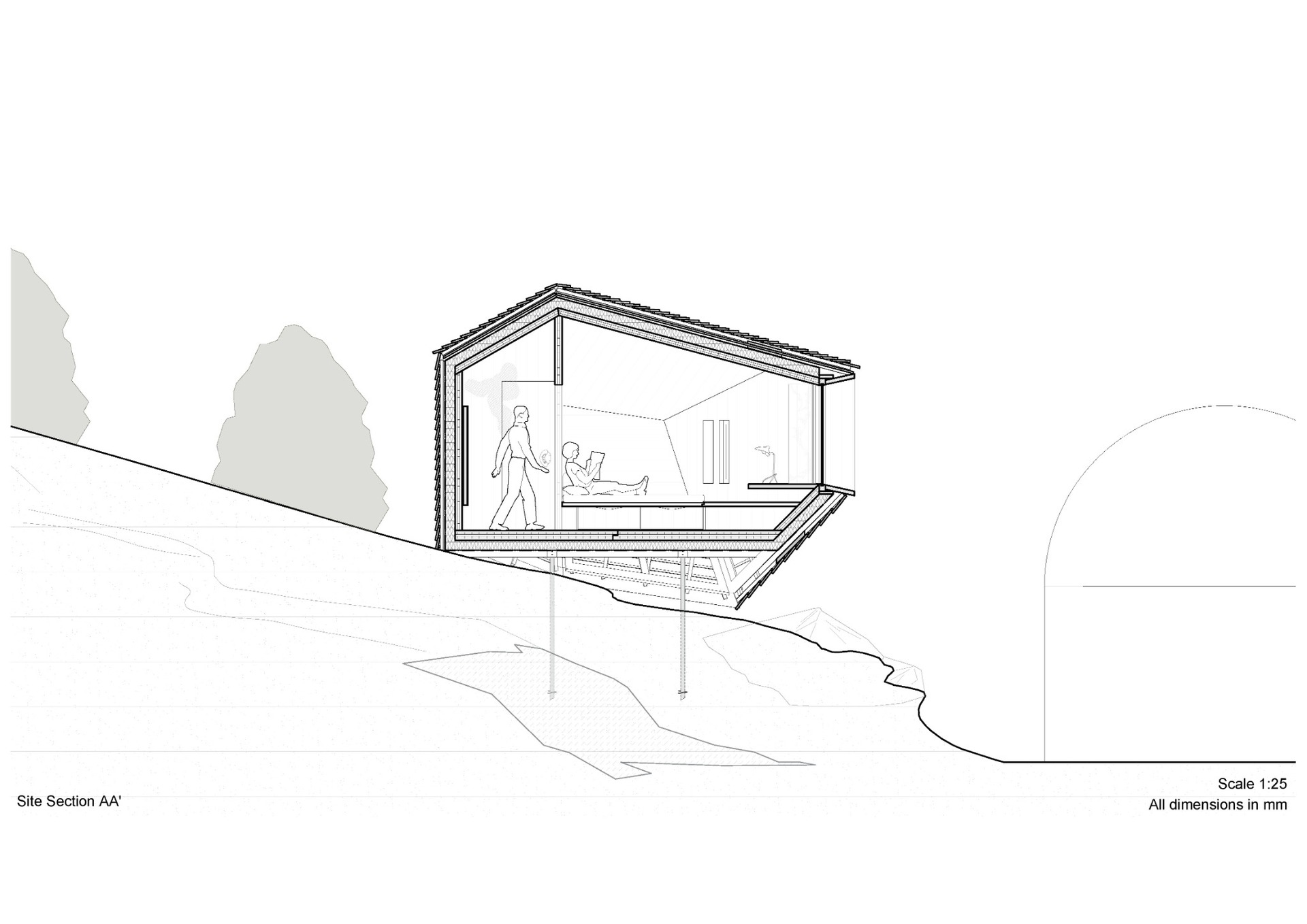
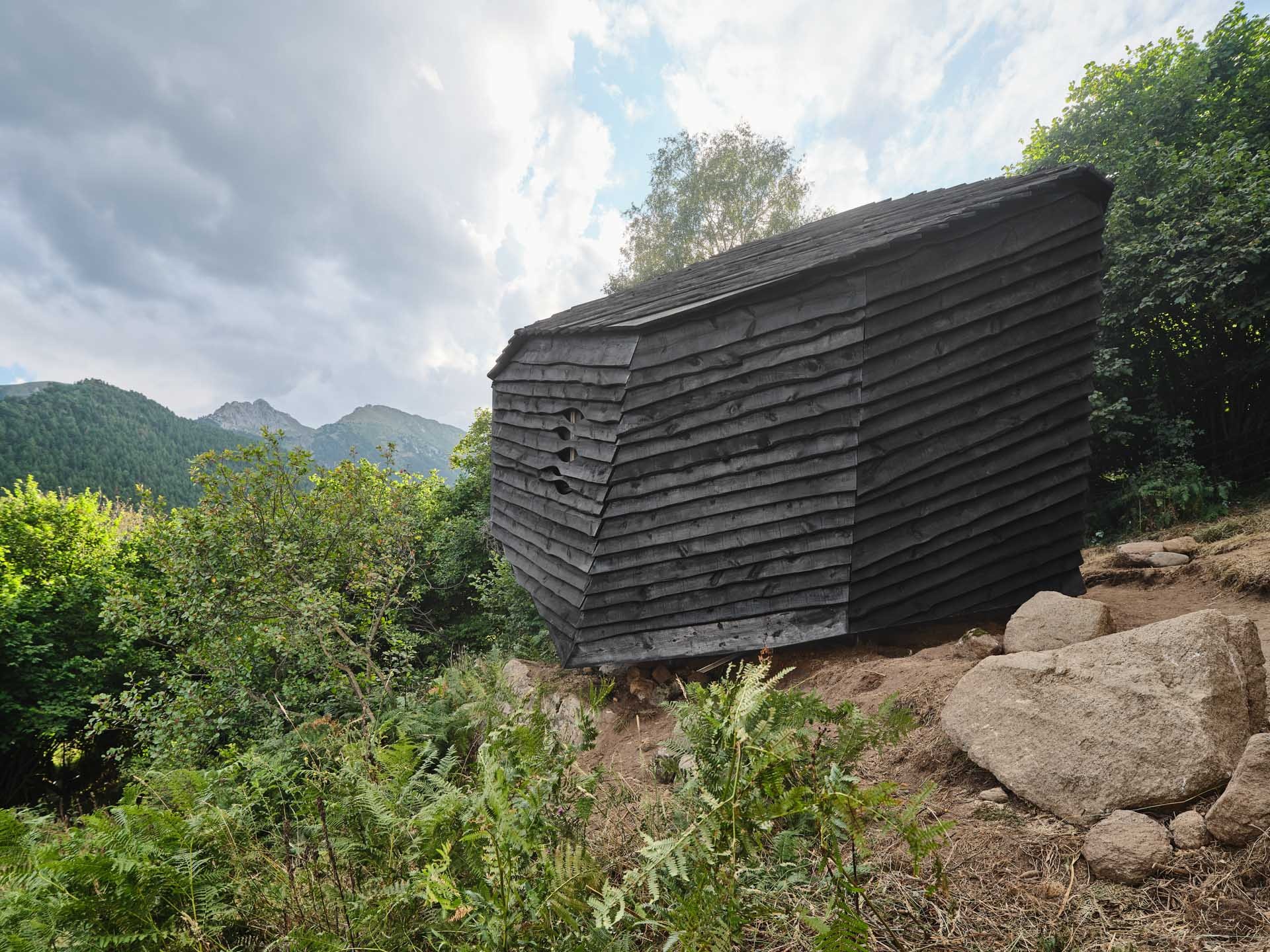
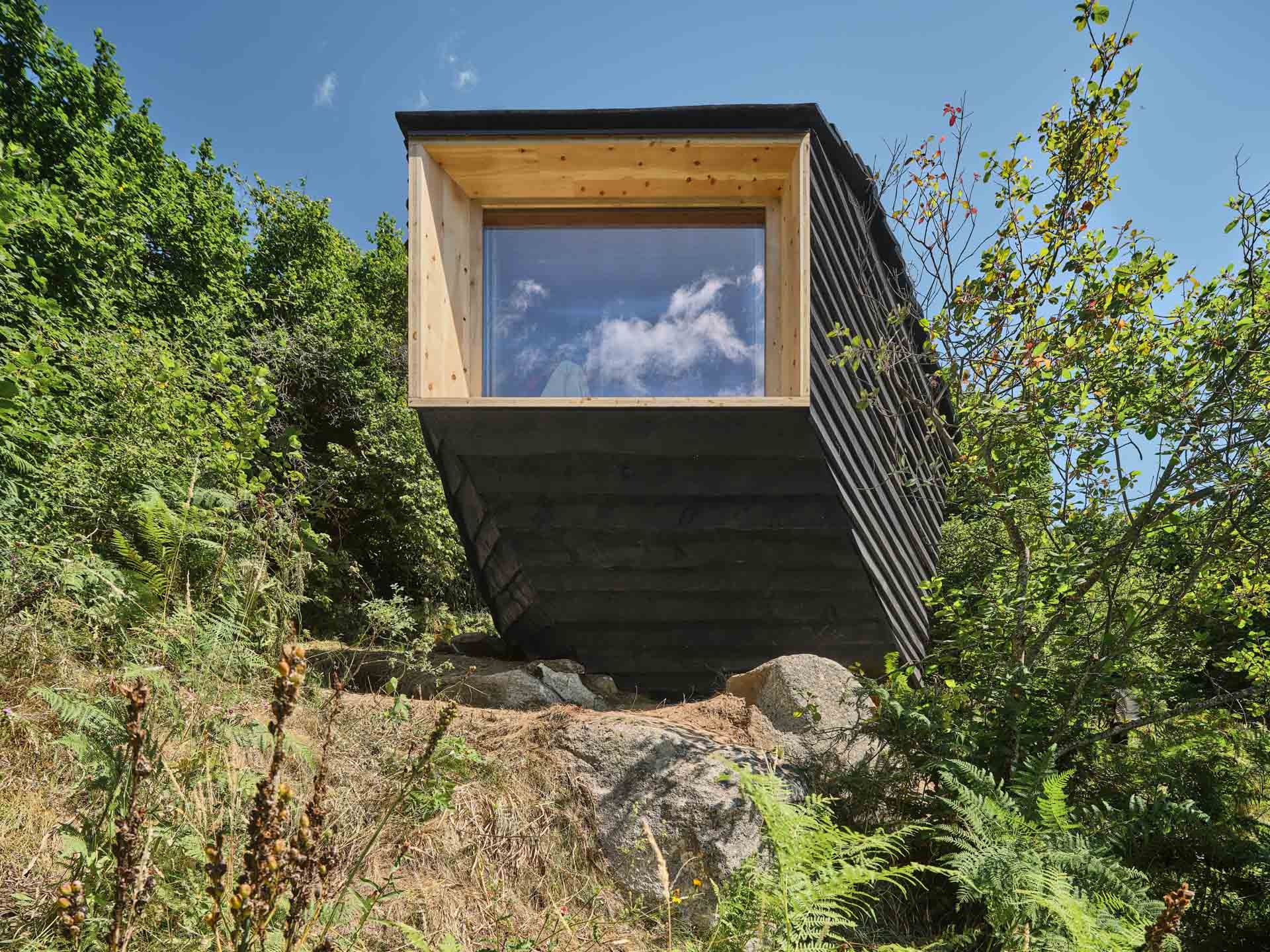
The form of the cabin is inspired by the rocky terrain of the Pyrenees. Conceived as a block of stone that appears to have rolled down the mountain and come to rest on the site, its faceted geometry is shaped by inclined walls and a sloping roof.
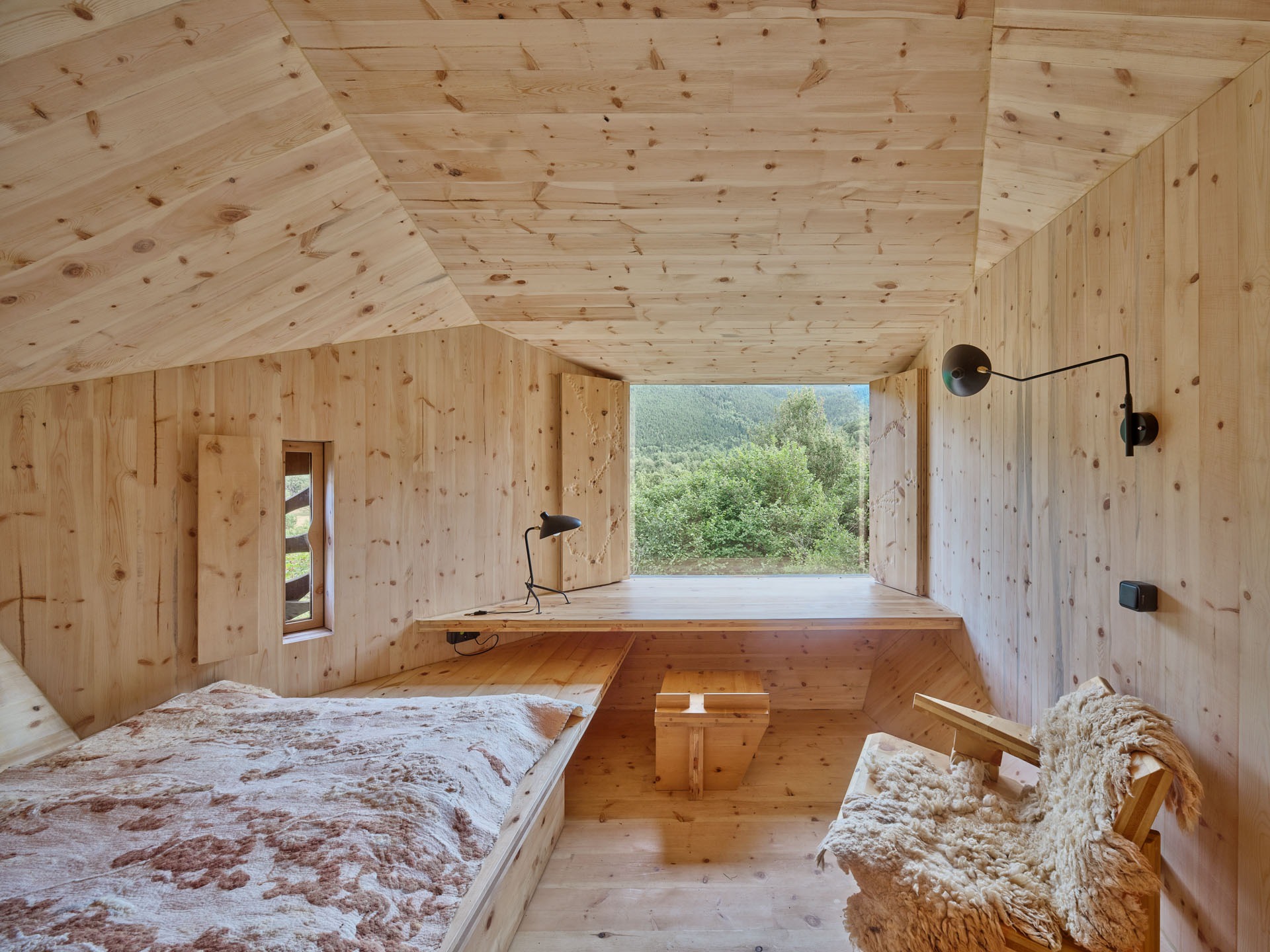
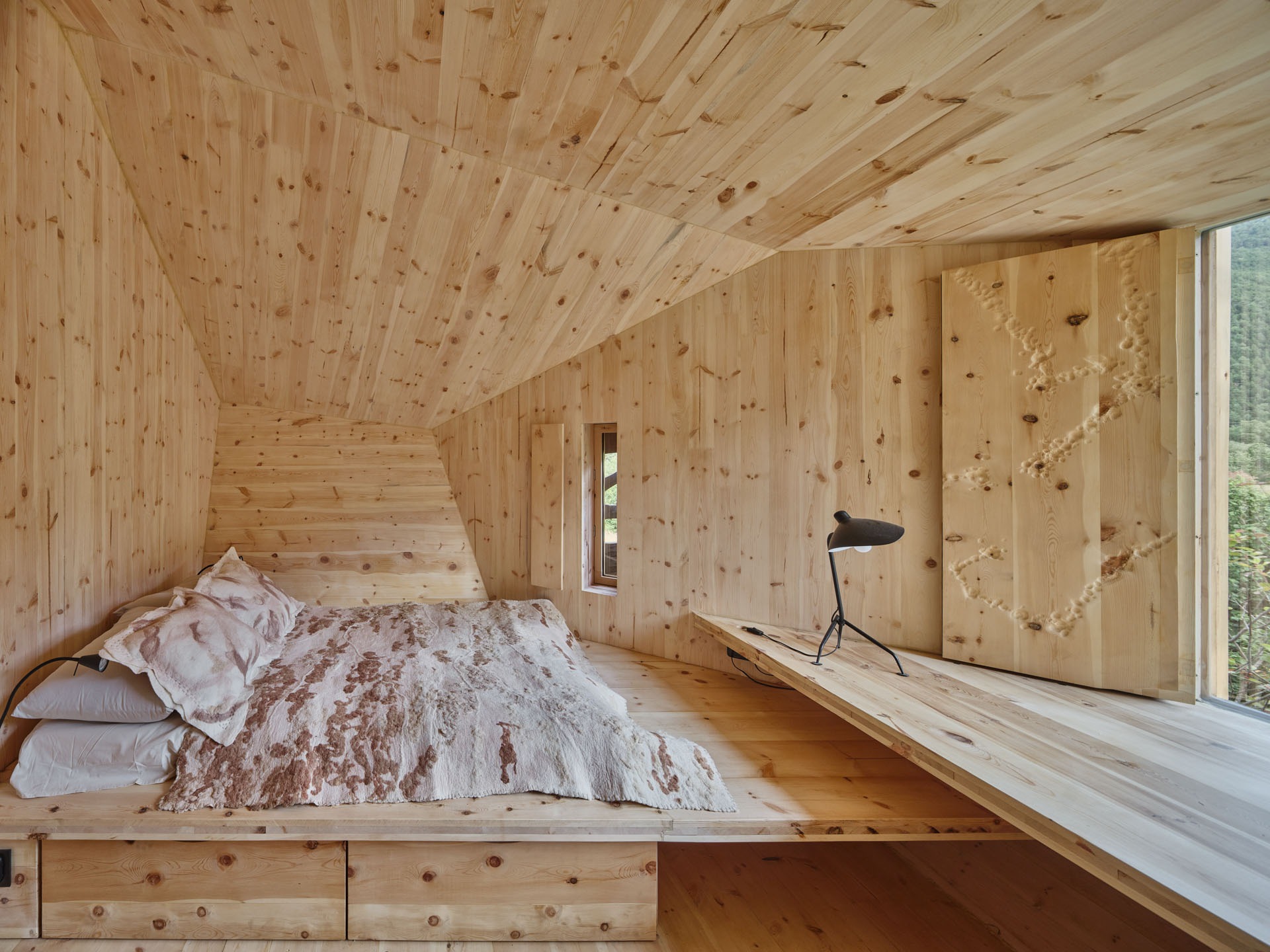
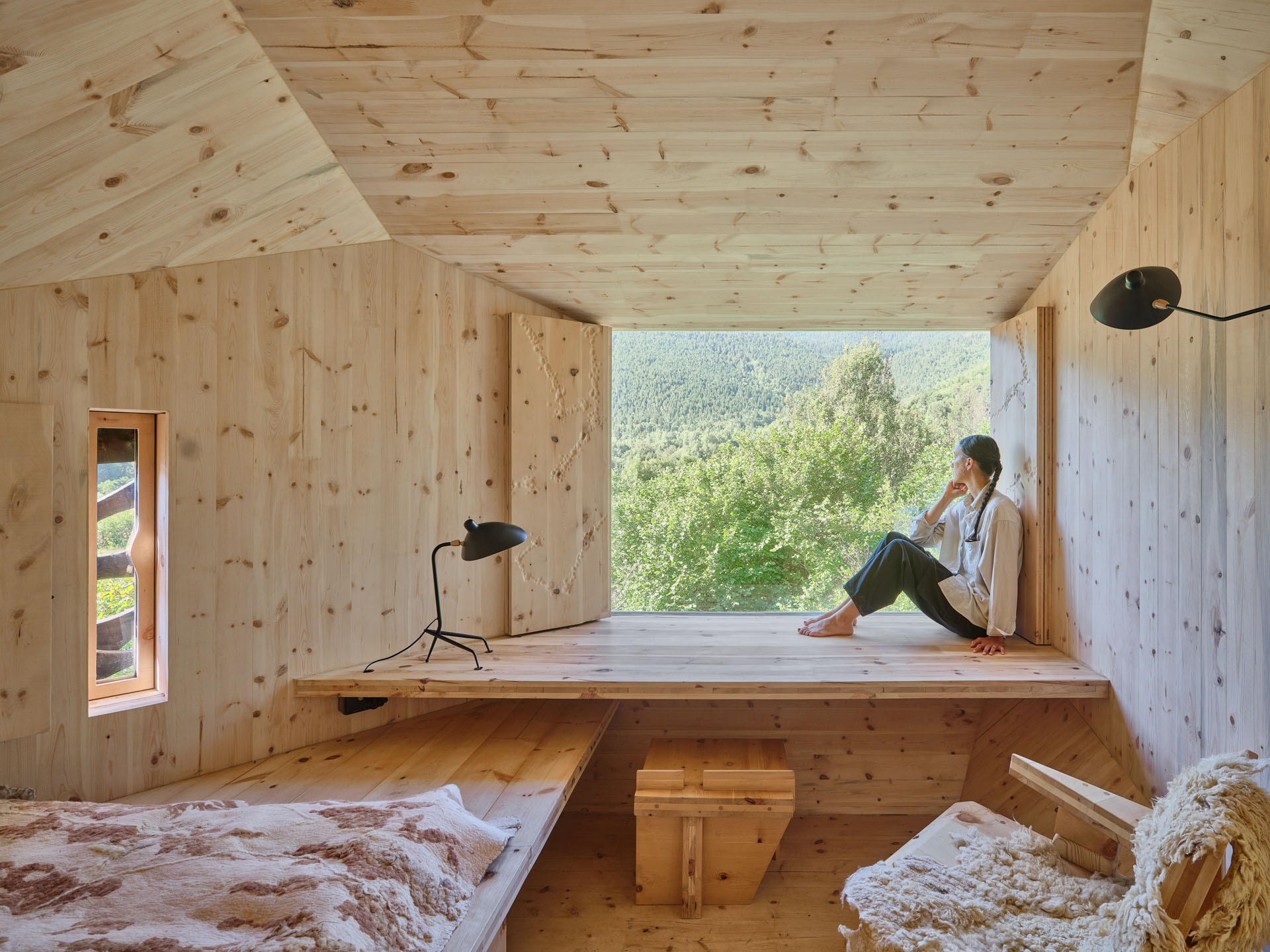
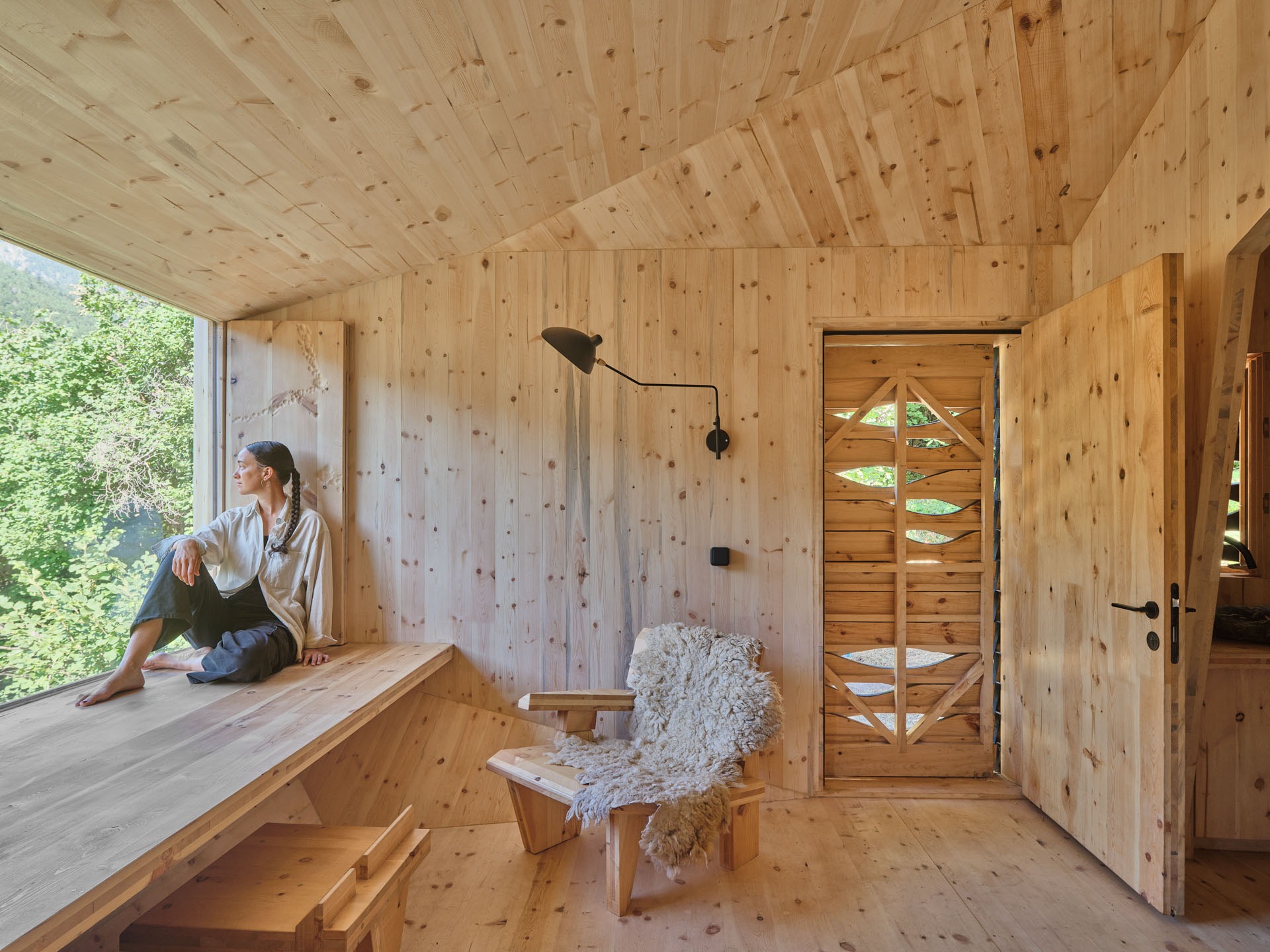
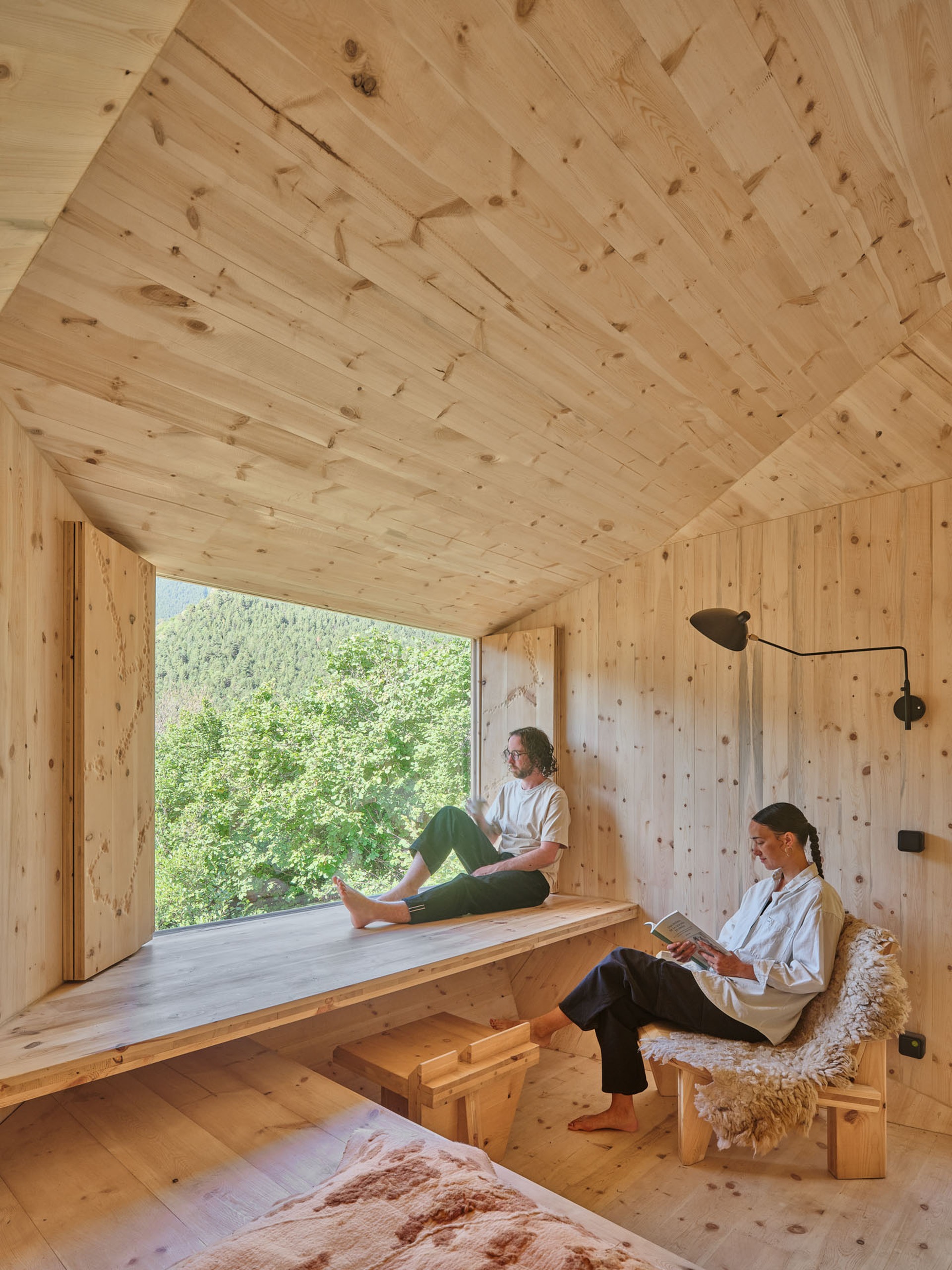
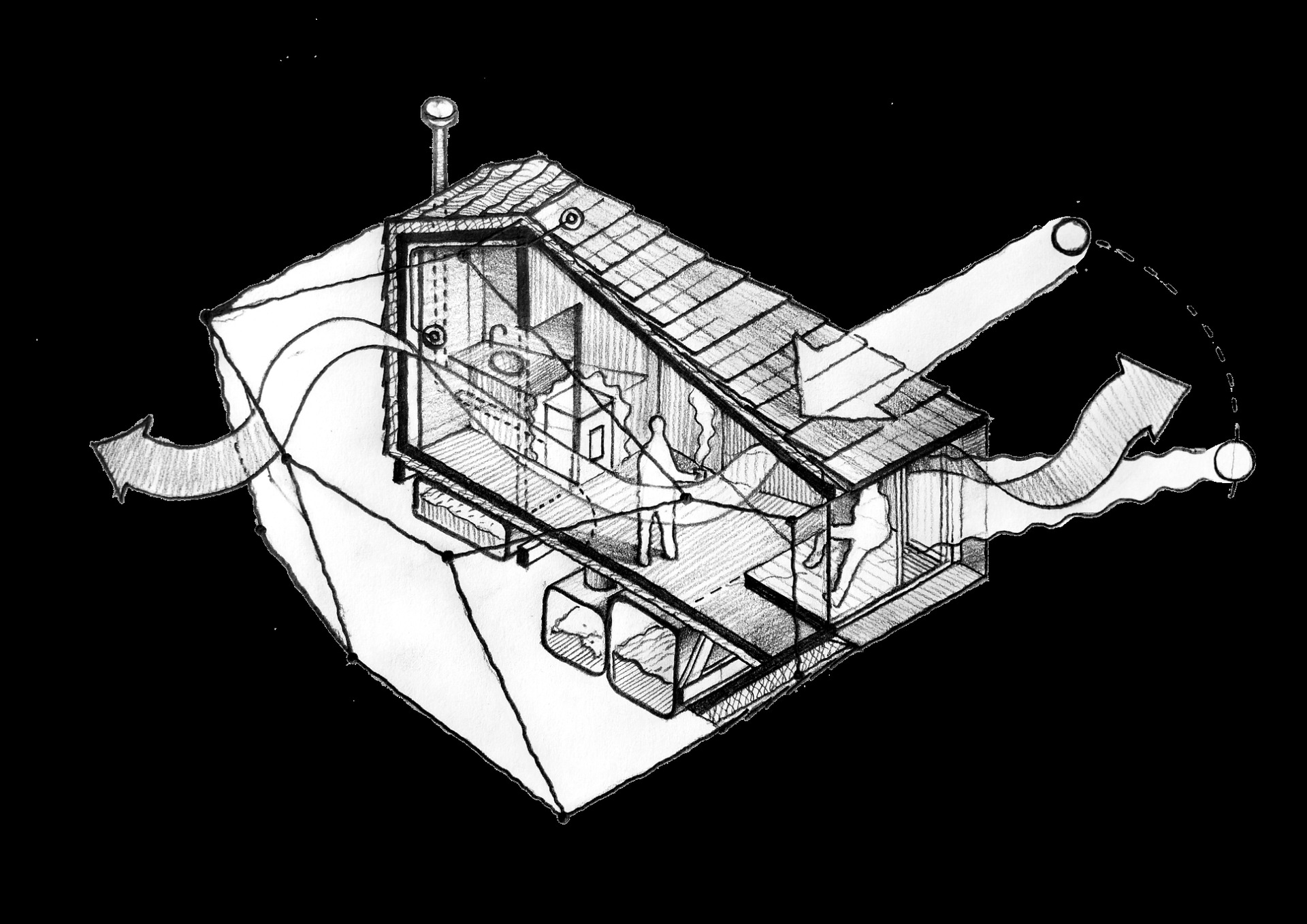
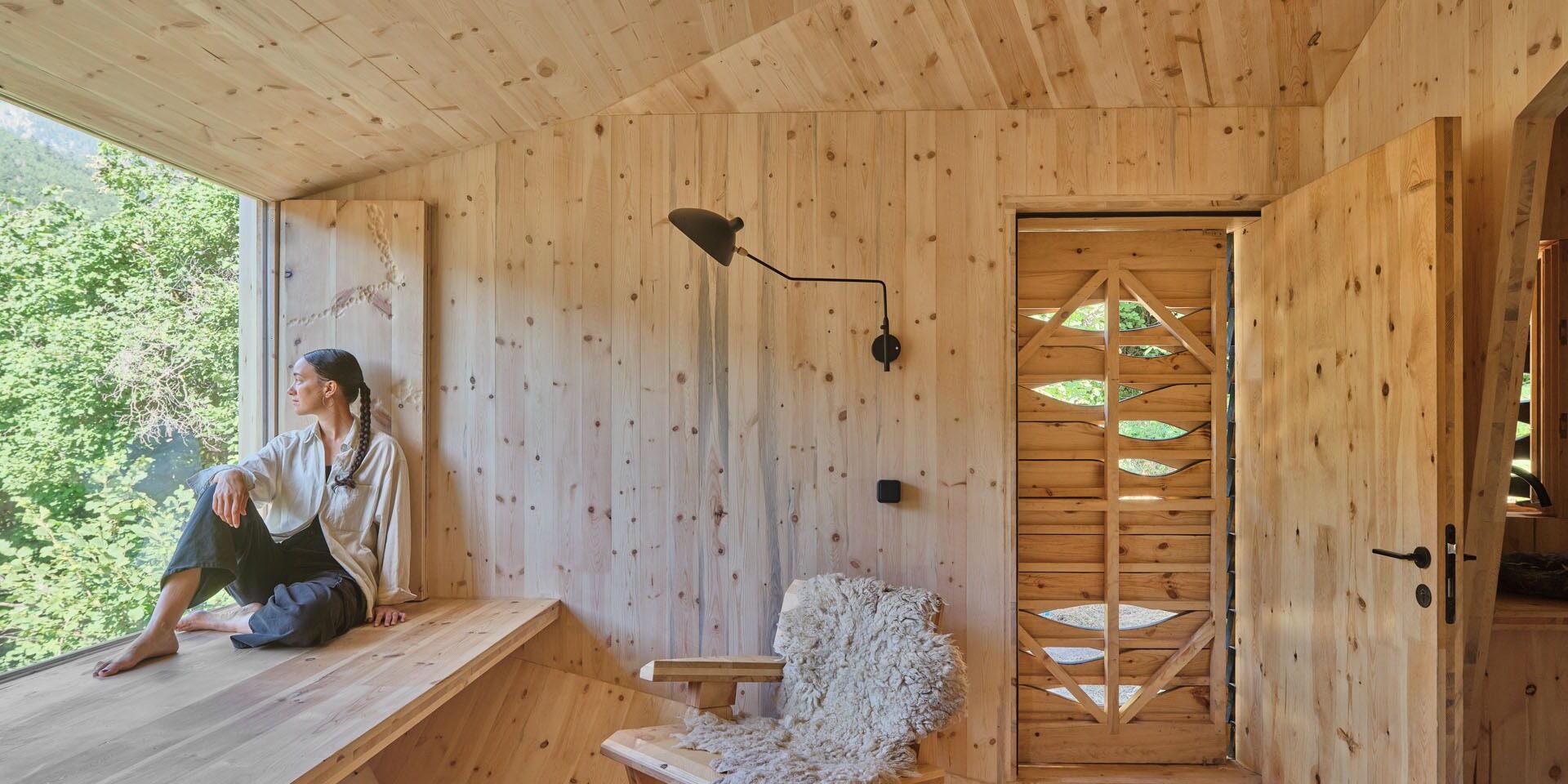
This sculptural form is not only symbolic. The geometry responds to programmatic needs, climatic conditions and solar exposure, adjusting ceiling heights and spatial proportions within a compact footprint. Carefully positioned openings frame views of the surrounding mountains and enable cross-ventilation, while operable wooden shutters provide complete darkness at night, reducing light pollution and supporting the site’s astronomical activities.
Local Timber and Fire-Aware Construction
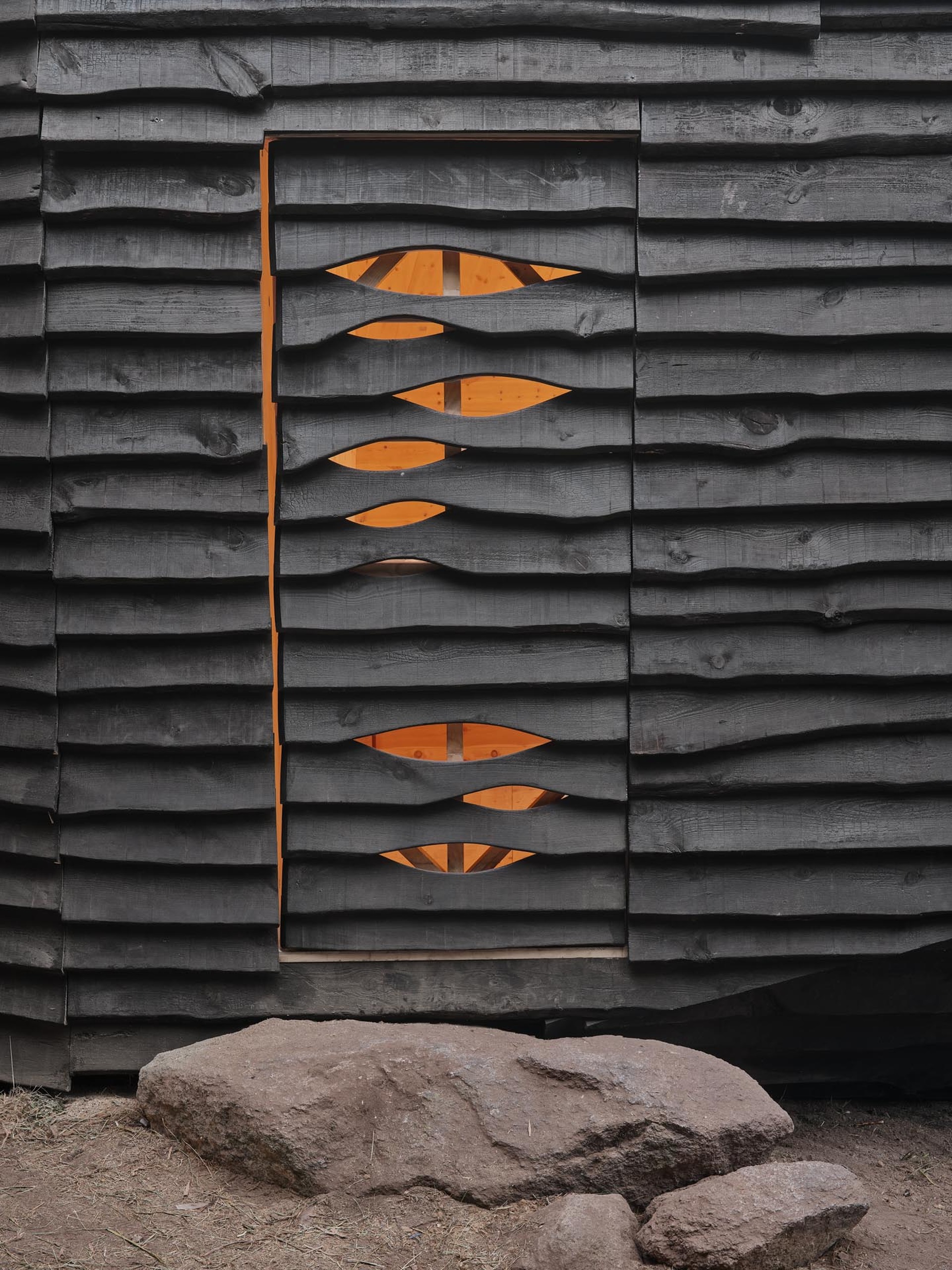
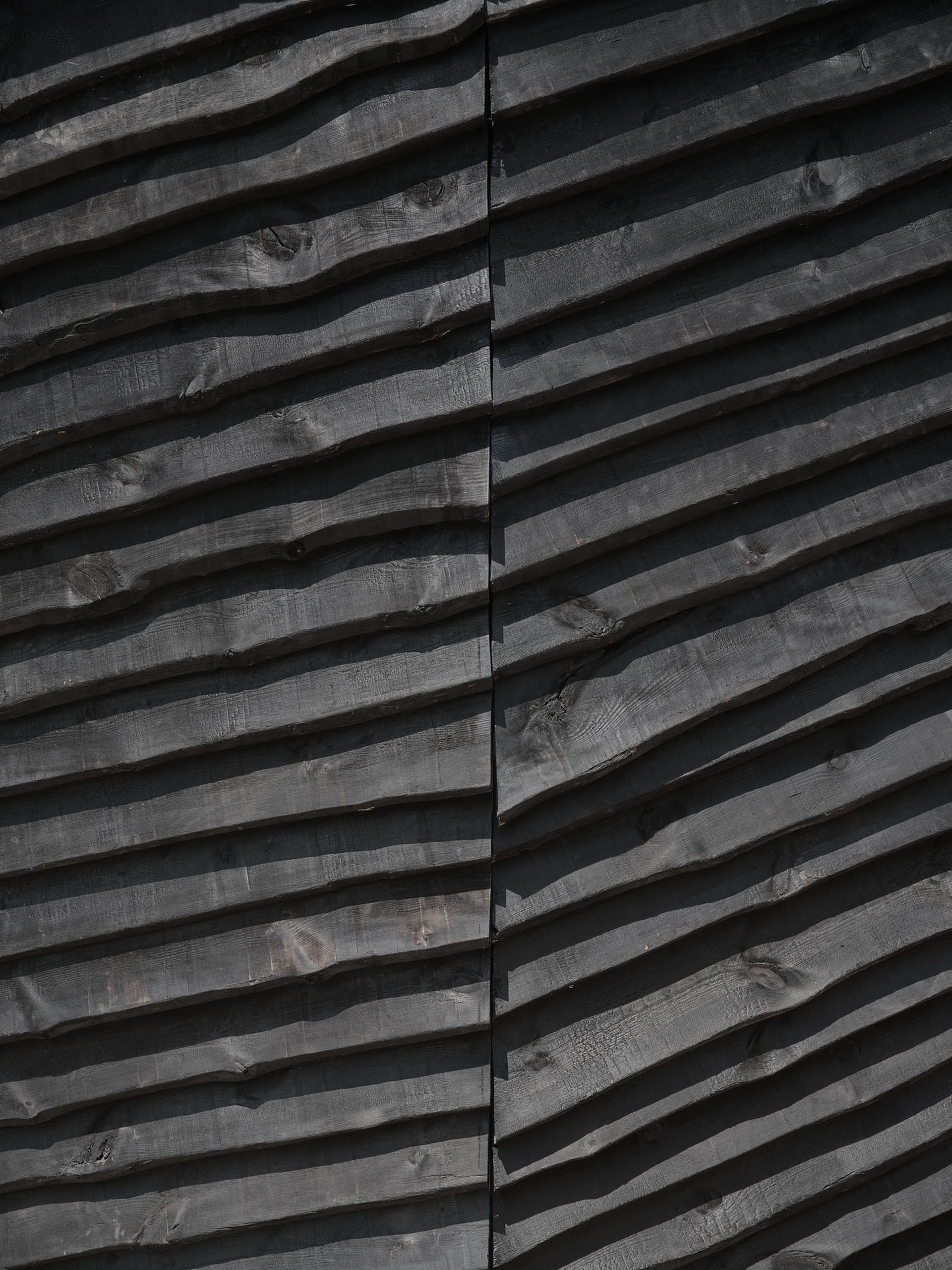
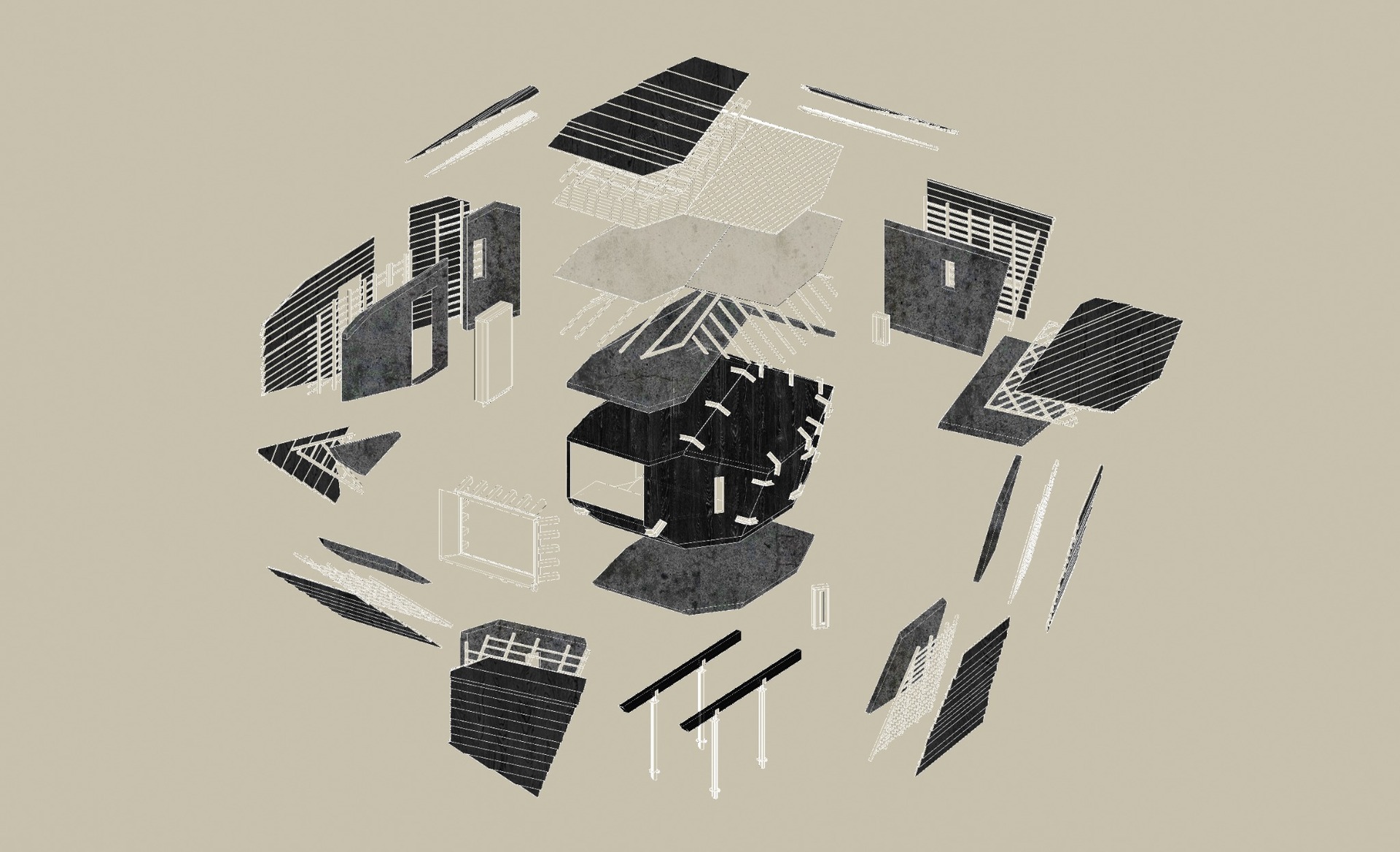
The structure and envelope were built using locally sourced cross-laminated timber panels and charred wood from nearby forests. The exterior façade is made of pine boards with natural edges, charred according to the Japanese Yakisugi or Shou Sugi Ban technique, which burns the surface layer of the wood to increase resistance to insects, water, fire and mold.
The boards were cut to size and charred by the students themselves. Beyond improving durability, this treatment symbolically connects the cabin to fire management and prevention, a crucial aspect of regenerative forestry in the Pyrenees. The project therefore treats fire not only as a threat, but also as a material and cultural condition embedded in the landscape.
A Continuous Wooden Interior
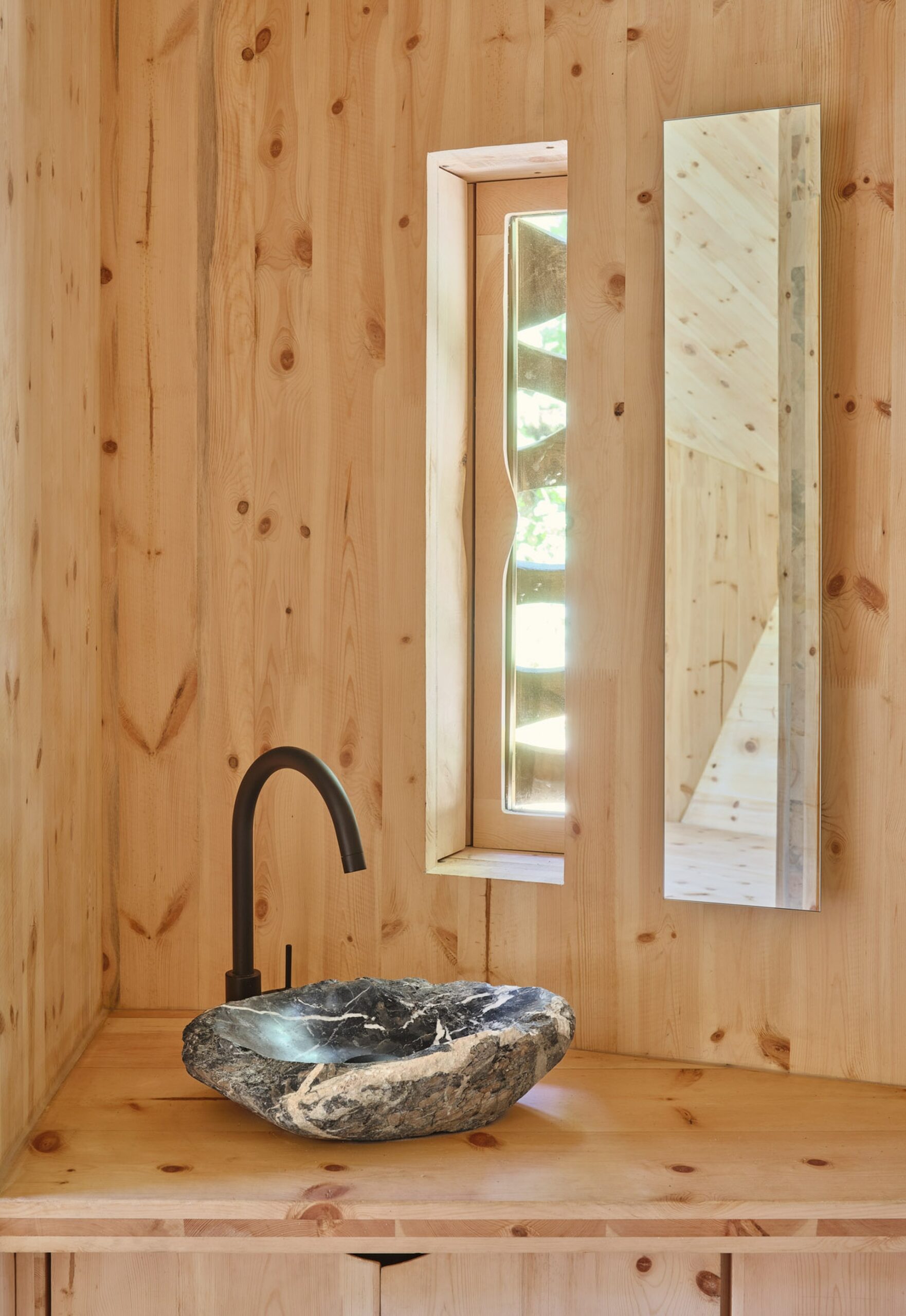
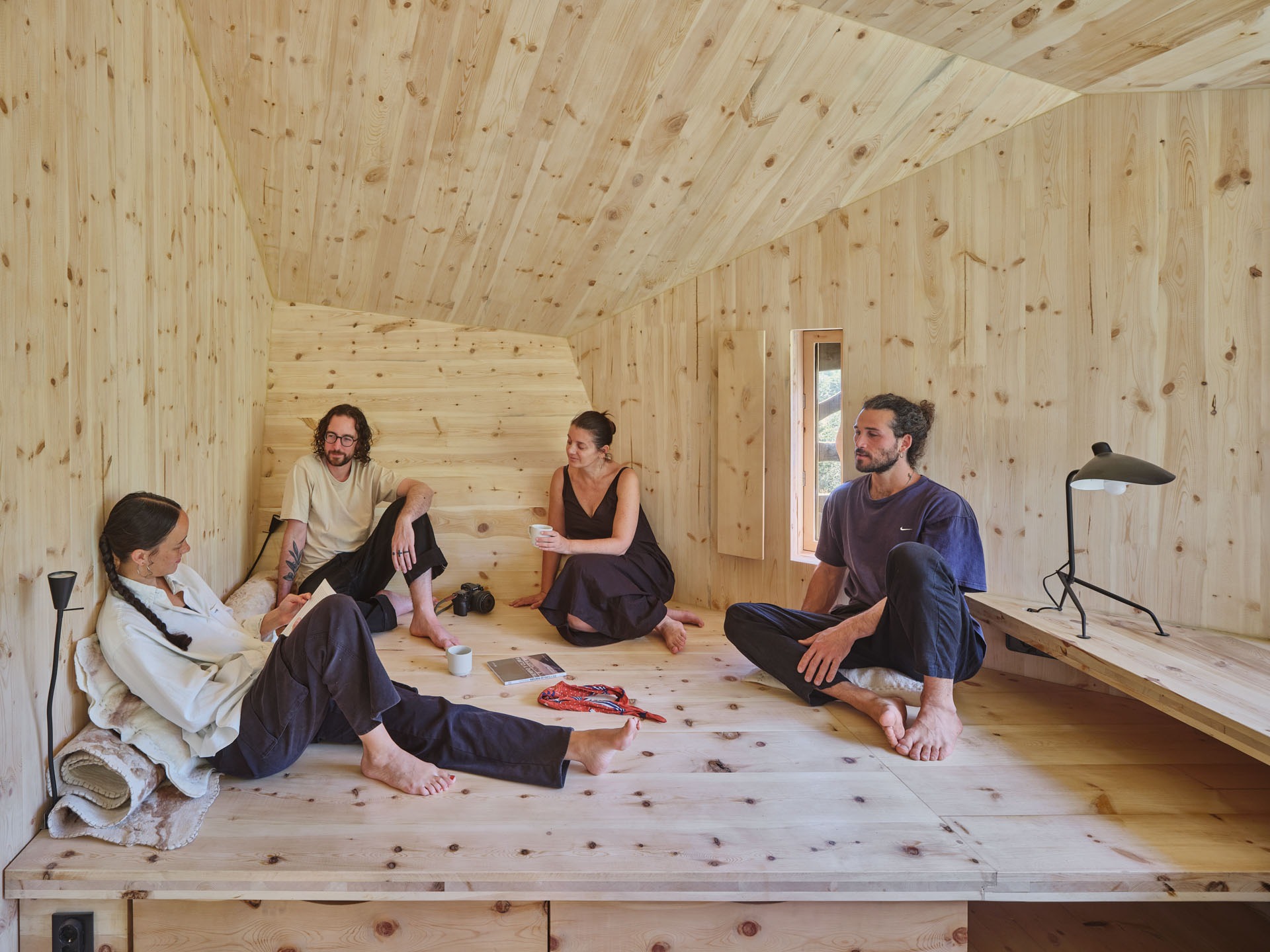
Inside, the cabin becomes a compact, fully integrated wooden environment. Custom-made CLT elements, including the bed, built-in furniture, washbasin counter and seating, were designed and fabricated by the students at Valldaura Labs.
Architecture, structure and furniture are brought together as a single material system. The interior avoids unnecessary separation between building and object, allowing the compact space to function with clarity while preserving a strong sense of warmth and material continuity.
Hands, Wool and Stone
Forestone extends its material logic beyond timber. During an annual wool festival in the nearby town of Sort, students collaborated with local farmers to collect sheep’s wool. The wool was then washed, dried and transformed into felt at Valldaura, with the support of Dutch artist Rian van Dijk.
The resulting blankets, rugs and pillowcases furnish the cabin, integrating local craftsmanship and agricultural by-products into the project. During the same visit, students collected a stone from the surrounding landscape and manually carved it with power tools to create a unique washbasin. Through these gestures, the cabin becomes materially tied to its geographical and cultural context.
A Replicable Prototype for Forest Habitation
From the beginning, Forestone was conceived with an emphasis on replicability. It demonstrates how small-scale architecture can be built with local timber, regional knowledge and low-impact construction methods, while inhabiting forest landscapes without altering existing ecosystems.
The use of modular CLT elements, dry-assembly techniques and locally available materials allows the cabin to be adapted, replicated or dismantled as needed. In this sense, the project proposes a model of sustainable forest habitation, aligning architectural production with long-term environmental stewardship.
Education, Industry and Regenerative Forestry
Forestone brings together education, local industry, craftsmanship and regenerative forestry. Through its careful detailing, layered construction and direct connection to place, the cabin proposes an alternative approach to building in sensitive landscapes.
From January 2026, the cabin is open to guests at MónNatura Pirineu in Planes de Son, offering visitors the opportunity to inhabit the prototype and experience its relationship with landscape, materials and climate first-hand.