Tarrytown Residence by Alterstudio Architecture in Austin
Architecture:
Photography:

A Private Landscape at the Center of the House
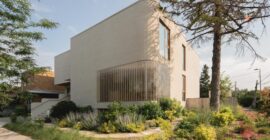
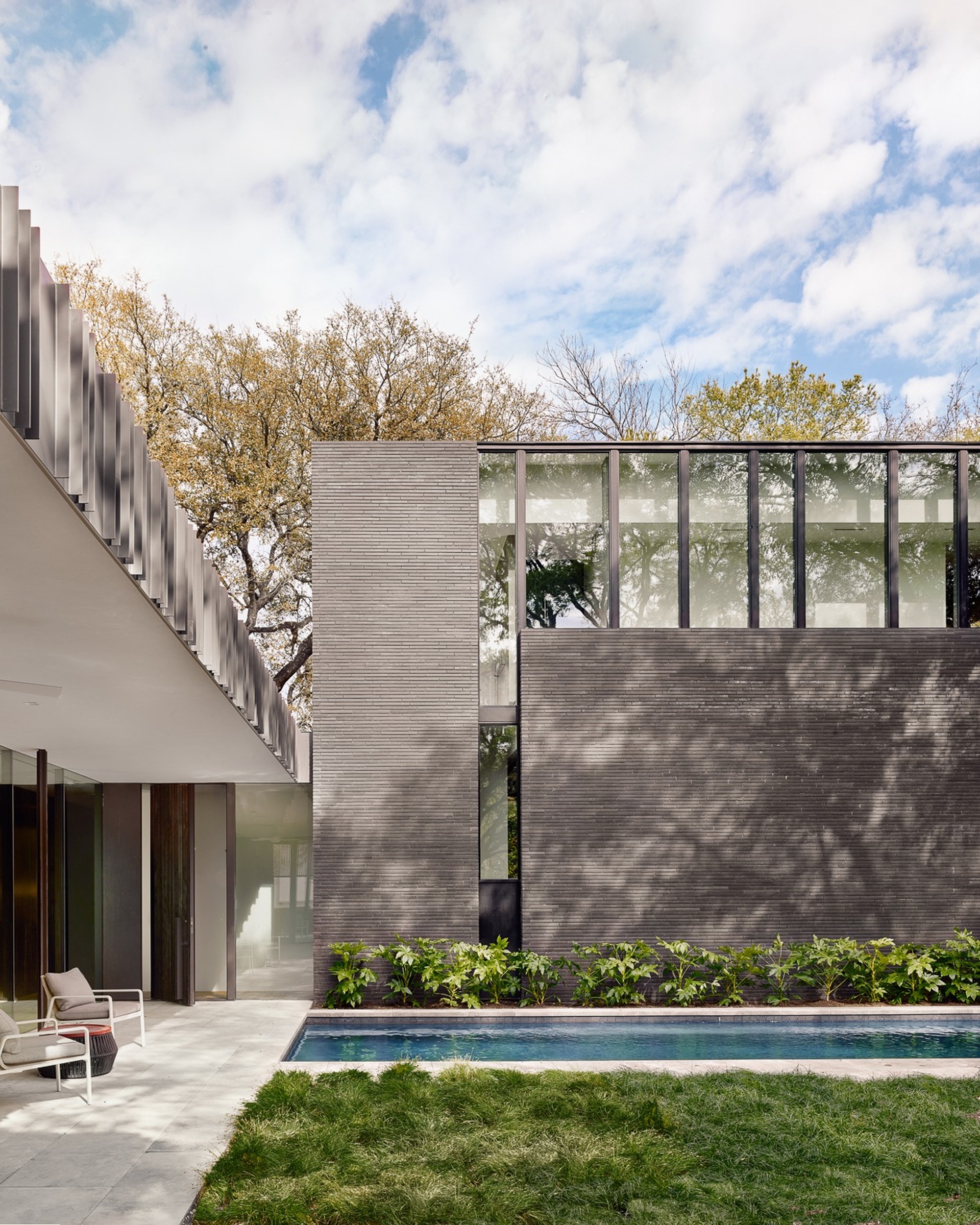
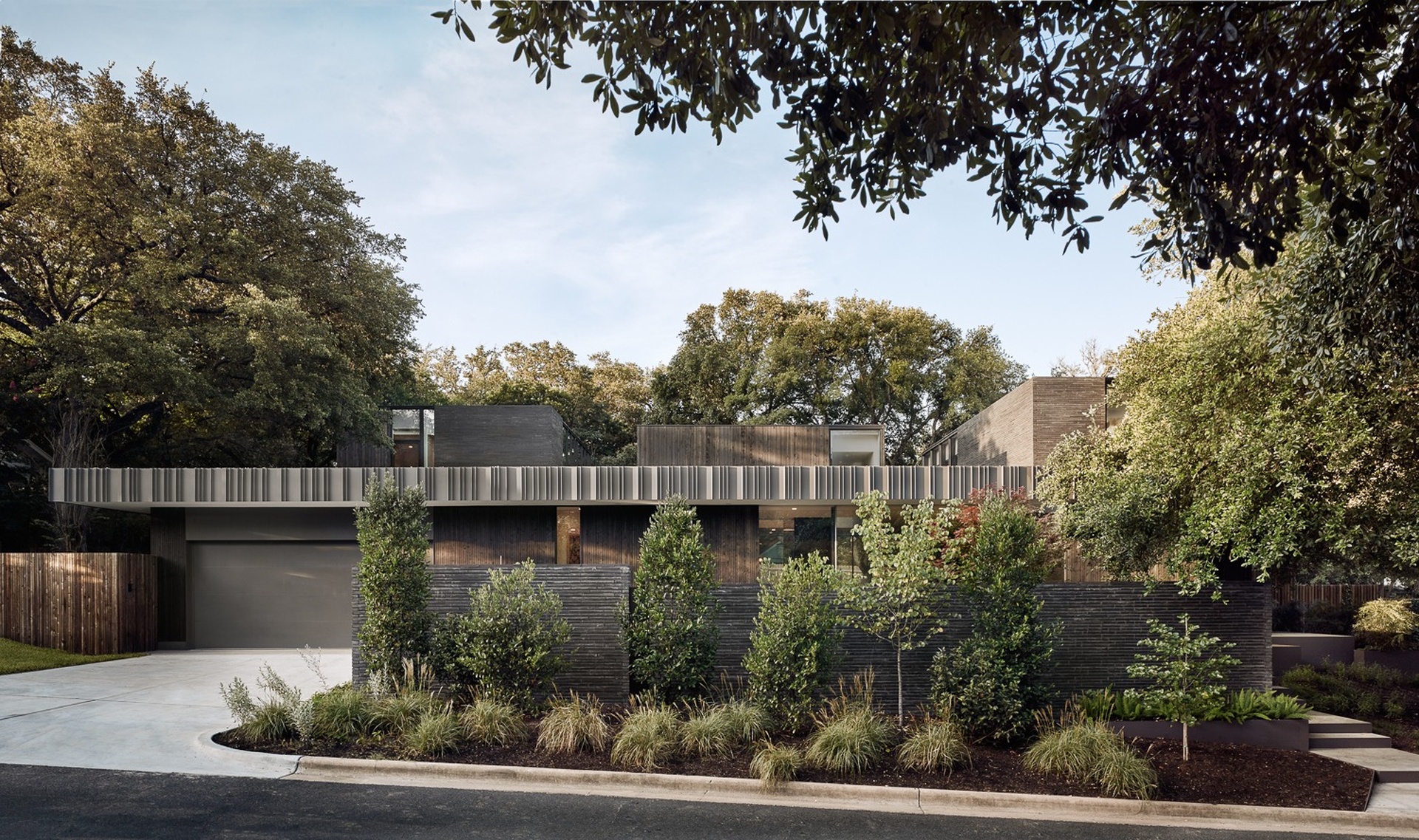
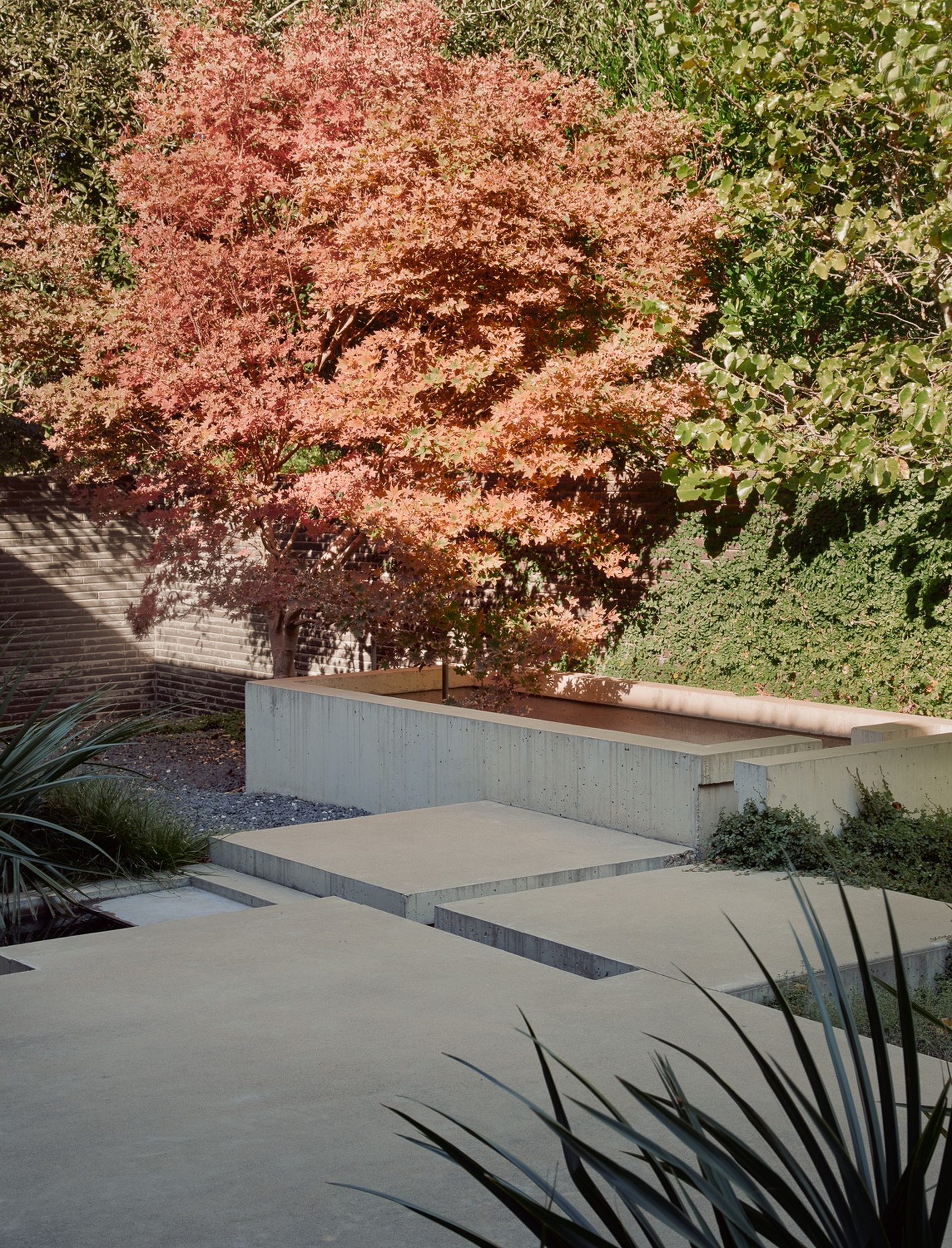
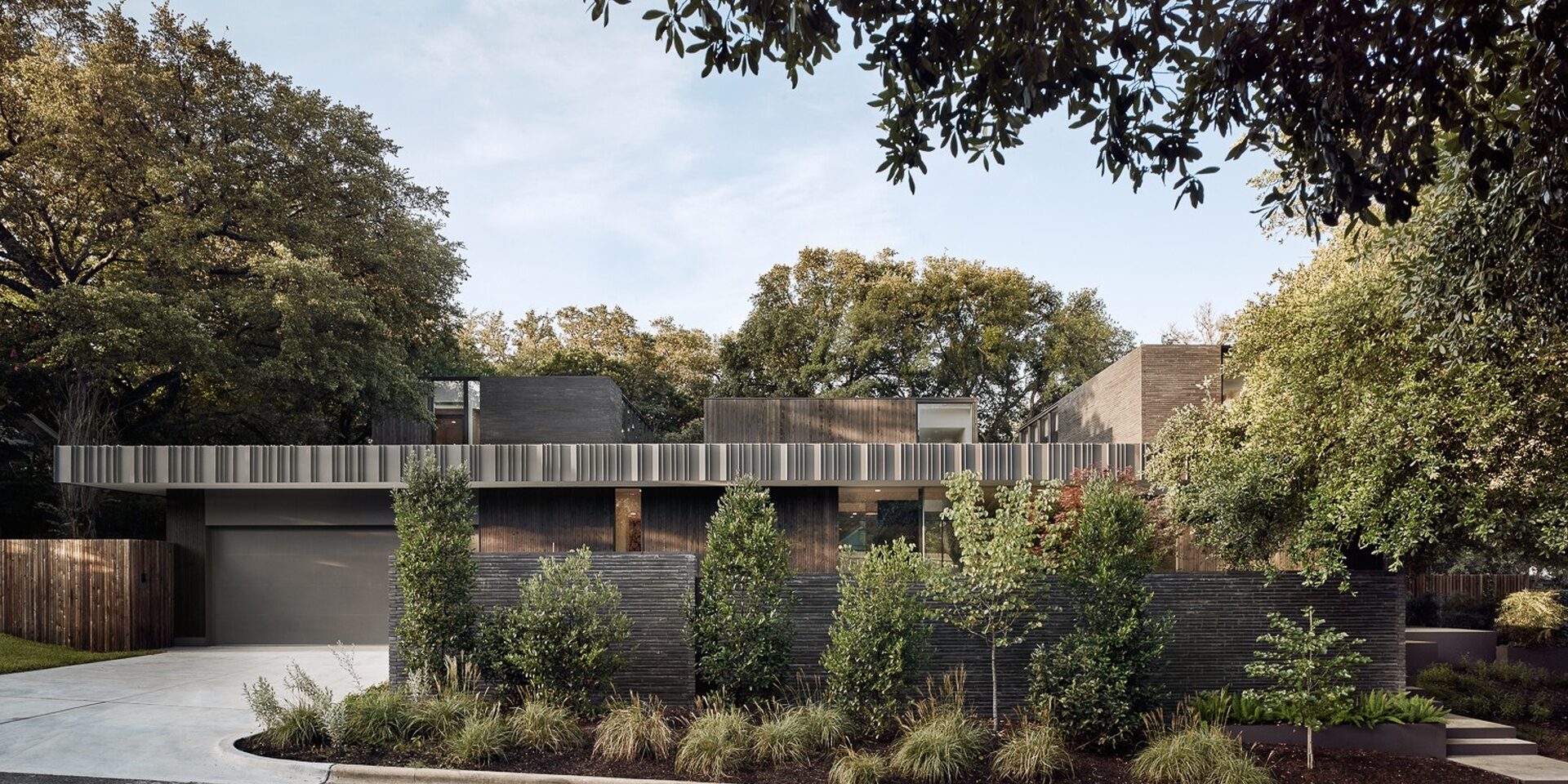
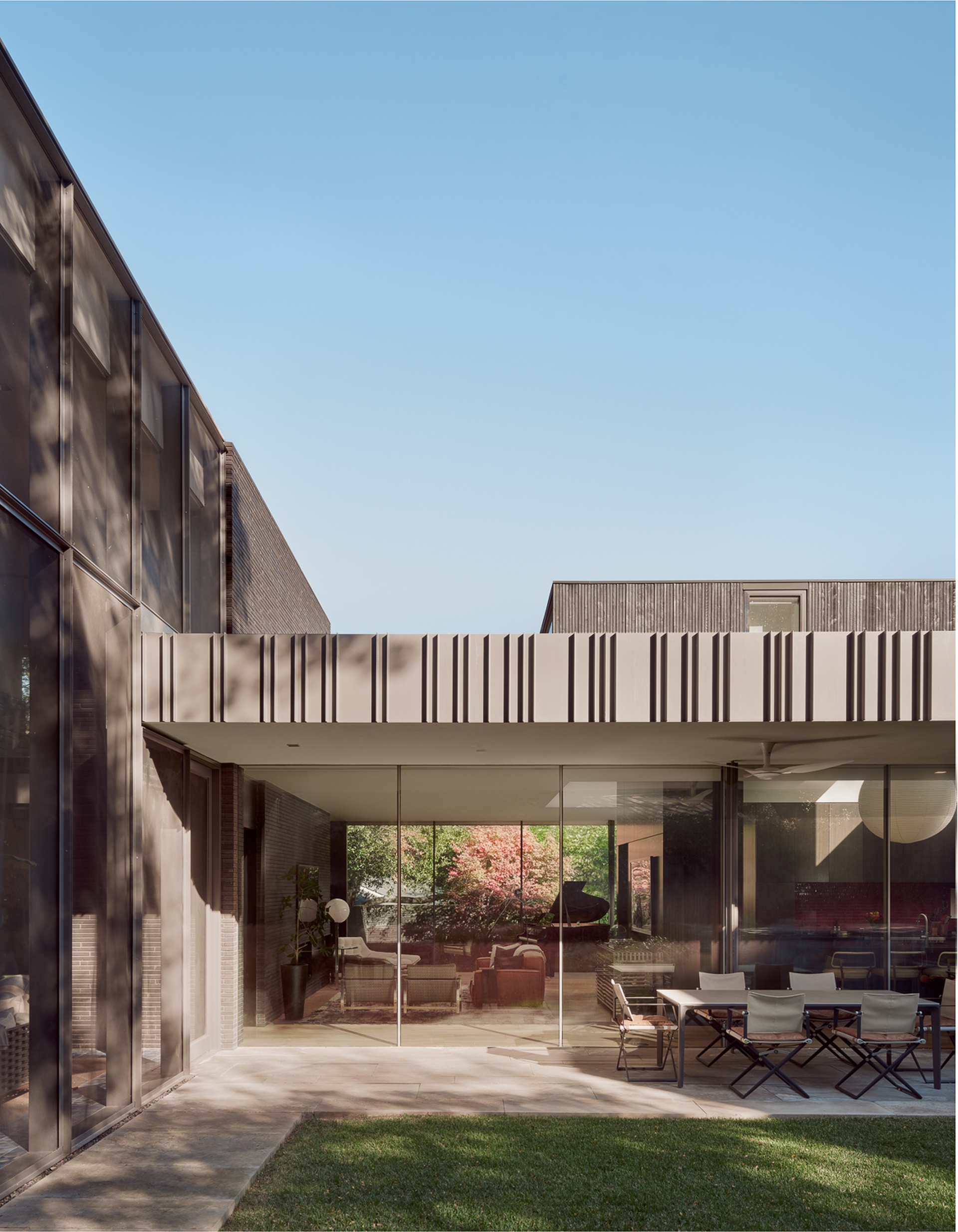
Located in Austin, Texas, Tarrytown Residence by Alterstudio Architecture introduces a contemporary architectural language into an otherwise traditional post-war neighborhood. The house is organized around a private landscape, positioned between a walled garden along the street and a central courtyard behind.
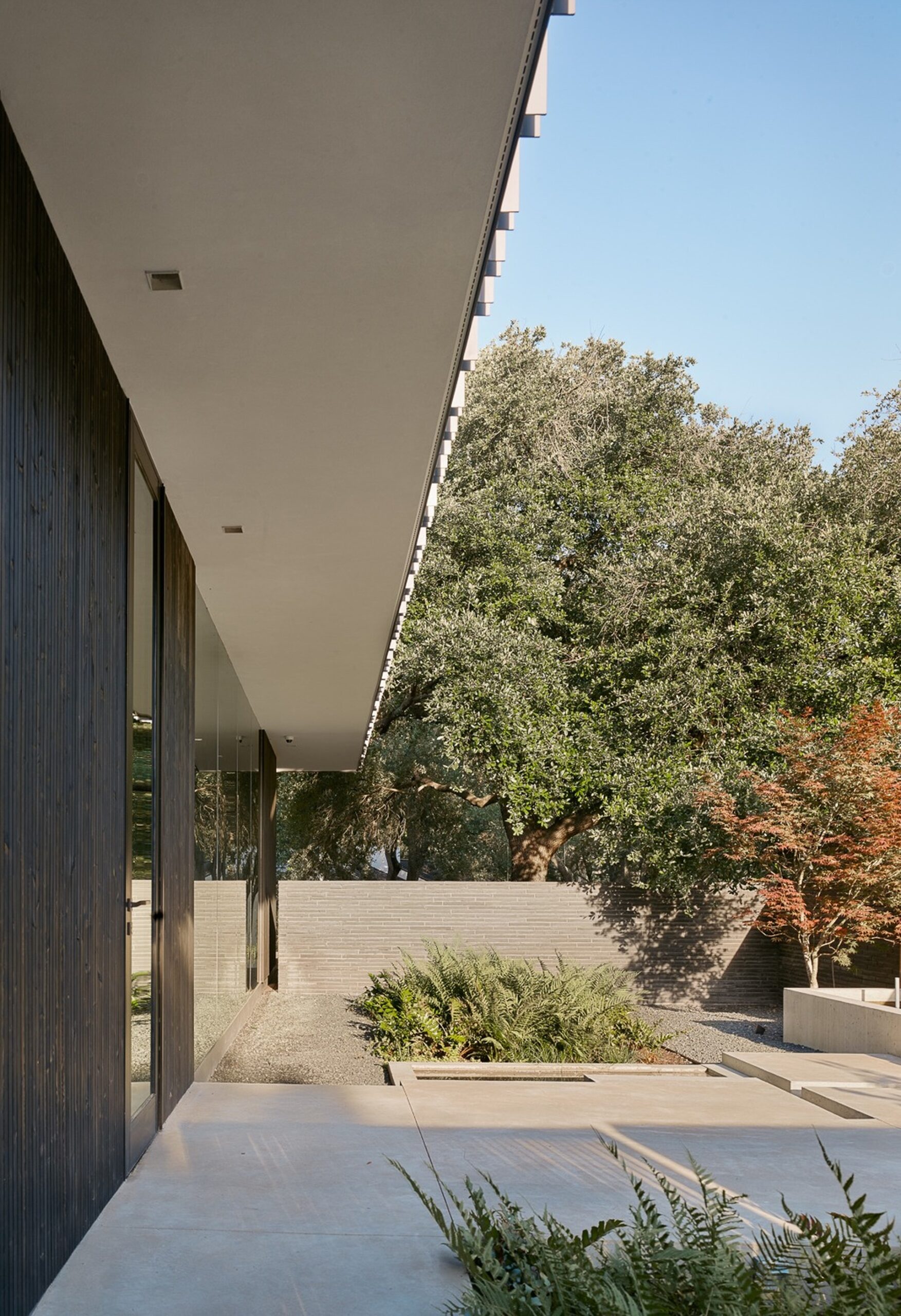
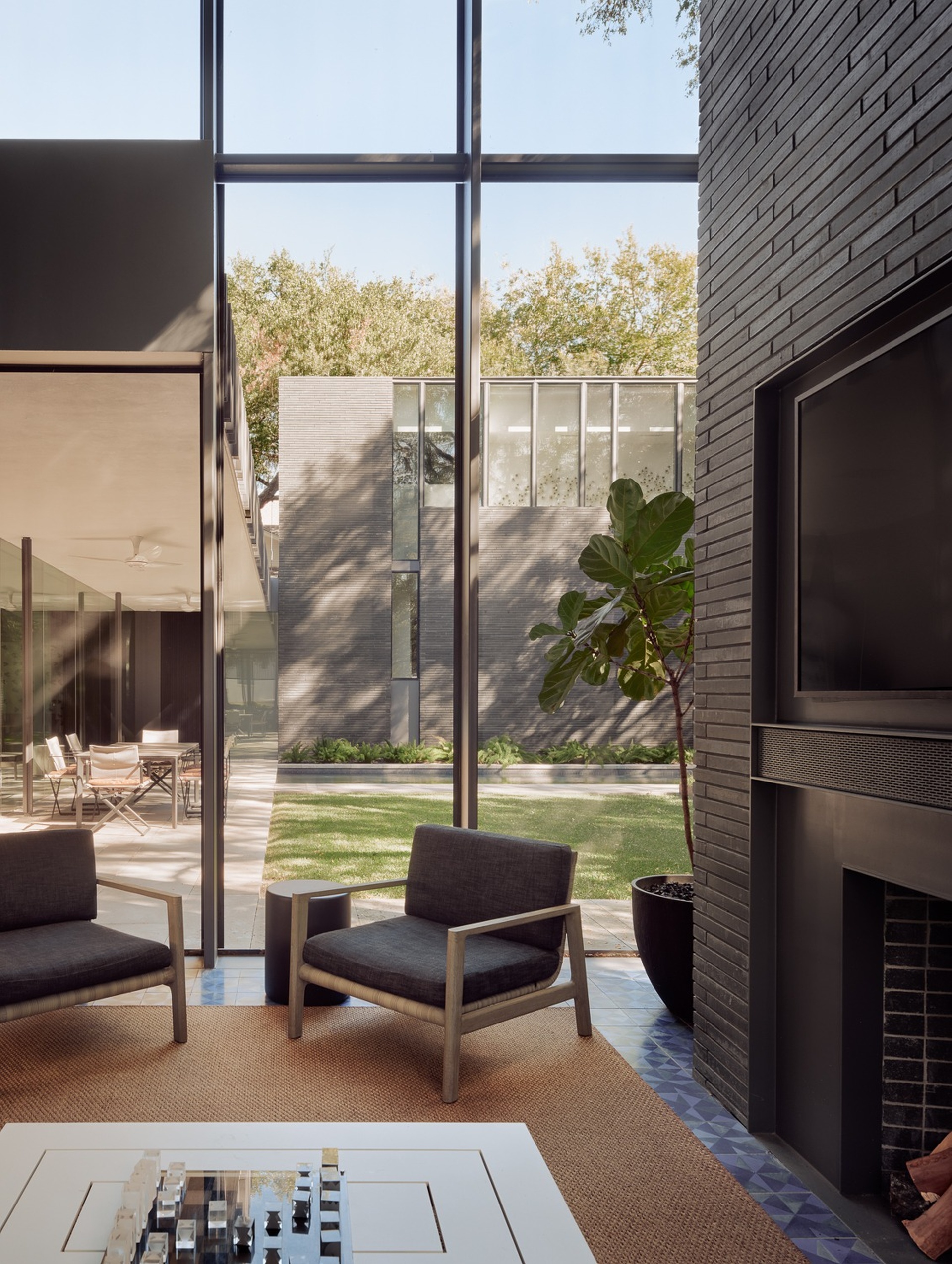
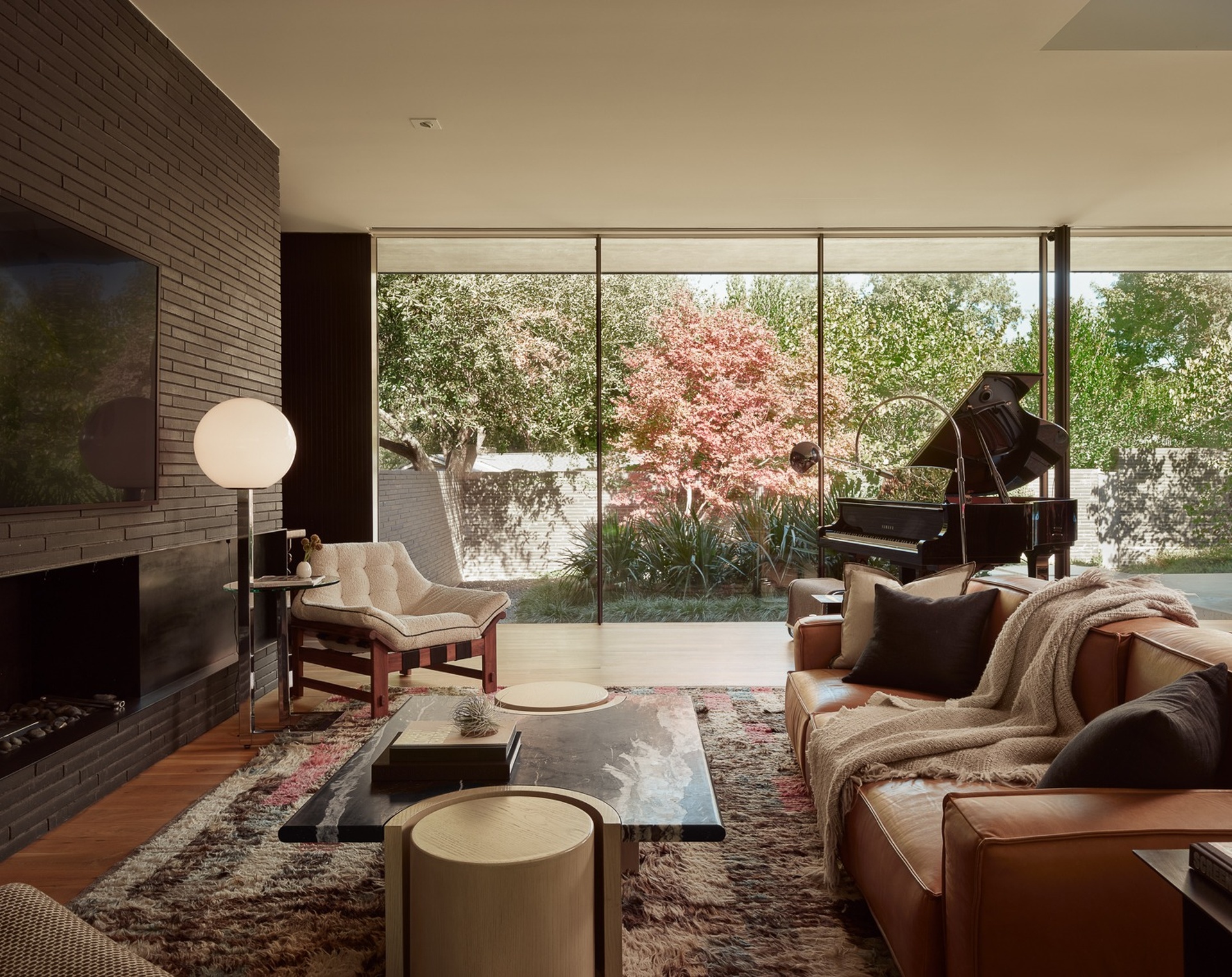
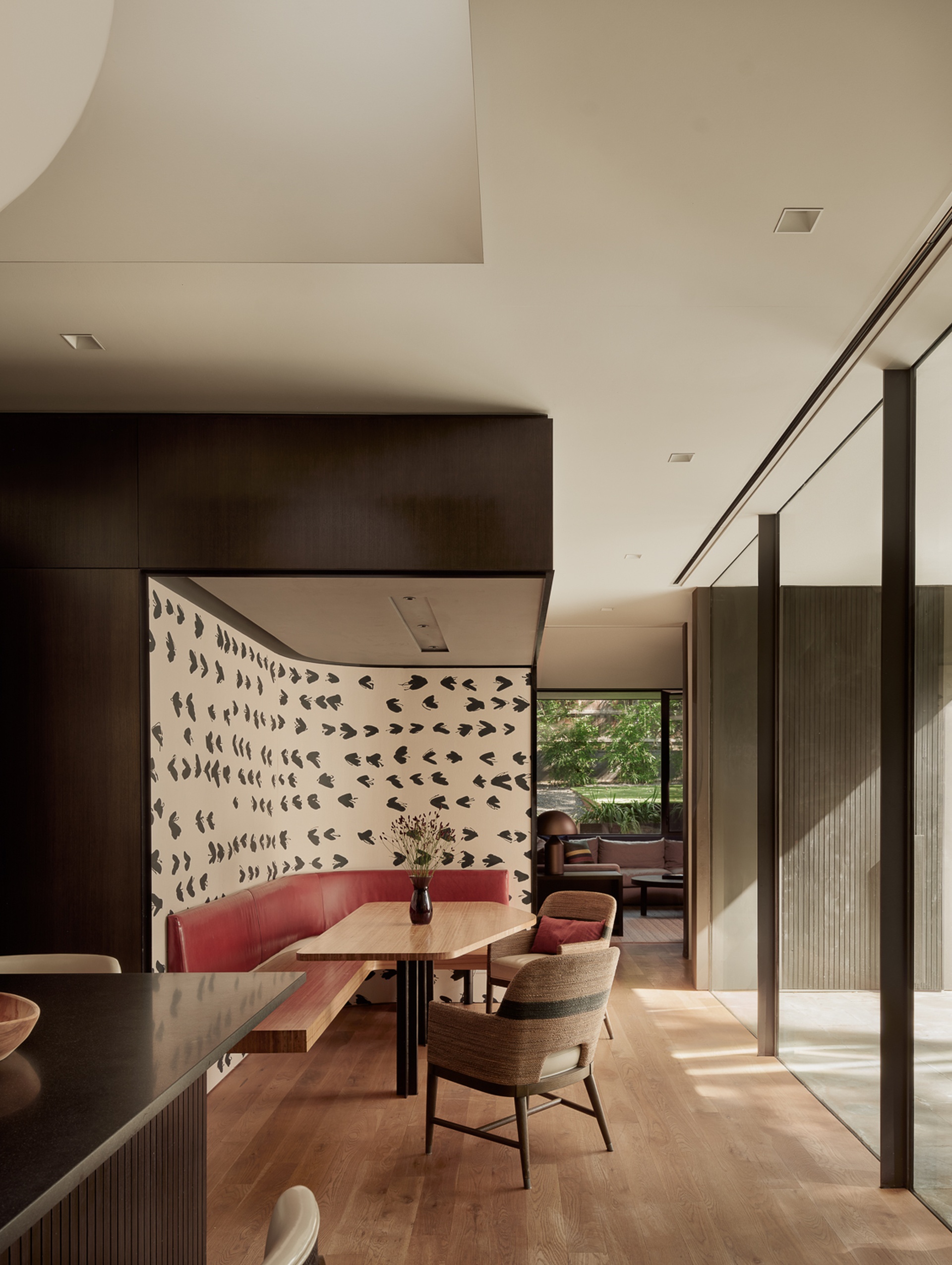
Rather than treating the exterior as a secondary condition, the project places the out-of-doors at the center of domestic life. The interior opens decisively toward the landscape, held under a continuous ceiling plane and enclosed with custom site-glazed window walls that reduce the visual weight of the frame.
Between Garden, Courtyard and Interior
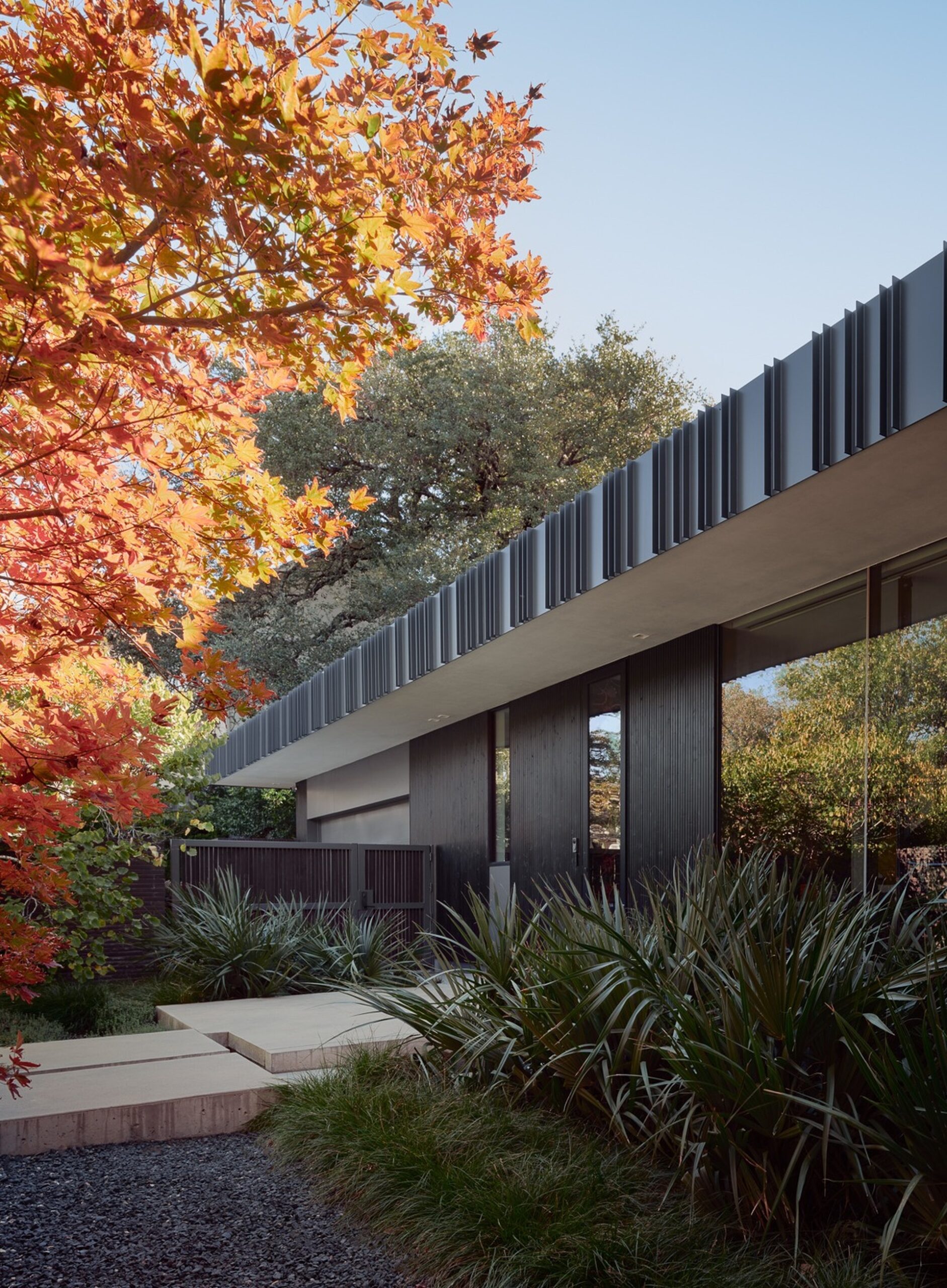
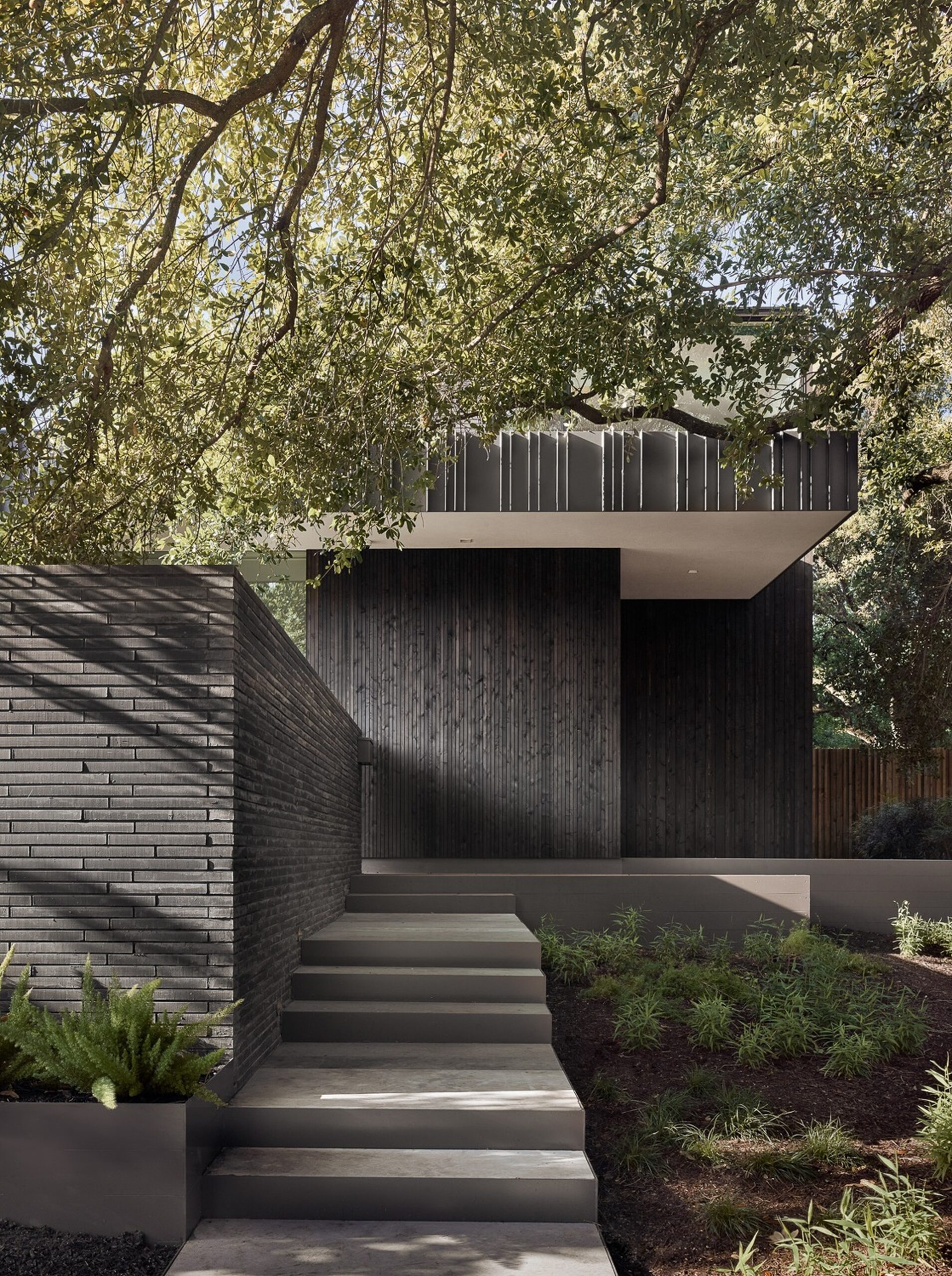
The house is conceived as a sequence of spatial thresholds. Visitors enter beneath the meandering limb of an adjacent Live Oak tree, moving through a carefully choreographed progression of spaces.
Throughout the plan, the architects balance two apparently opposite intentions: defining distinct rooms while maintaining a strong sense of continuity. Glimpses of adjacent spaces, changing views and unexpected moments around each corner give the house a layered quality, where movement becomes part of the architectural experience.
Light from Above
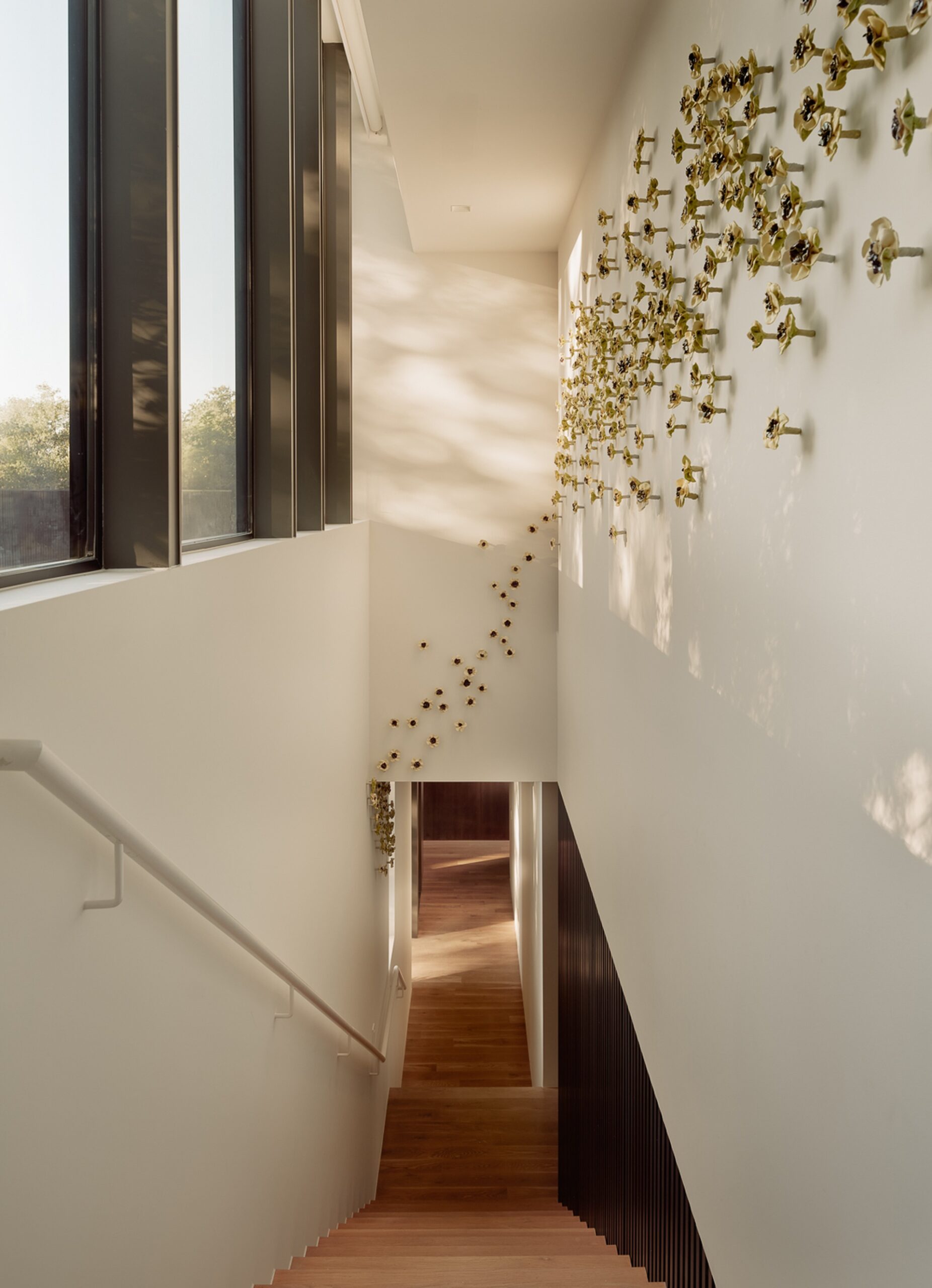
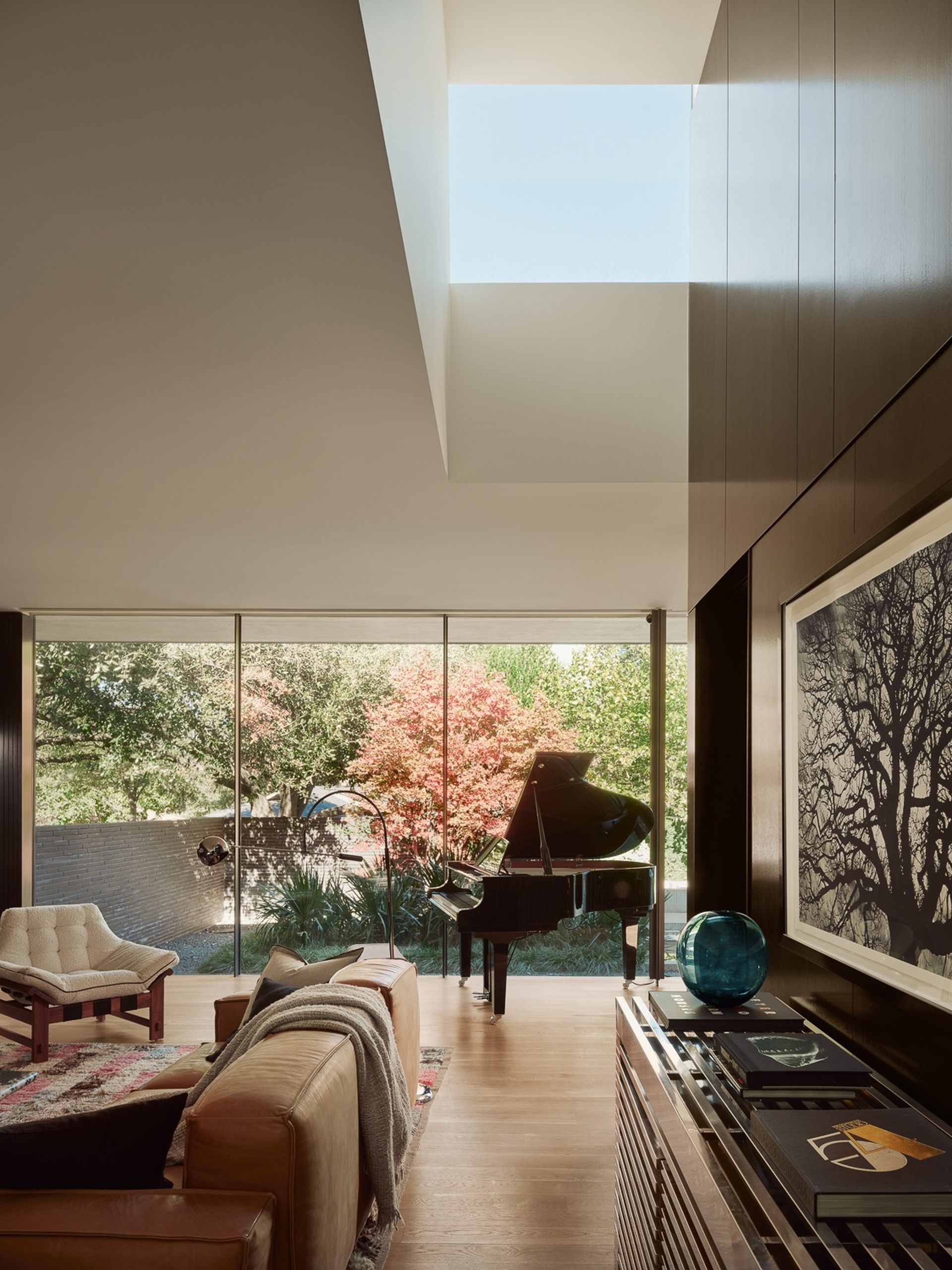
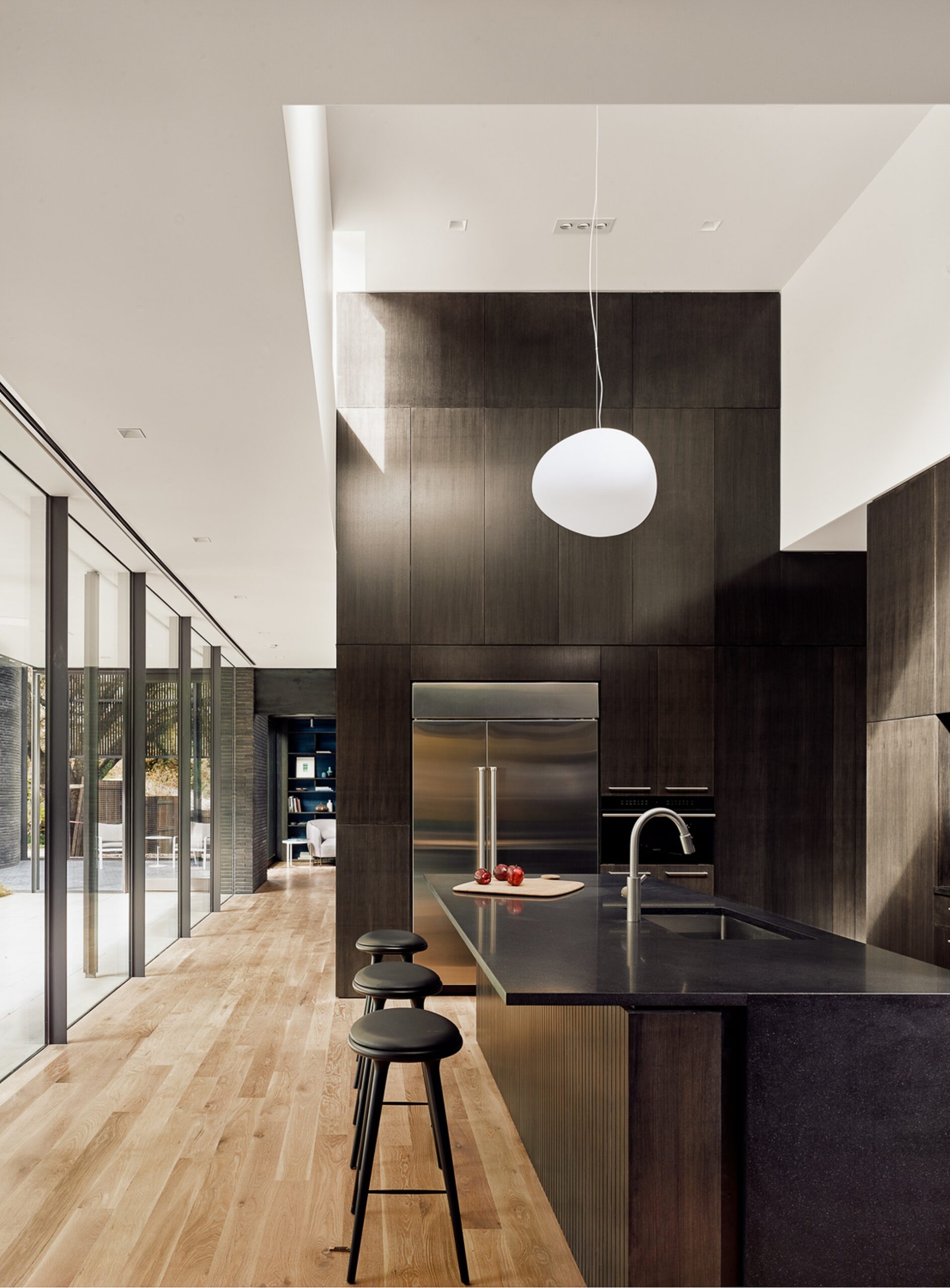
At the center of the house, an unexpected monitor opens the interior to the sky. This gesture brings balanced daylight into the deepest part of the plan, while framing views toward the tree canopy above.
In a home otherwise organized around horizontal continuity, this vertical opening becomes a quiet spatial event. It gives the center of the house a sense of height, atmosphere and orientation, allowing natural light to work as one of the project’s primary materials.
Vertical Moments in a Horizontal House
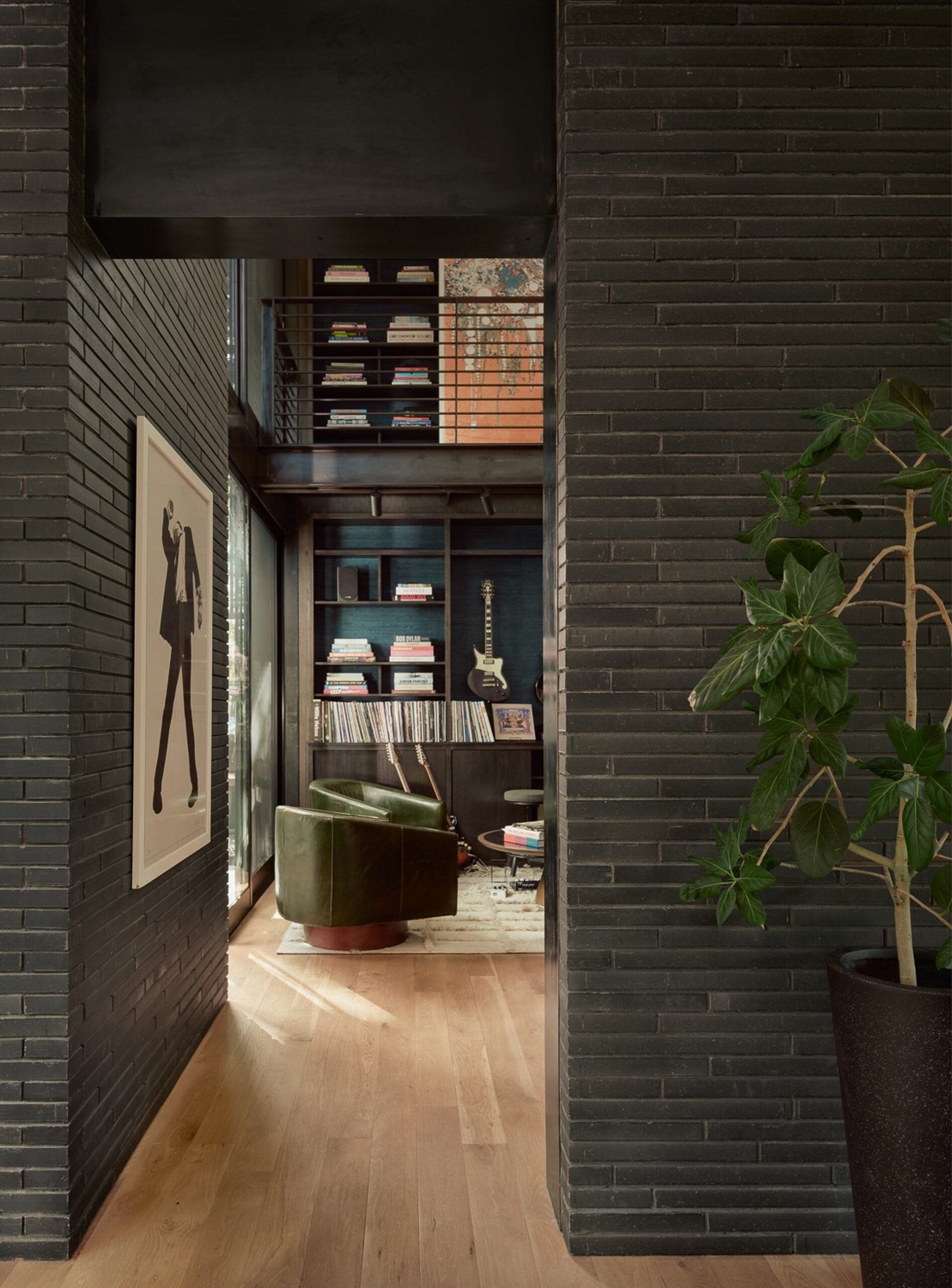
Although the residence is largely horizontal in its organization, two spaces introduce vertical intensity: a two-story library and a similarly scaled screened porch. Together, they expand the section of the house and create moments of unexpected spatial depth.
A glass-floored bridge from an office loft provides access to the upper bookshelves and extends toward the screened porch as a Juliet balcony. This element combines circulation, structure and view, turning a functional connection into one of the house’s most distinctive architectural moments.
Abstract Volumes and Controlled Privacy
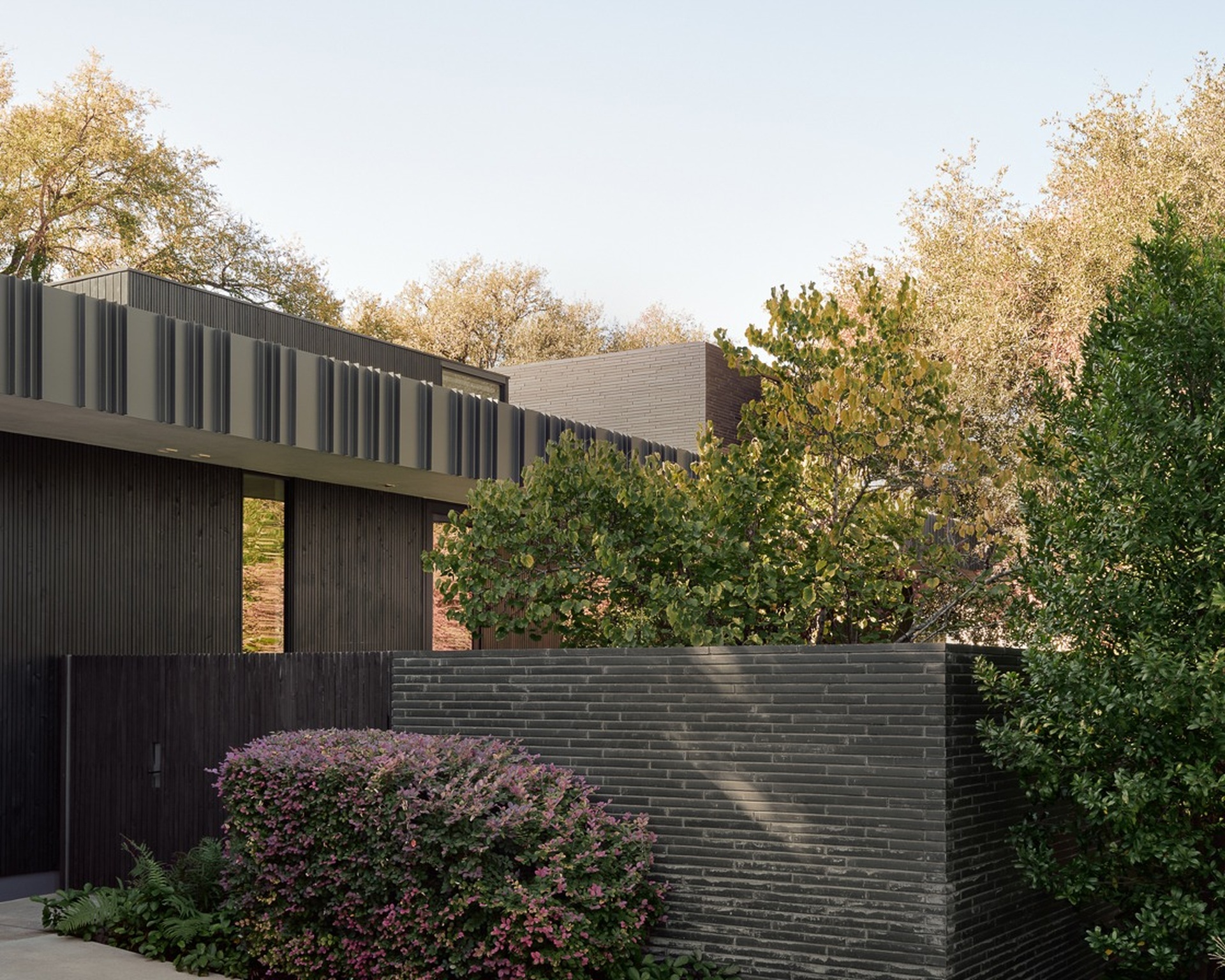
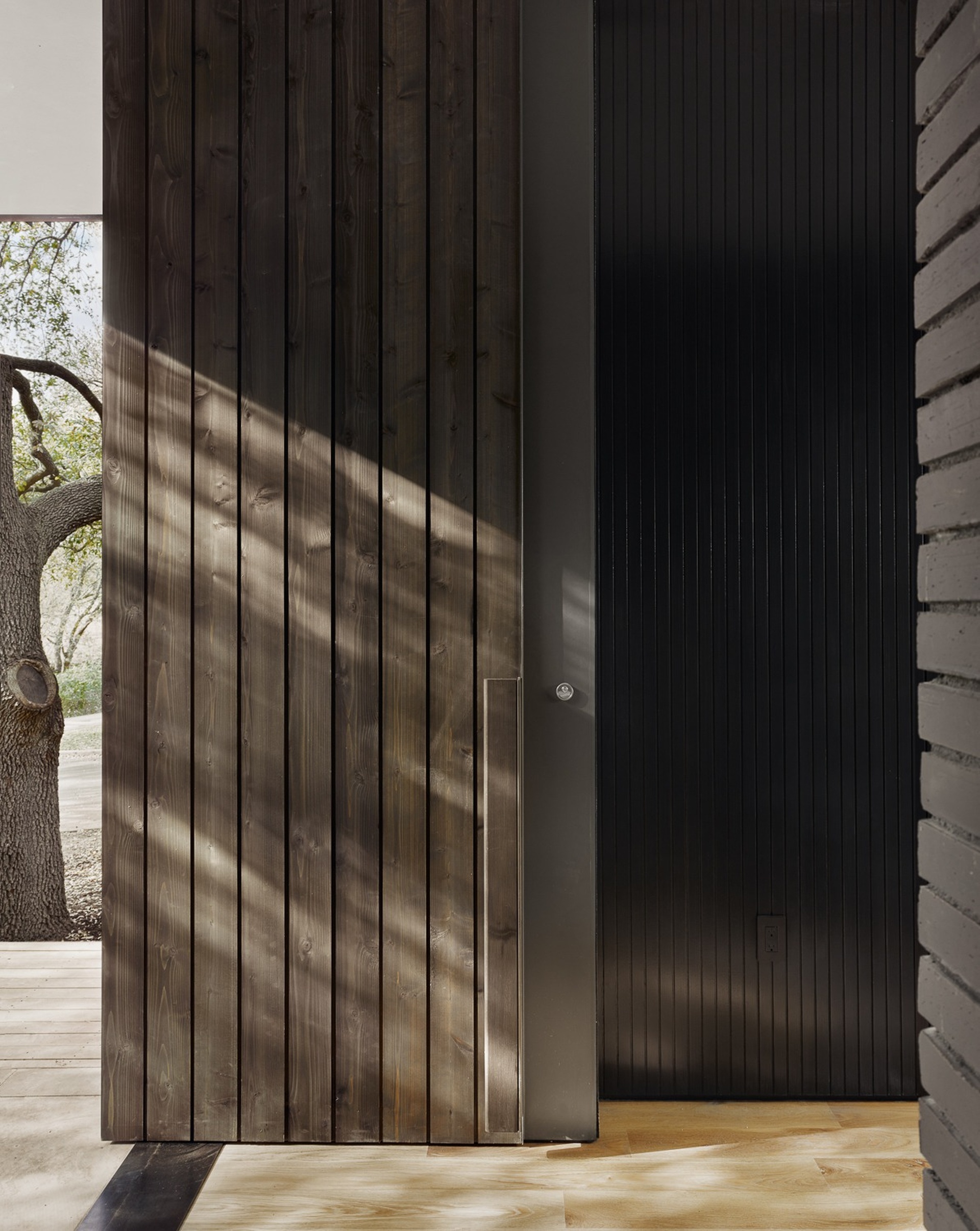
The residence is framed by two abstract volumes clad in long-format black brick and black-stained cedar. These volumes complete the composition while shielding the interior from the street and from potential future neighboring development.
In a relatively dense suburban context, the house creates a carefully protected enclave. Privacy is not achieved through withdrawal alone, but through the precise placement of walls, glazing, courtyards and opaque material surfaces.
Construction as Atmosphere
Construction and detail play a central role in the character of the house, yet the expression of detail is deliberately restrained. The architecture is conceived as a primed canvas for light and shadow, natural materials and the presence of the garden.
A custom site-glazed window system minimizes the presence of frames, while steel elements — including custom structural columns, fascia and trim, a glass floor and steel bridge, and a double-height screened porch — introduce precision and depth. These details work together with black brick, stained cedar, purpose-built cabinetry and custom furniture to create a controlled but tactile domestic environment.
Hidden Color and Material Depth
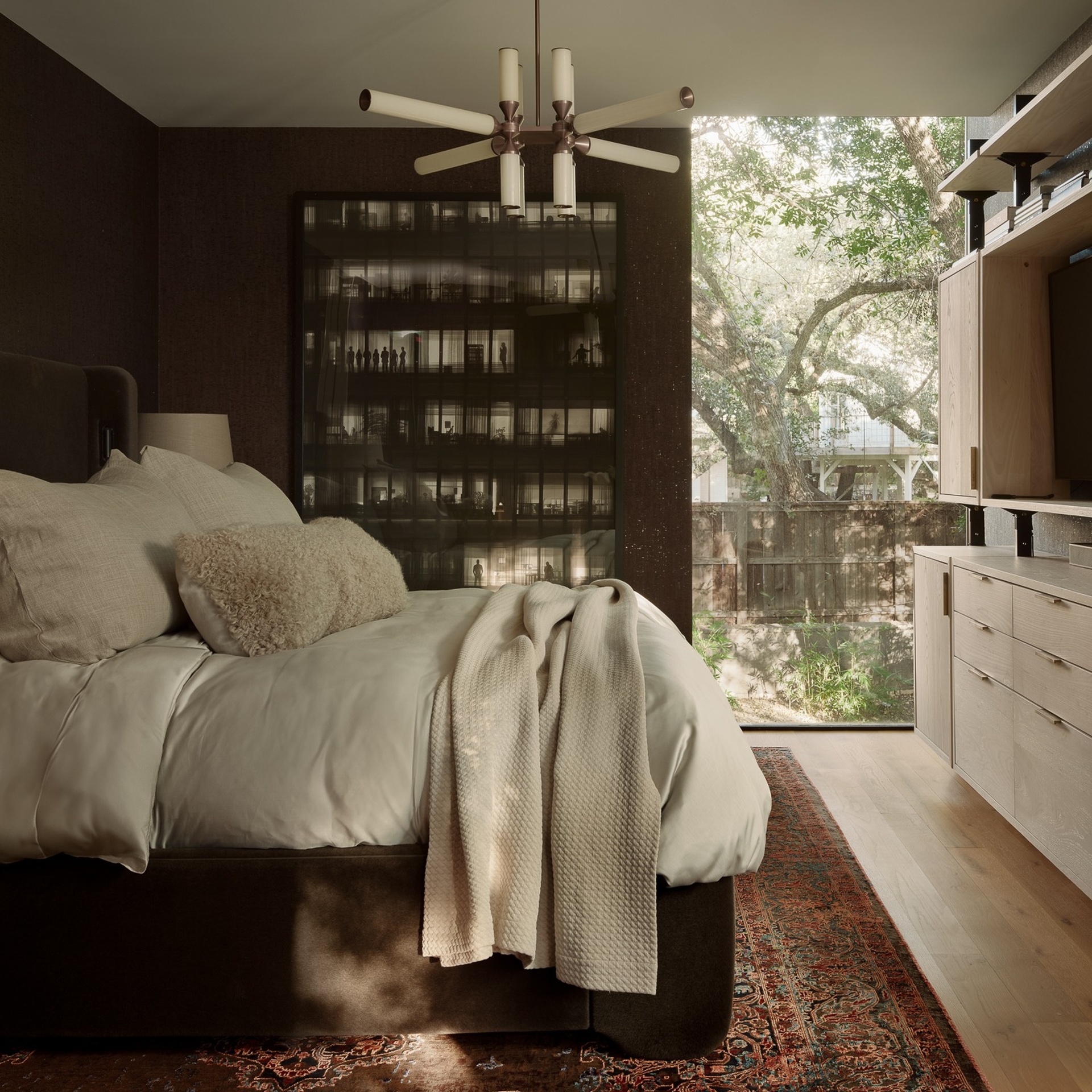
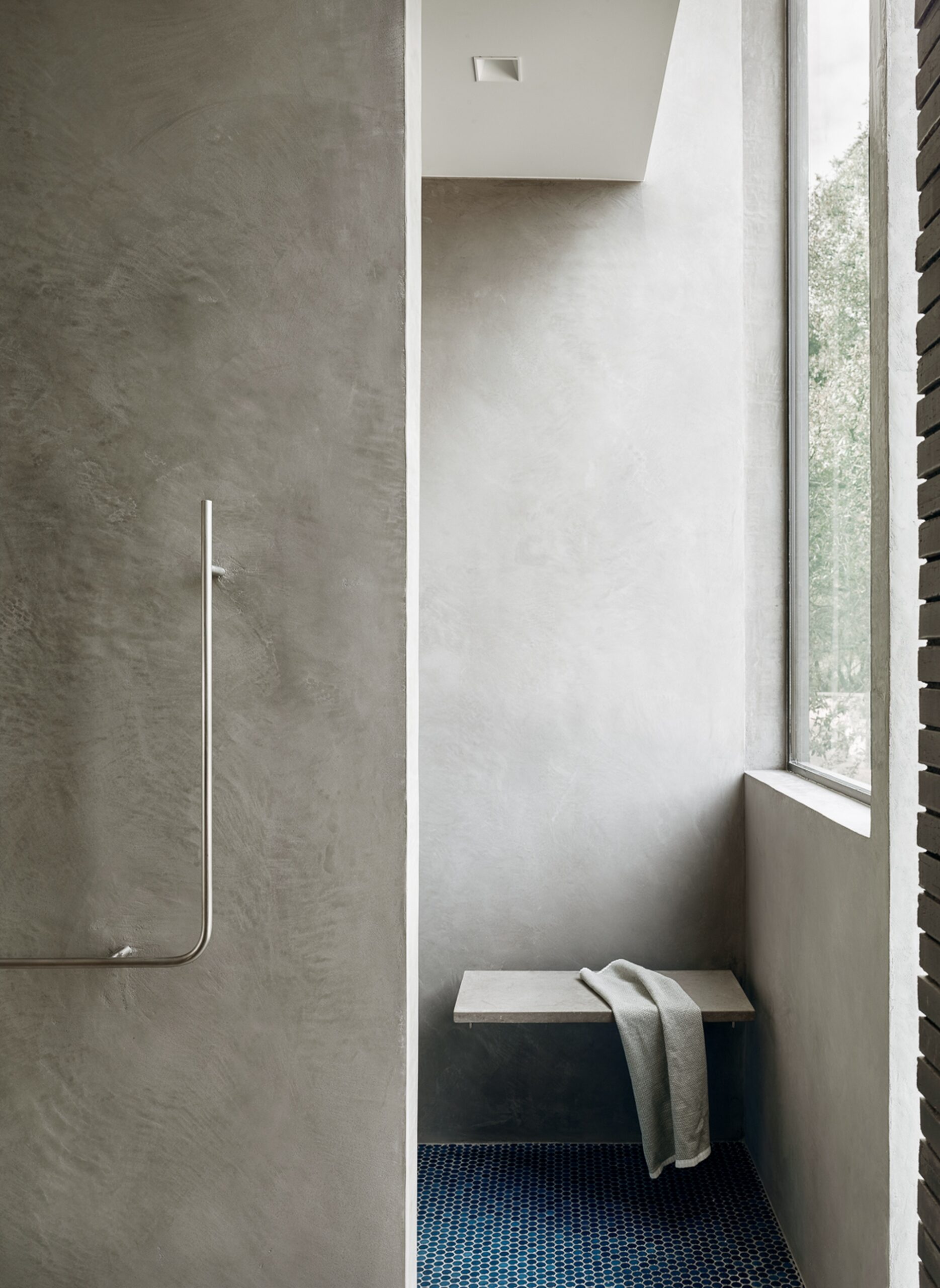
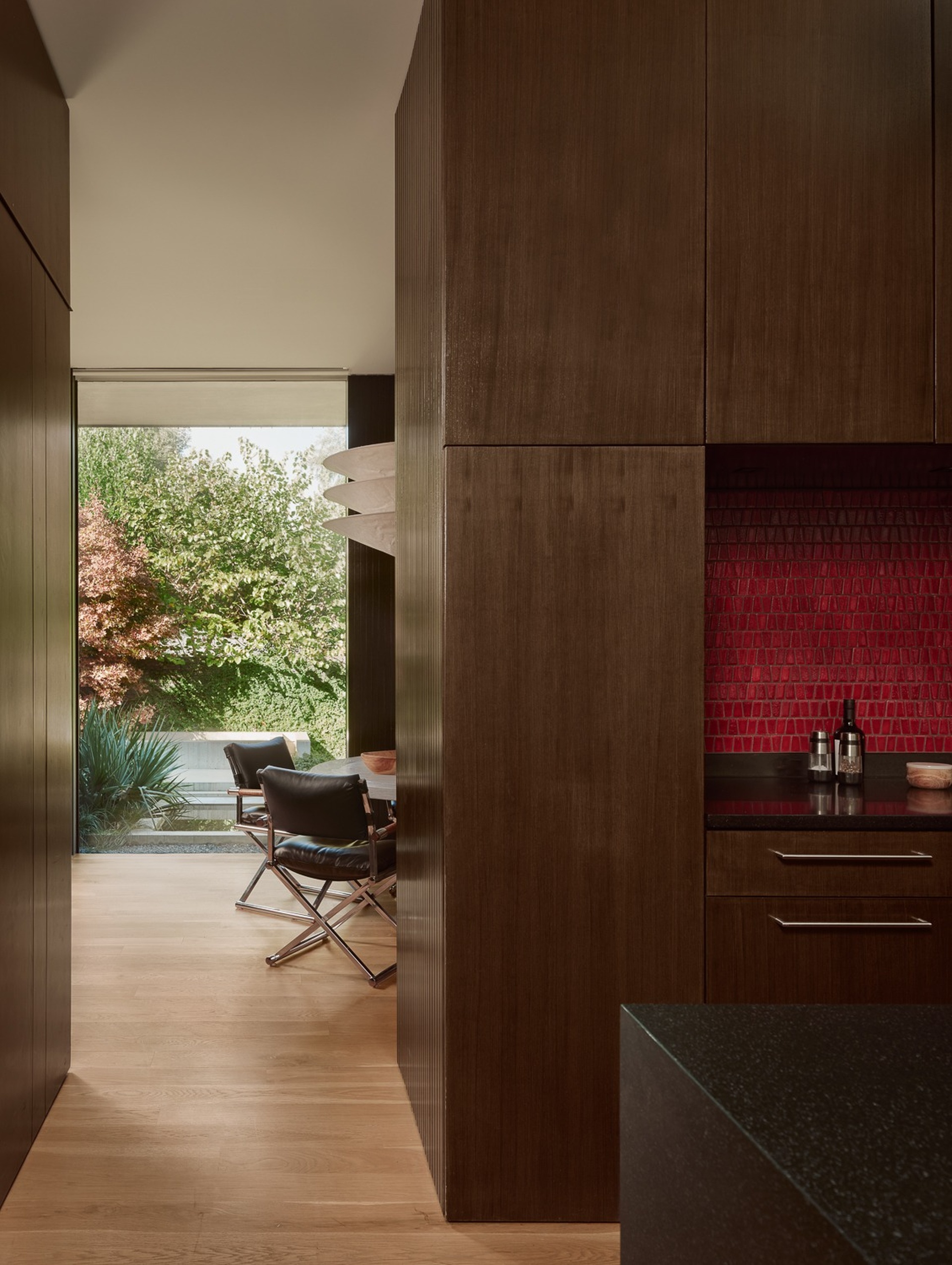
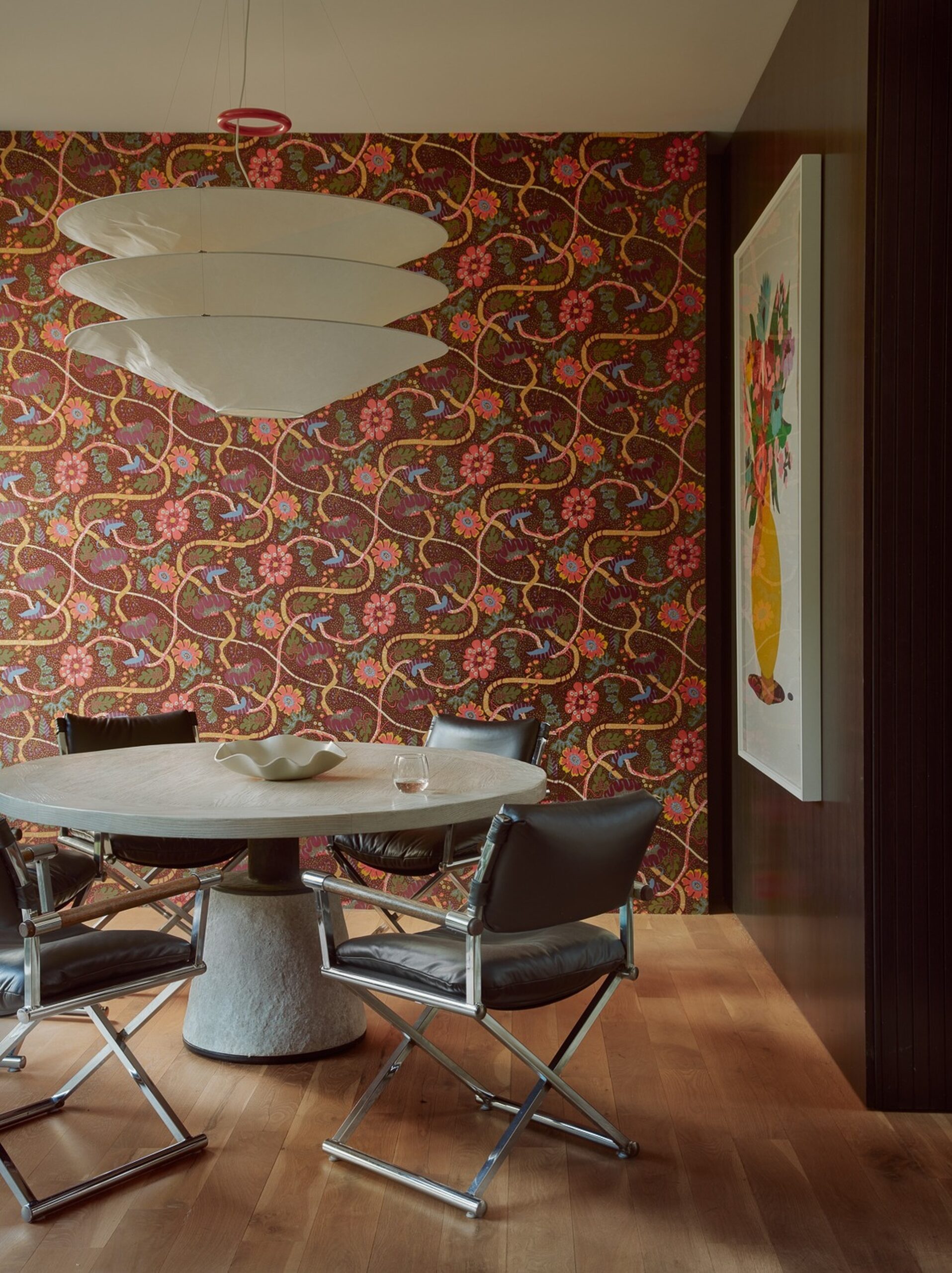
Behind the restrained exterior and disciplined detailing, the interior includes unexpected moments of color and texture. These appear behind doors, at the back of bookcases and in carefully selected surfaces, giving the house a private richness that reveals itself gradually.
Tarrytown Residence is therefore not only a house of enclosure and transparency. It is a home shaped through contrast: between public and private, shadow and light, horizontal continuity and vertical intensity, precision and delight.