You are here:

20,00 

Add to Wishlist!
Add to Wishlist!

Categories: , SKU: 85827-1-1-1 Tags:

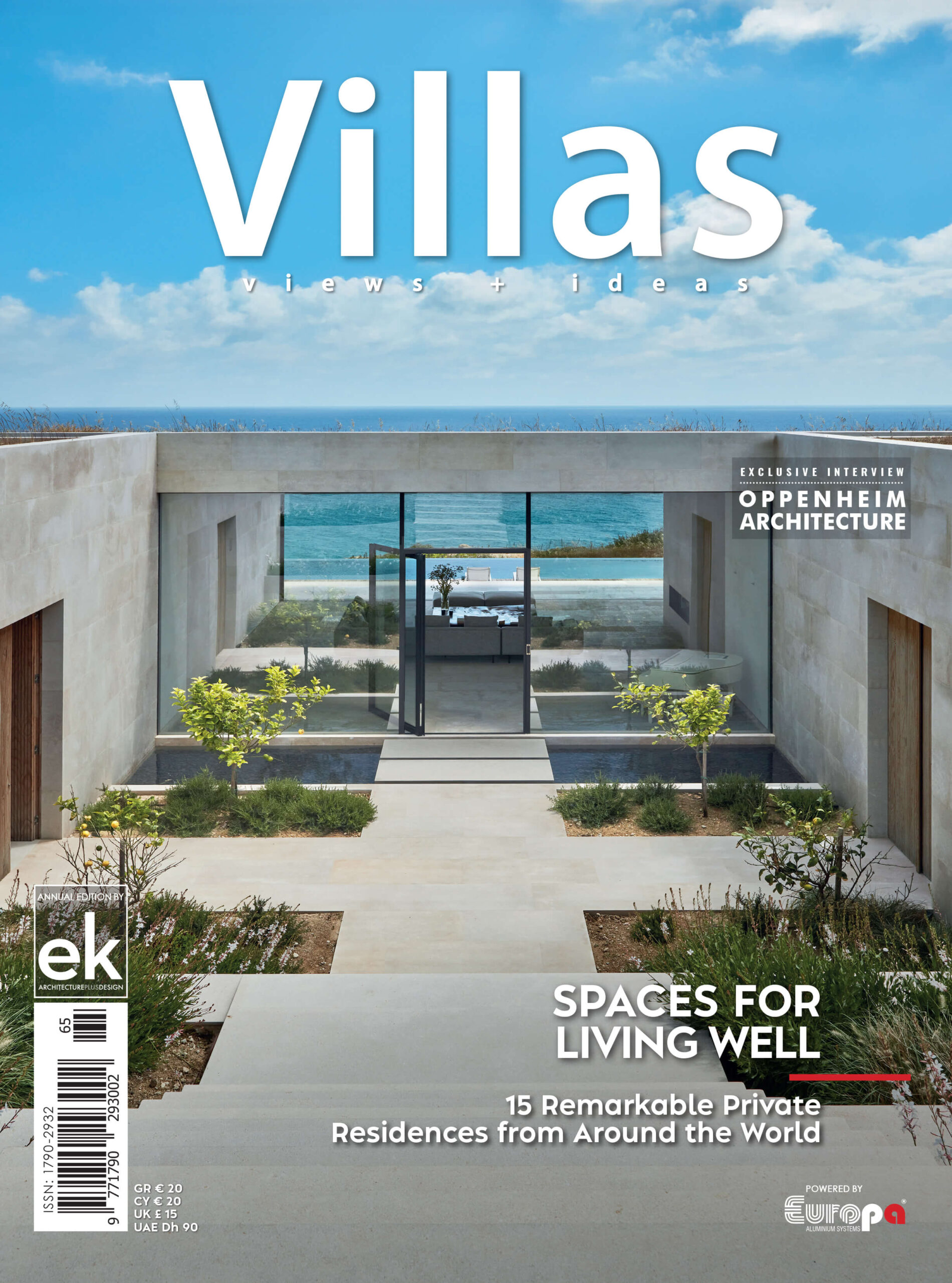
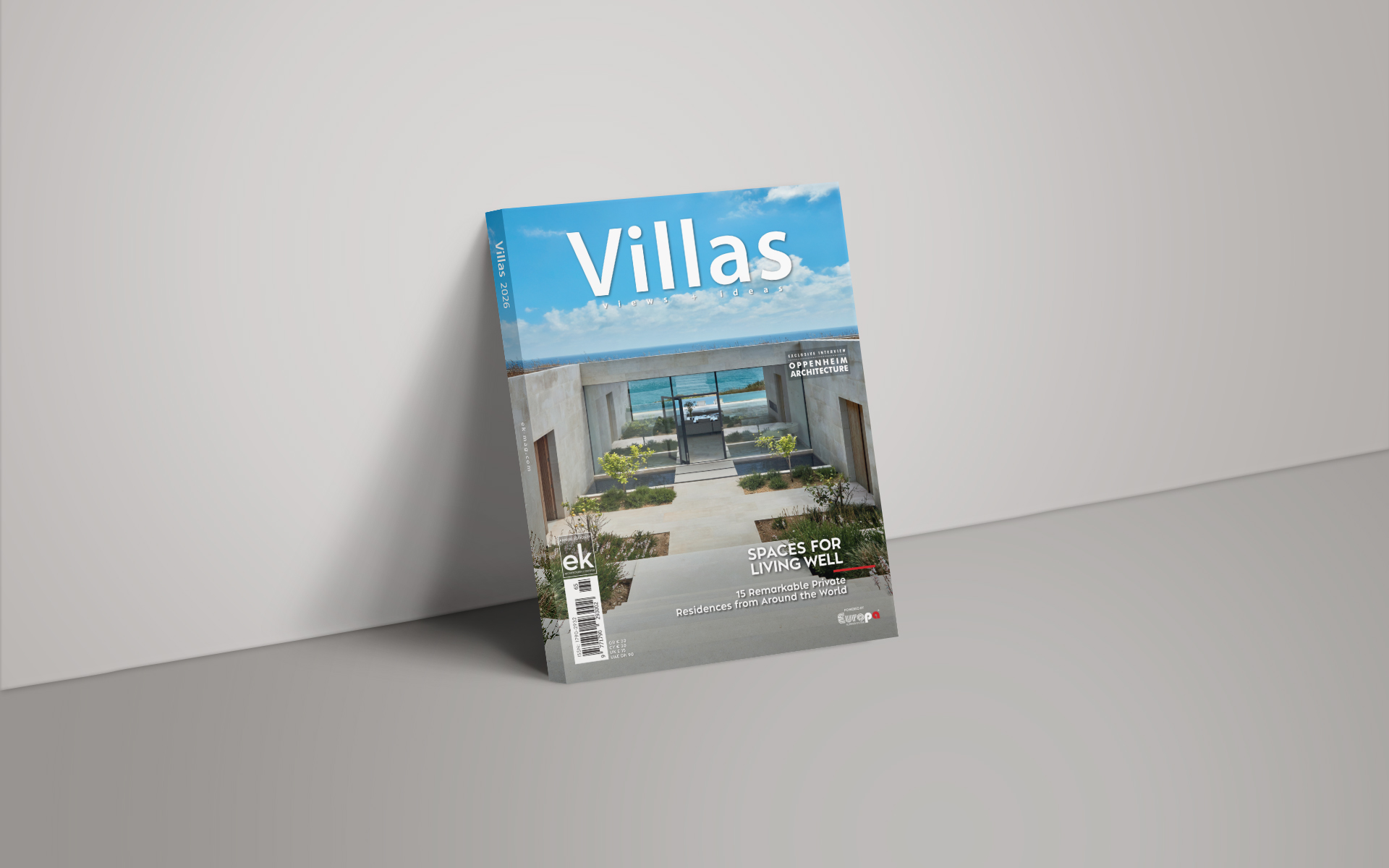
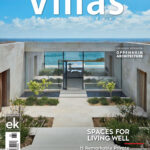
Villas 2026

The new annual bilingual edition, Villas 2026, presents 15 impressive examples of luxury villas located in different parts of the world, in an international publication of high aesthetic value.

Works by notable architects in the USAPortugalBrazilIvory CoastGreece and Cyprus, highlight the residence as an exercise in abstraction and essence: space is organized through clear gestures, where light, geometry and materiality function as basic compositional tools. In this context, the villa goes beyond conventional functionality, constituting a coherent environment where interior and exterior coexist in a single, livable experience, in dialogue with the landscape.

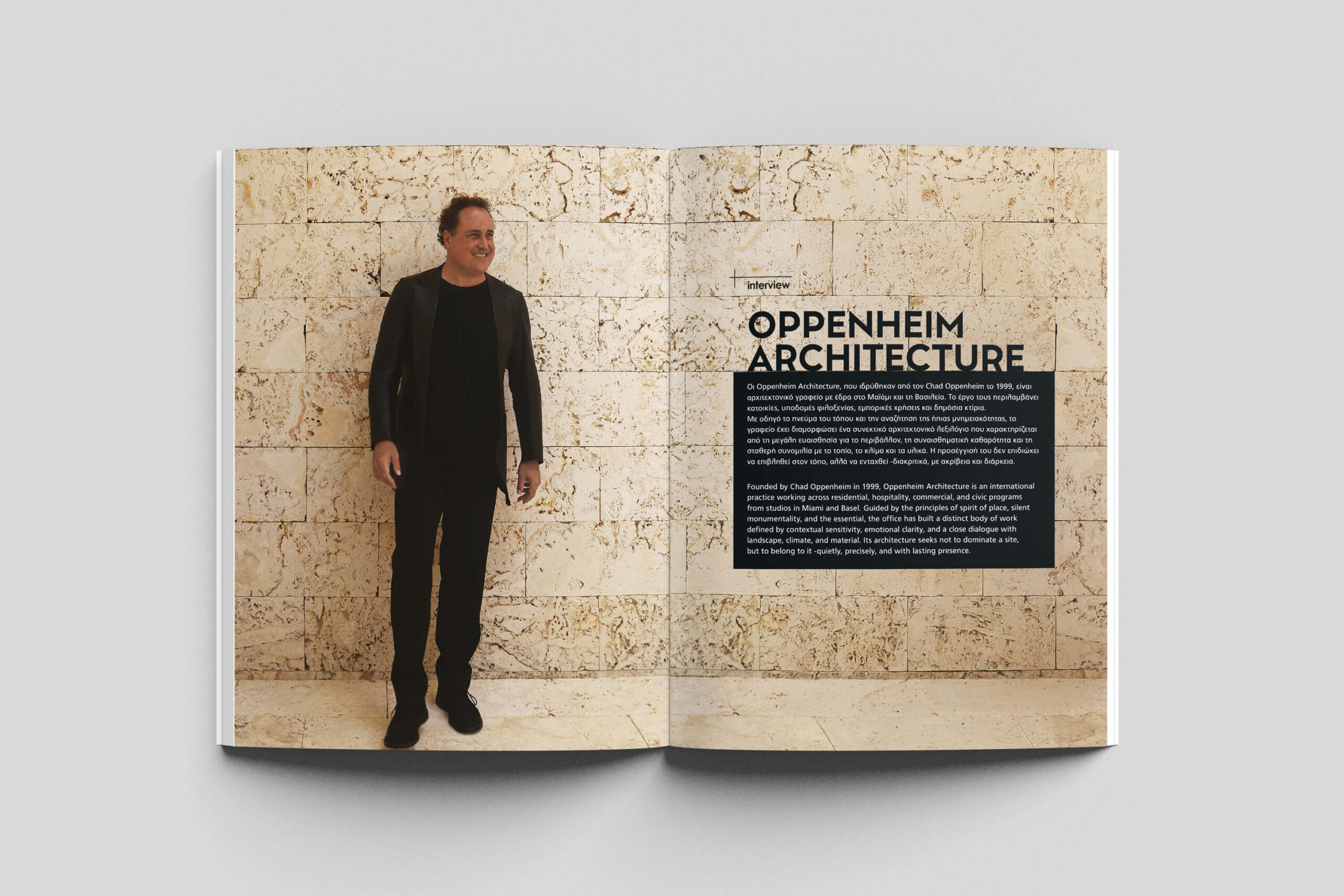
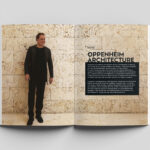
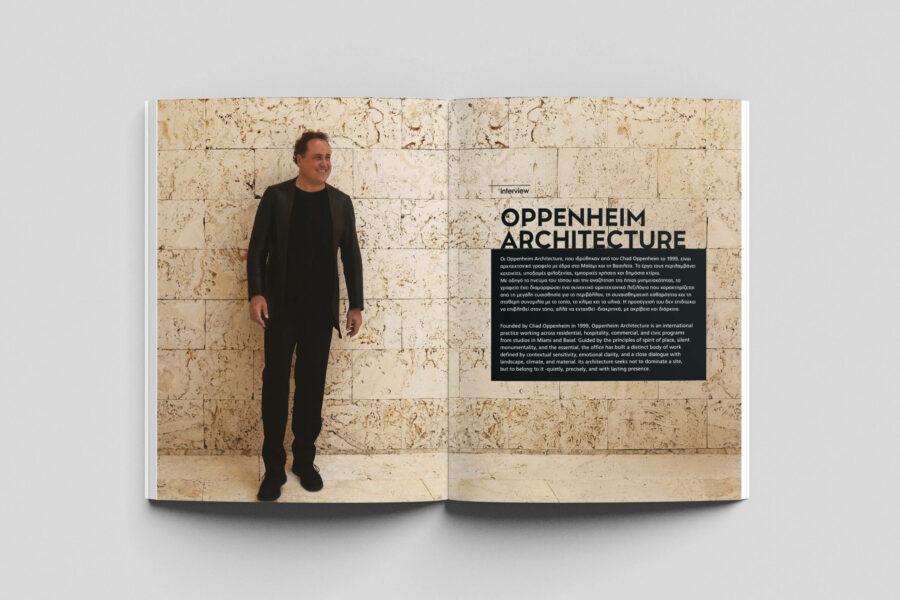
The issue also includes an exclusive interview with Oppenheim Architects, a firm that has developed a coherent architectural vocabulary characterized by a great sensitivity to the environment, emotional purity and a constant conversation with the natural landscape, climate and materials.

The Villas 2026 edition is available at press distribution points, shopping malls, airports and selected bookstores in the following countries: Greece, Cyprus, Australia, Germany, Italy, Korea, Spain, United Arab Emirates (Dubai, Abu Dhabi), Qatar, United Kingdom, USA.


Contents

Cover:
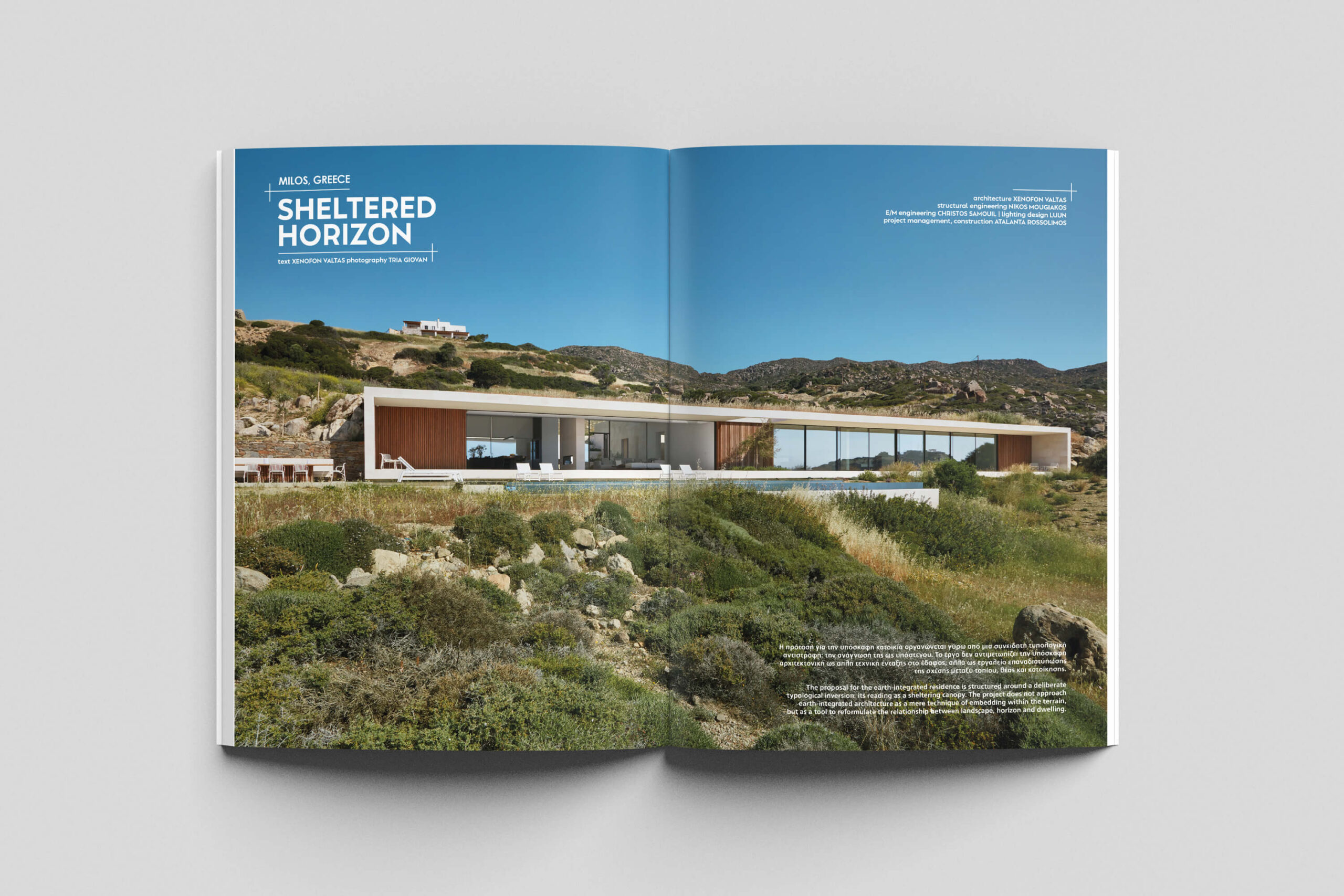
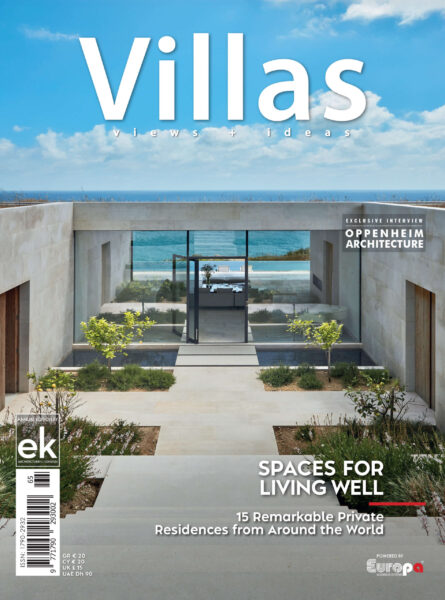
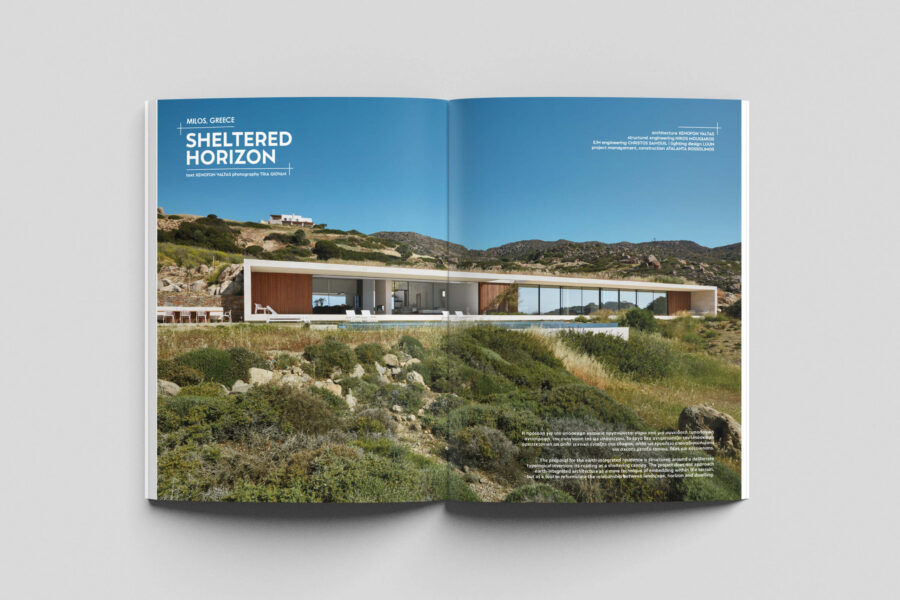
– Xenofon Valtas, residence in Milos

Contents:

– Comment: Xenofon Valtas

– Interview: Oppenheim Architects


Villas 2026:

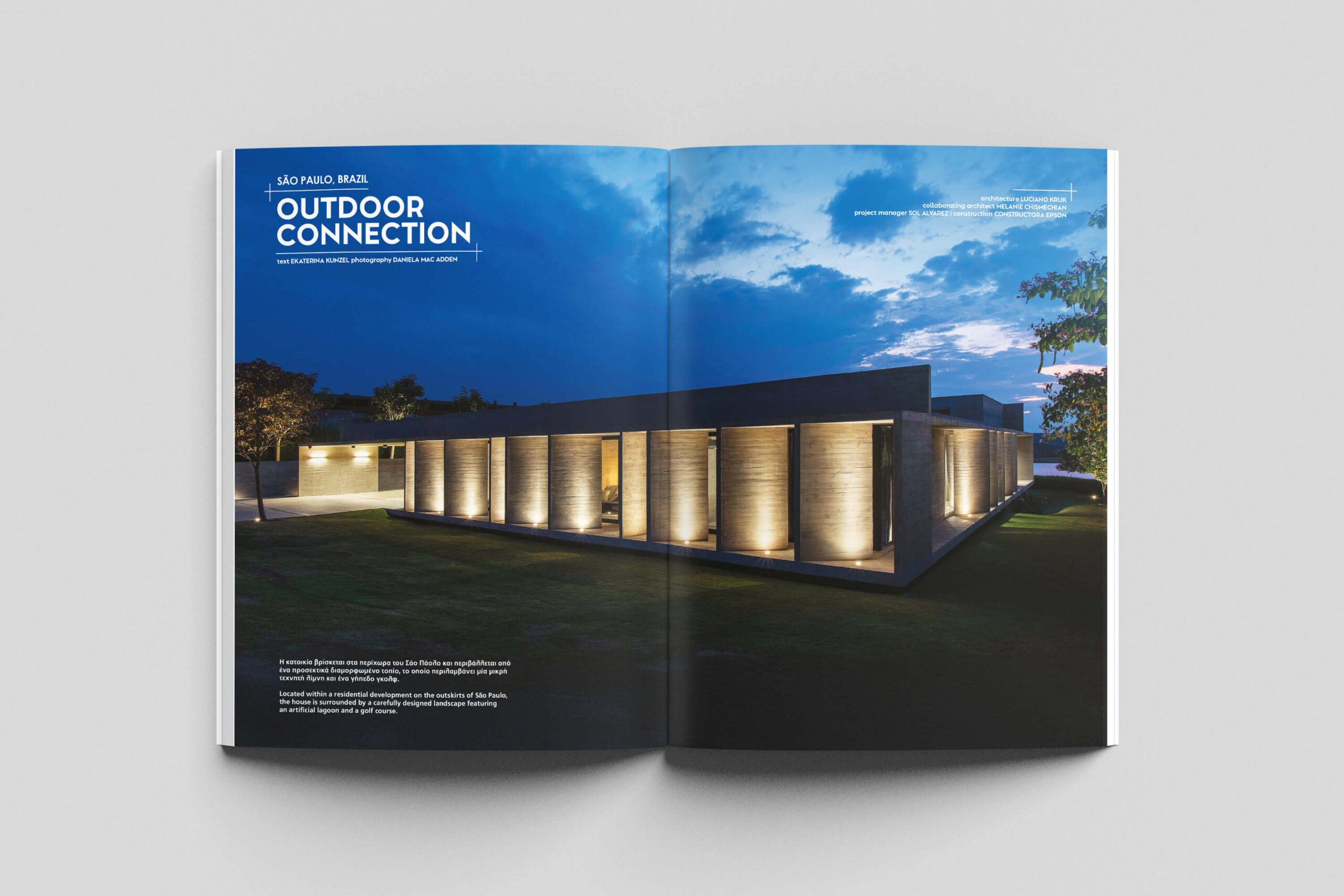
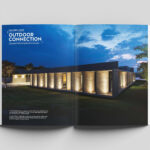
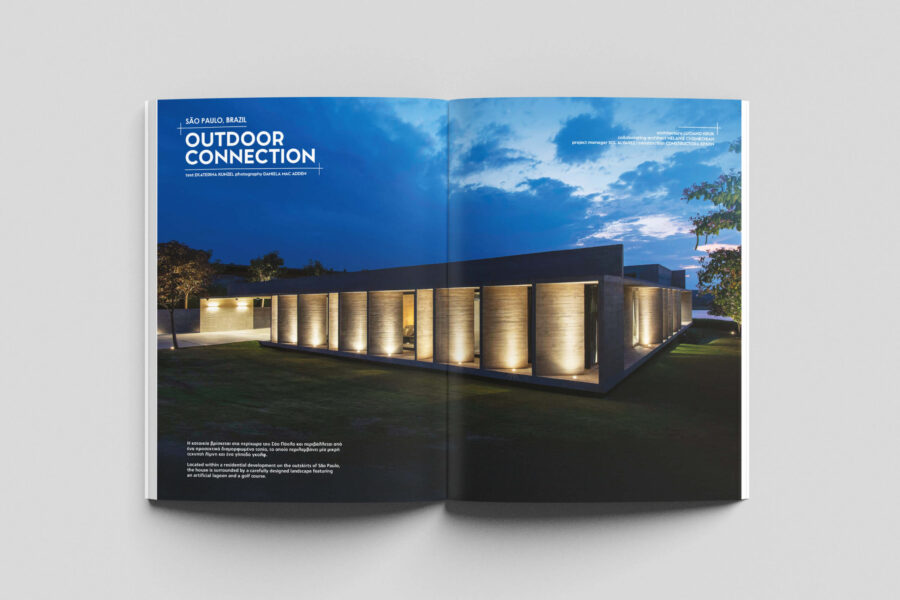
– Outdoor Connection | Luciano Kreuk
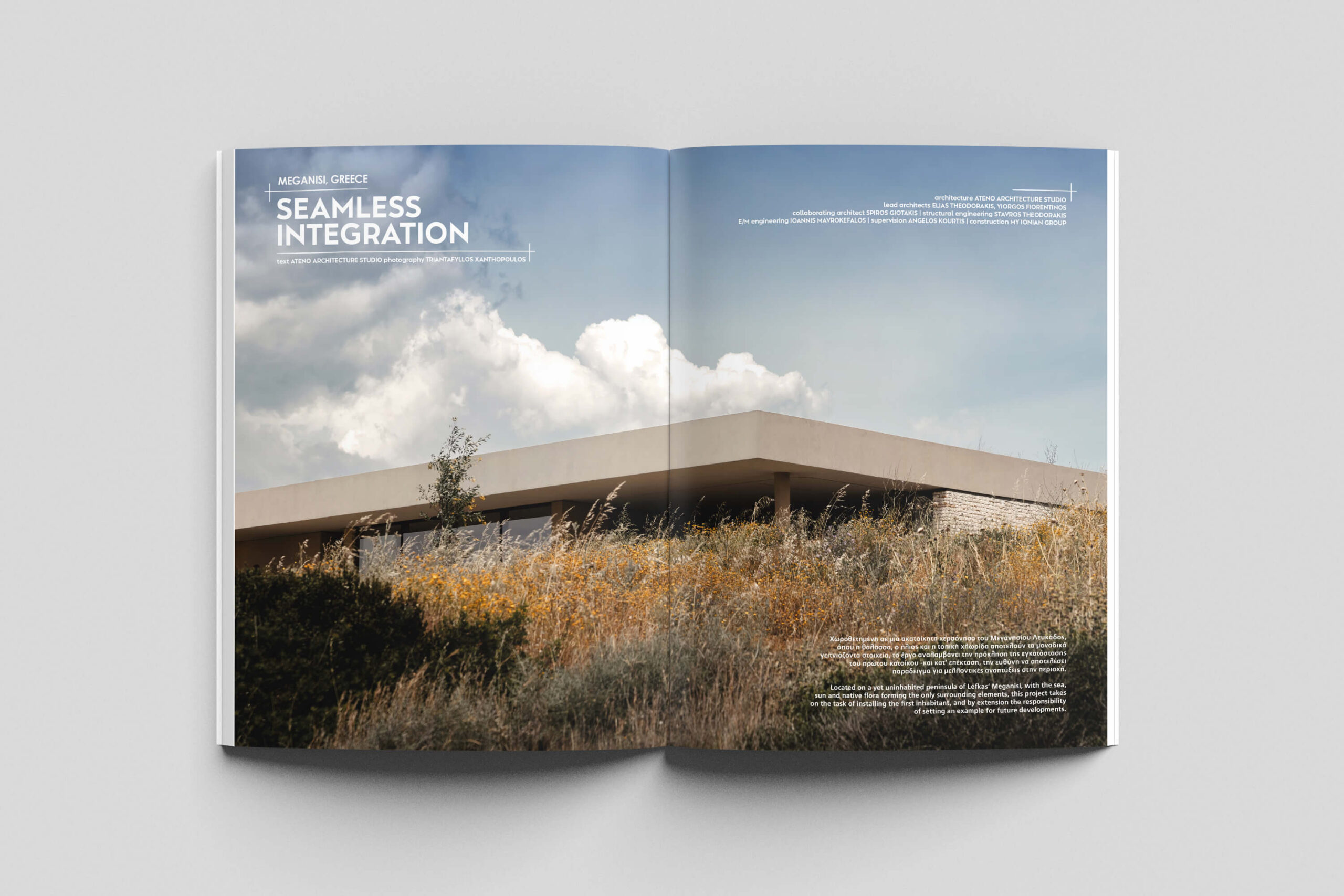
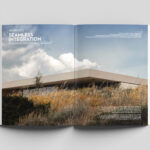
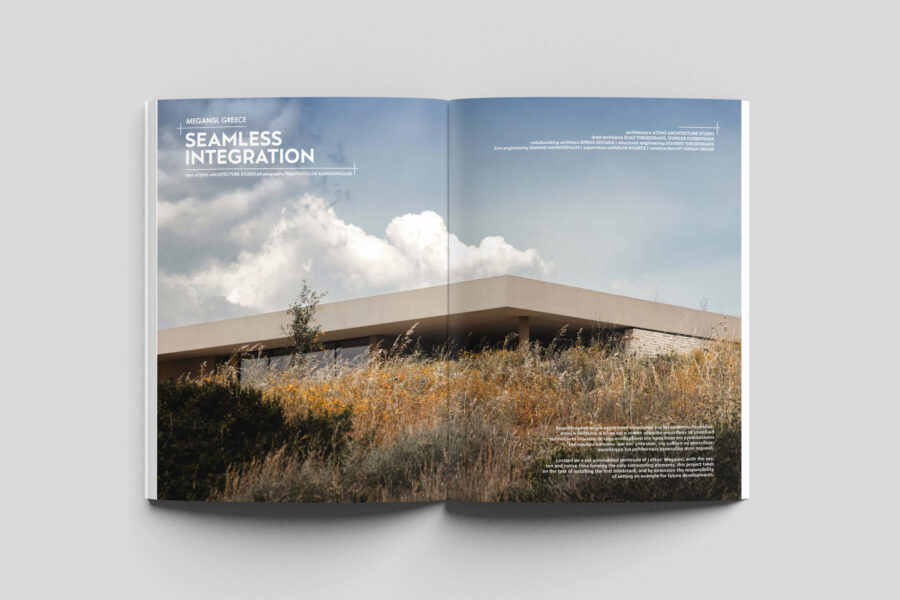
– Seamless Integration | Ateno Architecture Studio
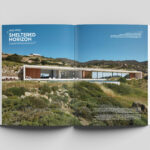
– Sheltered Horizon | Xenofon Valtas
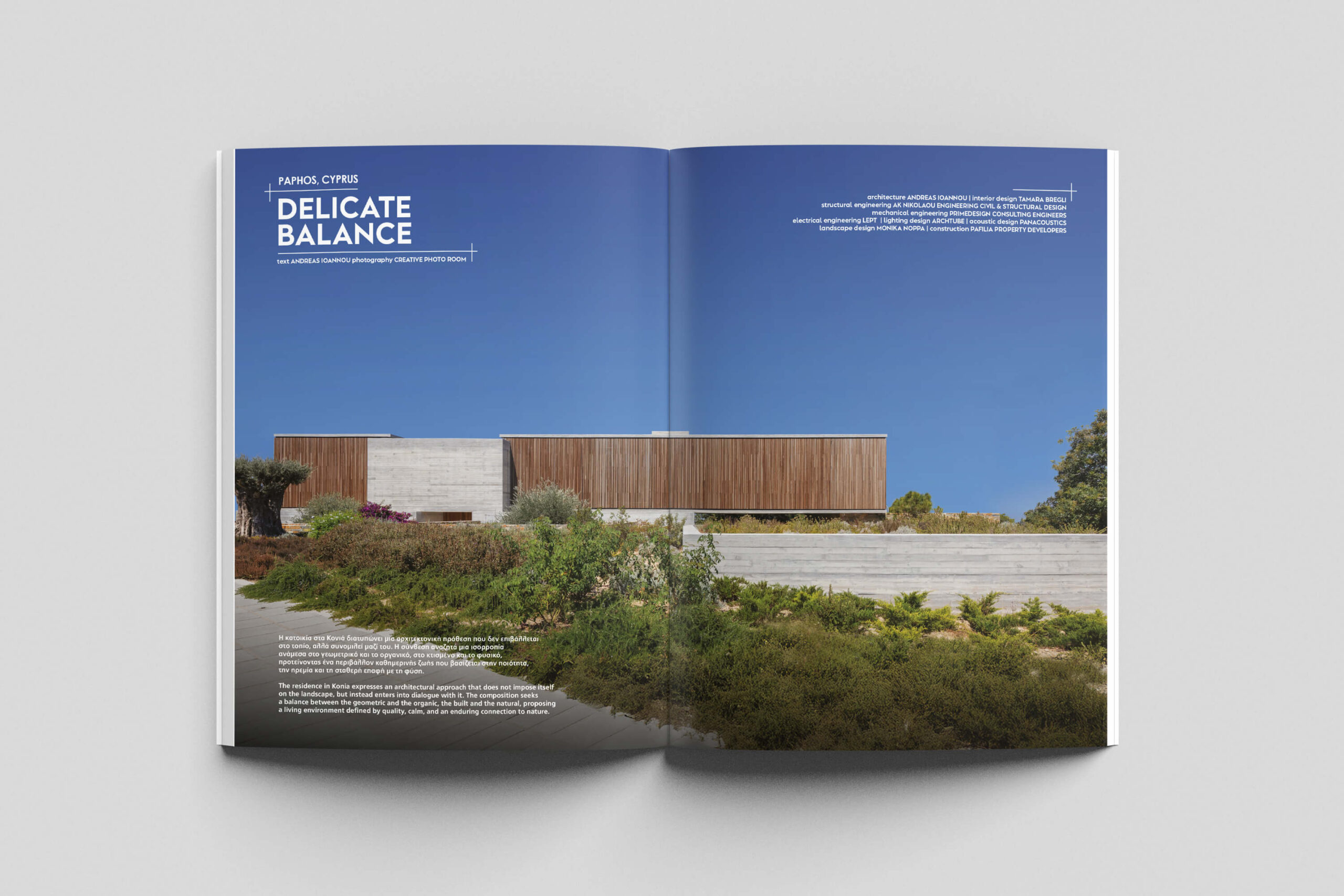
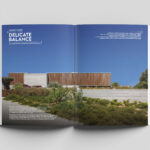
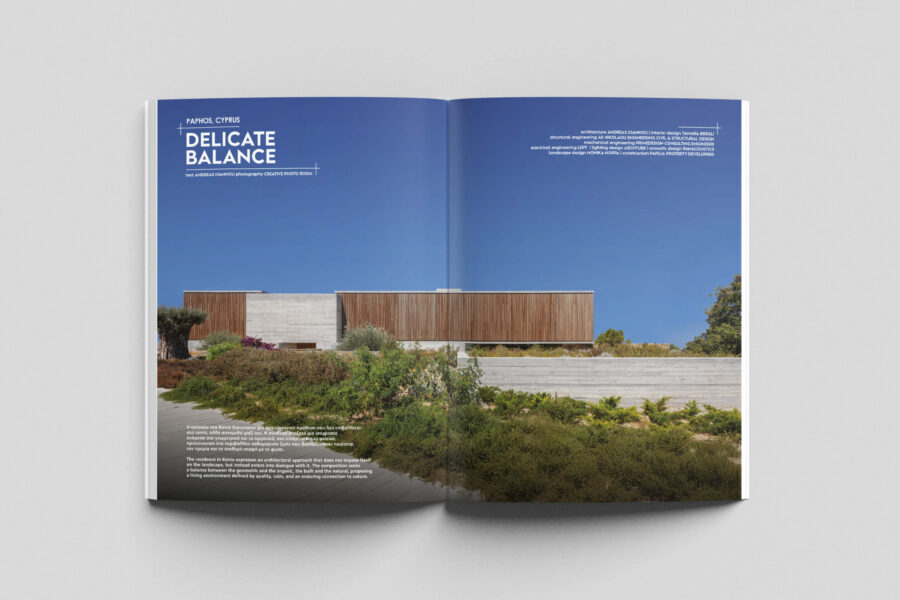
– Delicate Balance | Andreas Ioannou
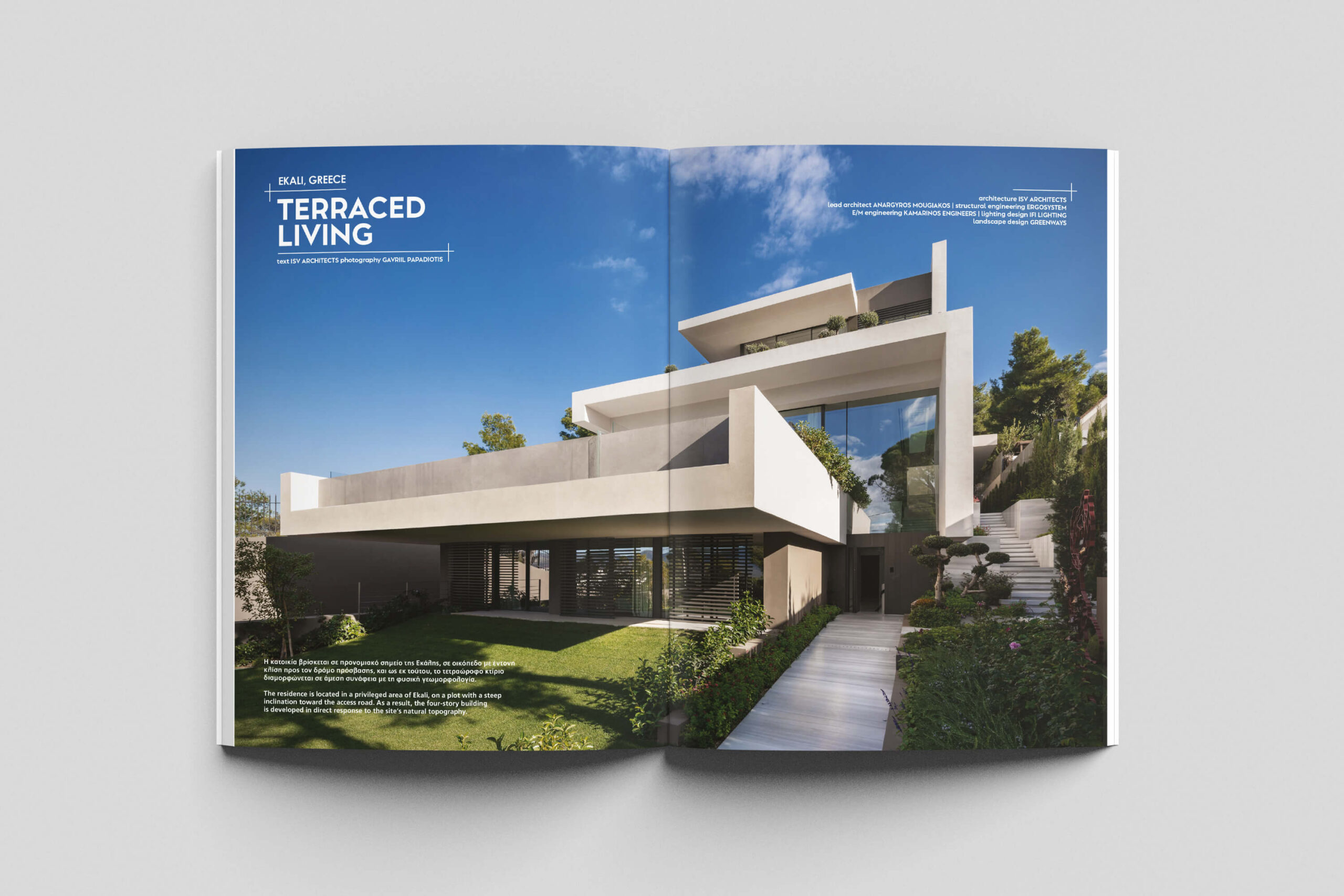
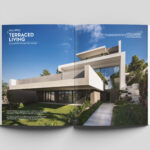
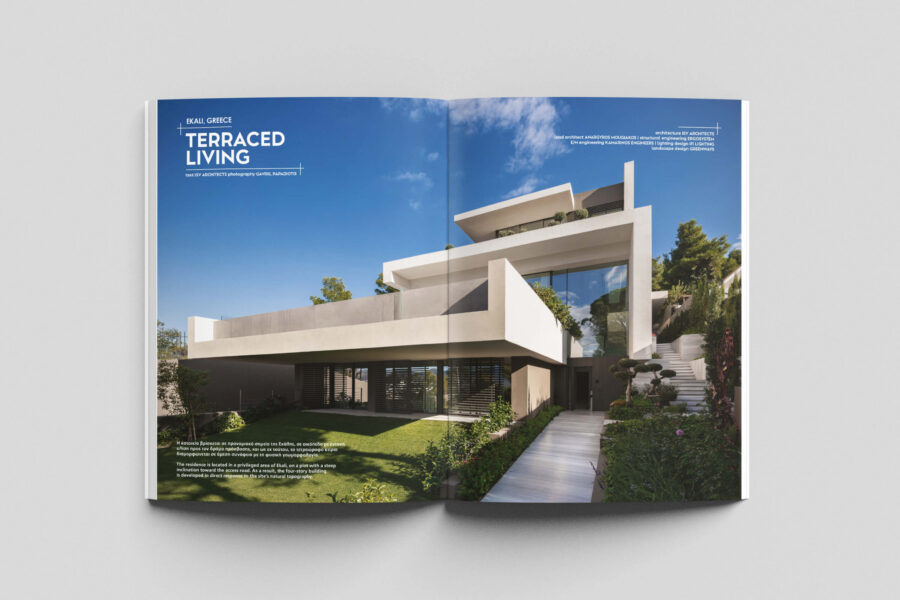
– Terraced Living | ISV Architects
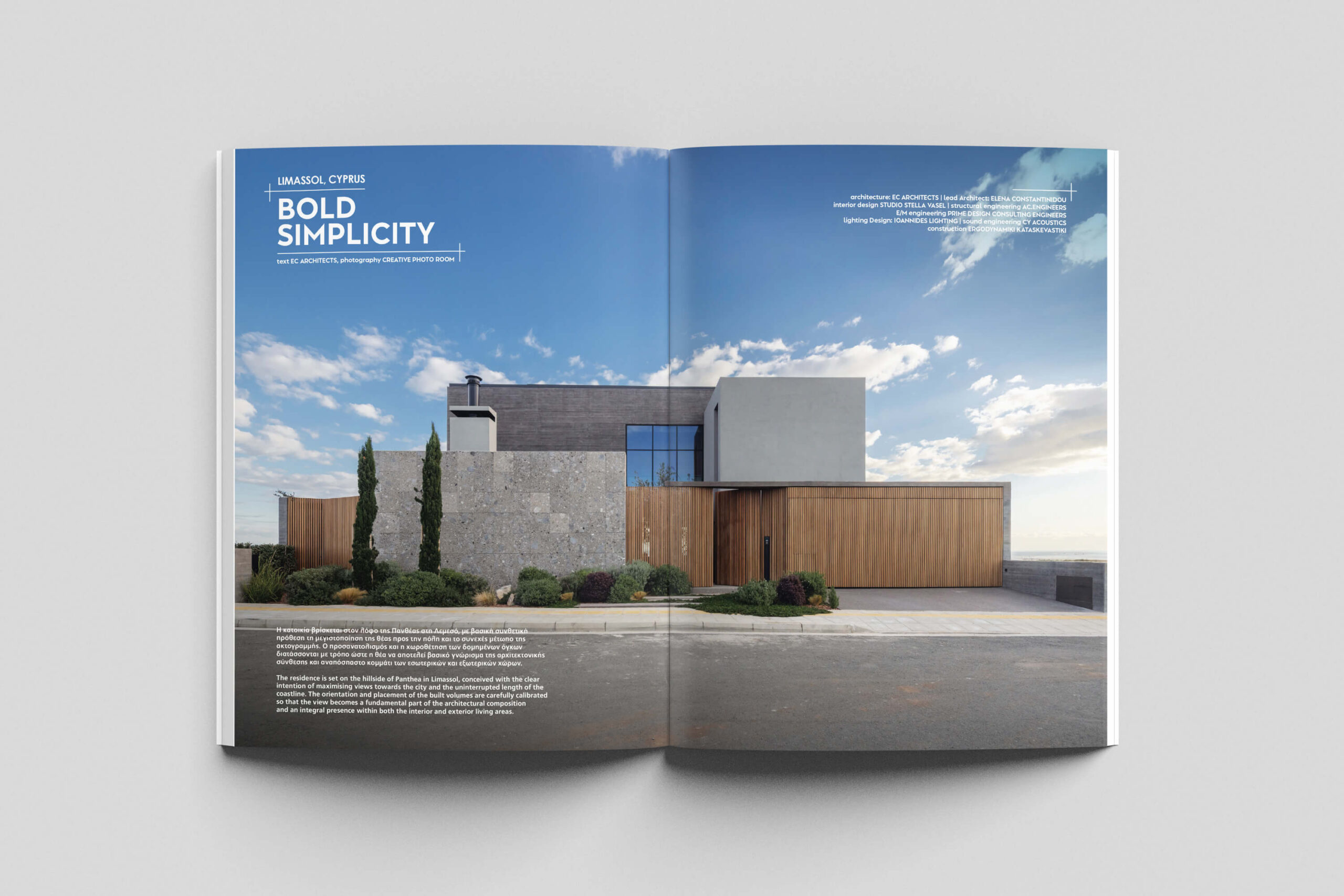
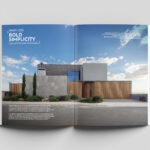
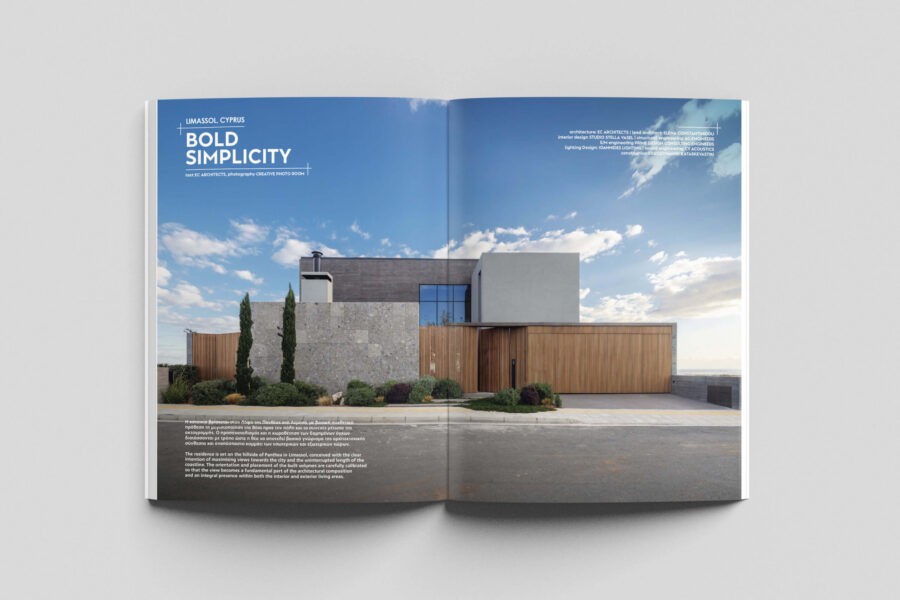
– Bold Simplicity | EC Architects
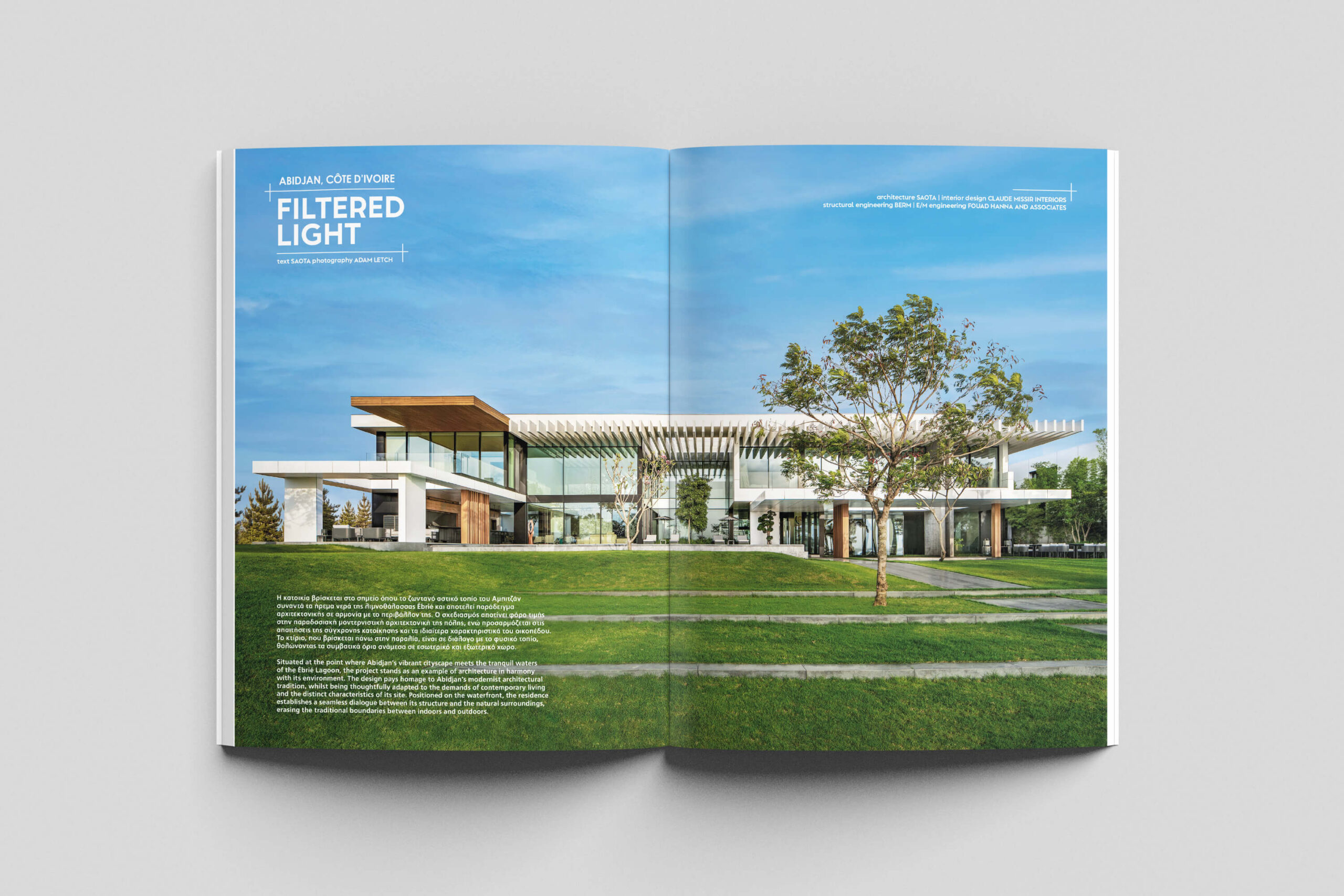
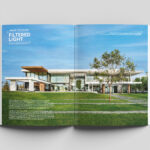
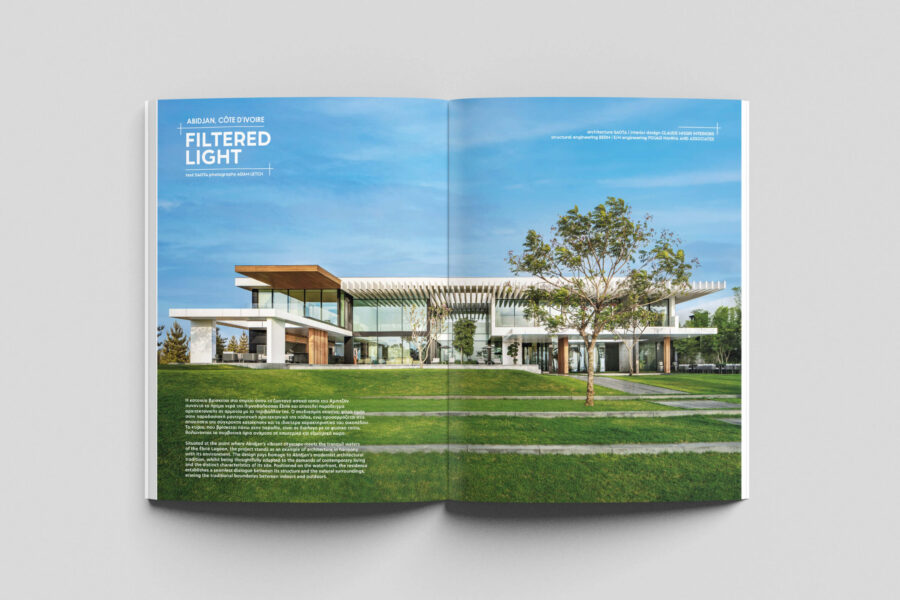
– Filtered Light | SAOTA
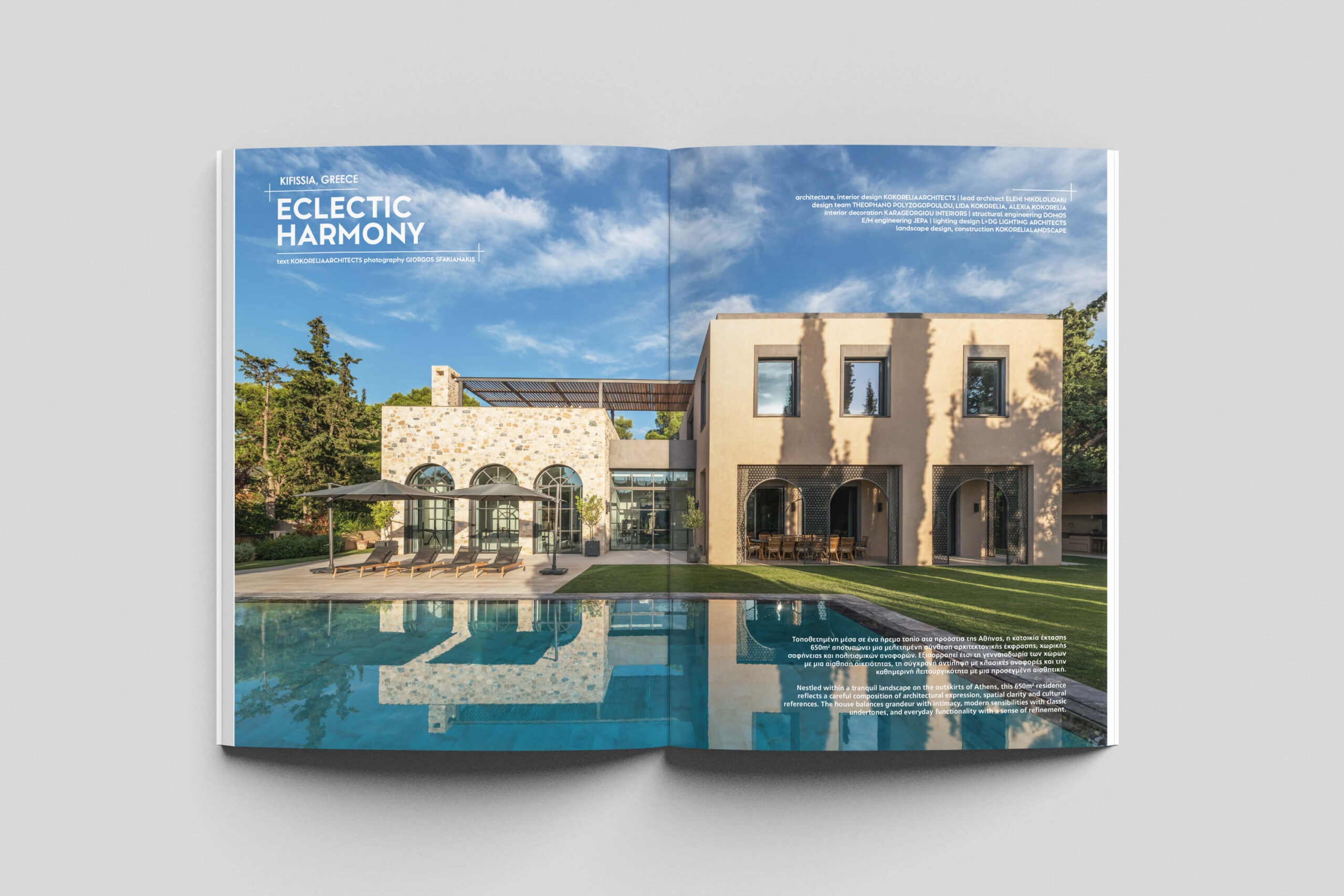
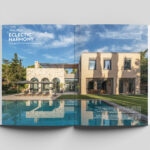
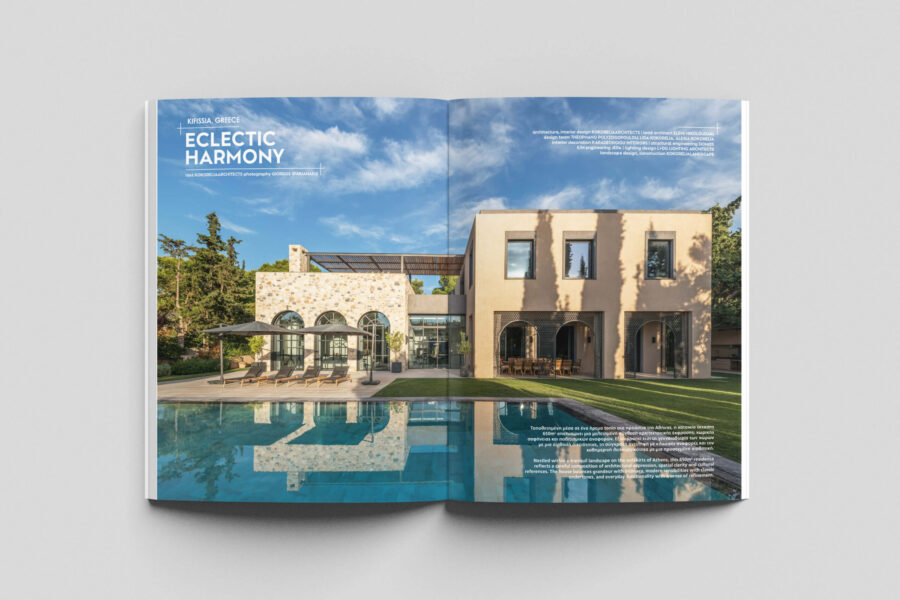
– Eclectic Harmony | Kokoreliaarchitects
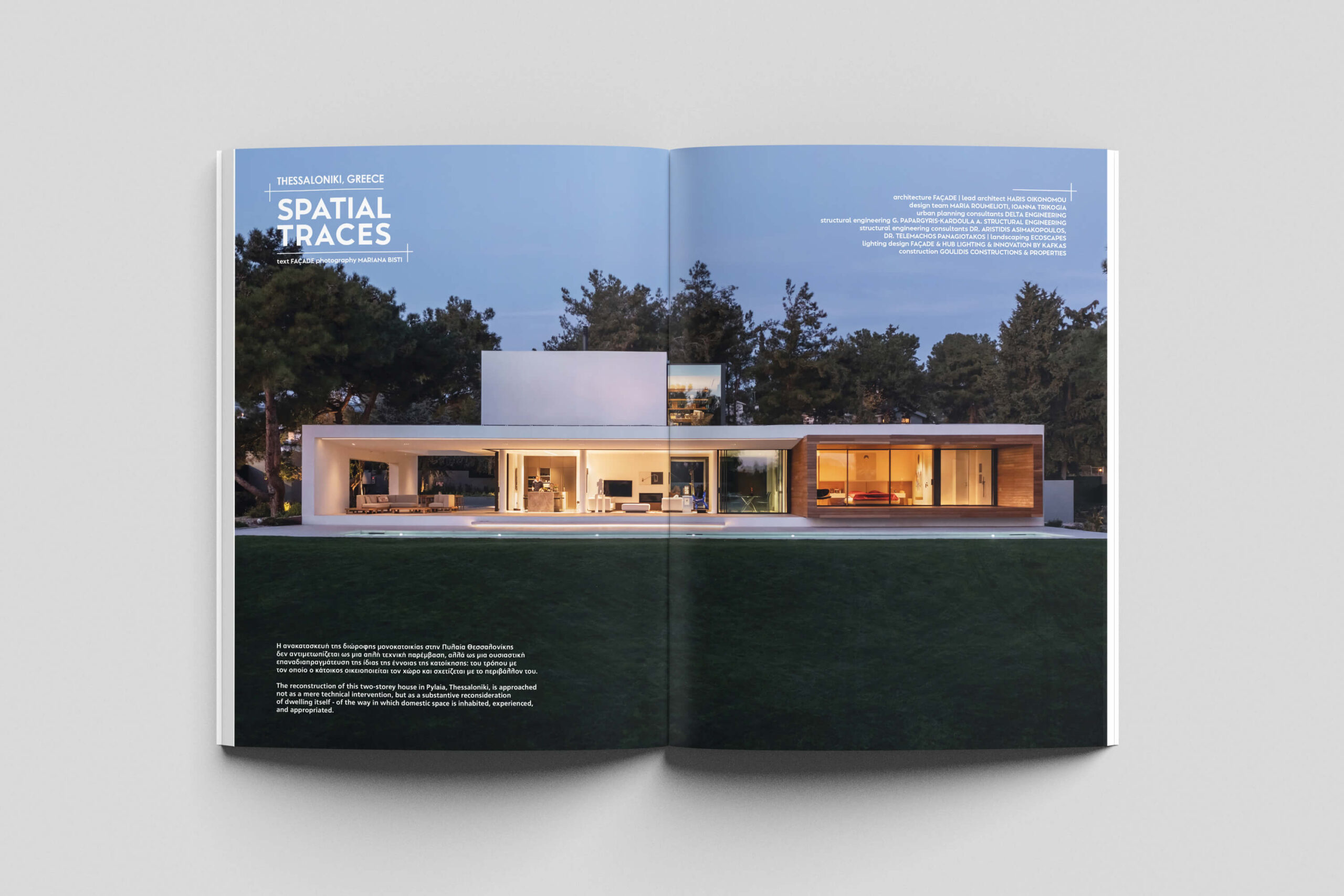
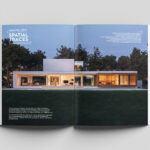
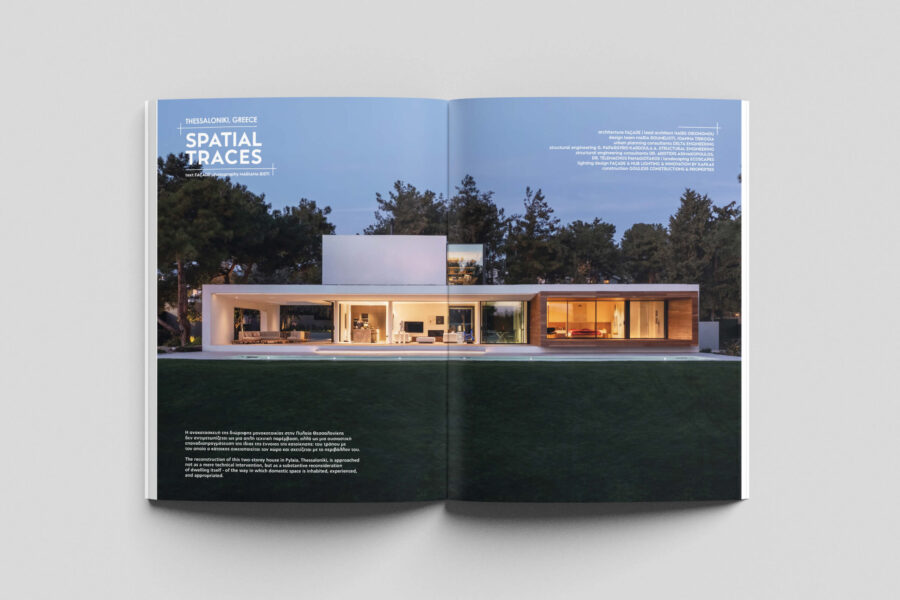
– Spatial Traces | Façade
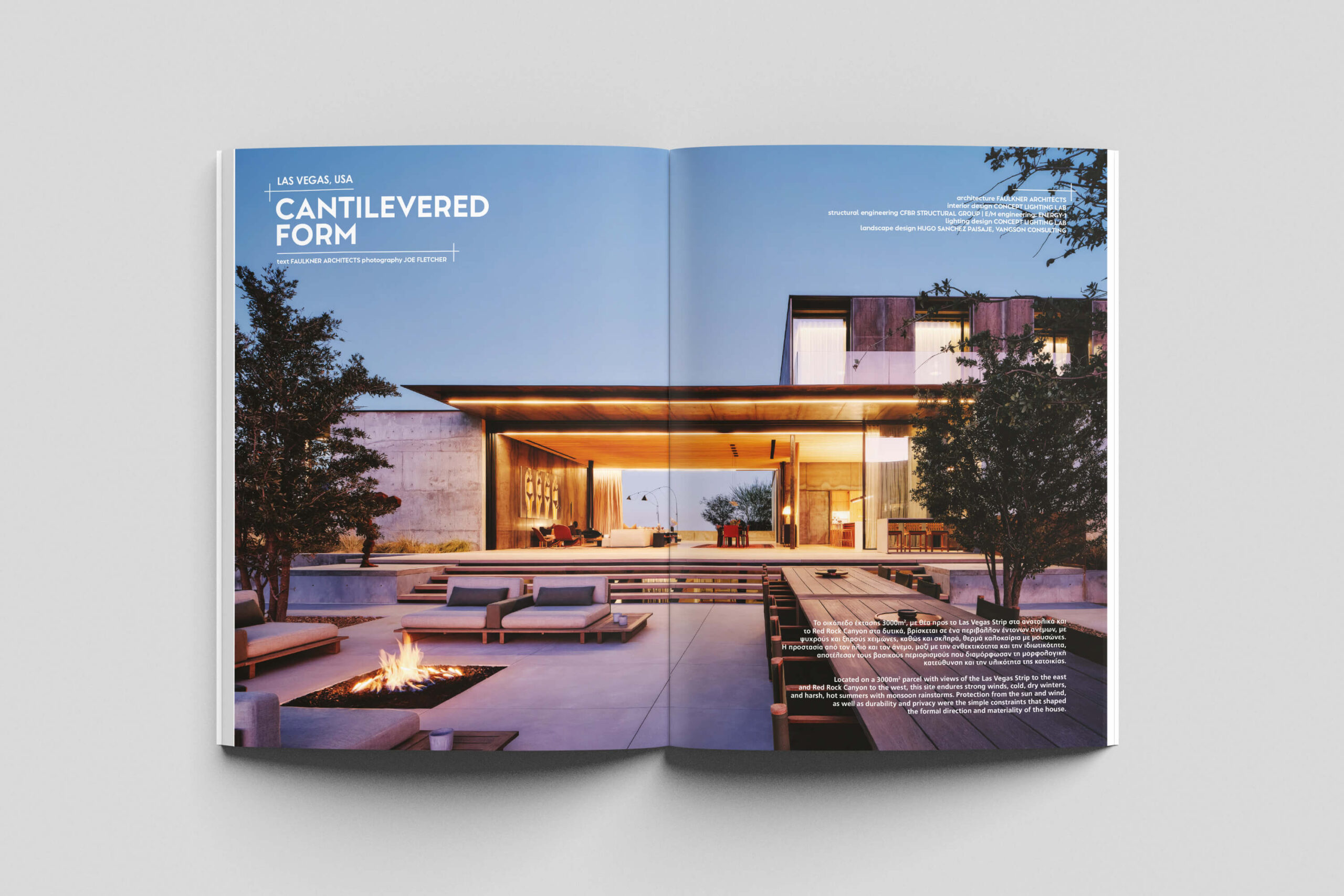
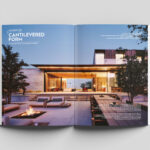
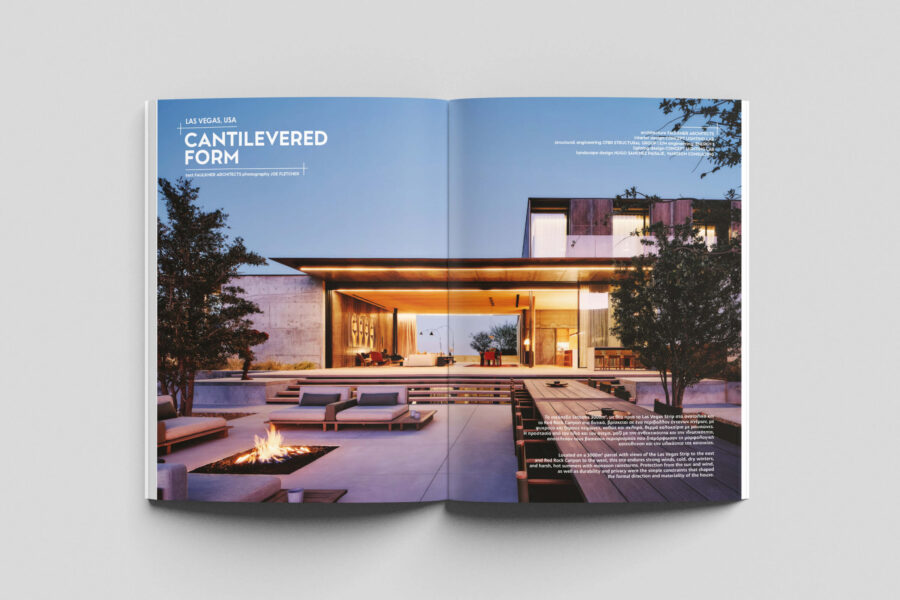
– Cantilevered Form | Faulkner Architects
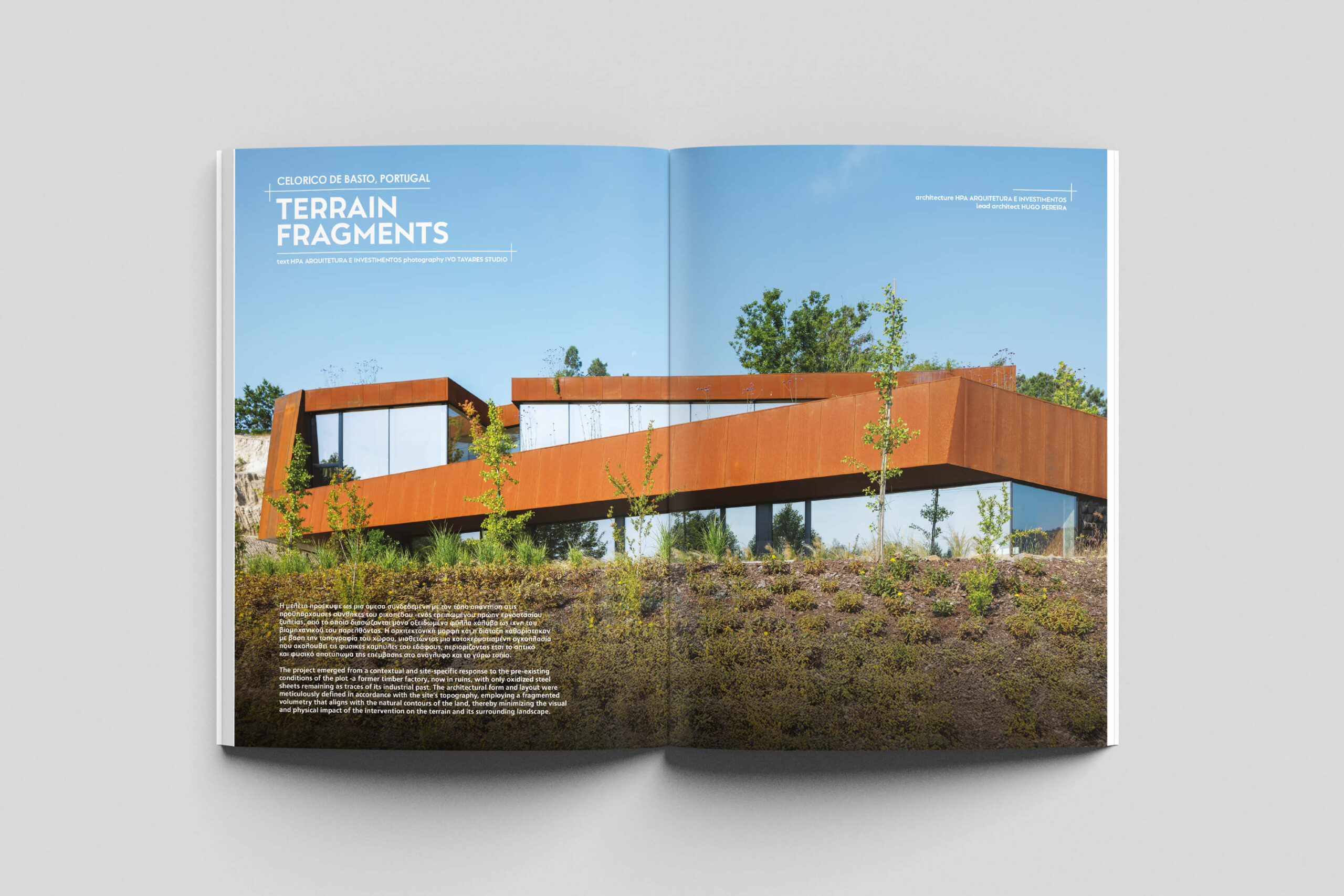
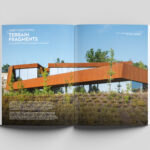
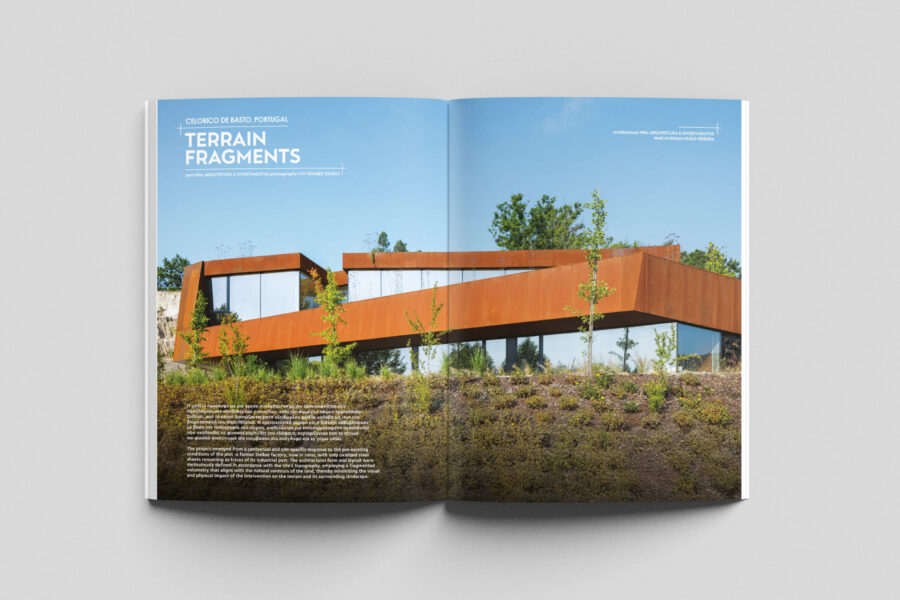
– Terrain Fragments | HPA Arquitetura
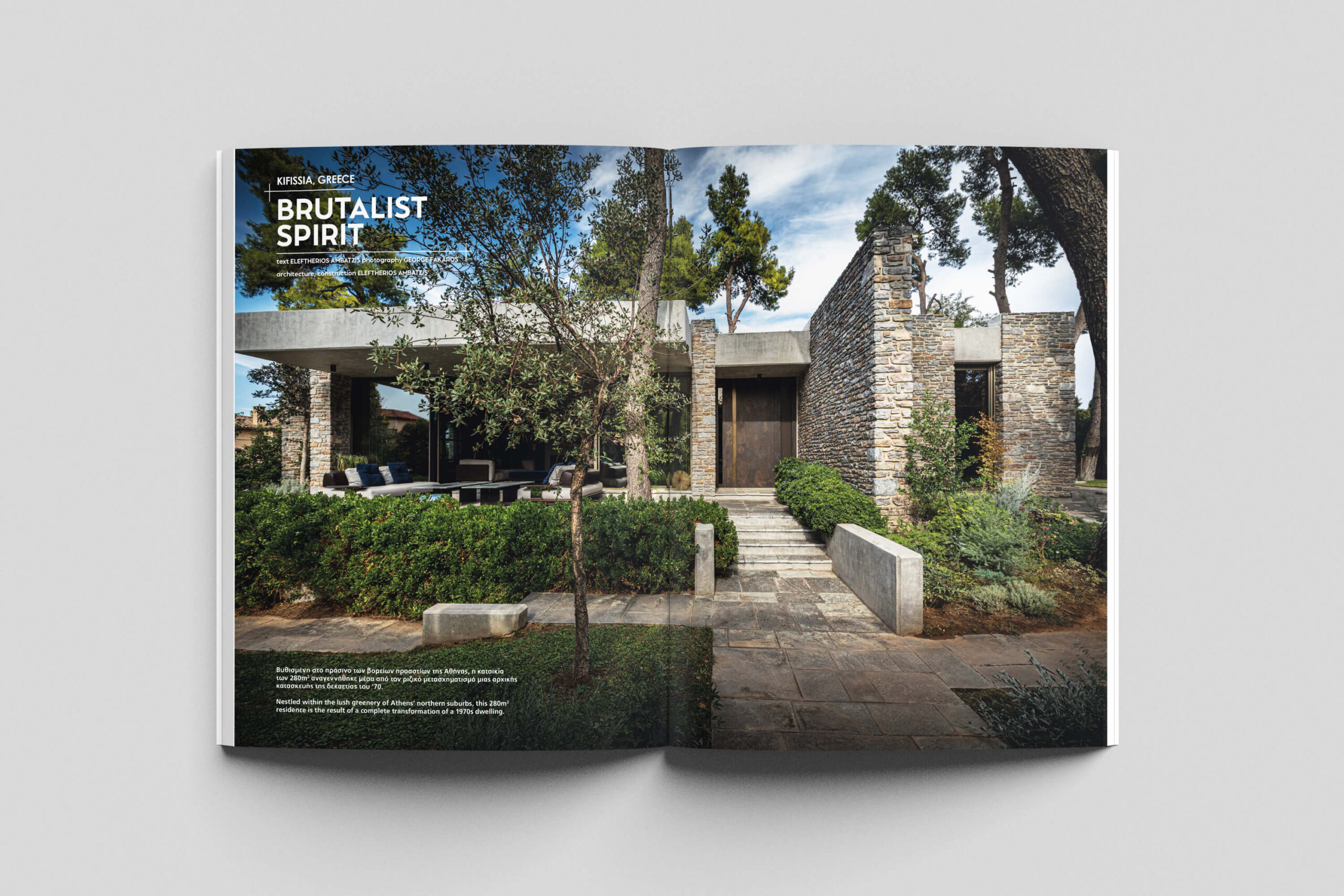
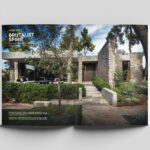
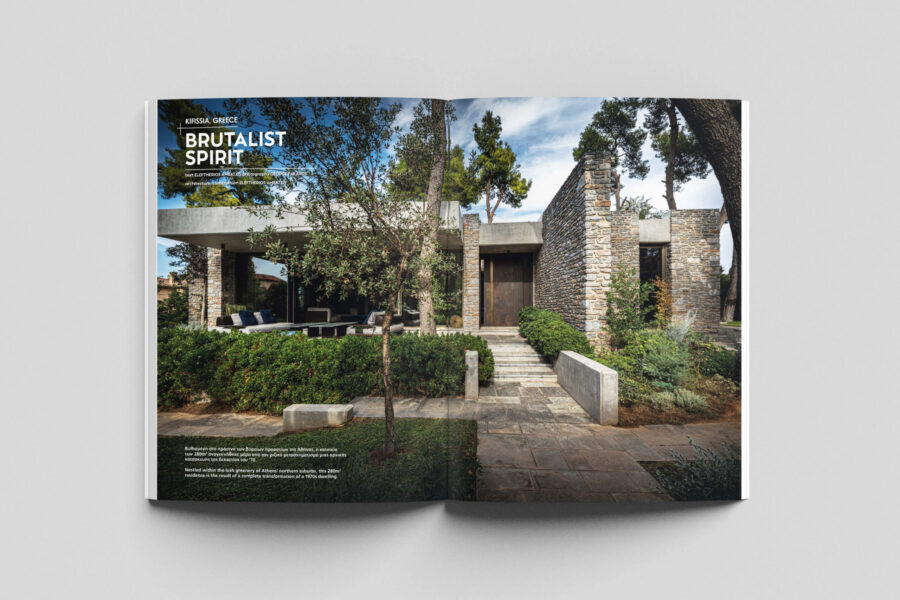
– Brutalist Spirit | Eleftherios Ambatzis
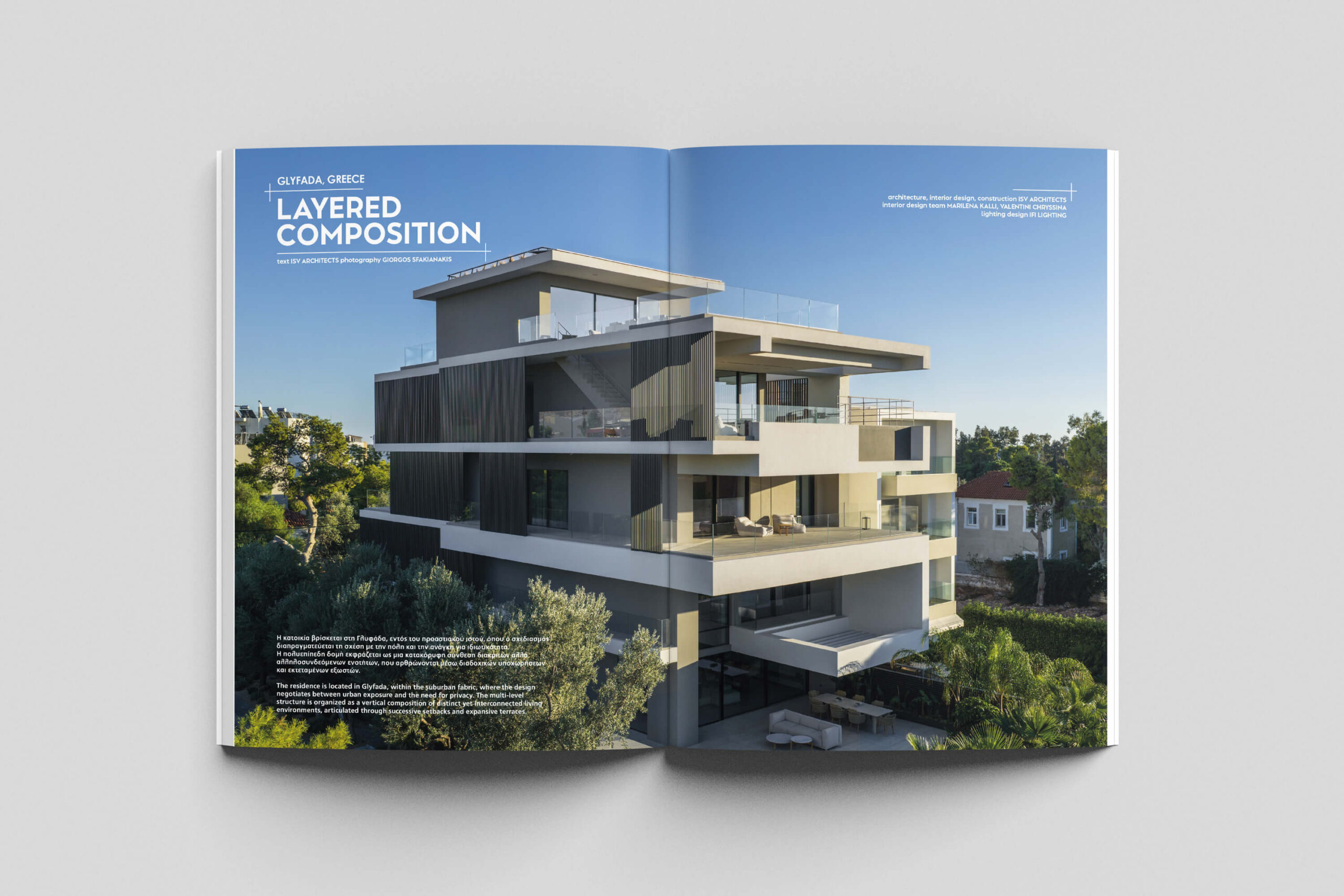
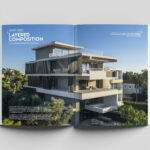
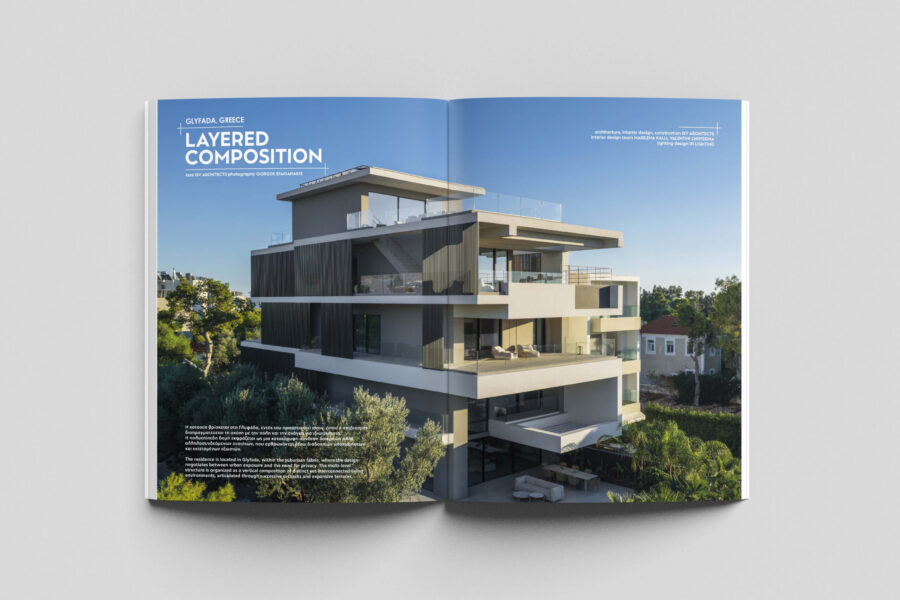
– Layered Composition | ISV Architects
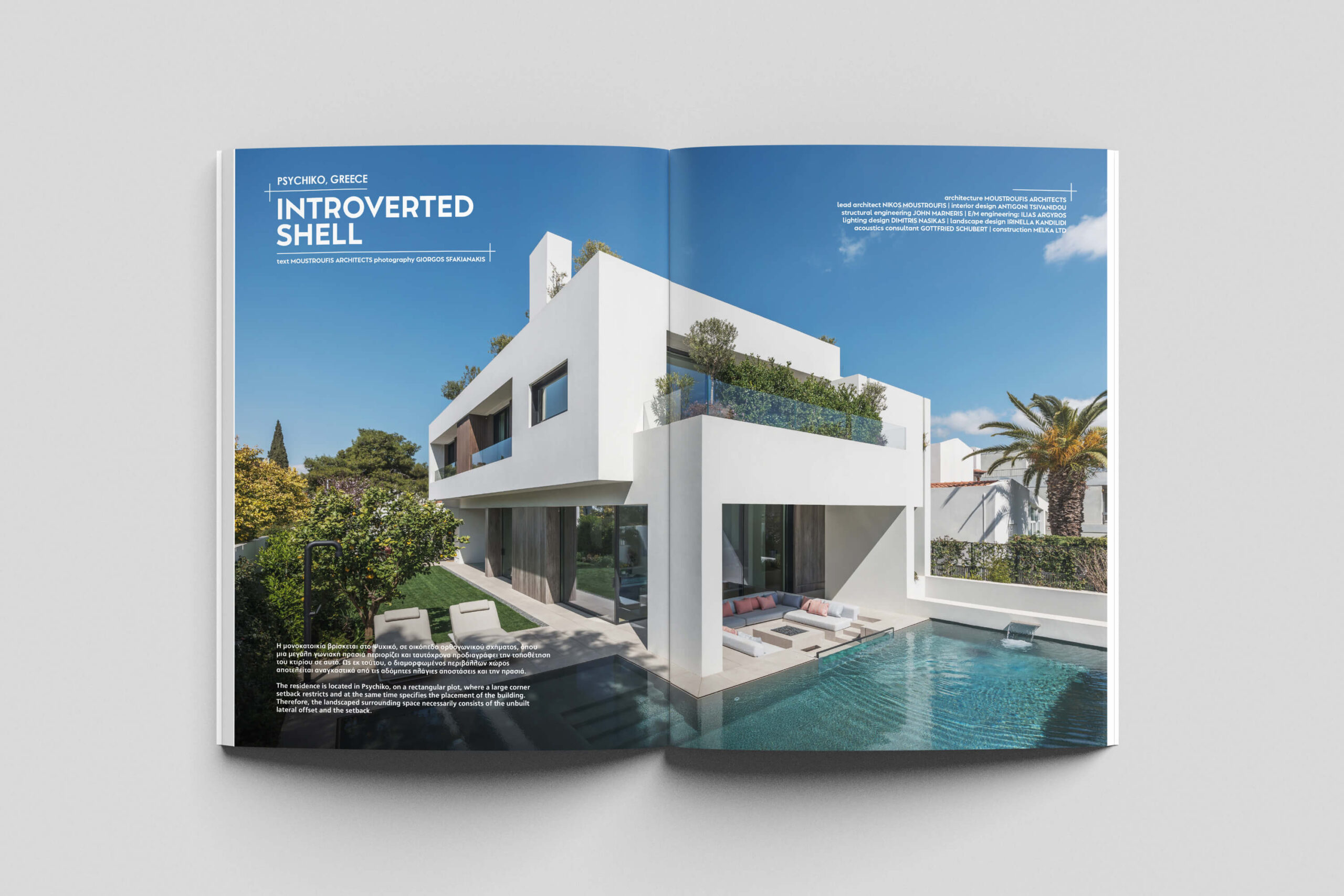
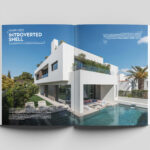
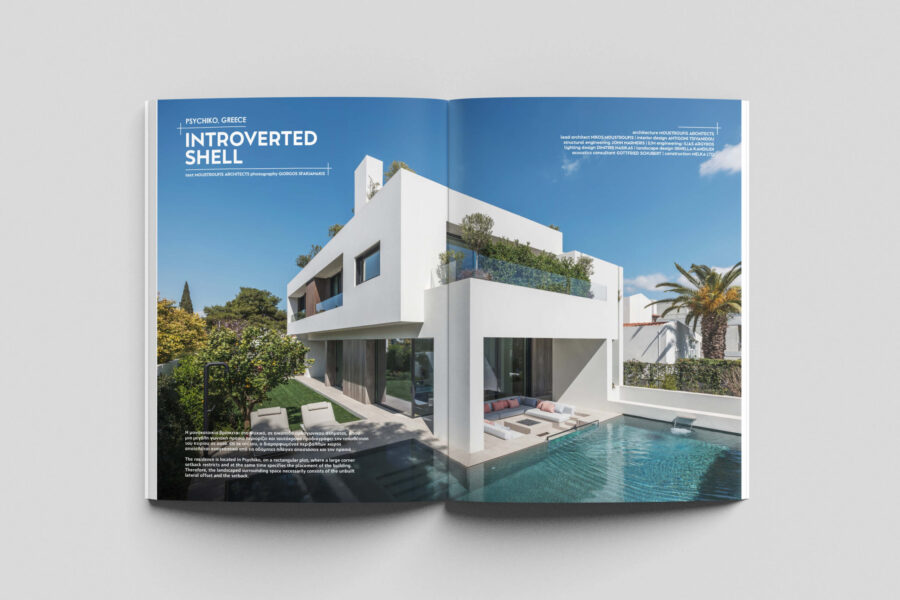
– Introverted Shell | Moustroufis Architects
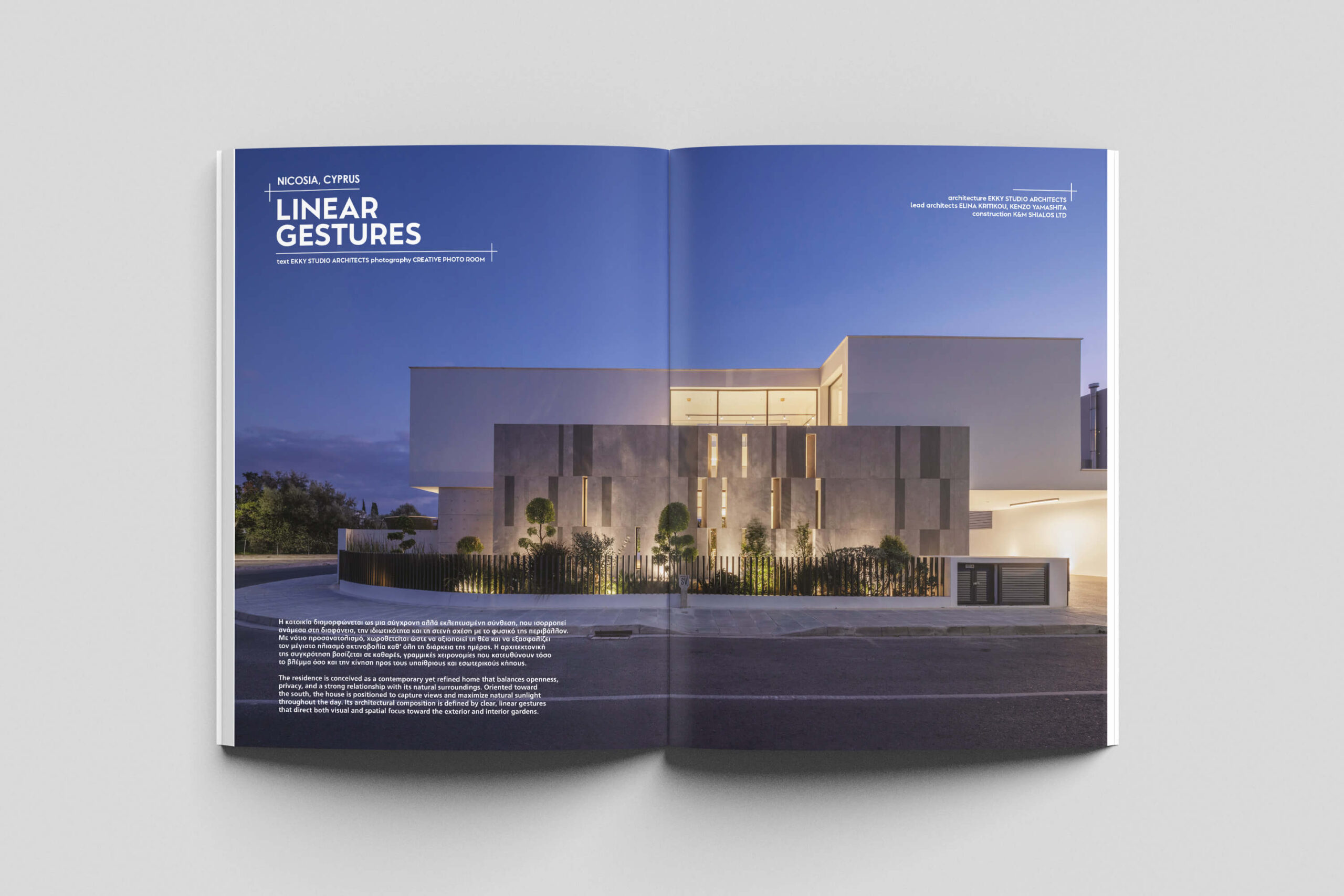
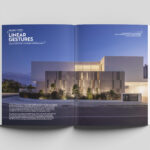
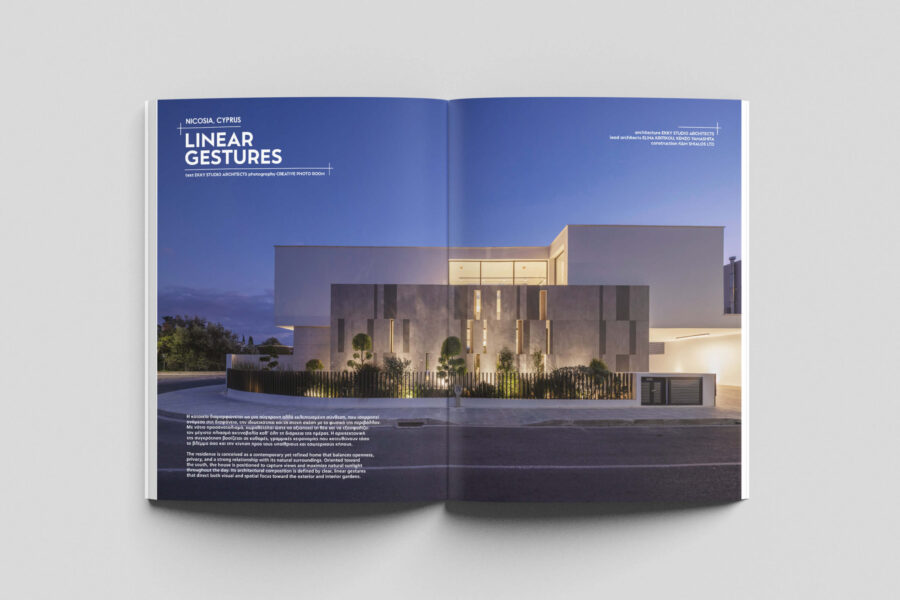
– Linear Gestures | EKKY Studio Architects

Architecture of Abstraction and the Essential

What do we define as a villa today? More than a residential typology, it has become a way of thinking about dwelling itself: as a search for the essential, a disciplined effort to shape space through distinct gestures. In a world overwhelmed by the “noise” of information, architecture turns toward clarity, grounded in three fundamental principles: the use of light as a primary medium of composition, giving substance to the void and defining atmosphere; geometry that introduces order and precision, lending space a sense of calm exactitude; and a robust materiality that softens boundaries, allowing interior and exterior to merge into a continuous spatial experience.

The architectural freedom that animates this issue lies precisely in that commitment to abstraction. It is the freedom to treat landscape not as a scenery, but as an active design tool. The site is never secondary. Whether the setting is natural or urban, the most compelling architecture does not seek to dominate it, but to enter into dialogue with it, making visible a deeper continuity between shelter and surroundings. In the city, this relationship takes on a new programmatic form: the garden becomes a “private landscape,” an inner space of stillness that operates as an experiential filter. This internal core protectively contains intimate functions, creating a gradation of privacy that becomes denser as the city closes in. At the same time, the building relinquishes the rigidity of enclosure, opens itself to the garden, and is designed as part of a single living whole.

Furthermore, what also becomes evident is that architectural practice is evolving into a continuous field of experimentation: an open-ended process of inquiry in which material innovation and constructional quality are tested in practice, in service of spatial openness. Materiality is not treated as an afterthought, but as the very substance of the experience of habitation.

In this context, minimalism is not a stylistic preference, but a form of discipline. The desired approach -as reflected in the projects presented in this year’s edition- is an architecture that operates as a “spatial canvas”: a clearly defined yet open framework that does not impose itself, but instead gives priority to light, air, and the lived experience of the user. In that sense, it is also an ethical act -a commitment to design with measure, honesty, and the creative silence that each place demands.


Xenofon Valtas

Xenofon Valtas Architects

Weight 1,08 kg
Format

Print Edition

ek architectural publications