KiMu Children’s Art Museum by WE architecten in Amsterdam
Architecture:
Photography:
A Museum for Children’s Creative Autonomy
In Amsterdam Noord, KiMu Kinderkunstmuseum opens as a new art museum dedicated to children’s creative process. Rather than presenting art education as a sequence of fixed assignments, KiMu gives children the space to explore, test, wander, question, fail and begin again. The museum provides conditions, tools and materials, without directing the work toward a predetermined result.
This approach is grounded in a clear pedagogical position. Children are treated as full participants in the creative process, with their own ideas, competencies and desires. As founder and director Suzanne Huis explains, children want to know whether they are welcome and whether they can be who they are. At KiMu, the answer to both questions is yes.
Parallel Processes: Children and Artists Working Side by Side
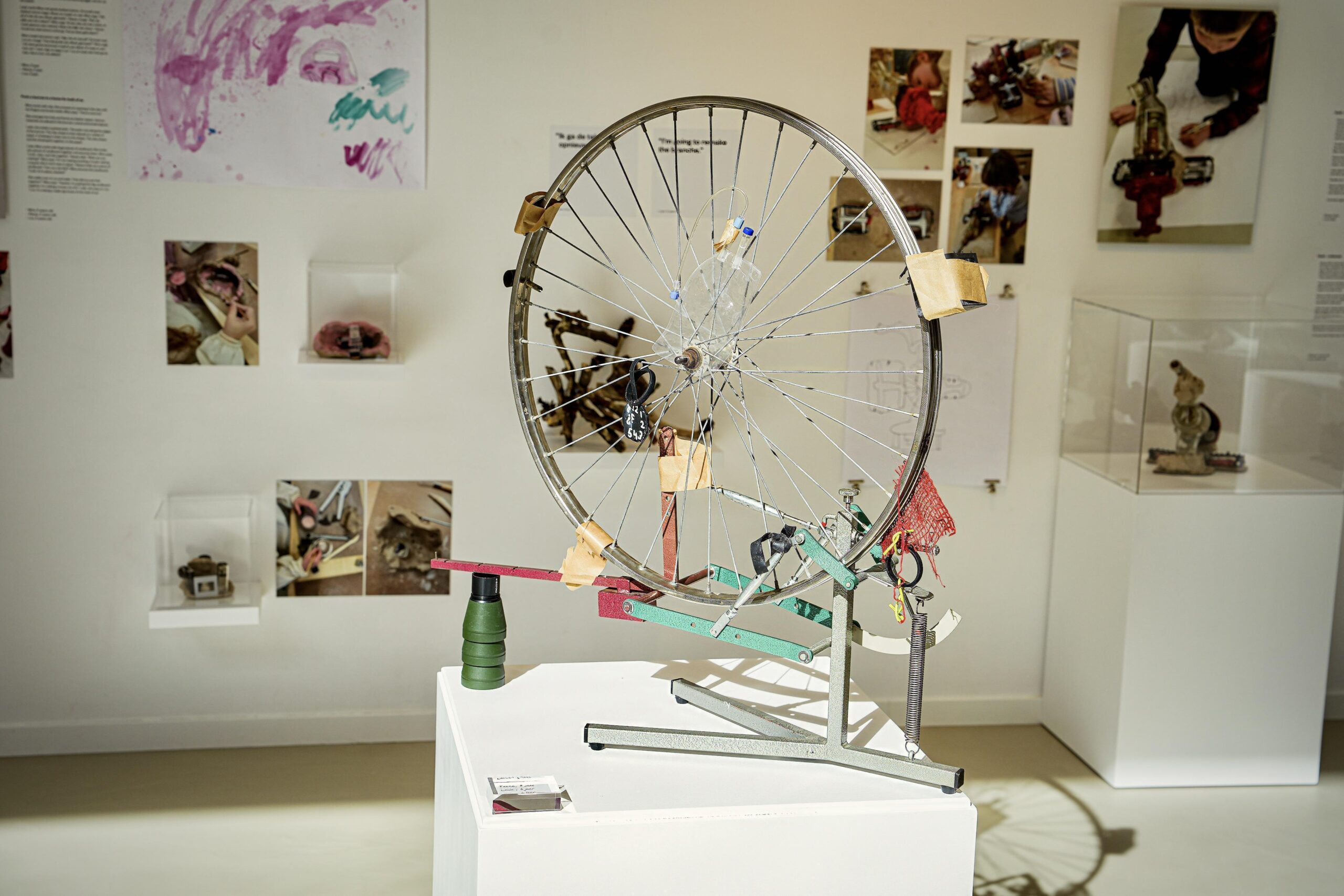
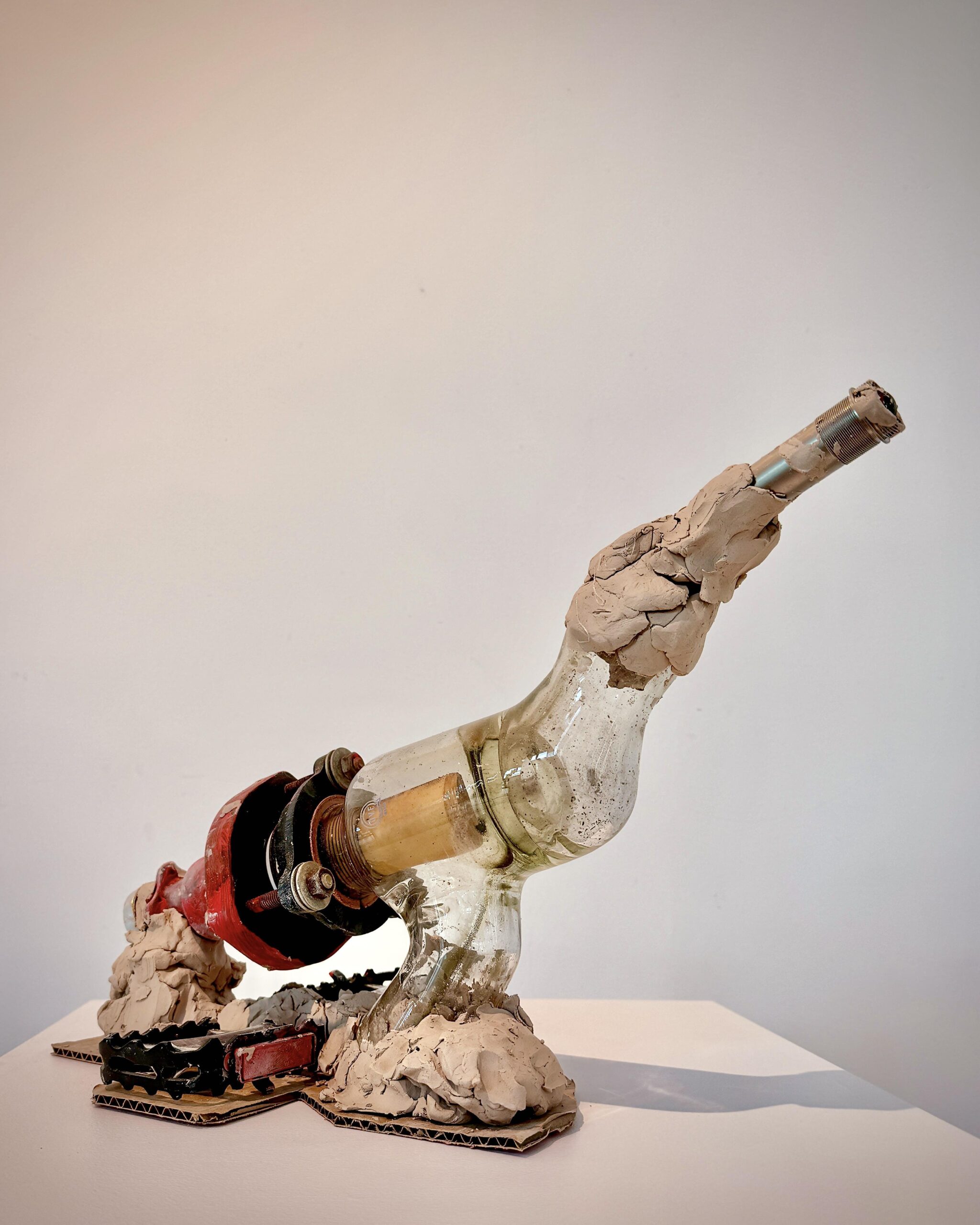
KiMu opens with the exhibition Parallel Processes, presenting the work of nearly seventy children alongside that of Dutch artists Brian Elstak, Willem Harbers and Roos van Haaften. Each artist contributed to the setup of the ateliers through their own way of working, without the children seeing their work during the process.
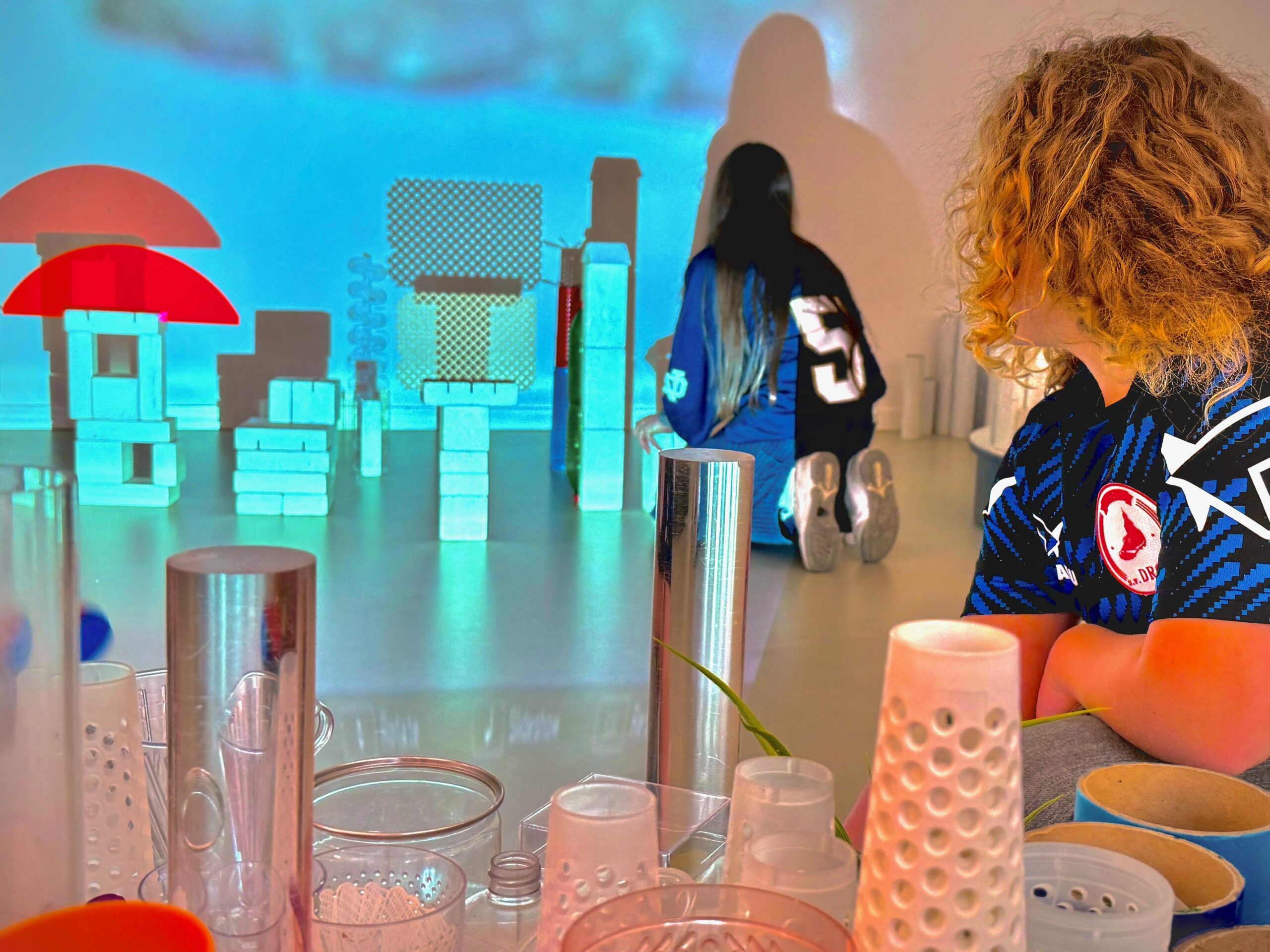
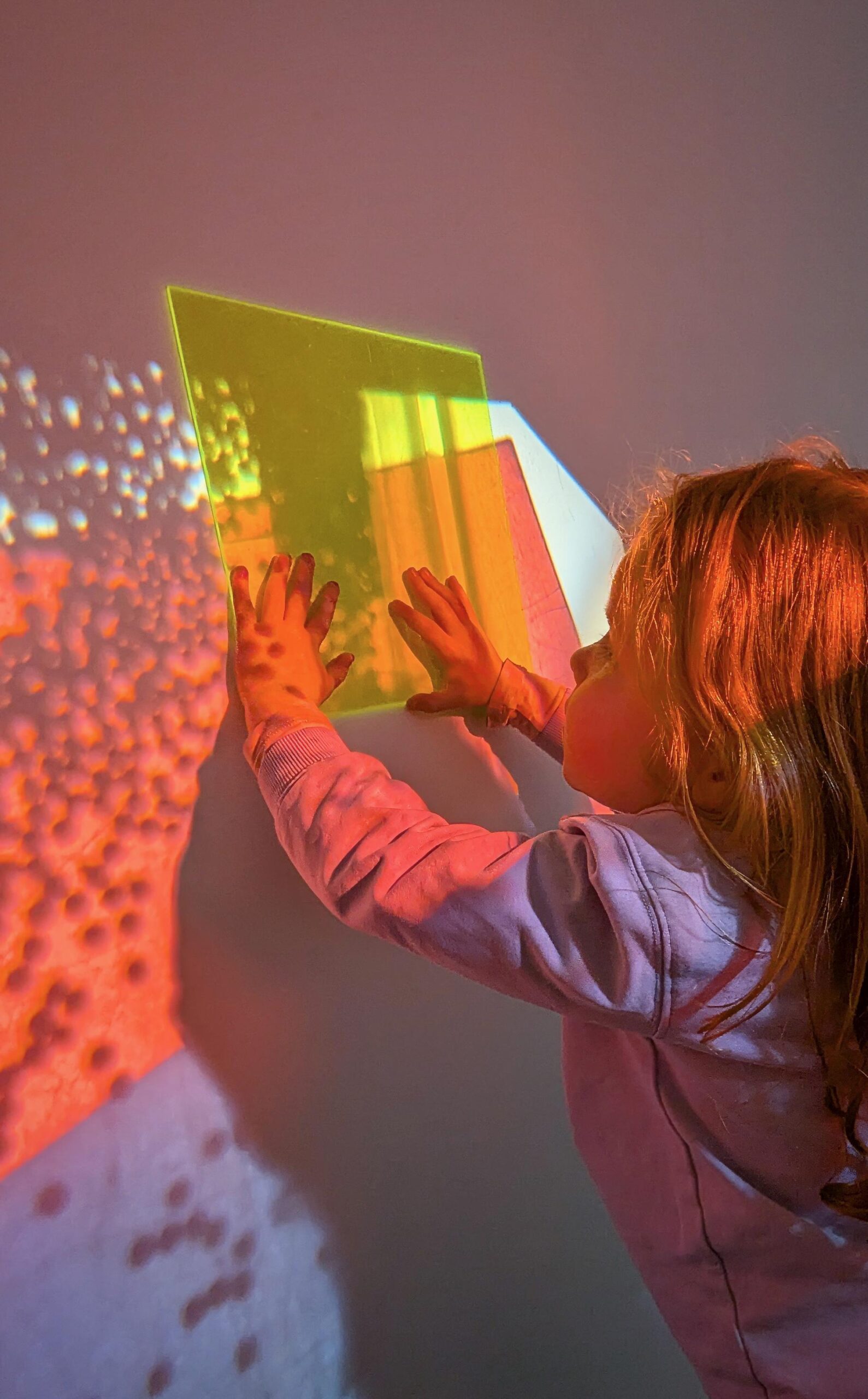
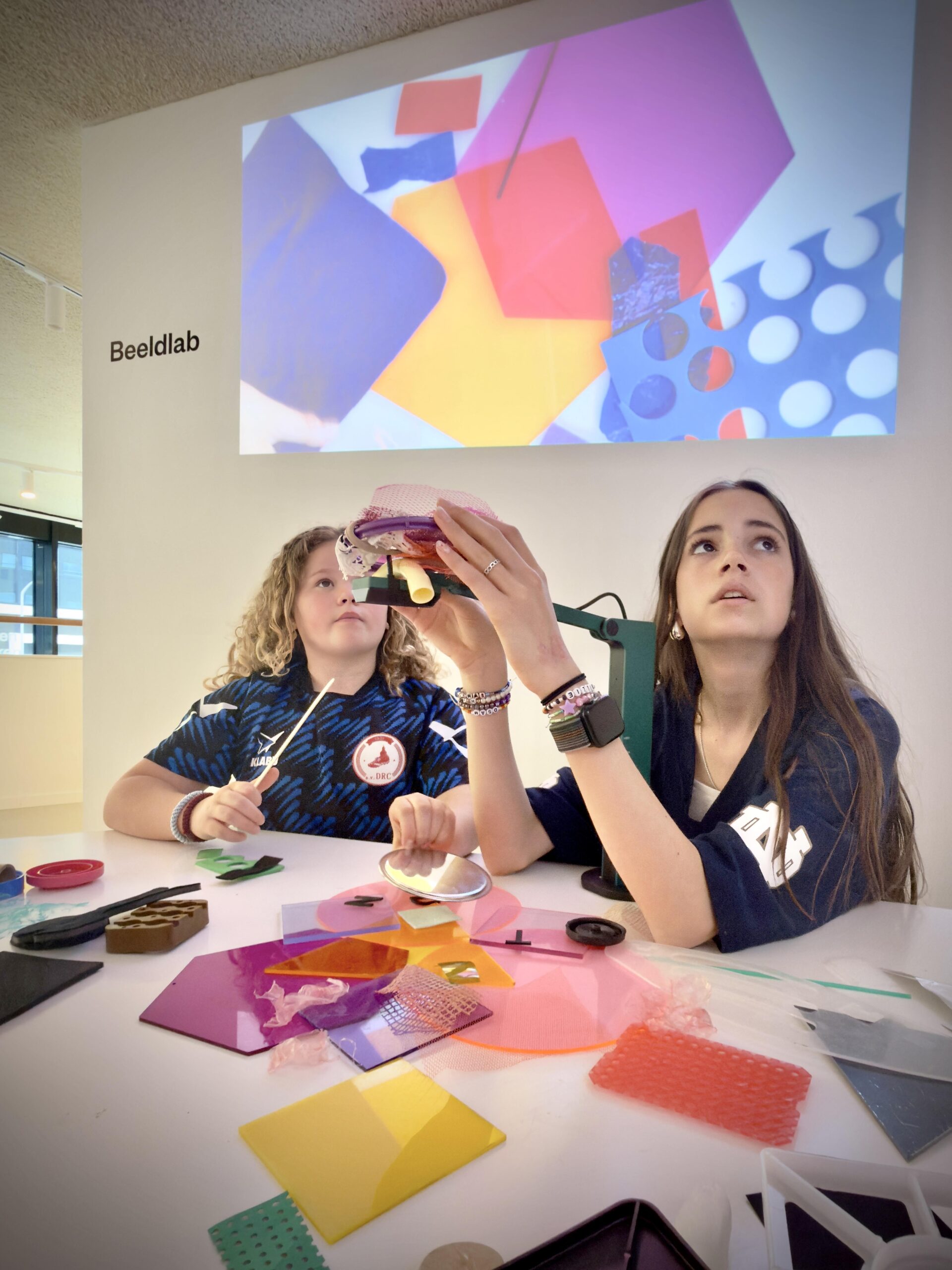
Roos van Haaften informed the light studio, where children explore light, reflection and shadow through simple materials. Brian Elstak contributed his practice of storytelling through image, language and collective making, while Willem Harbers brought a process of material exploration, working with stone, metal and constructed forms.
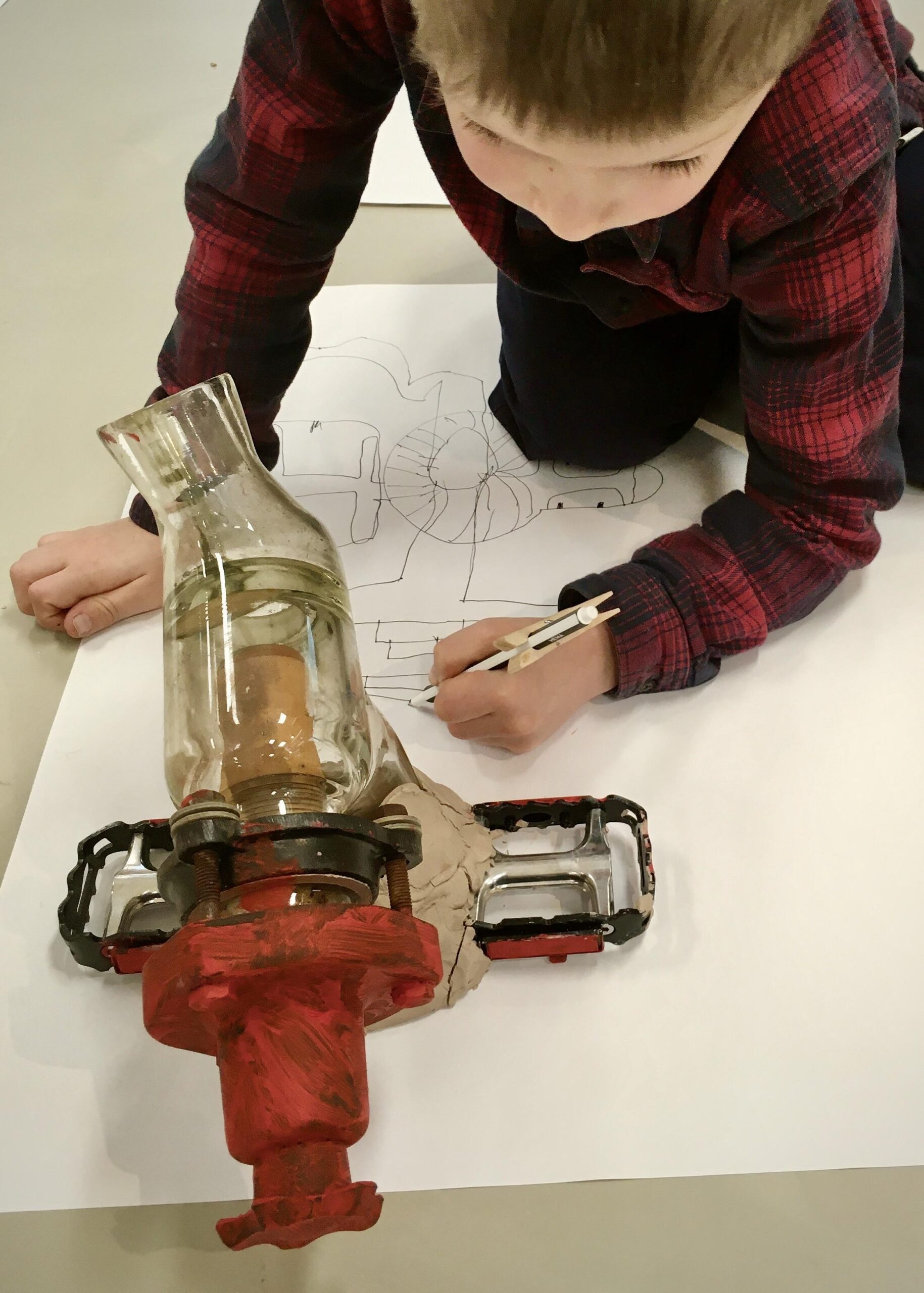
The exhibition focuses not only on completed works, but on the process behind them: sketches, experiments, intermediate stages and moments of trial. Children and artists worked with similar materials, questions and strategies, developing their results independently. At times, unexpected similarities appear, such as Elstak’s robots or Harbers’ cage-like structures reappearing in children’s work, despite the fact that the children had not seen the artists’ pieces.
Process as the Starting Point
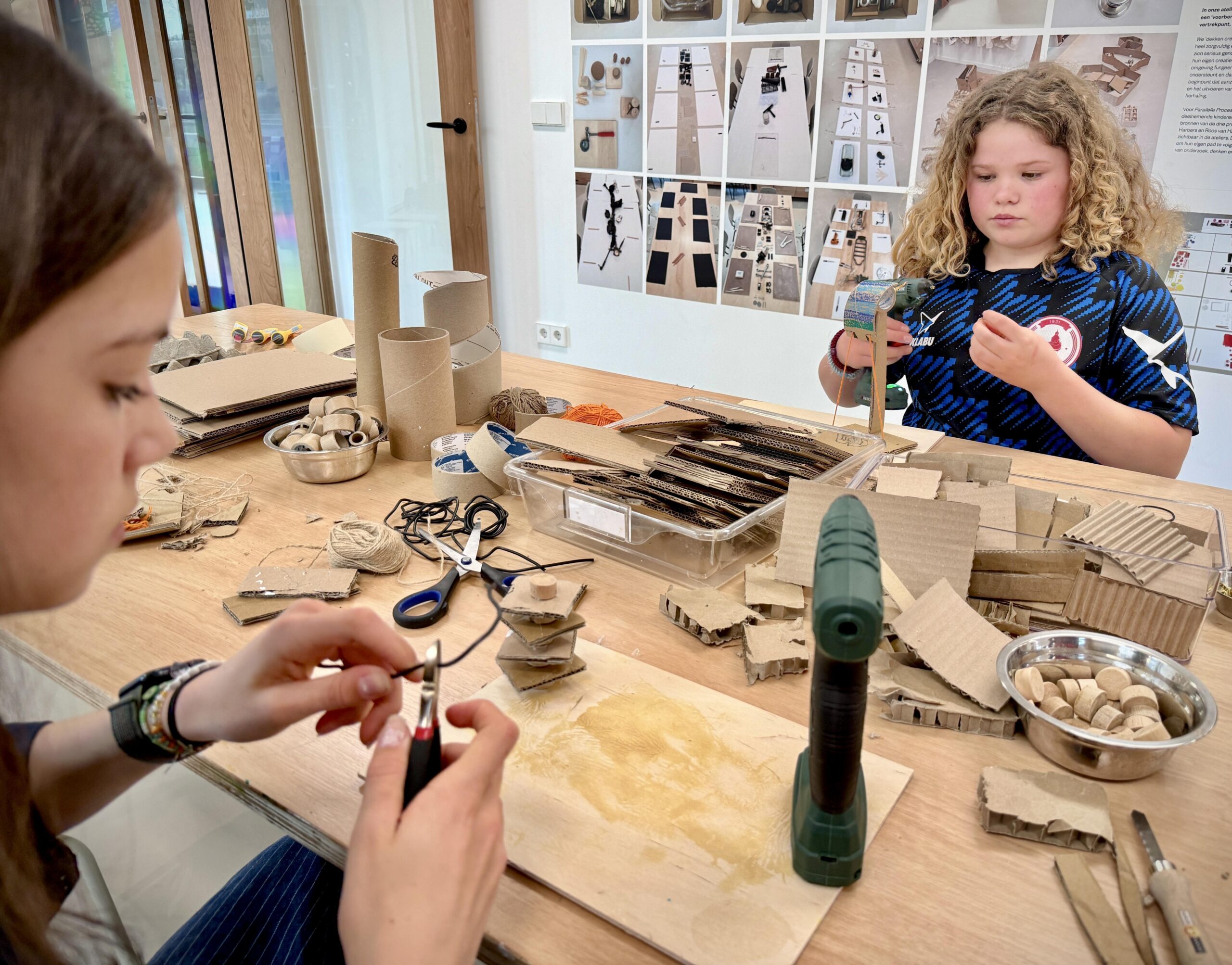
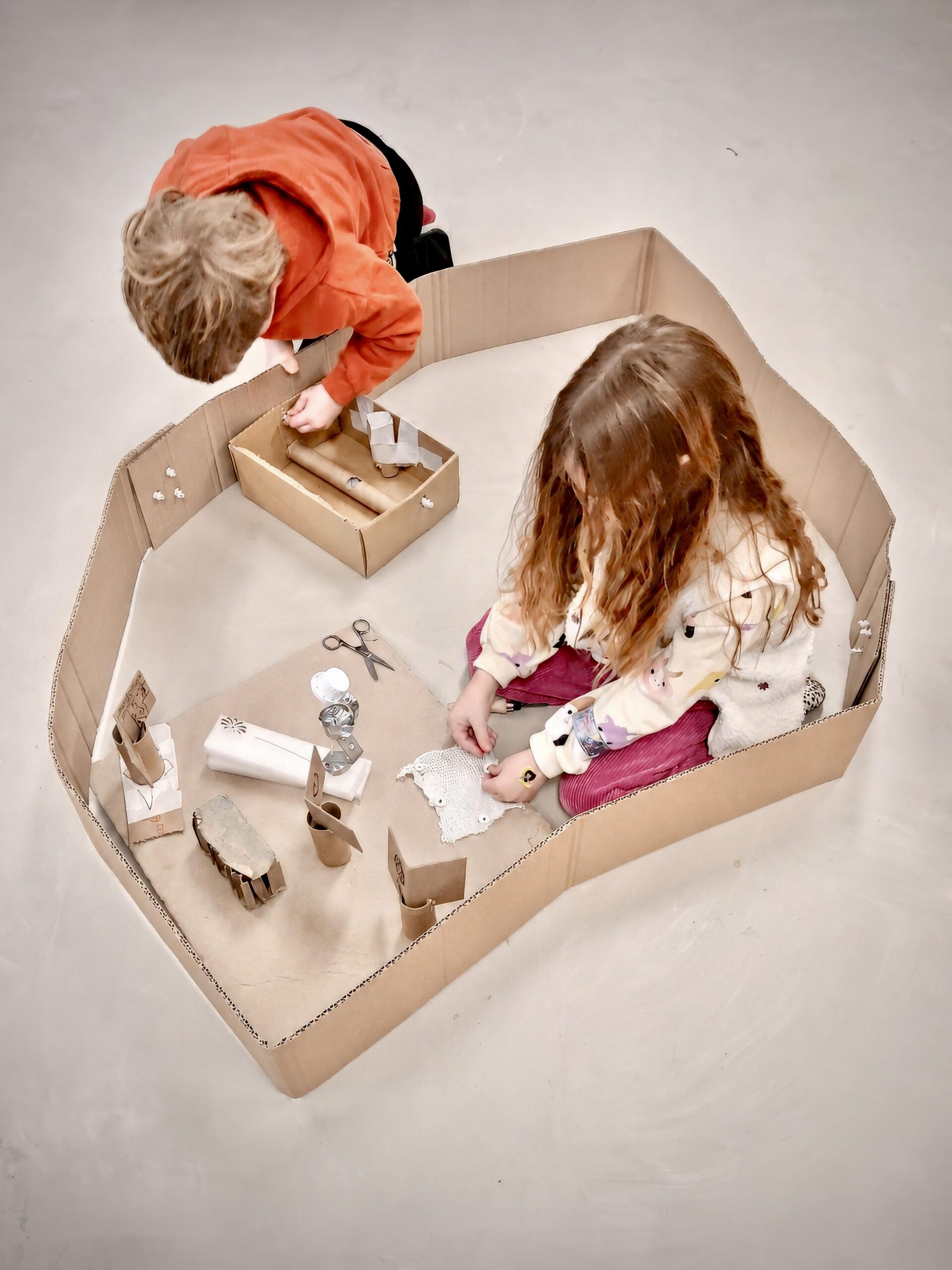
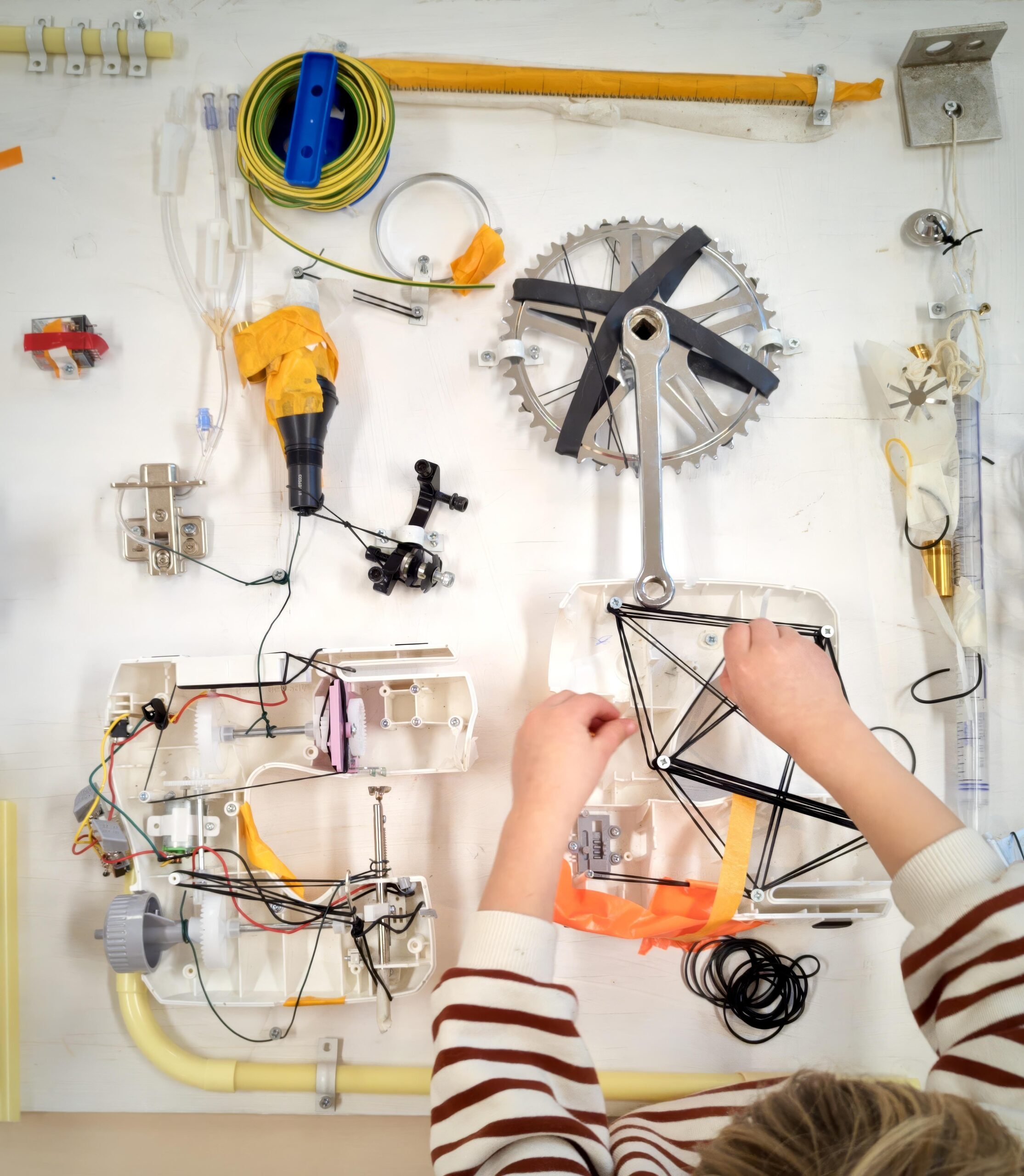
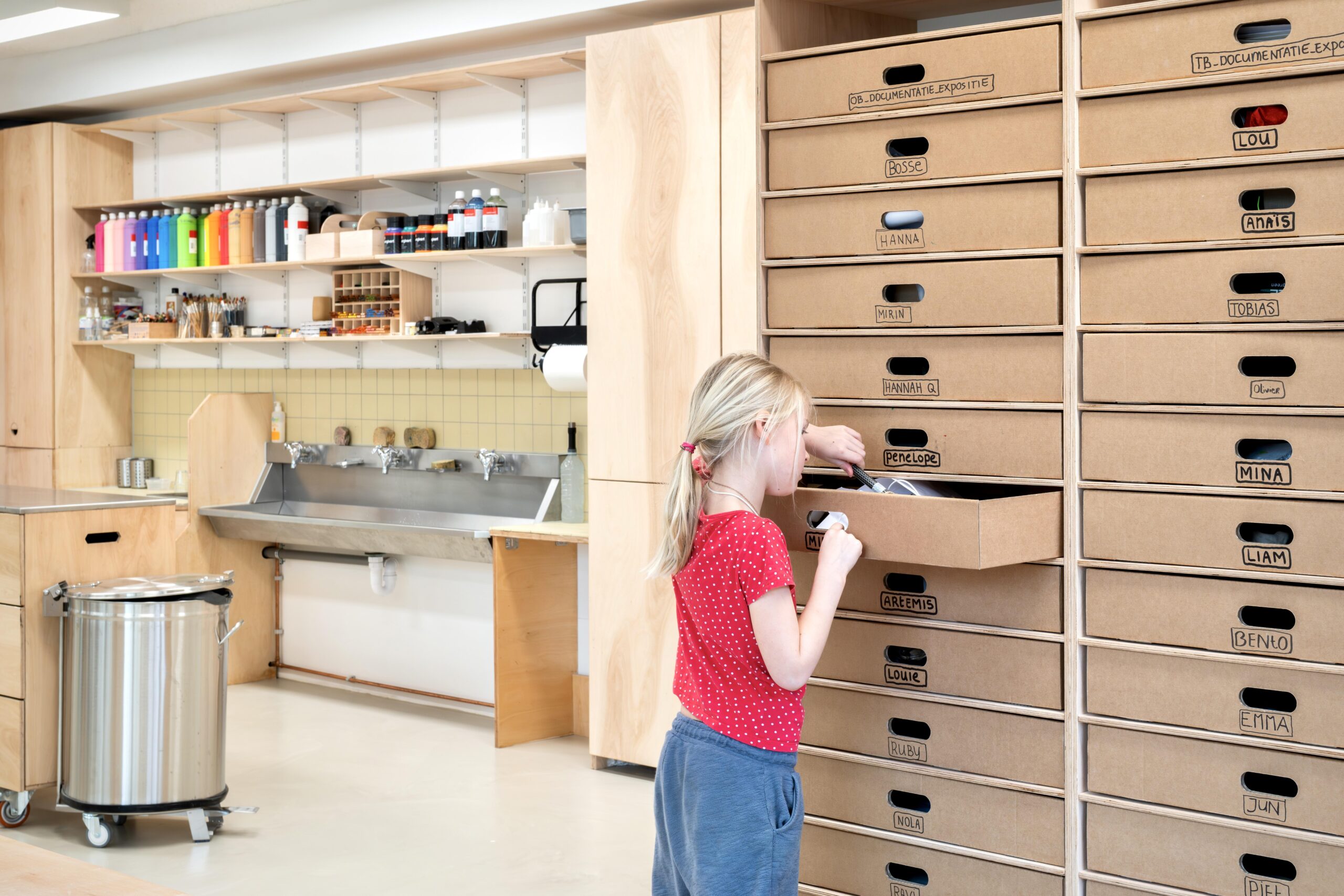
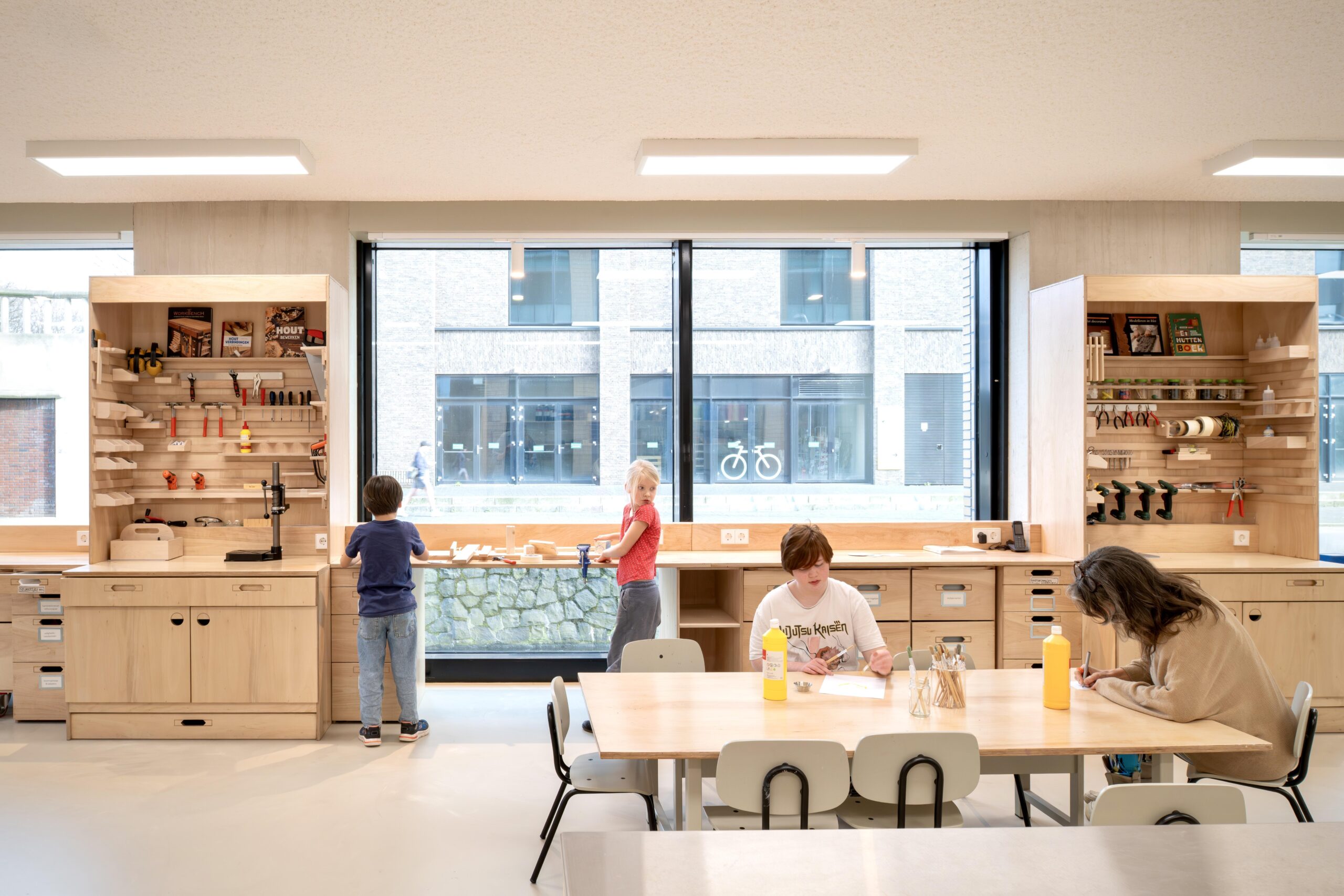
The museum’s ateliers are workspaces, not classrooms. Tools and materials are accessible, and the setup supports independent use. Children decide what they make and how they work, while the environment is structured to help them concentrate and follow their own ideas.
KiMu’s pedagogy builds on years of experience in art education and atelier-based work with children. The museum offers what it calls a “prepared environment”: richly arranged tables and floor setups, where materials and tools invite children to begin working without imposing a theme, schedule or fixed outcome.
From Concrete Shell to Museum Environment
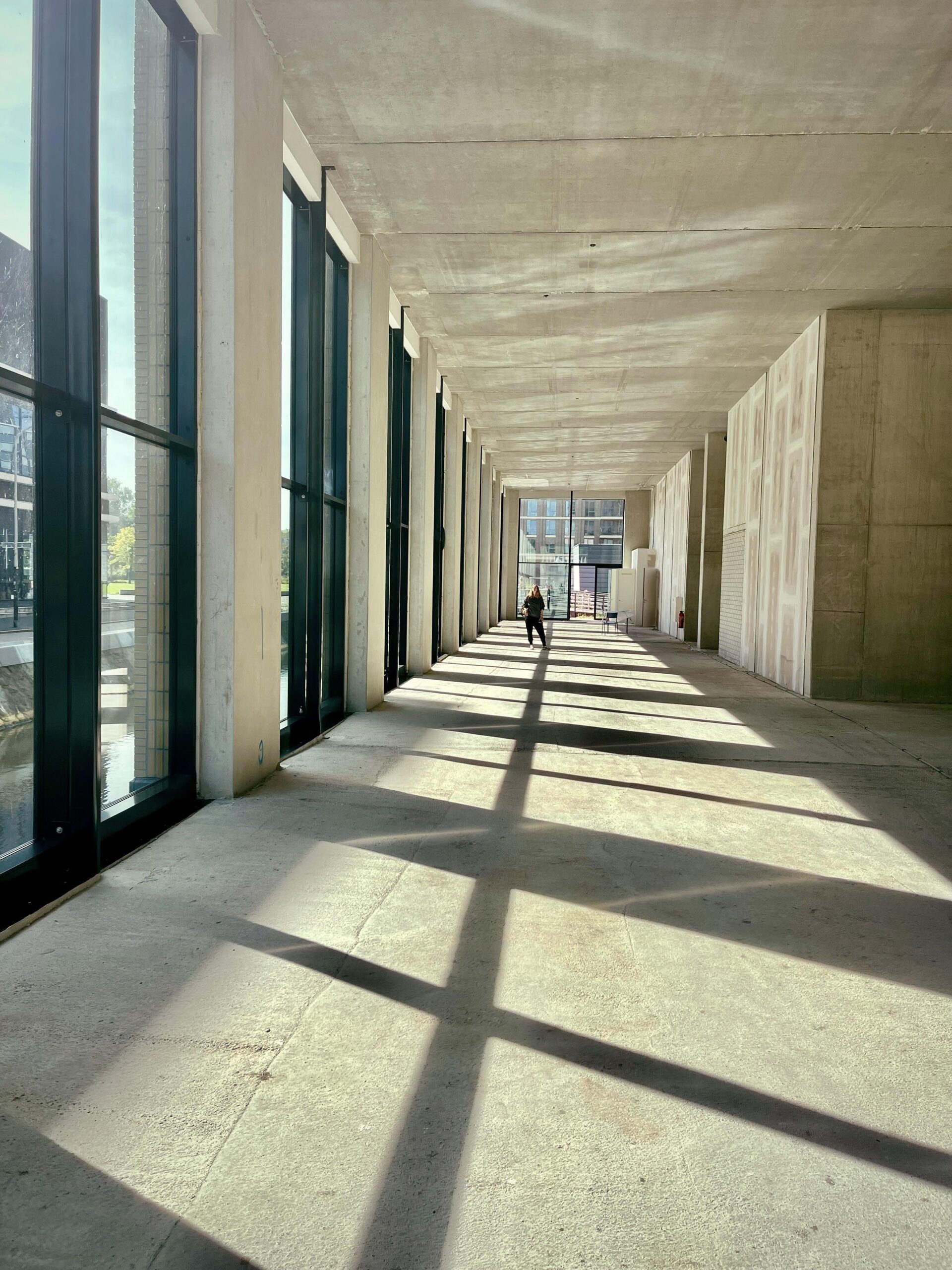
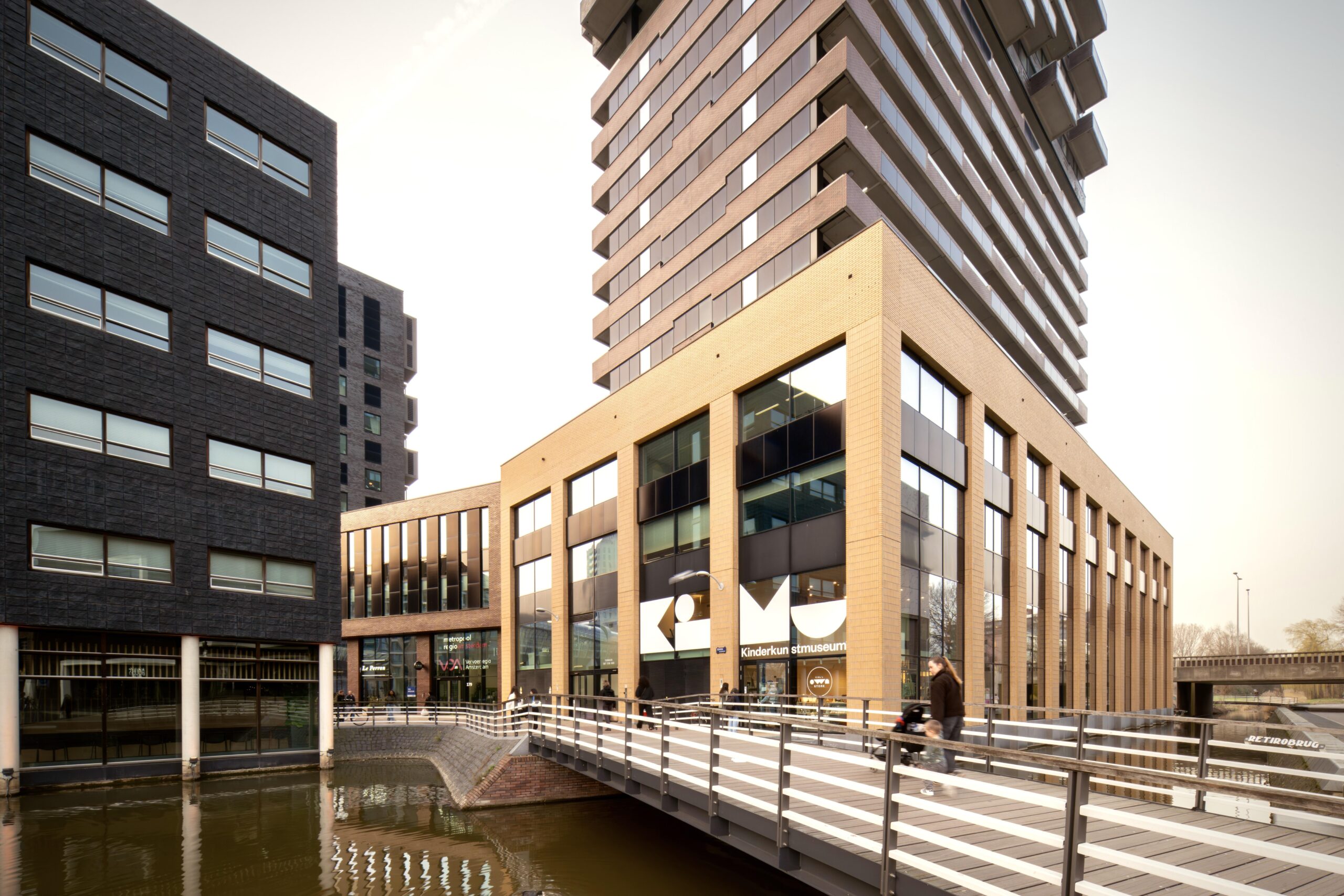
KiMu is located in Amsterdam Noord, a rapidly developing district across the River IJ, known for its mix of garden villages, former industrial areas and waterfront redevelopment. Within a new building designated for museum use, KiMu and WE architecten transformed an empty concrete shell into a museum environment while deliberately preserving the raw industrial character of the space.
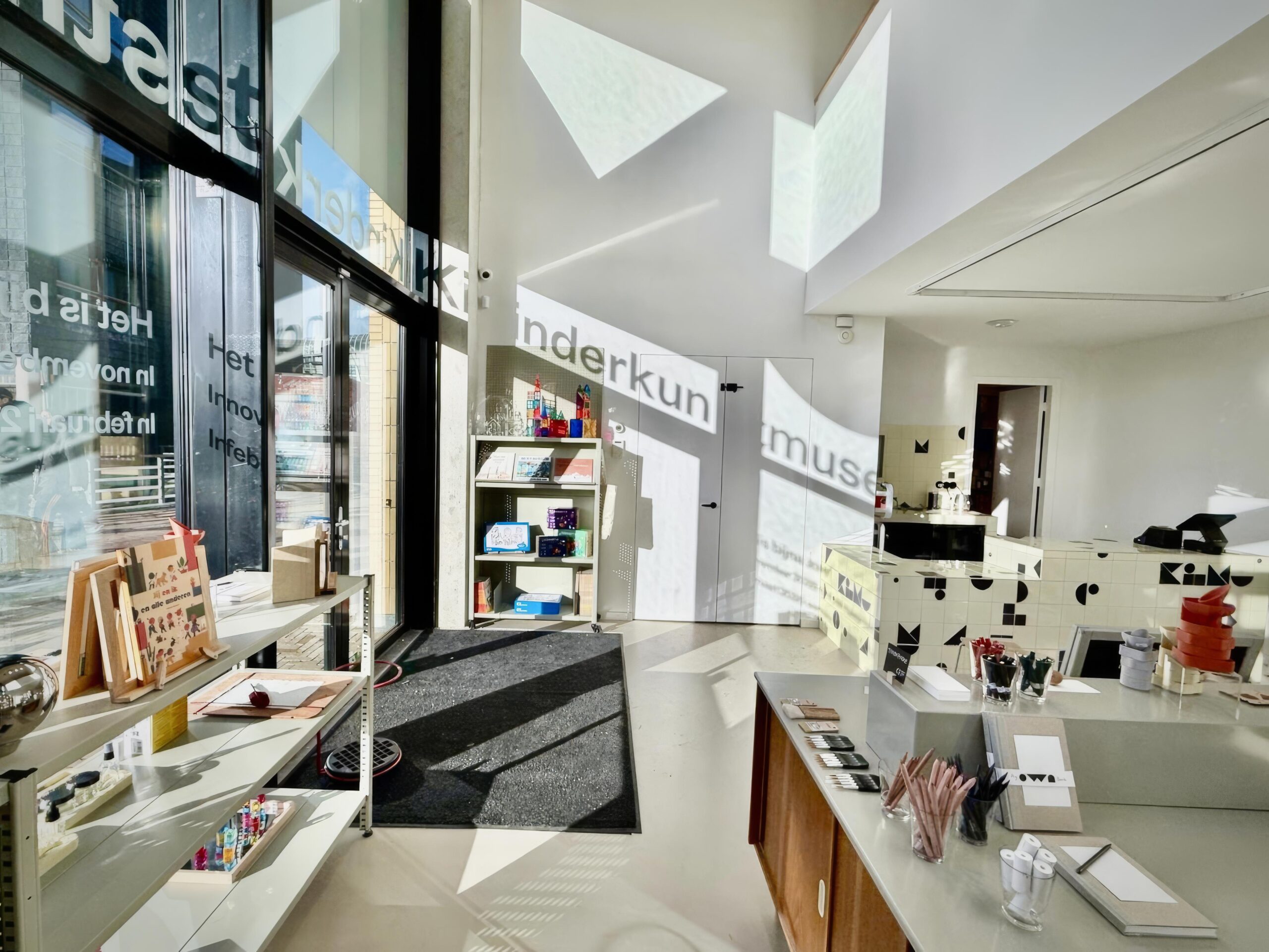
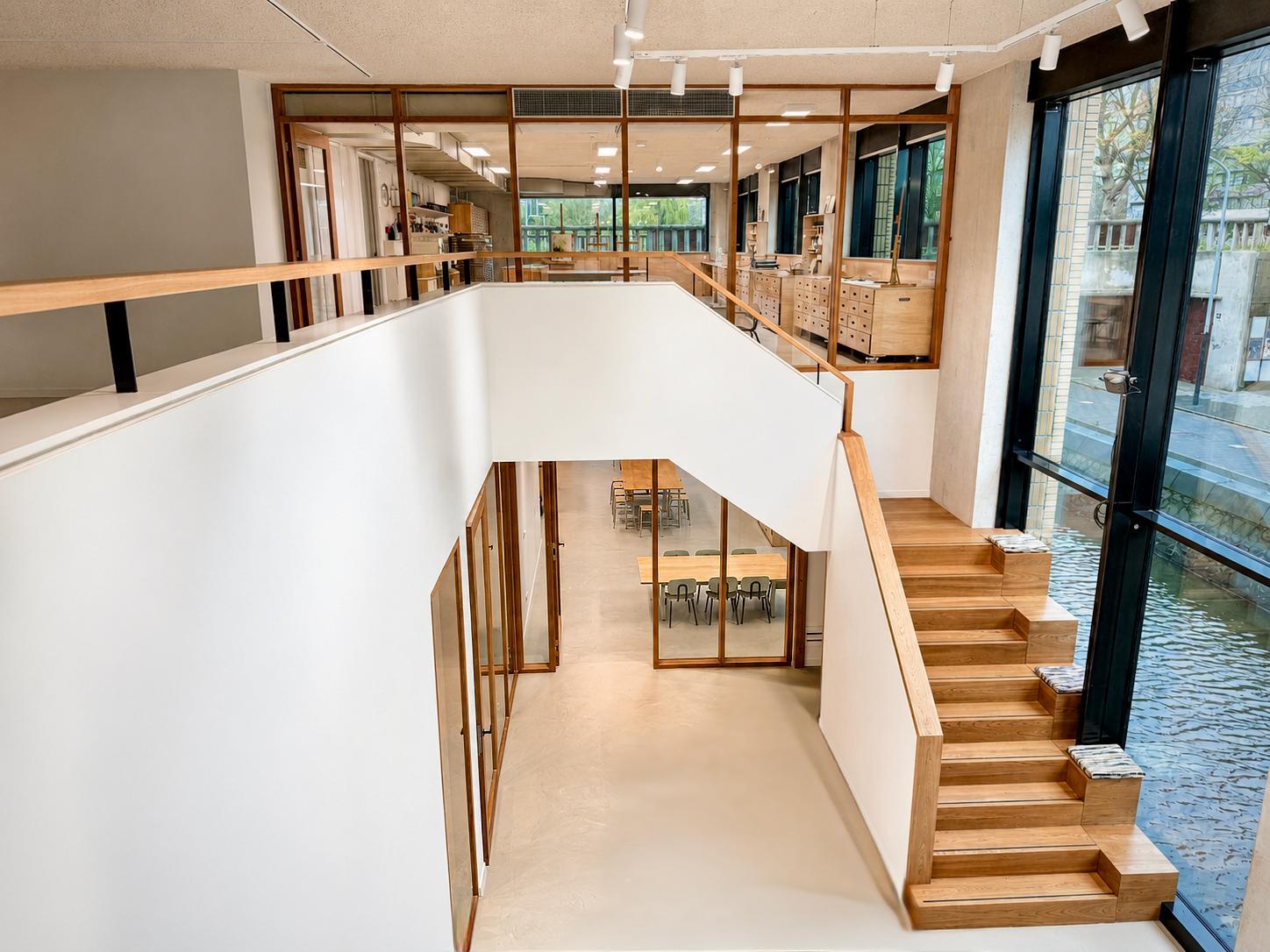
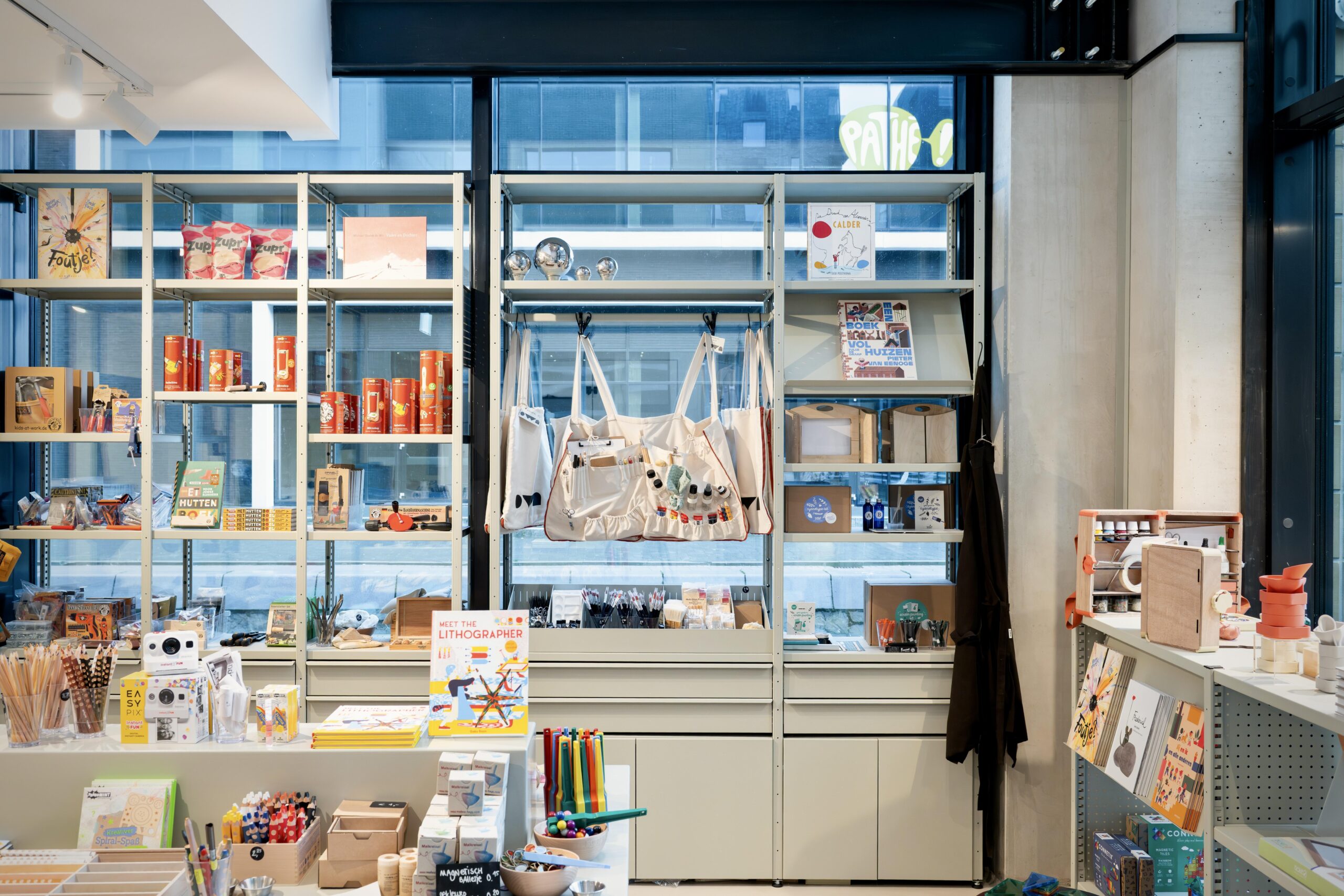
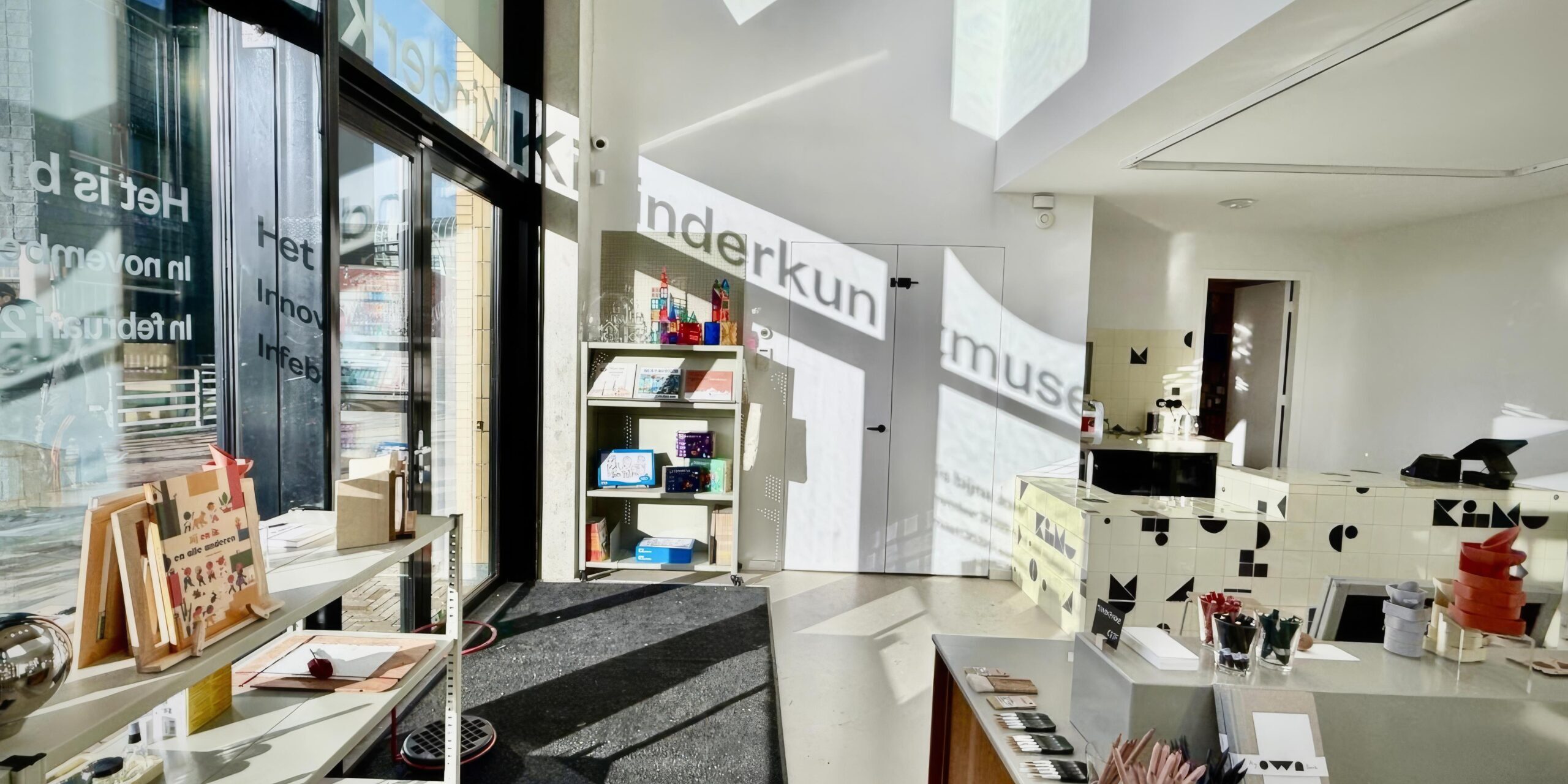
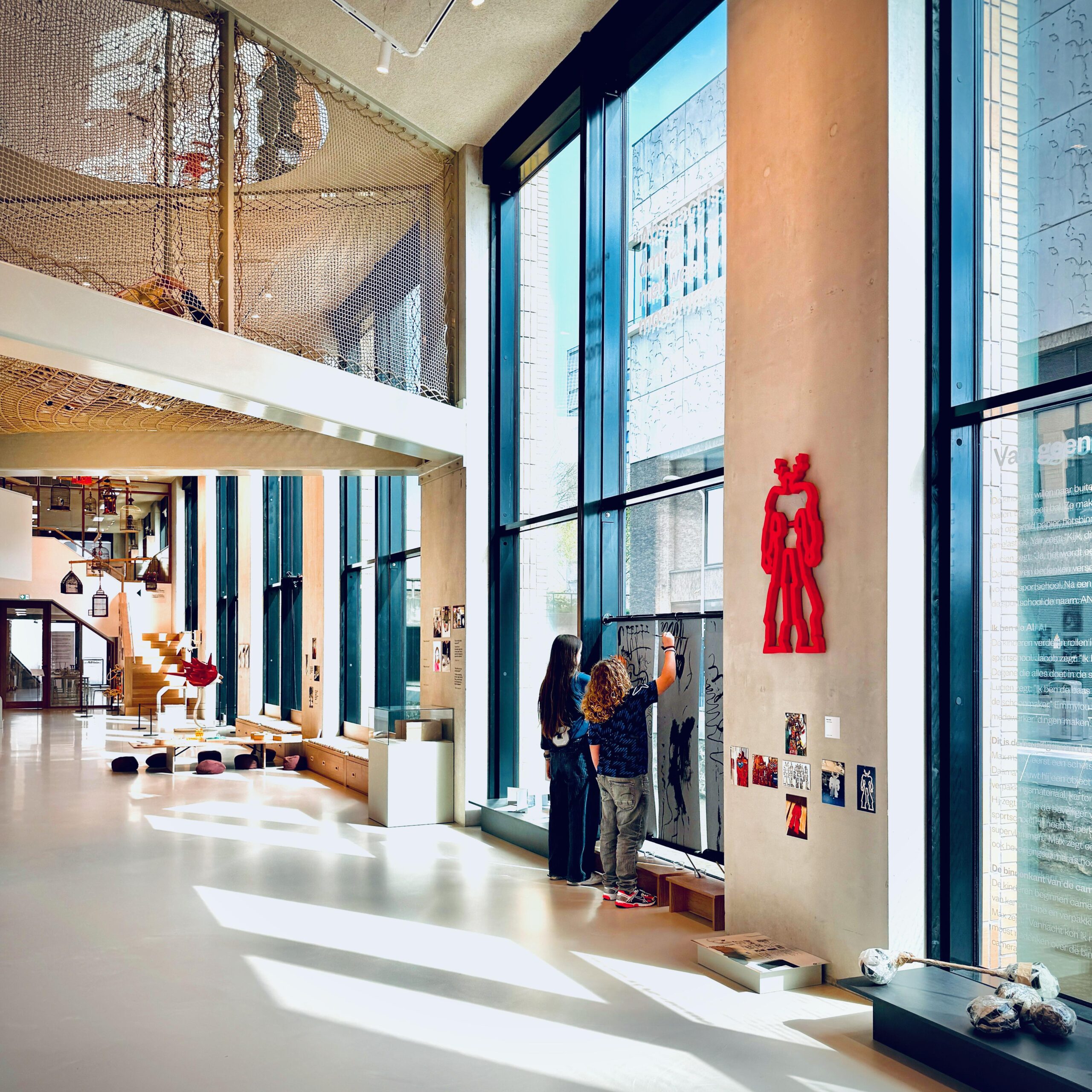
The layout is organized around a large double-height central area with generous windows facing the water. Visitors enter through a two-storey foyer with shop before moving into this open volume, where different routes, views and spatial experiences unfold.
Stairs, Balcony, Net and Open Sightlines
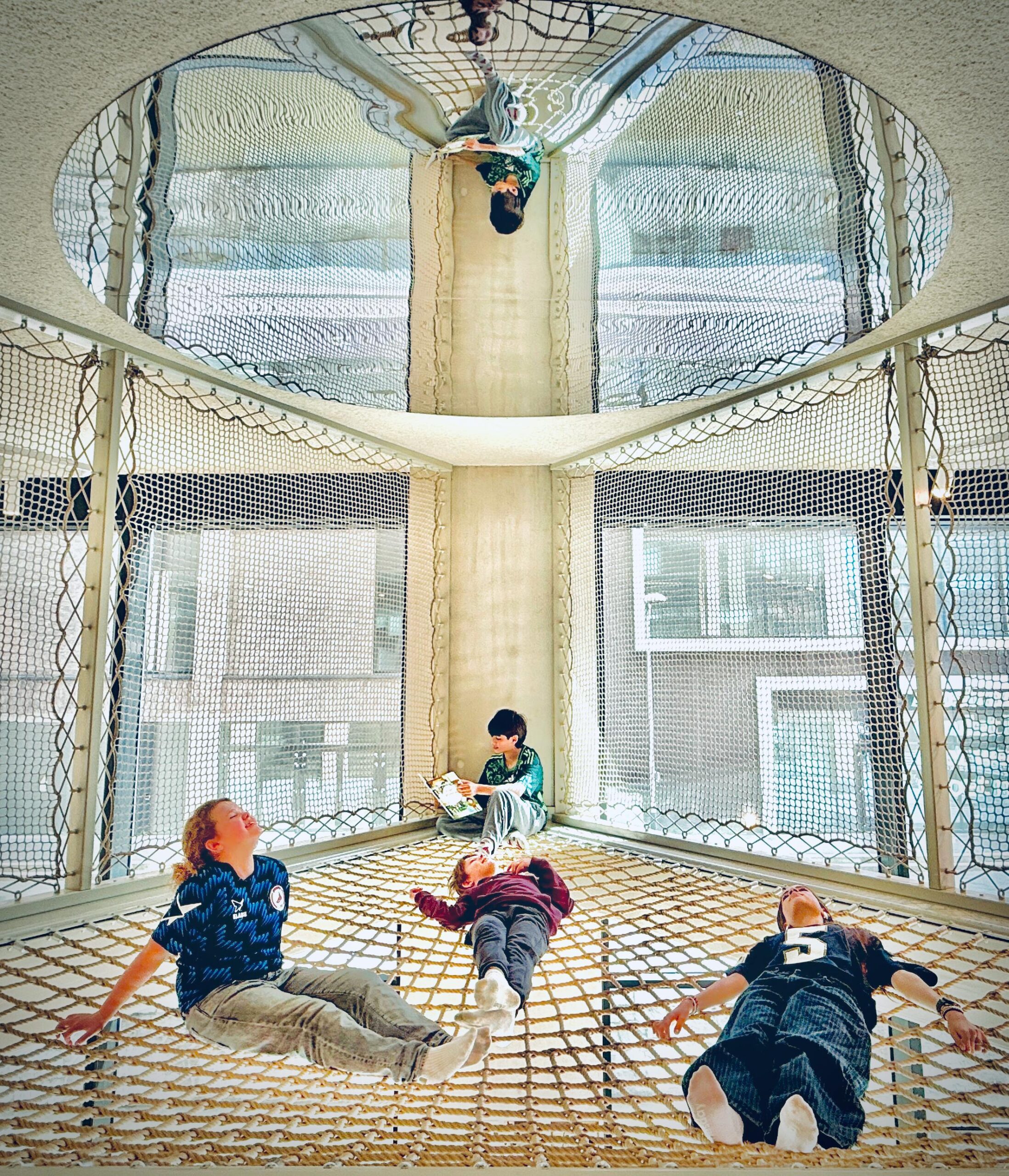
Two wooden staircases, a triangular balcony and a suspended net shape the way the museum is used. The balcony functions almost like a crow’s nest, breaking up the central volume and offering children a new point of view. The net creates a place for lounging and rest, while a mirror above it catches the light and reflects the water outside back into the interior.
Slender cherry wood frames and internal windows keep sightlines open between the ateliers and the main spaces, while introducing a restrained architectural language with references to a minimal Japanese aesthetic. The palette combines soft industrial grey, drawn from the existing concrete base, with moss yellow accents.
A Space Designed Through Use and Making
The design developed through close collaboration. Suzanne Huis defined how the spaces needed to function and developed many of the interior concepts, including the ateliers and furniture, while WE architecten translated this into a spatial design and introduced new interventions such as the stairs, balcony and net.
The process remained visible throughout the interior. Materials were sourced along the way, and furniture was designed, adapted and built during the project, often using reused or found materials. Children were also involved in making parts of the interior, reinforcing the idea that the museum is not a finished image, but a living environment for discovery.
Interior Details and Shared Authorship
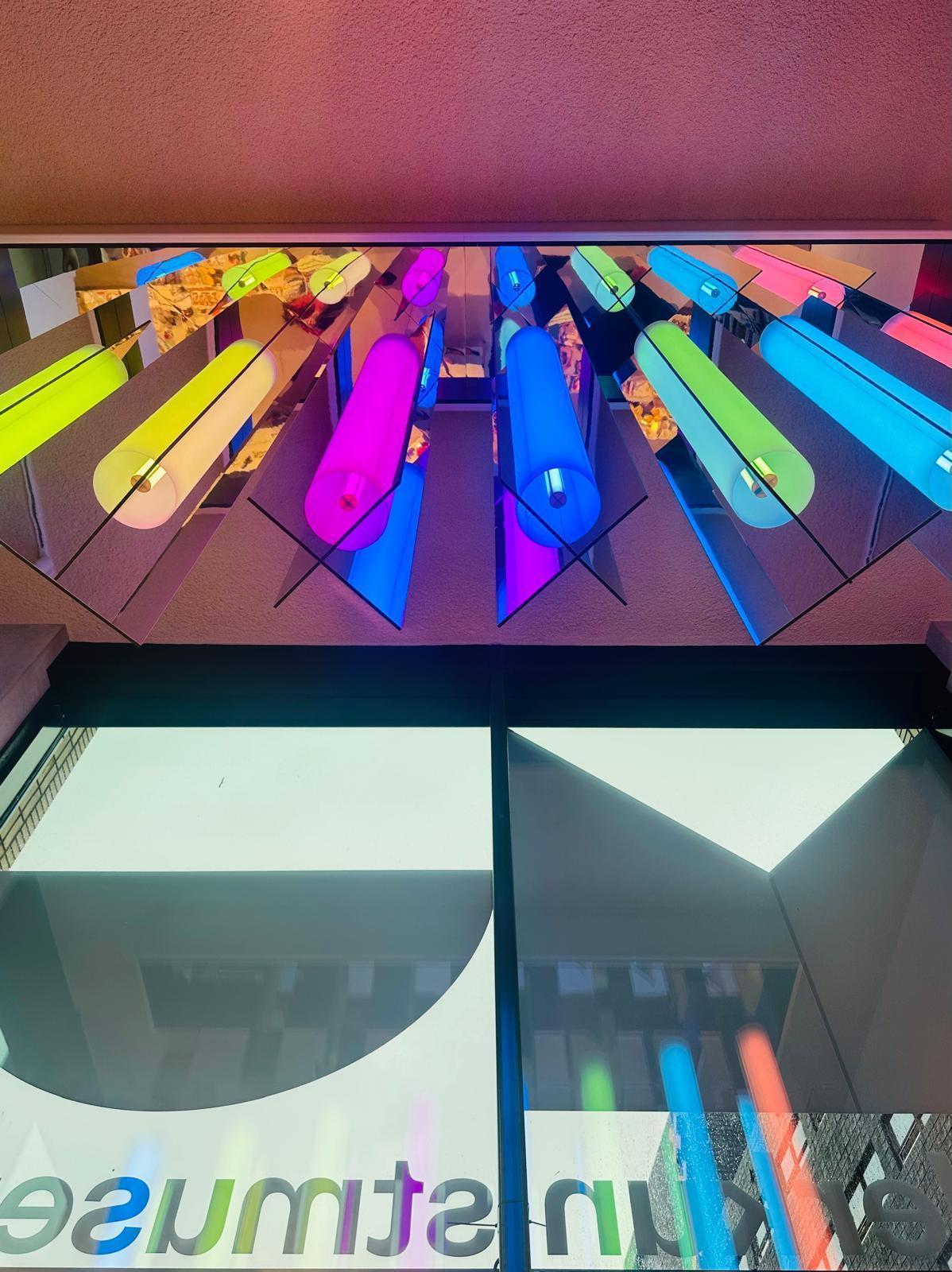
The combined foyer and shop are organized around a single counter serving both museum and retail functions. It is clad in second-hand 1930s tiles, printed by children with parts of KiMu’s logo. Above it, a large light installation by artist Rein, suspended from the ceiling, is composed of mirrored glass elements that shift in color with the light.
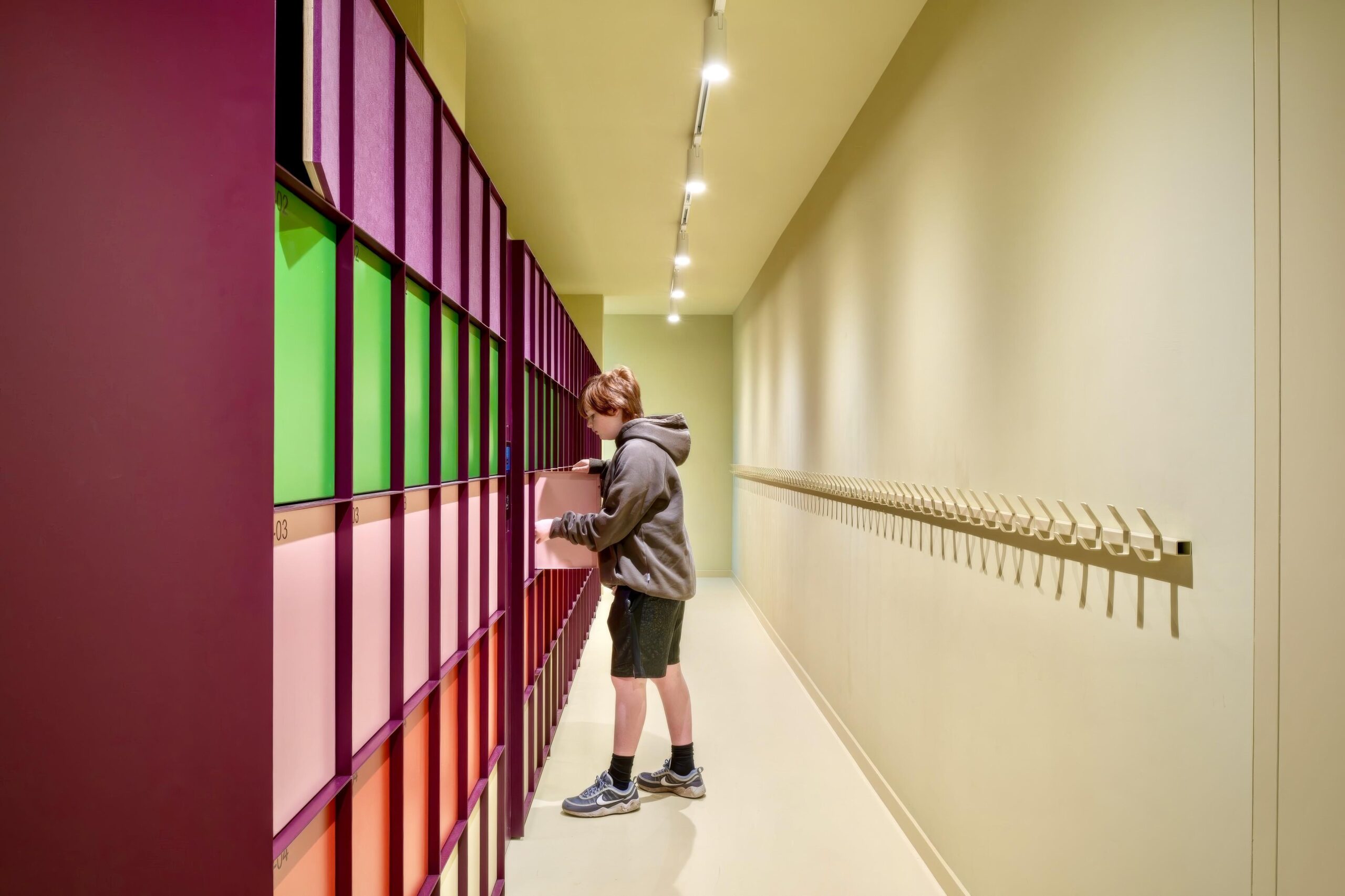
The cloakroom includes a locker system by i29 architects under their Elements Amsterdam label, executed in steel and felt in contrasting colors, with coat hooks placed at children’s height. In the ateliers, furniture was developed through practical use and Suzanne Huis’ experience of working with children, then built by Lika Kortmann / LikaPika. The Atelier of Light was developed in collaboration with TOEVAL GEZOCHT, drawing on their experience with exhibitions on children’s creative processes, including earlier presentations at the Stedelijk Museum Amsterdam.
A Museum for Process, Imagination and Discovery
KiMu shows what can happen when children are given the space to think, make and develop in their own way. By focusing on how ideas take shape over time, rather than only on finished results, the museum offers a different model for engaging with art, education and creativity.
The museum was officially opened by Femke Halsema, Mayor of Amsterdam, together with Amsterdam’s children’s mayor Kiyaro. More than a museum for children, KiMu is conceived as an environment where autonomy, imagination and process become the foundation for creative growth.