Museum Depot in South Tyrol, Italy
Architecture:
Visuals:

Conceived as a new architectural landmark for South Tyrol, the Museum Depot responds to the need for a centralized facility dedicated to the protection, conservation, and public accessibility of the region’s cultural assets. The project rethinks the fragmented system of existing depots, consolidating diverse collections into a unified structure that accommodates over one million objects, ranging from artworks and museum holdings to archaeological finds and audiovisual archives.
Programmatic Integration
The proposal addresses a dual objective: to operate as a highly efficient preservation facility while simultaneously engaging with the cultural and institutional demands of the region. Rather than functioning as a series of isolated storage units, the building establishes a cohesive framework that integrates research, conservation, and exhibition. Offices, laboratories, workshops, storage areas, and public galleries coexist within a single architectural system, fostering collaboration and exchange between institutions.
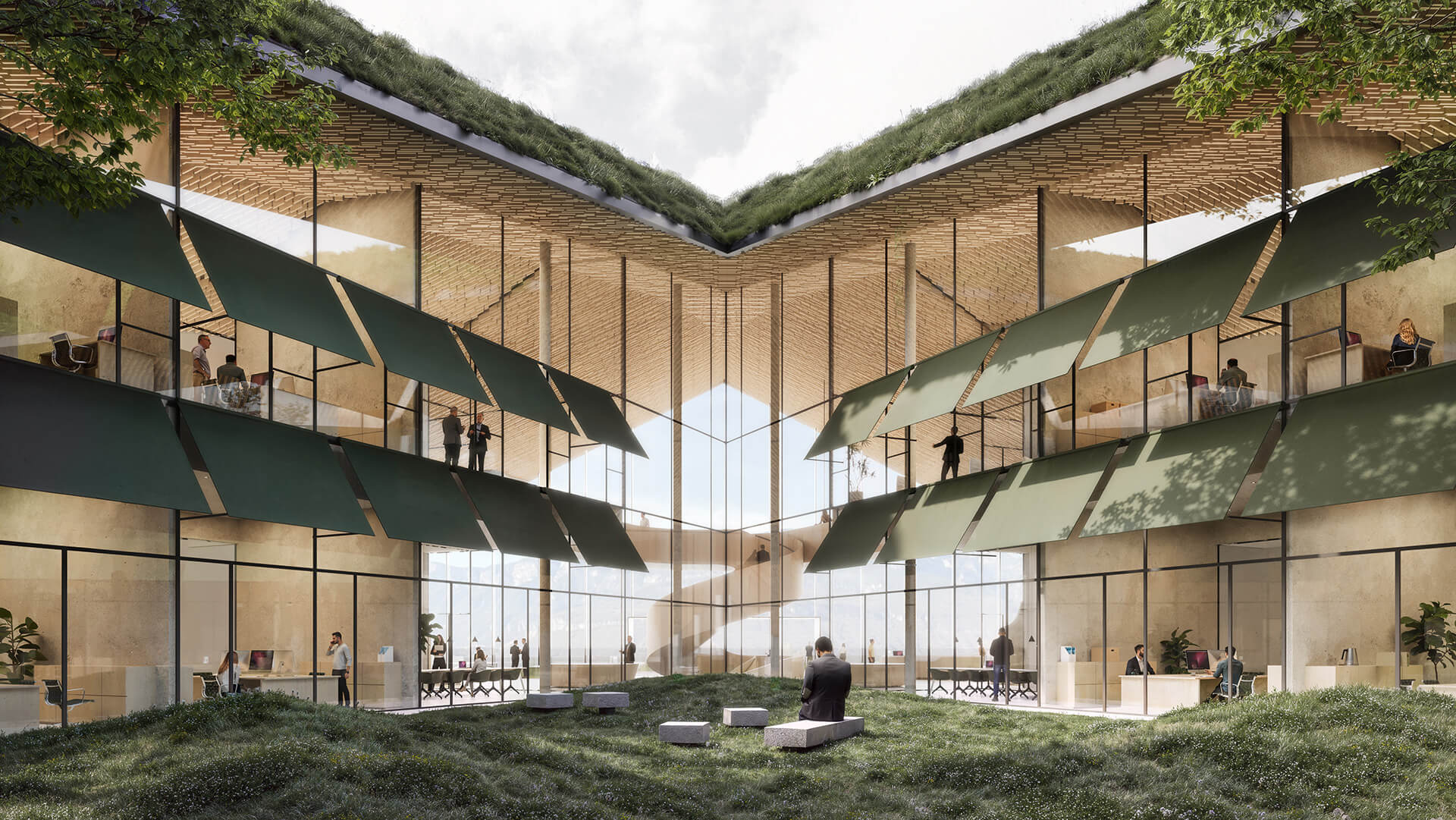
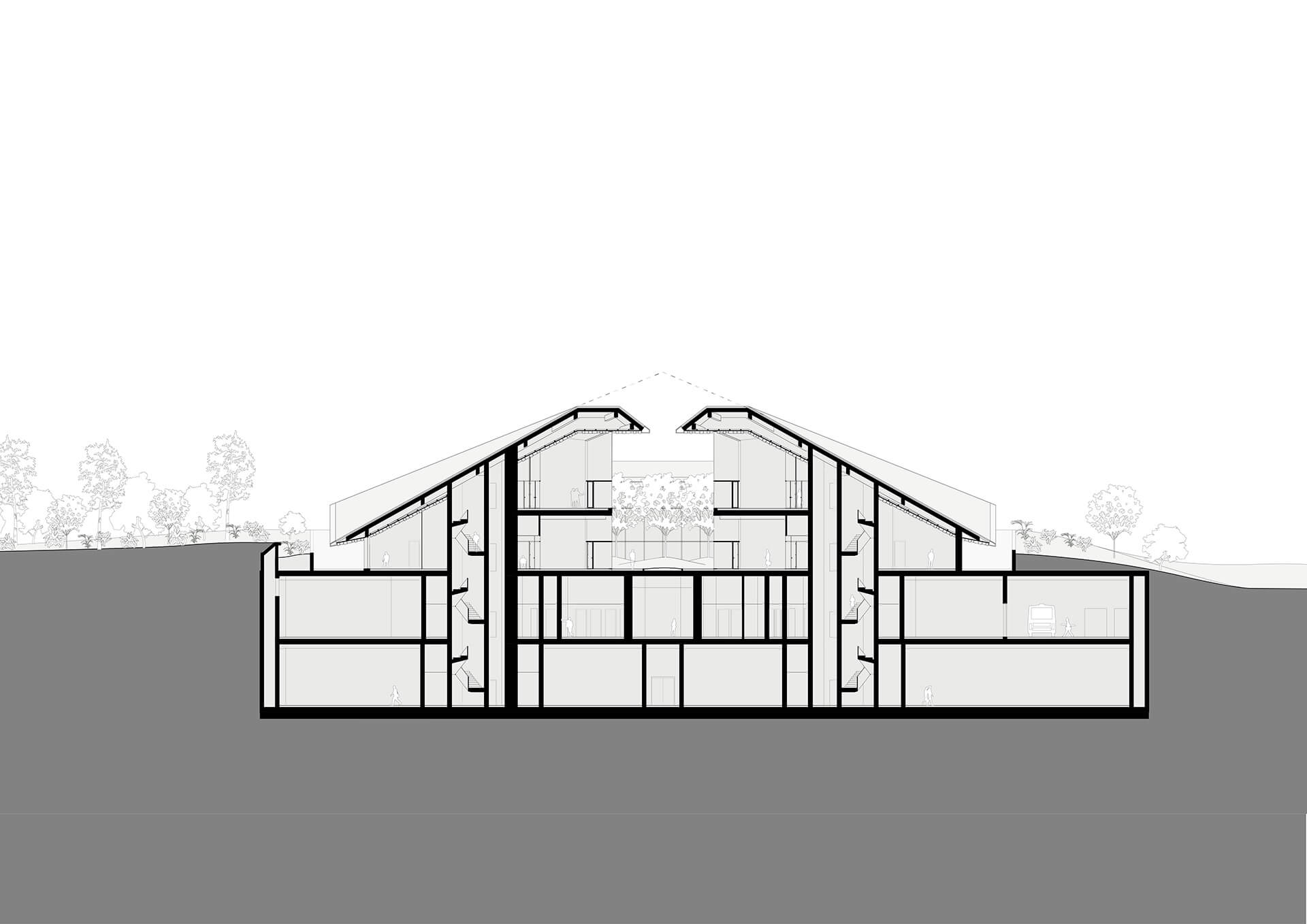
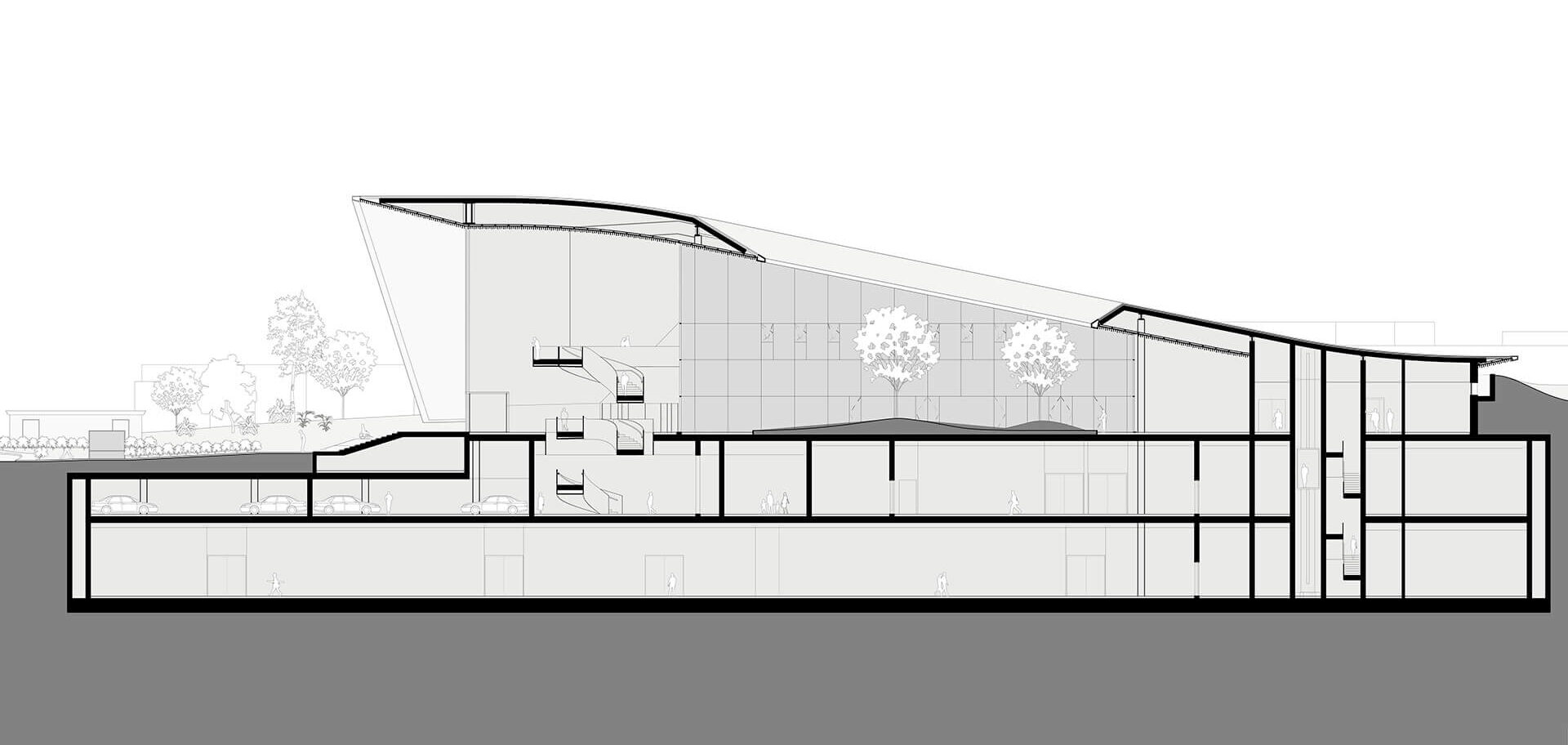
The spatial organization prioritizes relationships and workflows, structuring the program around a central courtyard that introduces natural light into the working environments while offering visual and physical access to a landscaped outdoor space. This arrangement enhances both functionality and user experience, positioning the depot as an active cultural infrastructure rather than a purely technical repository.
Spatial Strategy & Sustainability
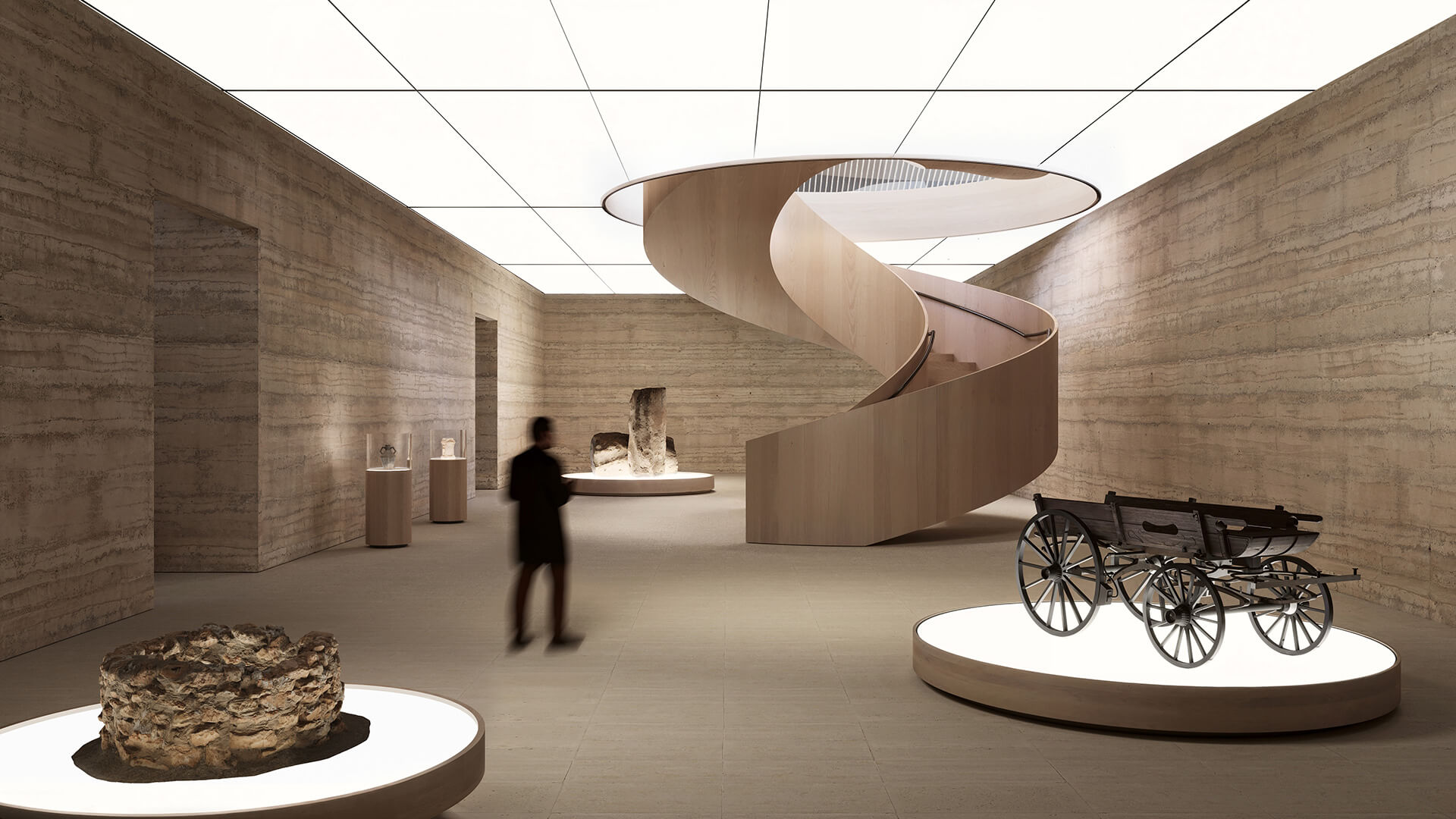
A key aspect of the design lies in the careful distribution of functions across different levels. Storage and exhibition spaces are located underground, ensuring stable climatic conditions essential for the long-term preservation of sensitive artifacts. Above ground, administrative and research functions benefit from daylight and visual permeability, creating a balanced working environment.
Circulation is conceived as a continuous and legible system, connecting the various programmatic elements while reinforcing their interdependence. The interior is defined by clear spatial sequences and controlled transitions, allowing both staff and visitors to navigate seamlessly through the building.
Design Philosophy
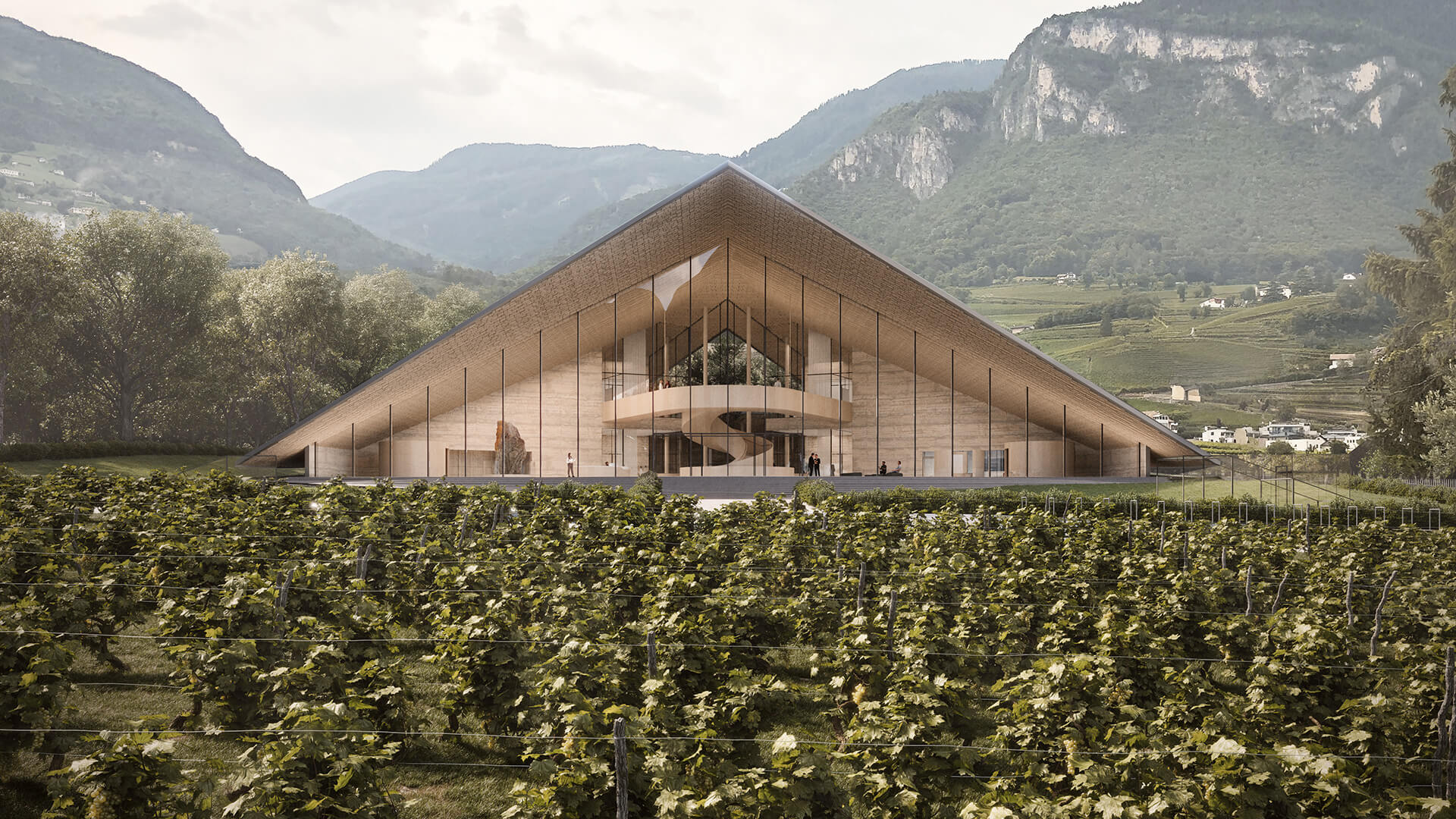
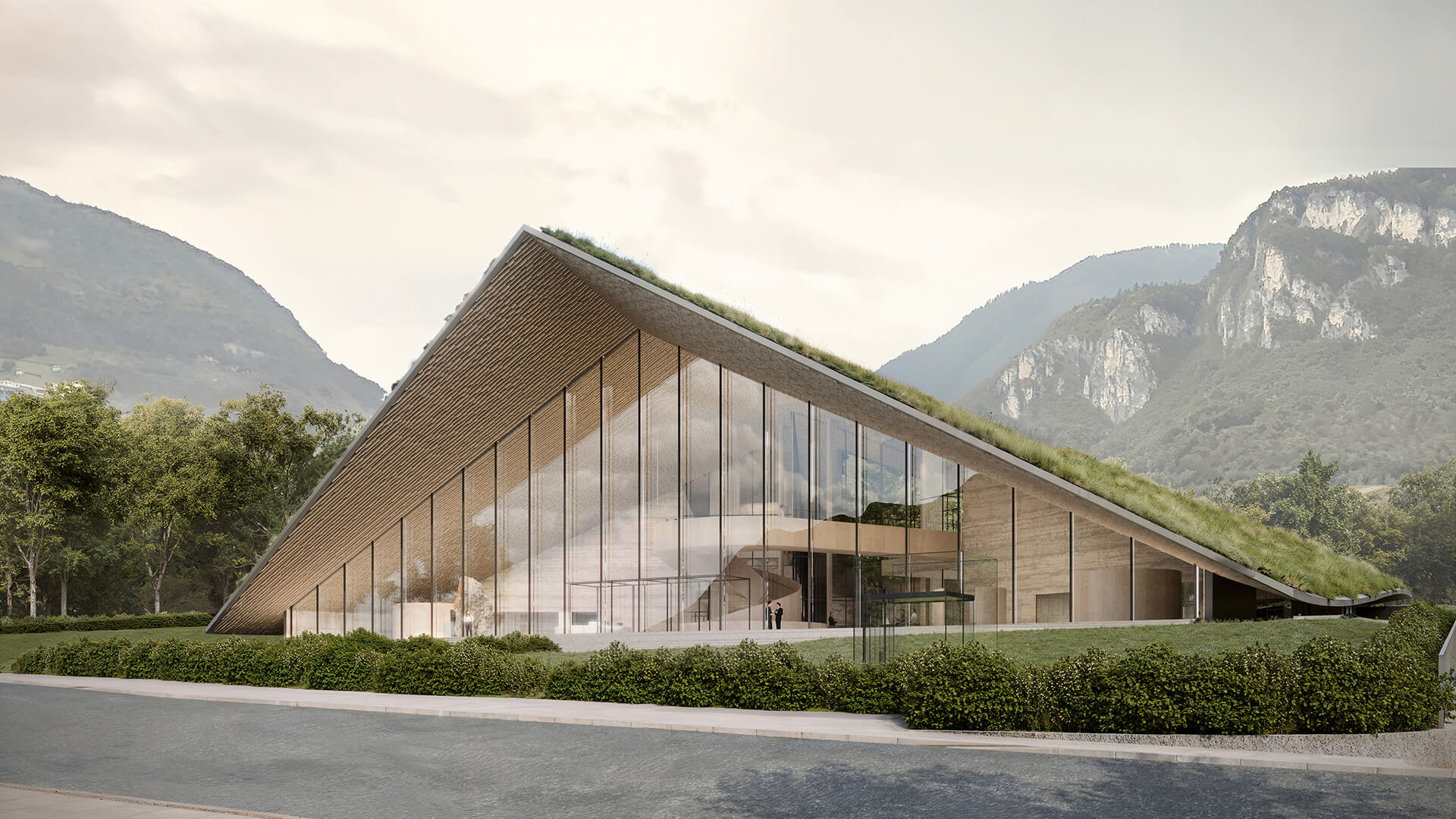
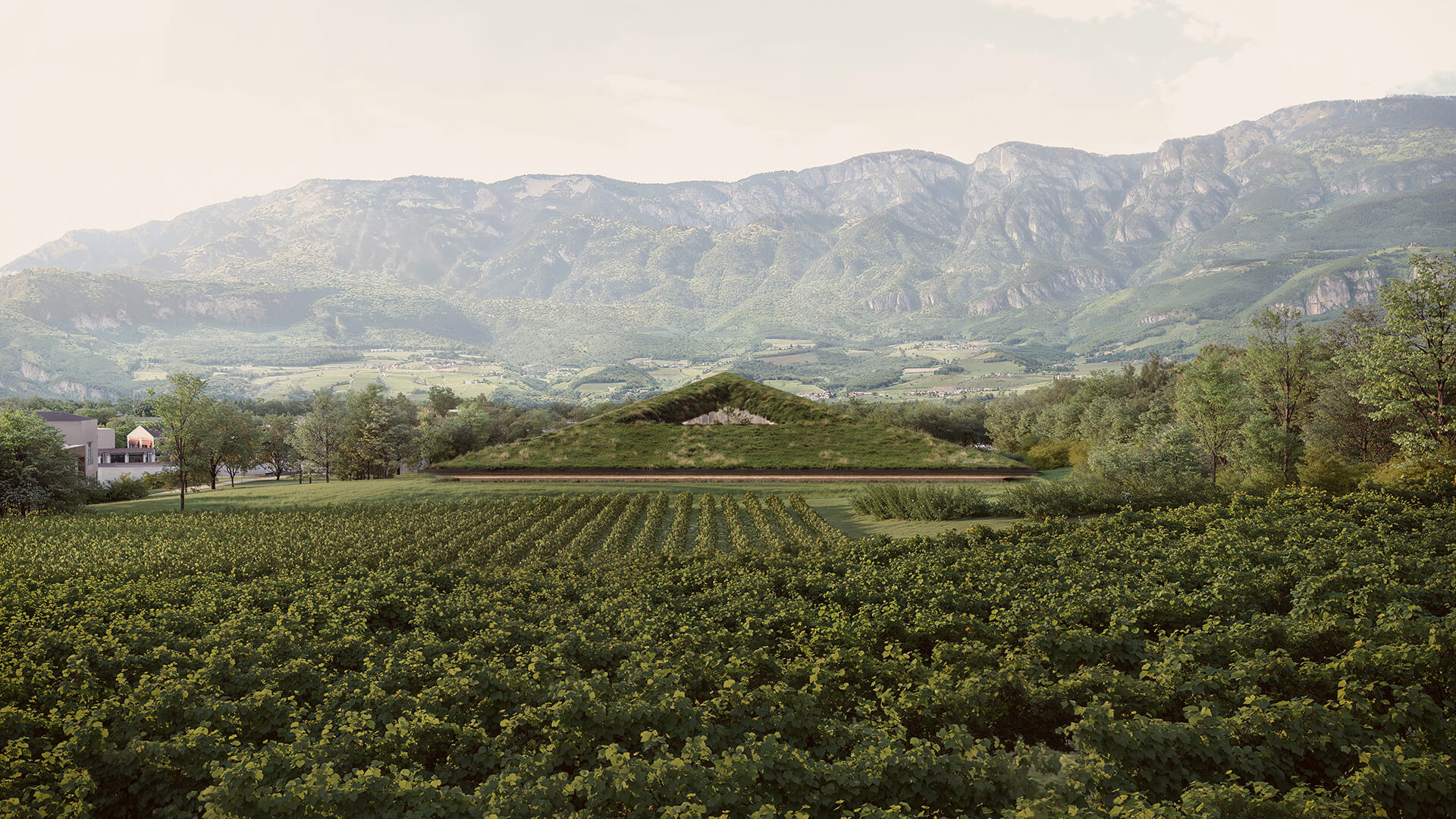
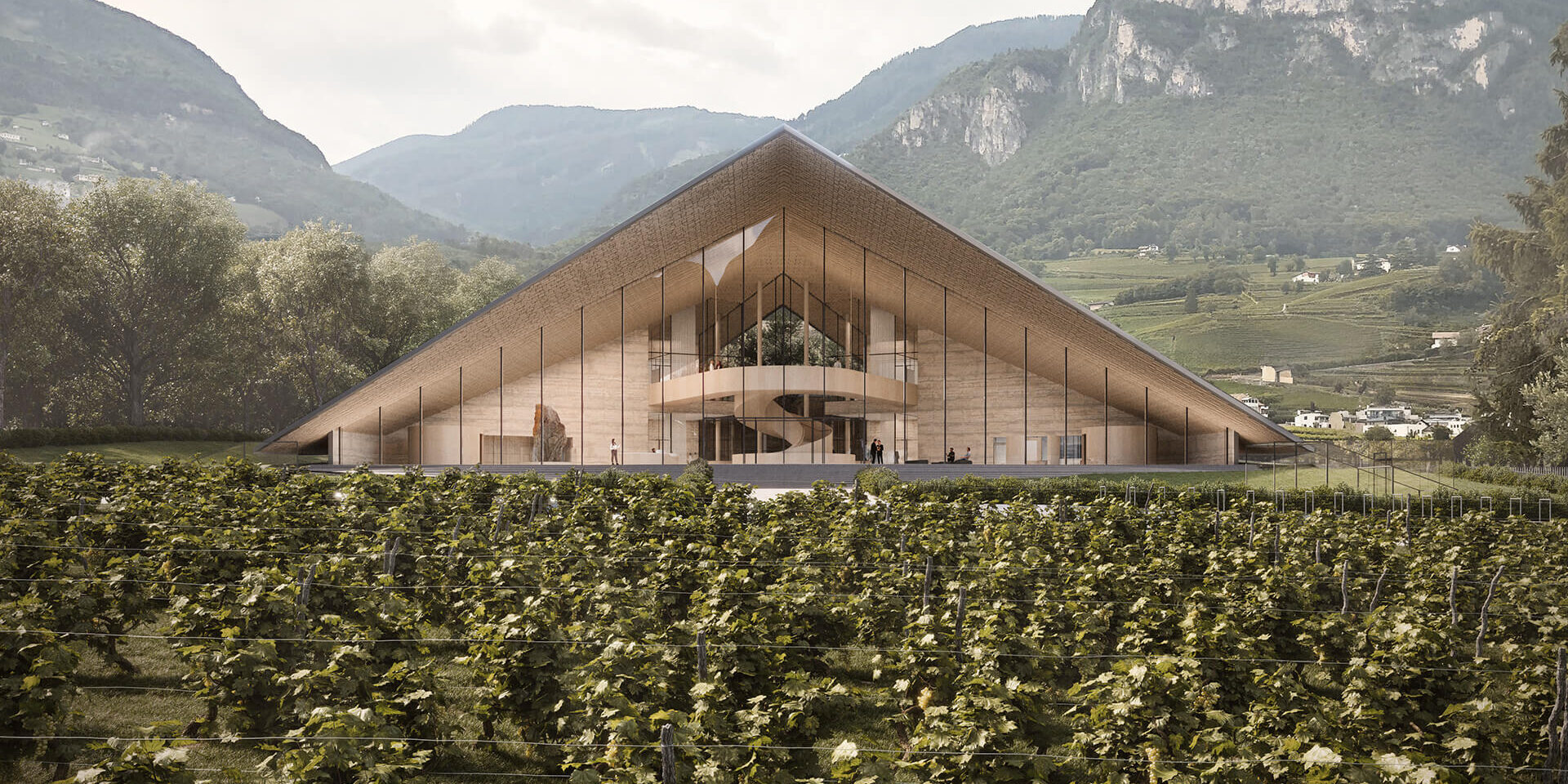
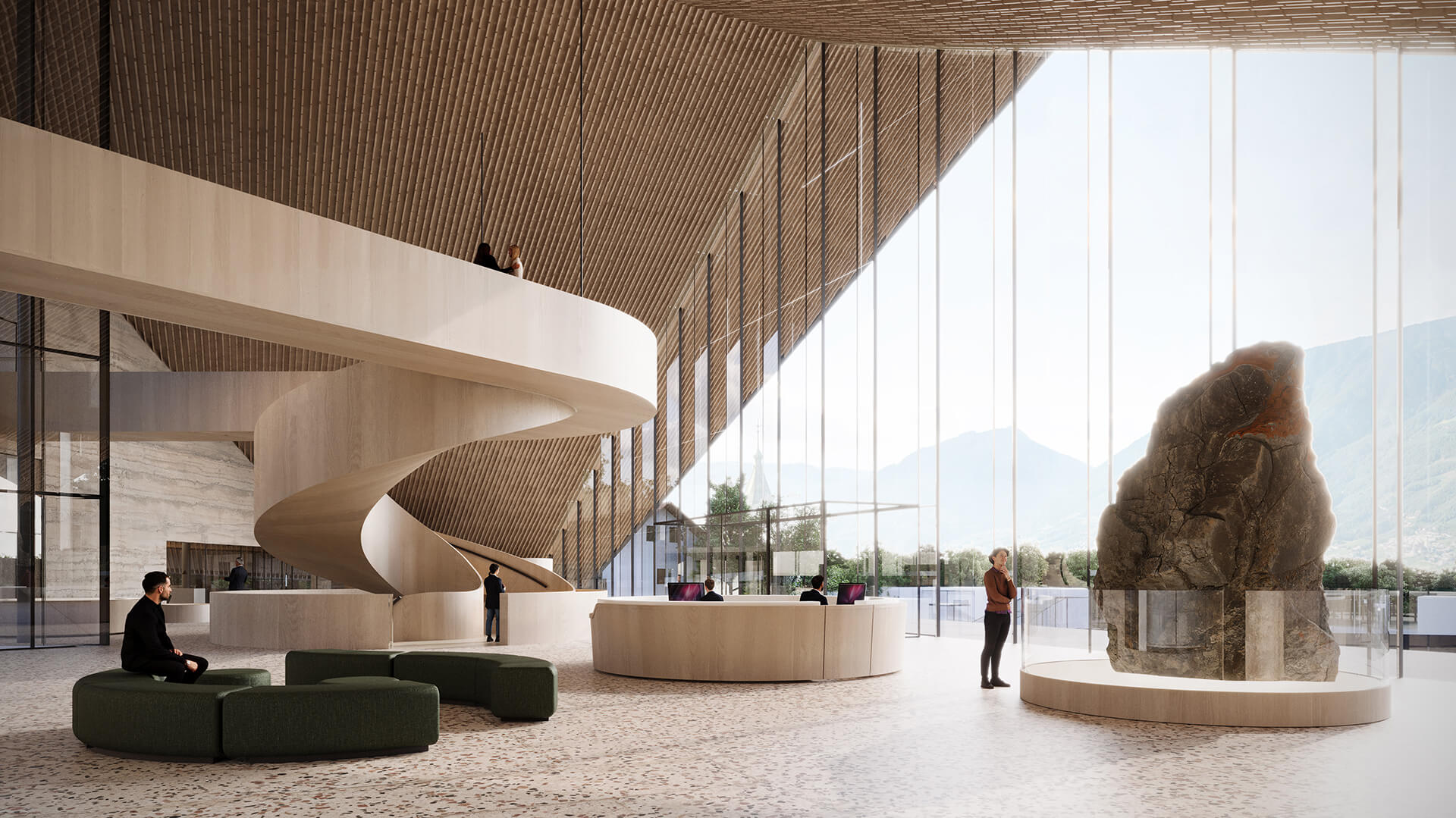
The architectural form draws from the vernacular typologies of South Tyrol’s alpine and valley regions, translating traditional elements into a contemporary language. A raised, pitched roof defines the building’s silhouette, while the street-facing entrance opens into a transparent and welcoming foyer.
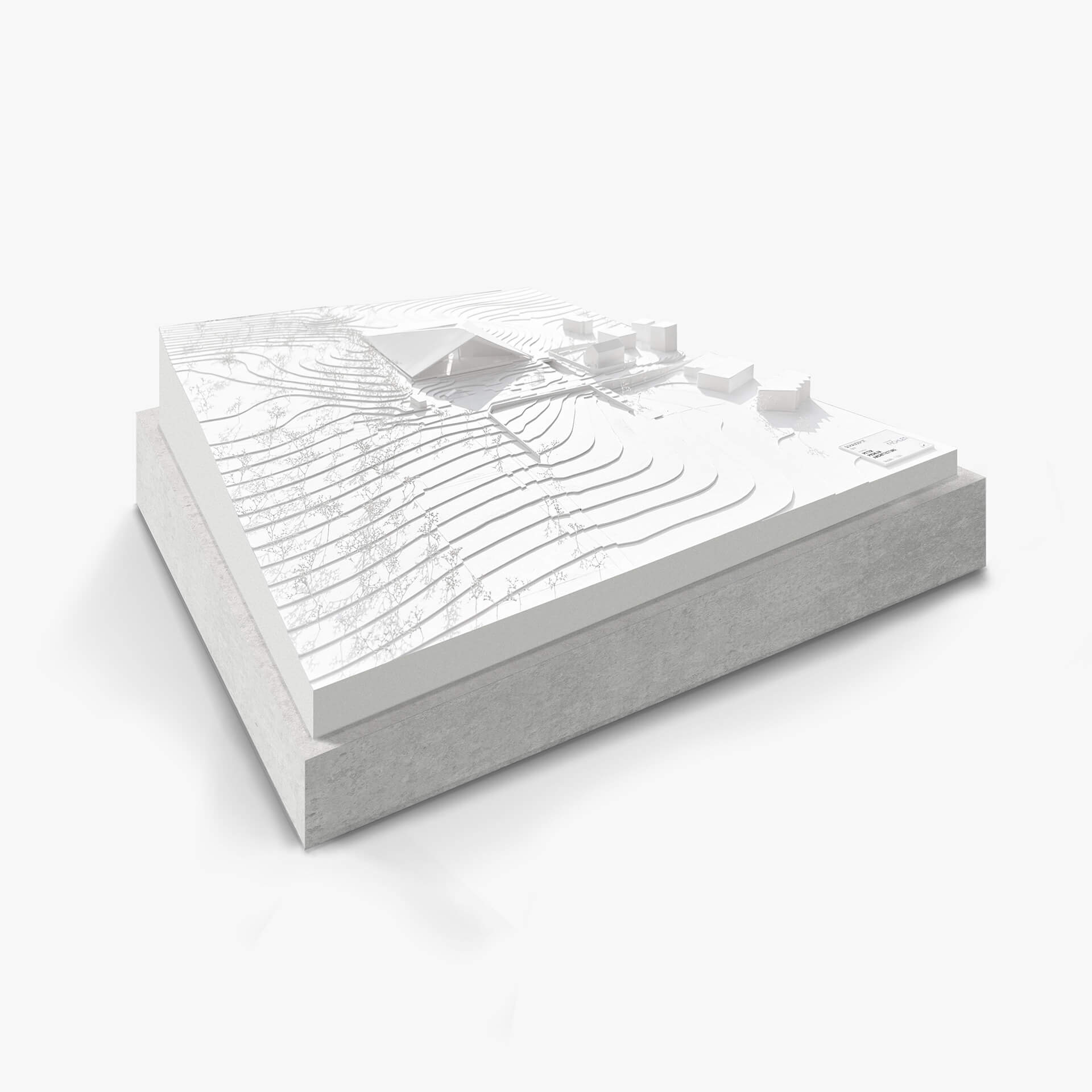
Partially embedded into the ground, the structure reduces its visual impact and establishes a sensitive relationship with the surrounding landscape. The green roof extends the natural terrain, reinforcing continuity between the built form and its environment. This integration is further emphasized by the material palette and the modulation of volumes, which echo local architectural references while maintaining a distinct contemporary identity.
The main entrance connects directly to the urban fabric and adjacent plaza, while additional access points through underground parking ensure functional efficiency. At the heart of the interior, a sculptural spiral staircase acts as both a spatial and symbolic element, linking the exhibition spaces below with the public and administrative areas above.
Upon completion, the Museum Depot will not only provide optimal conservation conditions for previously dispersed collections but will also reposition them as accessible and active components of the region’s cultural landscape, reinforcing their value within both local and broader contexts.