10 Bar & Restaurant Projects
Selection:
Editorial Team ek magazine
Date:
January 2026

The editorial team of ek magazine selected ten architectural projects, featured in past print issues as well as the ek website, that showcase impressive designs of culinary spaces, restaurants and bars.
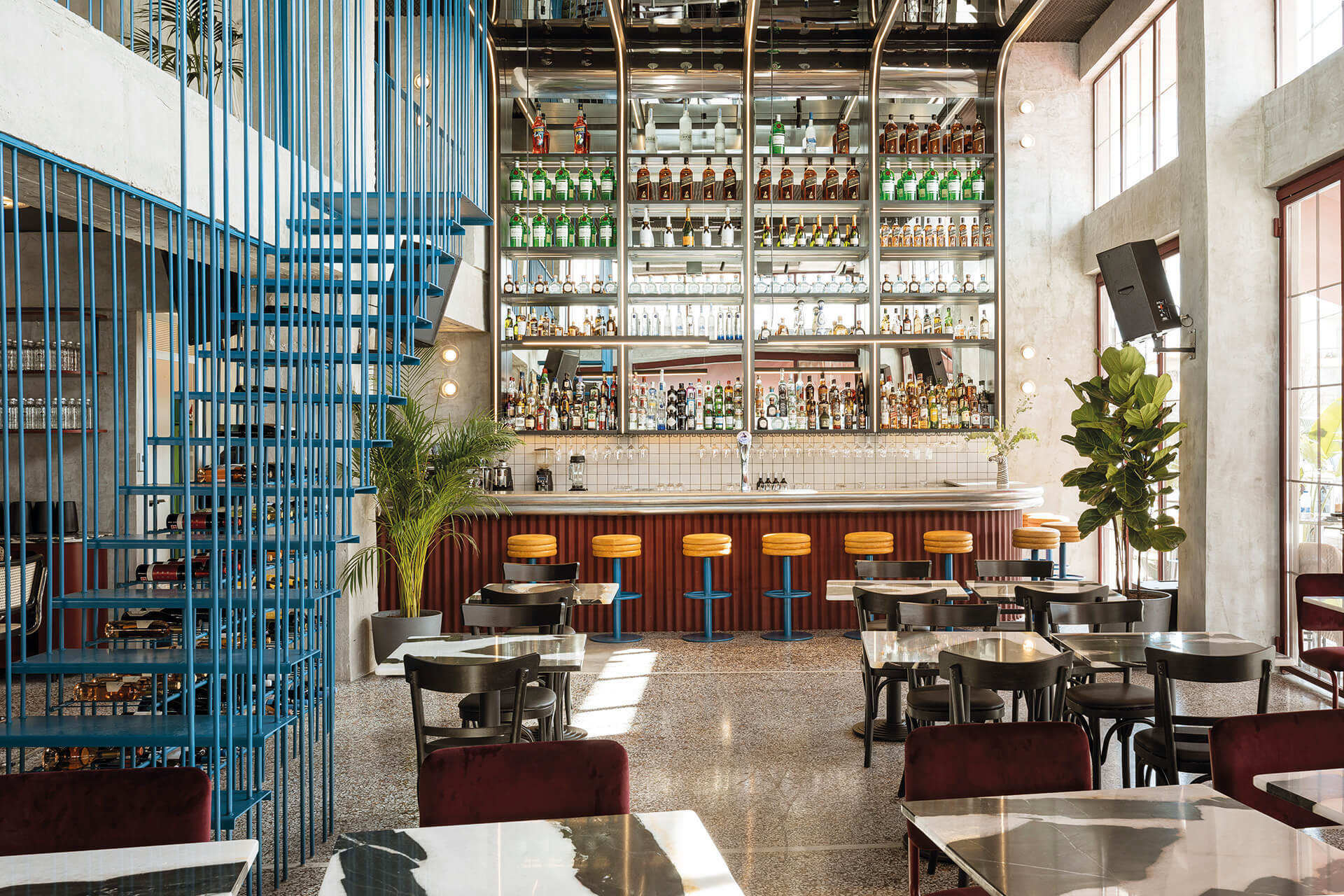
Skrew is an all-day bar-restaurant designed for relaxation and socializing, serving as a favorite meeting point for its guests from morning until late at night. The owners’ desire for a fresh yet timeless space, housed within an existing industrial building, defined the overall design approach. The interior preserves the restrained aesthetic of exposed concrete while incorporating distinctive features, such as a striking bar set against a 3.5-meter-high backdrop and a counter clad in tin. The dining area offers a variety of seating options, including banquettes paired with custom-designed marble tables and vintage chairs. At the rear, the open kitchen with its glass frontage adds vibrancy and a sense of interaction. The presence of plants, combined with a diverse selection of furniture and architectural elements, creates a layered experience, with different spatial qualities unfolding in every corner.
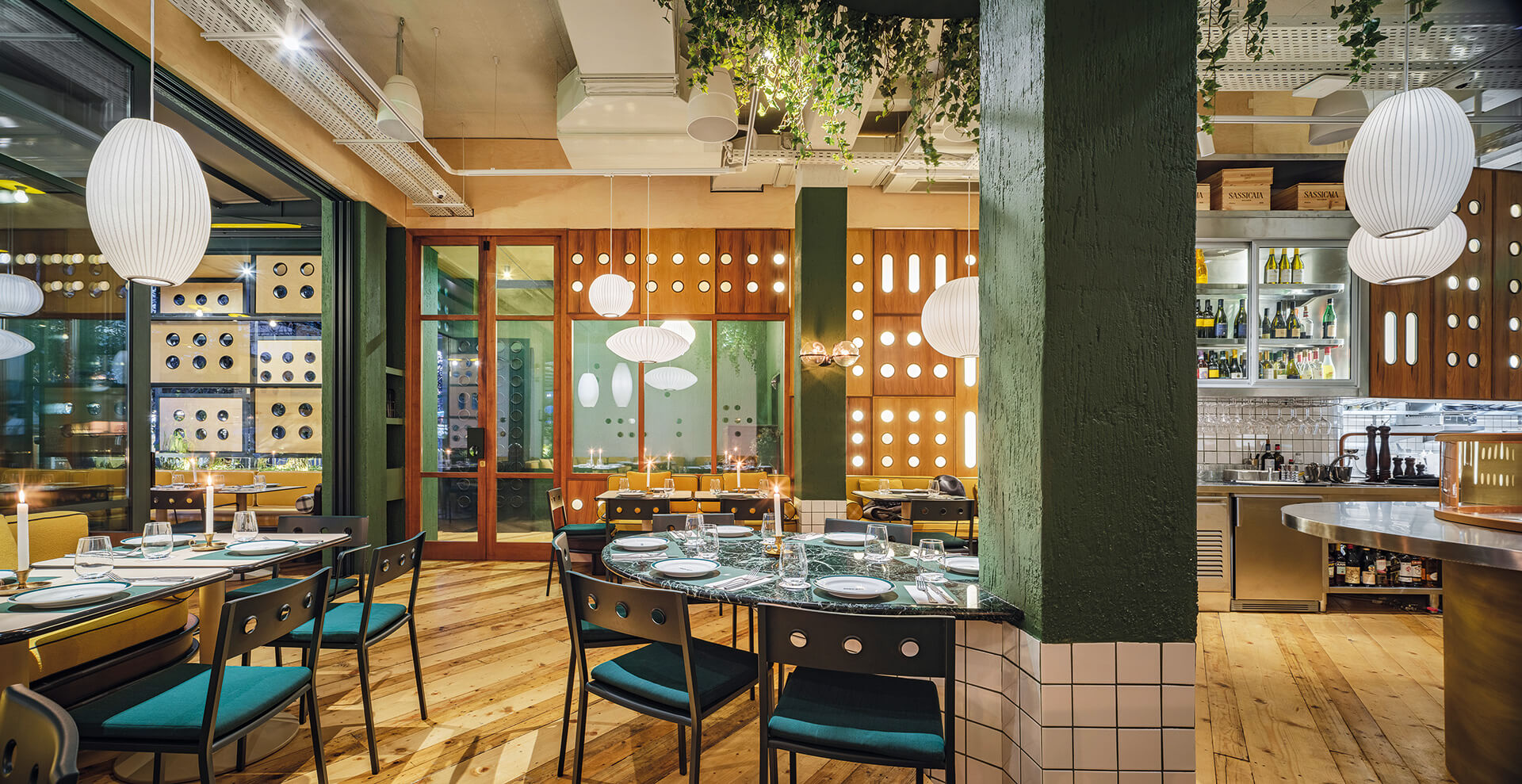
Within an area of particular interest for food and beverage venues, a new contemporary Italian trattoria takes shape, emphasizing a balanced dialogue between materiality and form. Along the sidewalk, the restaurant unfolds with its first outdoor dining area. During the summer months, the metal pergola opens, allowing the large plane trees lining the street to provide natural shade throughout the day, while leaving the sky visible at night. Perimeter planting functions as a natural filter from passersby and street traffic, complemented by marine plywood panels which, through their carefully considered design and placement, allow natural light to penetrate the space, casting dramatic shadows and creating a layered atmosphere.
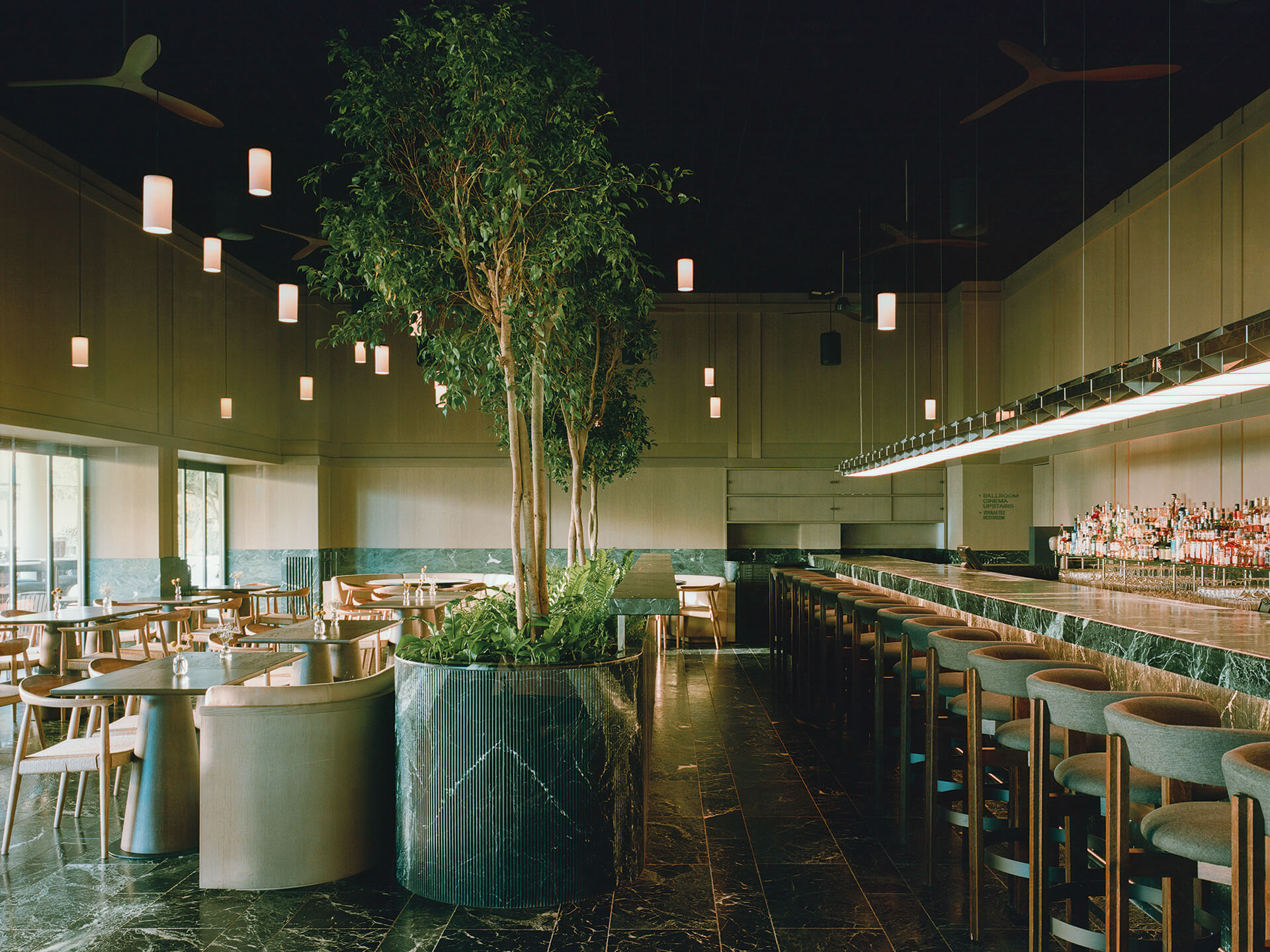
In designing the restaurant, the aim was to create a non-conventional space that would actively engage visitors in an experience highlighting the values of art, design, and gastronomy, translating them into tangible forms, materials, and textures. The existing restaurant features a distinctive double-height space with a mezzanine and a spiral staircase, while its façades are clad with large metal openings that provide full visual permeability throughout the interior. Upon entering, visitors encounter the central dining zone, arranged in an open-plan layout with seating, the bar and its counter, and an open kitchen at the rear, allowing guests to observe the food preparation process.
ek Issue: 298 | June 2025
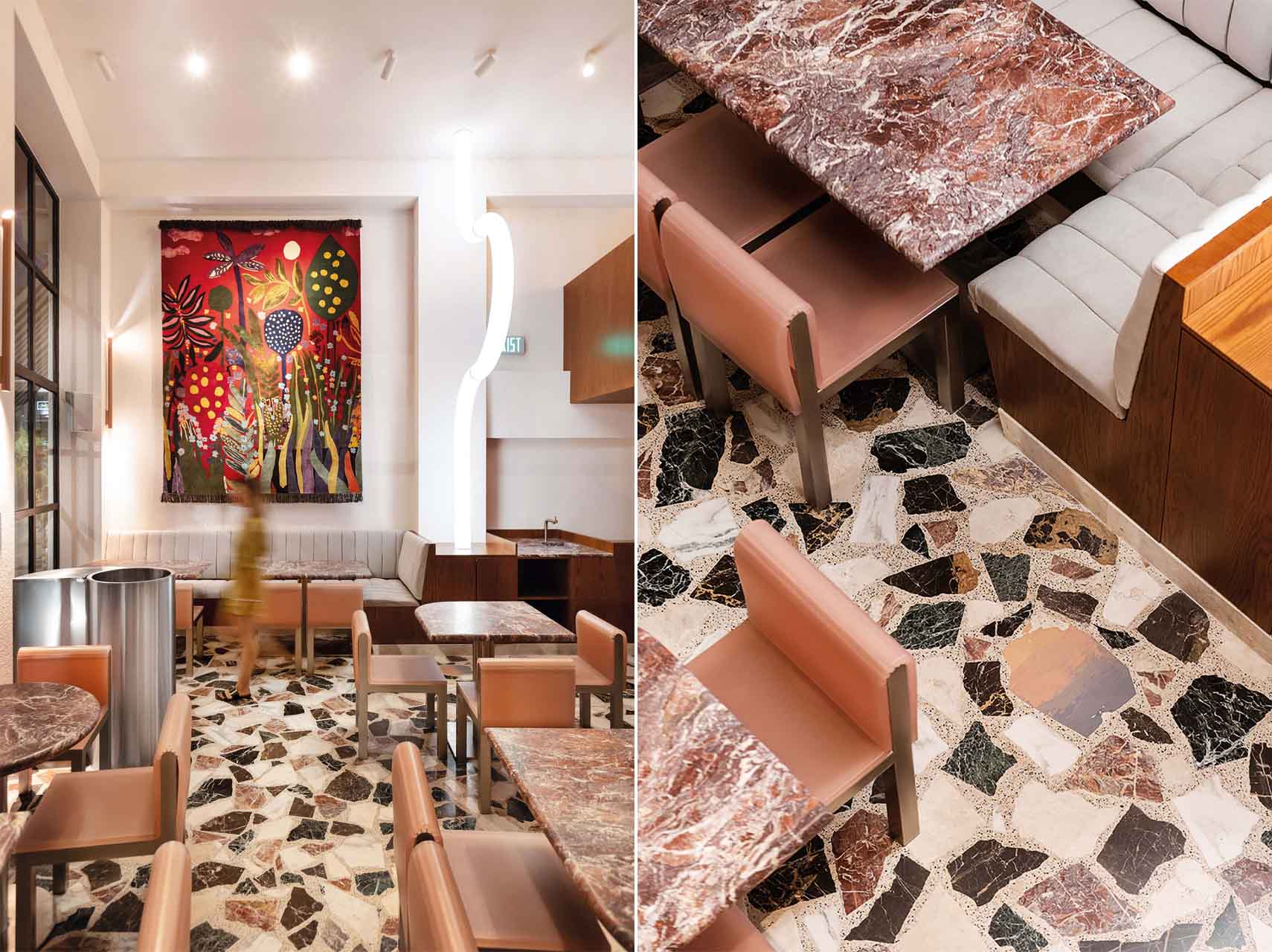
For more than 120 years, Aigli has been a focal point of Athenian social life. Since its beginnings in 1904 as a small café beside the neoclassical Zappeion building, it has evolved into a shared point of reference for the city. The new Aigli draws on this legacy, while aiming to broaden its reach and become more inclusive, open, and dynamic. The first step in shaping the design proposal was a careful analysis of the existing building and the public space of which it forms an integral part. This process led to the development of a design language that is both classical and contemporary, acknowledging and utilizing the existing decorative elements -columns, marble patterns, and intricate woodwork- without allowing them to take on a dominant role that would compromise everyday use.
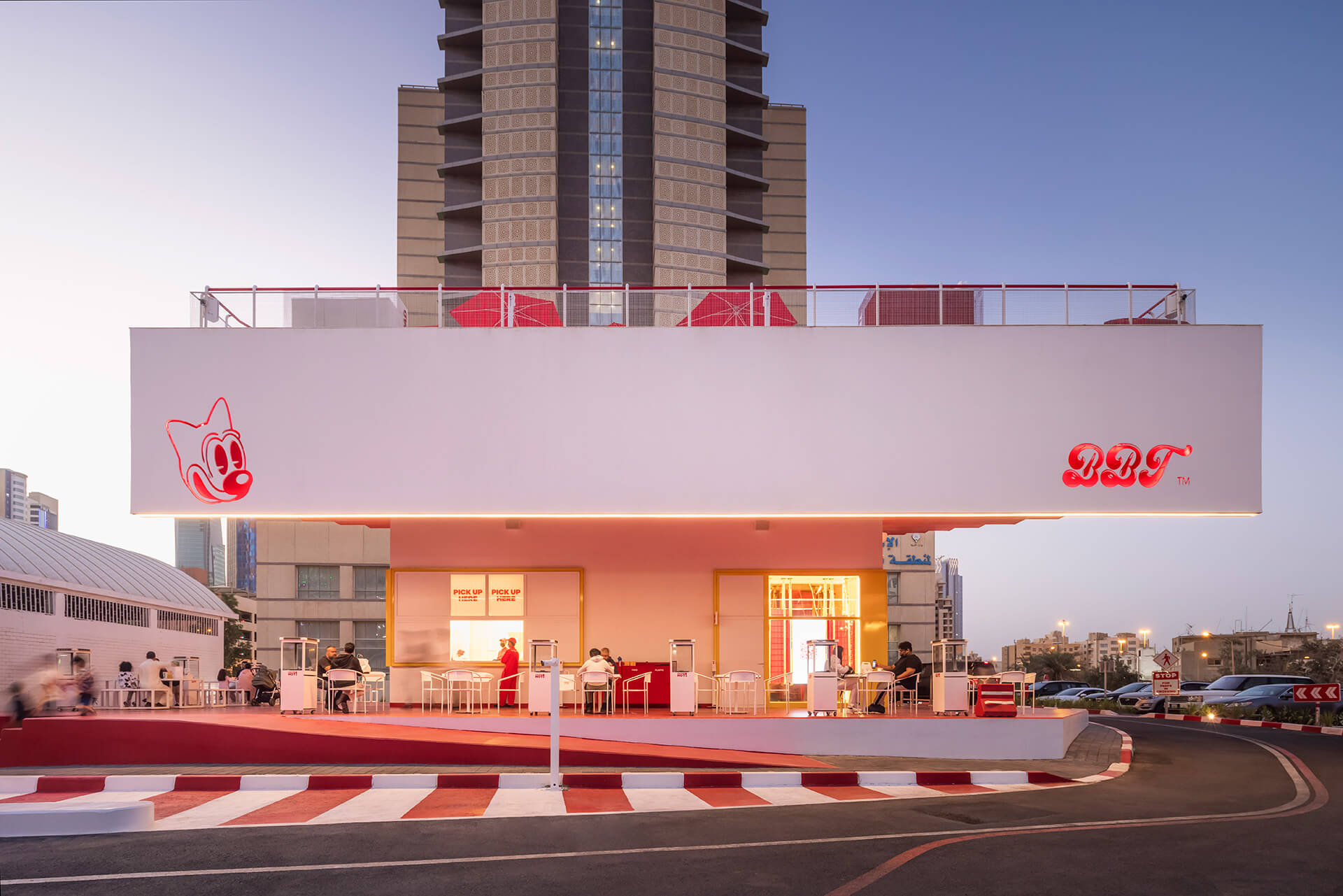
Located in Sharq, Kuwait, this project represents the idea of a multifunctional canopy, that simultaneously acts as an urban installation for the heart of the city center. The mixed-use building stands as a new landmark and a prominent place for gathering, hosting several communal events throughout the day, while at the same time, acting as a drive-in restaurant and outdoor esplanade. The roof is a playful contemplation area that features a playground and dining area with breathtaking views of the city, through series of carefully curated architectural elements such as stands and slides. In parallel, the space is also used as an outdoor theatre or cinema. Finally, the first floor includes an indoor restaurant and all the service areas.
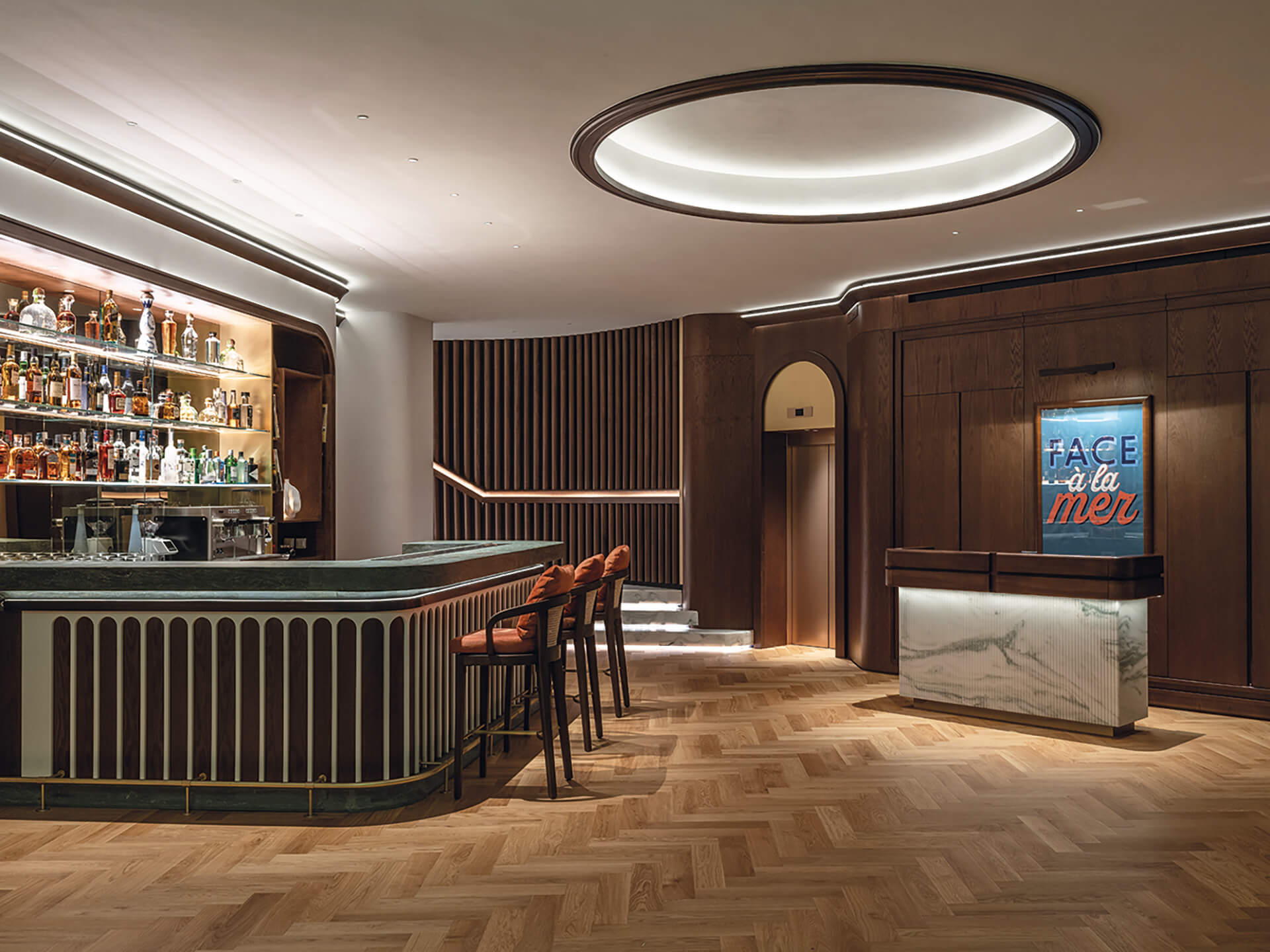
Set within the distinctive setting of the Astir Vouliagmeni Marina, Bagatelle Athens redefines the relationship between architecture, the natural environment, and cultural heritage. The elegance of the French Riviera meets the geometric harmony of Greek architecture, shaping a space that goes beyond visual impact to engage all the senses. The restaurant is located in Building B of the commercial zone, drawing primary inspiration from the sculptural forms of the yachts moored in the marina. Echoing their language, the façades are articulated through curved and folded planes -inclined or vertical- formed in smooth, white, exposed concrete, conveying a sense of movement and fluid energy. The luxury and brilliance of the yachts inform the material palette, expressed through striking glossy canopies made of specially treated aluminum that frame the retail units, as well as green Tinos marble pilasters that define and separate them.
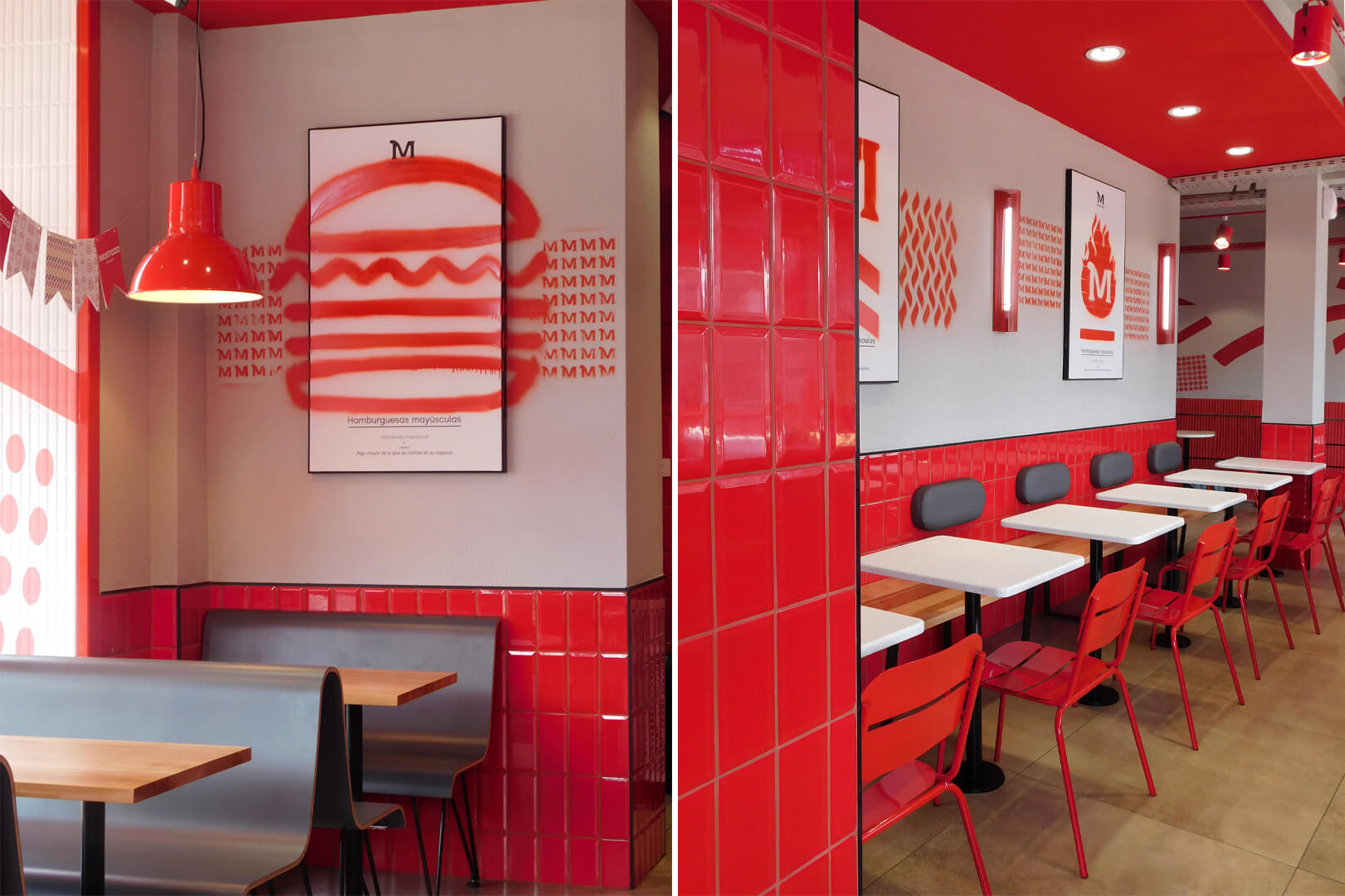
Located at one of San Isidro’s most iconic and vibrant intersections in Argentina, the project redefines the concept of fast food through a bold, design-driven approach that fuses contemporary aesthetics, urban energy, and the unmistakable identity of the brand. More than a destination for burger lovers, the space unfolds as a modern, dynamic, and visually striking experience – one that mirrors the city’s pulse and vitality. It proposes a new way of engaging with urban life, where design meets flavor, community meets culture, and every visit becomes a celebration of Argentine identity expressed with confidence, attitude, and style.
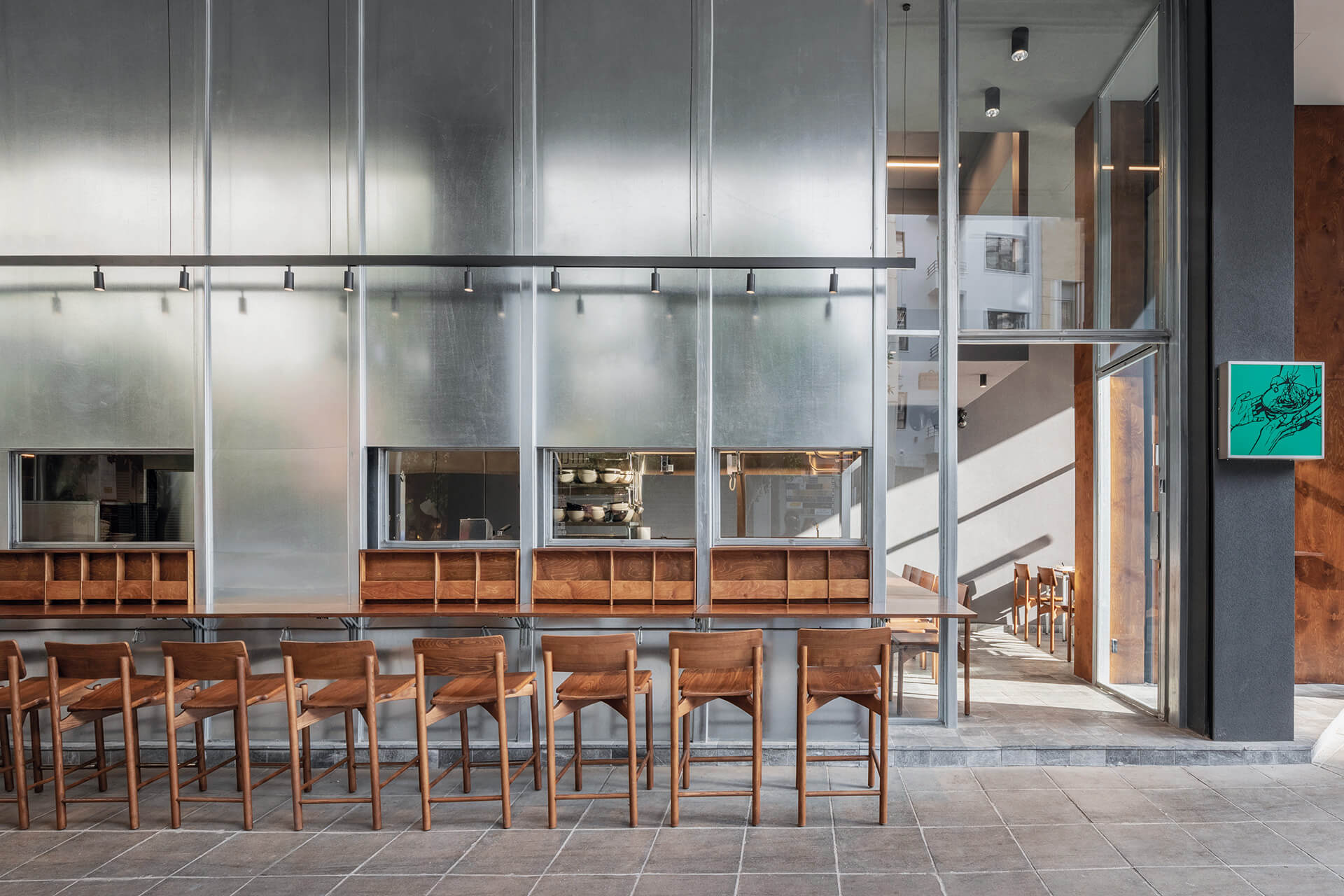
Tanpopo is the Japanese word for the dandelion plant and the title of a cult Japanese film from 1985 that follows the story of a young mother who is taught by a truck driver how to make the perfect bowl of ramen. It is also a distinctive space tucked away behind Klafthmonos Square, where Japanese food is served in a casual, canteen-like atmosphere that feels as if it is set directly on the sidewalk. The design intent was to blur the boundaries between public and private space, bringing the act of cooking into constant interaction with passersby. Spatially, this idea is expressed through the placement of the food preparation area on the façade, at the core of the flow between the street and the interior. The peripherally open kitchen is housed within a metal solid that rises to a double height and is integrated into the space without relying on the existing structural elements, even allowing for the possibility of being relocated.
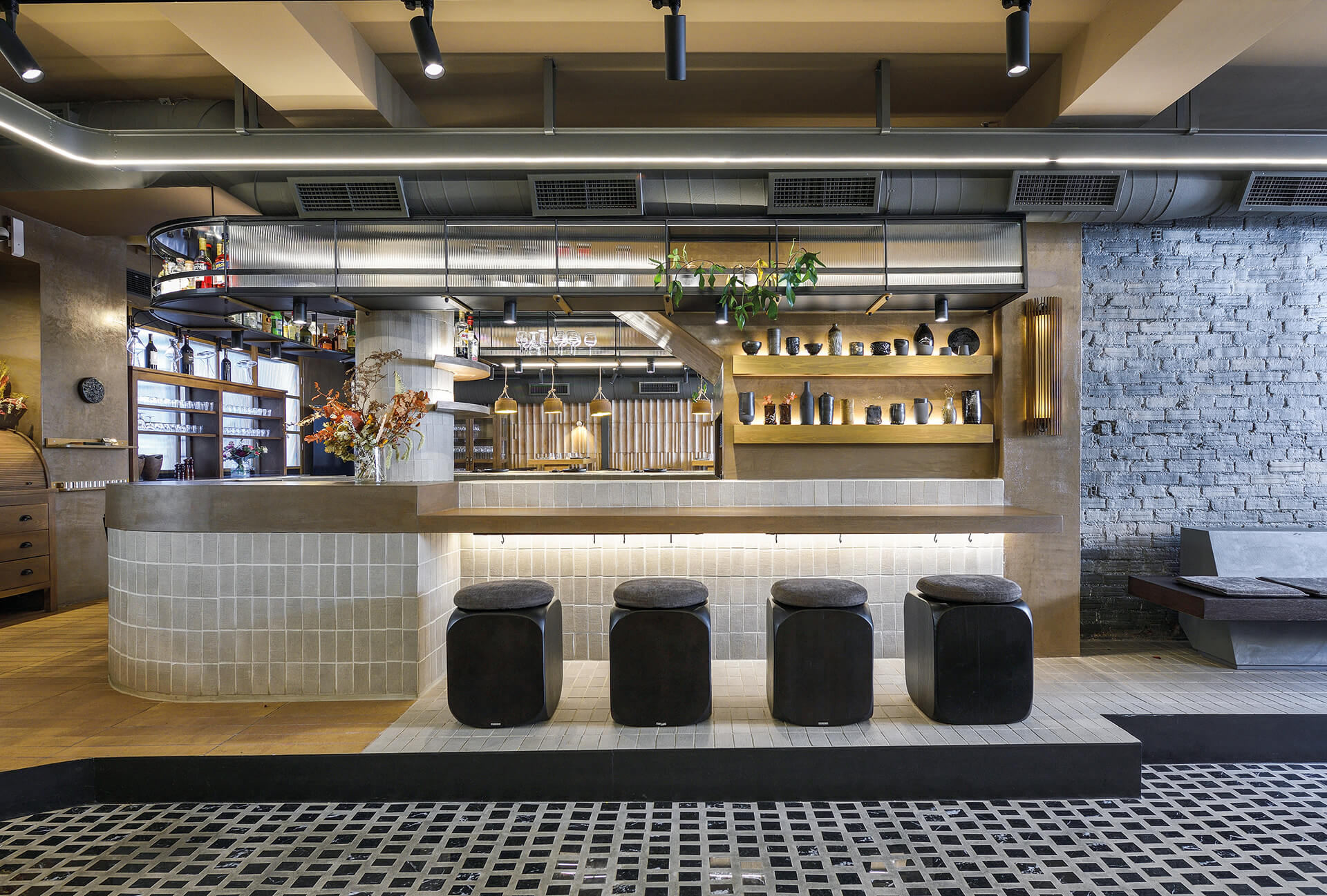
The restaurant is located in the picturesque neighborhood of Ano Petralona, in the heart of Athens. Although close to the city’s bustling center, the project exudes an introverted charm, reflecting the warm atmosphere of its surroundings. The strong materiality, combined with a dark color palette, is carefully balanced with the organic interior, creating a welcoming and intimate space. A key element of the design is the open kitchen at the rear of the restaurant, visible from every point within the interior. Against this backdrop, two dining areas are arranged on different levels, organized around a centrally positioned, curved open bar. Guests are able to observe the activity in the kitchen while experiencing the various design details and the interplay of materials across the surfaces.
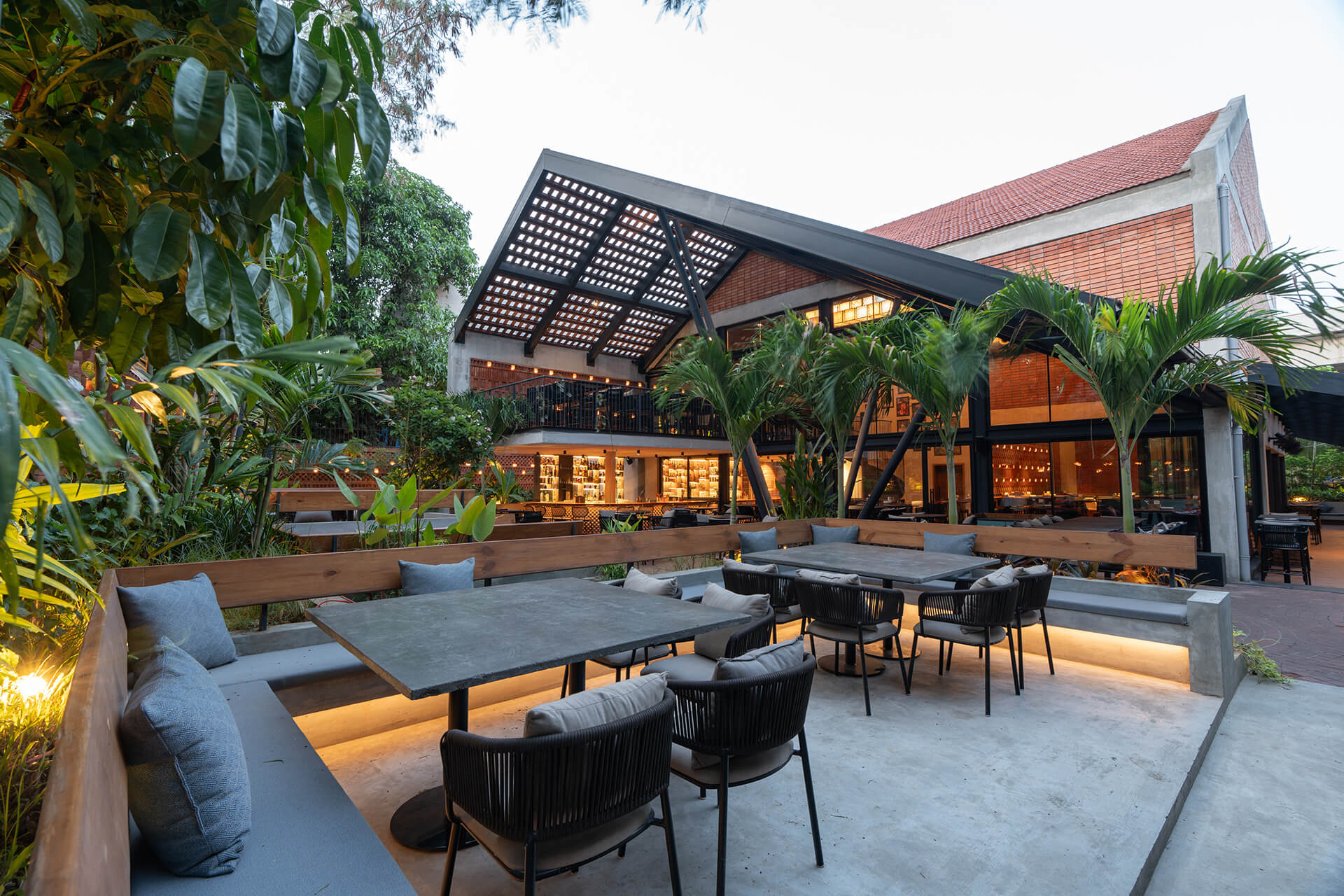
Forefathers is a contemporary food-and-beverage venture that celebrates ancestral ways of life through modern design. Conceived by a group of young entrepreneurs, the brand reinterprets traditional regional cuisine and architecture, pairing vernacular materials with current construction techniques to achieve a refined, sophisticated ambience. Located on Road No. 45 in Jubilee Hills -Hyderabad’s premier destination for high-end restaurants and clubs -the project occupies a concrete–steel composite shell comprising a ground floor, two upper storeys, and a mezzanine inserted within a triple-height volume. Commercial buildings flank the plot on either side, while a community park with dense vegetation borders the rear.