

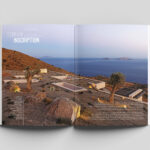

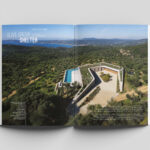

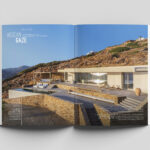
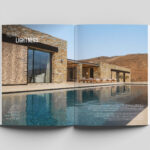
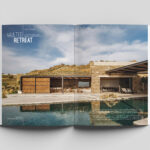


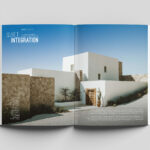

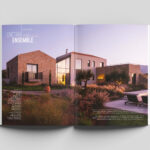


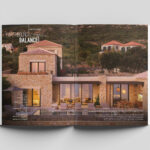
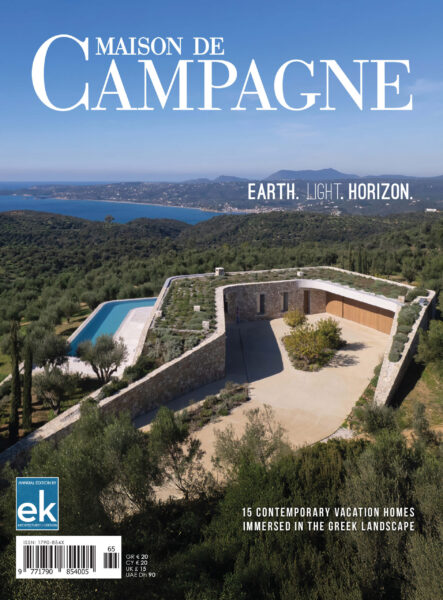
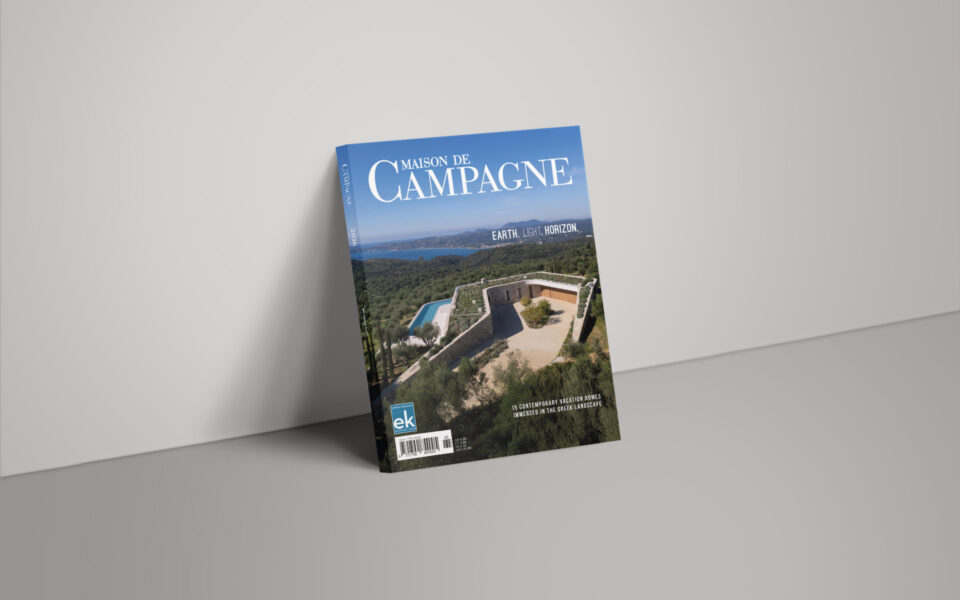
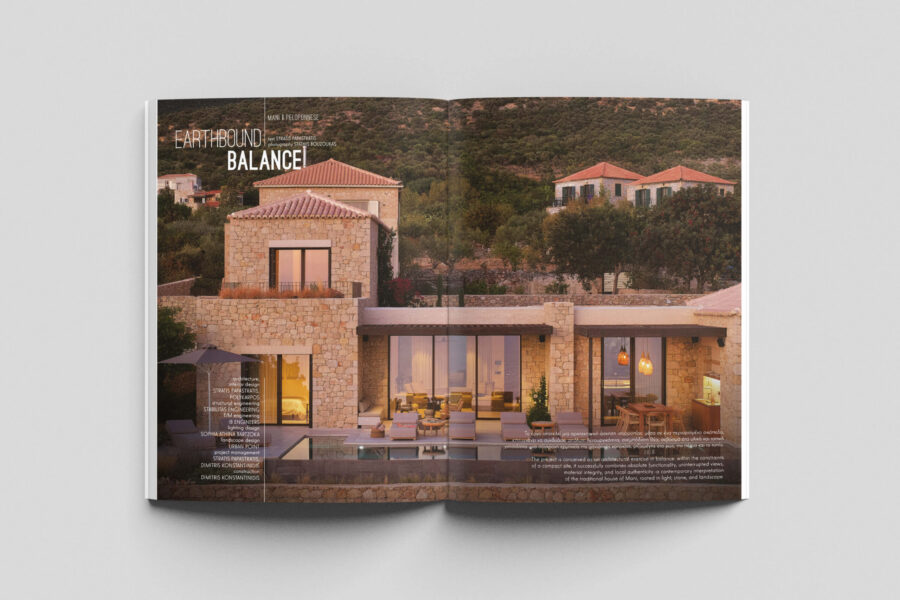
The 21st edition of Maison de Campagne presents 15 carefully selected, recently completed vacation homes in Greece.
Contemporary countryside architecture is increasingly shaped by a careful reading of place. Rather than imposing a predefined architectural language, today’s holiday residences respond to the qualities of each site -its topography, climate, vegetation, views, and existing traces-transforming local conditions into the primary design resource. In doing so, they reveal an architecture that is both restrained and expressive, grounded in context while confidently contemporary.
In this edition, the featured projects are located across the Aegean and Crete, as well as the Peloponnese. Despite their diverse settings and architectural approaches, they share a common ambition: to frame a meaningful way of inhabiting the landscape through thoughtful design, material sensitivity, and a strong sense of place.
Maison de Campagne 2026 is available at press distribution points, shopping centers, airports, and selected bookstores in the following countries: Greece, Cyprus, Australia, Germany, Italy, Korea, Spain, the United Arab Emirates (Dubai, Abu Dhabi), Qatar, the United Kingdom, and the USA.
Maison de Campagne is an annual edition of ek magazine.
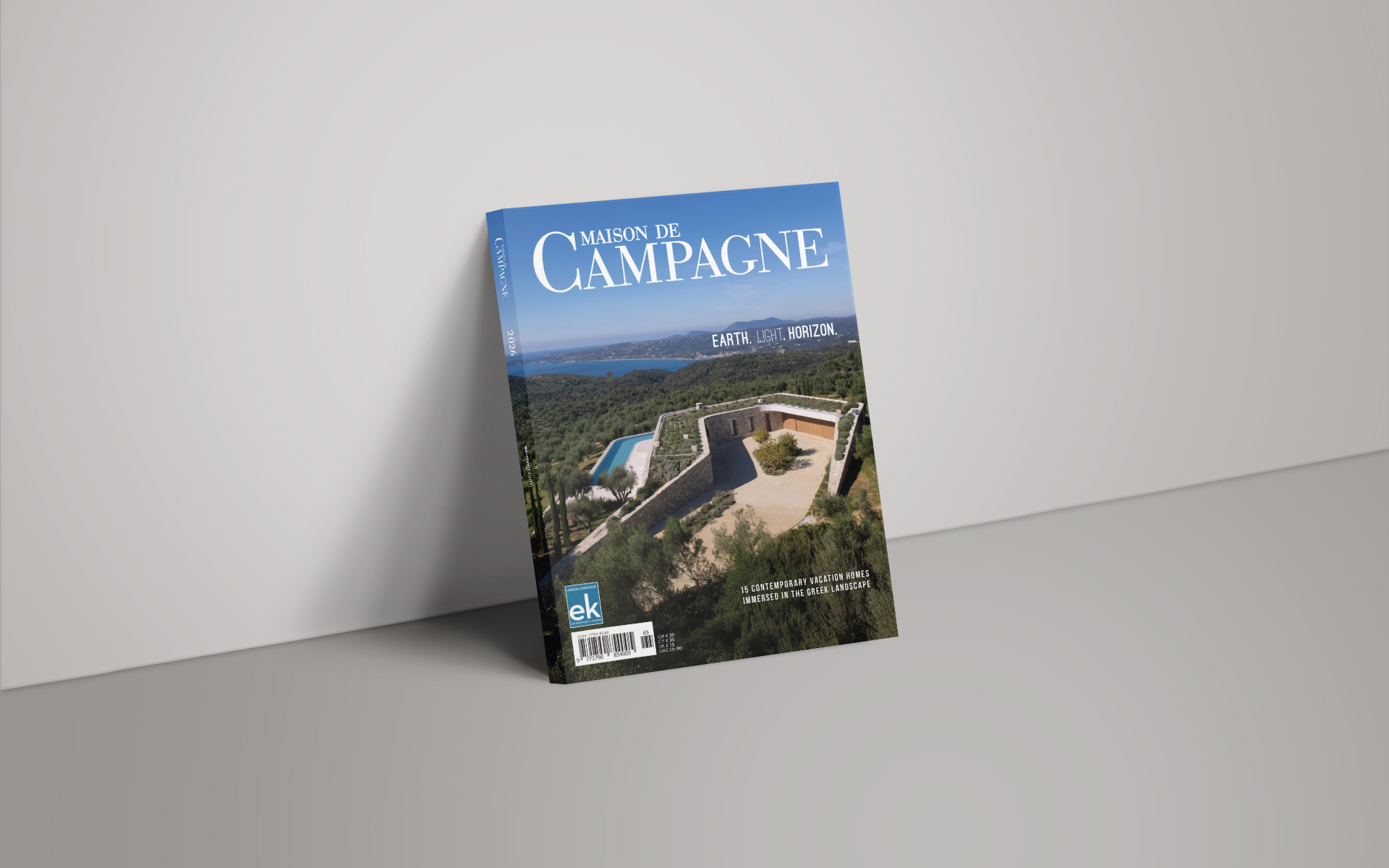
Cover:
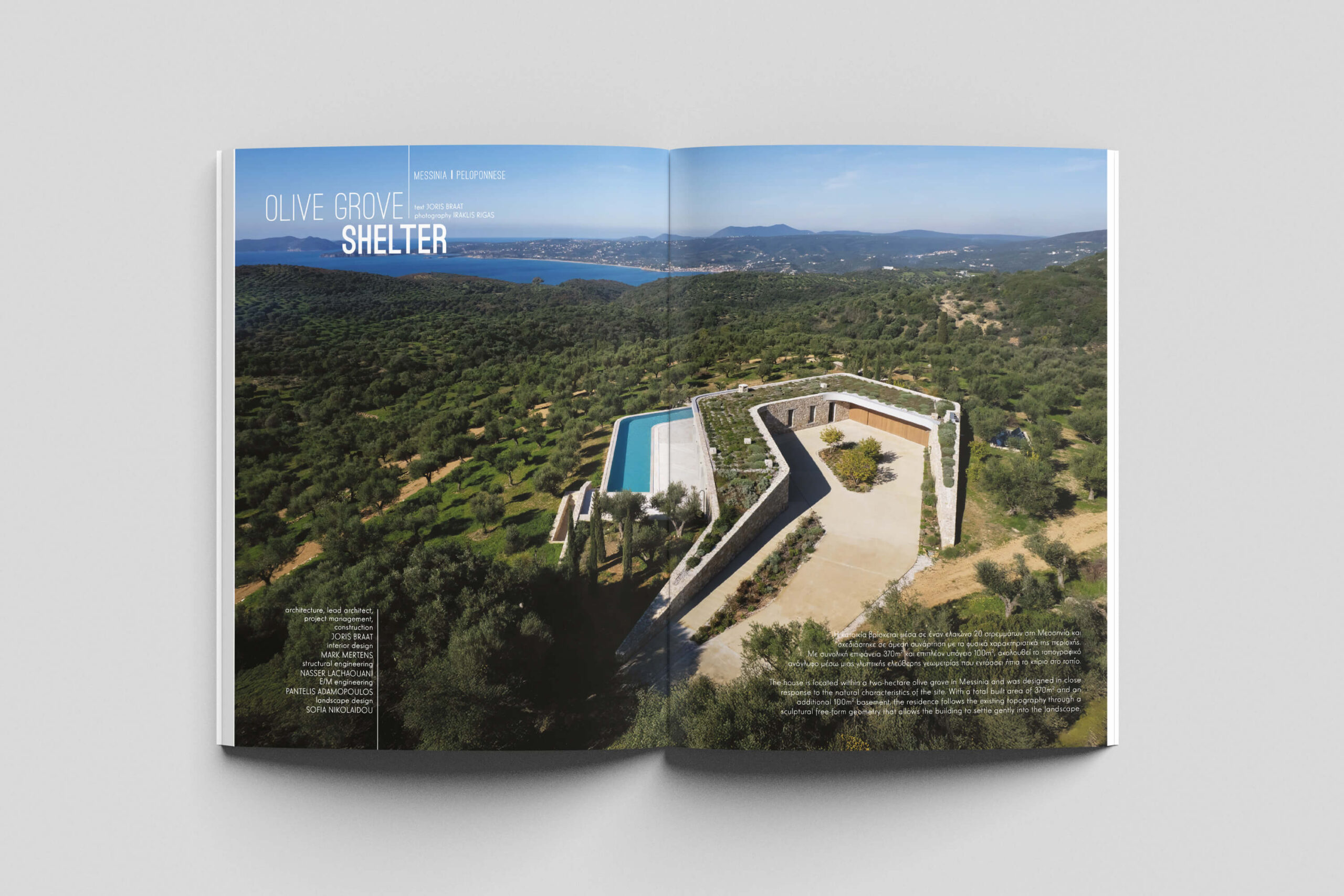
– Joris Braat, residence in Messinia
Contents:
– Comment: Dimitris Potiropoulos, Potiropoulos+Partners
Residences:
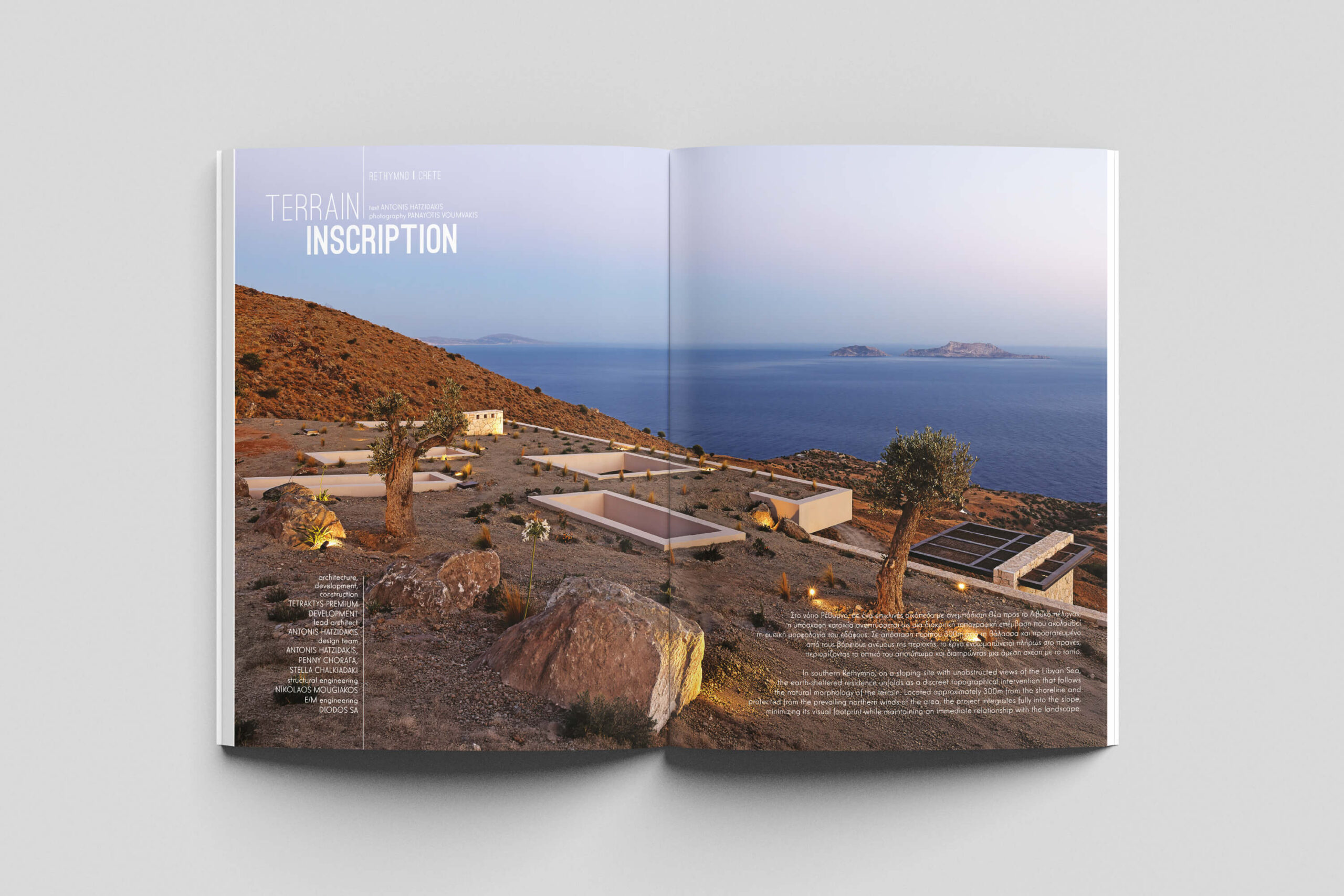
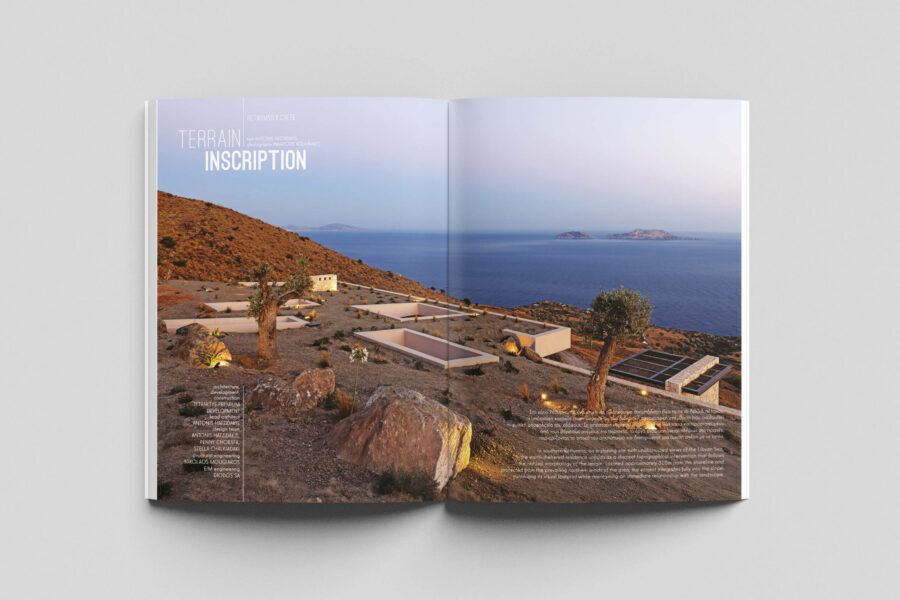
– Tetraktys Premium Development | Rethymno, Crete
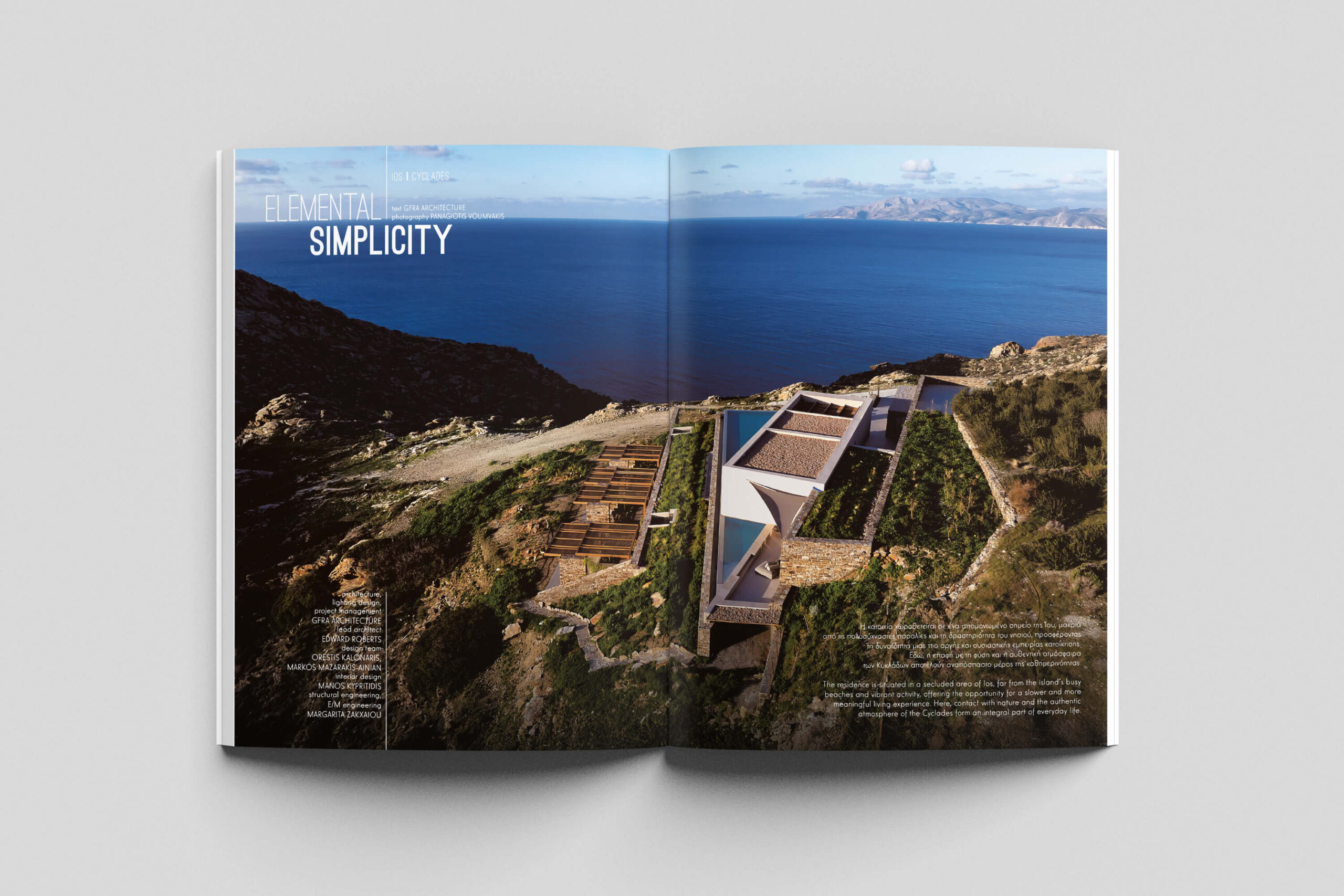
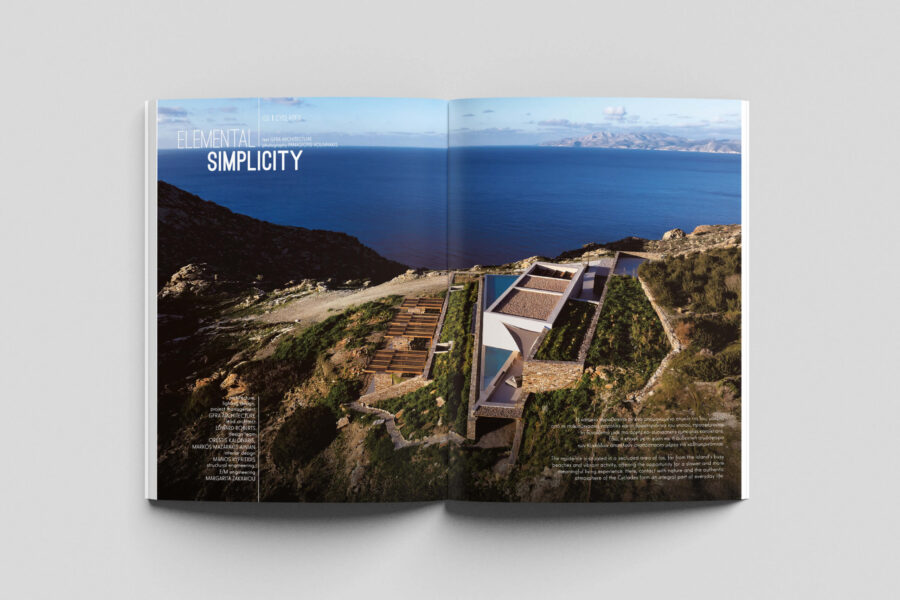
– GFRA Architecture | Ios, Cyclades
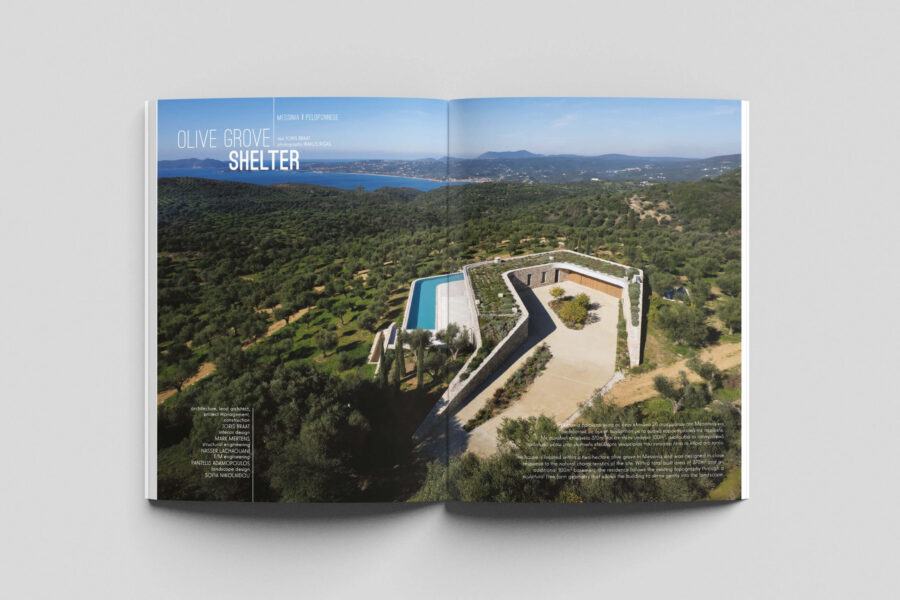
– Joris Braat | Messinia, Peloponnese
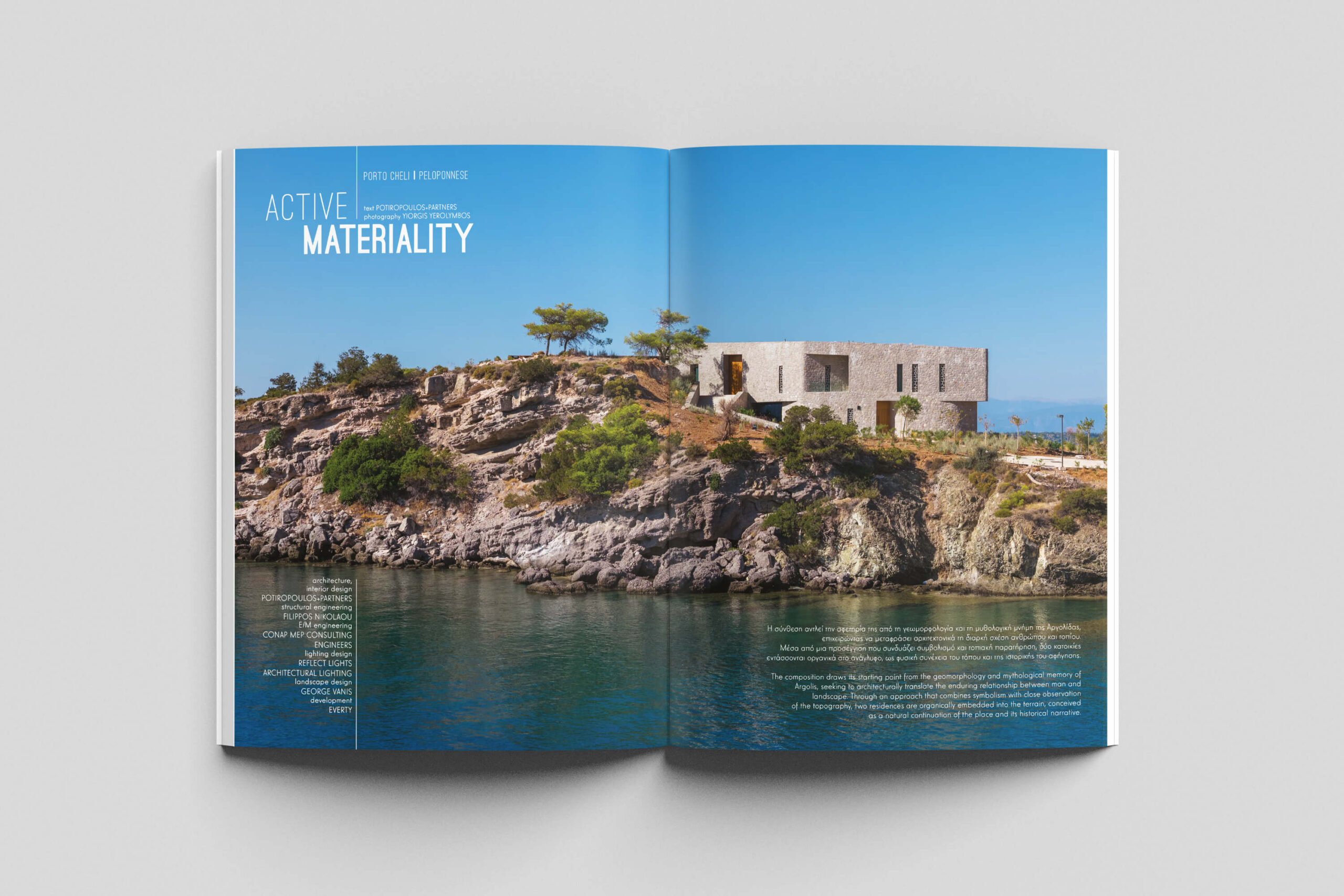
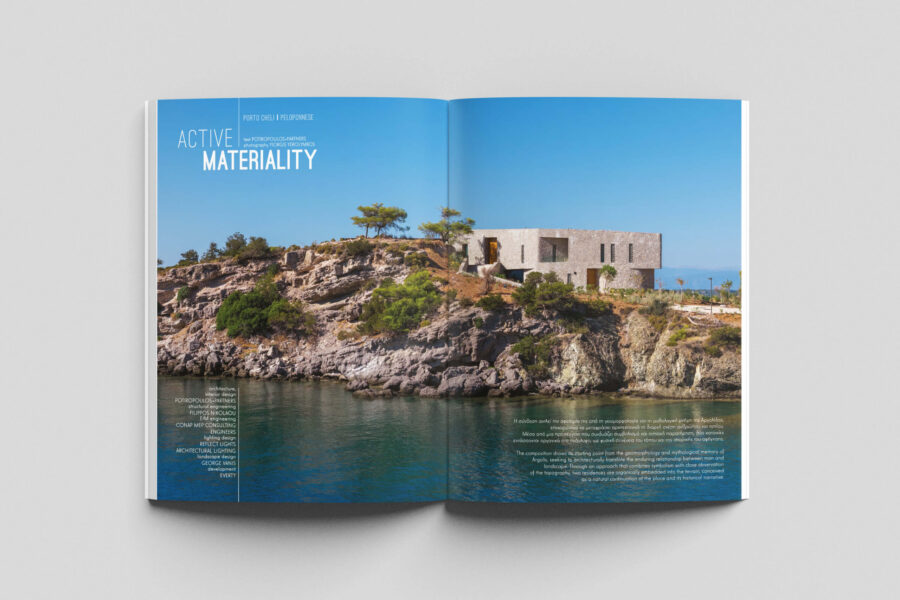
– Potiropoulos+Partners | Porto Cheli, Peloponnese
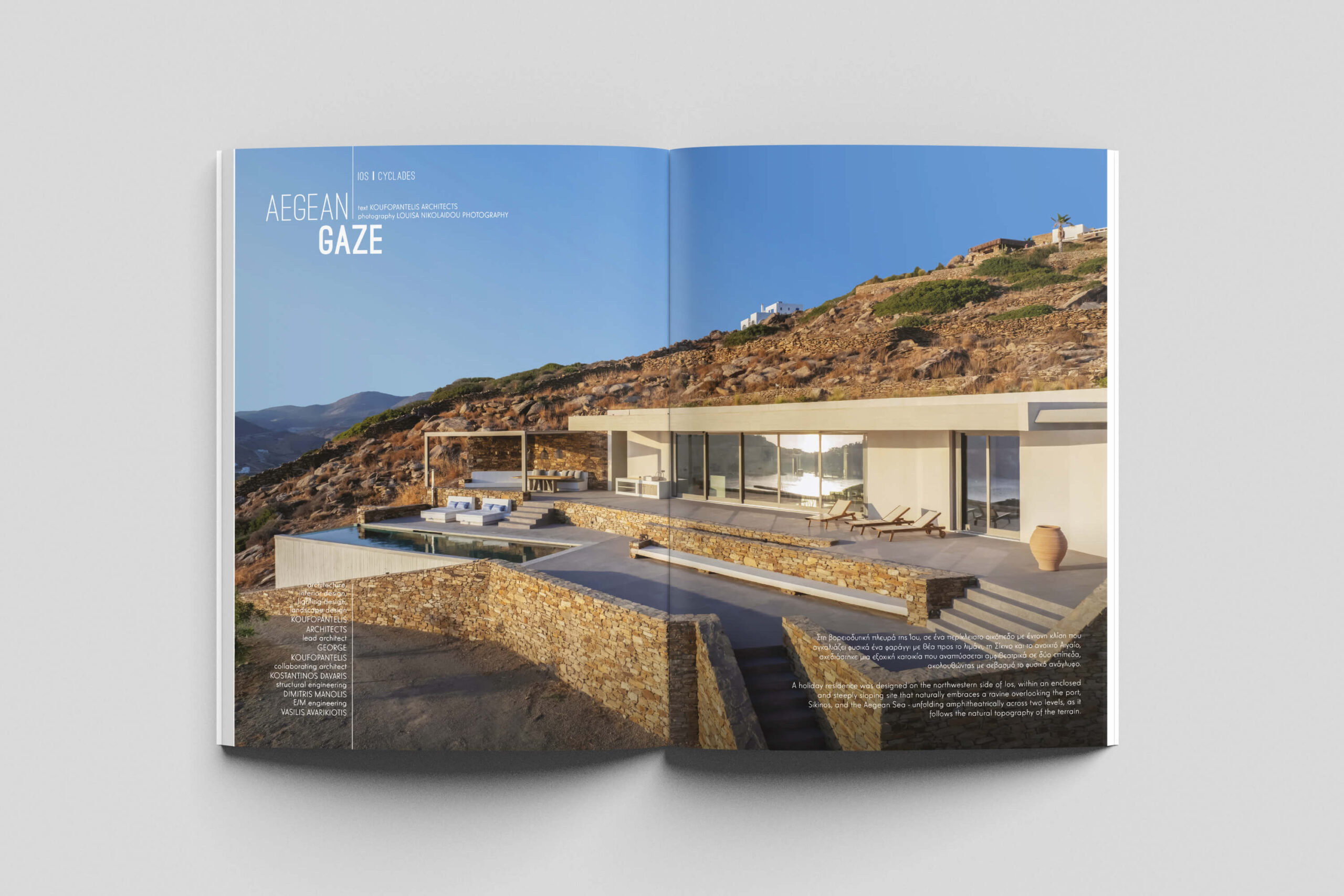
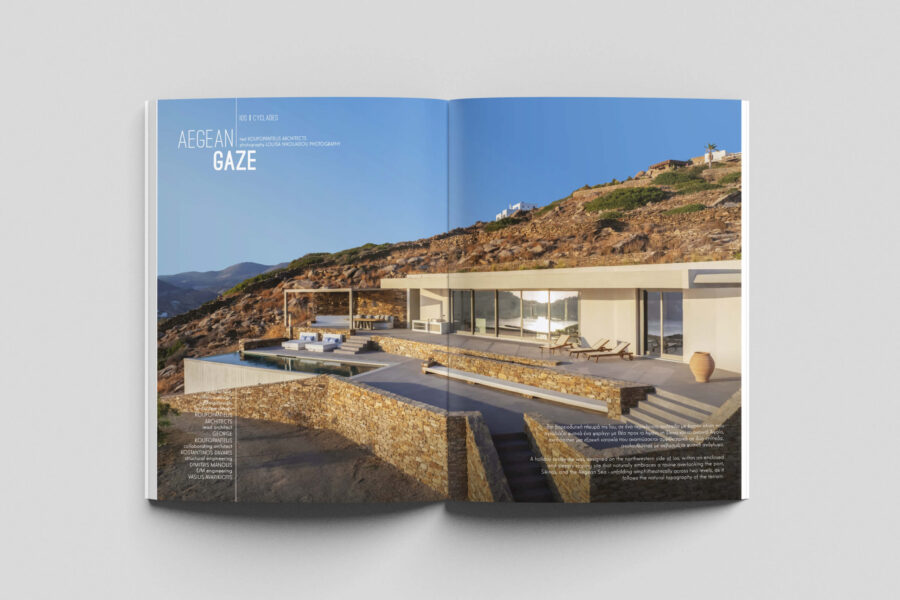
– Koufopantelis Architects | Ios, Cyclades
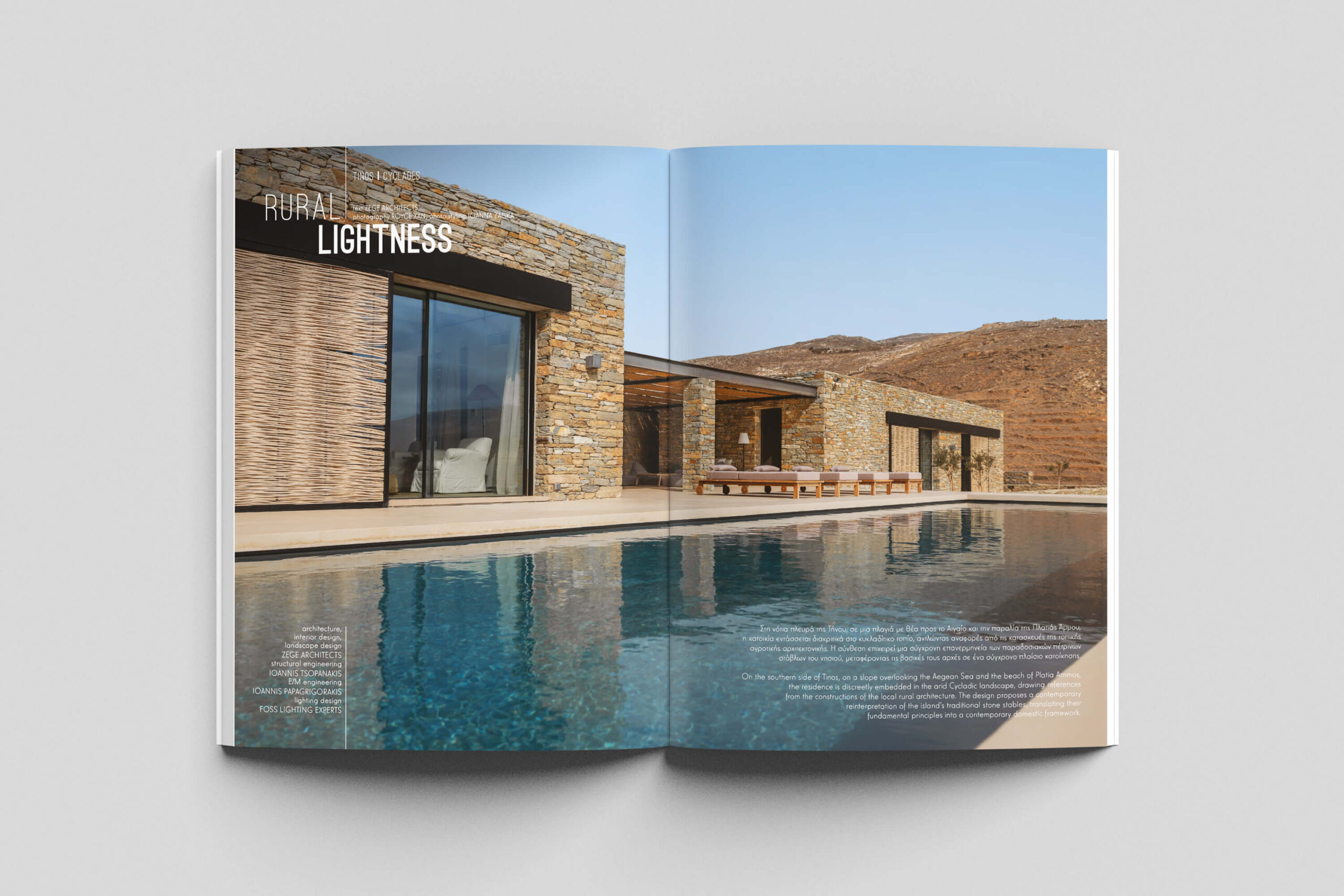
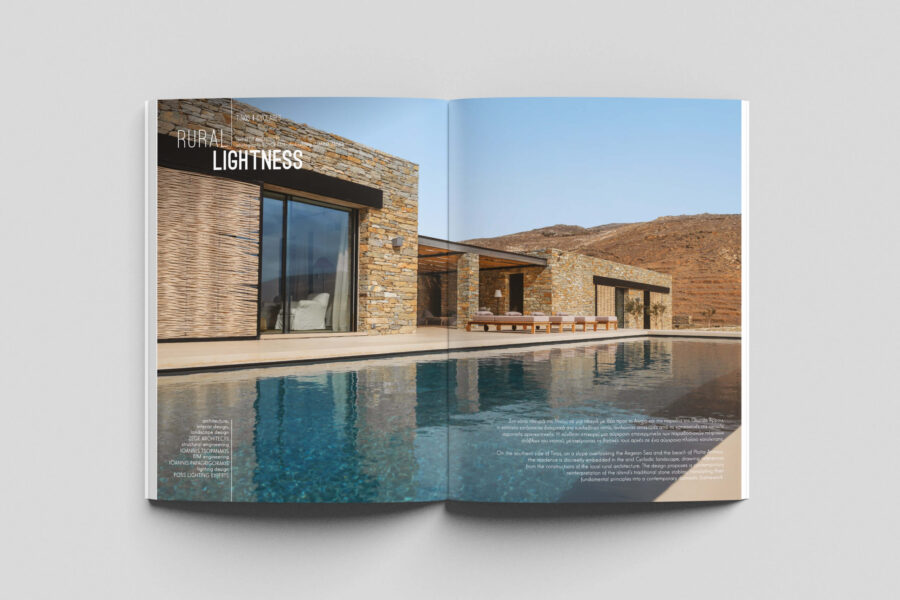
– Zege Architects | Tinos, Cyclades
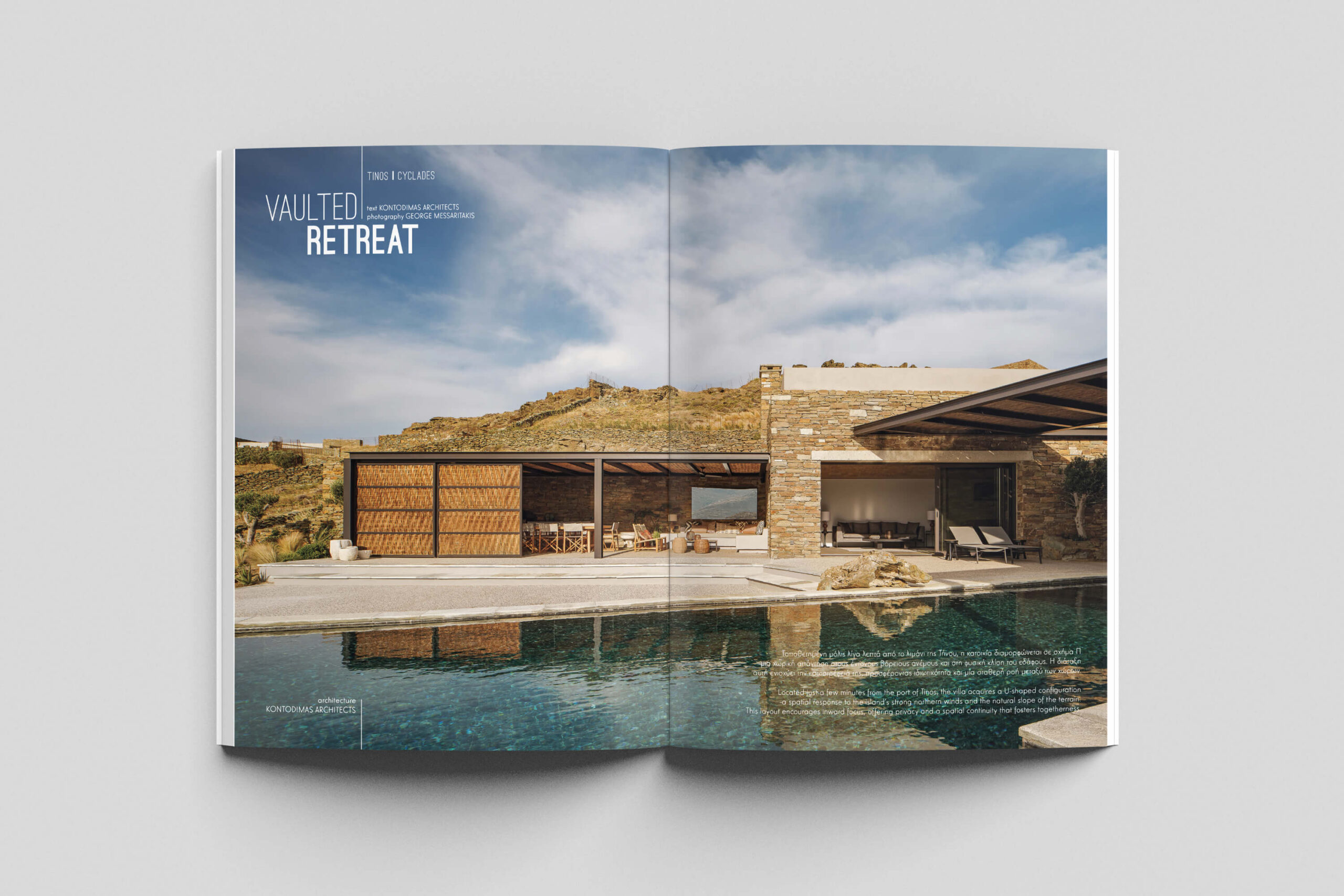
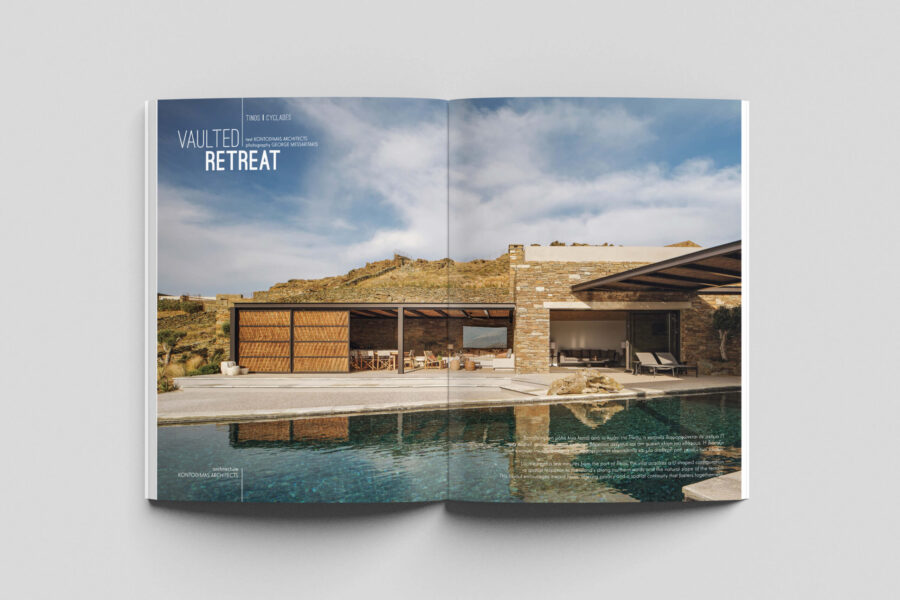
– Kontodimas Architects | Tinos, Cyclades
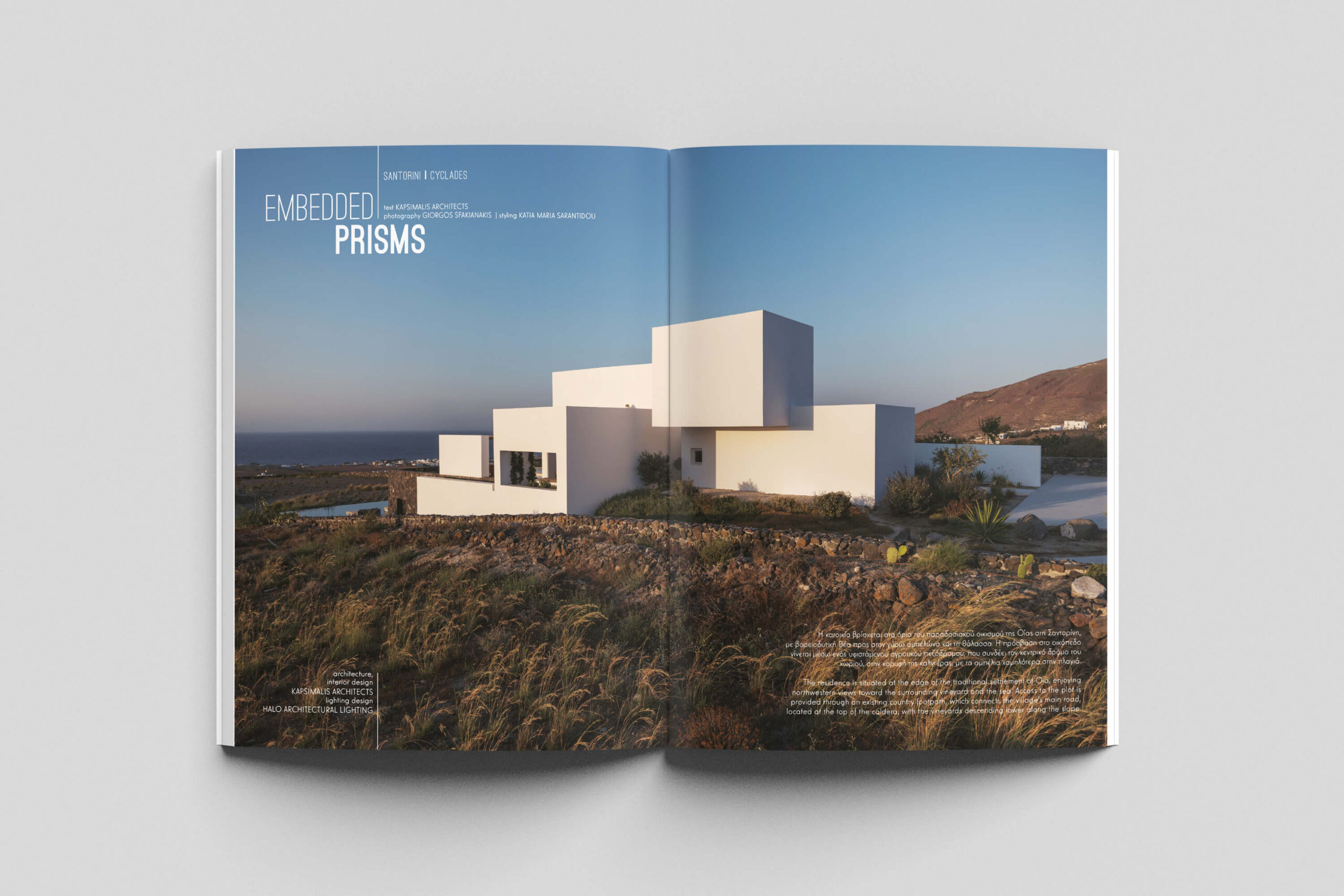
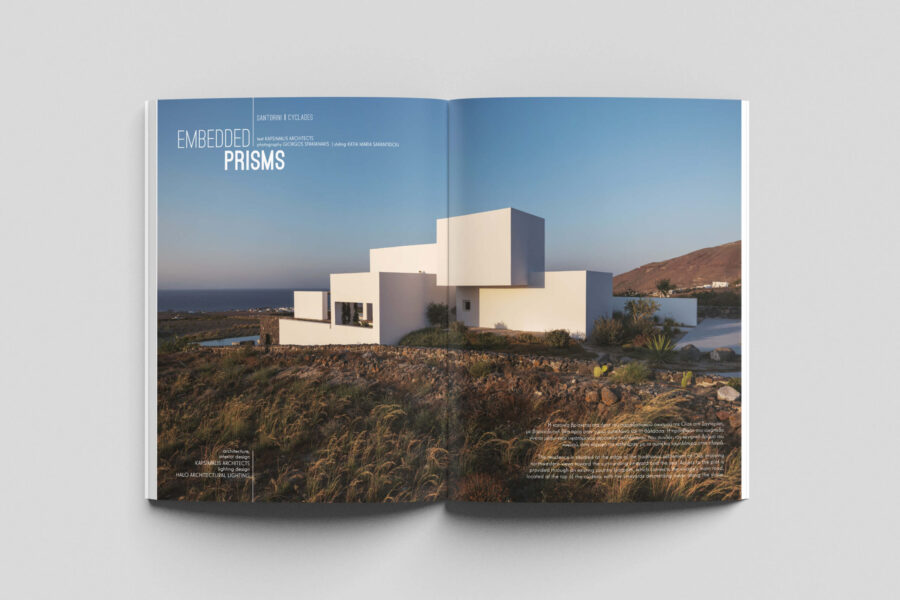
– Kapsimalis Architects | Santorini, Cyclades
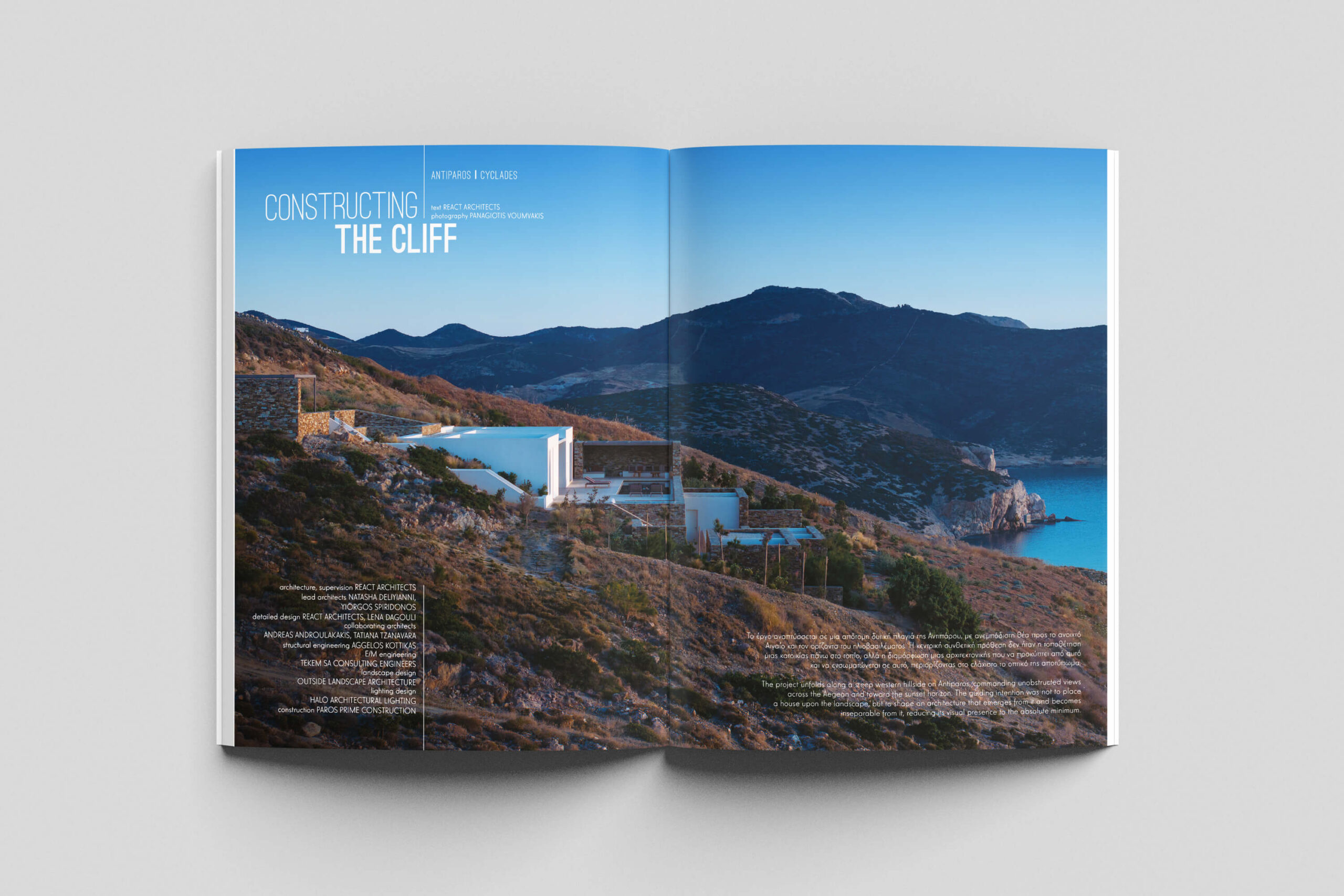
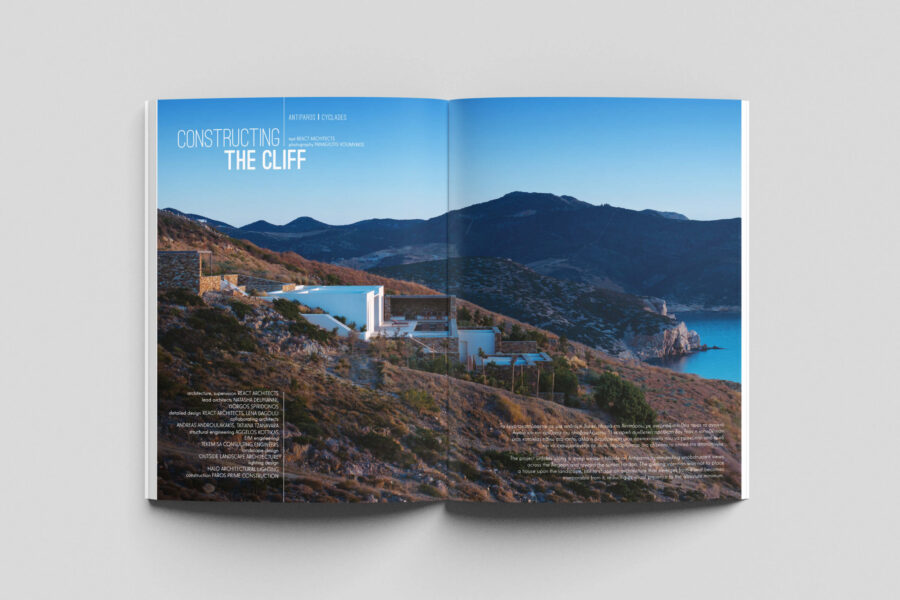
– React Architects | Antiparos, Cyclades
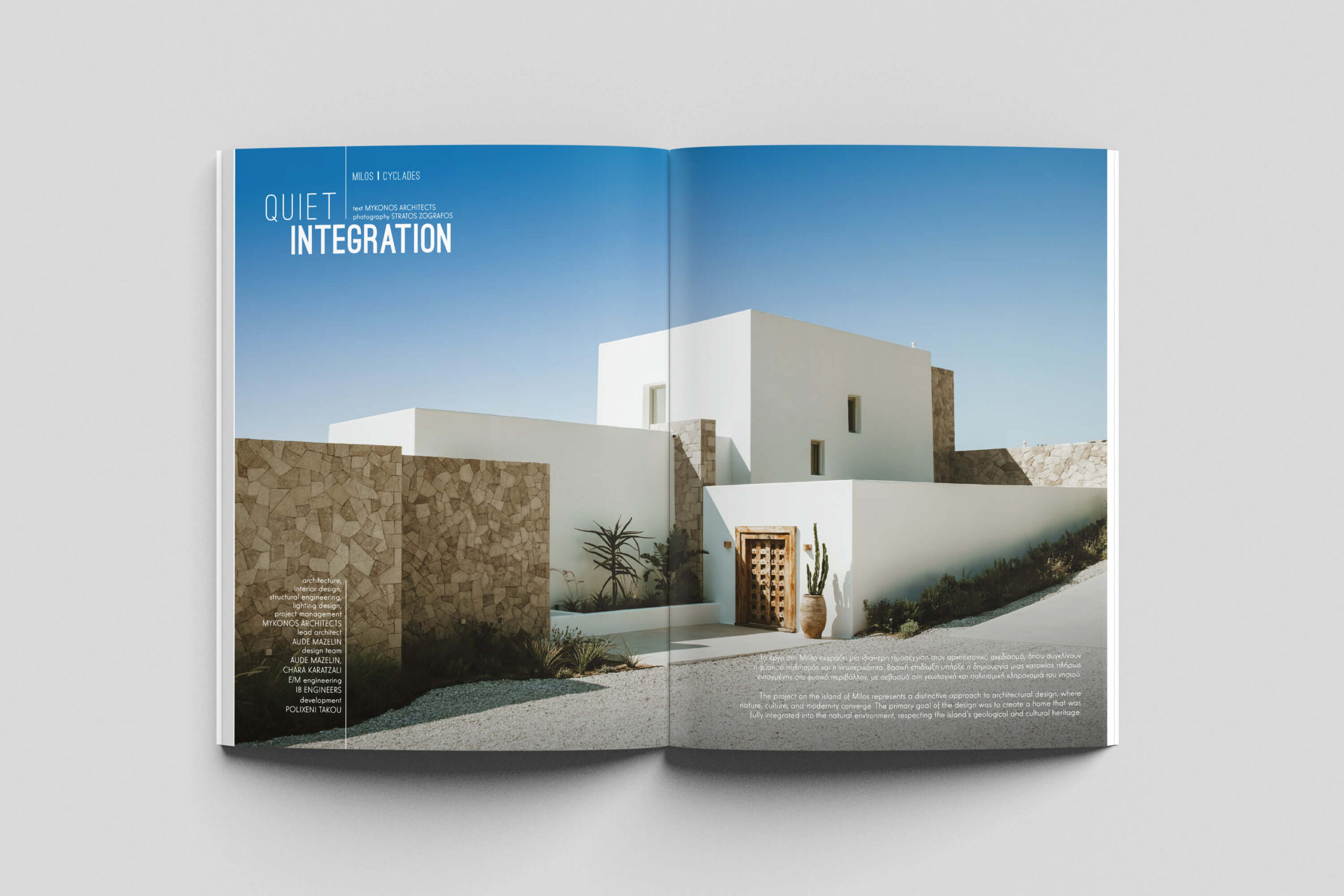
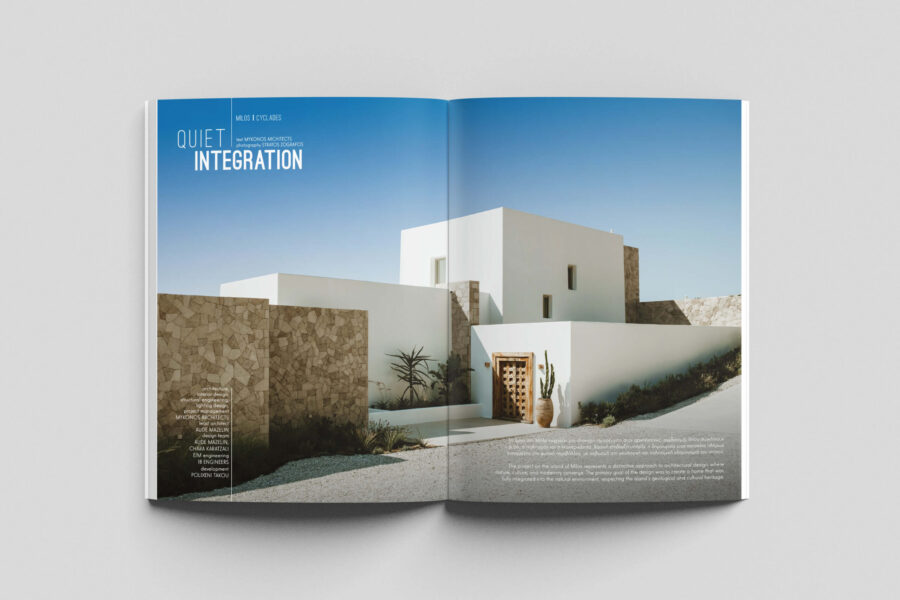
– Mykonos Architects | Milos, Cyclades
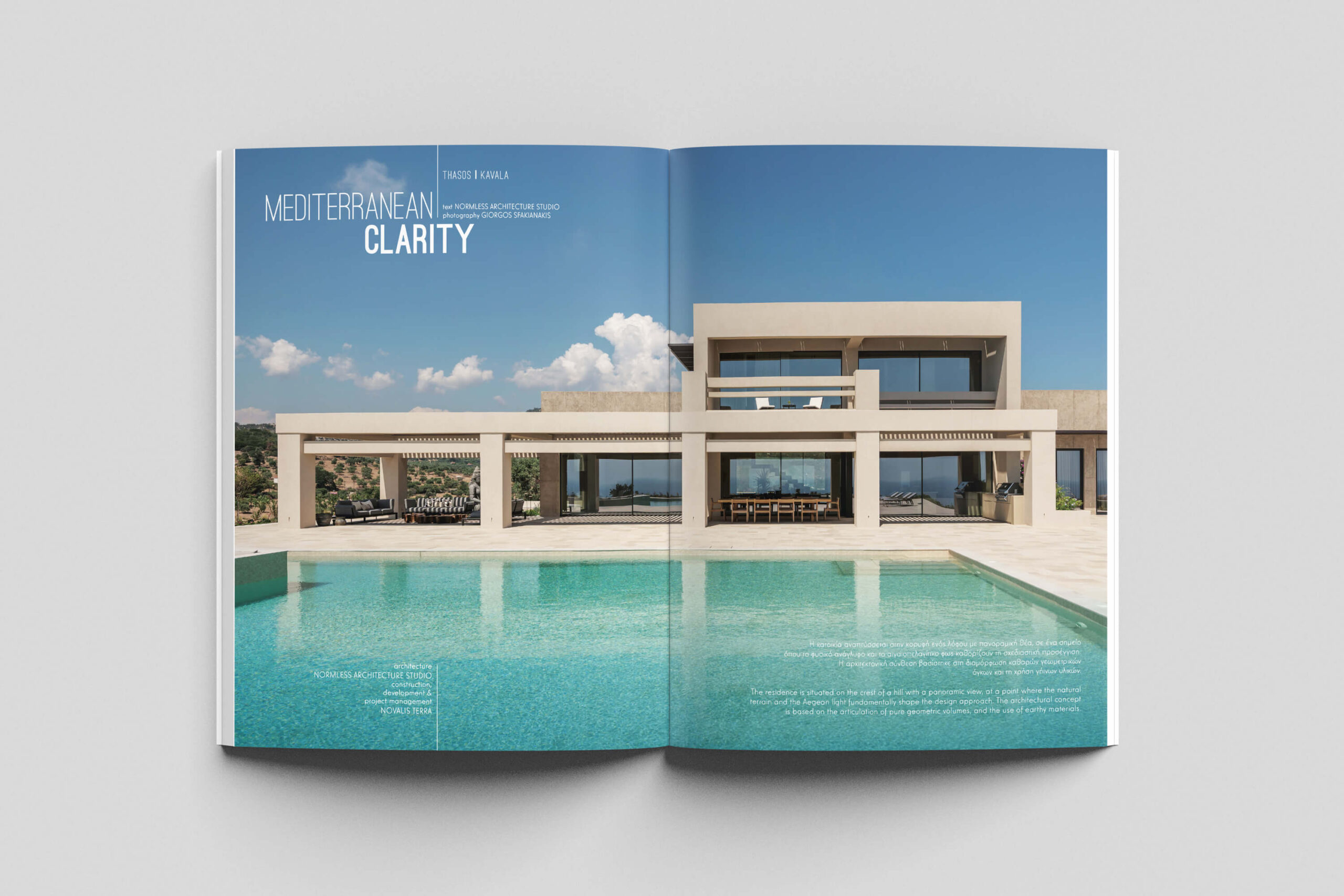
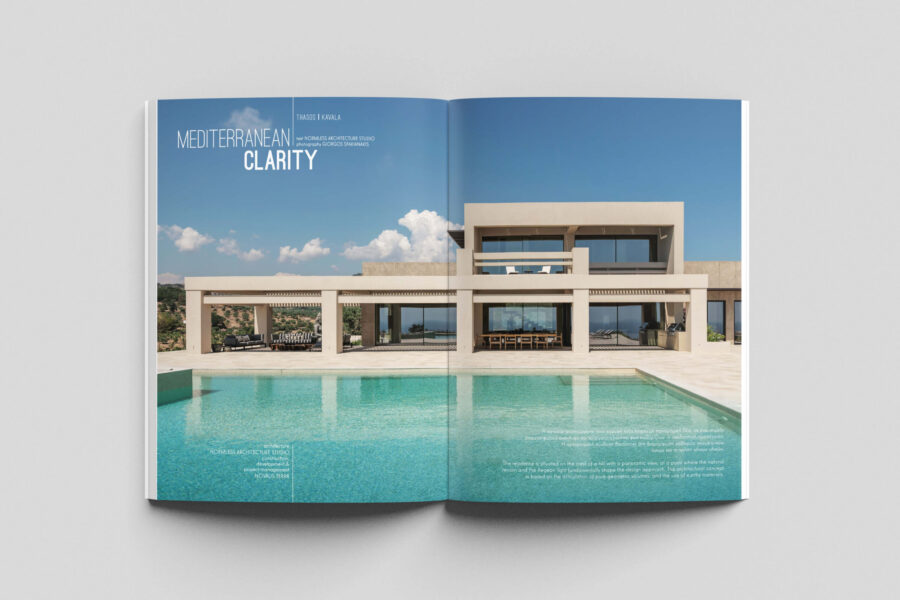
– Normless Architecture Studio | Thasos, Kavala
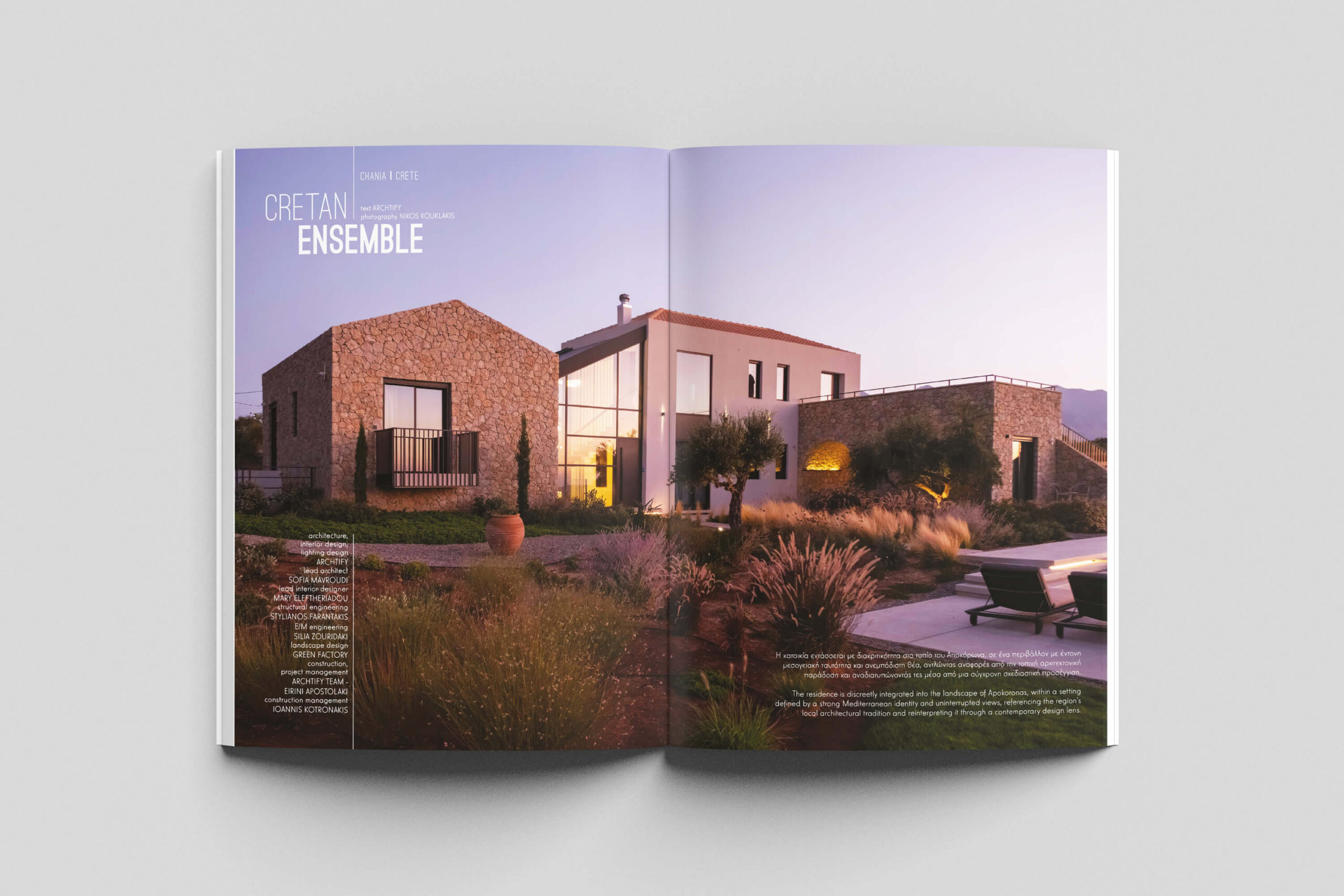
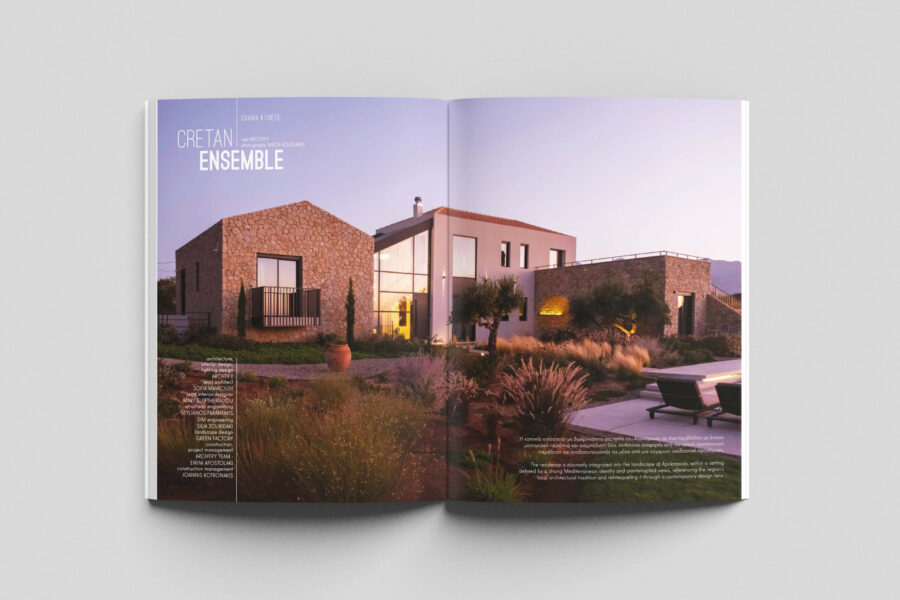
– Archtify | Chania, Crete
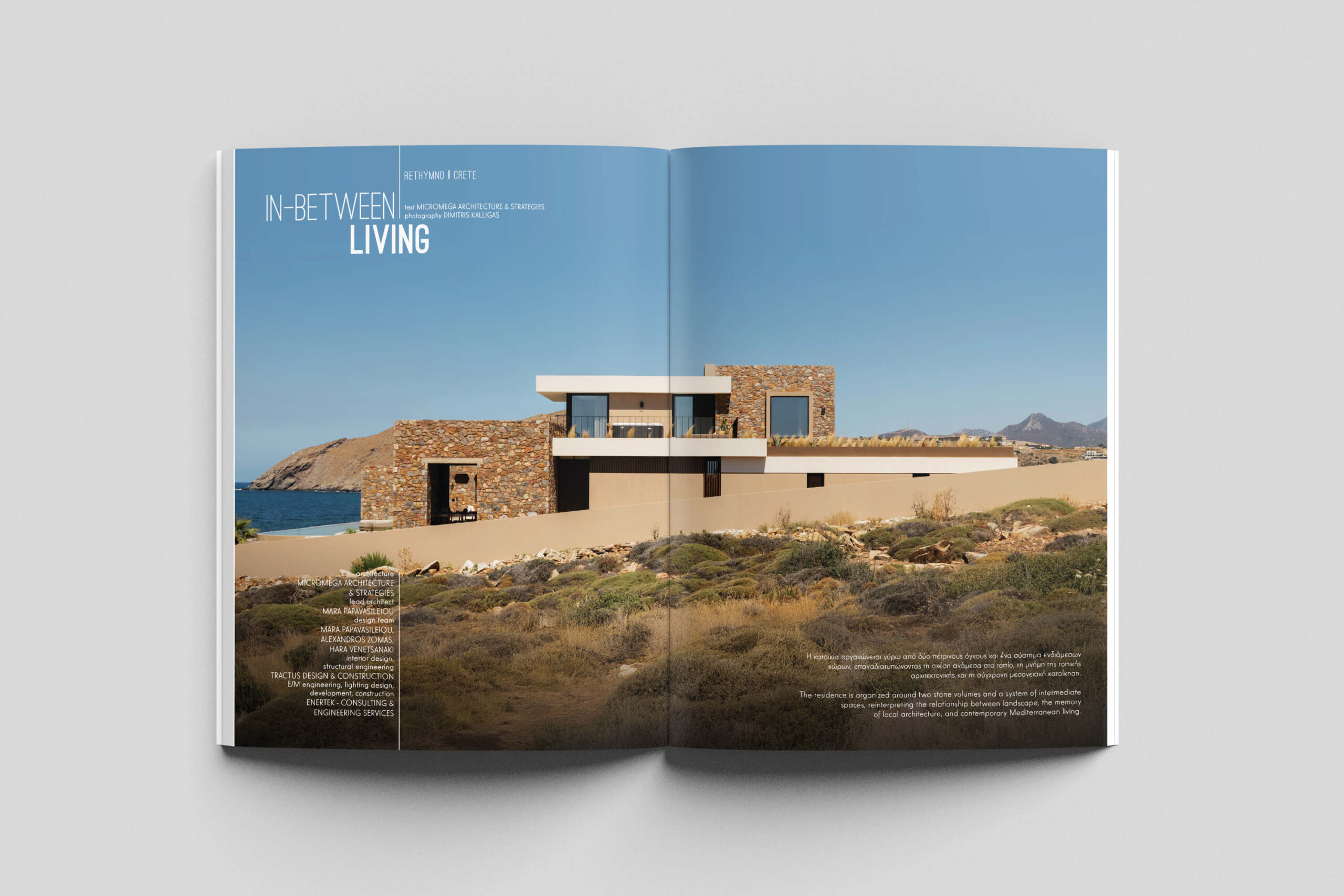
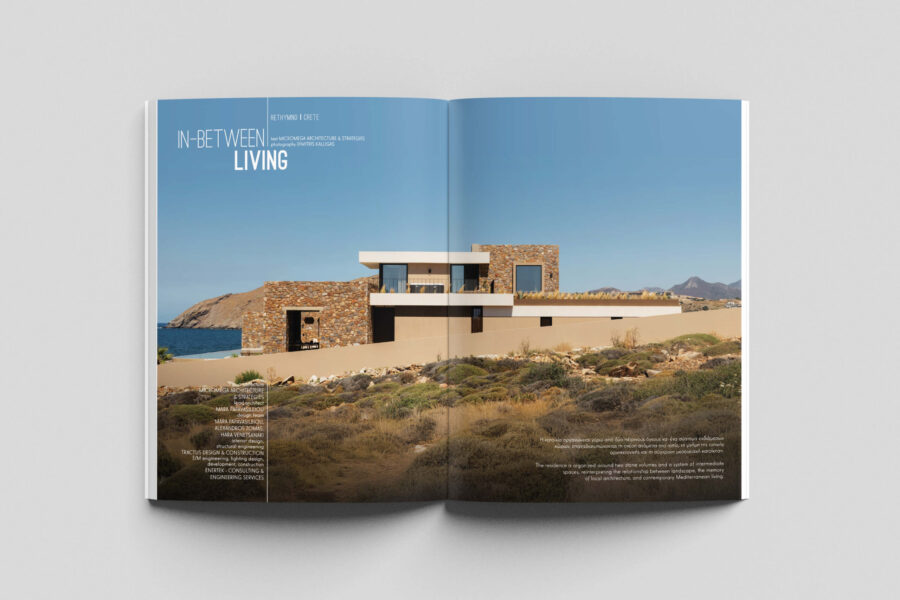
– Micromega Architecture & Strategies | Rethymno, Crete
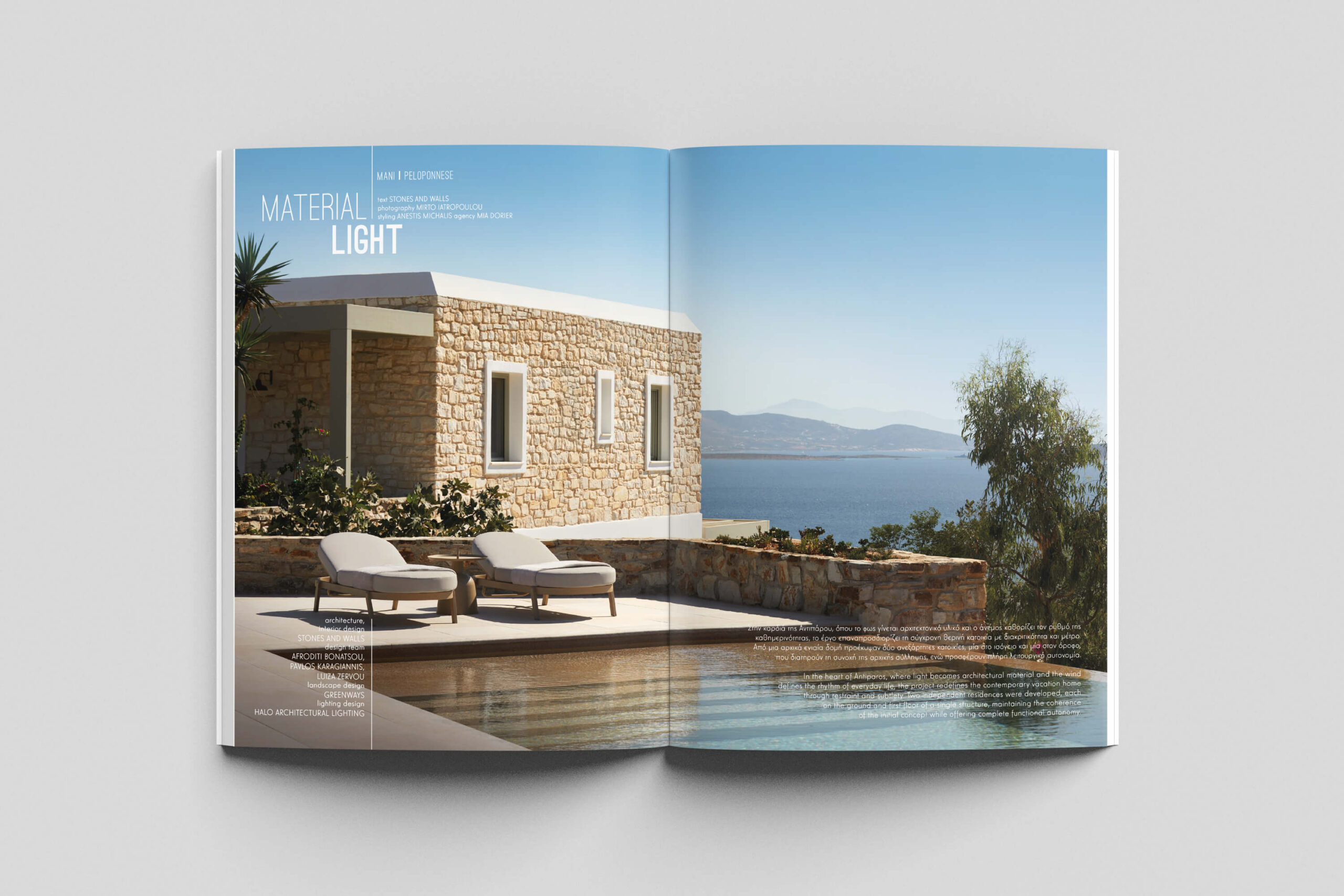
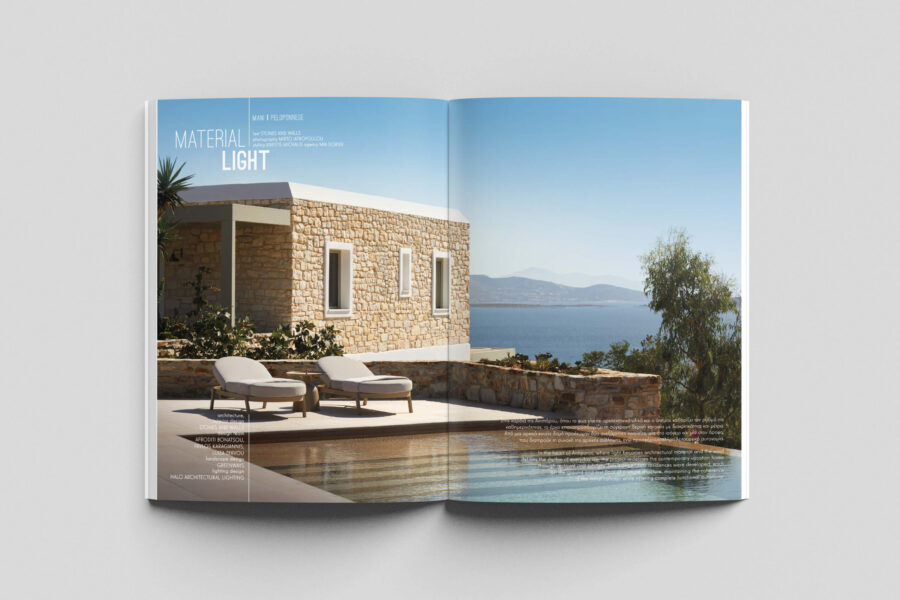
– Stones & Walls | Antiparos, Cyclades
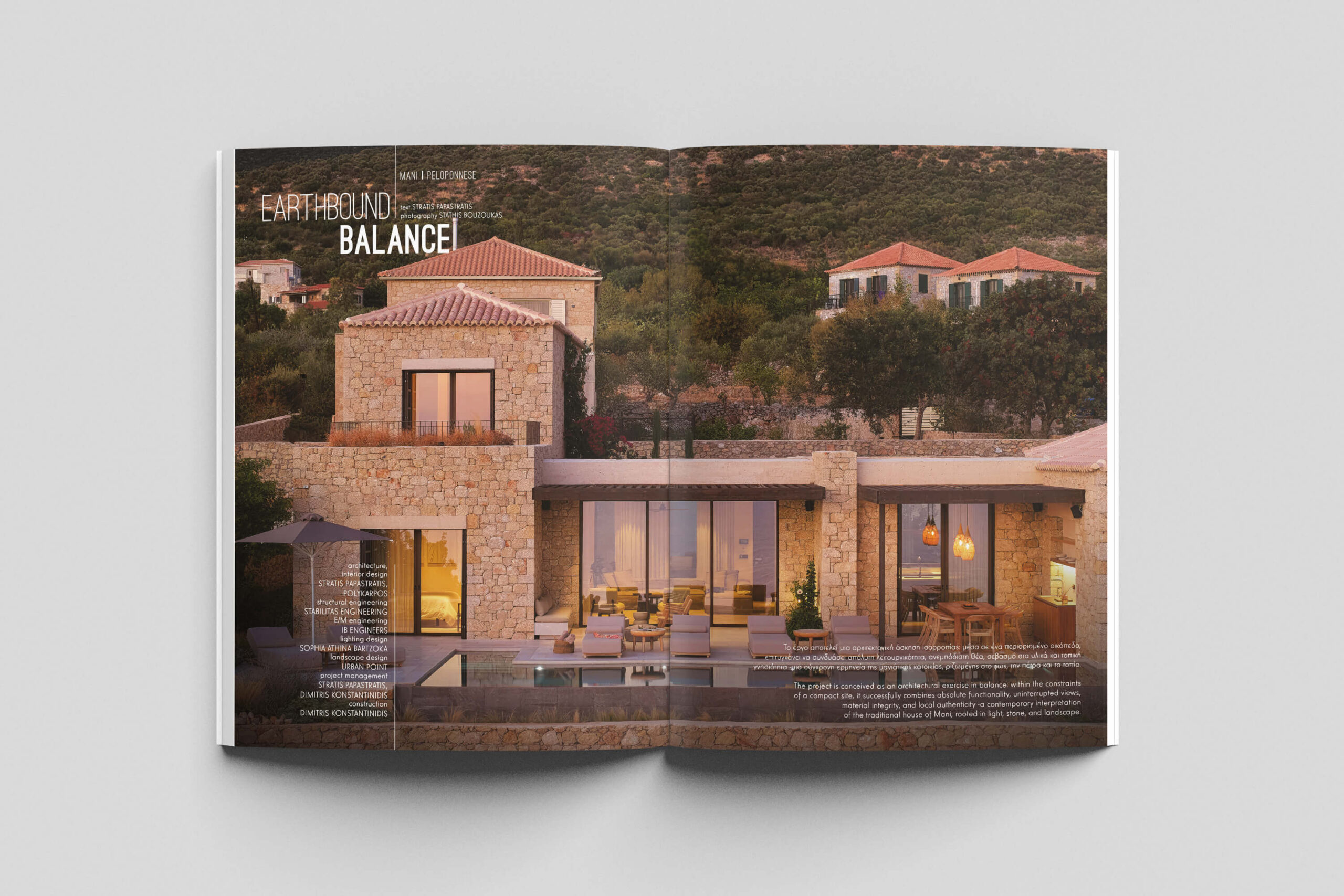
– Stratis Papastratis, Polykarpos | Mani, Peloponnese