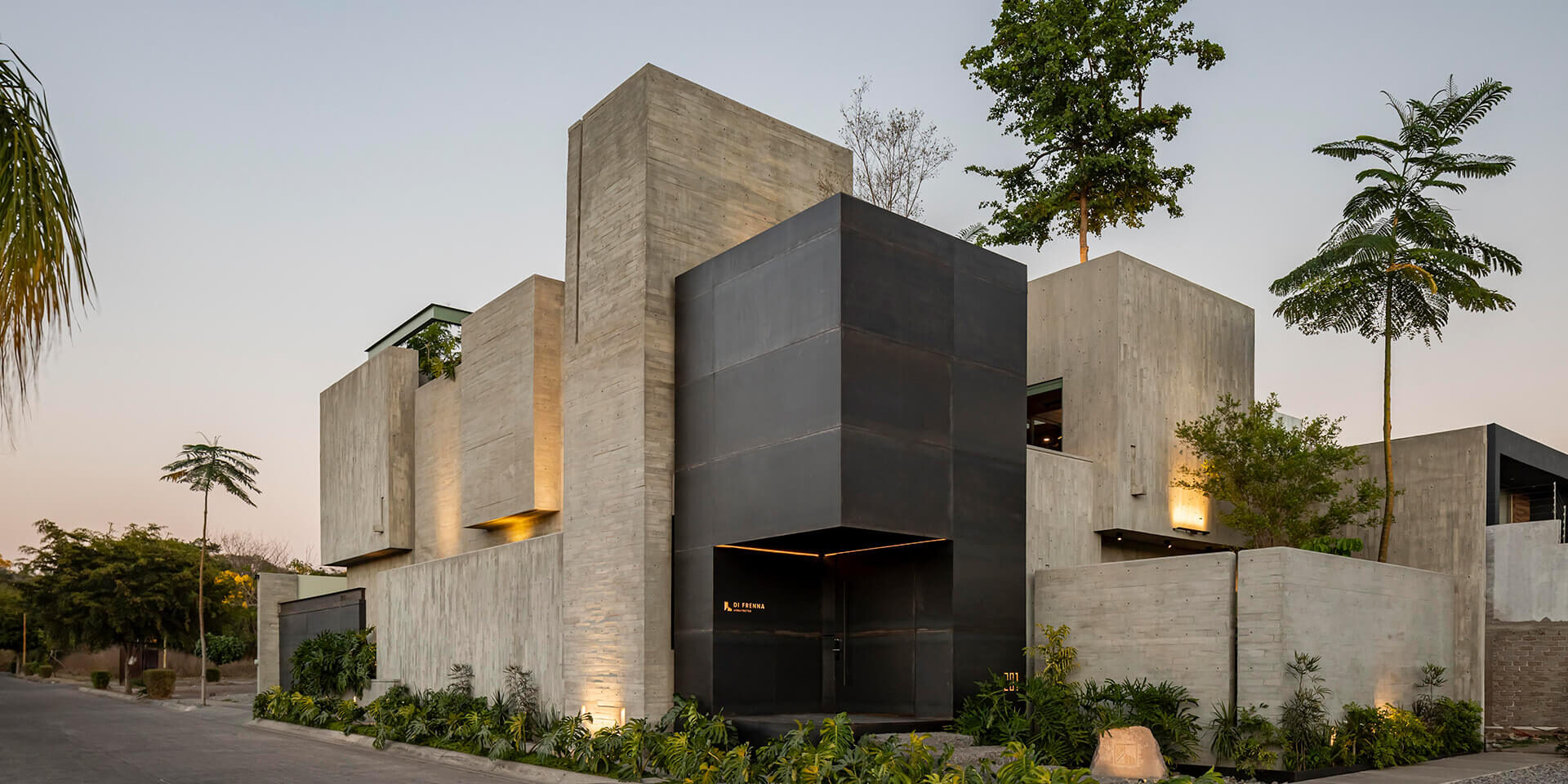
Architecture Studio in Colima, Mexico
Architecture:
Photography:

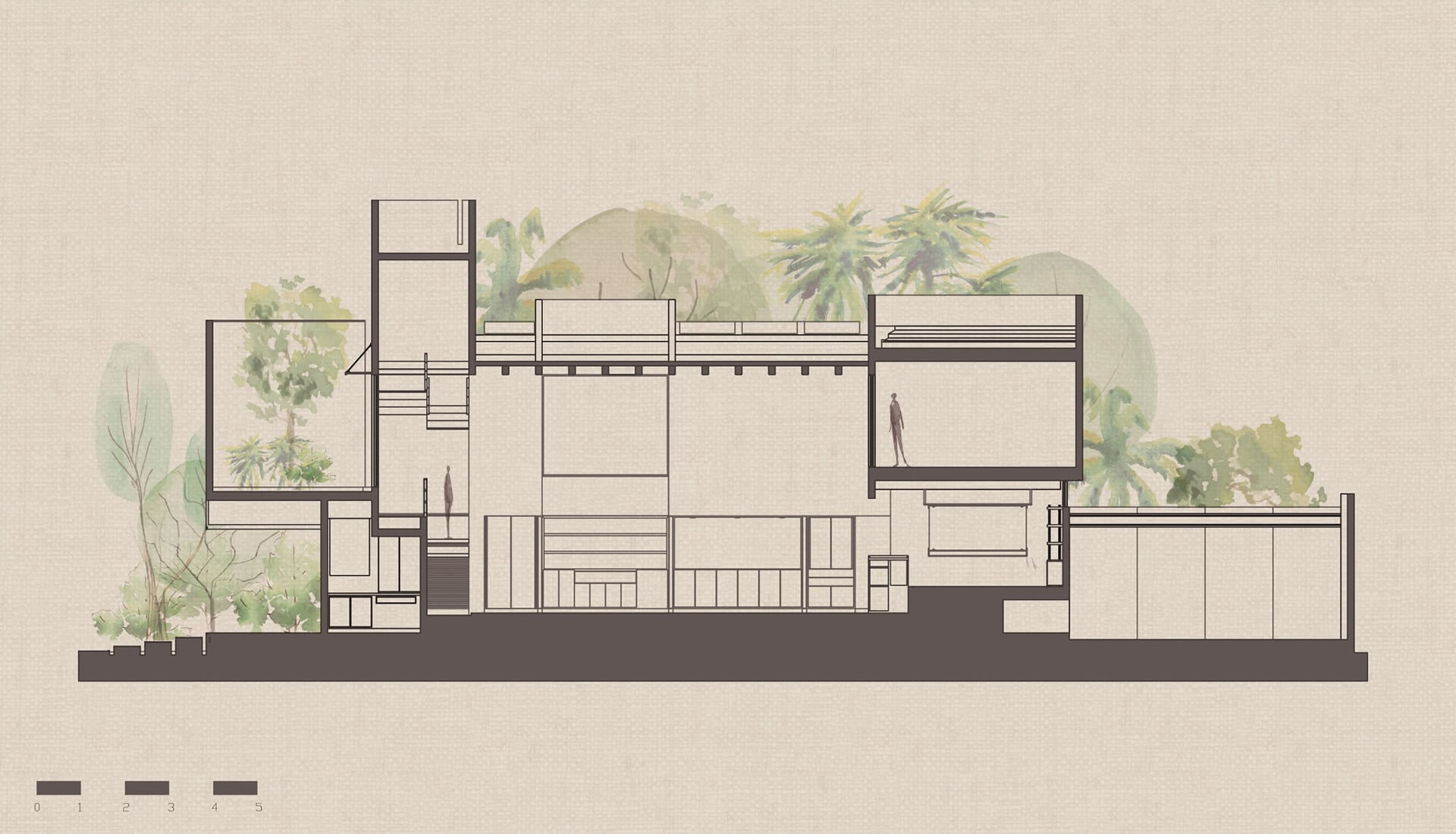
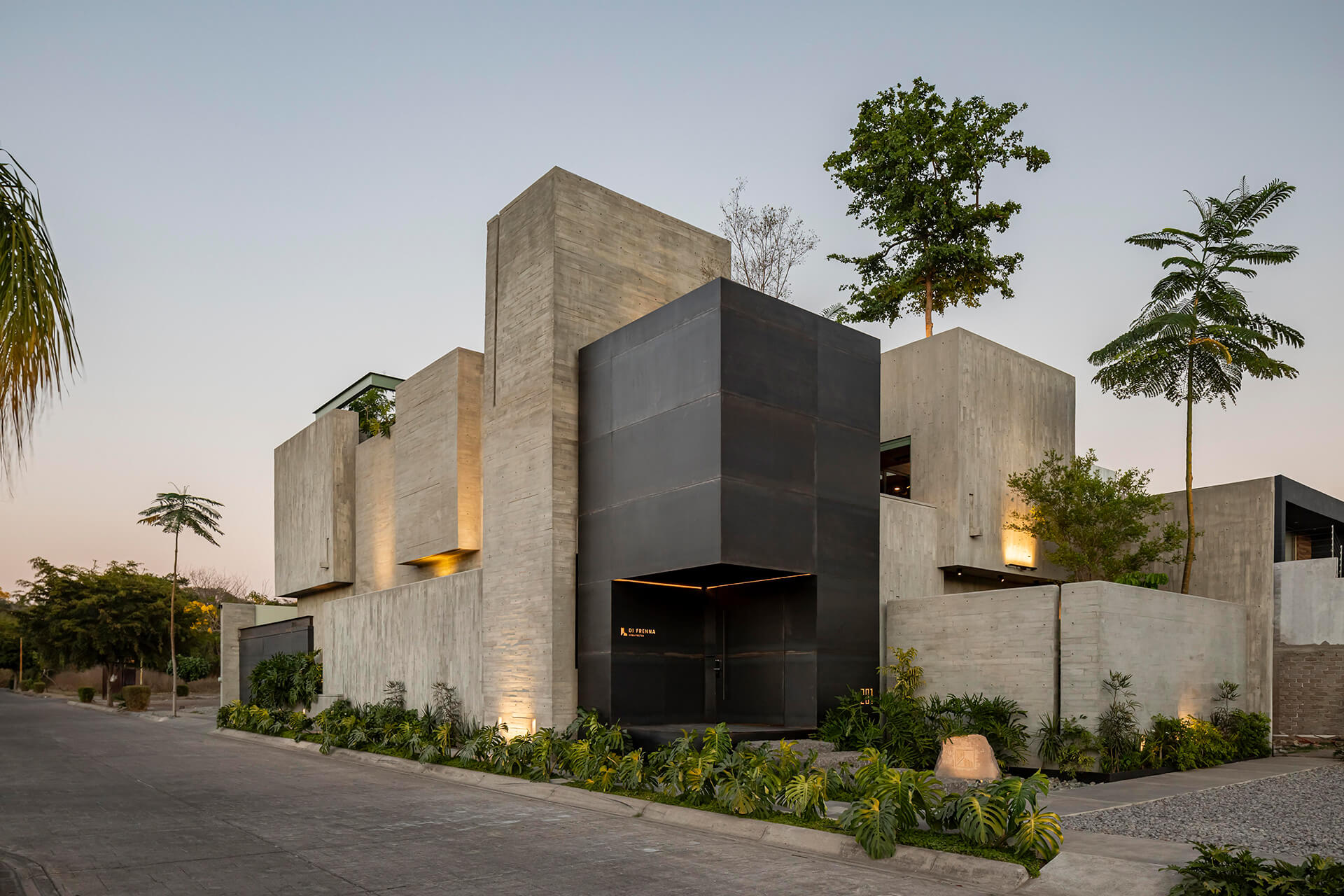
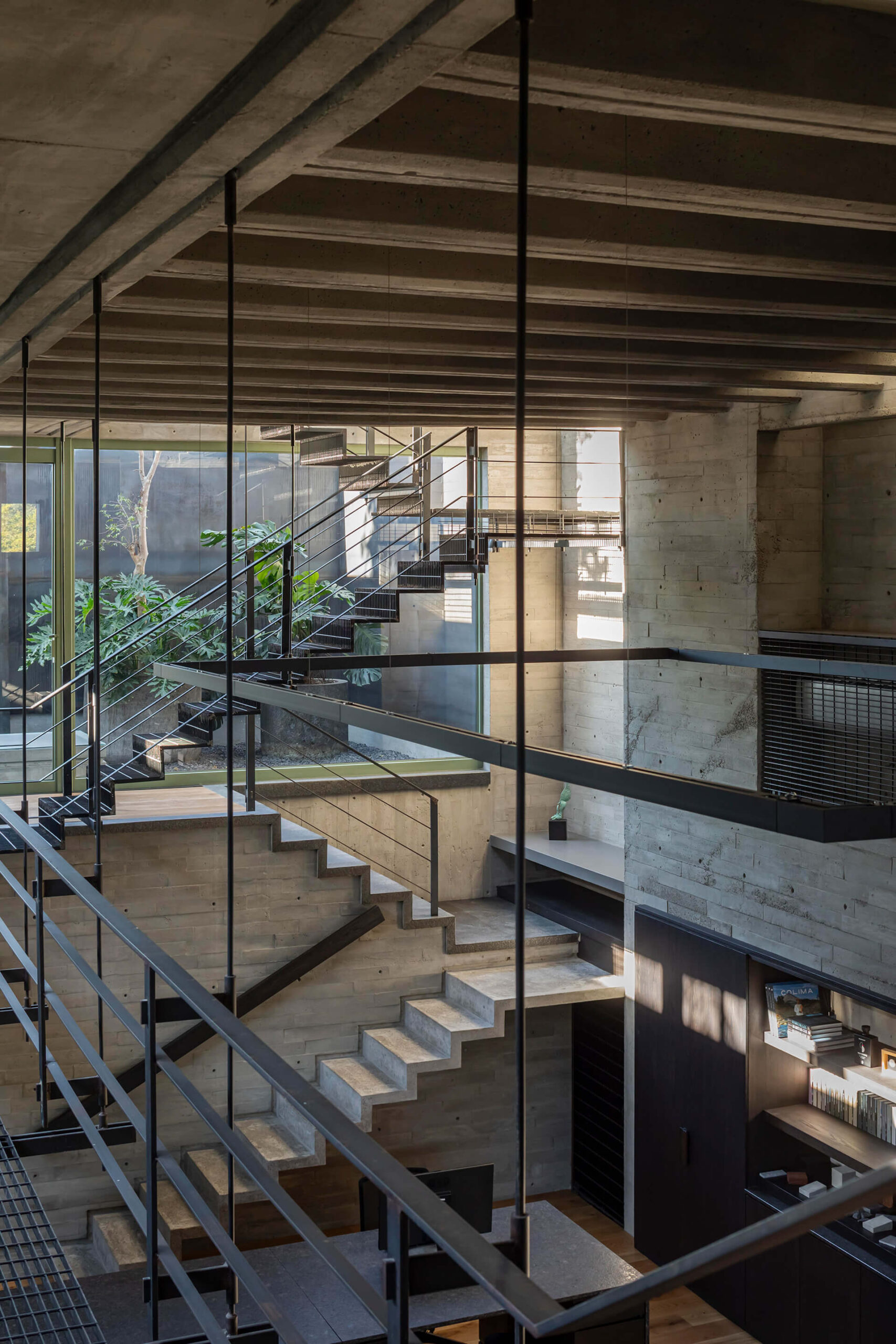
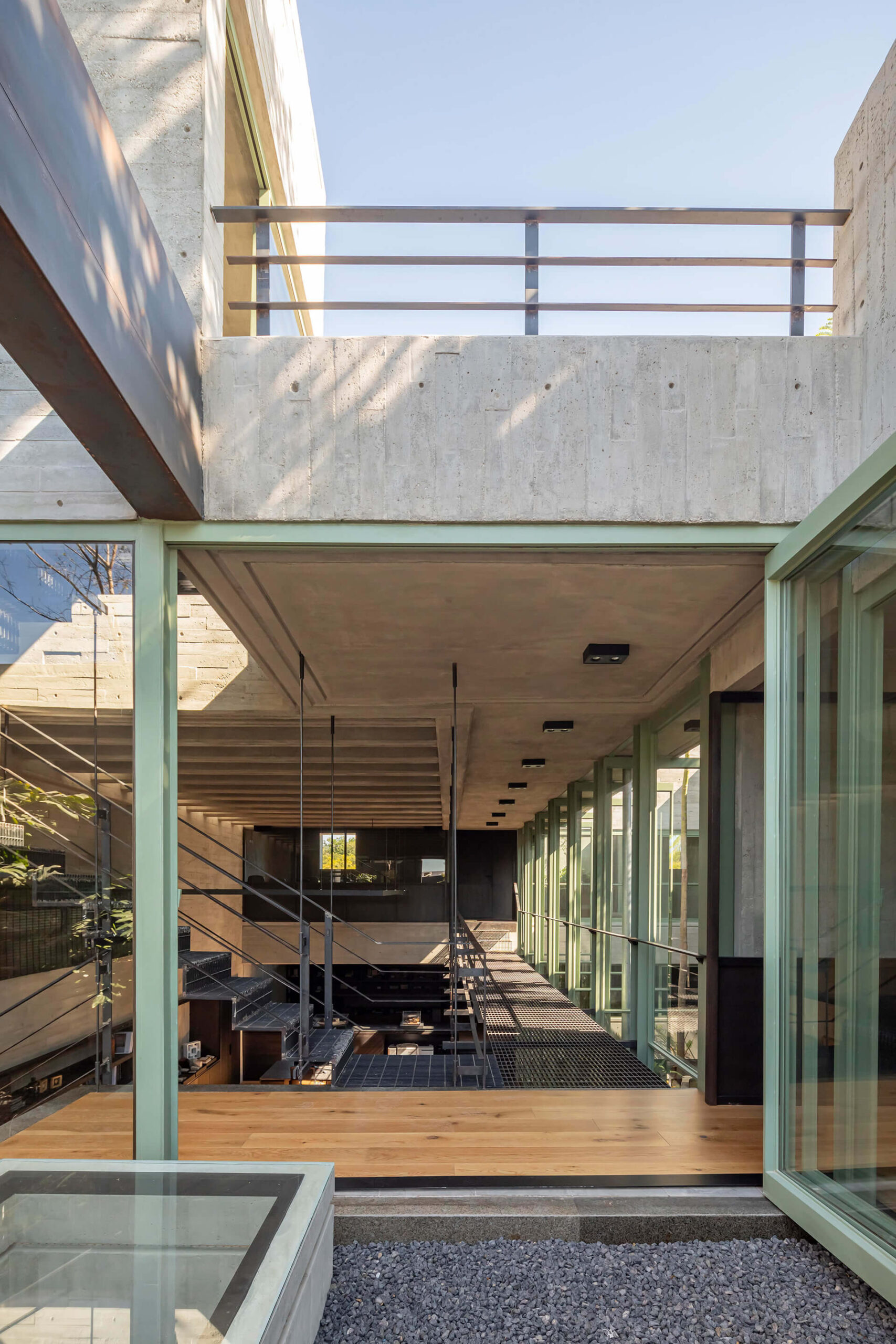
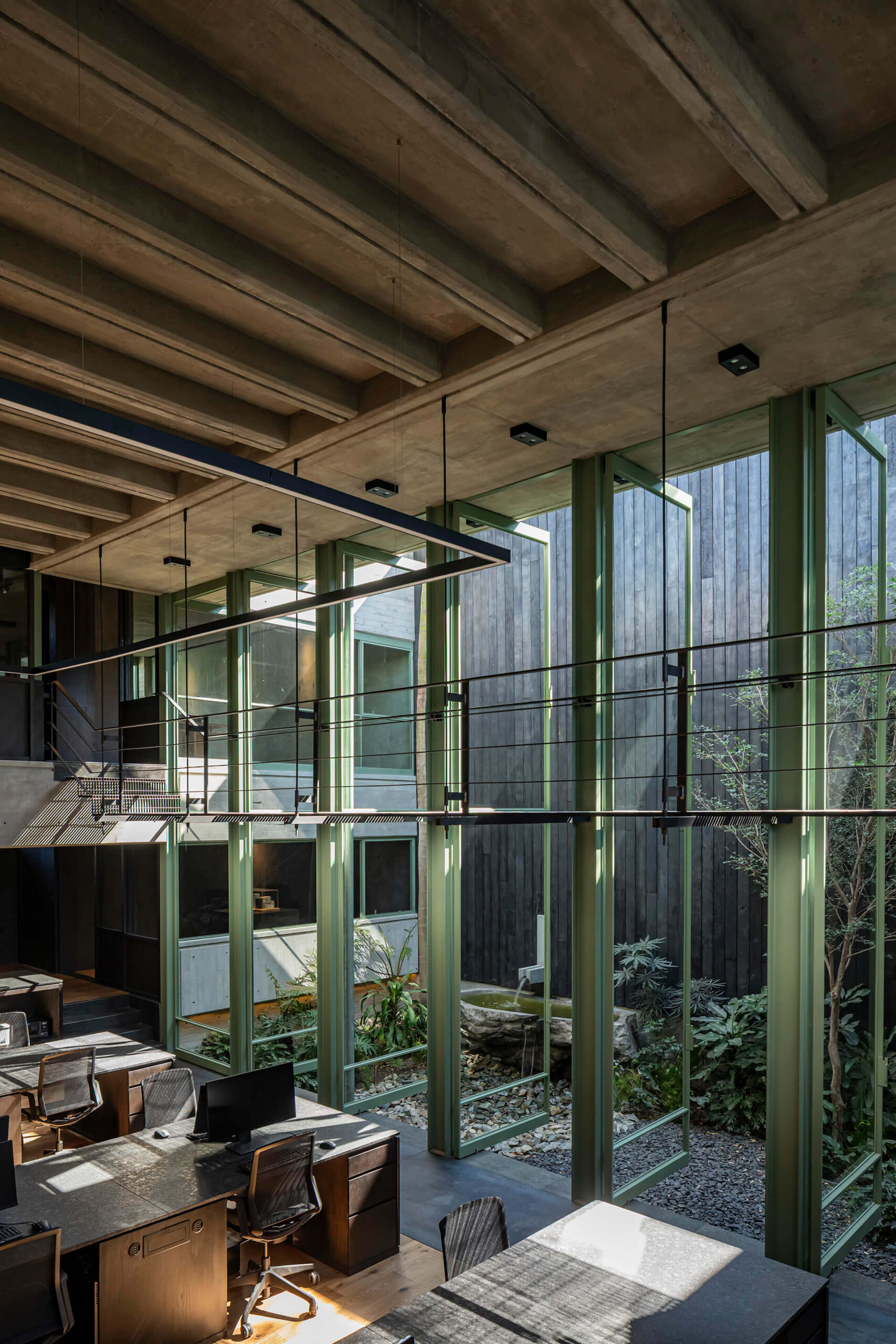
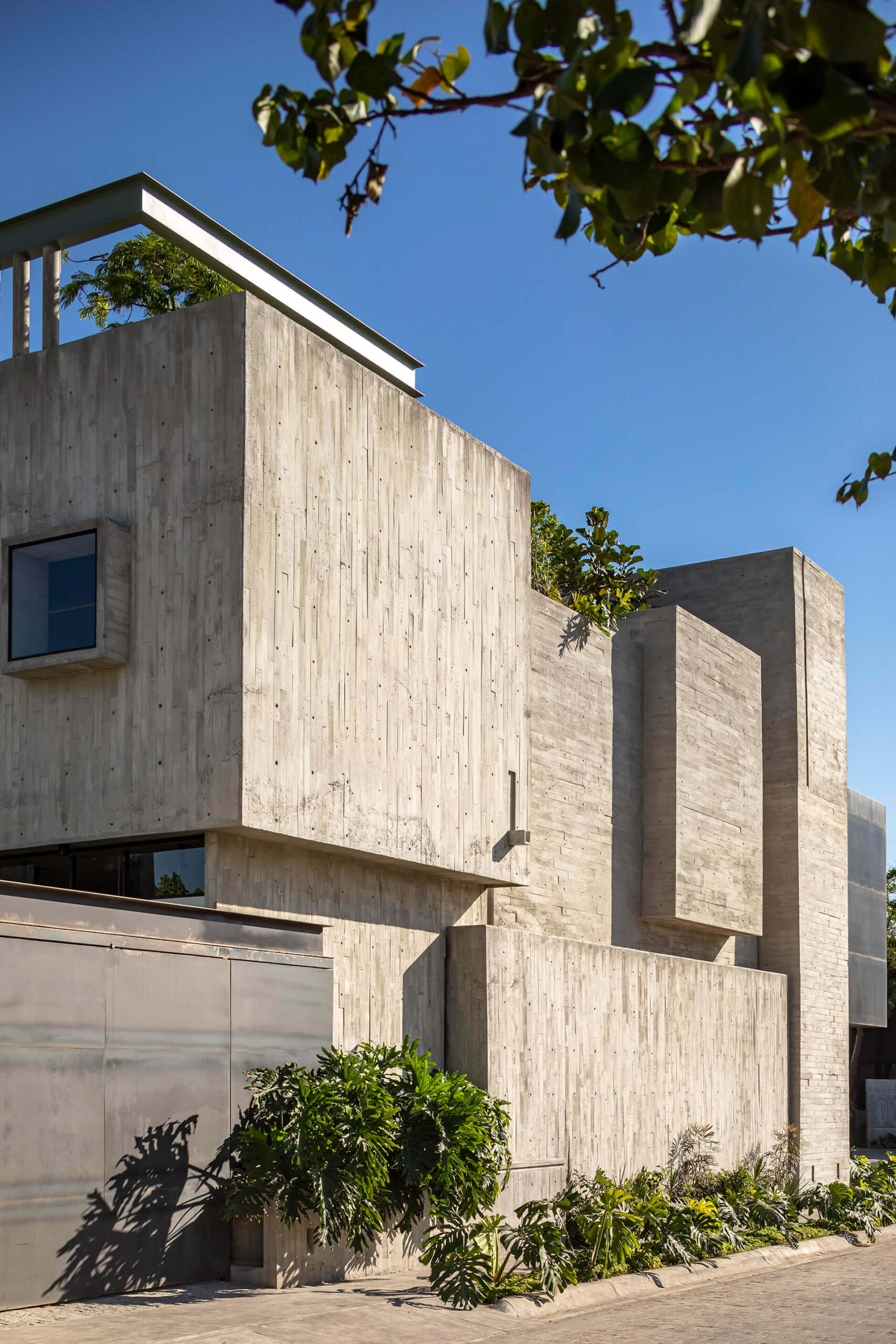
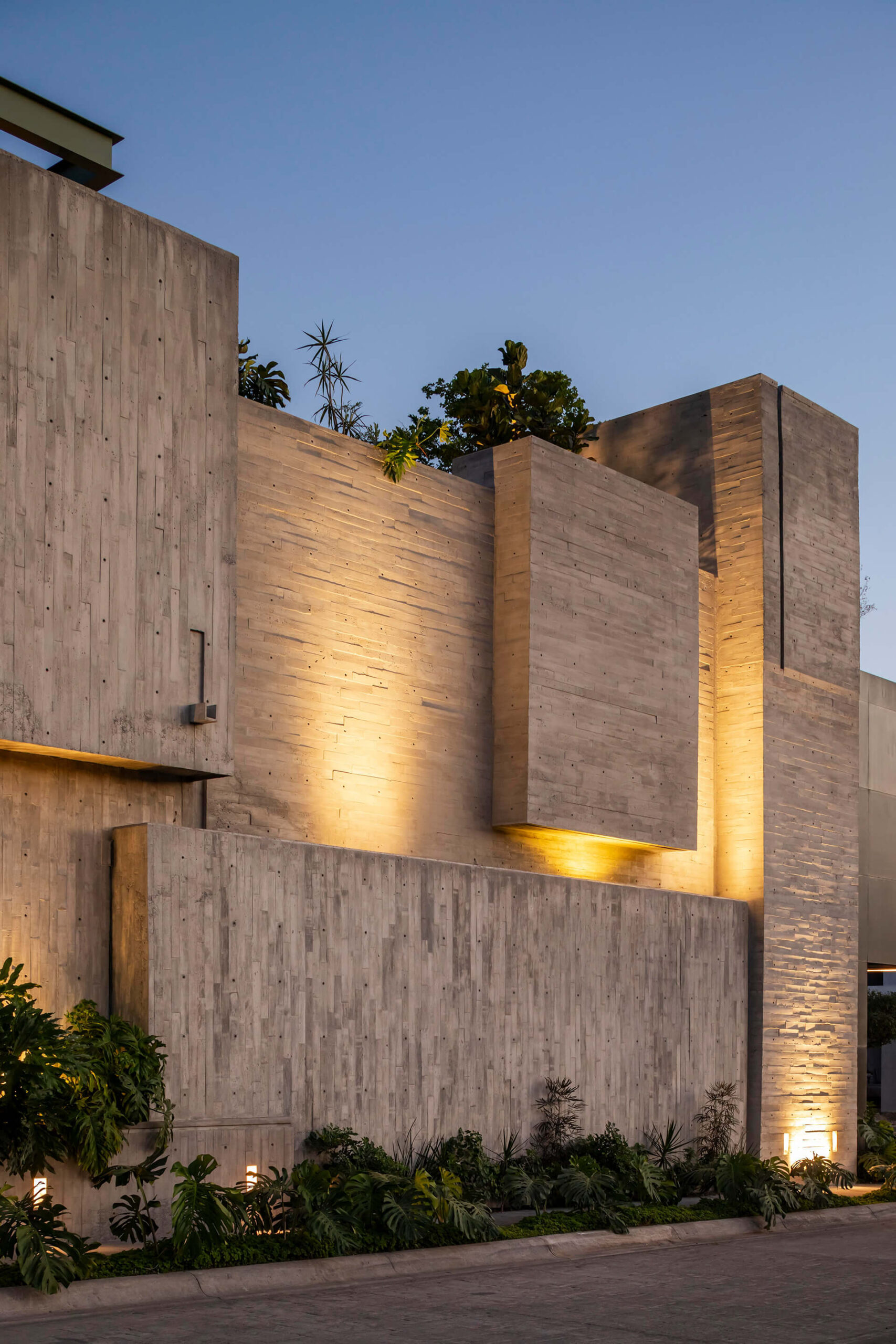
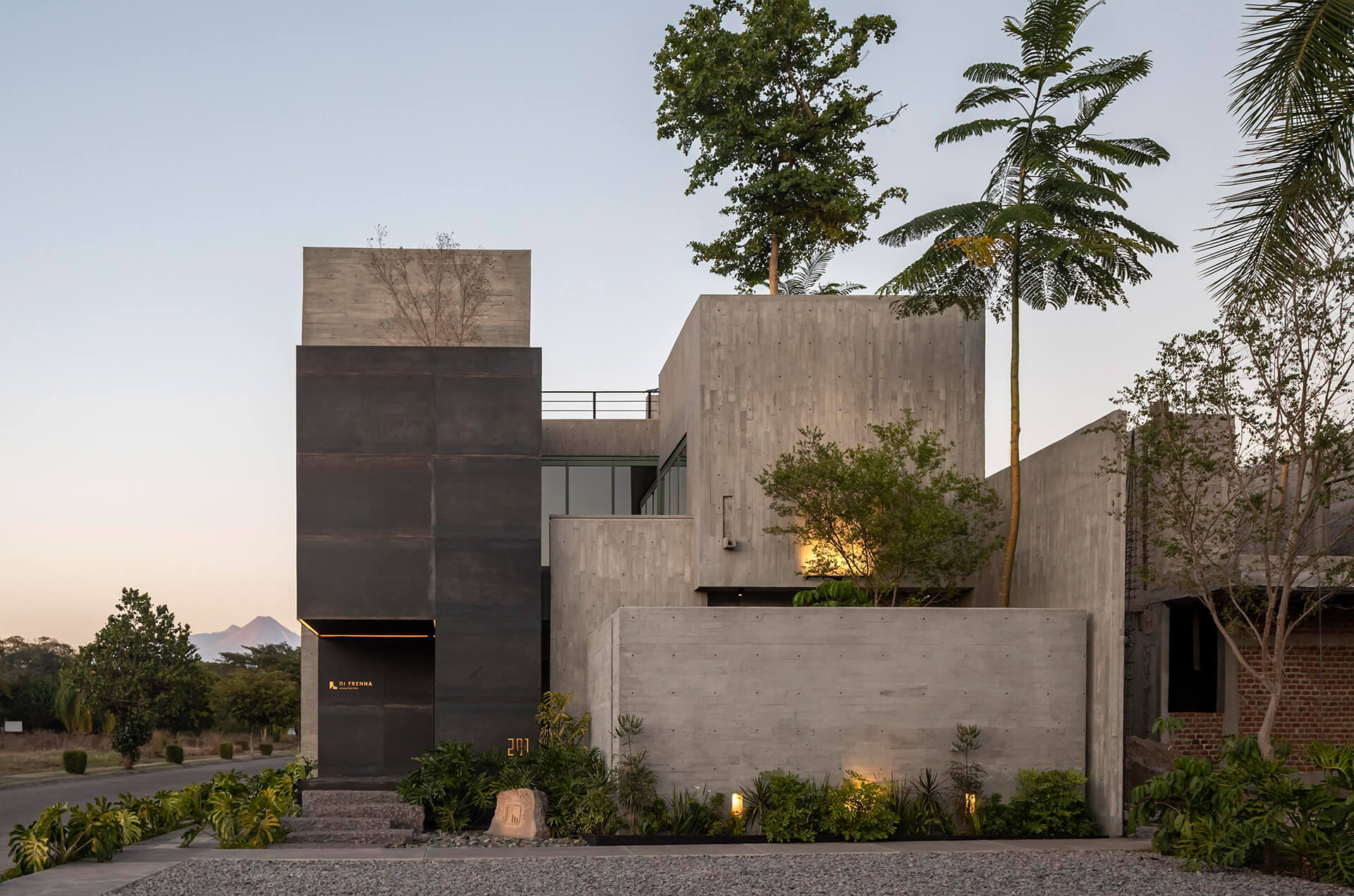
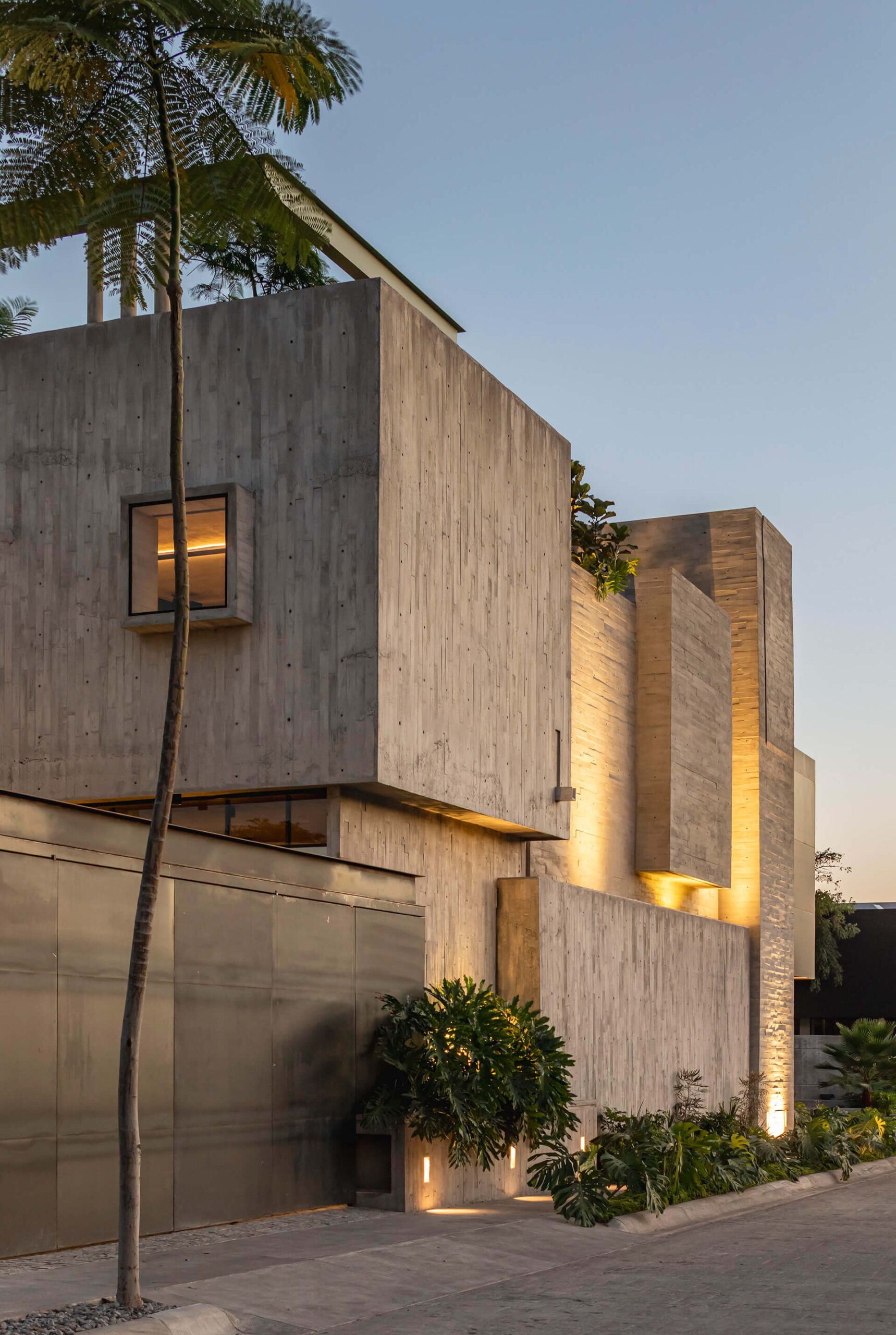
Taller Di Frenna Arquitectos has developed its own architecture studio in Colima, Mexico, conceived as both a functional workplace and a platform for creative exploration. The building accommodates workspaces, meeting areas, audiovisual facilities and interior courtyards, organized within a series of clearly articulated volumes. Through the use of exposed materials, textural experimentation and the integration of natural light and vegetation, the project reflects the studio’s broader architectural ethos. 
Design Philosophy
The headquarters is conceived as an environment where architectural production and research coexist. Beyond accommodating the daily operations of the practice, the building operates as a space for experimentation, collaboration and the development of ideas.
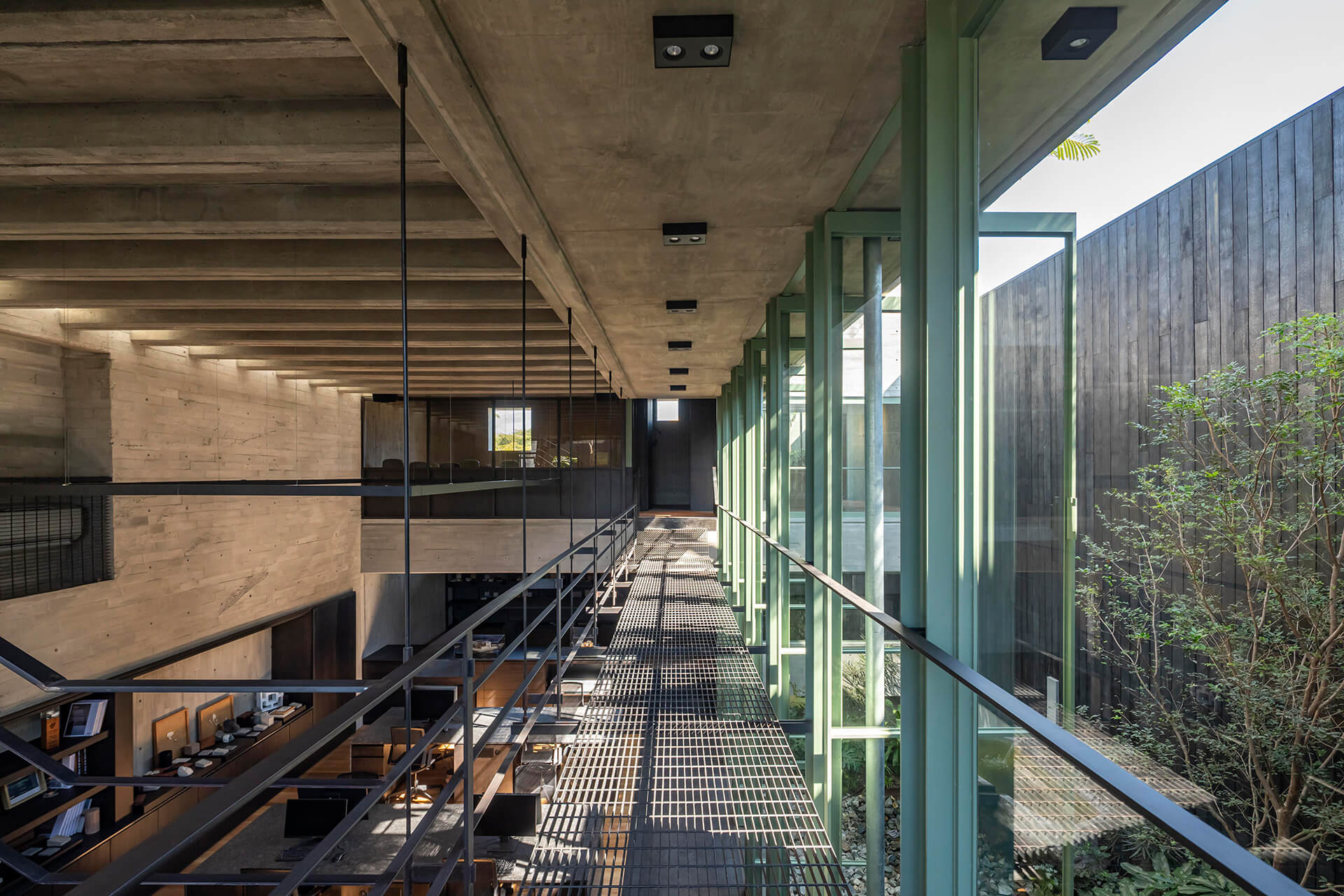
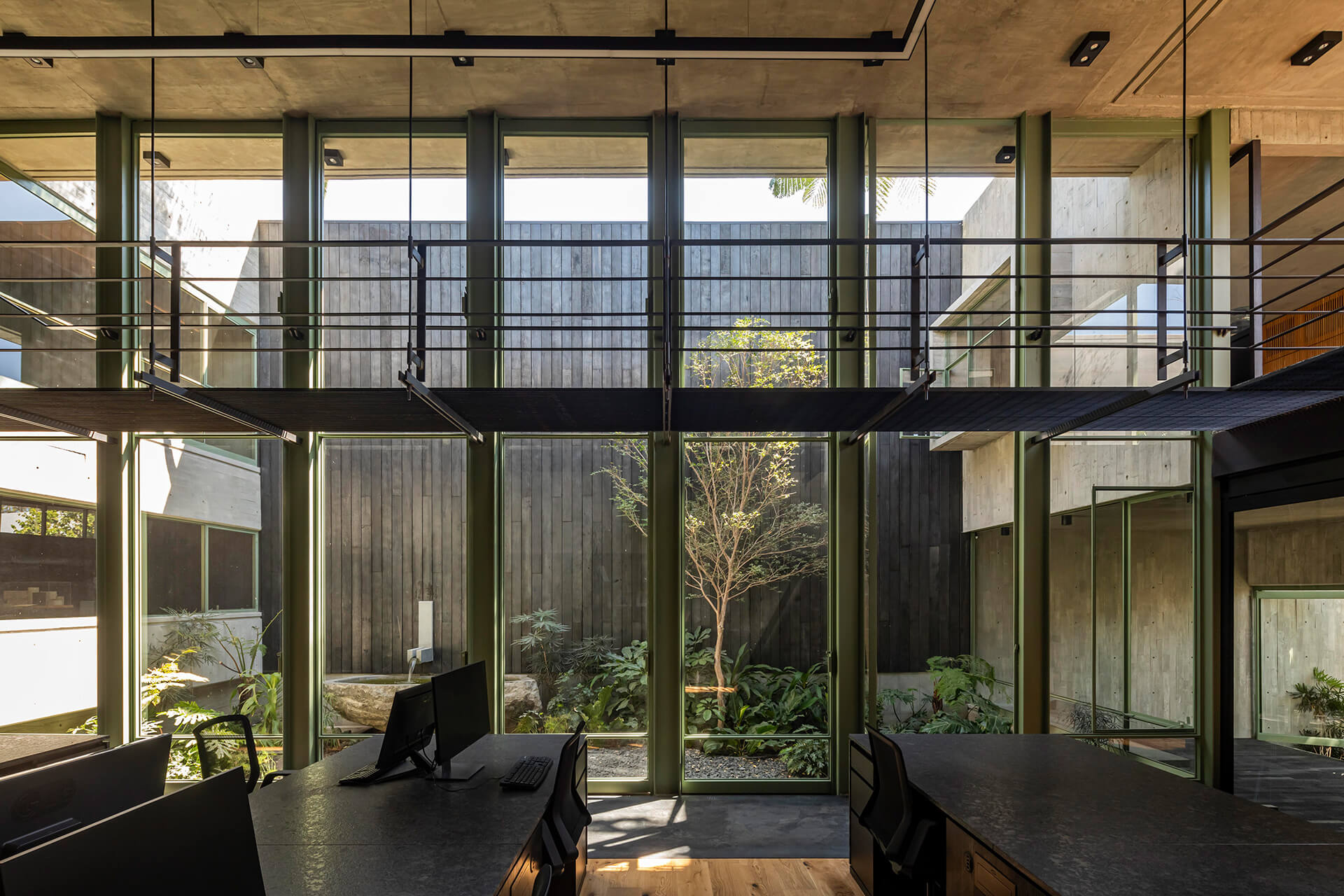
The program includes open-plan workspaces, meeting rooms, audiovisual areas and a dedicated model-making workshop. These functions are arranged to foster interaction between team members and to support the various stages of the design process, from conceptual exploration to final presentation.
Rather than functioning as a conventional office, the building acts as a working laboratory, embodying the studio’s design methodology while enabling the continuous testing and evolution of architectural ideas.
Construction Logic & Materials
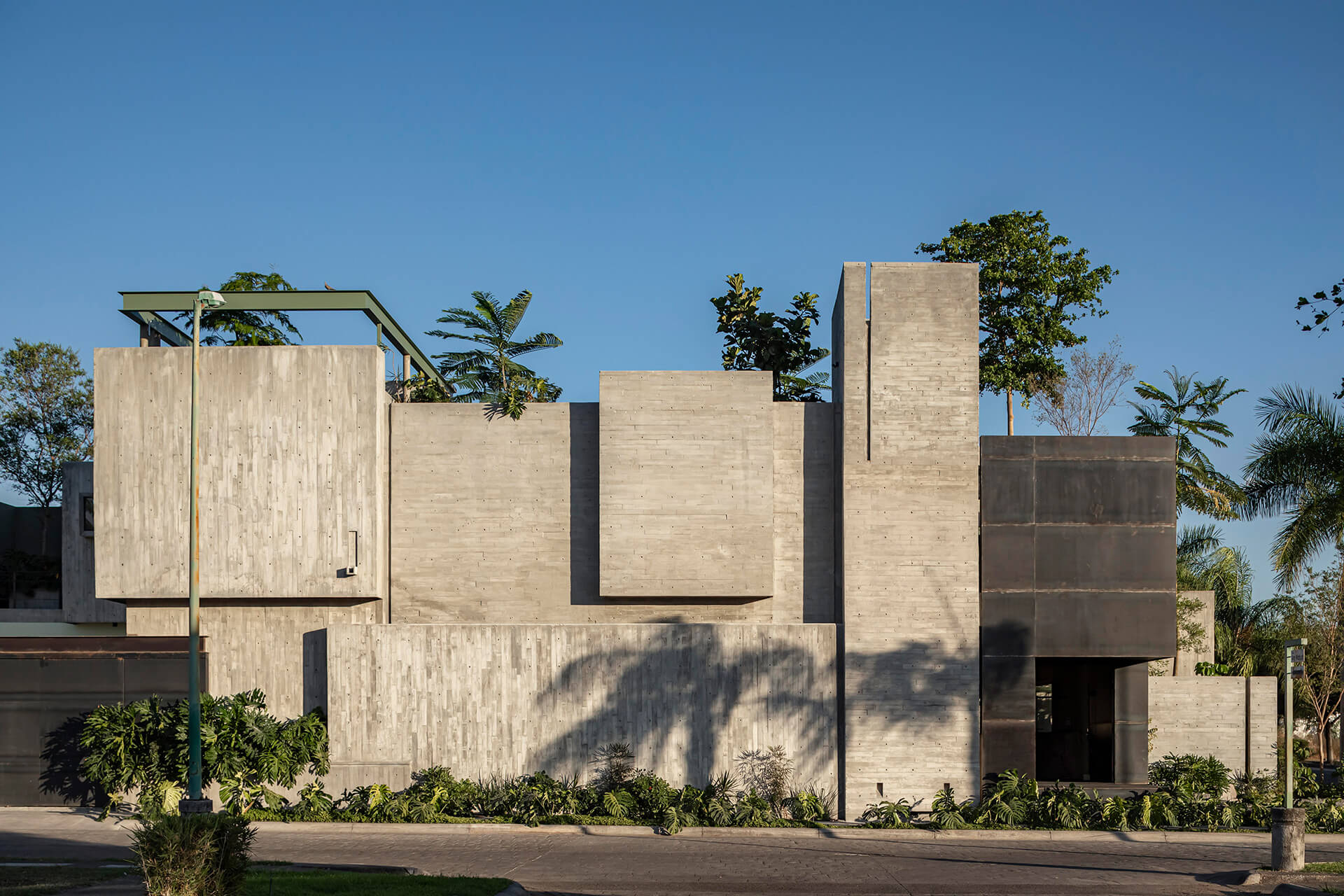
The architectural composition is defined by a sequence of clean, well-proportioned volumes. Emphasis is placed on the use of exposed, honest materials, allowing construction elements to remain visible and to express their structural and tactile qualities.
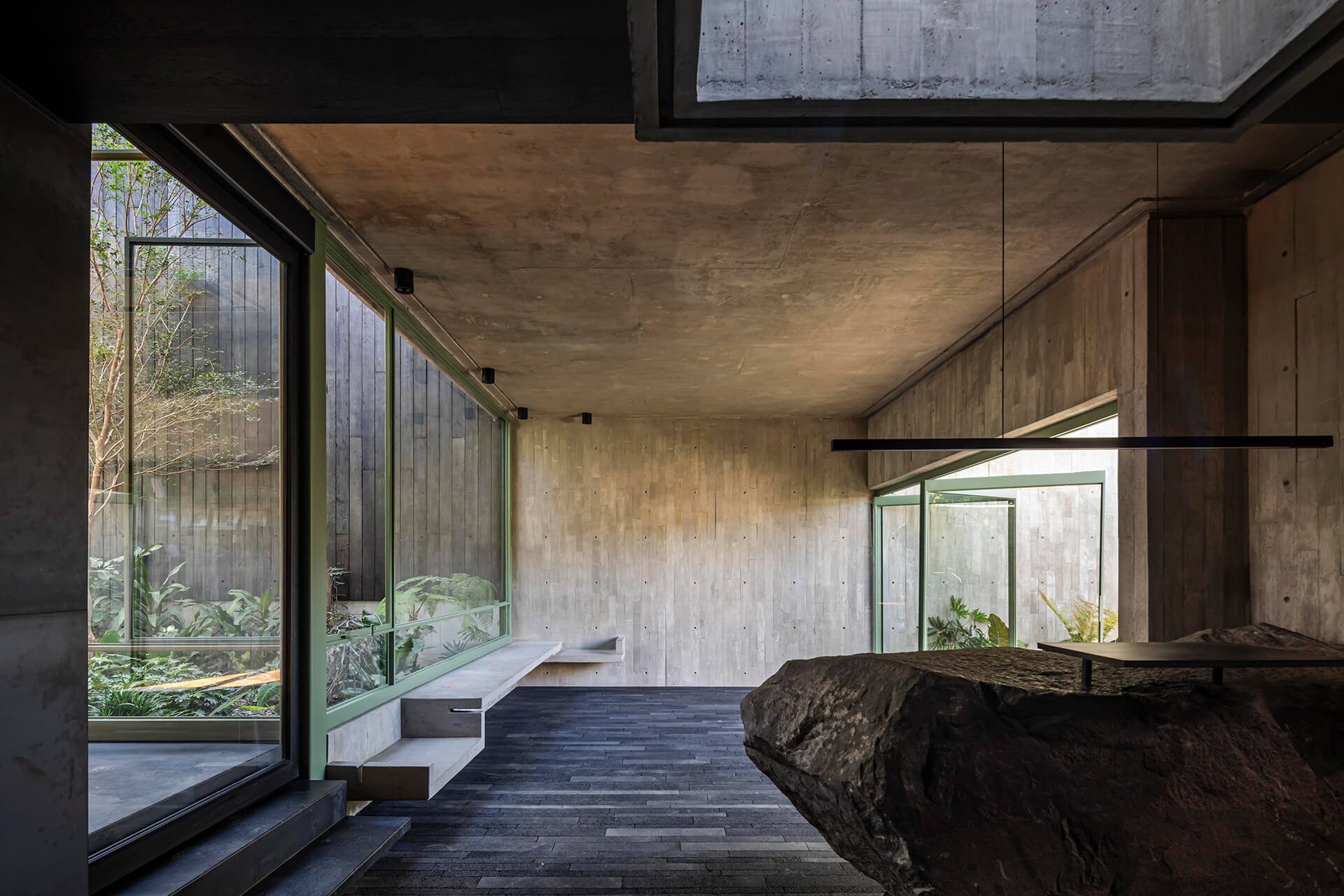
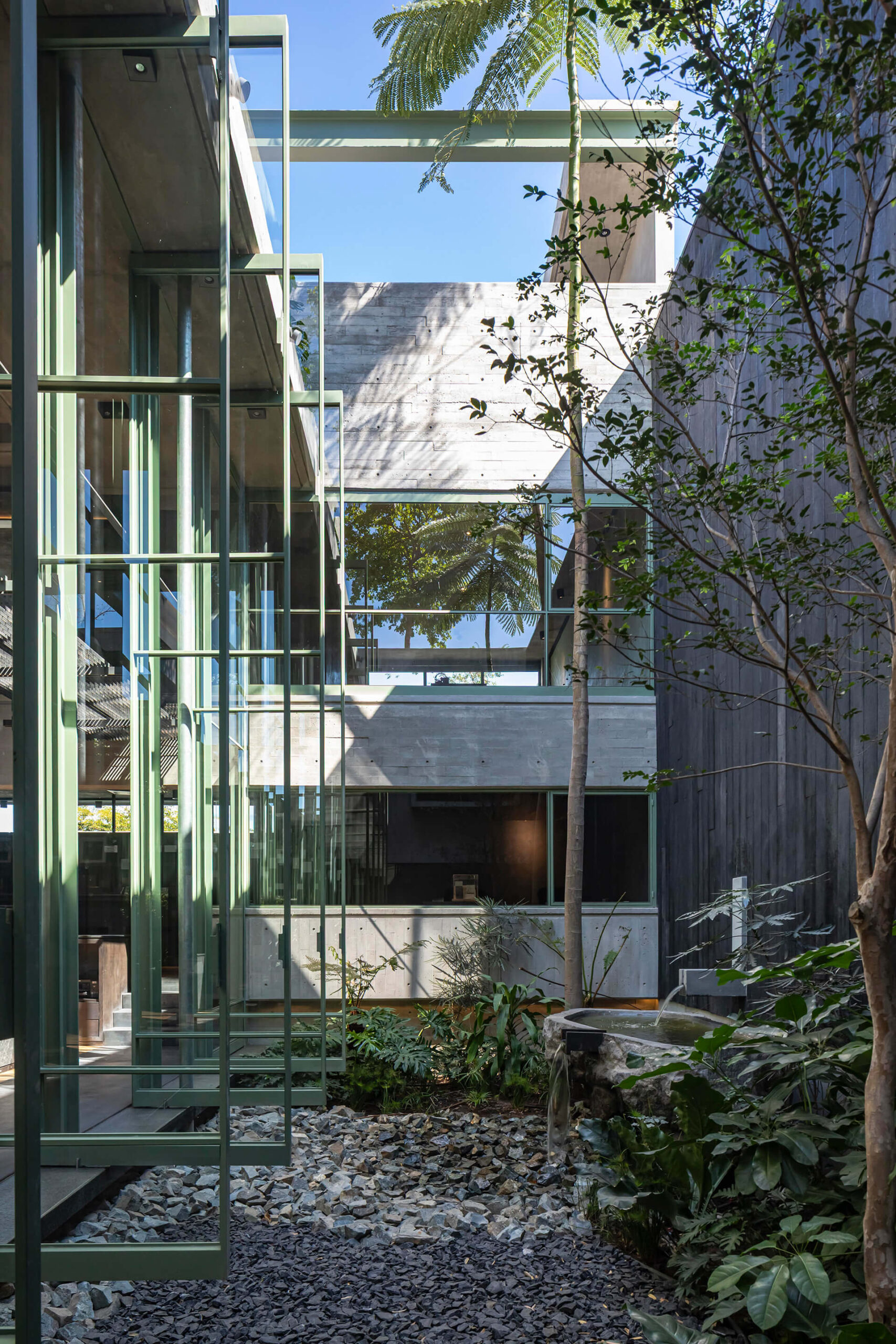
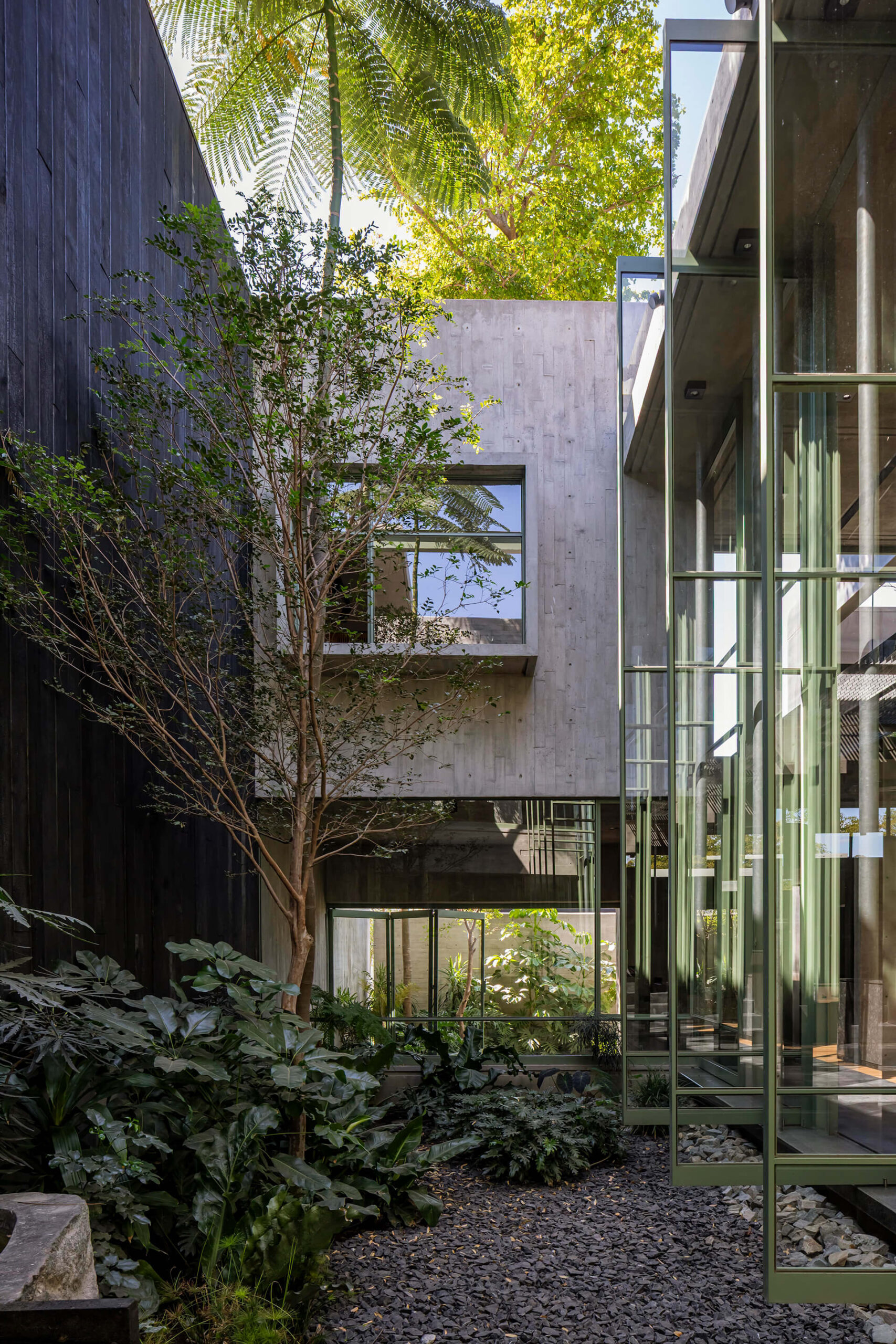
Concrete, steel, charred wood and stone form the primary material palette. Their combination, through varied textures and finishes, generates a layered architectural language that negotiates between industrial precision and natural expression. This material strategy reinforces durability while foregrounding craftsmanship and construction techniques.
The approach aligns with a broader design philosophy rooted in clarity of form, authenticity of materials and the integration of artisanal knowledge within contemporary architectural practice.
Courtyards & Spatial Organization
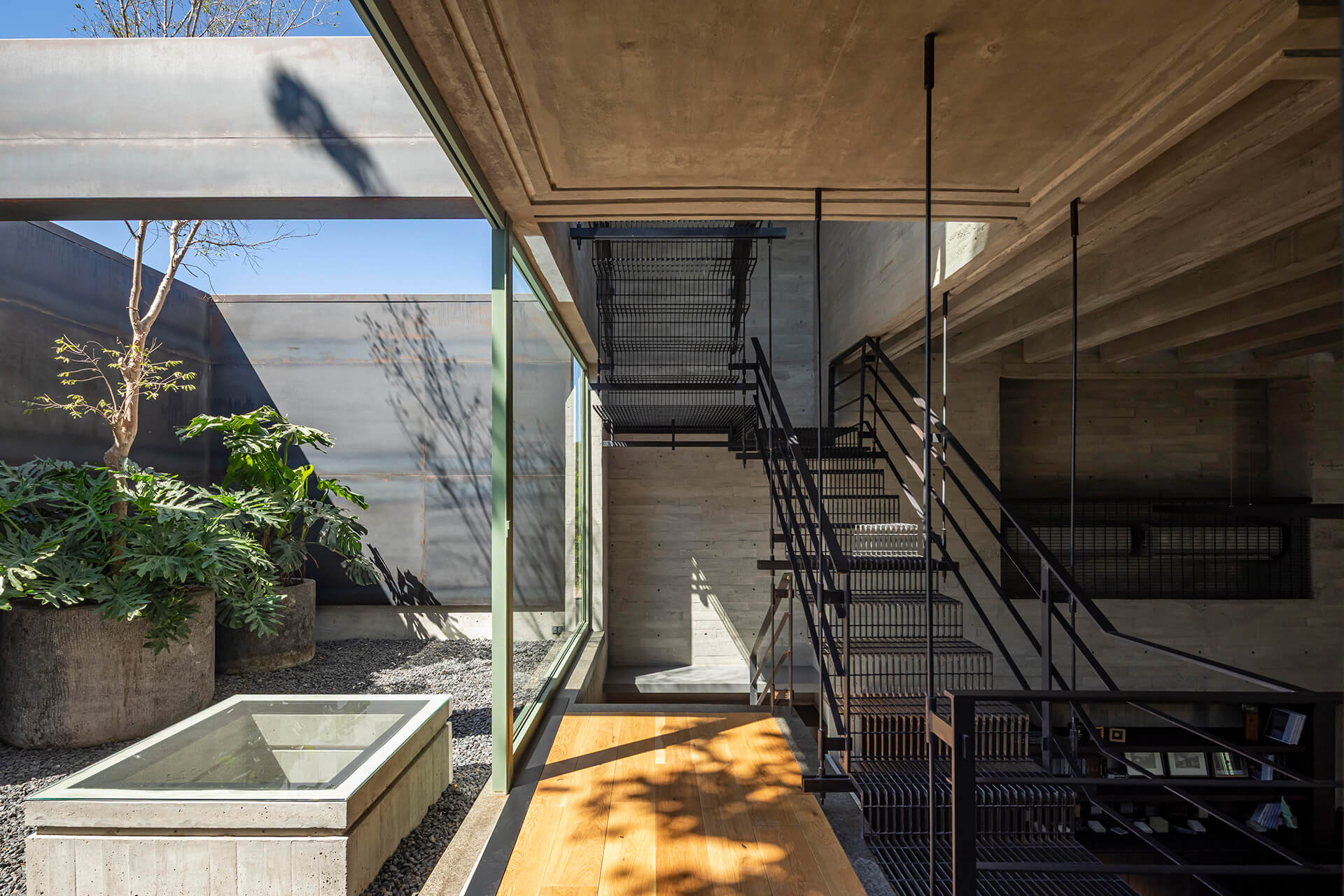
A network of interior courtyards structures the spatial organization of the building. These voids introduce natural light and vegetation into the interior, while establishing visual and physical connections between different programmatic zones.
The interplay between interior and exterior conditions produces a gradual spatial transition, where built volumes and natural elements coexist in a continuous dialogue. Variations in light, shadow and level contribute to a dynamic spatial experience, mitigating the monotony typically associated with enclosed office environments. These intermediate spaces also function as areas of pause and informal gathering, supporting a working atmosphere that encourages reflection, exchange and collective engagement.
The realization of the building involved close collaboration with local builders and artisans, whose contribution is evident in the detailing, surface treatments and material finishes throughout the project.