
10 Educational Architecture Projects
Selection:
Editorial Team ek magazine
Date:
February 2026

The editorial team of ek magazine selected ten architectural projects, featured in past print issues as well as the ek website, that showcase impressive designs of educational facilities, schools, kindergartens, universities and learning institutions.
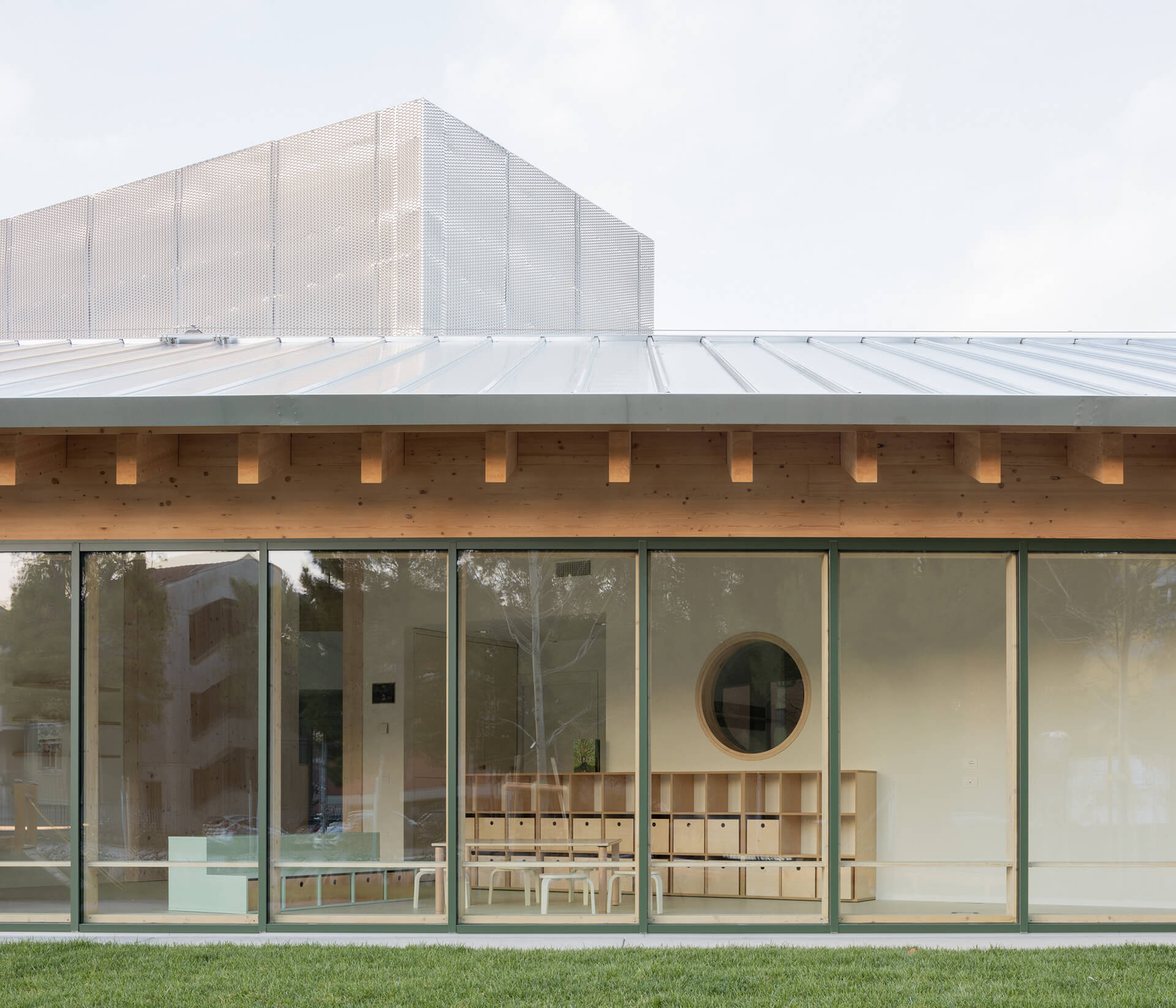
The project involves the construction of a small preschool catering to children aged 0-6, as part of a larger initiative to revitalize a school complex in Macerata, in the district of Sforzacosta. With the aim of turning contextual constraints -such as a small plot of land and tight construction timelines -into opportunities, the project adheres to simple typological and construction characteristics. The new building takes shape through a system of seemingly disjointed solids and voids, connected by a large, pitched roof that defines the footprint of the school and creates a series of threshold spaces between indoor and outdoor environments. The arrangement of three small, independent, and separate volumes, housing classrooms, offices, and facilities, creates a sequence of spaces with varied forms and proportions. The result is a porous system that seamlessly integrates with the garden through oblique views facilitated by changes in the roof section. The articulation of spaces becomes evident at transitional junctures, where the seamless flow between environments is highlighted. Within these “intermediate” spaces bridging the classrooms, various architectural elements -such as a striking portal, a skylight illuminating a double-height area, and a solitary column- emerge as focal points, inviting exploration and discovery due to their deliberate placement and size.
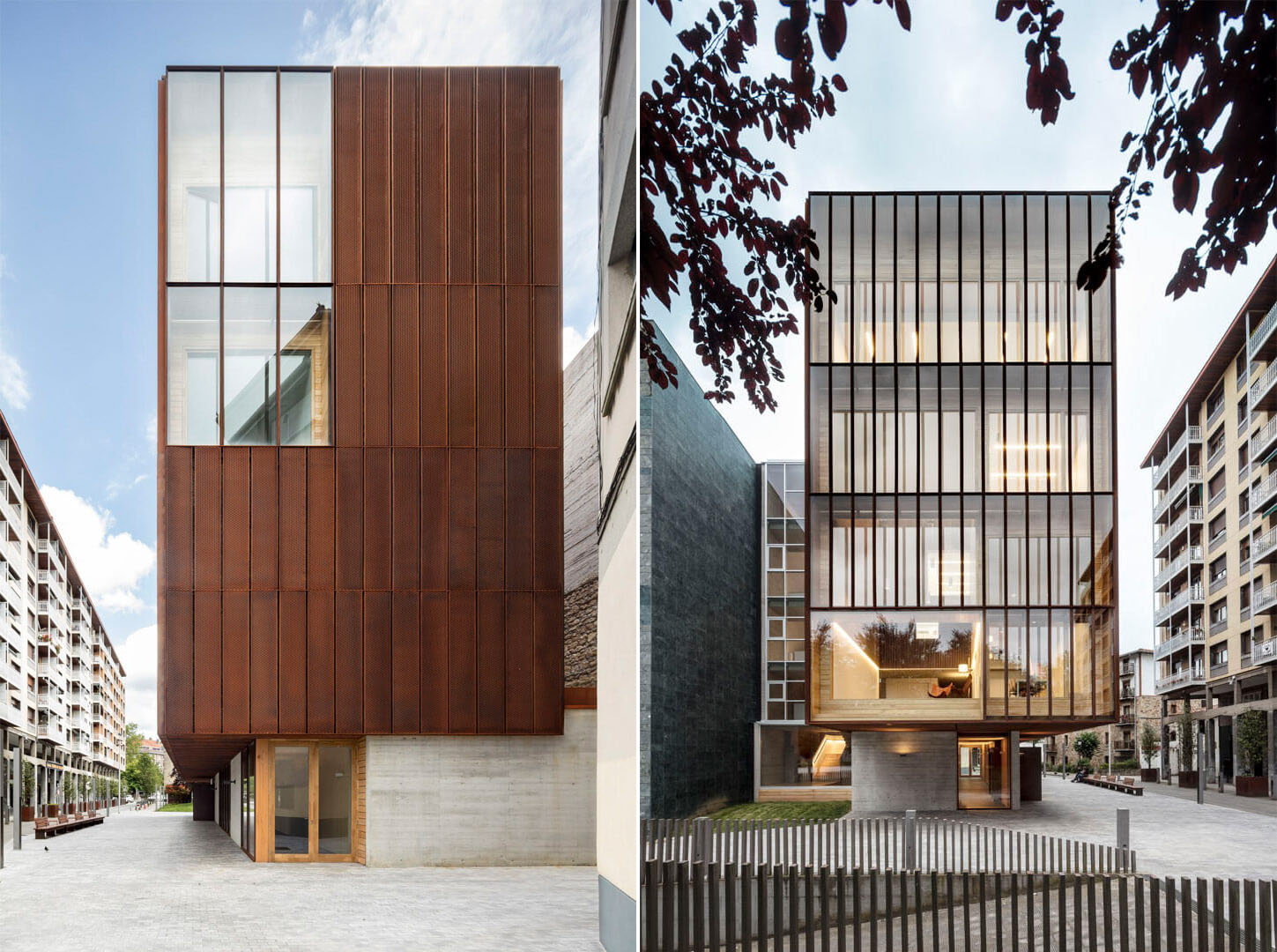
The new Zubiaur Musika Eskola in Amorebieta-Etxano, on the outskirts of Bilbao, emerged from an architectural competition held in 2015. Conceived as both an addition and a reinterpretation of its context, the project establishes a clear dialogue with the existing facilities while asserting its own architectural identity. The building transforms the existing dividing wall into an additional façade, completing and redefining the perimeter of the current complex. The original wall of the adjoining frontón ballcourt is preserved and elevated as the central protagonist of the intervention. By exposing and layering the successive walls, the project makes the passage of time legible, allowing traces of the site’s history to remain visible. In doing so, the design safeguards local heritage and collective memory, integrating them into the contemporary architectural language.
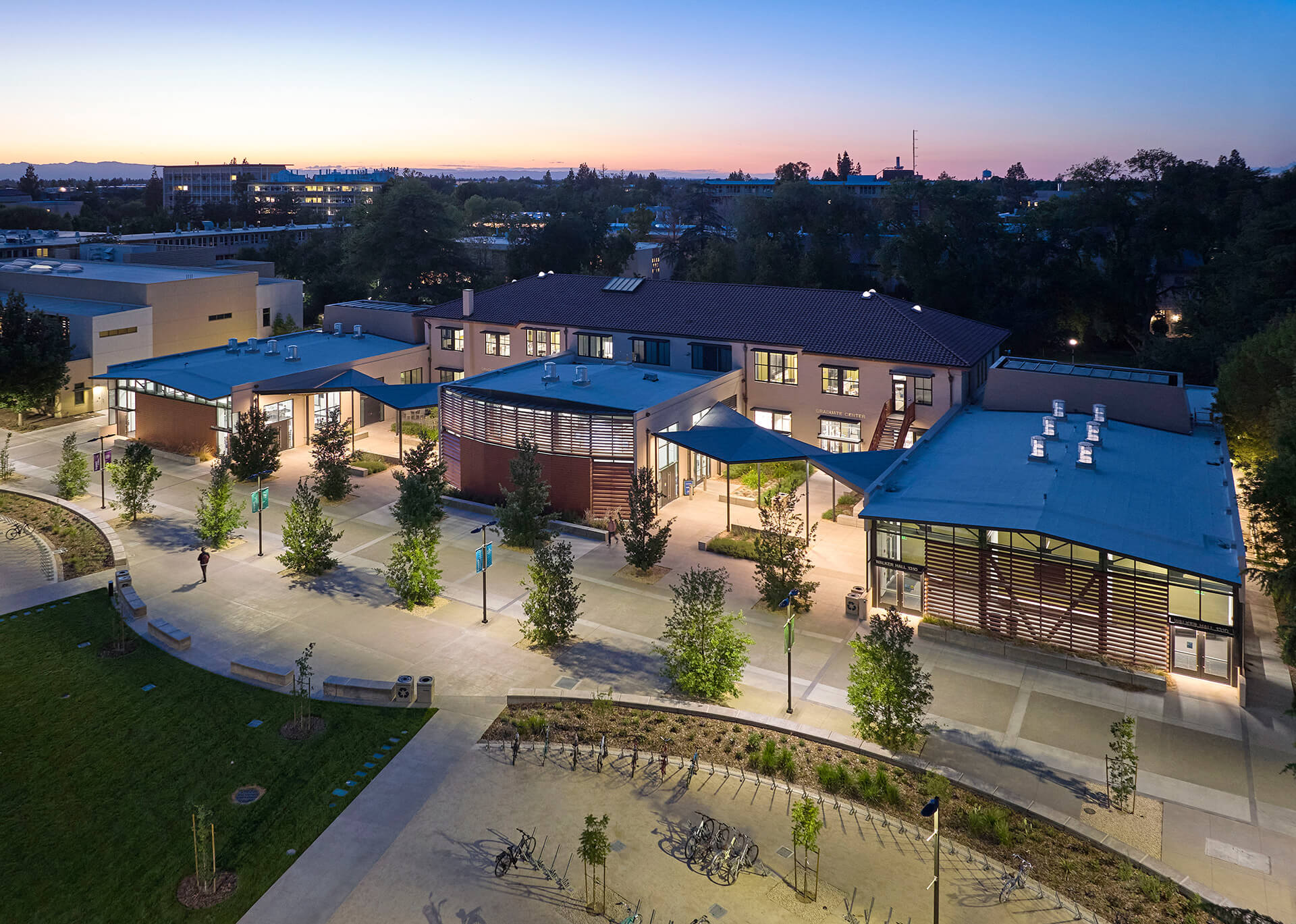
Walker Hall is an adaptive reuse of a 1927 building at the core of the University of California, Davis campus. The project transforms a vacant, seismically unsafe building into a graduate and professional student center with meeting rooms, a lecture hall, and active-learning classrooms that serve the entire campus. Walker Hall exemplifies the power of revitalization by transforming an abandoned into a vibrant academic and social center. The project preserves the character of the 1927 structure while introducing modern learning environments, symbolizing continuity between the university’s history and its forward-looking academic vision. The original two-story north wing now houses student lounges, meeting areas, and offices. The three southern wings, formerly used for agricultural engineering workshops, have been repurposed into a lecture hall and two flexible classrooms. The redesign establishes a clear hierarchy between community spaces and academic functions, ensuring seamless movement through the building.
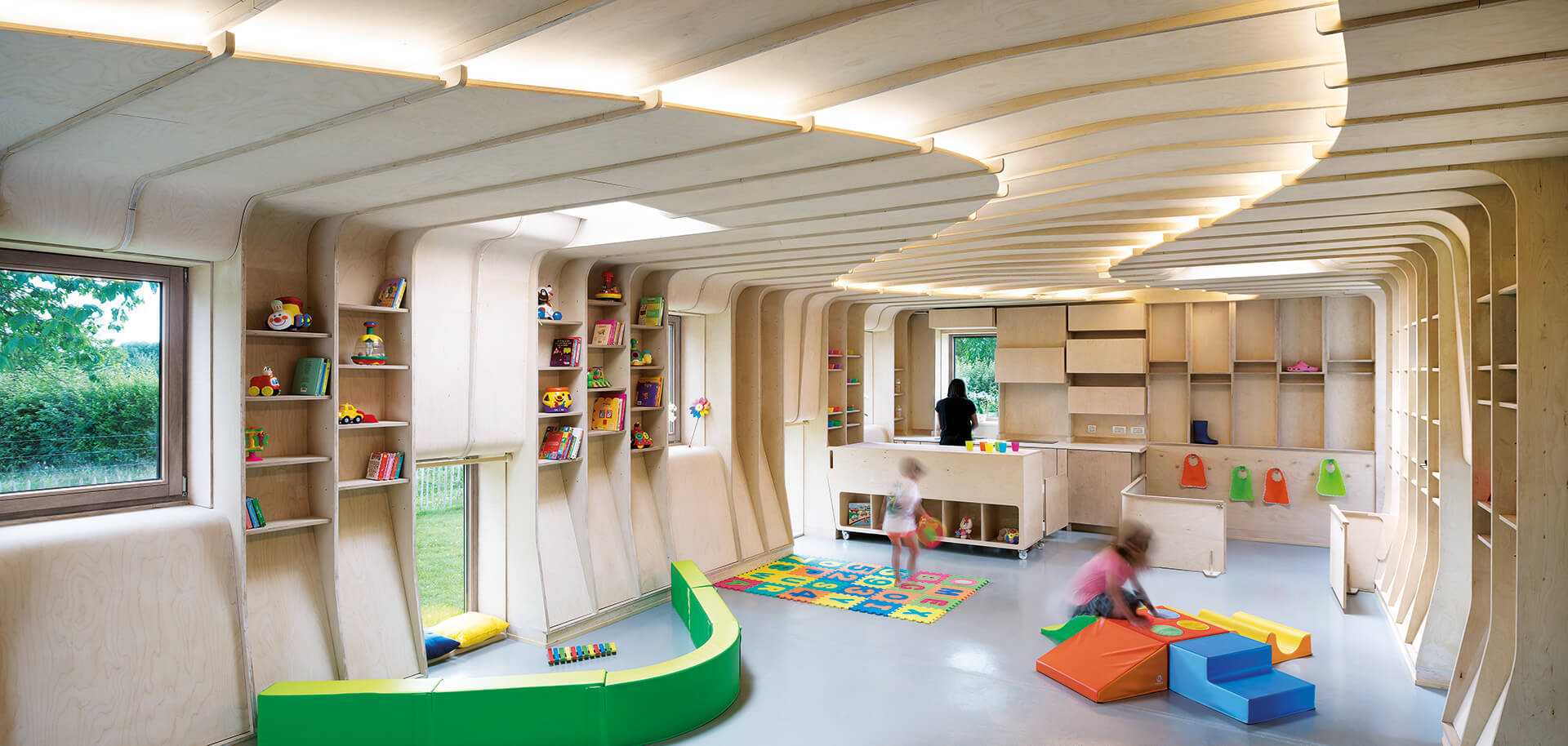
Set within a garden in the Belgian countryside stands the newly constructed wooden volume of Pocket Nursery, a 120m² “pocket” kindergarten whose architecture seeks to support learning through action and physical engagement. In response to the programmatic requirements and the specific pedagogical approach, the creation of a space capable of cultivating design sensitivity in children was not simply desirable, but fundamental. The scope of spatial experimentation was largely determined by the thickness of the walls: their lower sections incorporate small steps for toddlers learning to stand, while their inclined surfaces double as drawing boards. Openings are positioned at the children’s eye level, establishing a direct visual connection with the garden, which functions as both a spatial extension and an integral component of the educational experience. An inclined table is also embedded within the walls, serving alternately as a pottery workstation or as a communal surface for shared meals.
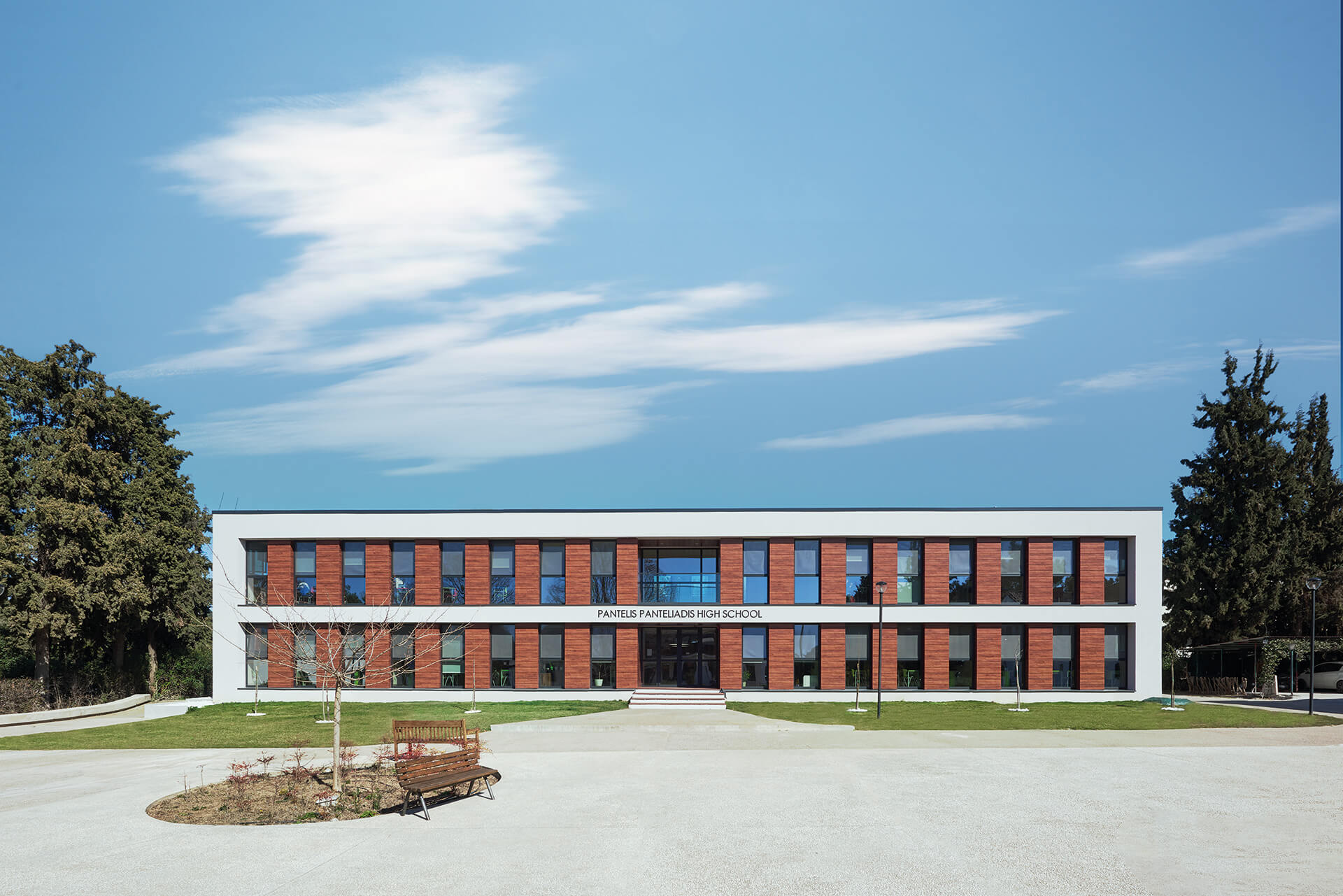
The project concerns the reconfiguration and addition of a new building at the American Farm School, aiming to achieve environmental sustainability and the construction of infrastructure compatible with the existing school buildings, with a strong emphasis on accessibility. Originally, the school complex consisted of two single-storey buildings constructed in two different phases. The first was set at an elevation of +0.60 m above ground level with a rectangular floor plan, while the second was located at +0.00 m. Communication between the two was provided via staircases, which hindered access for people with disabilities. The project proposed the construction of an additional building, funded through a donation by the Panteliadis family, in order to create five additional classrooms, spaces for teaching staff, and an internal shared zone for breaks. The optimal solution involved replacing the building located at +0.60 m with a new two-storey linear building at ground level, allowing for an internal connection between the two units.
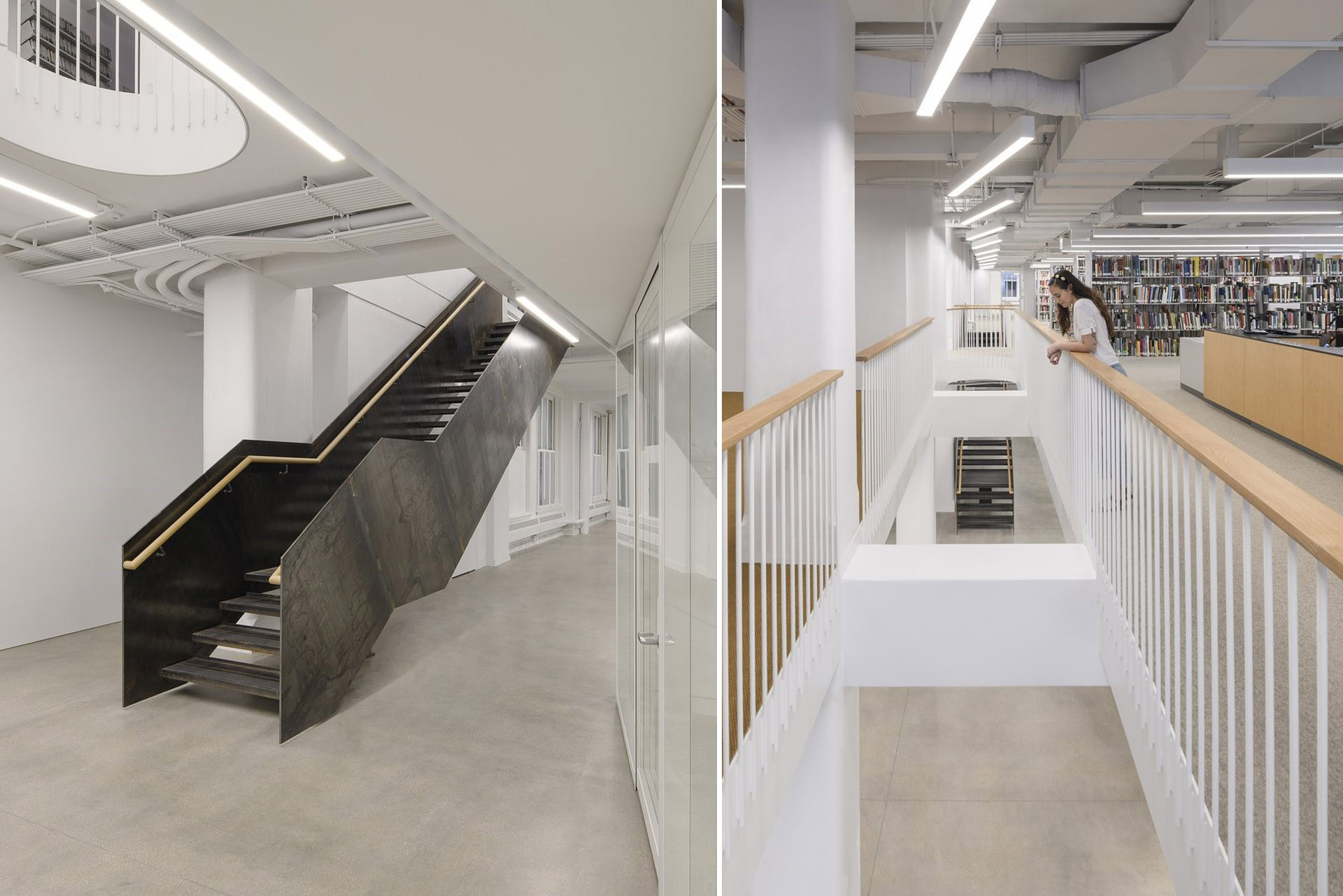
The Flexman Library is located in the Sharp building, designed in 1902 by Holabird & Roche Architects. The project aim is to create an engaging environment and connect students from various art programs in a multi-level library. The new design reconfigures the school’s existing main and special collections library on the fifth and sixth floor and exposes the building’s original steel frame structure. A narrow 20cm by 2.5m atrium connects the two levels, establishing a visual and physical connection of the two floors. A new multi-use space named “Corridor+” is constructed to create better circulation and access to the library, while also providing semi-private reading nooks, becoming a flexible public space for meetings, study sessions, exhibitions, and performances.
ek issue: 303 | December 2025
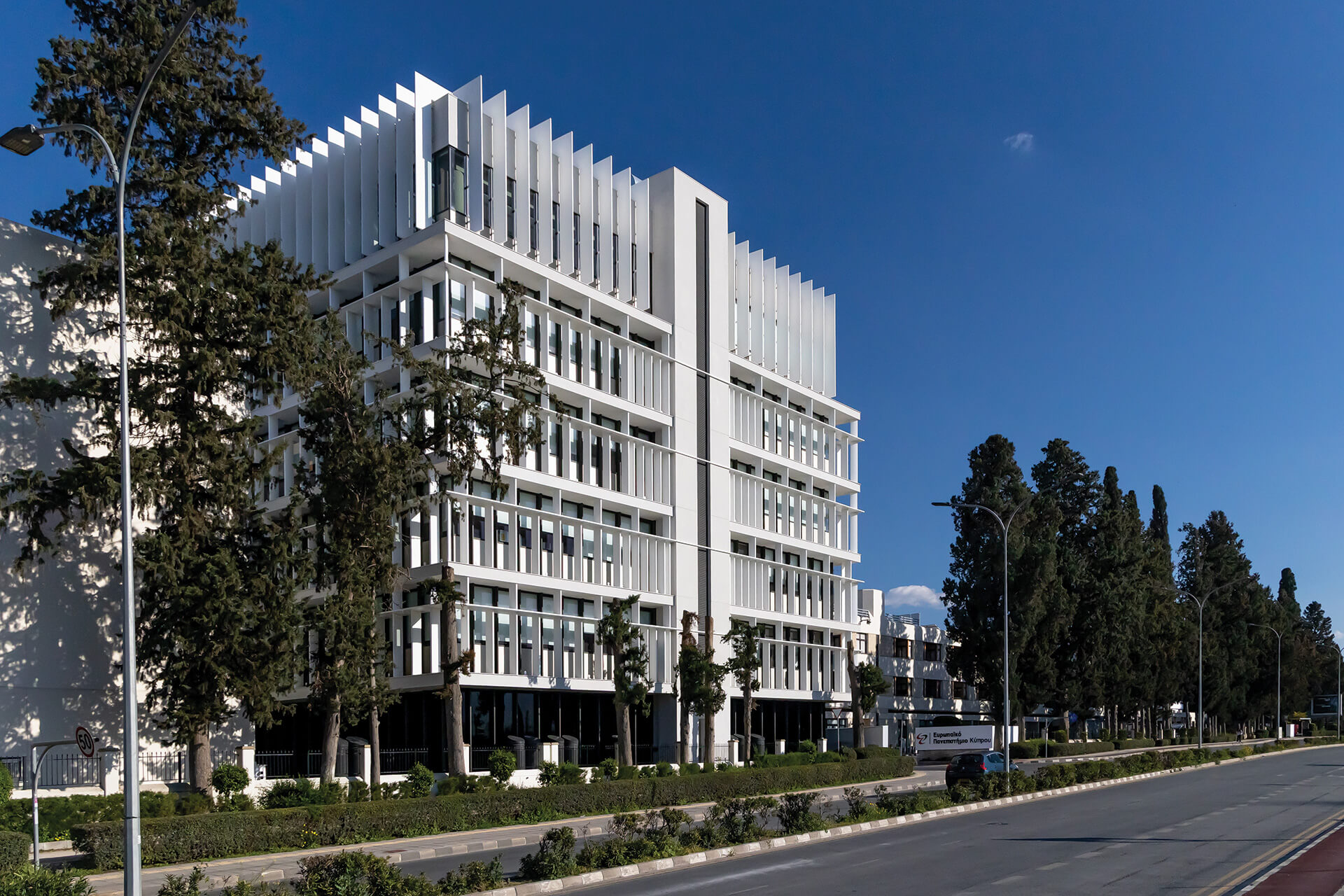
The recently completed addition to the campus of the European University Cyprus houses the Schools of Medicine, Dentistry and Veterinary Medicine. More specifically, the building comprises standard tertiary education classrooms along with their supporting facilities, as well as laboratories of various kinds in conjunction with a series of complementary communal spaces. Given the building’s significant institutional role within the university campus, the architecture was required to establish a connection with the existing facilities while preserving the distinctiveness of its character. The project site lies along one of Nicosia’s main traffic arteries (Agiou Prokopiou Avenue), an urban environment that remains largely under development. As such, the building seeks to respond with a restrained yet substantial presence within this context of extended distances and high-speed movement. The architecture of the area presents certain characteristics, which the project was called upon to respect.
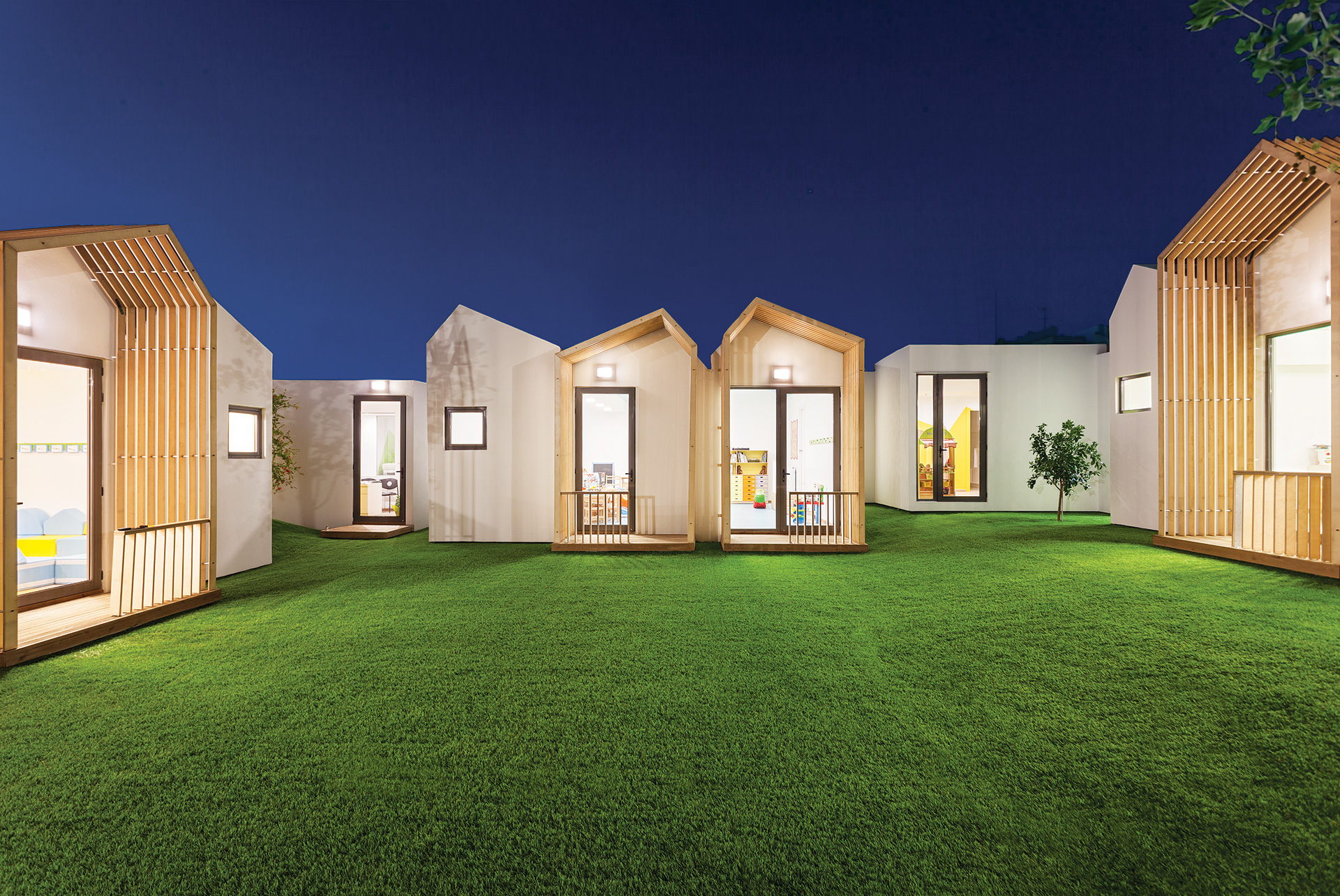
One of the greatest challenges in the design and construction of the Municipal Nursery School of Glyfada was to reassert the architect’s role as a key contributor in the creation of a new public building. A second challenge lay in foregrounding the prefabrication system selected for the building’s implementation. The entire structure was transported from the production factory, and the total construction time amounted to six months. The prefabrication system, defined by the competition’s prerequisites, significantly shaped the building’s form, as the basic module had to be transportable by truck.
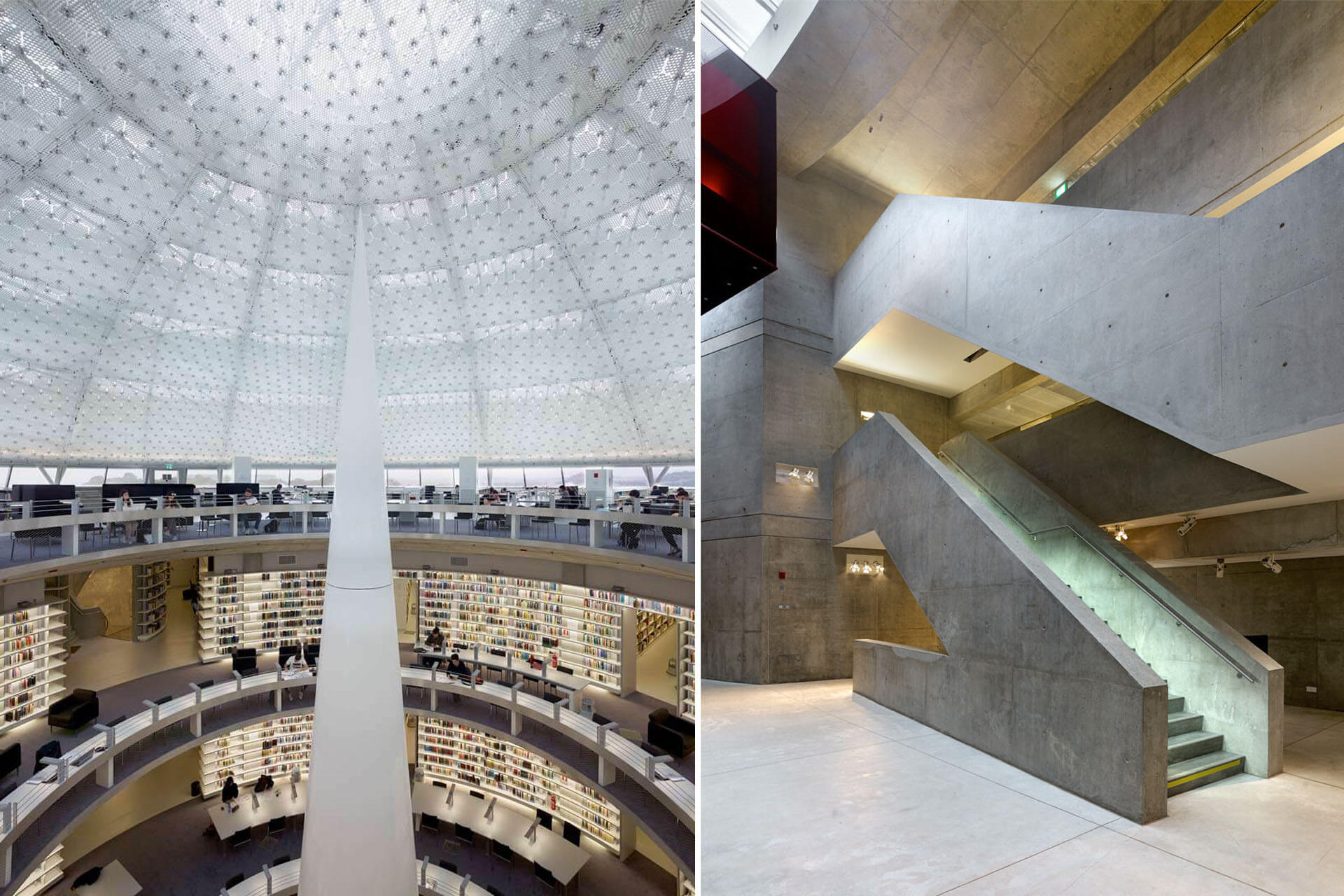
On the northeastern edge of the University of Cyprus campus in Nicosia, an artificial hill rises from the terrain, completing the natural landscape shaped by Aronas Hill and the Kalogeros river. Seamlessly integrated into its surroundings, it appears less as an intervention and more as a quiet geological inevitability – an architectural gesture that feels as though it has always belonged there. Beneath this constructed topography lie the Information Center and the Library of the University of Cyprus, named after Stelios Ioannou in recognition of the decisive donation by his widow, Ellie Ioannou, which set the long-envisioned project into motion. What emerges is not merely a repository of knowledge, but a landmark that redefines the relationship between architecture and landscape.
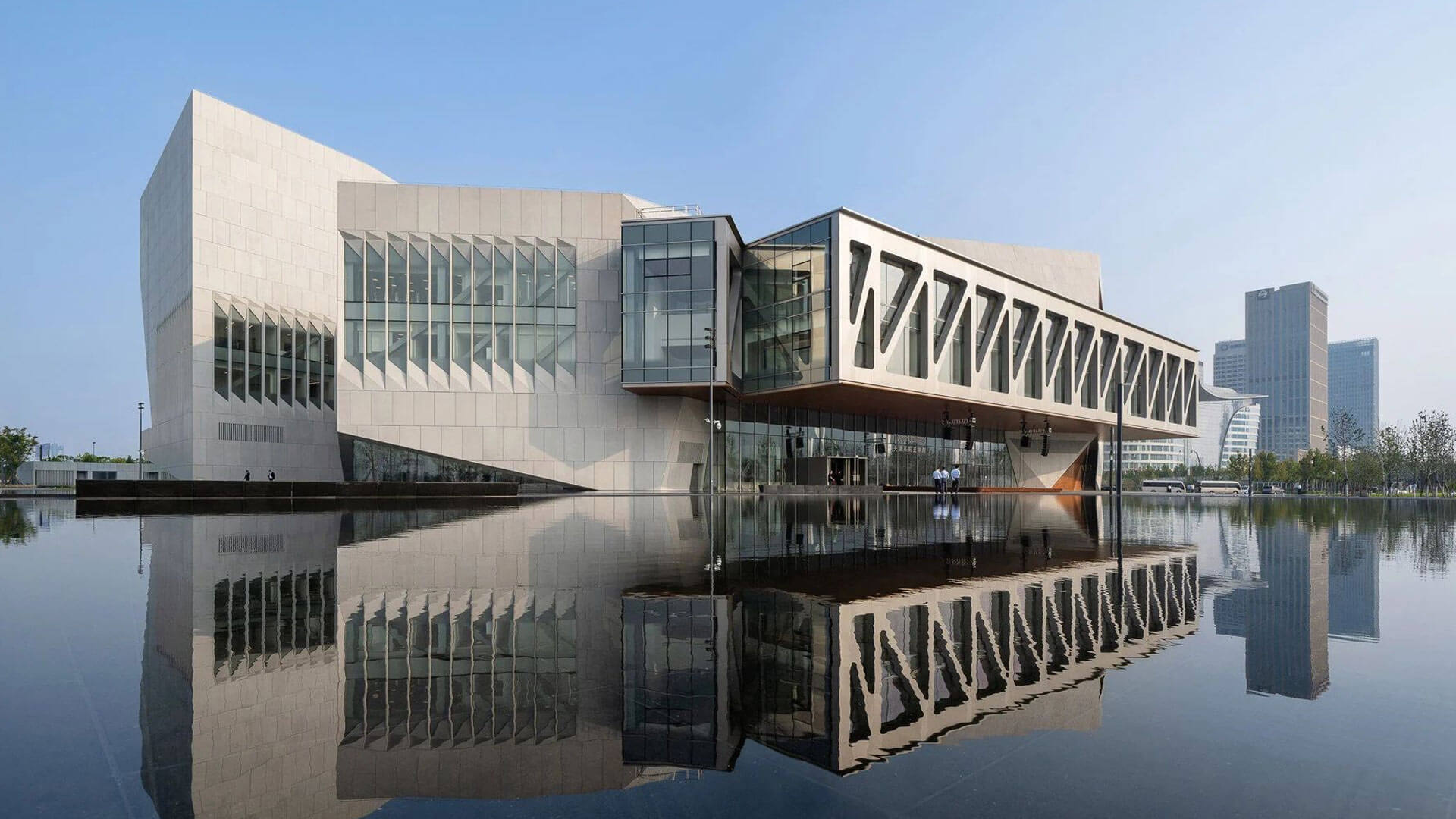
The Tianjin Juilliard School serves as a dynamic center for performance, practice, research, and interactive exhibitions, with communal spaces intentionally designed to welcome the public into the creative and performative process of music. As the first performing arts institution in China to offer a U.S.-accredited Master of Music degree, it provides graduate programs in orchestral studies, chamber music, and collaborative piano. The school also offers a pre-college program for students ages 8–18, an instrumental training program, adult education courses, and a robust schedule of public performances.